
Abalone mushroom
Pleurotus cystidiosus is the abalone mushroom, a cultivated oyster-type fungus with dark brown caps that grows more slowly and is more demanding than other Pleurotus species.
 FermenteaWhere food goes to change
Mushrooms
The giant oyster, Pleurotus giganteus, is a large tropical wild mushroom that was once named Lentinus giganteus and is now placed in the oyster genus, eaten in Thailand and Sri Lanka and only recently grown on purpose.
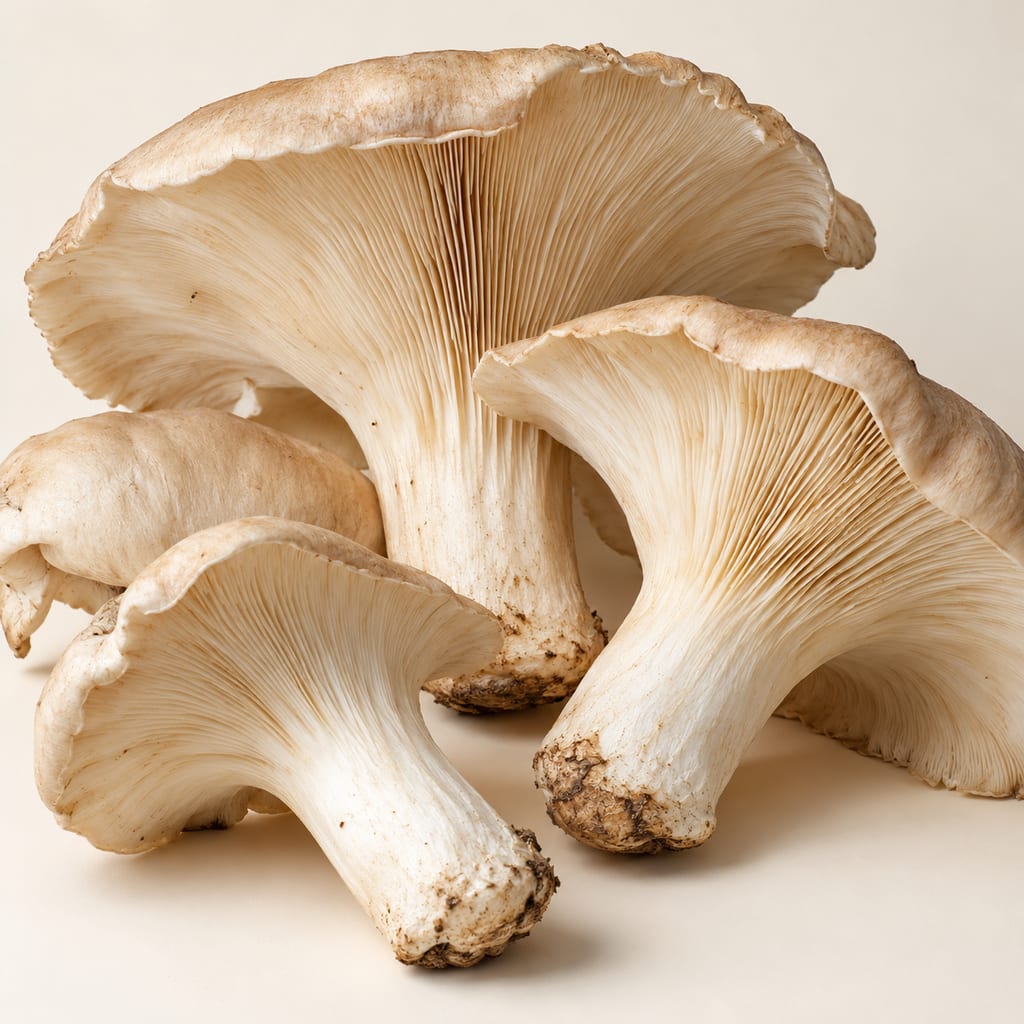
Pleurotus giganteus is a large mushroom found in the tropics. Its name has moved through the literature. It was once classed as Lentinus giganteus or Panus giganteus, and the sources reviewed say that its distinctive physical characters, together with molecular data, now place it in the genus Pleurotus. A reader who meets it under an older name in a book or a market list is looking at the same mushroom.
The species is widely known in the sources as a collected wild food. A 2012 study of new collections from Sri Lanka and Thailand reports that it is widely eaten in Sri Lanka. The same record names it as a popular edible mushroom in its range, and the 2012 paper reports that it was not yet grown commercially in either country.
The mushroom is collected and eaten in many tropical countries, Thailand among them, according to the Thai and Sri Lankan sources reviewed. Its use is documented as a wild food gathered in the wild, and the sources do not describe a traditional preparation method, so this page does not give one.
In China the mushroom is known by a local name, zhudugu, which the search summary translates as swine's stomach. The name is recorded here as a name only. The sources reviewed do not connect it to a documented food use, so no China place is claimed.
Cultivation was not established at the time of the 2012 study. That paper says that although the mushroom is popular, it was not cultivated commercially in Thailand or Sri Lanka, and it describes a two-step method: first inoculating a sawdust substrate in polypropylene bags, then transferring the colonised material to soil.
A 2018 review describes a sawdust-based substrate with a soil casing as the standard approach, and a 2023 Thai paper describes the species as domesticated in Thailand. The sources reviewed do not give temperatures, yields, timings or substrate ratios, so this page gives no figures. The cultivation method is a commercial and horticultural process, and a home method cannot be taken from this page.
The sources consulted give little on the early history of the mushroom in Thailand or Ceylon. A search of the Sri Lankan record found only a general 1986 book on oyster mushroom cultivation, not one about this species, so no historical claim is made here.
The sources do not describe the flavour, texture or cooking behaviour of the mushroom, and they do not give a storage life. This page makes no claim on any of them.
Safety wording: the sources reviewed describe the mushroom as a wild food in its range. They do not provide a safety assessment for picking it, and this page gives no identification or edibility verdict. A wild mushroom should be identified by an expert before it is eaten. Pleurotus giganteus is named here from the research record and should not be used to identify a specimen.
Country-level. The sources say the mushroom is collected and eaten in Thailand, among other tropical countries, and that a 2023 Thai paper reports domestication there. Not a single origin.
Country-level. Consumption is recorded; no history of use in Sri Lanka was found in the sources consulted.
Pleurotus cystidiosus is the abalone mushroom, a cultivated oyster-type fungus with dark brown caps that grows more slowly and is more demanding than other Pleurotus species.
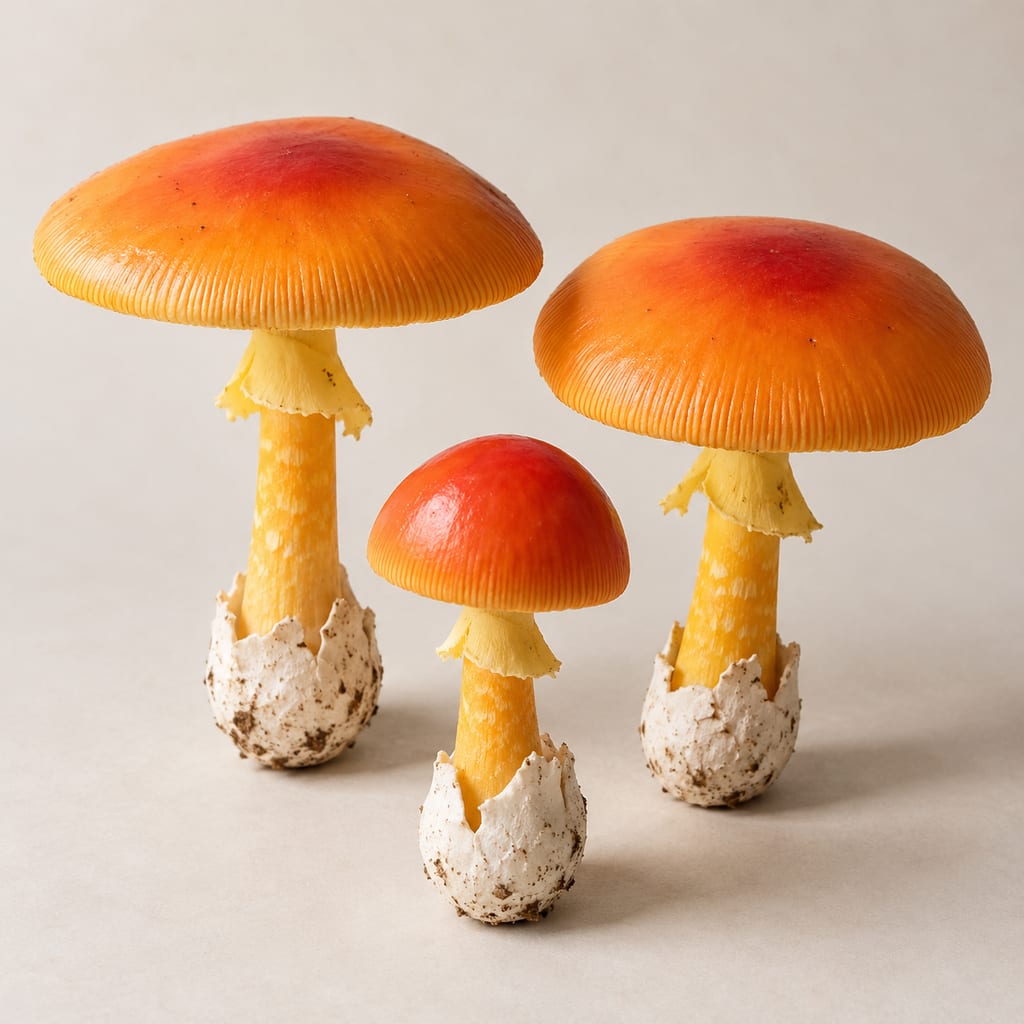
A wild Asian Amanita reported as food in regional literature and listed in China’s edible-fungi catalogue. Lookalikes include lethal species; this record is not a guide to identifying wild mushrooms.
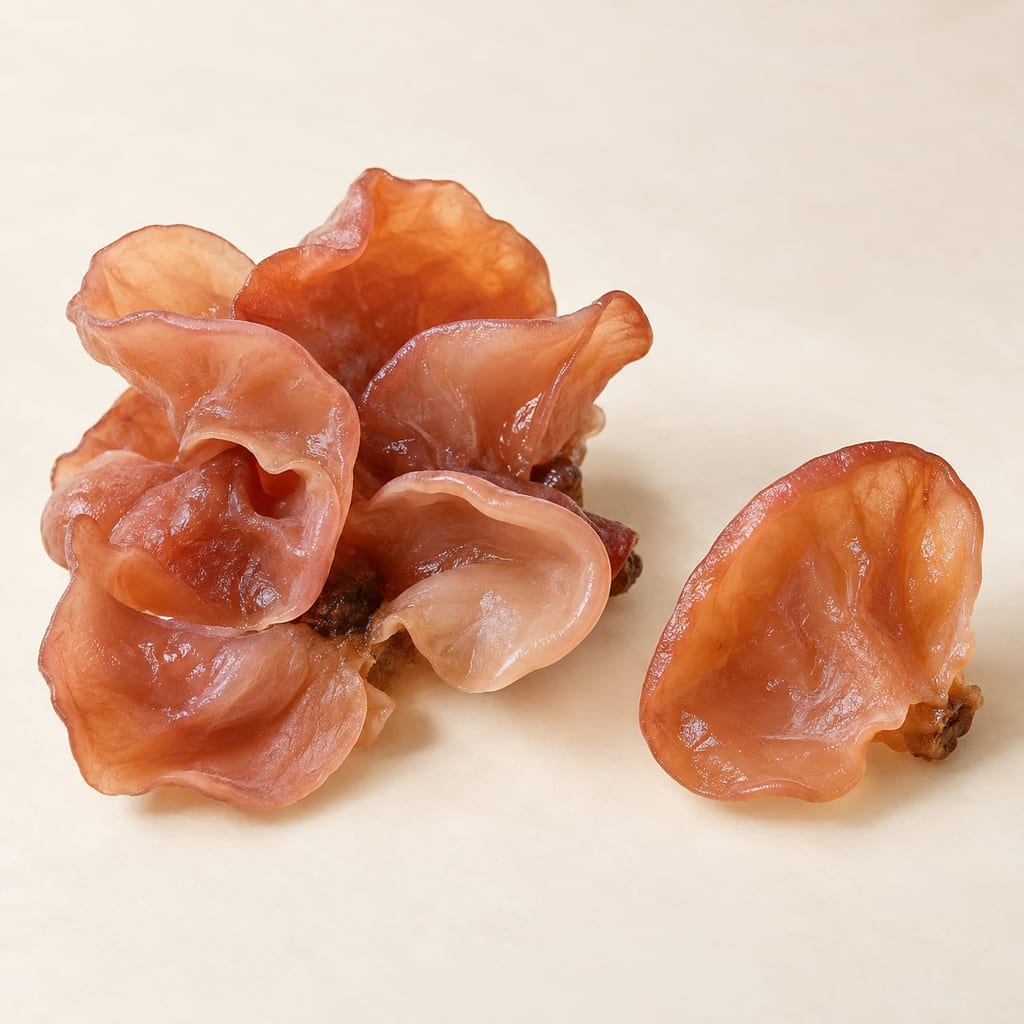
Auricularia thailandica is a thin, gelatinous wood ear described from Southeast Asian collections. Research reports it edible and experimentally cultivable, but species-specific recipes and everyday handling guidance are scarce.
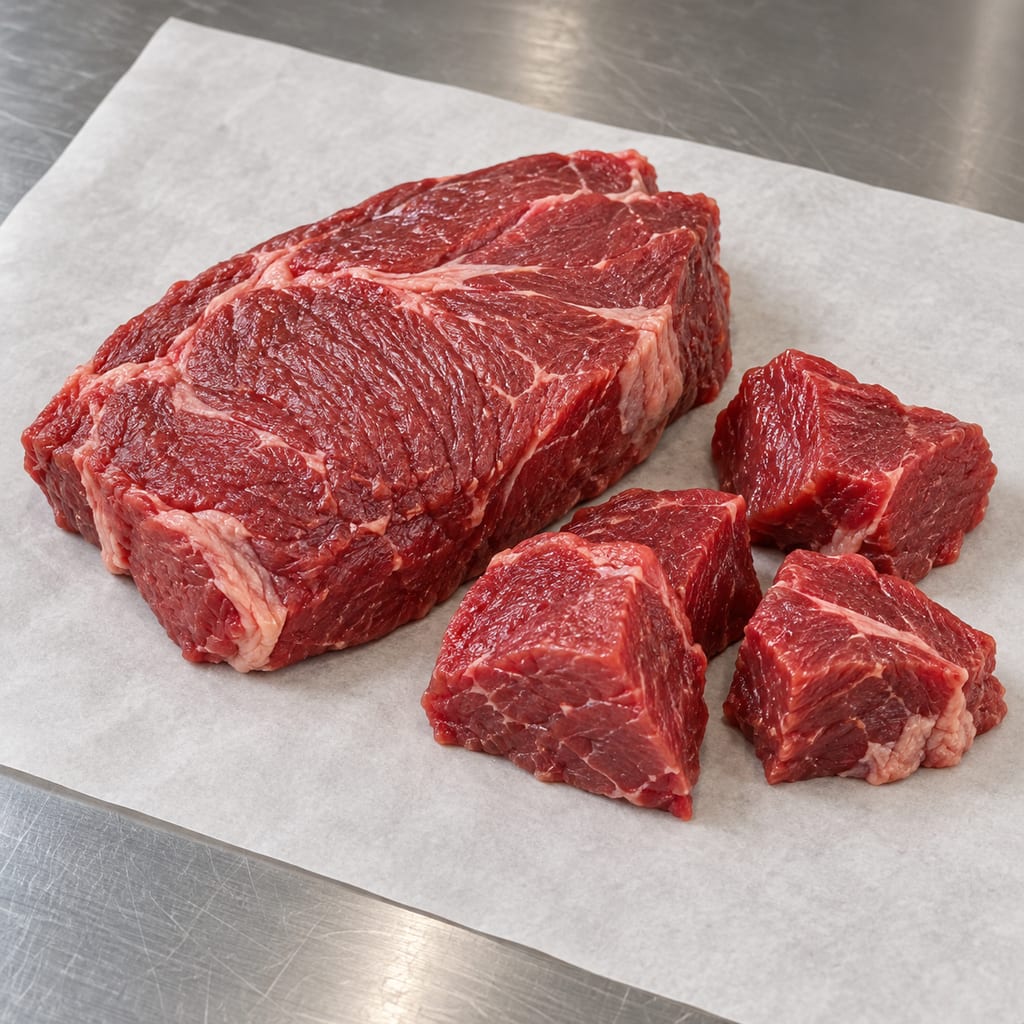
Water-buffalo meat, often called carabeef, is the flesh of Bubalus bubalis; its colour, texture and fat vary with animal, cut and production system. “Buffalo” can also mean bison or African buffalo in other contexts.
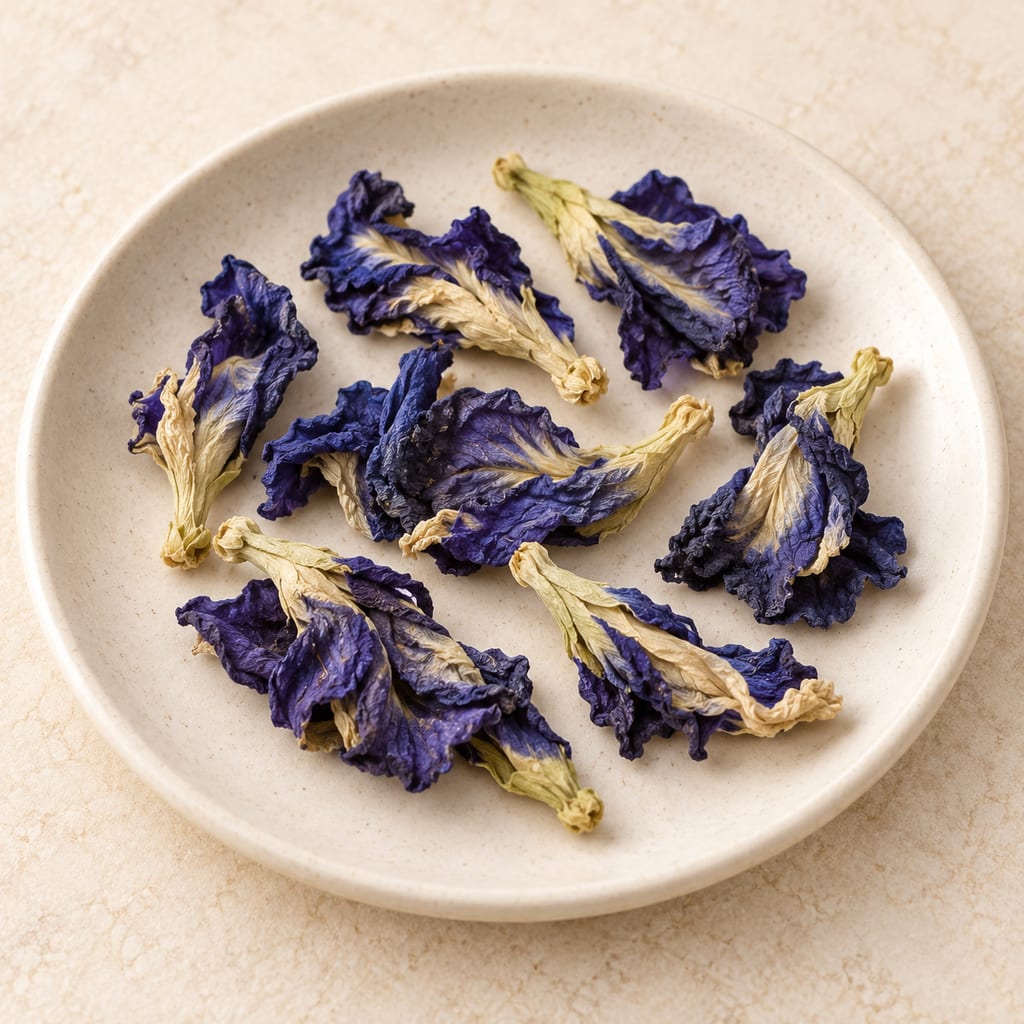
Clitoria ternatea's blue flower is used as a colourant and appears in a Thai dried-flower tea product. Food use is preparation-specific; EFSA raised safety objections to a dried-flower traditional-food notification.
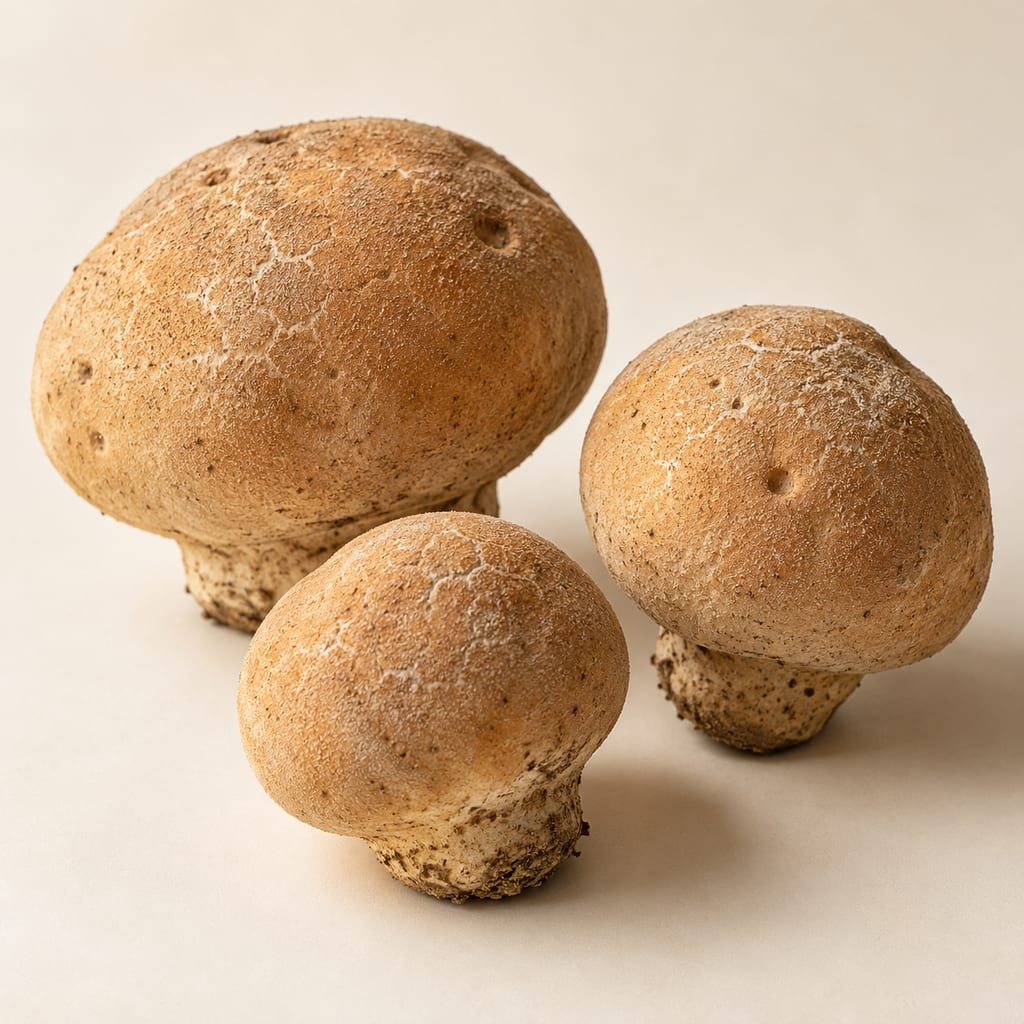
Calvatia boninensis is a large puffball described from the Bonin (Ogasawara) Islands of Japan, reported as edible in some catalogues and local accounts, with no species-specific safety or preparation study.
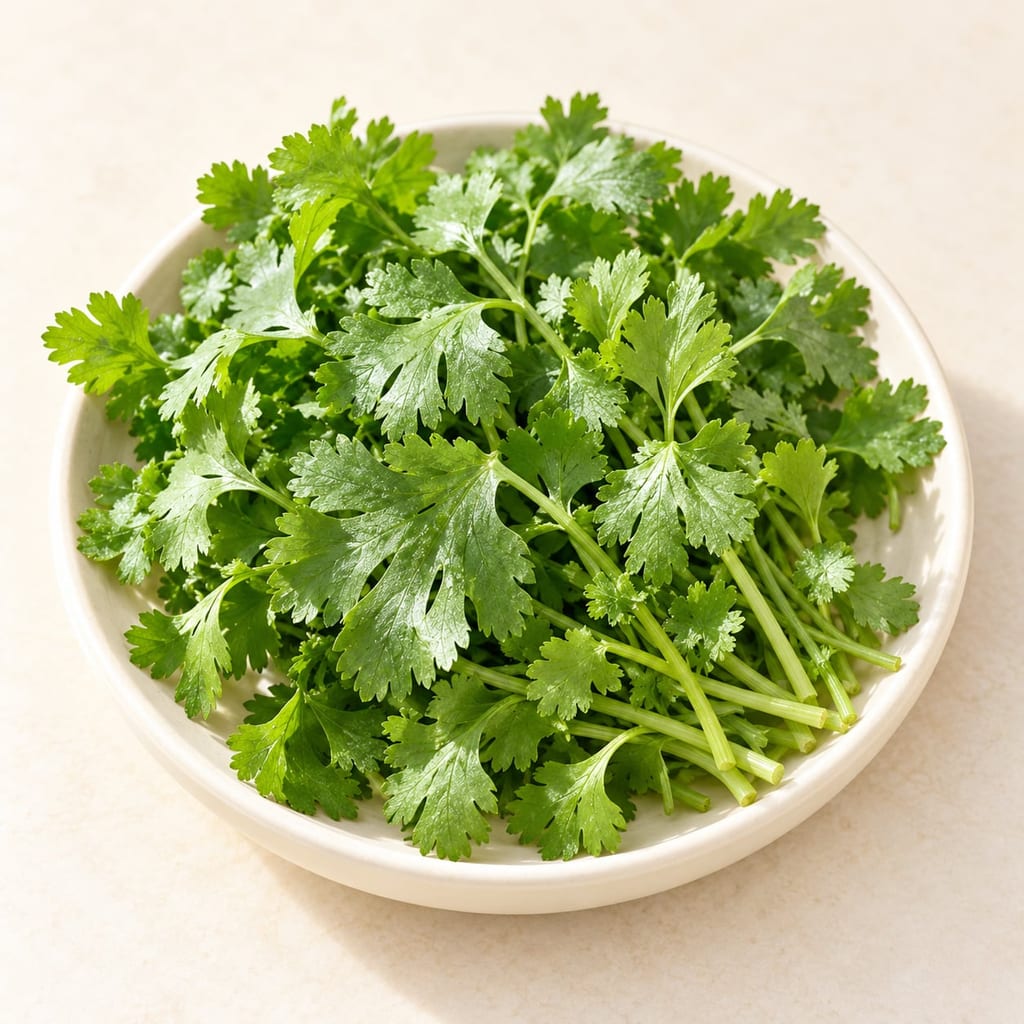
Cilantro is the fresh leafy herb of Coriandrum sativum, the same annual plant that produces coriander spice. Its green, aromatic leaves and fine stems bring a vivid herbal note to foods such as sai krok Isan.
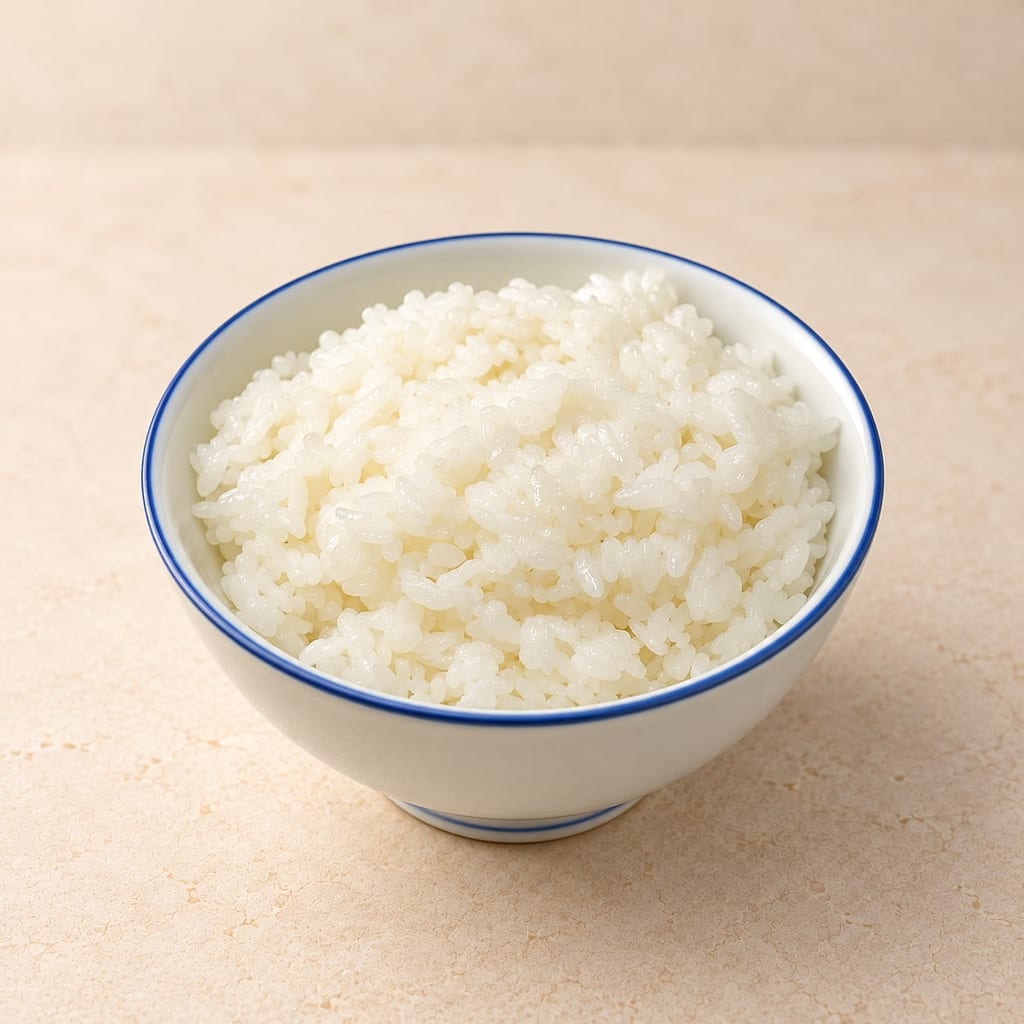
Cooked rice is rice grain heated in water until its starch gelatinizes; in Thai sour sausage it feeds the bacteria that acidify the meat.
No community contributions have been published for this entry yet.
Sign in to contribute. Published comments and photos are free to read.
Mycotaxon (via Ingenta Connect)History · Taxonomy · Method
Lentinus giganteus revisited: new collections from Sri Lanka and ThailandThe species was once classed as Lentinus or Panus giganteus and is now placed in Pleurotus on morphological and molecular grounds.
The mushroom is widely consumed in Sri Lanka; in 2012 it was not cultivated commercially in Thailand or Sri Lanka.
A two-step method: inoculation on sawdust in polypropylene bags, then transfer to soil.
Cited in: What it is and what it was called; Where it is eaten; How it is grown; What the record does not yet settle
thaiscience.infoMethod · History
Pleurotus giganteus, Thai journal article (IJAT, record 10934639)Collected and eaten in many tropical countries including Thailand (search summary; primary text not opened).
Domesticated in Thailand per a 2023 paper (search summary; primary text not opened).
Cited in: What it is and what it was called; Where it is eaten; How it is grown; What the record does not yet settle