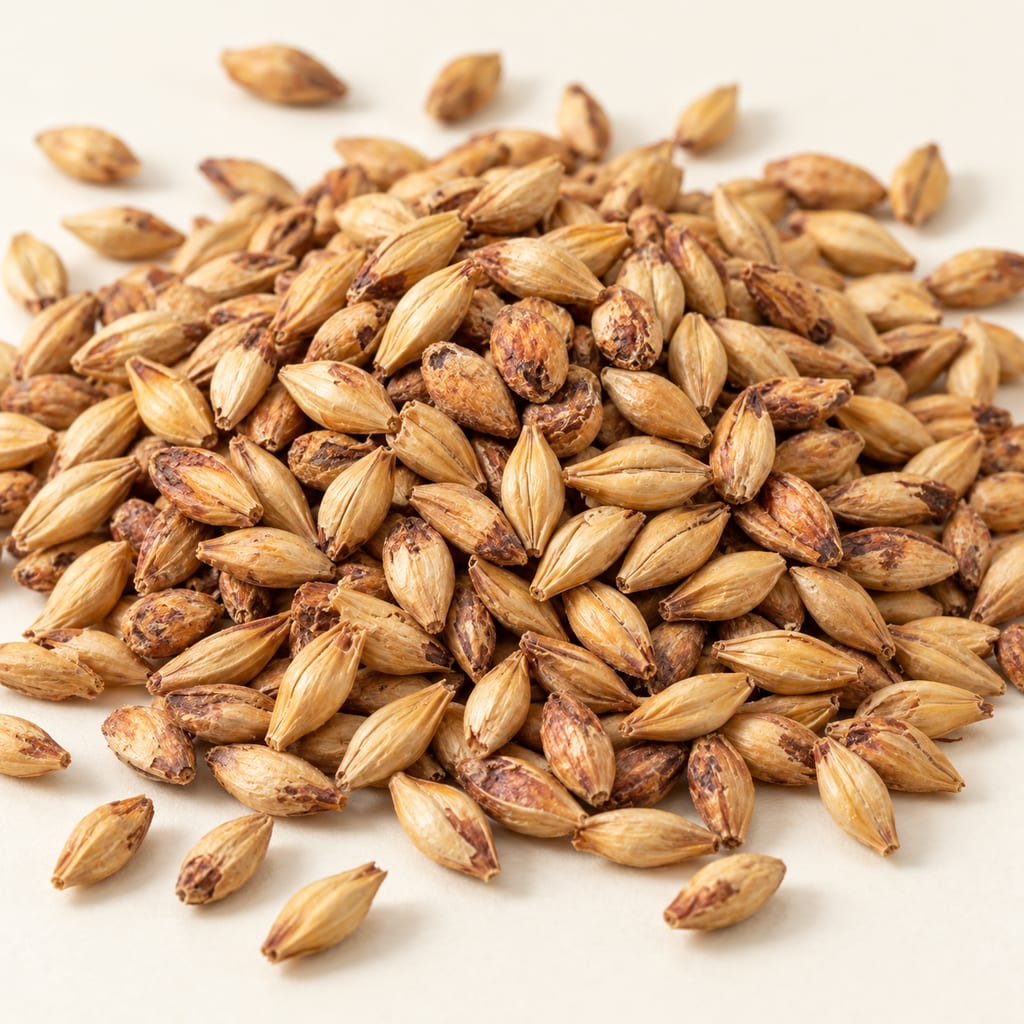
Briess Aromatic malt
Briess Aromatic Munich Malt 20L is a deeply kilned two-row barley malt used in small measure to lend malt aroma and colour. Monk’s Ration lists three ounces alongside four pounds of pale base malt.
 FermenteaWhere food goes to change
1086 articles on substrates, cultures and additives.
Briess Aromatic Munich Malt 20L is a deeply kilned two-row barley malt used in small measure to lend malt aroma and colour. Monk’s Ration lists three ounces alongside four pounds of pale base malt.
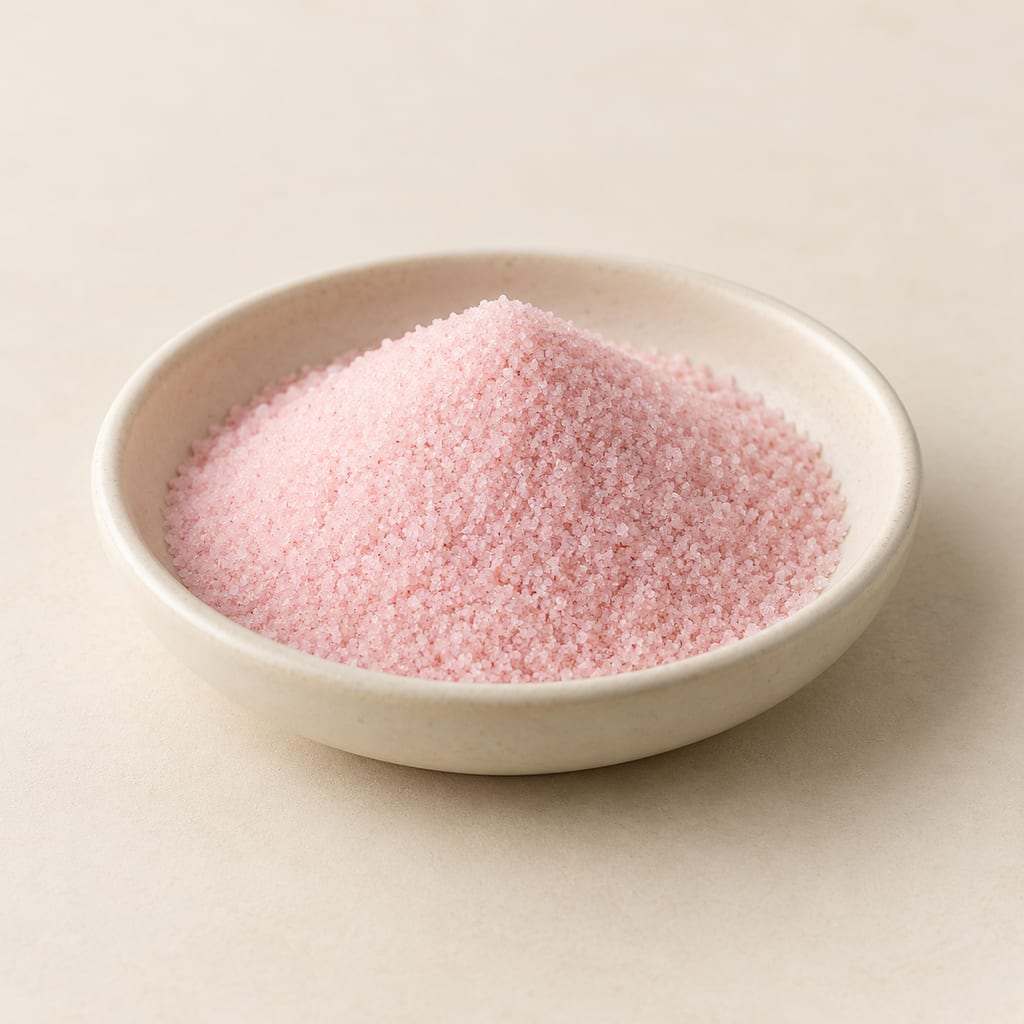
Insta Cure #1 is a measured salt and sodium nitrite blend used in specified meat-curing methods, including bacon and some sausages. It differs from nitrate-containing Cure #2 and must be matched to the recipe and product.
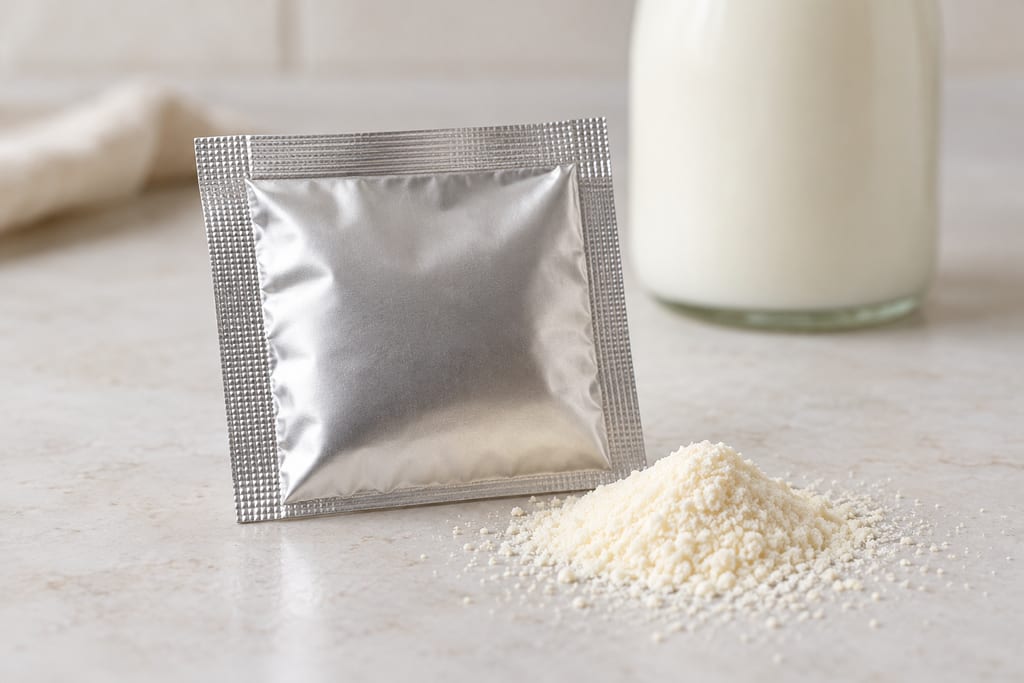
A mixed dairy starter selected for acidification and aroma. The documented Queso Andino culture has no identified modern strain blend or commercial formulation.
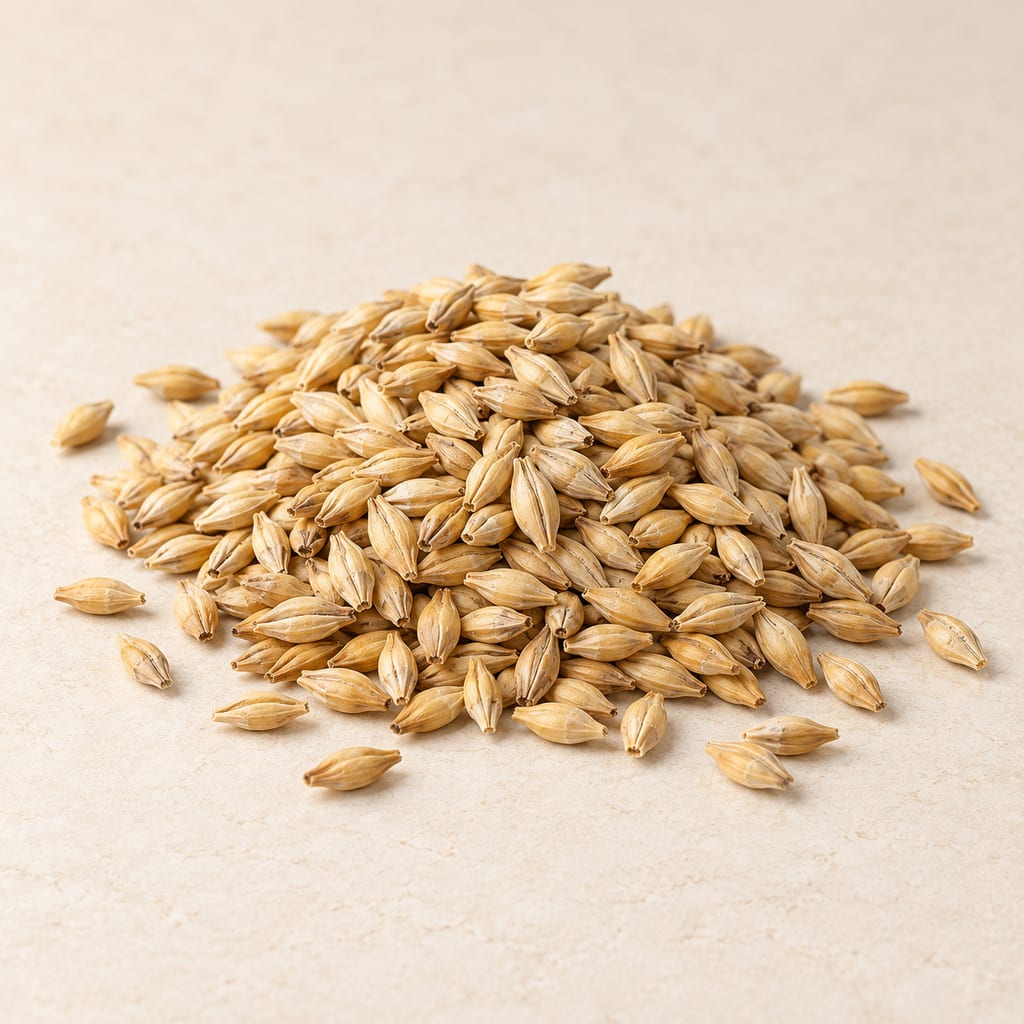
A lightly kilned brewing base made from two-row barley. It supplies starch and enzymes for the mash, with the maltster’s product and lot analysis defining its brewing properties.
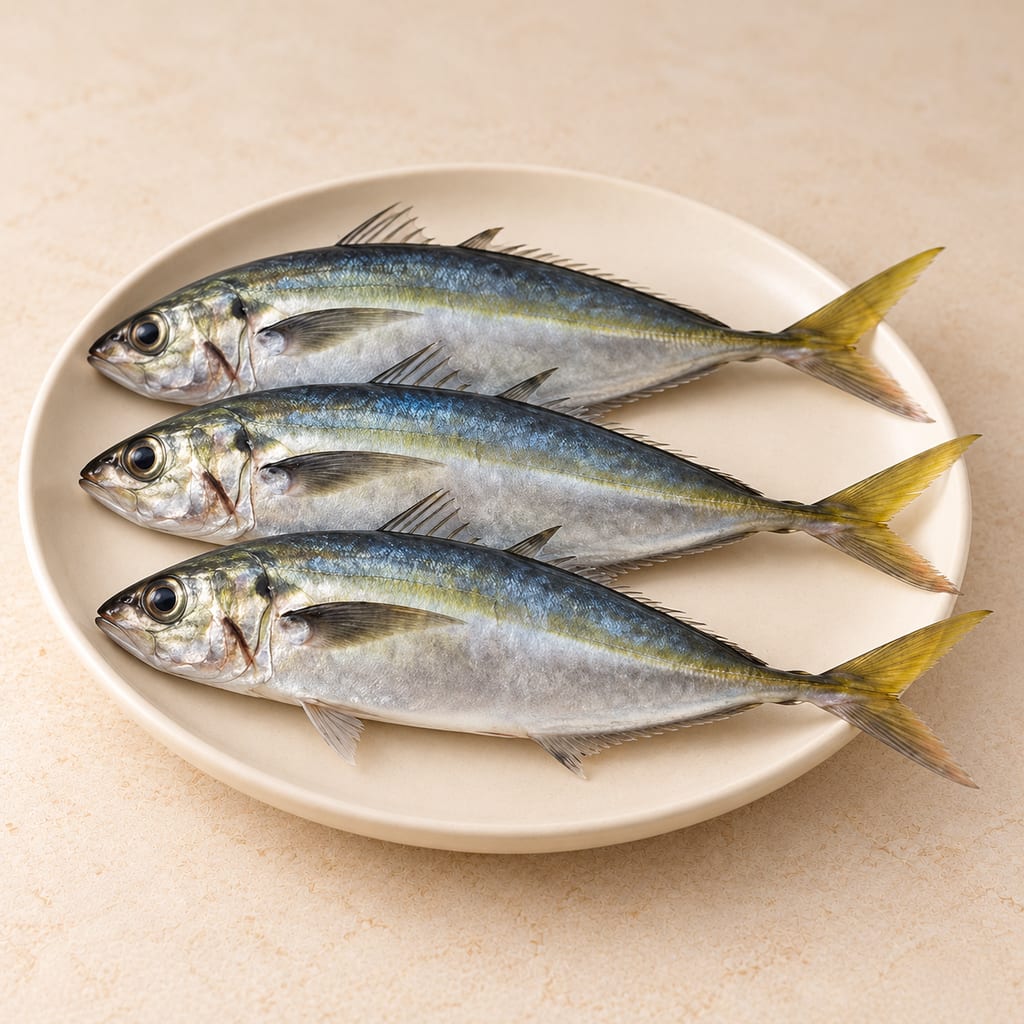
A marine scad named in a Vietnamese fish-sauce account as a whole-fish substrate; the account gives a 4:1 fish-to-salt example but no species-level voucher.
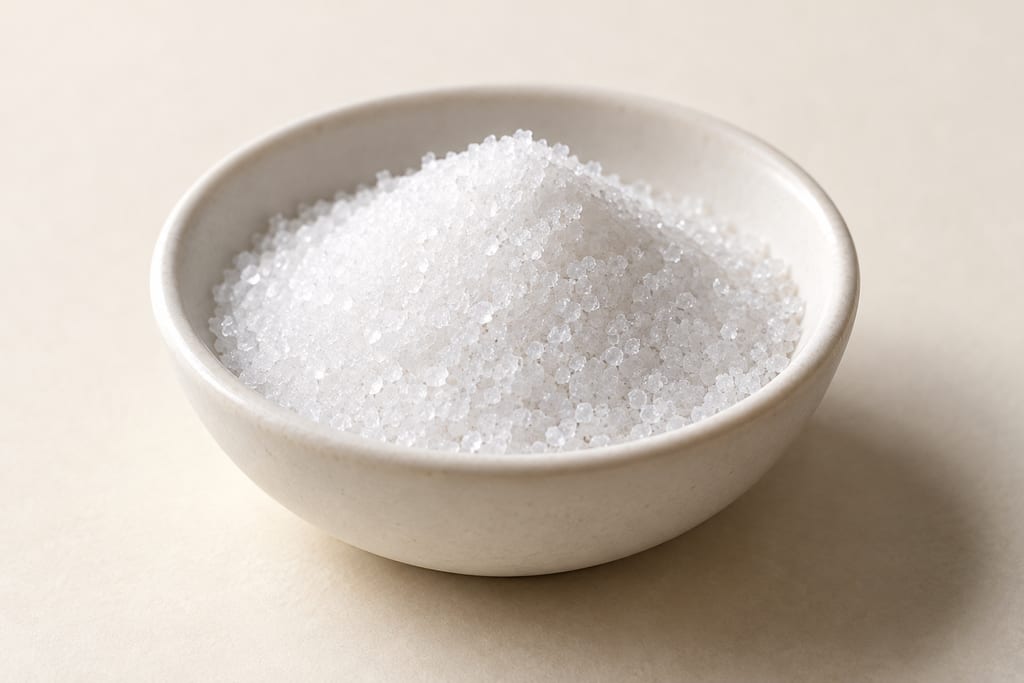
An unspecified alum named in an amla murabba soaking step. Potassium alum, ammonium alum and aluminium sulfate are distinct materials with different properties.
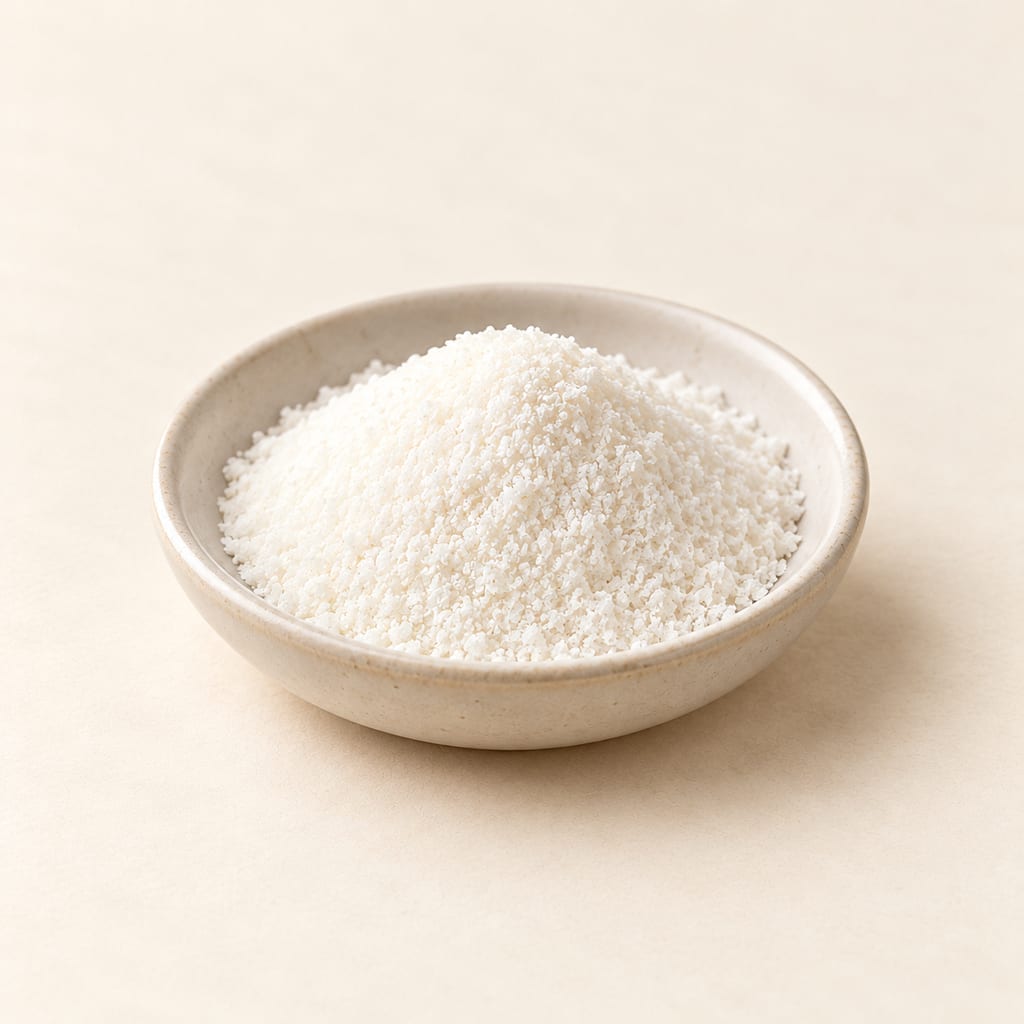
Acid blend is a commercial mixture of food acids for winemaking. Supplier formulas differ, and pH, titratable acidity and tartness describe different effects of an addition.
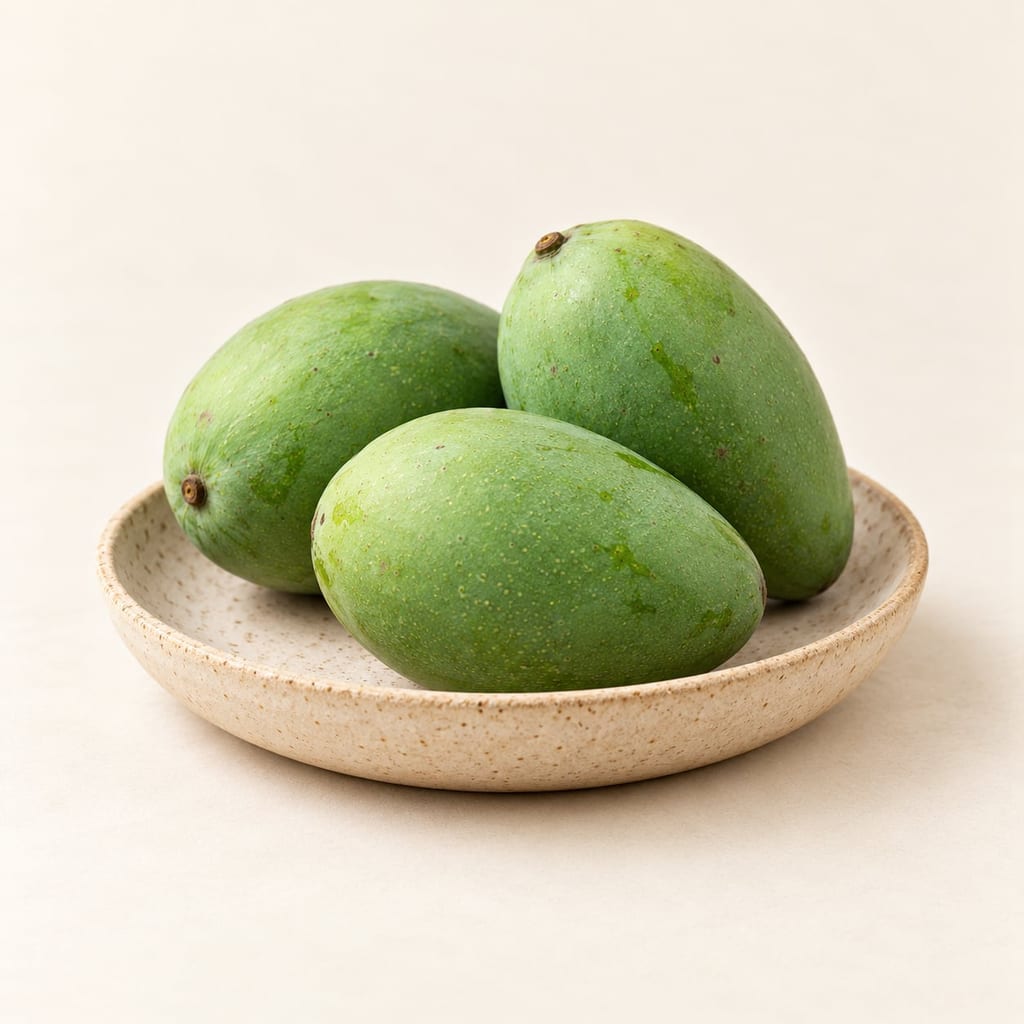
Unripe mango offers sourness and firm texture at several maturity stages, from tender whole pickle fruit to mature-green slices for cooking or drying.
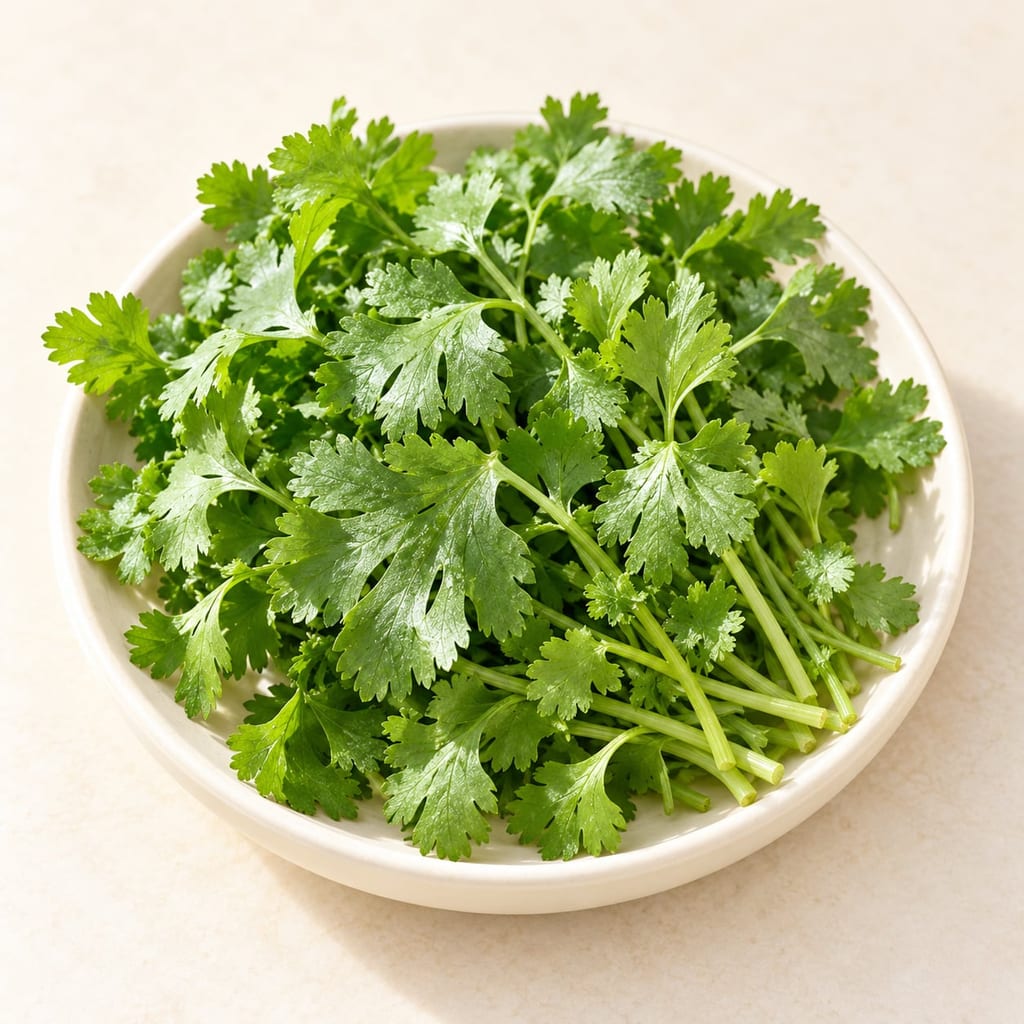
Cilantro is the fresh leafy herb of Coriandrum sativum, the same annual plant that produces coriander spice. Its green, aromatic leaves and fine stems bring a vivid herbal note to foods such as sai krok Isan.
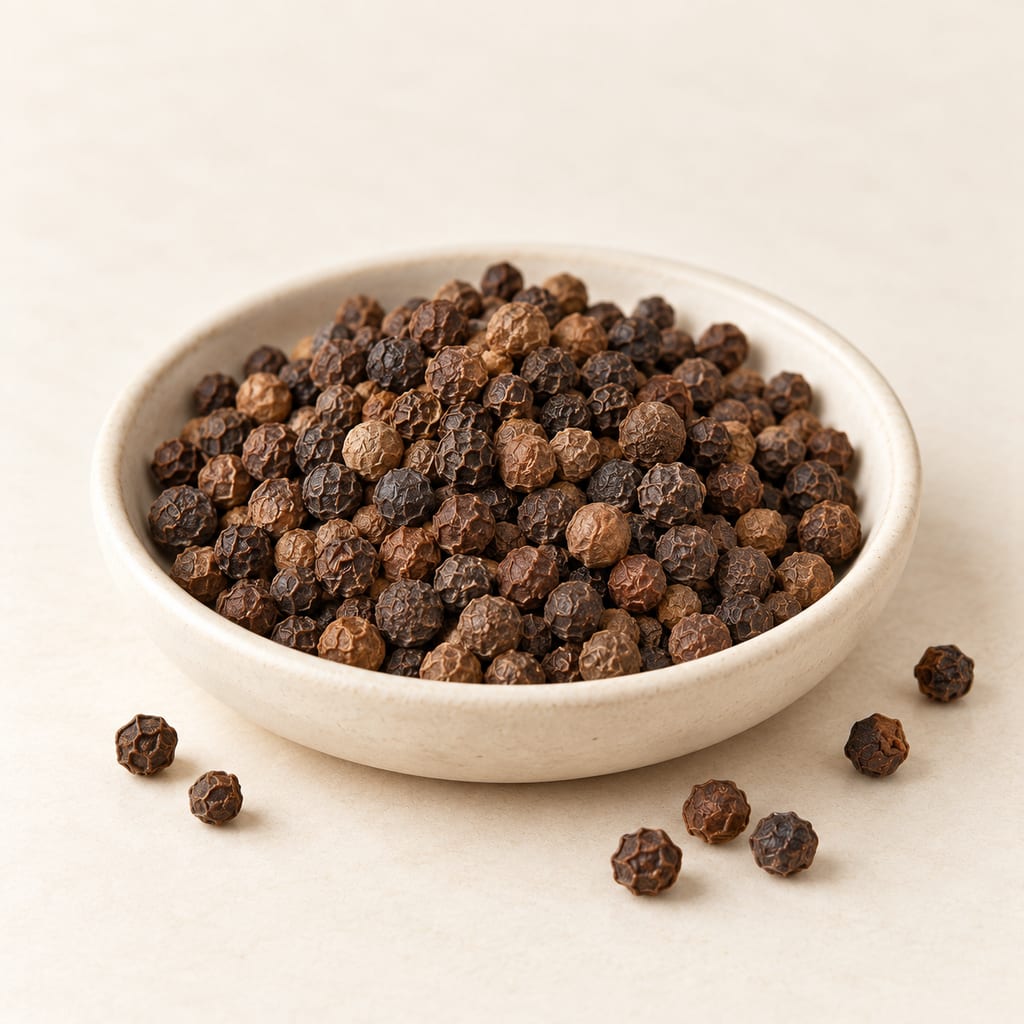
Black peppercorns are dried fruits of Piper nigrum, valued for piperine pungency and volatile aroma; whole peppercorns season Peter Kuruvita's lime pickle.
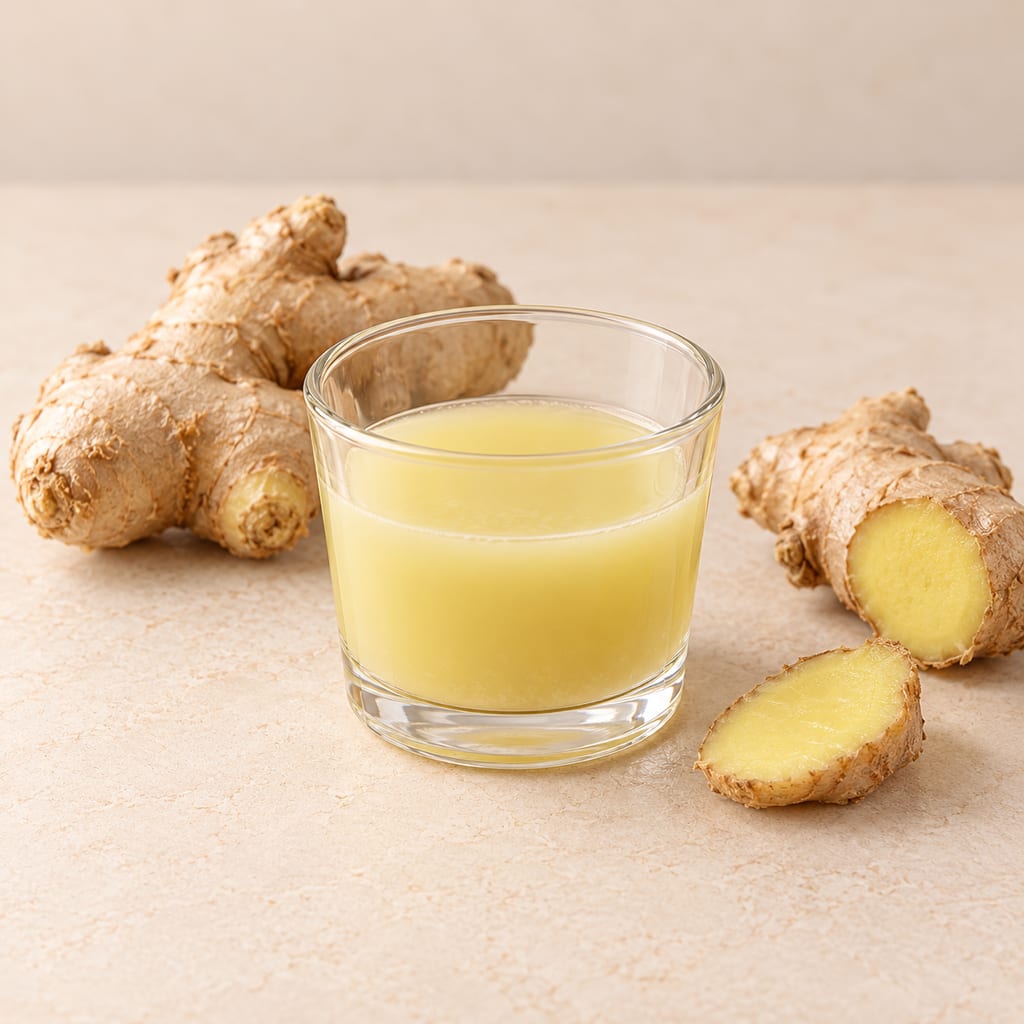
Fresh liquid pressed from ginger rhizome, used in a small amount to season a documented Nepali lapsi achar; distinct from grated ginger, powder and sweetened ginger beverages.
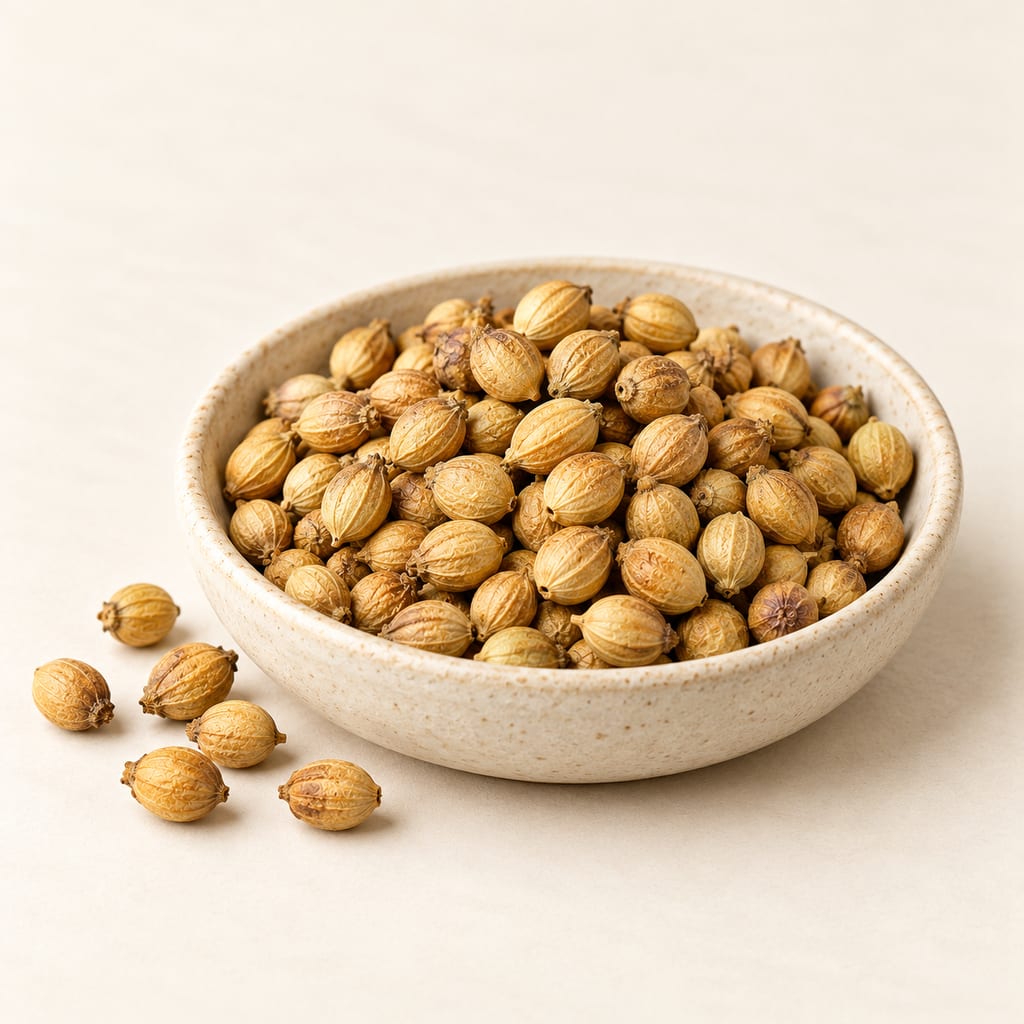
Coriander seed is the dried, aromatic fruit of Coriandrum sativum, used whole, cracked or ground in spice blends, pickles and cooked dishes.
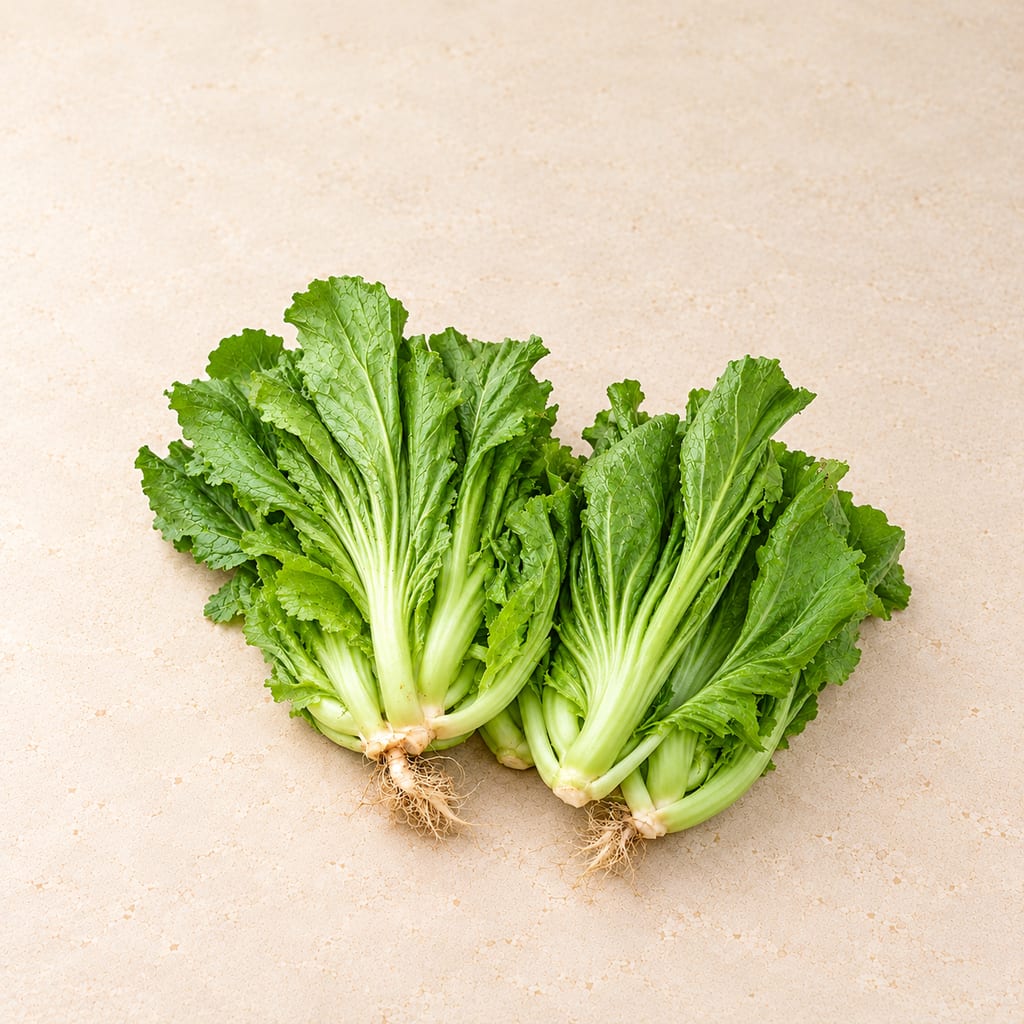
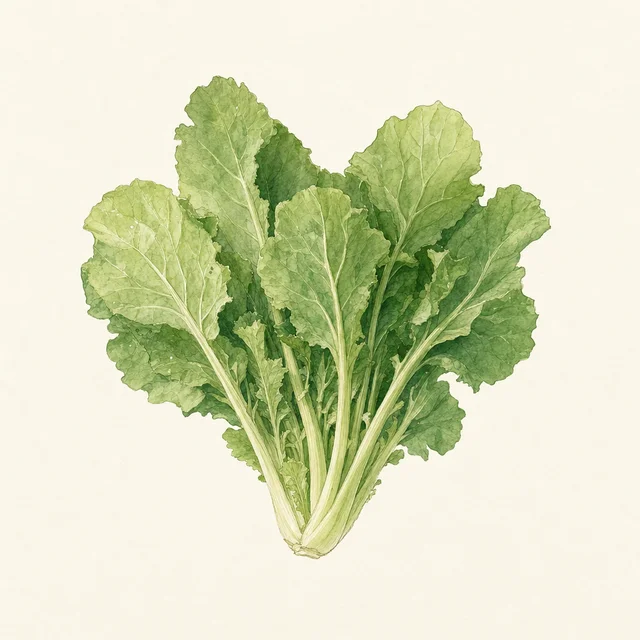
The leaves of Brassica juncea, a hardy cool-season crop with a sharp, sulfurous bite, eaten fresh and cooked and fermented across Asia as pickled greens, kimchi and gundruk.

Ripe avocado flesh is the soft, buttery, fat-rich pulp of Persea americana, eaten raw. It is low in acid, so it is a fresh ingredient that needs care in chilled dishes.
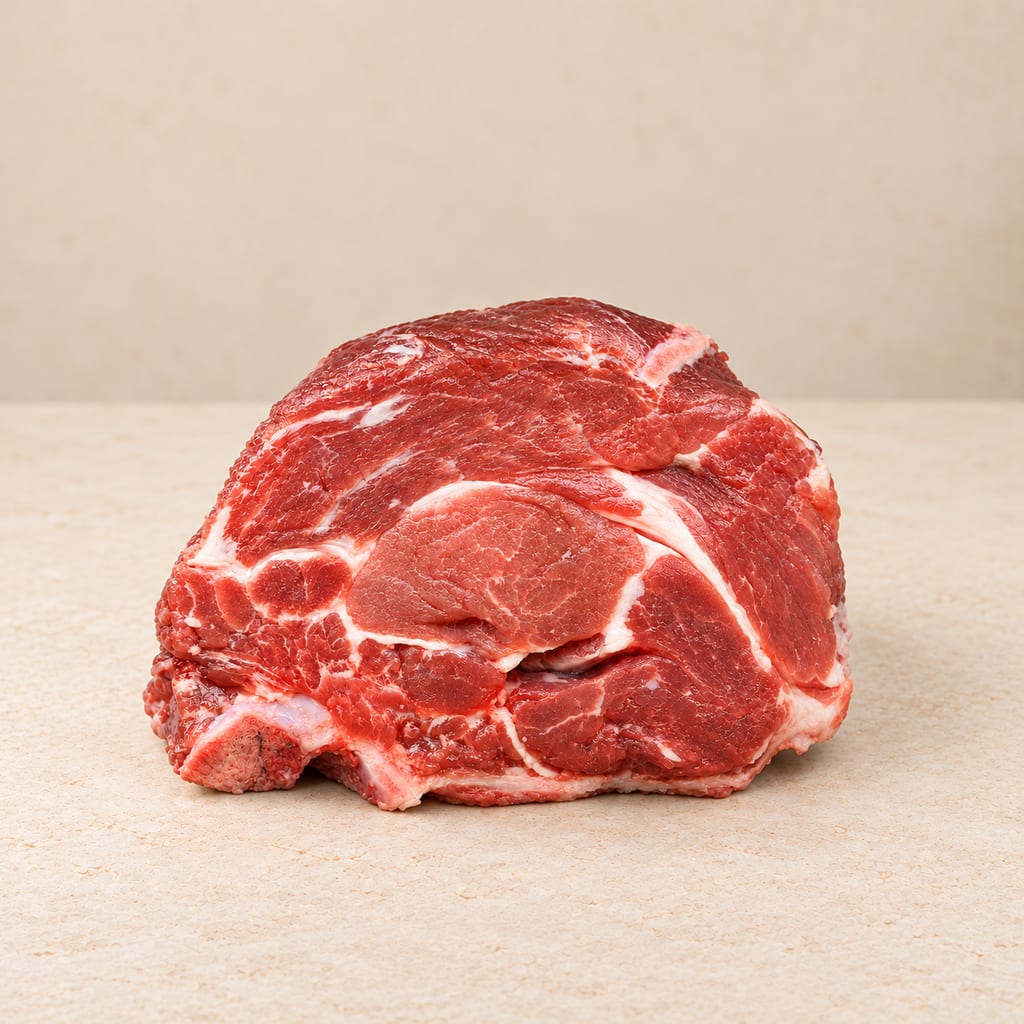
Pork shoulder is the forequarter of the pig, divided into the upper Boston butt and the lower picnic. It is a working muscle group with connective tissue and fat, and it is the usual lean meat for sausage.

Paraffin wax is a solid mixture of hydrocarbons that cheesemakers melt and dip cheese in to slow moisture loss and keep surface mould off. Modern cheese waxes are usually blends.
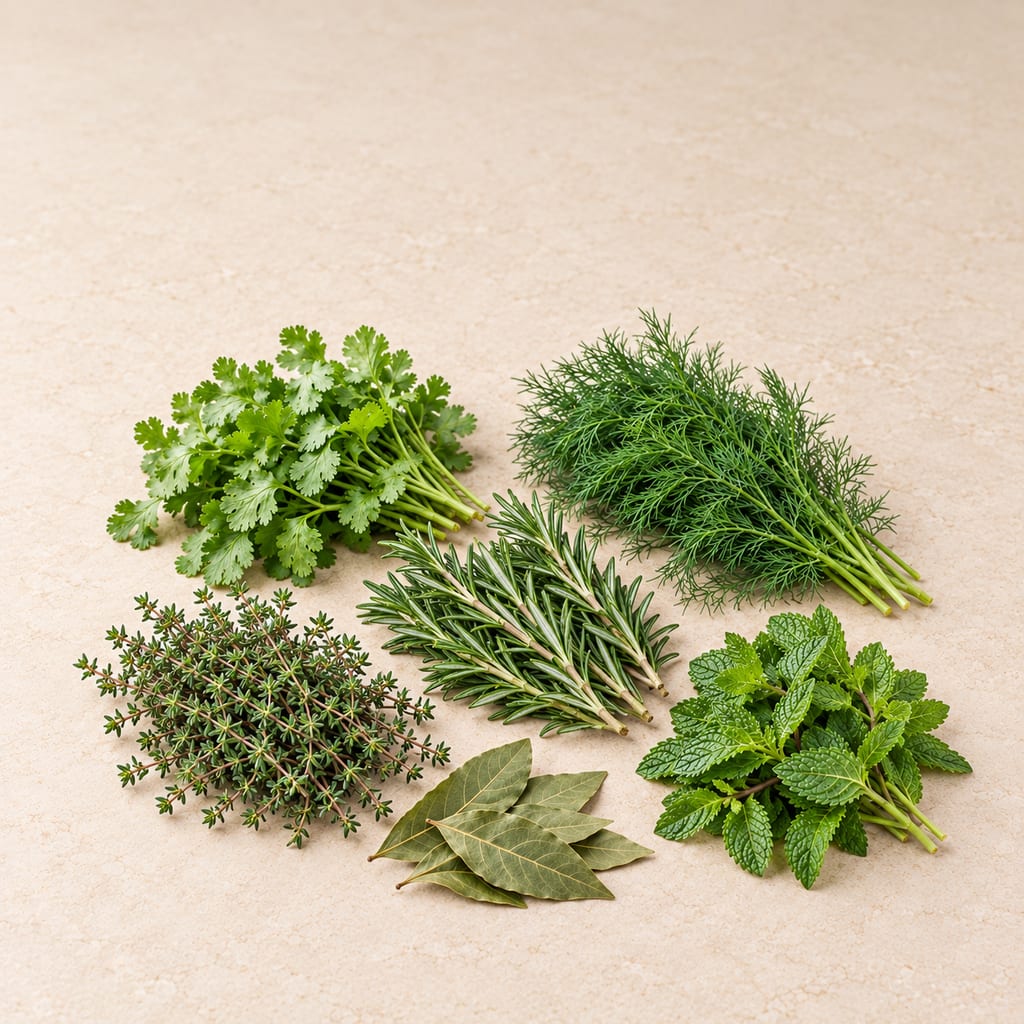
Culinary herbs are the leaves and tender shoots of aromatic plants, used for flavour and aroma. The plant and its fresh, dried or extracted form decide what a cook is handling.
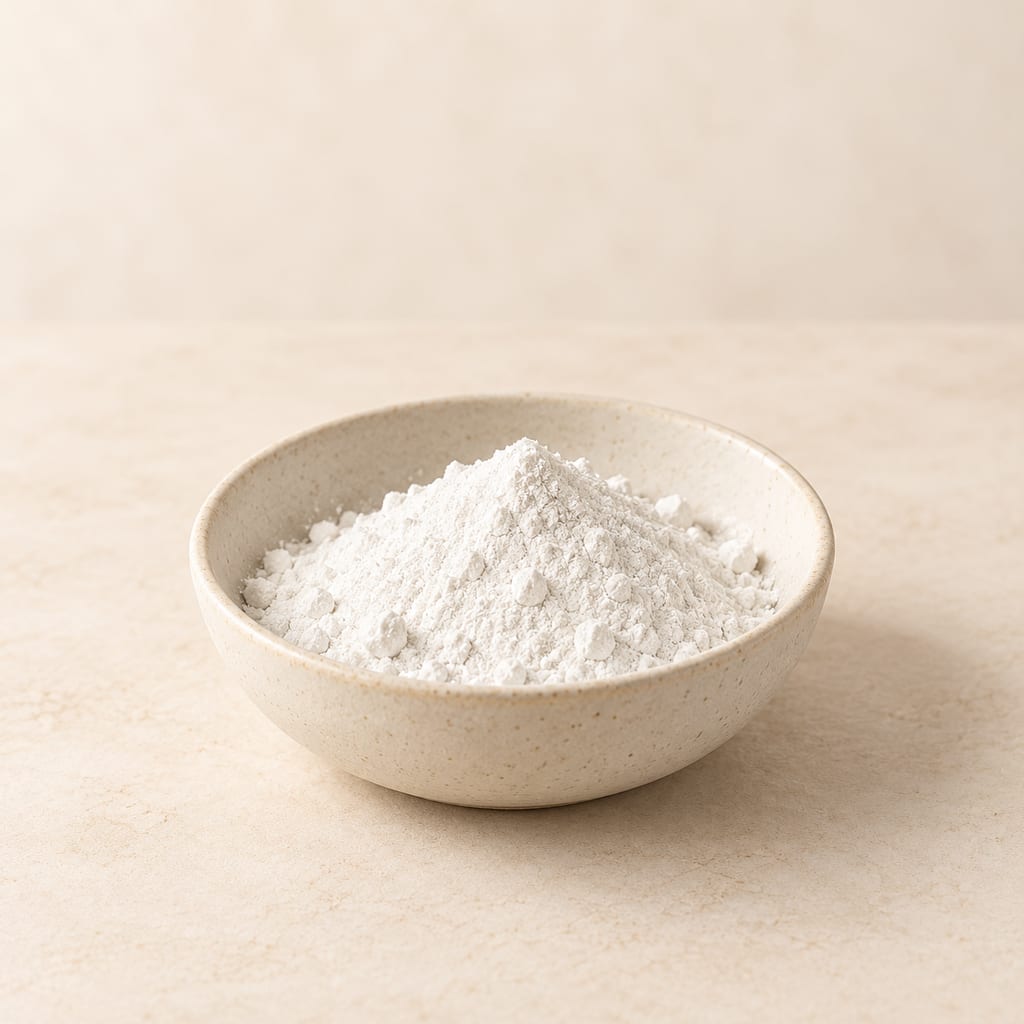
Gypsum is calcium sulfate dihydrate, a mineral salt that brewers dissolve in water for its calcium and sulfate and that tofu makers use to set soy curd.
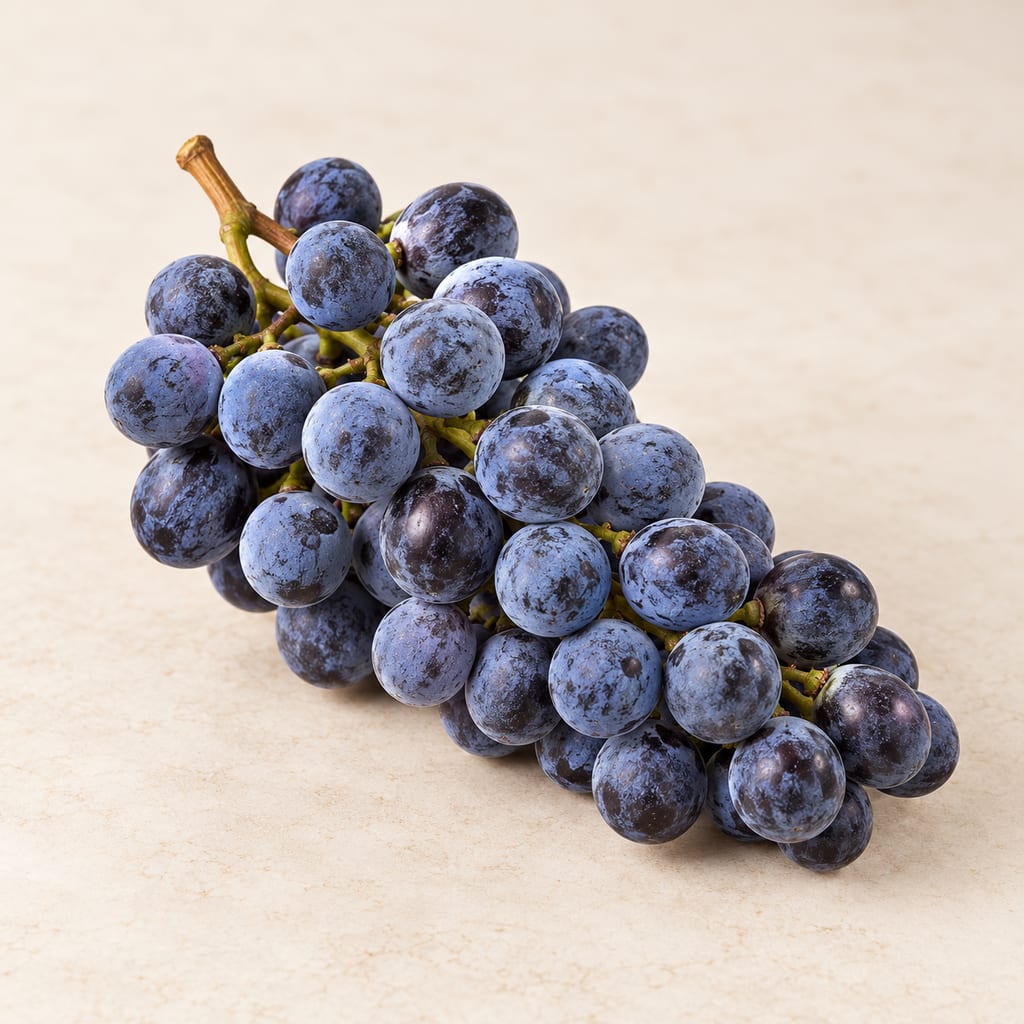
Concord is a seeded, blue-black slip-skin grape with a distinctive aroma, used fresh and in juice, preserves, pies and wine.
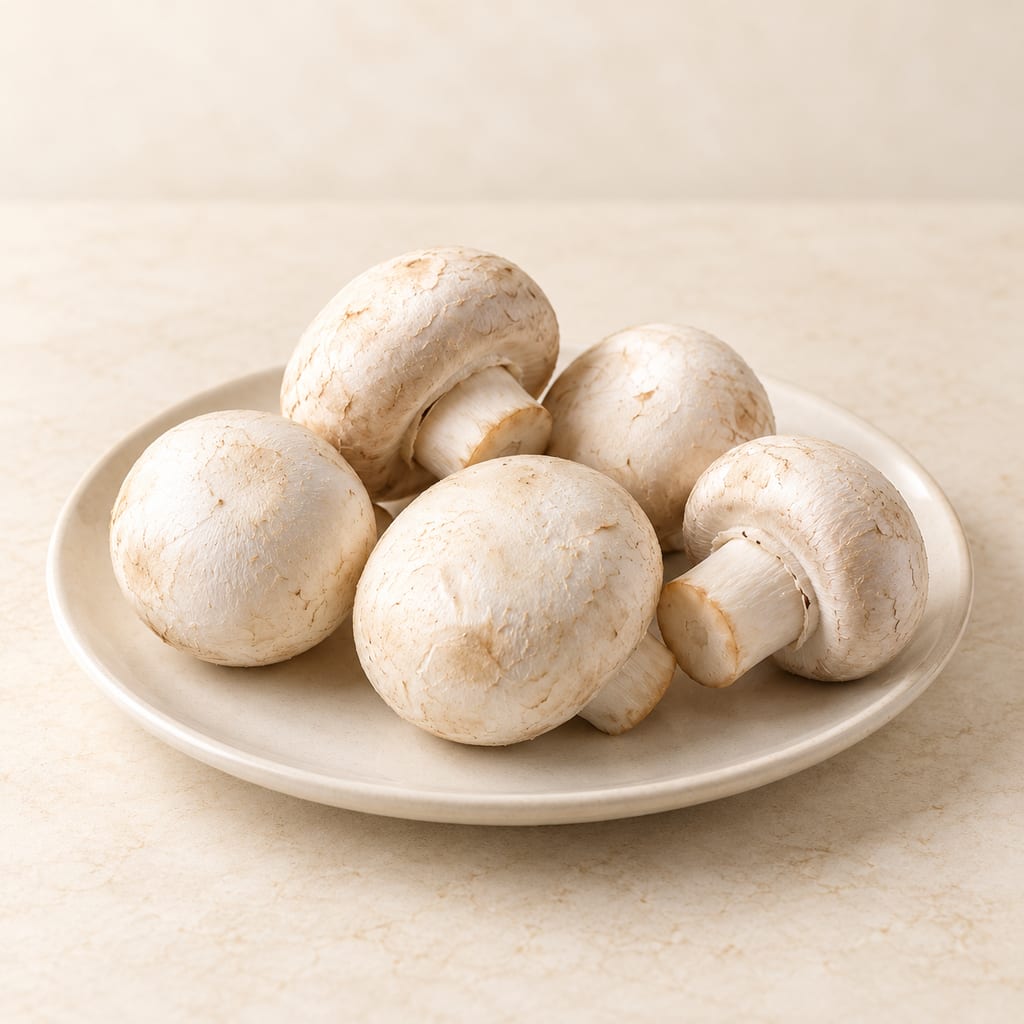
Mushrooms are the edible fruiting bodies of fungi, cultivated or gathered, and each species has its own texture, aroma and handling needs. Fresh, dried and roasted forms differ in water and in flavour compounds.
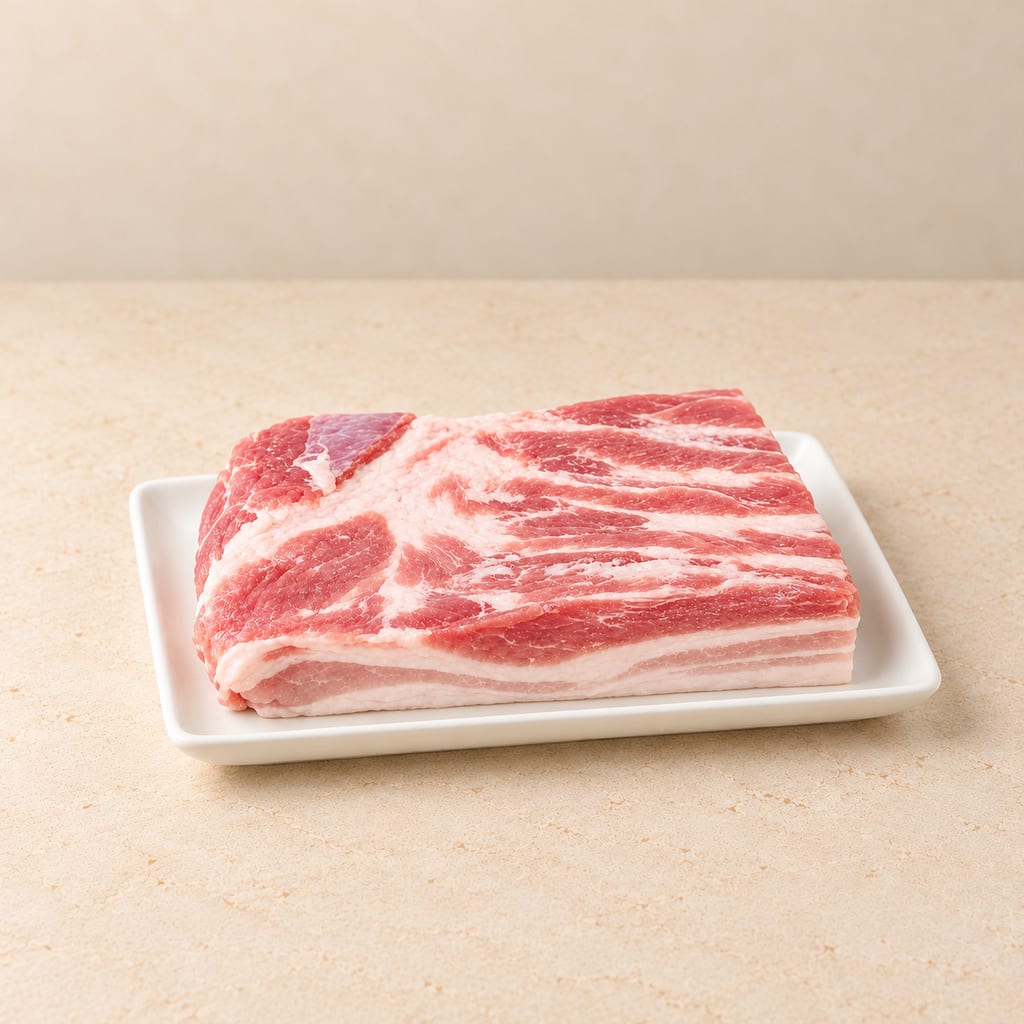
Raw pork belly combines muscle and adipose tissue in layers. Its fat content varies, and a recipe weight of belly is not a measured weight of pure fat.
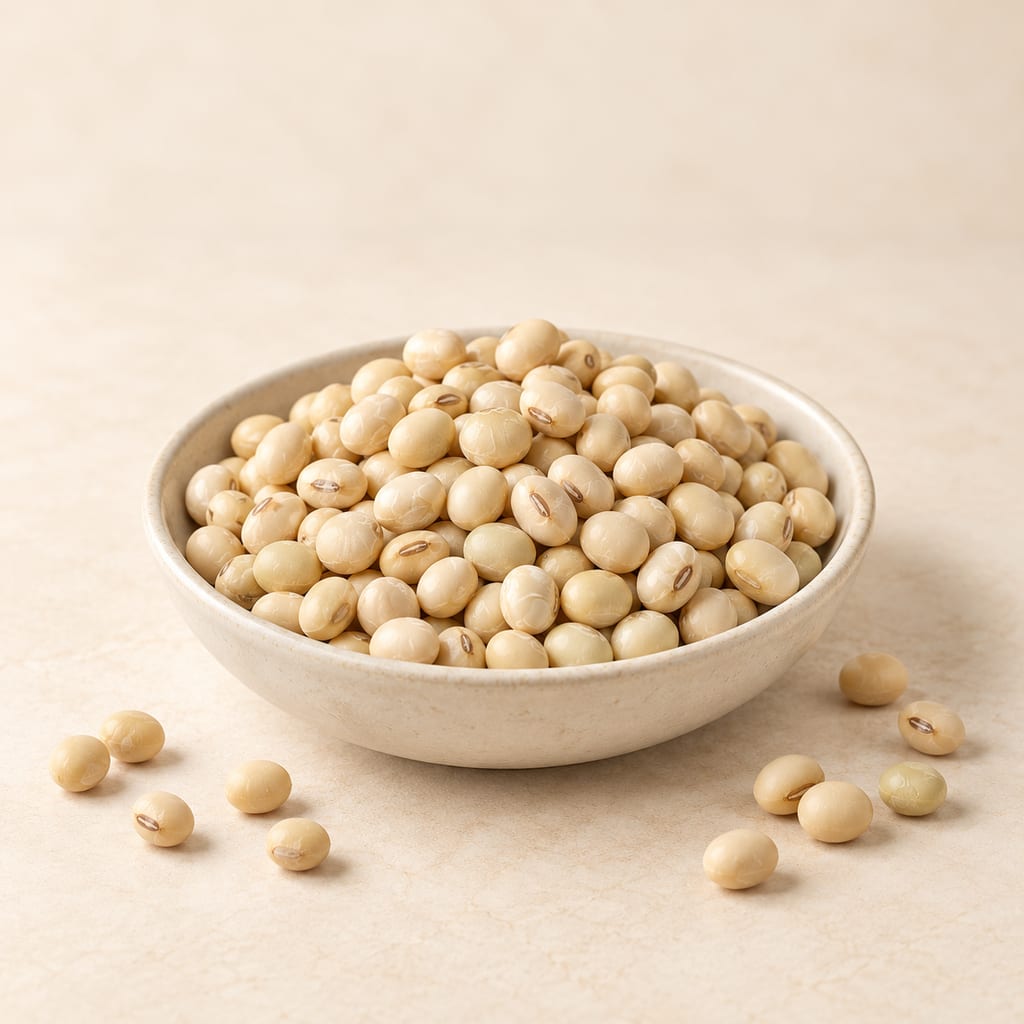
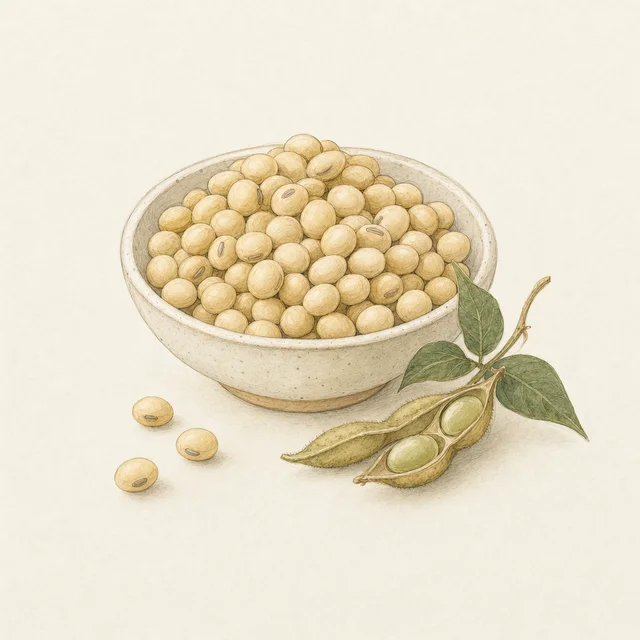
Soybeans are the mature dry seeds of Glycine max, about 40 percent protein and 20 percent oil, the substrate of tempeh, natto, miso, soy sauce and many other fermented foods.
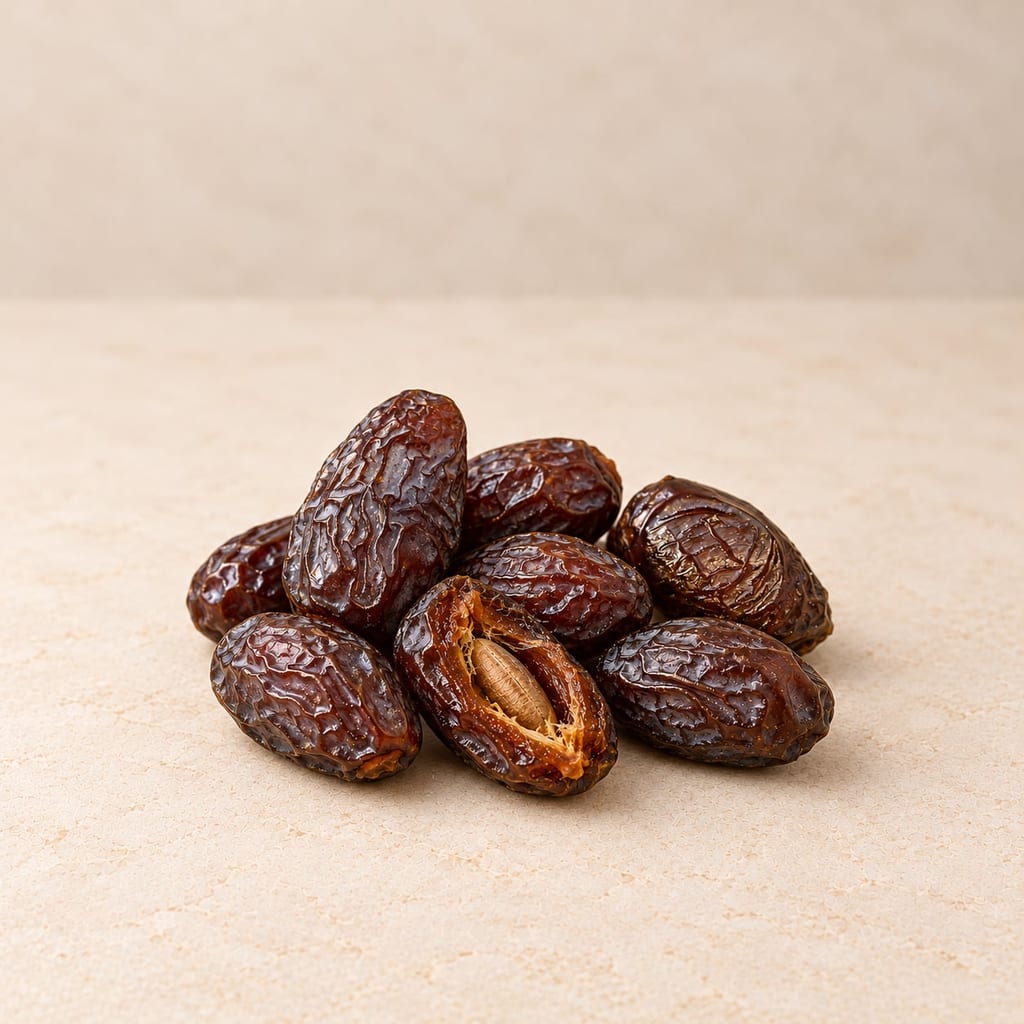
Dates are the sugar-rich fruit of the date palm, eaten soft or dried and used whole, pitted, as syrup or as paste. In sauces and chutneys they add sweetness and body.
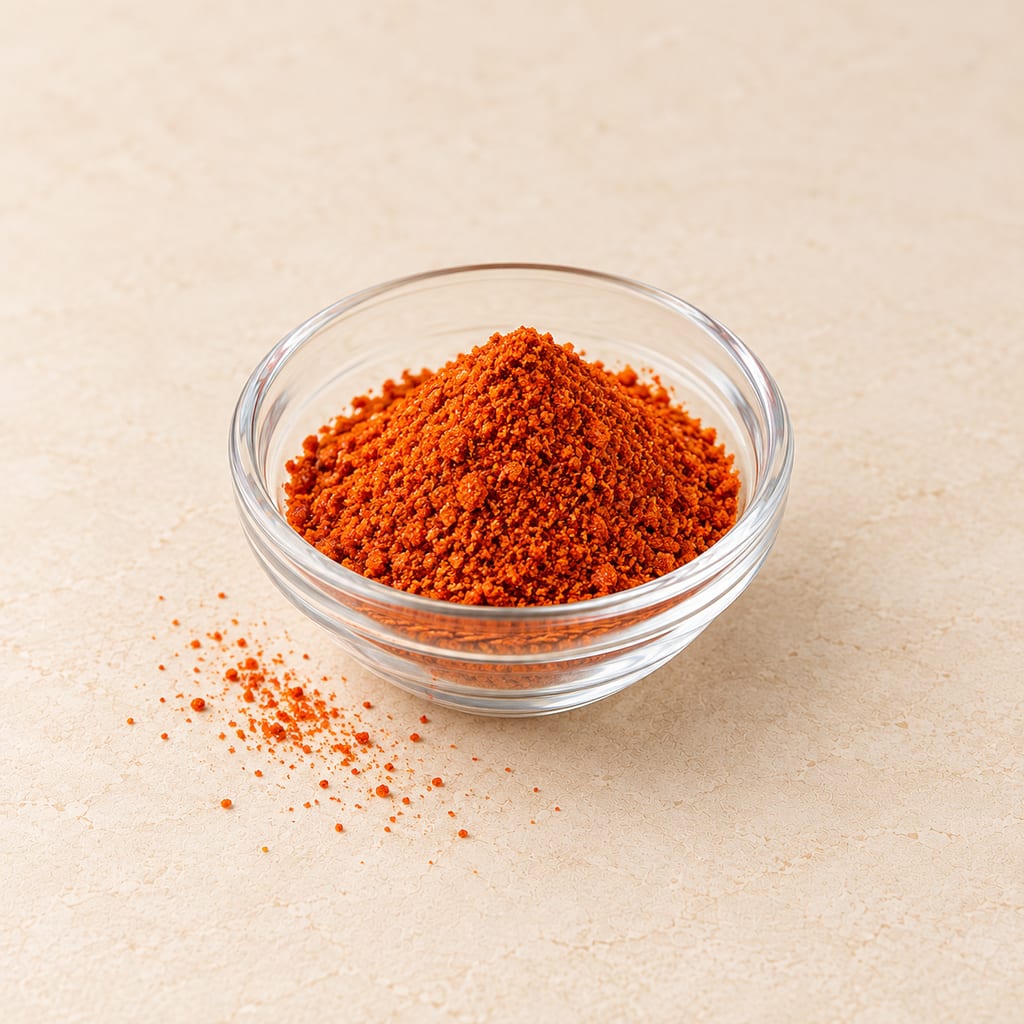
Cayenne is a very pungent red powder from dried, ground hot chilli pods, mostly Capsicum annuum, and the name of the long red peppers it comes from.
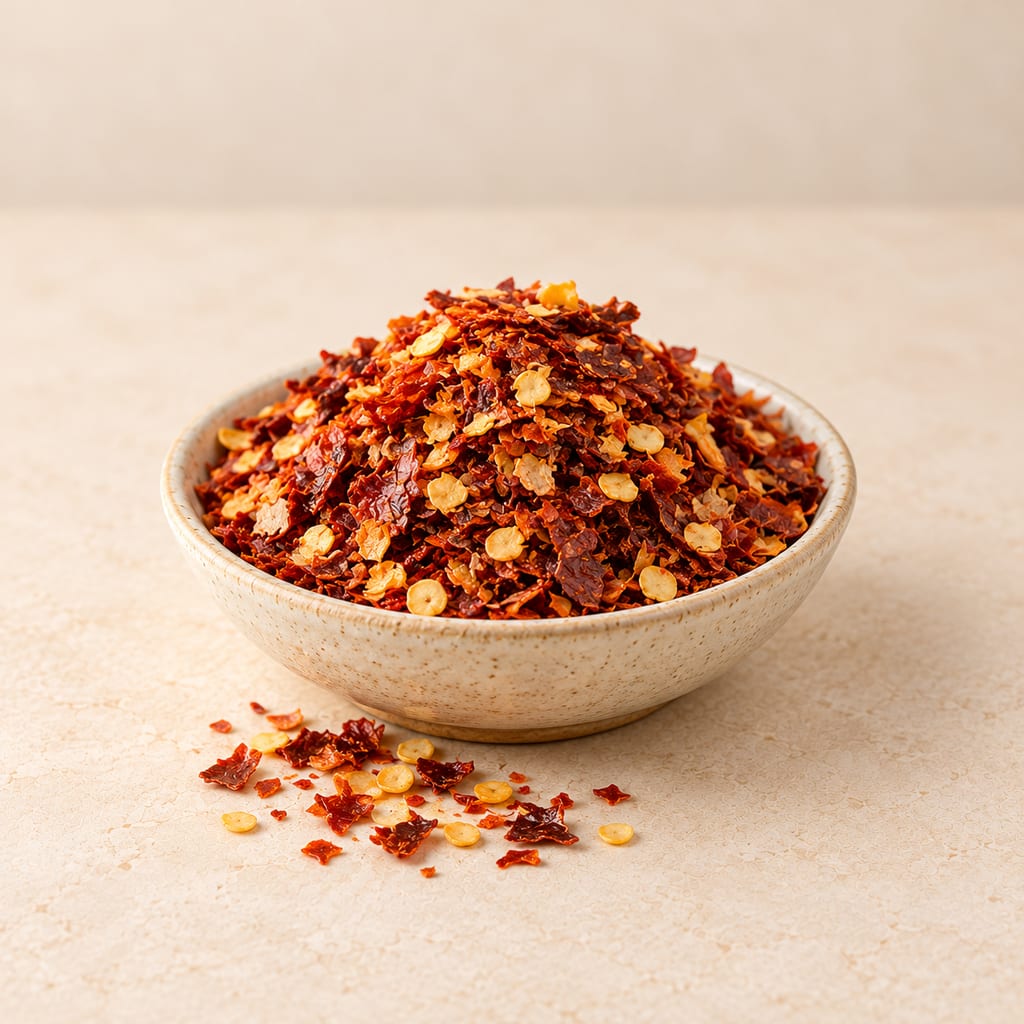
Calabrian pepper flakes are dried red Capsicum annuum from Calabria, crushed into coarse pieces; Peperoncino di Calabria is a protected geographical indication.
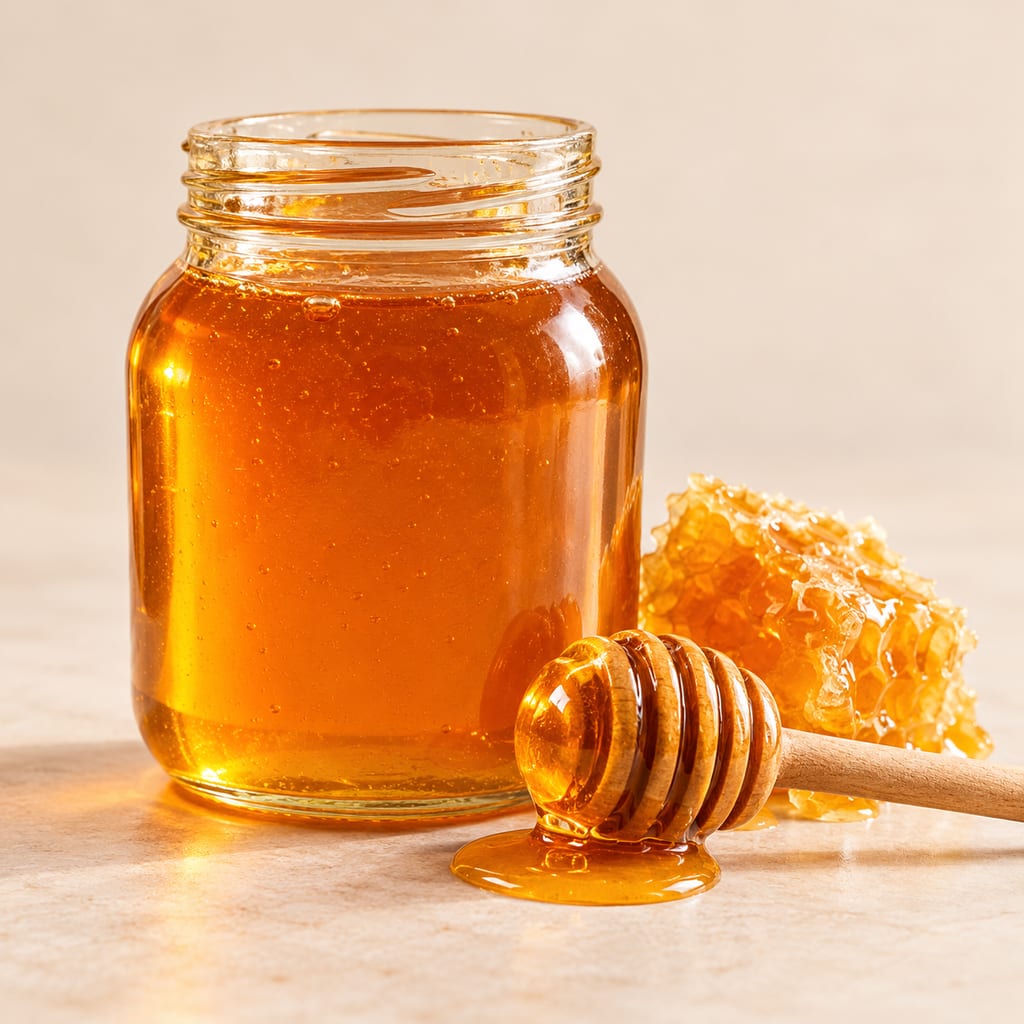
Honey is a bee-made food from floral nectar or honeydew; breads use it in dough or as a syrup served with cooked griddle breads.
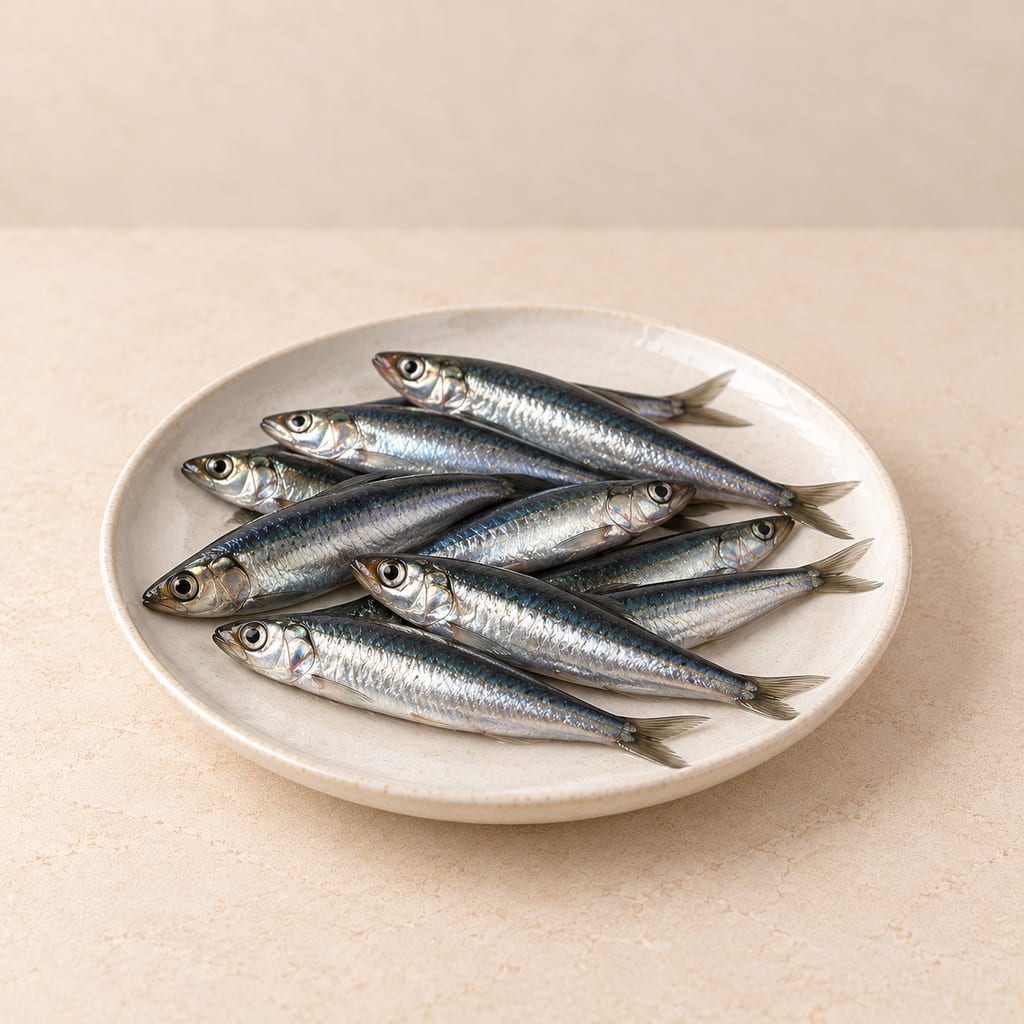
Anchovies are small schooling sea fish of the family Engraulidae, eaten fresh or dried and above all salted: as fillets in oil, whole salted fish or fish sauce.
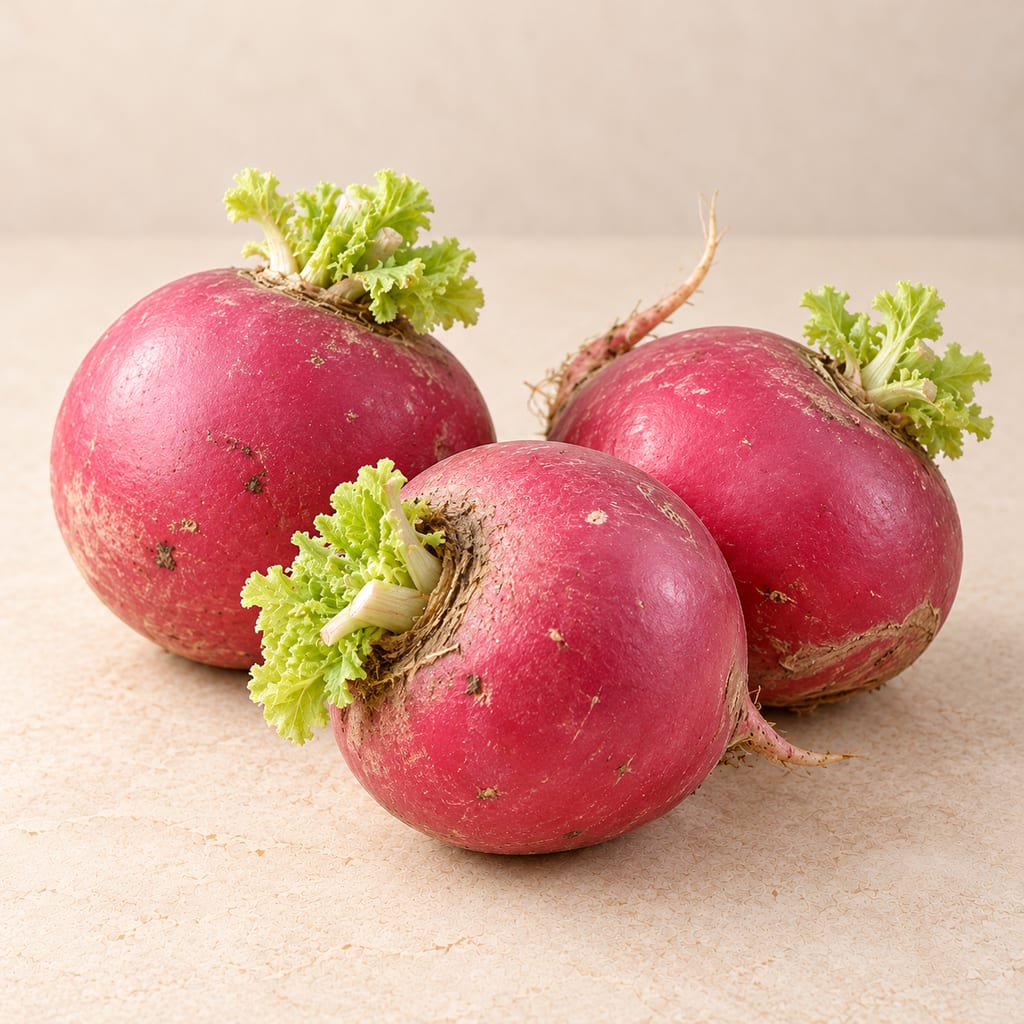
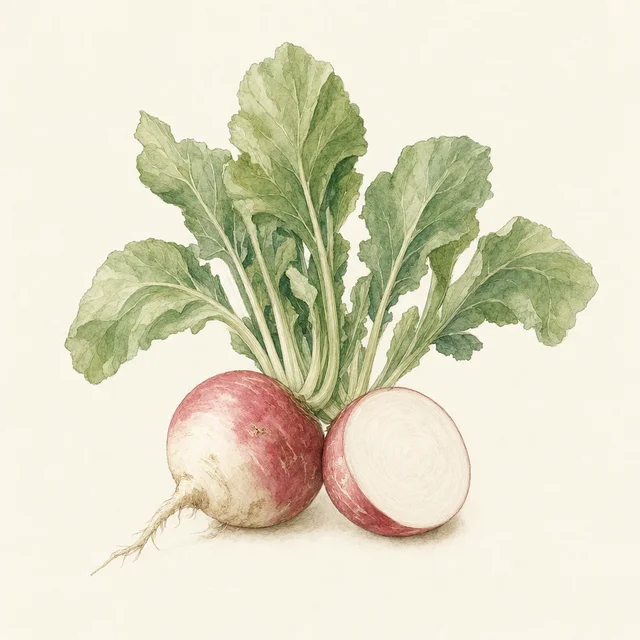
Red turnips are the heritage turnips of Japan's Kiso valley; their stems and leaves are fermented without salt into sunki, a sour amber pickle.
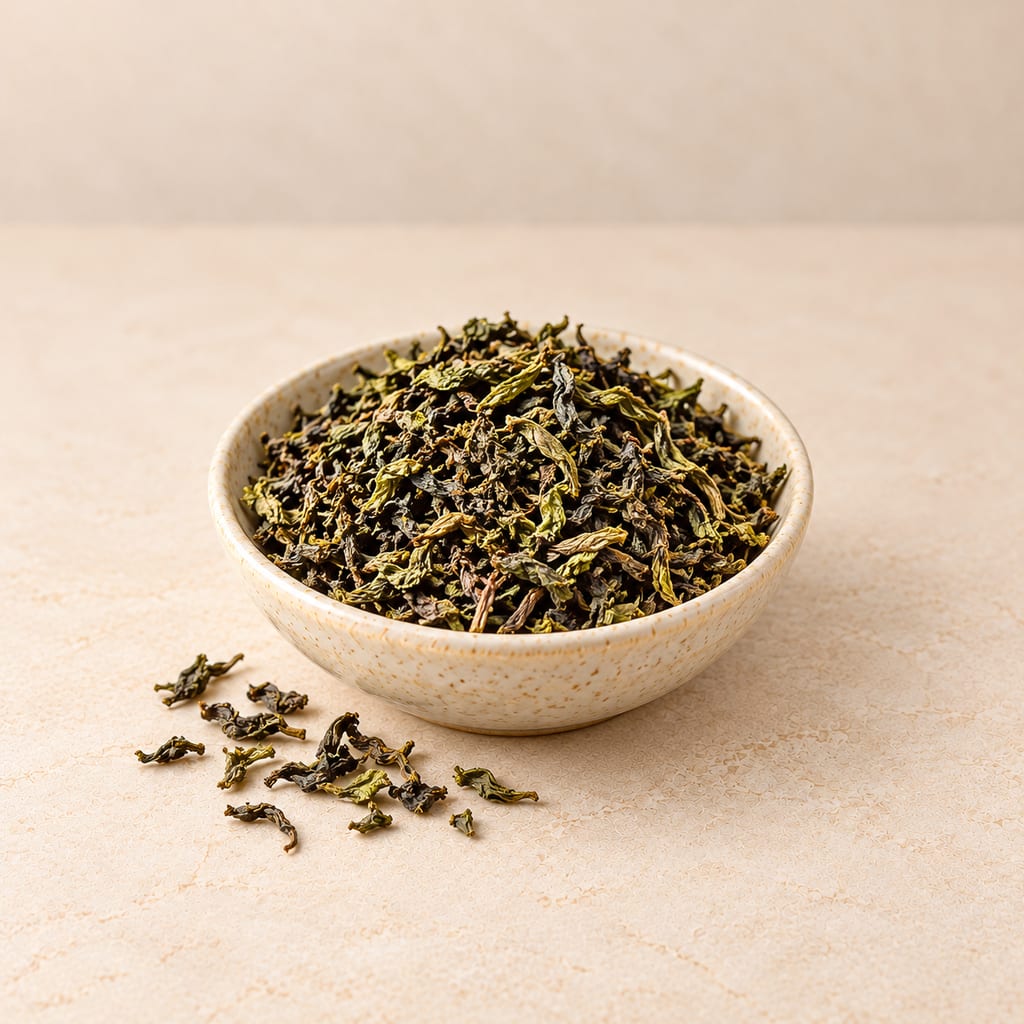
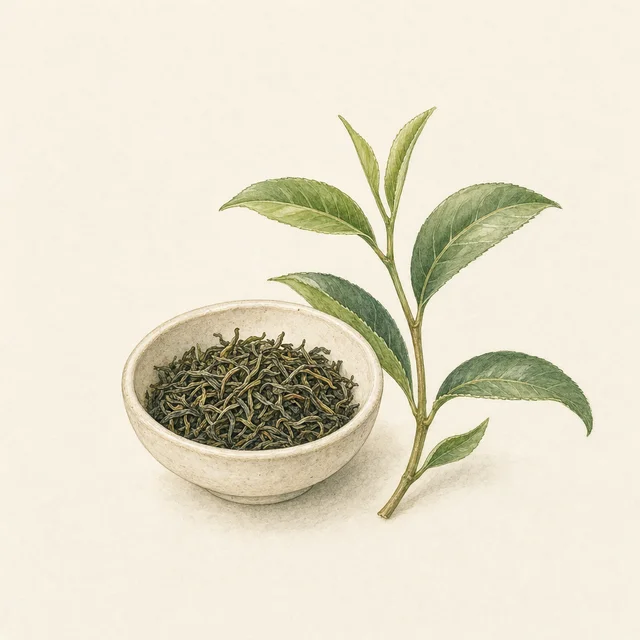
Tea is the processed leaf of Camellia sinensis, an evergreen shrub from the borderlands of south-western China. Steeped and sweetened, it is the base of kombucha and jun.
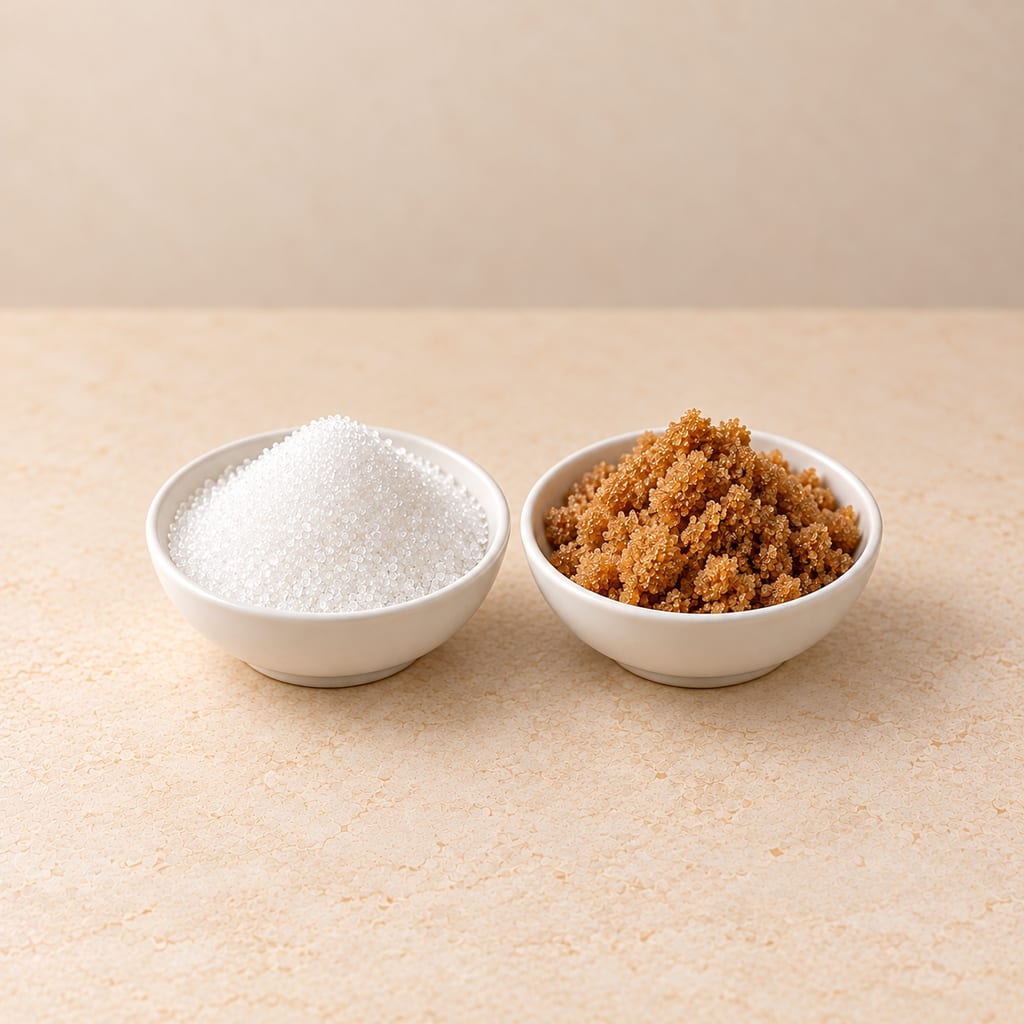
White sugar is refined sucrose, almost pure; brown sugar is sucrose with molasses, left in or added back. Molasses makes brown sugar moister, darker and more strongly flavoured.
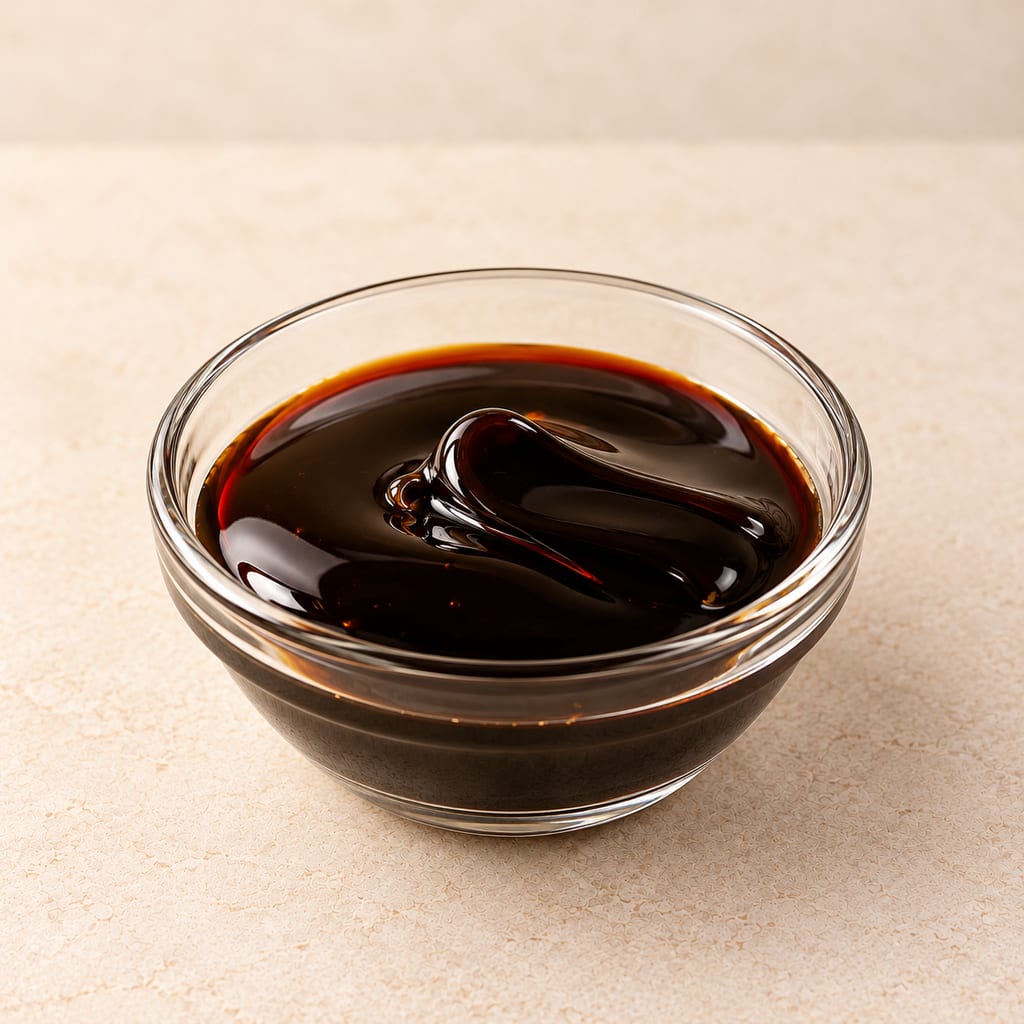
Molasses is the syrup separated as sugar crystallises from cane or beet; its grades and food uses vary, from Anadama and steamed brown bread to fermentation.

Toasted almonds are whole sweet almond kernels dry-roasted until golden to brown. Heat replaces their marzipan note with a roasted, nutty one; they thicken and flavour romesco.
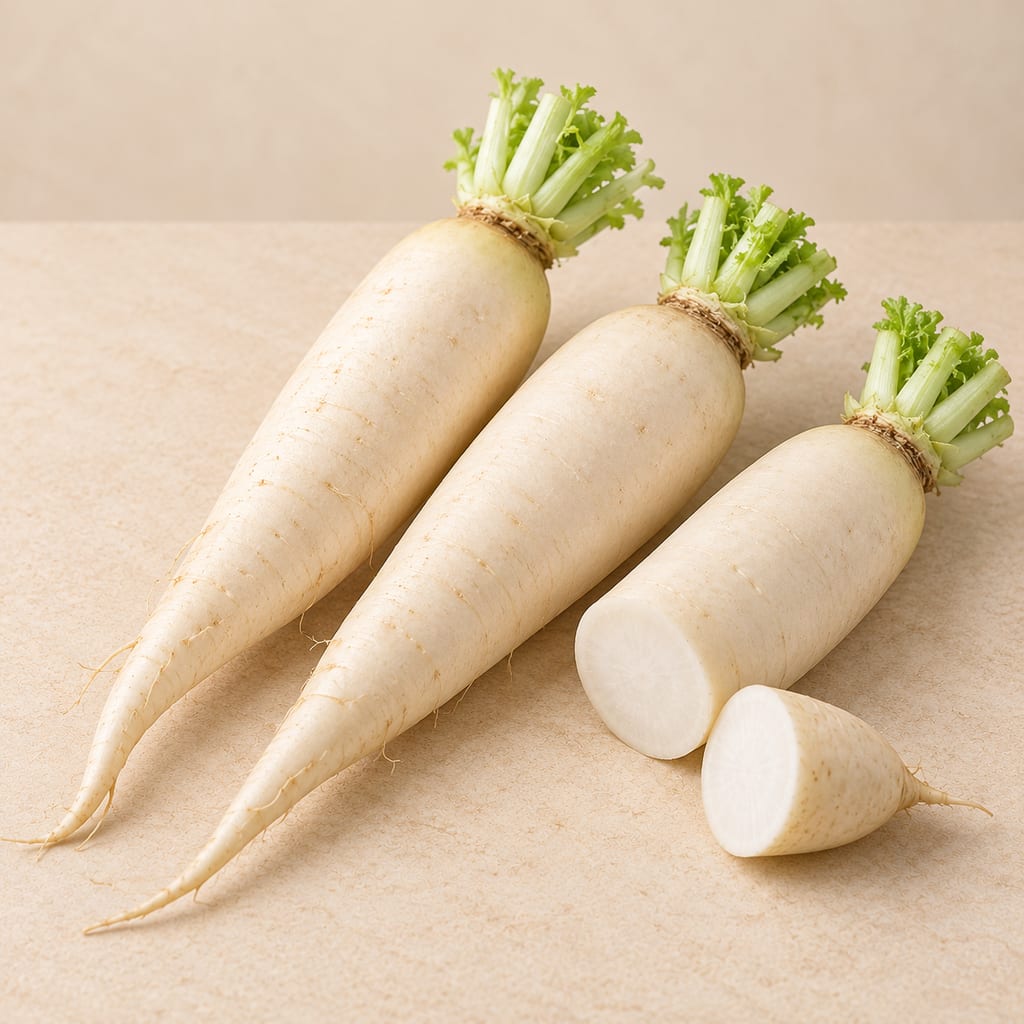
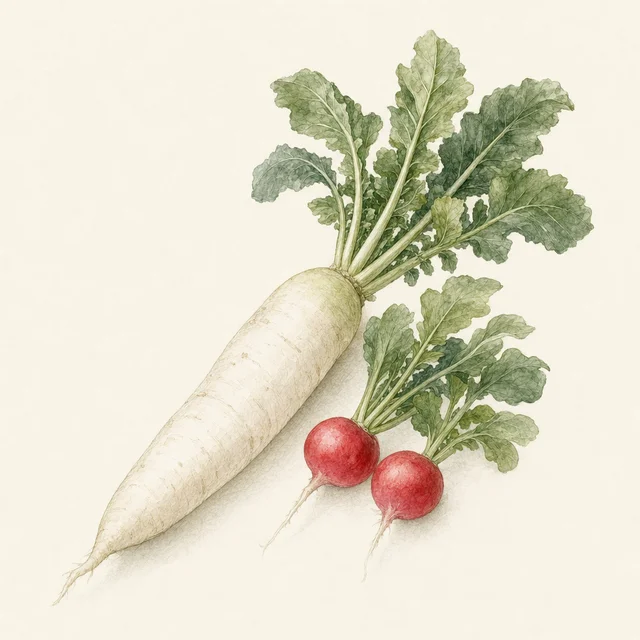
Radish and daikon are the crisp, peppery roots, leaves and seed pods of Raphanus sativus, fermented as kimchi, takuan and sinki and eaten raw across Asia and Europe.
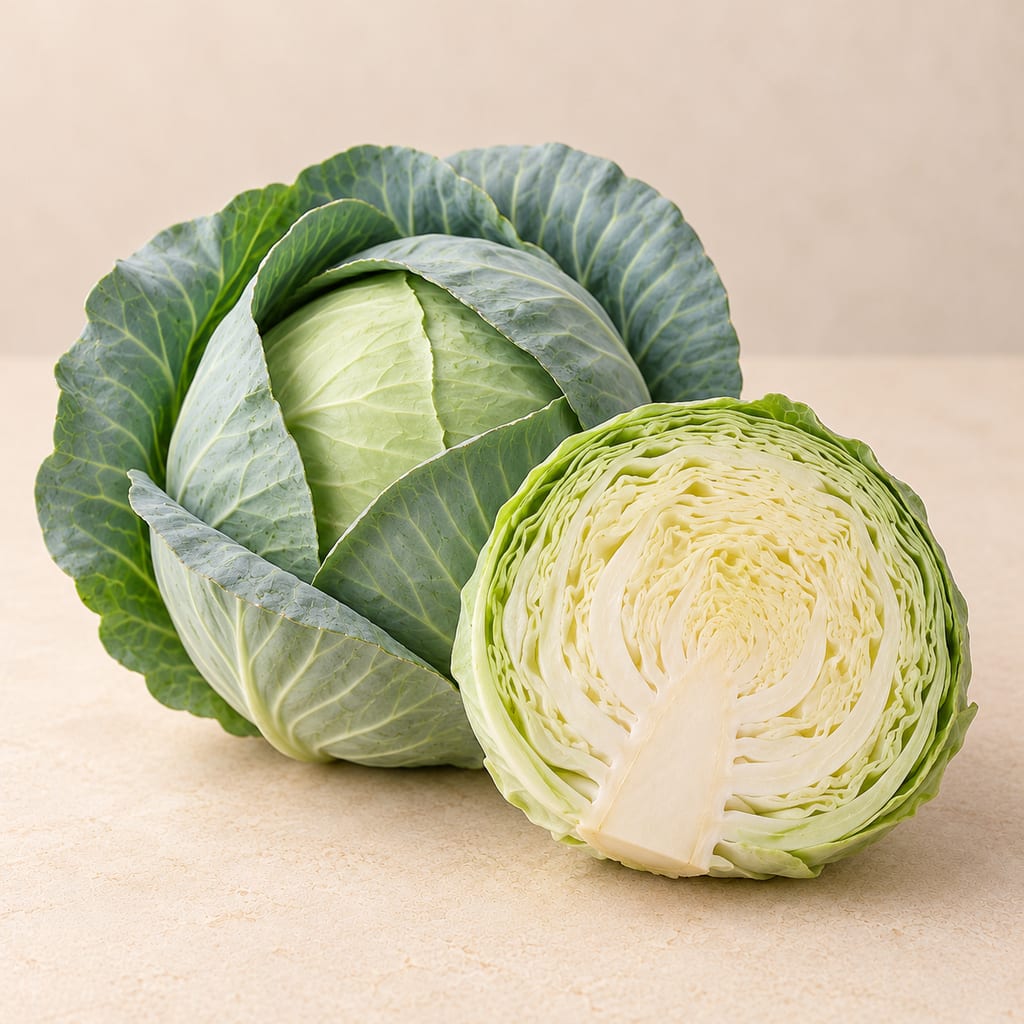
Cabbage is the dense leafy head of Brassica oleracea, a European vegetable that keeps for months and is the classic raw material for sauerkraut, with napa cabbage the base of kimchi.
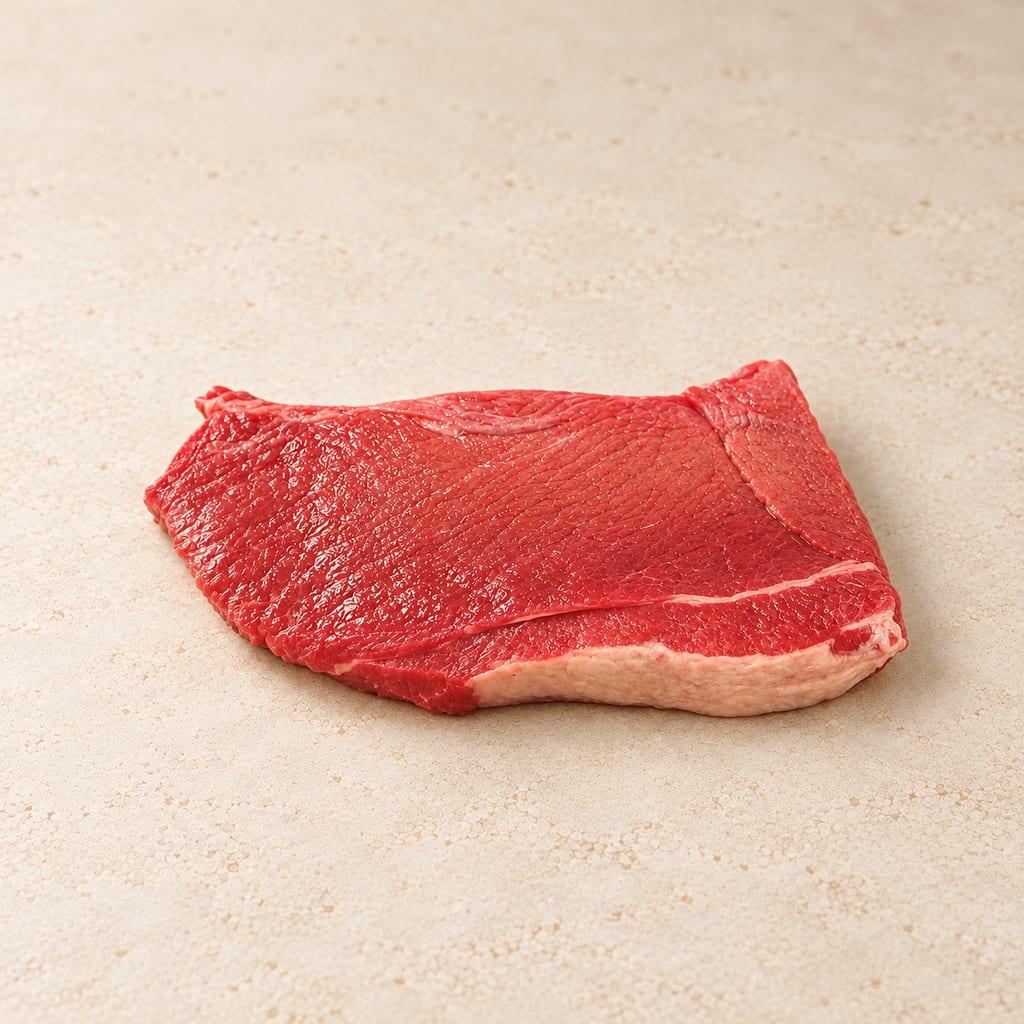
Lean beef is the trimmed muscle of cattle, Bos taurus and Bos indicus. In Genoa-style salami it is the second lean meat beside pork, ground fine, with pork back fat added separately.
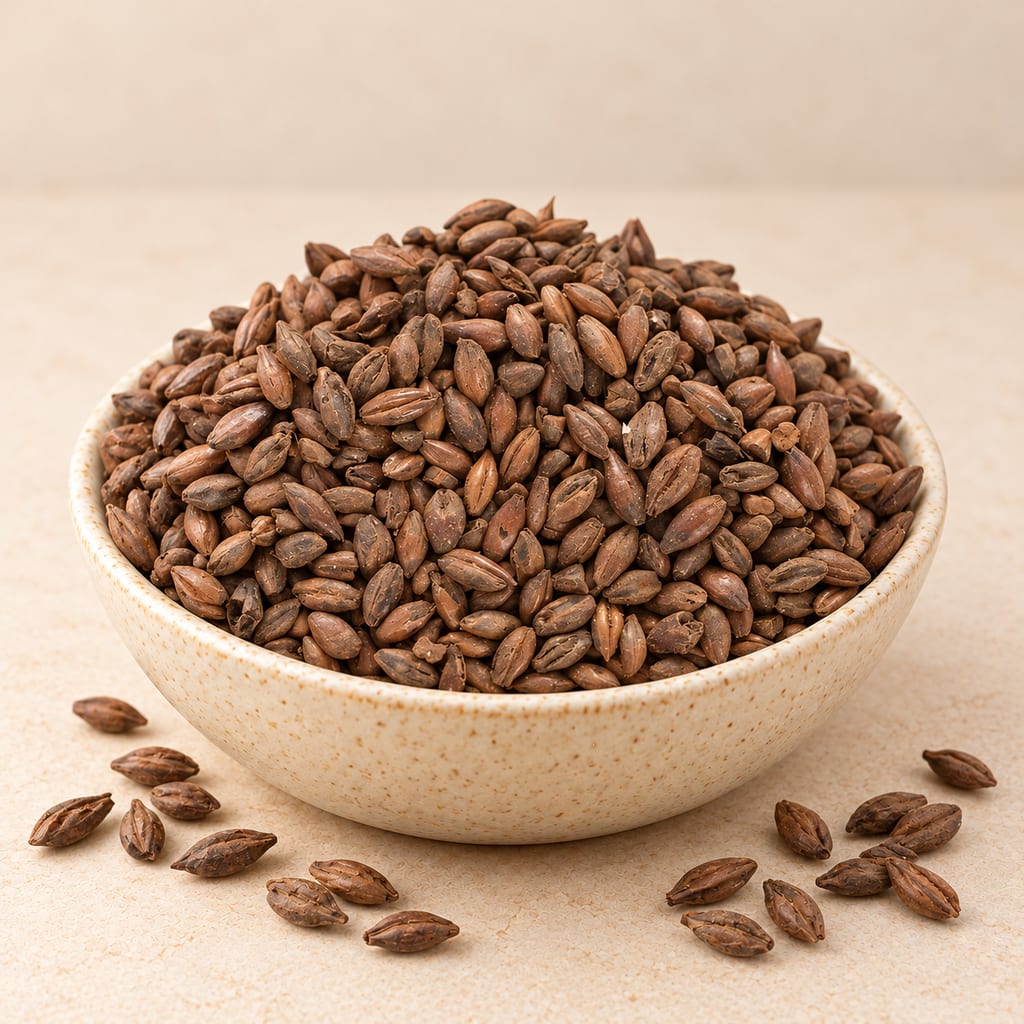
Chocolate malt is barley that has been malted and then roasted to a dark brown, used in porters, stouts and brown ales for colour and a bitter-cocoa, roasted-coffee flavour. It contains no cocoa.
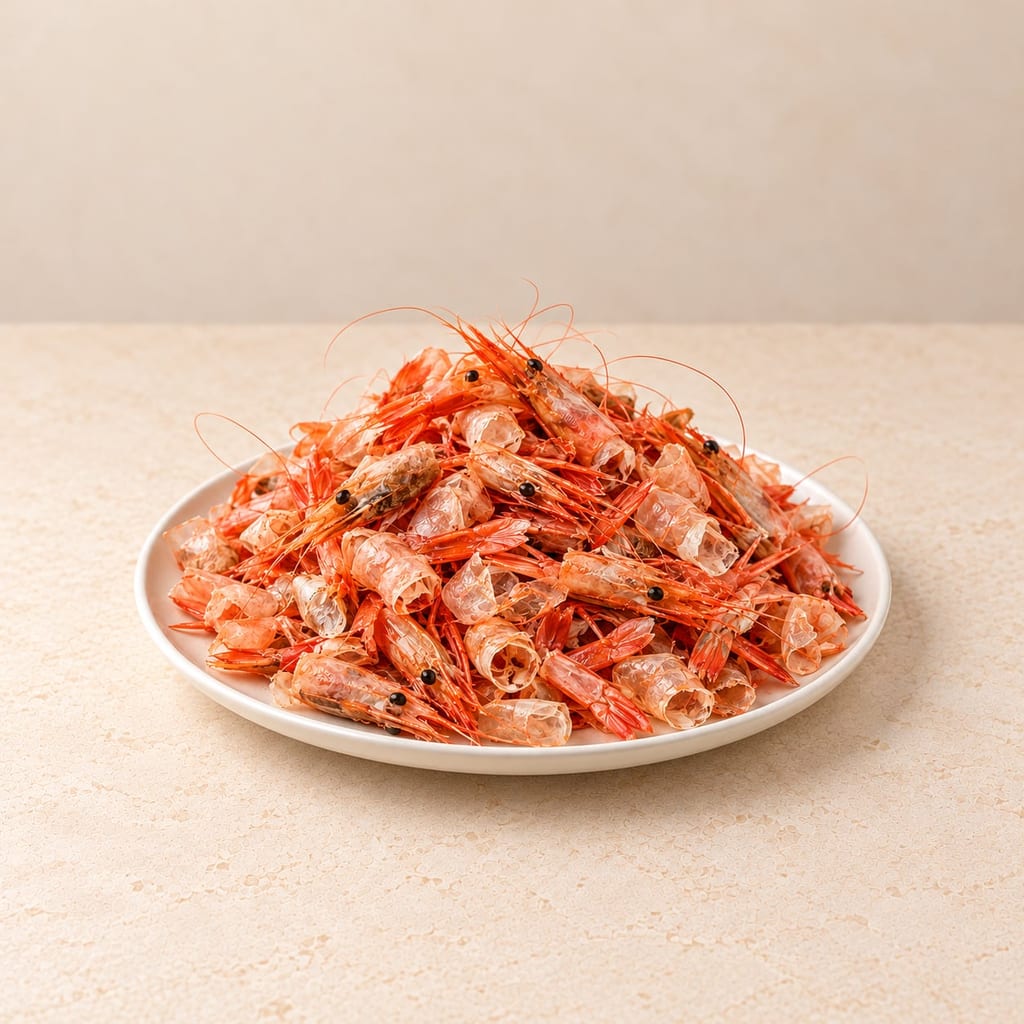
The combined head tissue and shells saved during peeling; chef Alex Perry uses a weighed kilogram of this mix in a distinct shrimp garum.
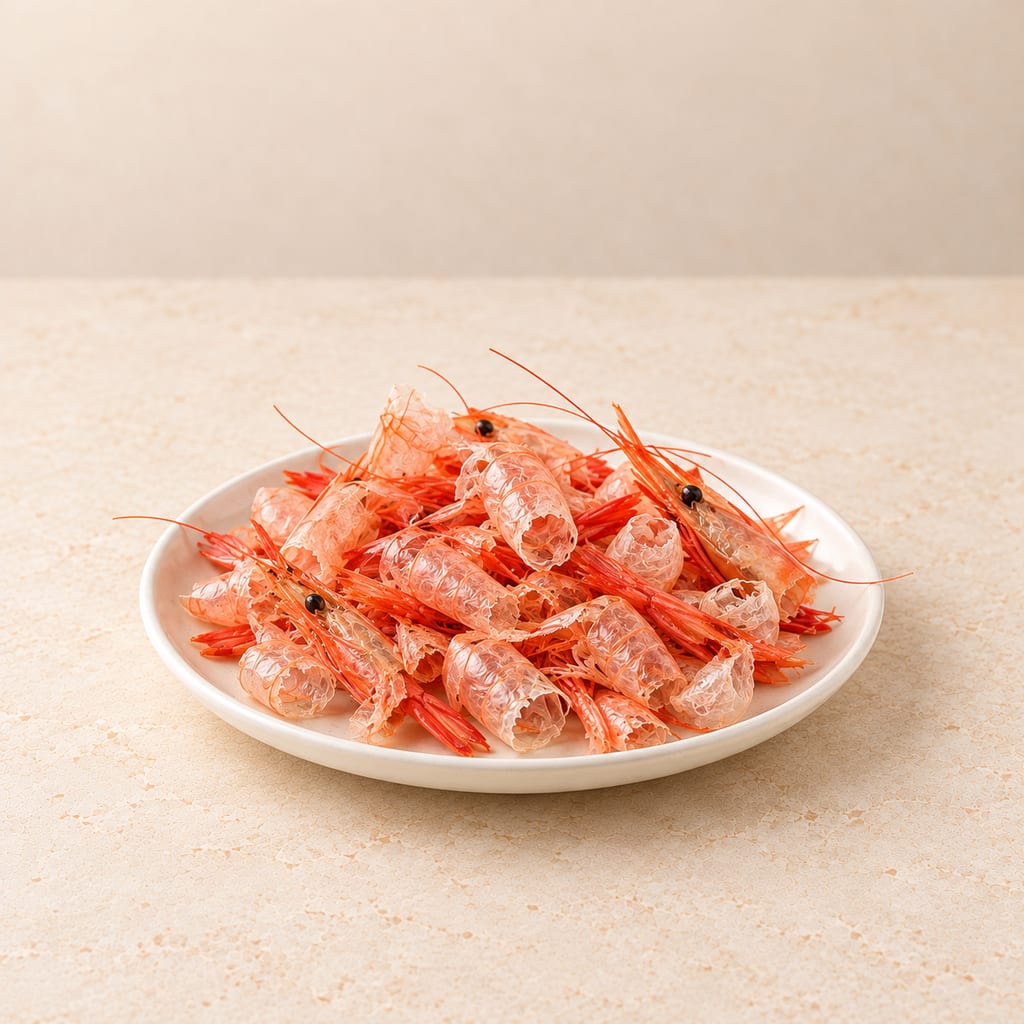
Peeled shrimp exoskeleton used for strained stocks; modern quick-garum guidance names shells as a possible substrate without a shell-specific formula.
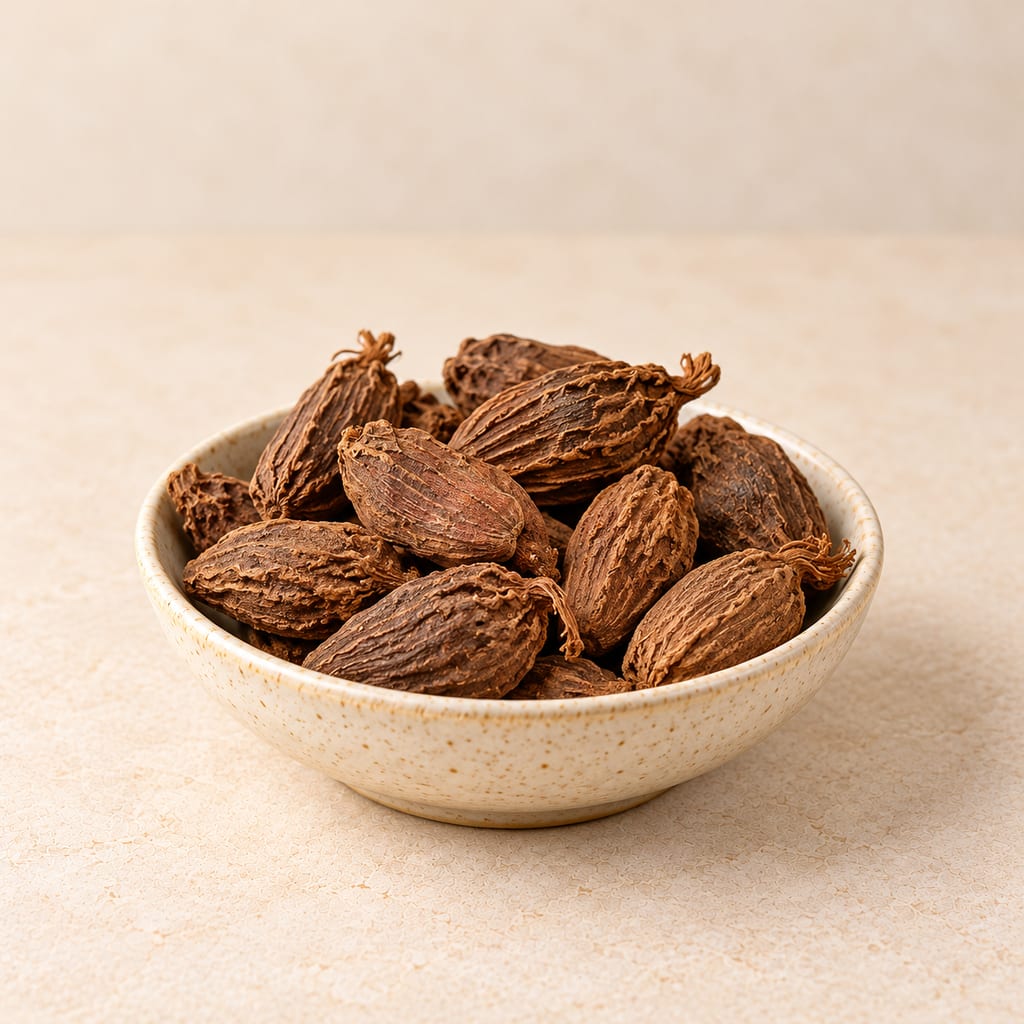
Alainchi is the large or black cardamom of the eastern Himalaya, the dark, smoke-dried pods of Amomum subulatum. Its camphor-cool, smoky seeds season Himalayan and North Indian cooking and a sweet Nepali lapsi achar.
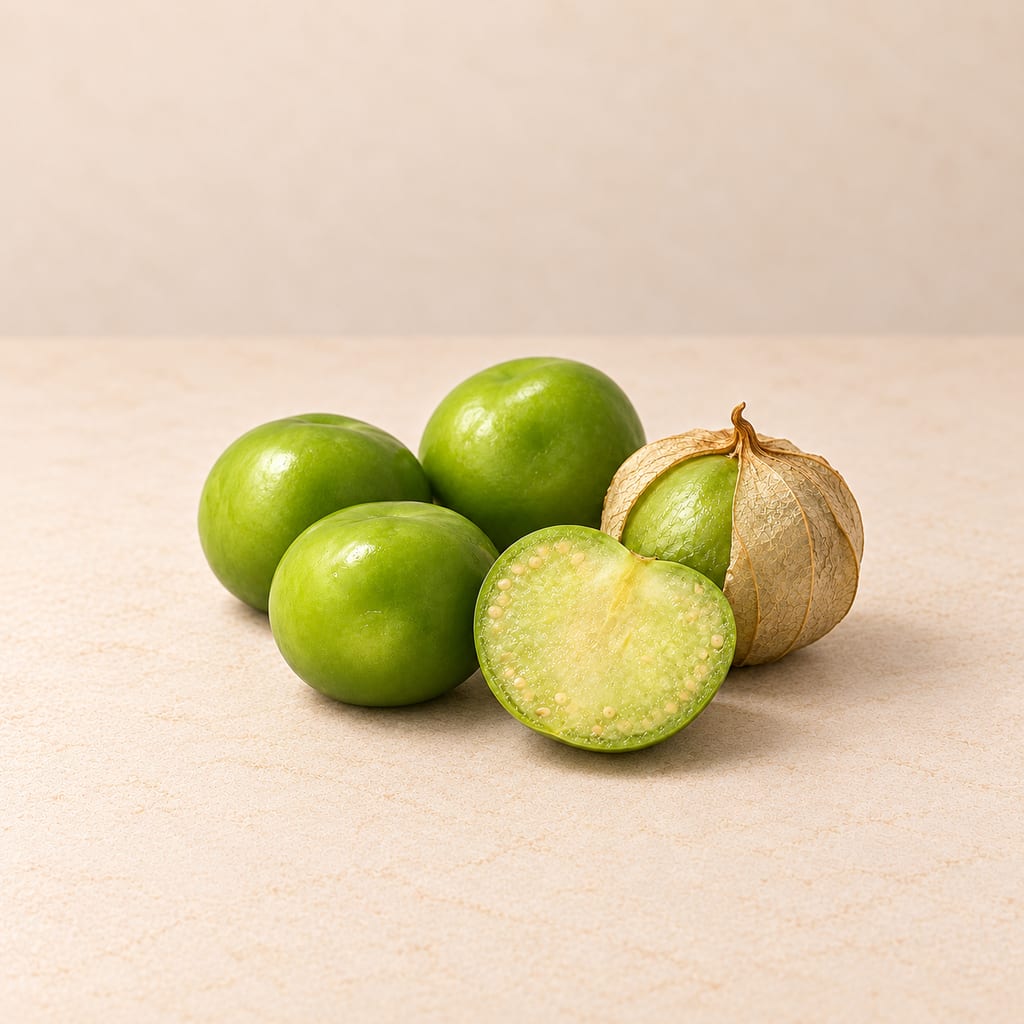
The tomatillo is the tart green fruit of Physalis ixocarpa, a Mexican relative of the tomato that grows inside a papery husk. It is the base of salsa verde.
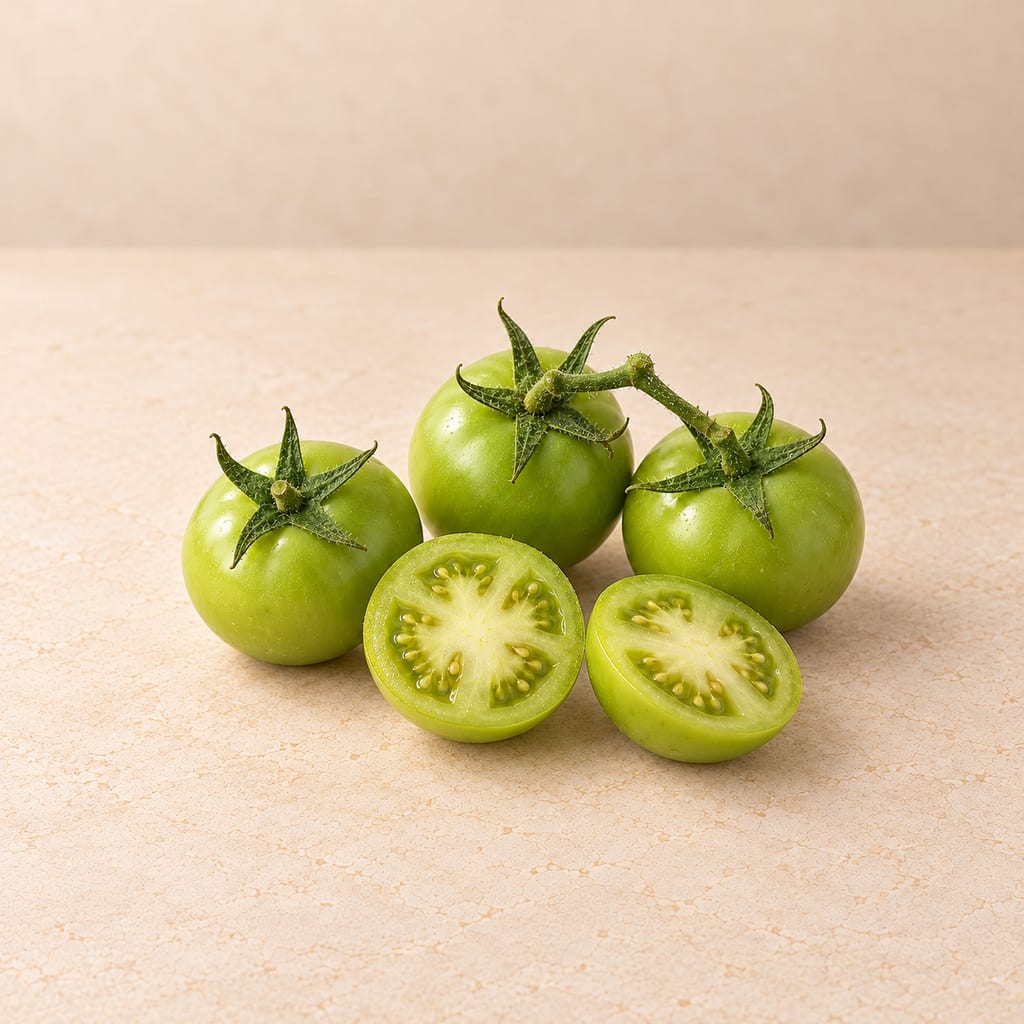
A green tomato is an unripe tomato, firm and sour, used for frying, pickling, relish and ferments. It carries tomatine, which falls as the fruit ripens.
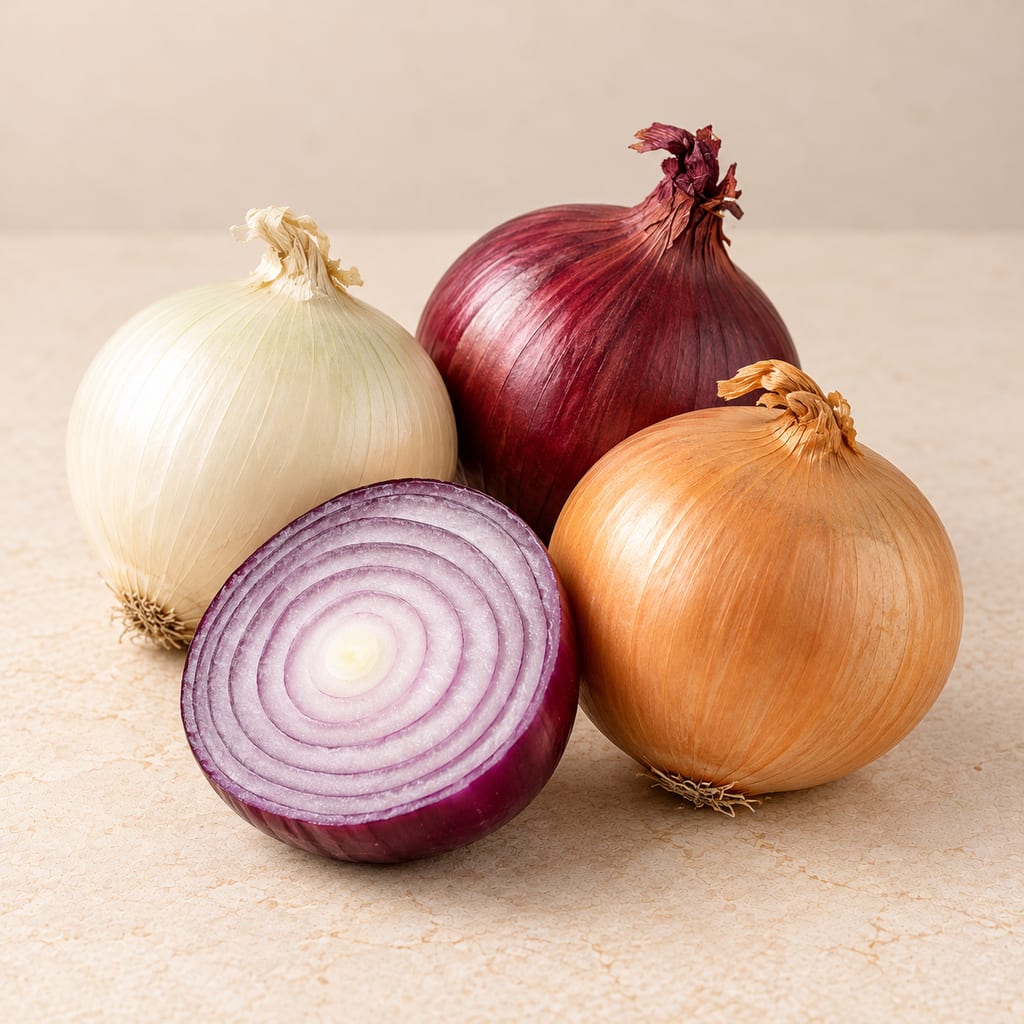
The onion is the bulb of Allium cepa, built from swollen leaf bases, and is eaten raw, cooked, pickled and as a seasoning in ferments. It is known only from cultivation and probably began in Central Asia.
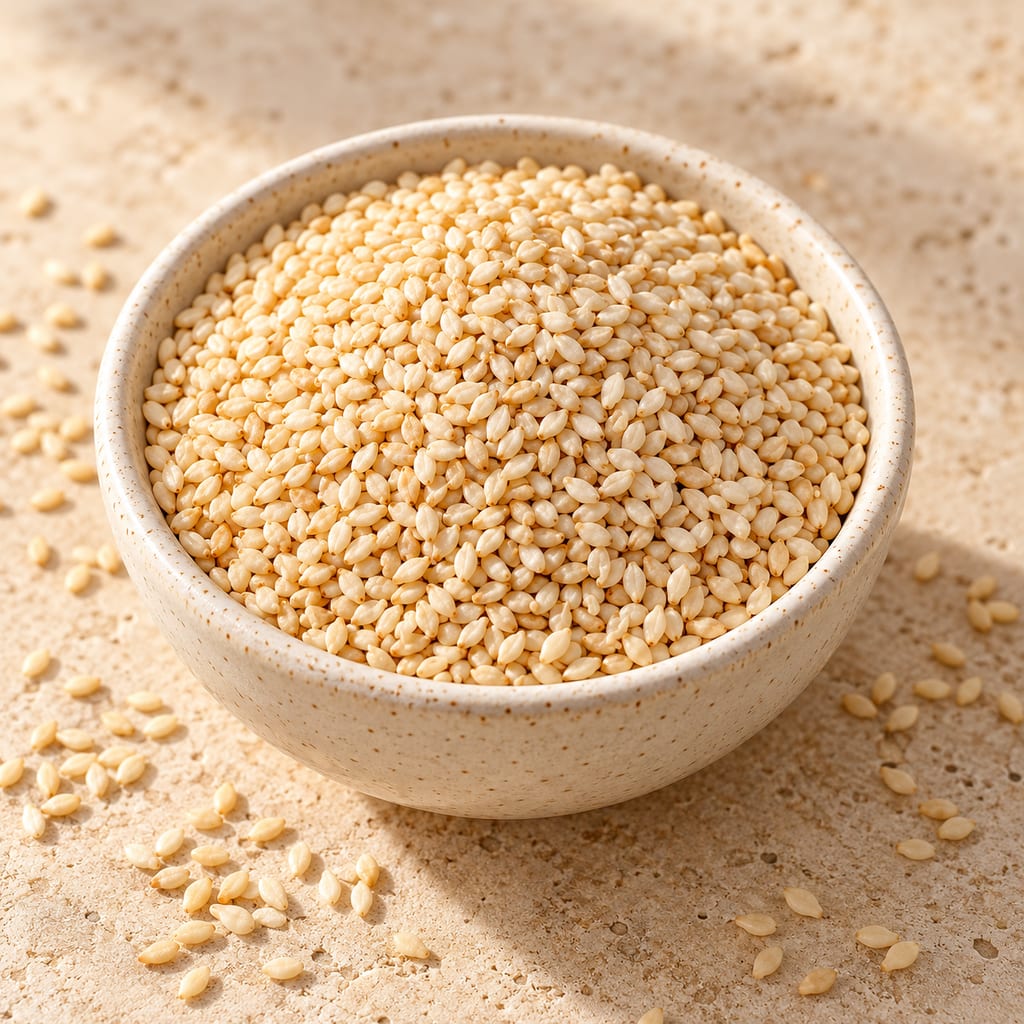
Sesame seed, from Sesamum indicum, is about half oil and is eaten whole, ground into paste or pressed into oil. It was a crop of South Asia by the Harappan period and reached Mesopotamia before 2000 BC.
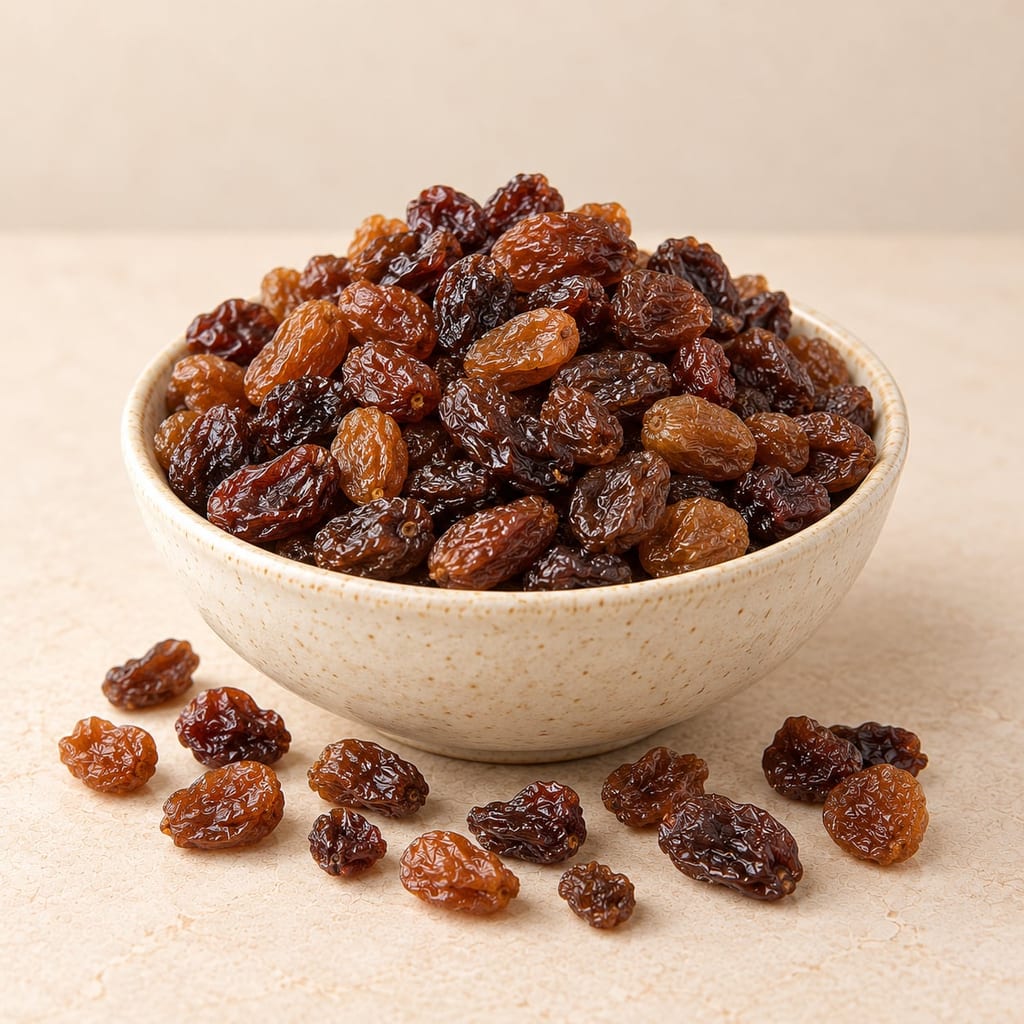
Raisins are dried grapes whose variety and drying method shape their size, colour and flavour. In a documented 1861 ginger wine they are stoned, chopped and added to the cask after yeast.
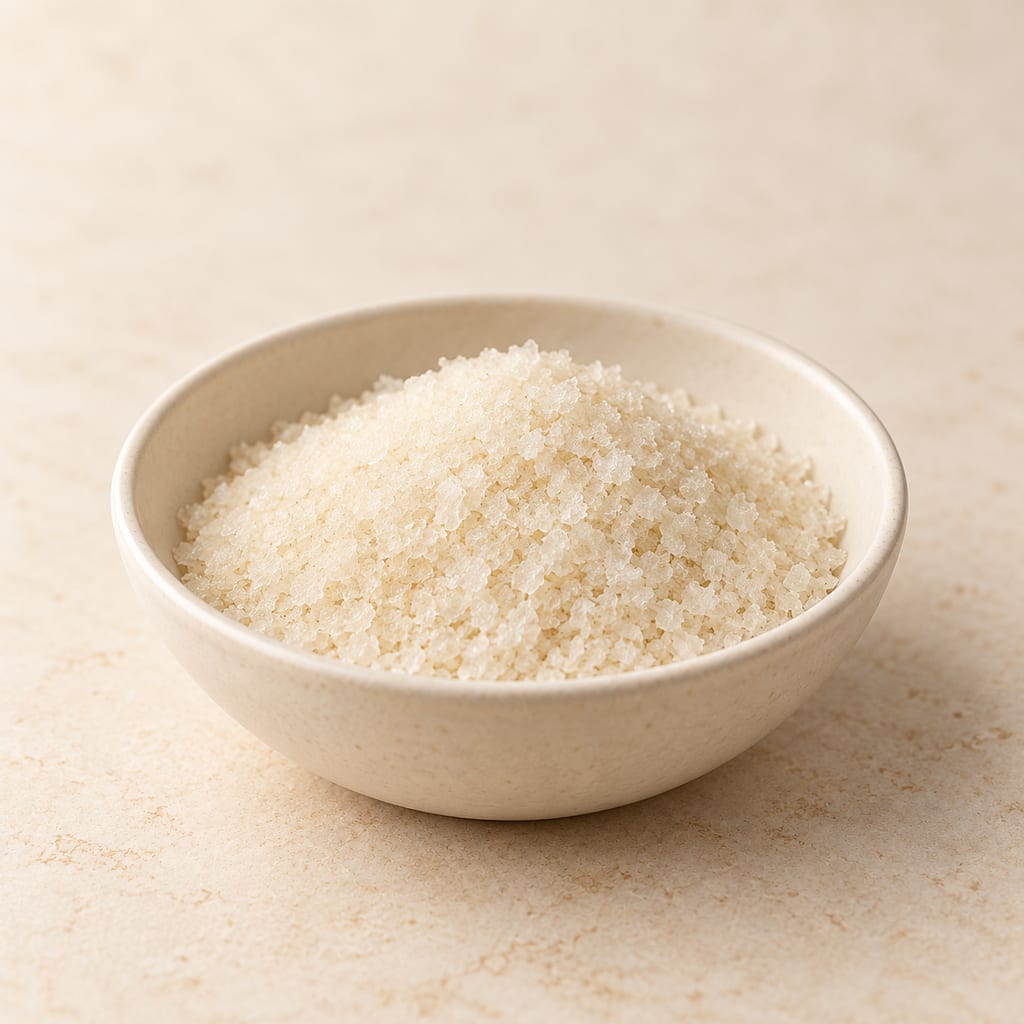
Gelatin is animal collagen partly broken down to dissolve in hot water and set as a gel on cooling, used for jellies and sweets and to fine beer and wine.
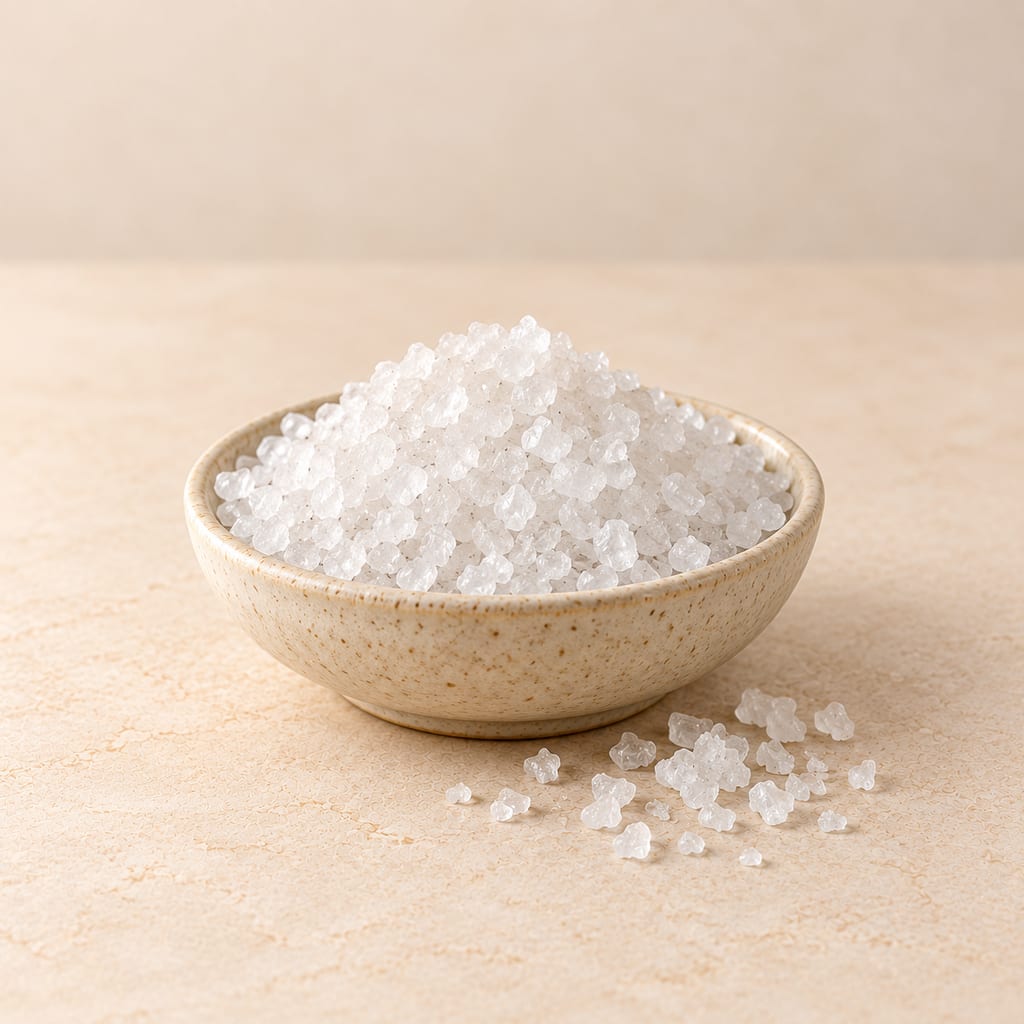
Coarse salt is food-grade salt in large grains, from sea, rock deposits or brine, used for curing, brining, pickling and packing fish.
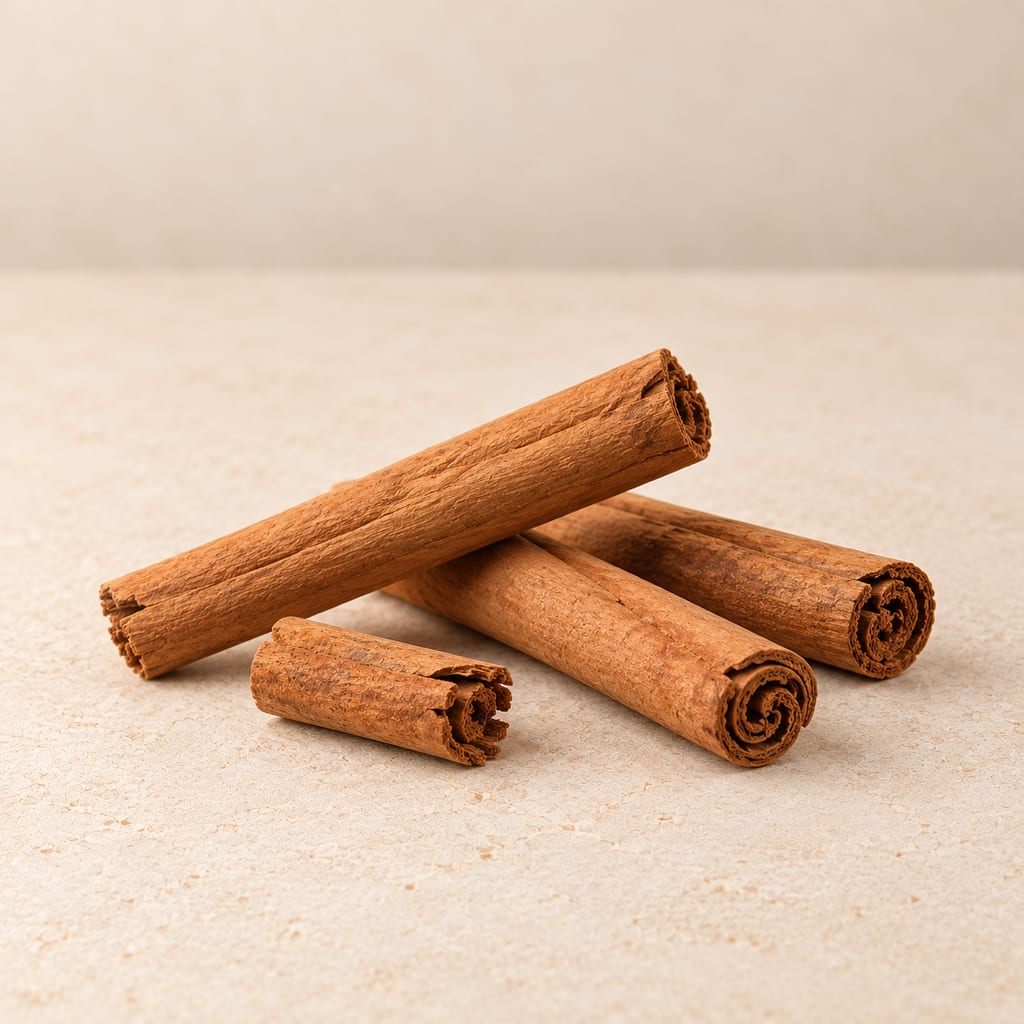
Cinnamon is the dried inner bark of Cinnamomum trees, rolled into quills or ground; Ceylon cinnamon comes from C. verum of Sri Lanka and cassia from related species.
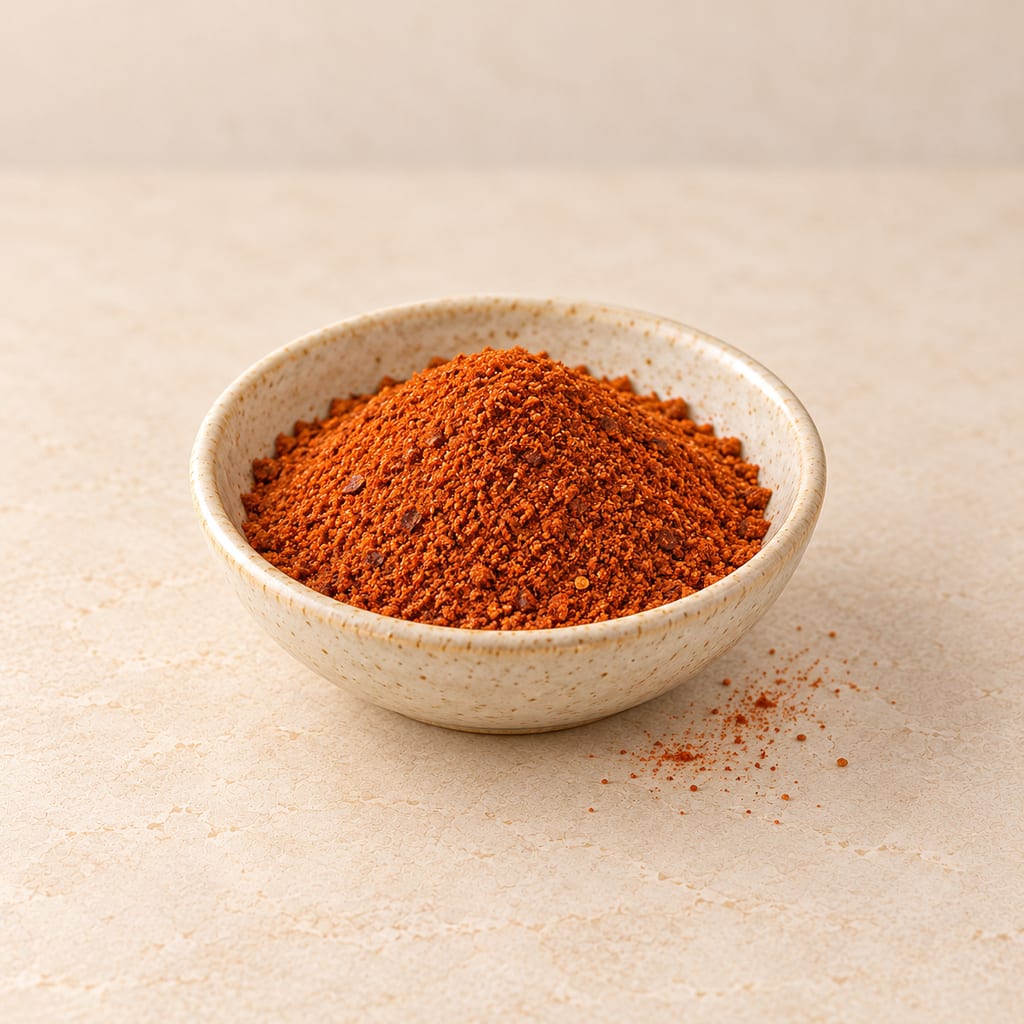
Chilli powder is dried chilli fruit ground fine, sold either as plain ground chillies or, in the United States, as a seasoning blend with salt, garlic and cumin.
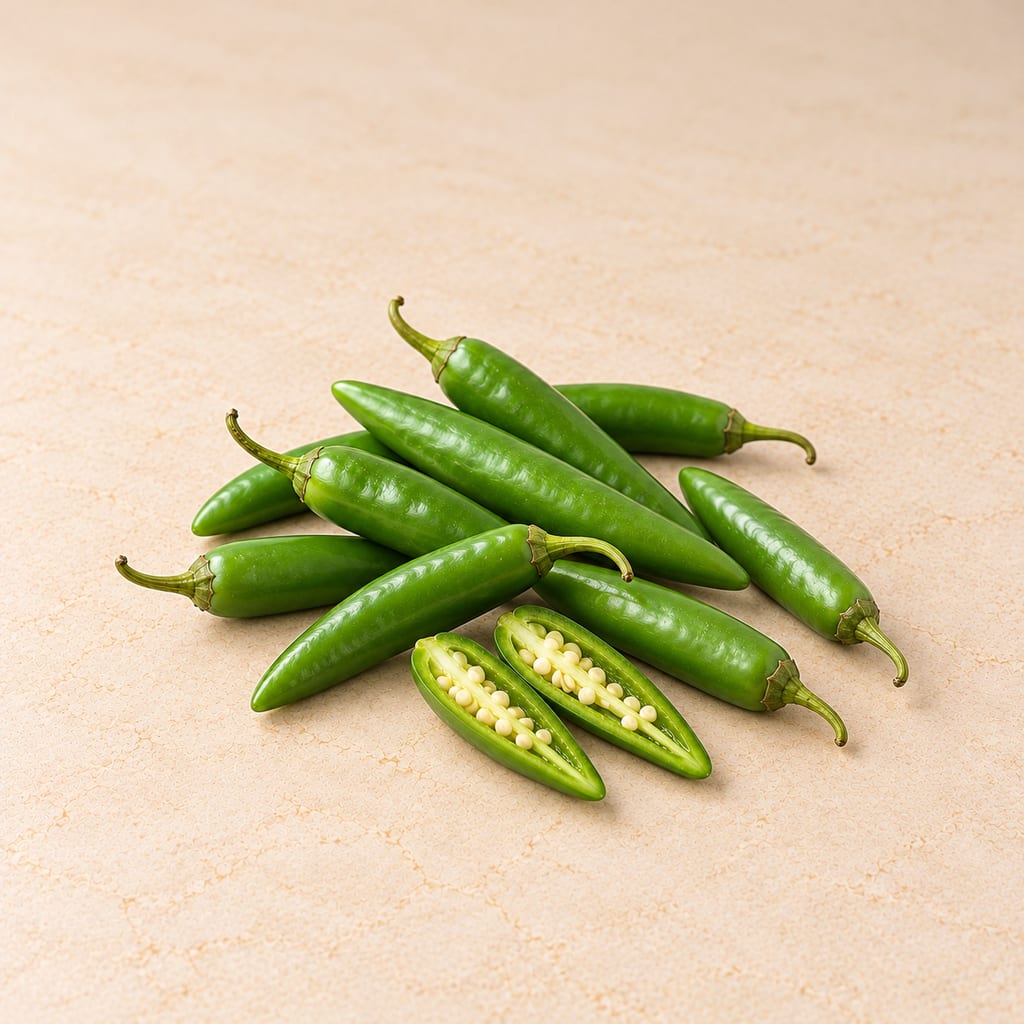
Chilli is the pungent fruit of Capsicum plants, native to the Americas and eaten fresh, dried, ground or fermented in cuisines around the world.
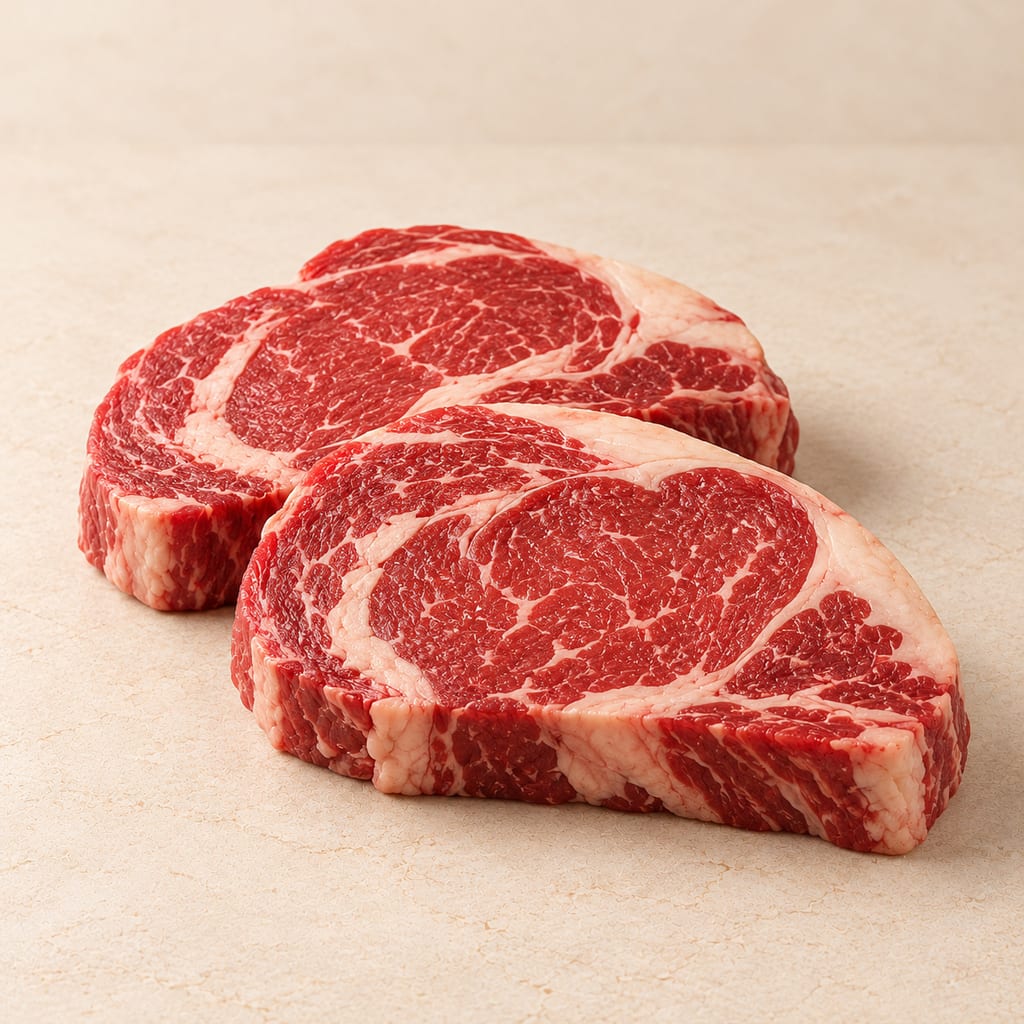
Beef is the meat of domestic cattle, Bos taurus and Bos indicus, sold as steaks, roasts, ground meat and cured products, and used in broths, salami and koji seasonings.