Pasteurized light cream
Liquid pasteurized cream used for cultured fresh cheese, with a fat grade whose meaning differs between markets.
 FermenteaWhere food goes to change
1086 articles on substrates, cultures and additives.
Liquid pasteurized cream used for cultured fresh cheese, with a fat grade whose meaning differs between markets.
Nottingham is a selected dry Saccharomyces cerevisiae culture for English-style ales, also documented in cider recipes and research. Its brewing profile does not predict a cider’s sweetness or fermentation schedule.
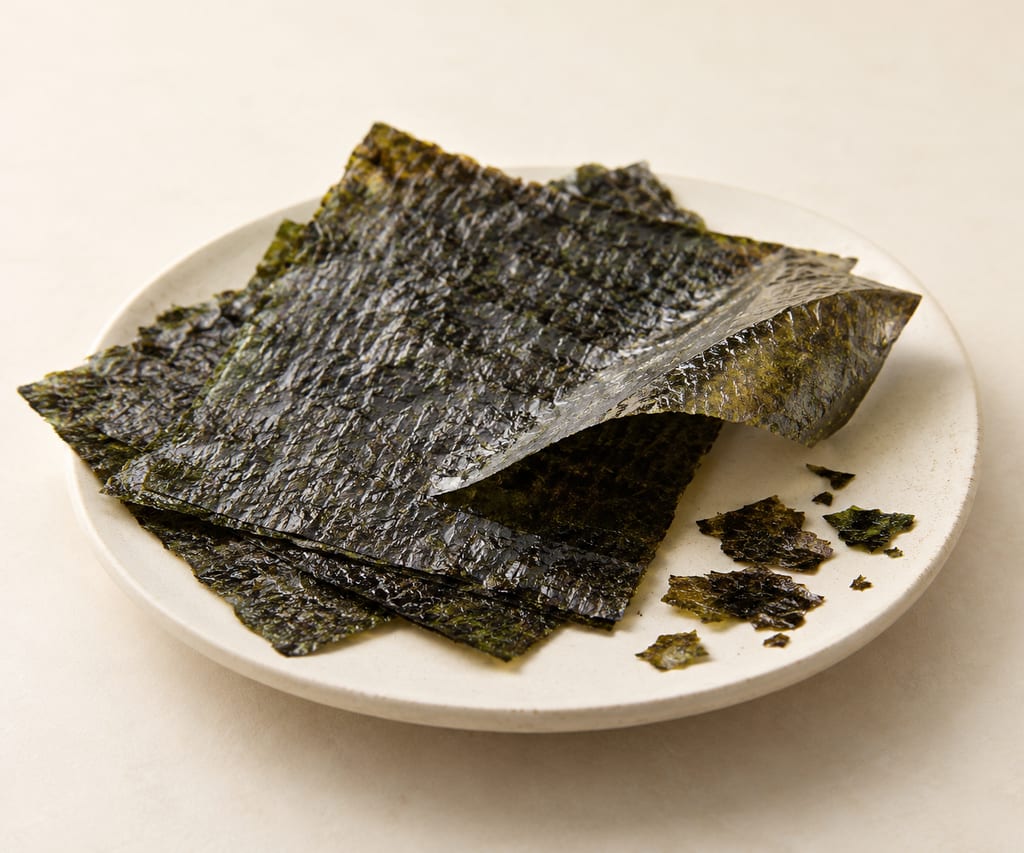
Nori is a red seaweed farmed in East Asia and dried into thin sheets, prized for its savoury flavour and crisp texture when roasted and used with rice, in soups and as a seasoning.
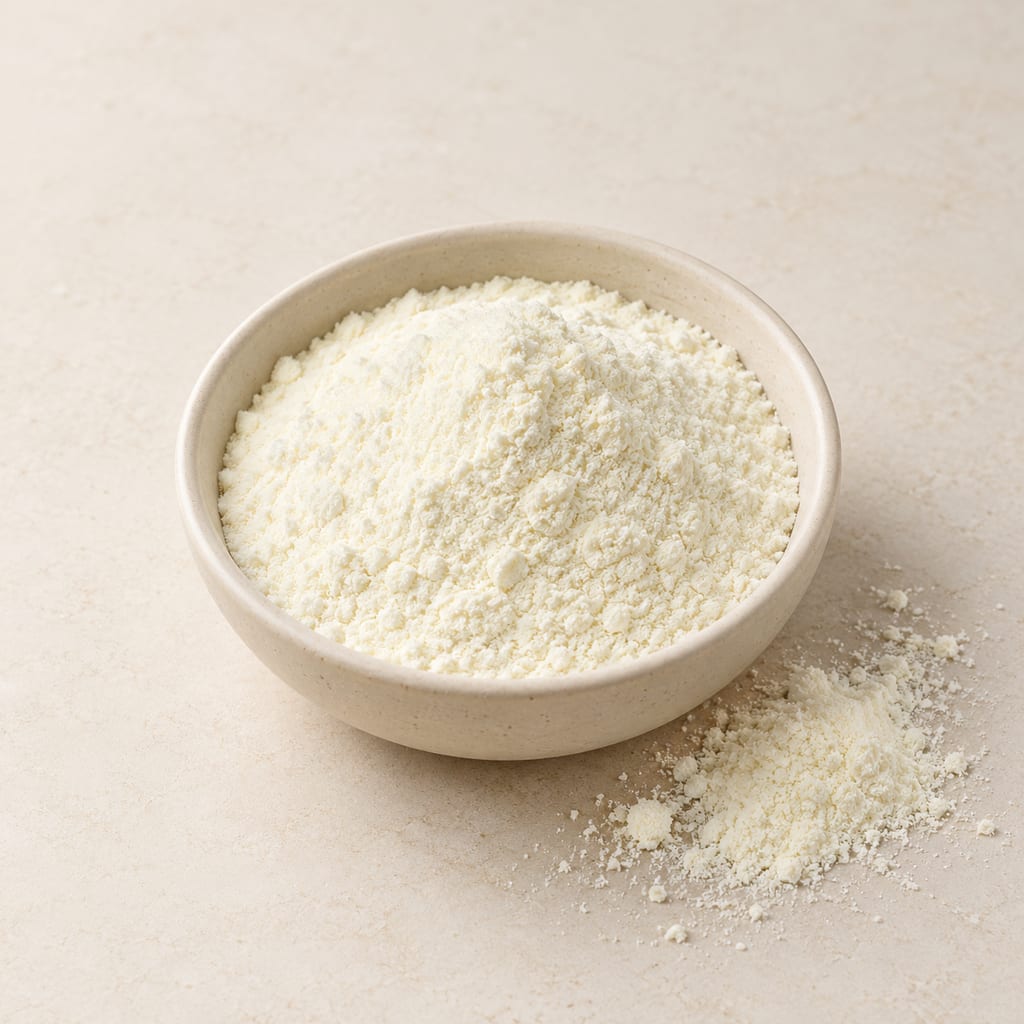
Nonfat dry milk is pasteurized skim milk dried to a pale powder. It supplies milk solids in the linked salami recipe, which names it as a binder but does not establish a measured effect.
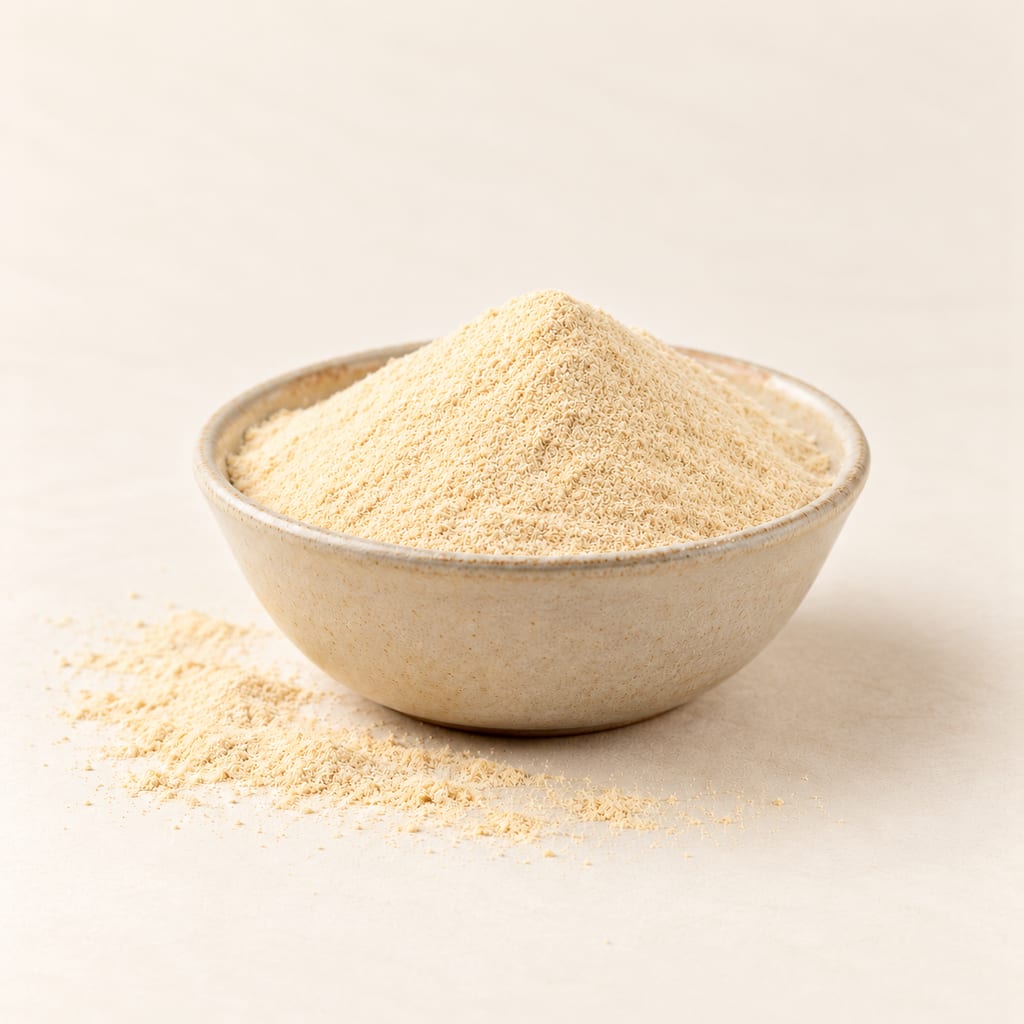
Enzyme-inactive malt powder adds malty flavor and crust color. In King Arthur's sourdough discard pretzels it is an optional choice in both the dough and a brushed wash, each with a separate sugar alternative.
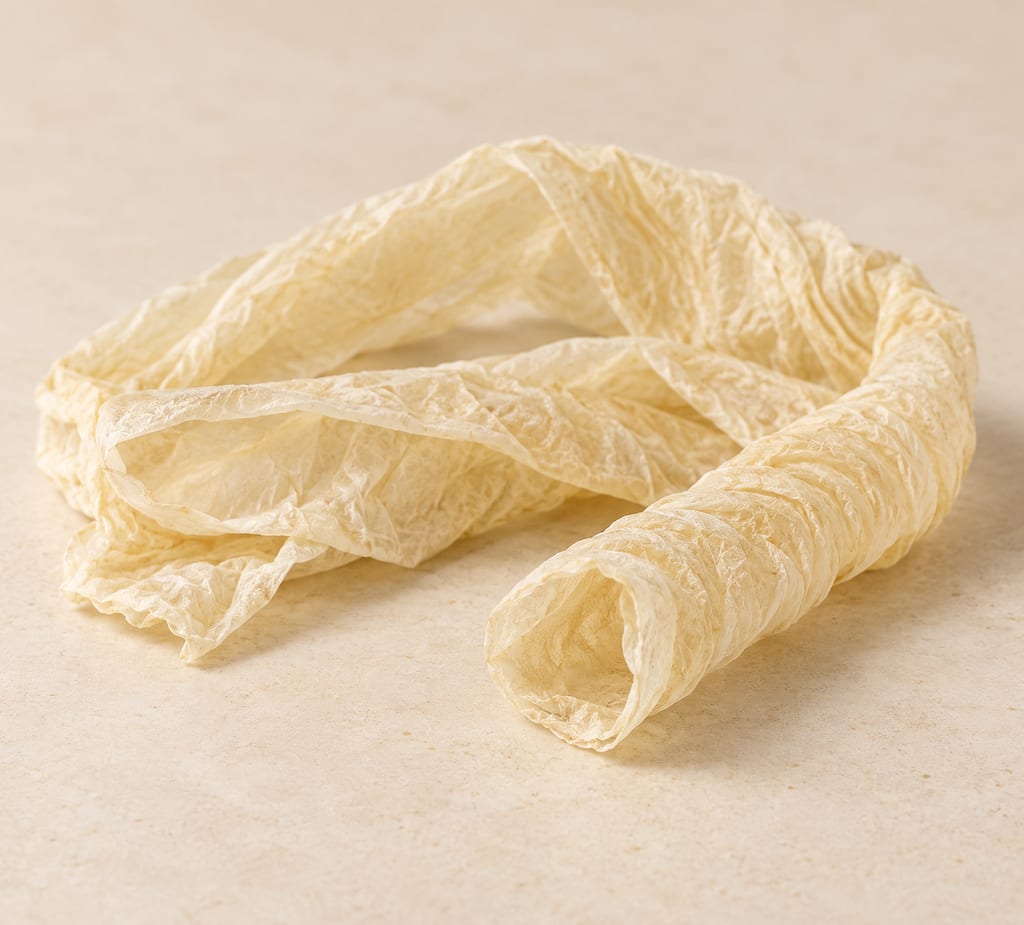
A 60 mm natural dried casing gives wide salami its animal-derived envelope and approximate stuffed diameter; its exact animal source and length depend on the chosen product.
MOLD-800 is a freeze-dried blend of two Penicillium species applied to the outside of dry sausage to establish a pale surface bloom.
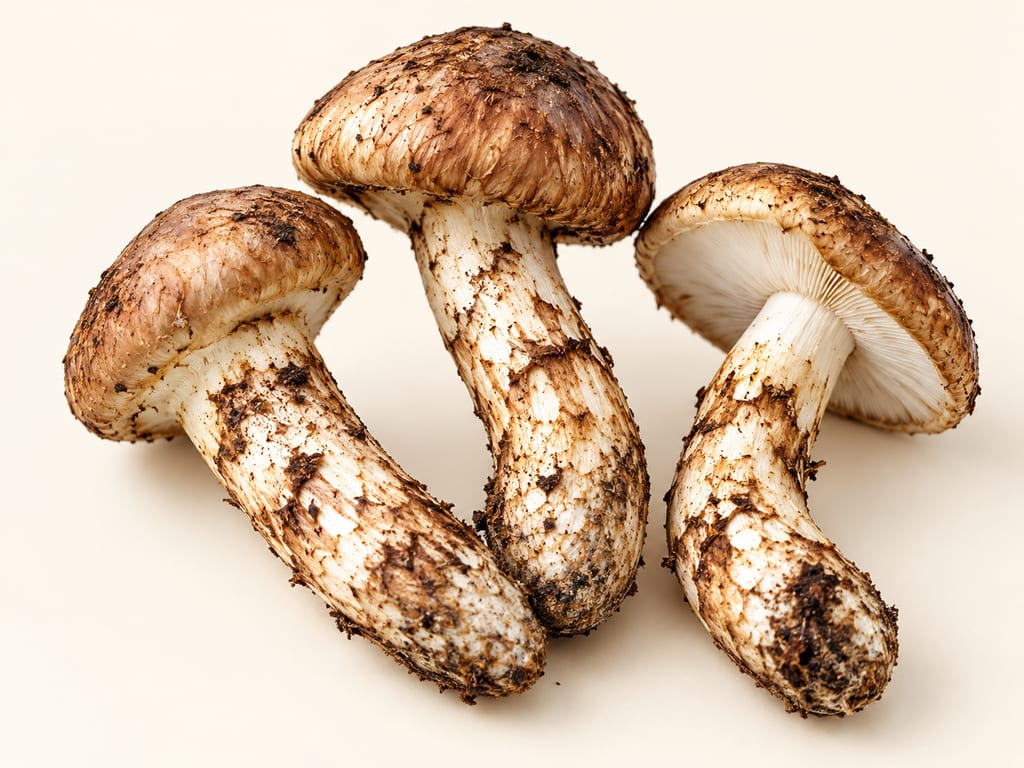
Matsutake is a prized wild ectomycorrhizal mushroom associated with pine and other forest trees, valued especially in Japan, Korea and China for its distinctive spicy aroma, firm texture and seasonal rarity.
MA4002 is a mixed dairy starter with mesophilic predominance. In the linked Spanish-style blue cheese it acidifies milk separately from rennet and blue mold; the manufacturer names four bacterial components and a milk-derived nutrient.
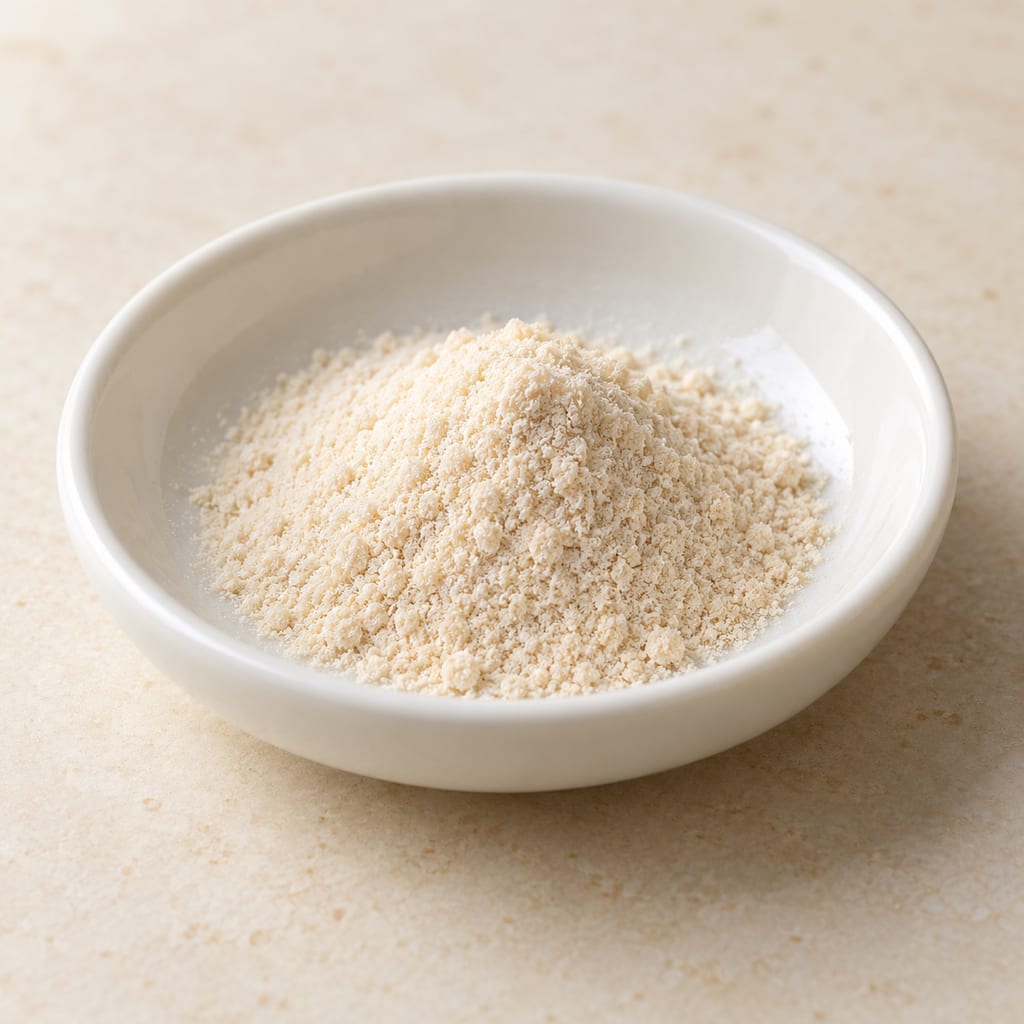
A purchased meat starter named in a contemporary Sai Krok Issan recipe. Chr. Hansen documents Bactoferm LHP-DRY US as a dried Pediococcus blend for rapid acidification; the recipe does not identify a lot or strain.
An active dry wine yeast selected in Narbonne, France, with documented partial malic-acid consumption and producer-described fruity ester production. Its effects depend on the must and fermentation.
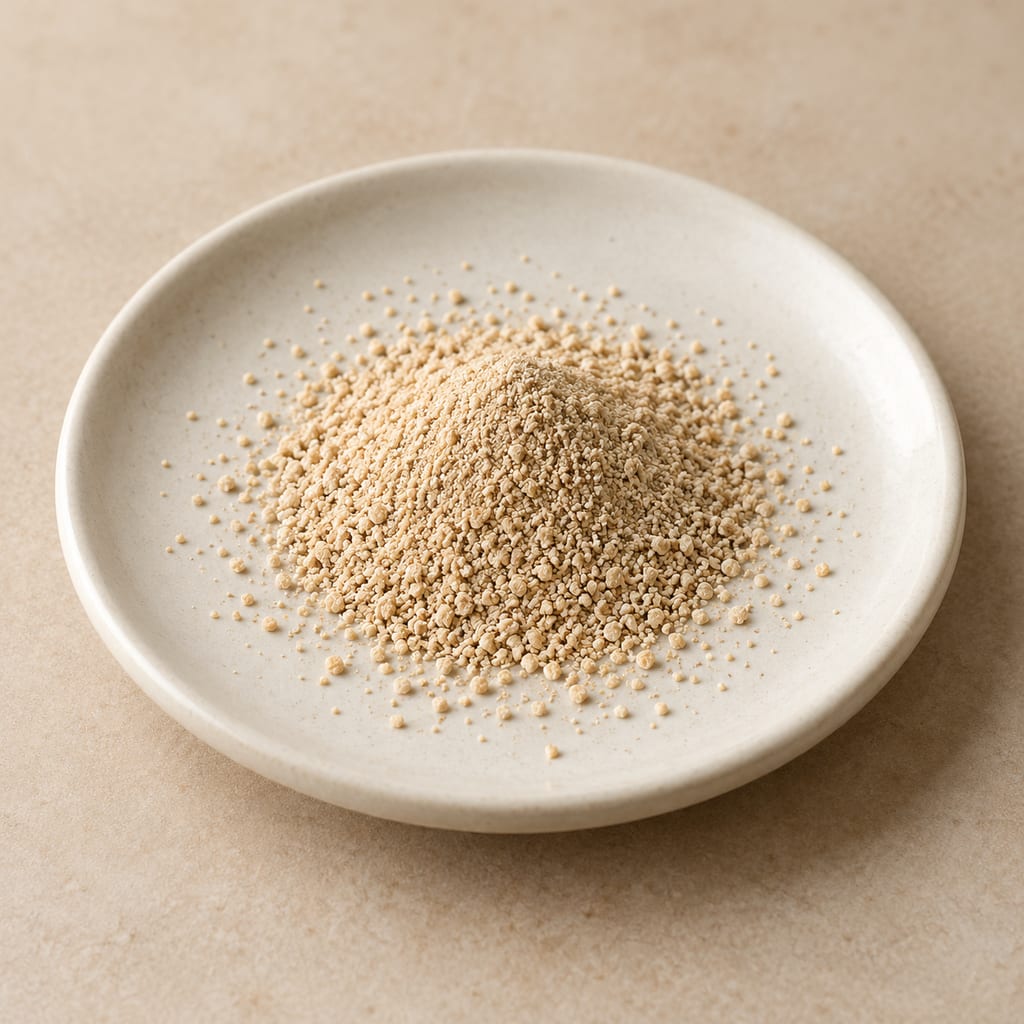
Lallemand Abbaye is a dried Saccharomyces cerevisiae brewing culture for fruity, spicy Belgian-style ales. Its published Belgian-origin claim does not identify a monastery or donor brewery.
An unspecified dairy starter supplies lactic acid bacteria to guide milk acidification. The documented Beyaz peynir method names no organism, commercial blend or physical form.
Koumiss starter is a retained previous-batch liquid or bulk dairy culture used to inoculate fresh milk. Its bacteria, yeasts and activity depend on the culture and production method.
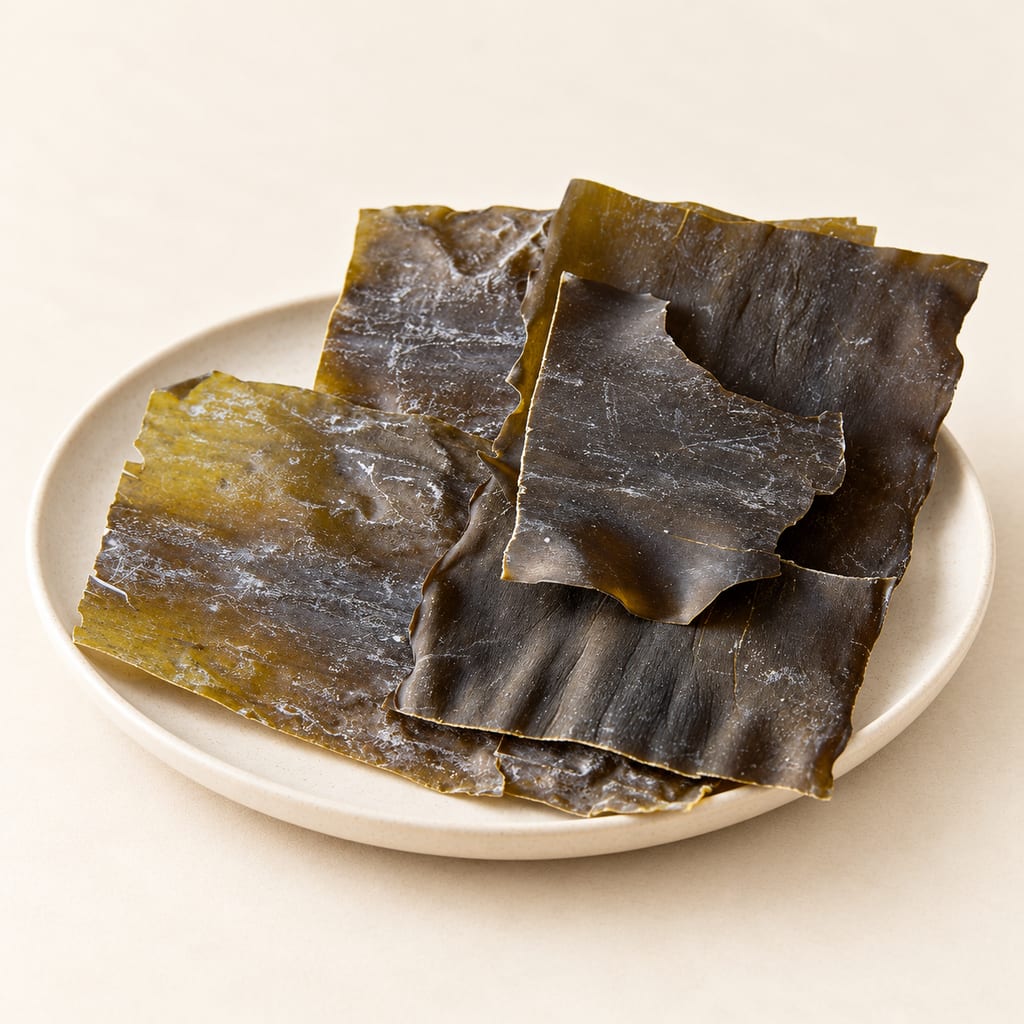
Kombu is a group of edible brown kelps, chiefly harvested around northern Japan or cultivated in East Asia, used for umami-rich stocks, simmered dishes, seasonings and preserved foods.
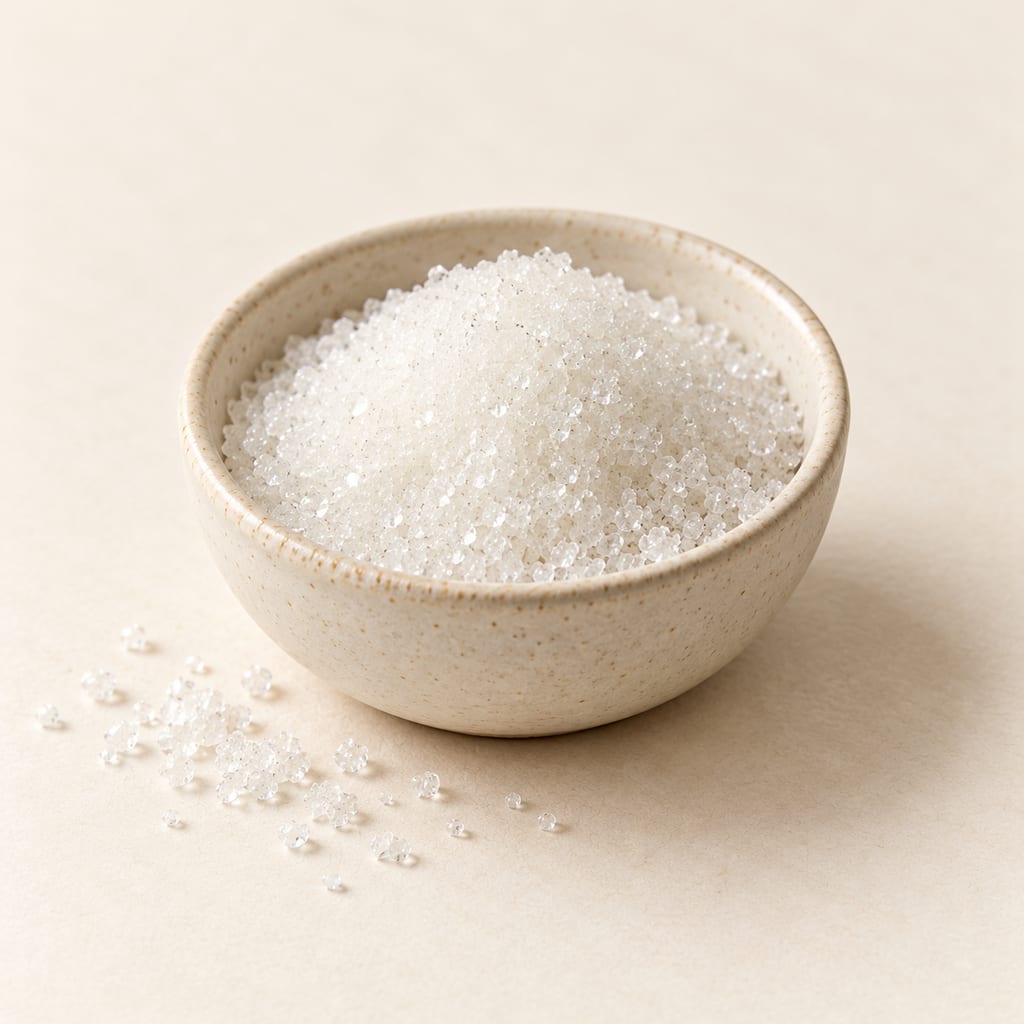
Tartaric acid is a crystalline food acid associated with grapes and wine; it gives sourness and is distinct from its potassium salt, cream of tartar.
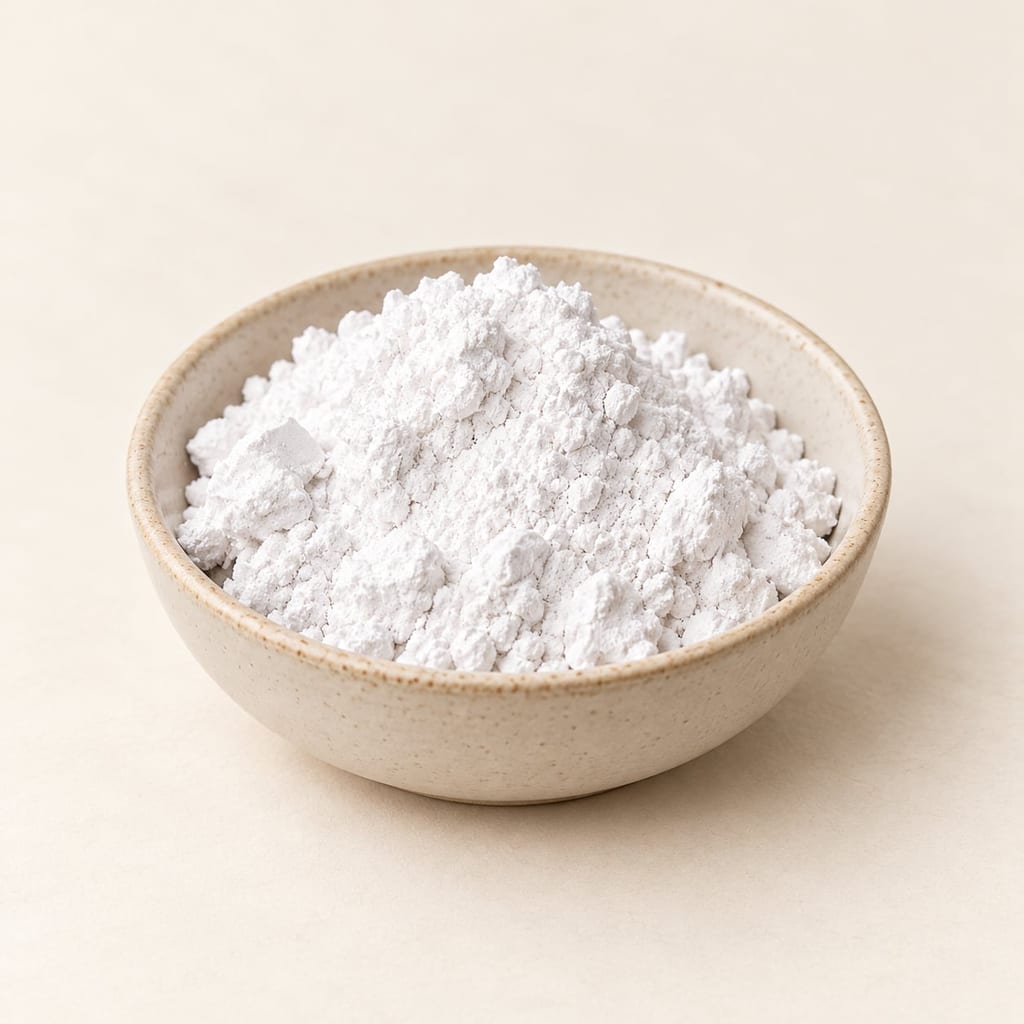
Food-grade slaked lime is calcium hydroxide, an alkaline processing aid used in distinct food treatments including green-fig soaking and maize nixtamalization.
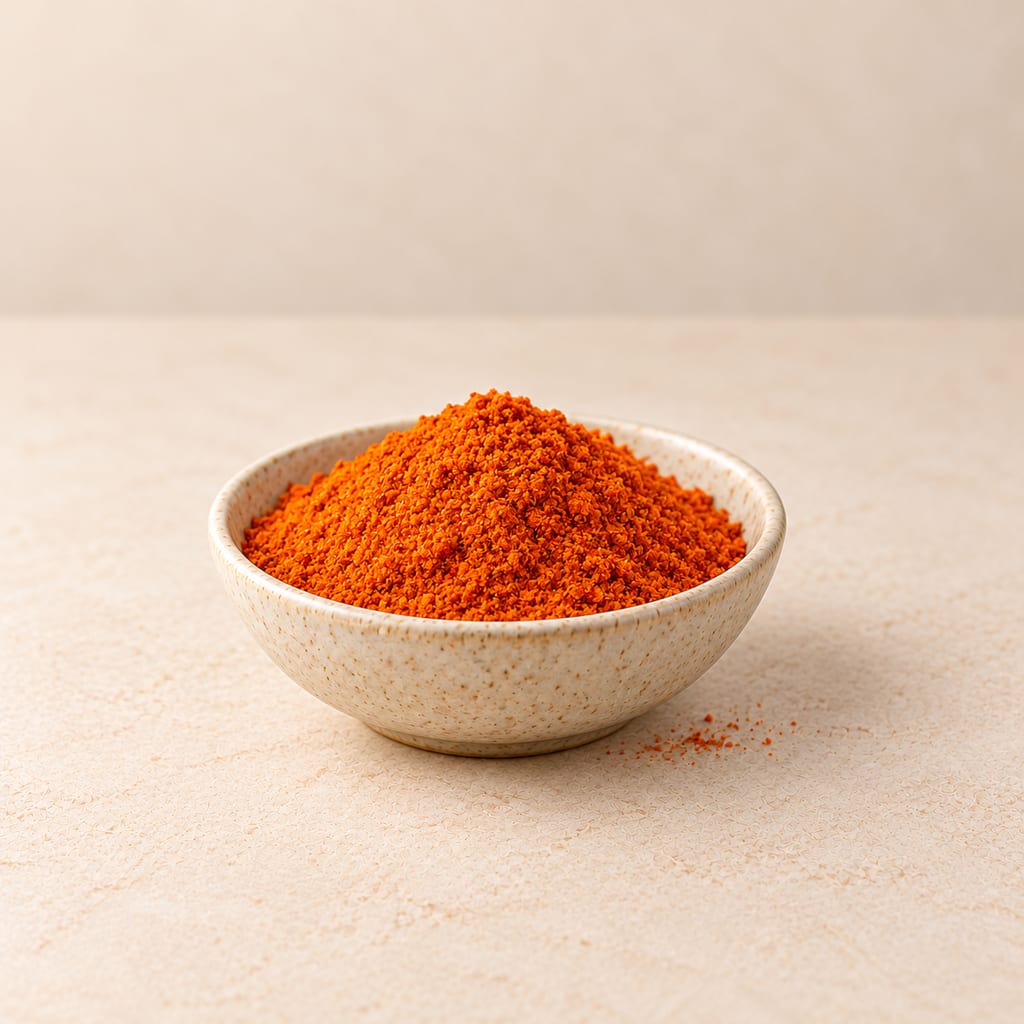
Red chilli powder is ripe red chilli pods dried and ground, sold pure or blended, and used for heat and red colour in pickles, chutneys, pastes and spice mixes.
Unpasteurized sheep milk with its natural fat retained, documented as the starting milk for Kashkaval. Seasonal composition affects curd behavior; raw status does not establish microbiological safety.
Heat-treated milk from domestic goats supplies lactose, proteins and fat for cultured dairy and cheese; its heat treatment and composition affect how it behaves in the vat.
An unspecified dairy starter for moderate-temperature acidification, documented in a sheep-milk Kashkaval method. The name identifies a functional temperature class, not a fixed species blend or supplied form.
An animal-derived liquid enzyme extract sets milk by changing casein proteins; its activity and formulation determine how a particular bottle is used in cheesemaking.
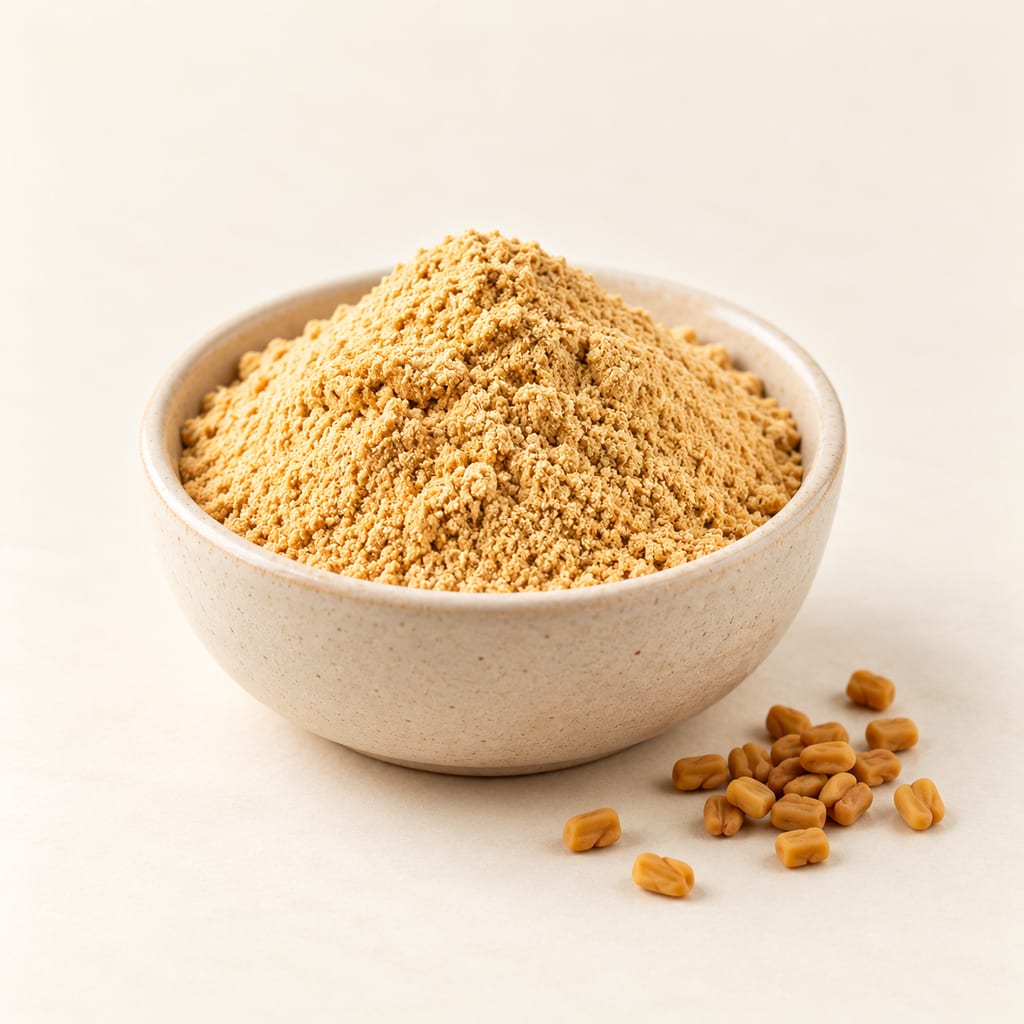
Ground fenugreek seed is a bitter, aromatic spice used in pickles and seasoning mixtures. It differs from dried fenugreek leaf powder in both material and culinary use.
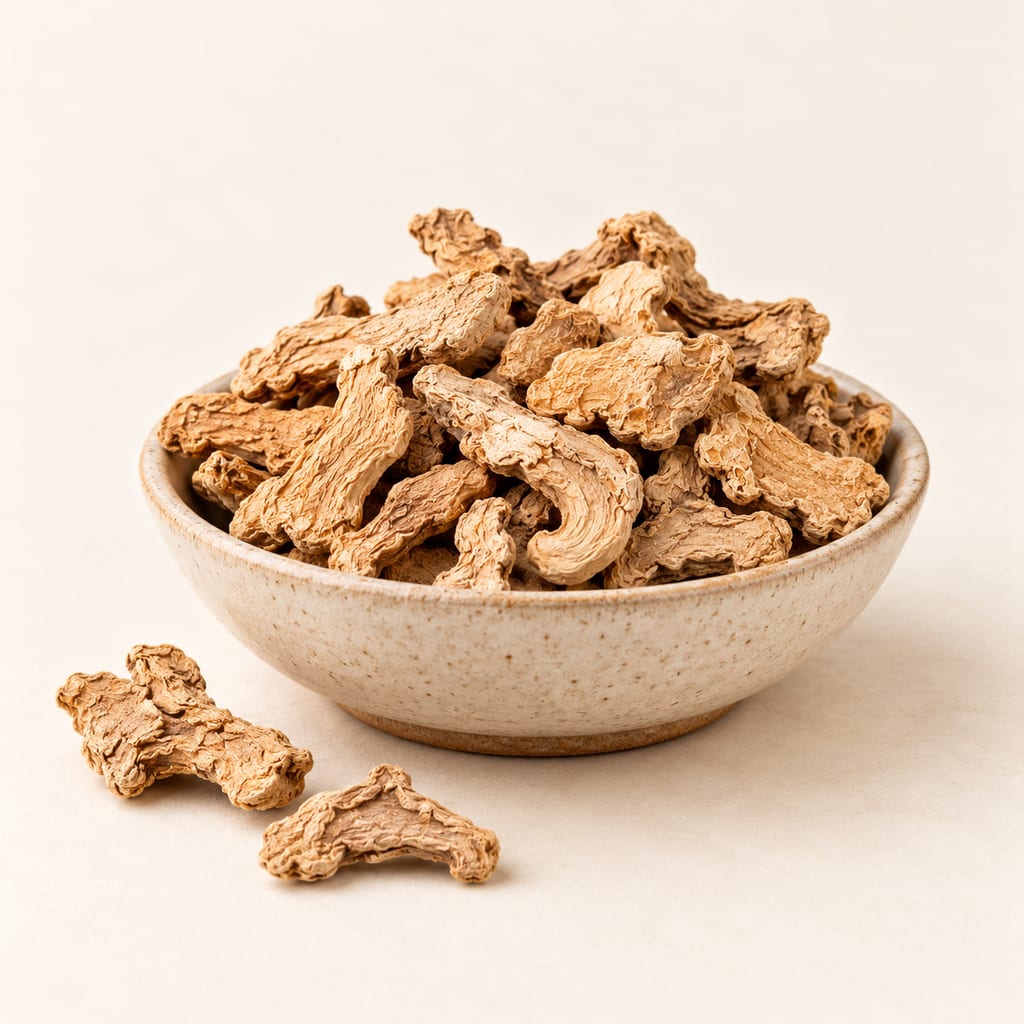
Dried ginger is the mature, dried rhizome of Zingiber officinale; its warm flavor and whole, sliced or ground forms serve different kinds of cooking.
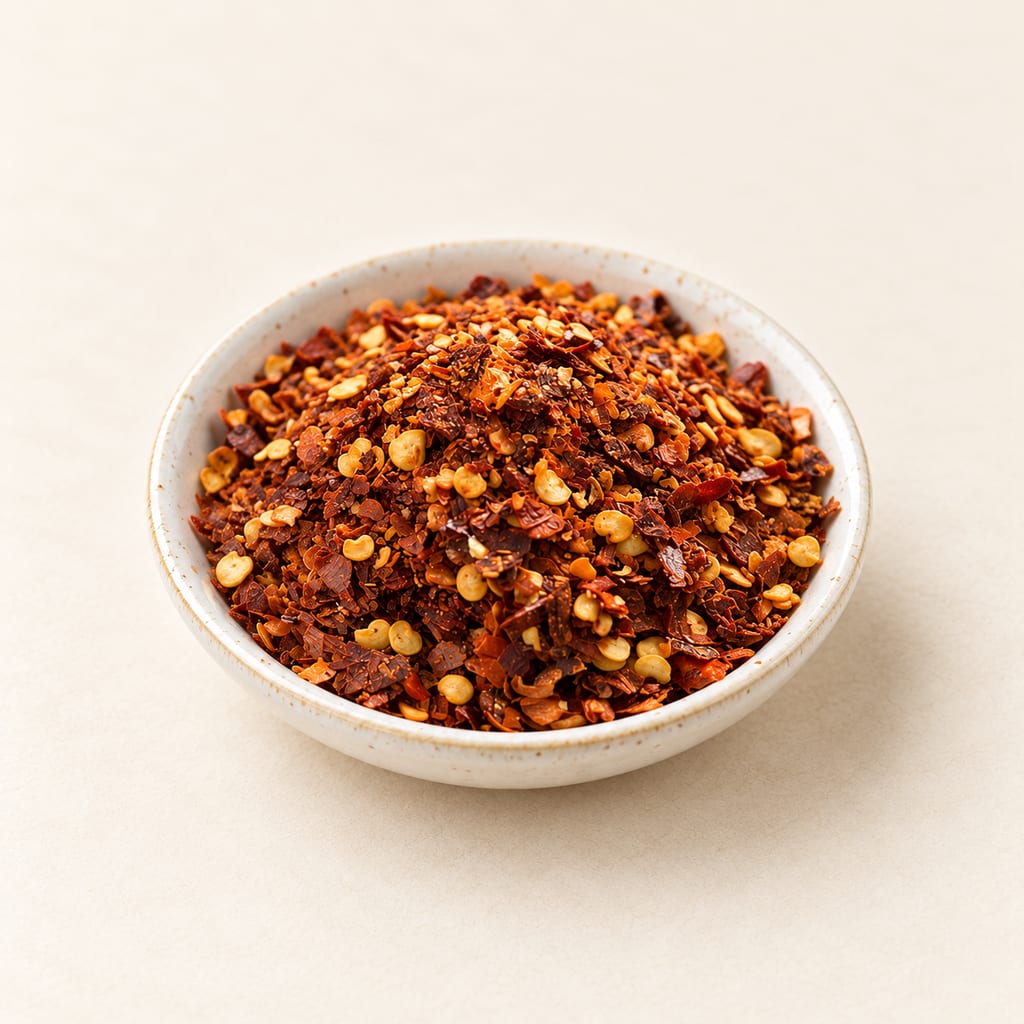
Dried chilli flakes are broken dried Capsicum fruit used for dispersed heat, colour and flavour; Peter Kuruvita's lime pickle includes one teaspoon.
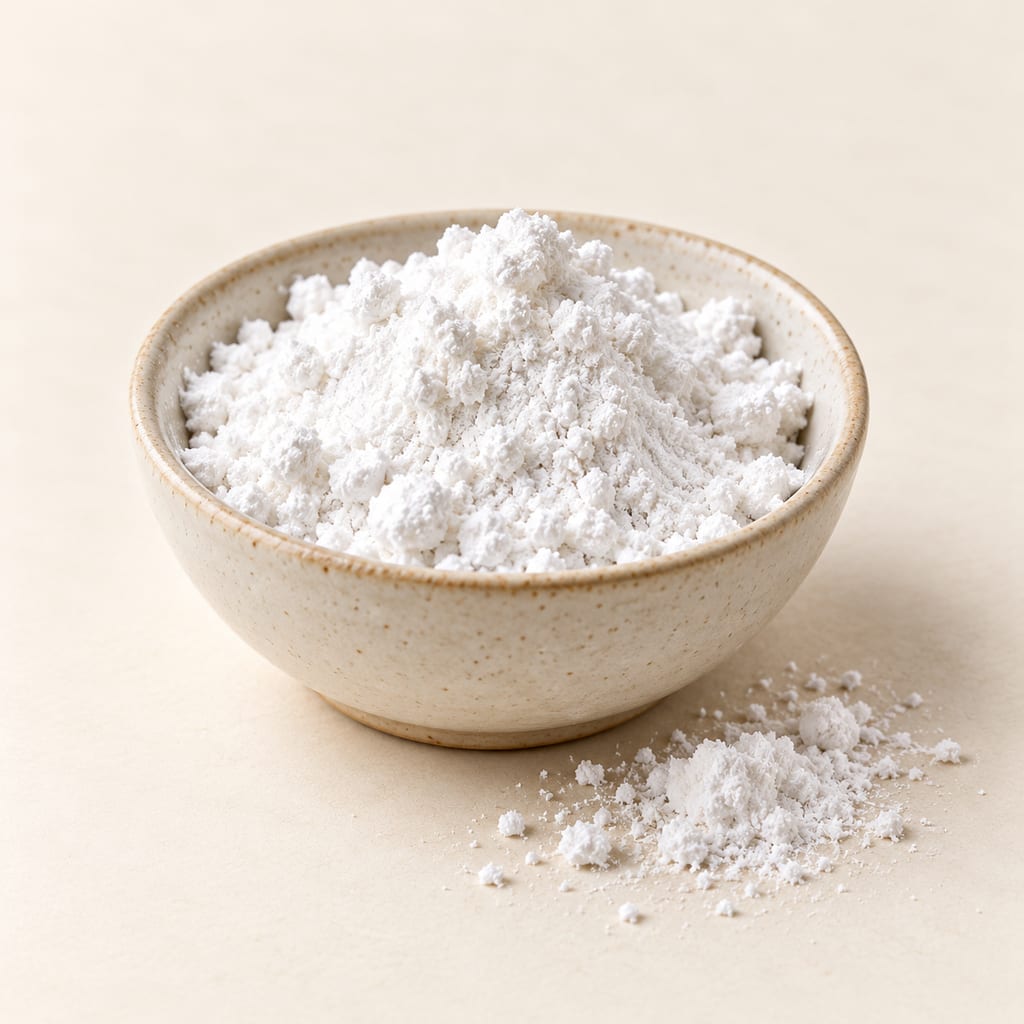
Cream of tartar is a grape-derived potassium tartrate salt used as a dry baking acid, foam aid and measured syrup ingredient.
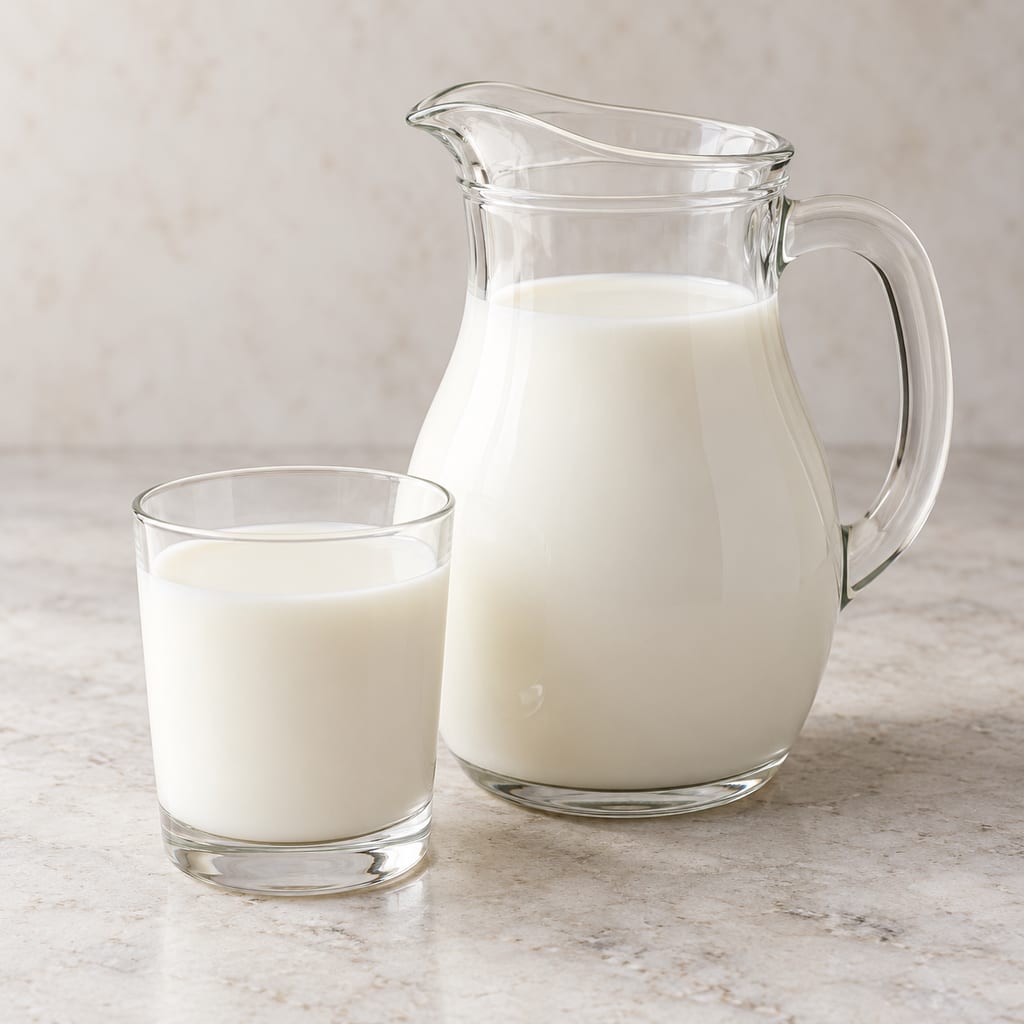
Cow milk and water-buffalo milk are distinct dairy substrates whose fat, protein and mineral balance affects cheese; this ingredient name preserves a choice rather than defining a blend.
A direct-set blend of lactic bacteria, a microbial coagulant and carriers for fresh chèvre, combining milk acidification and enzyme-assisted curd formation in one packet.
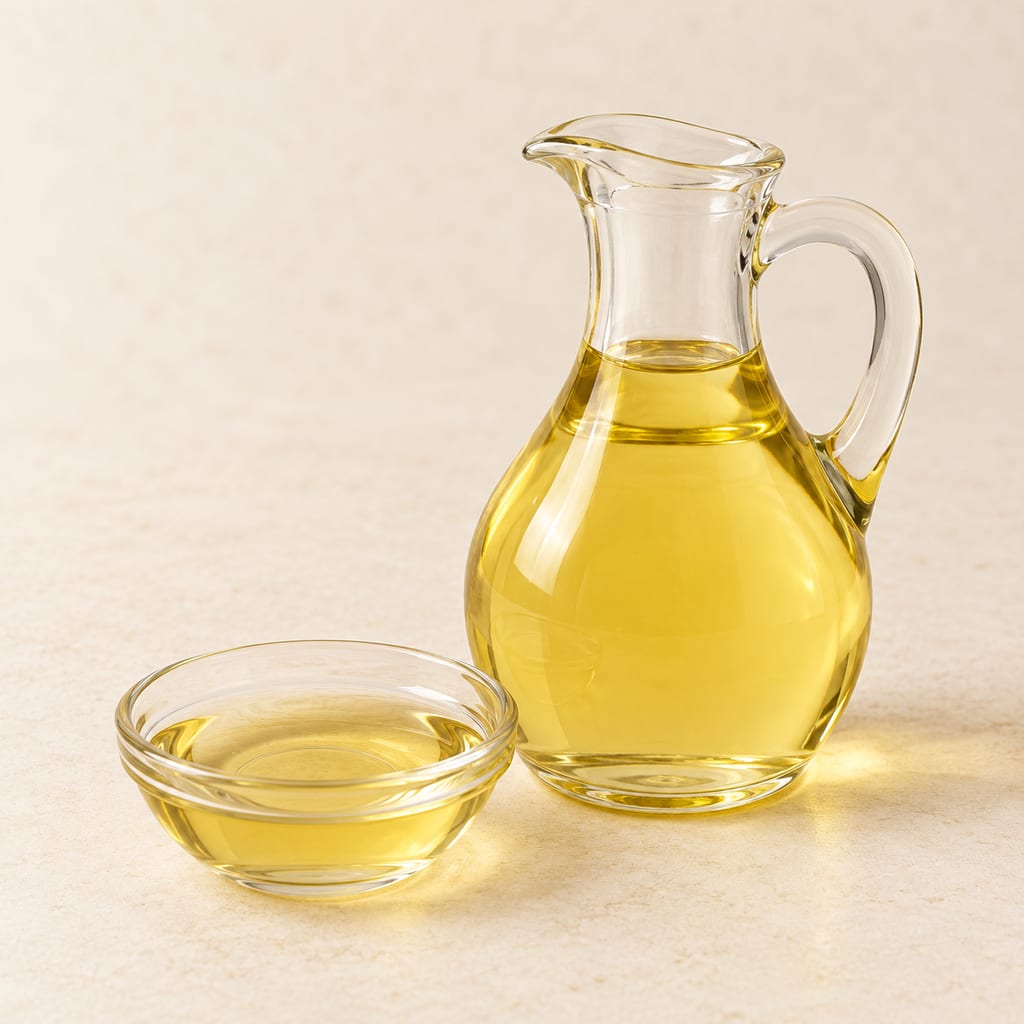
Cooking oil can coat a pan, carry heat around food, or contribute flavor and texture. The source and intended use matter because oils differ in flavor and heating behavior.
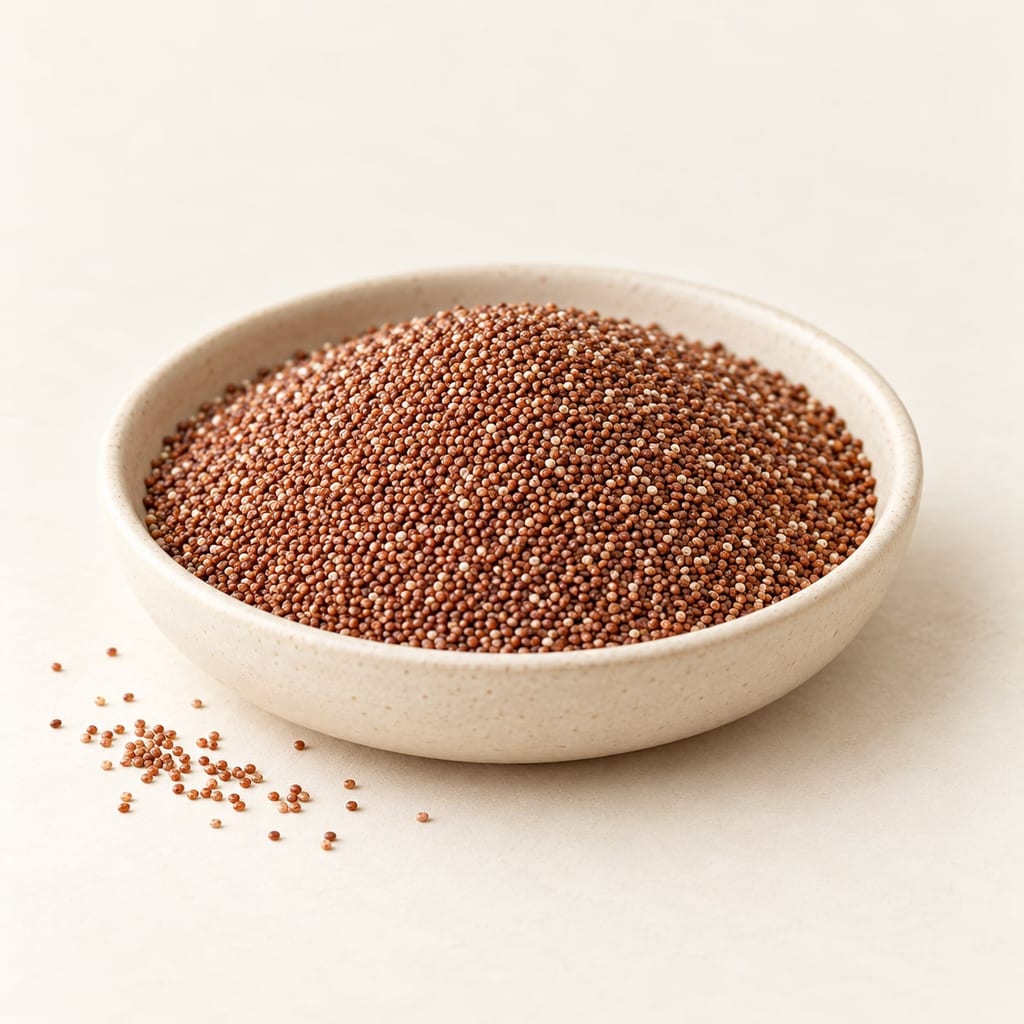
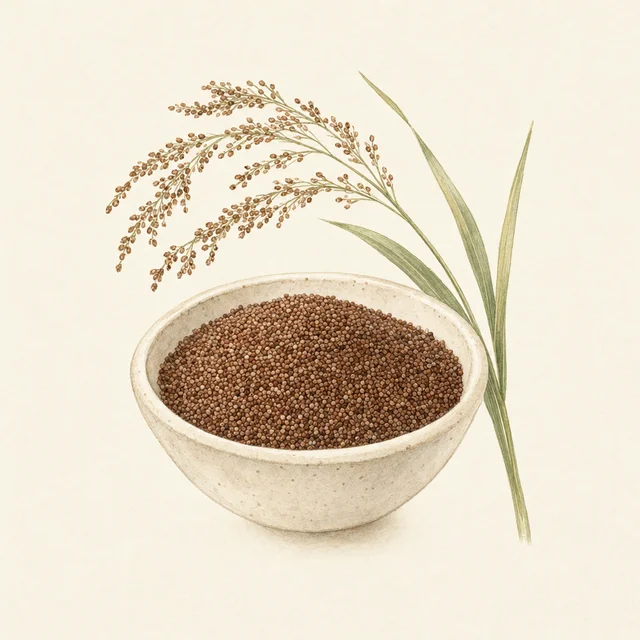
Teff is a tiny-seeded cereal long cultivated in Ethiopia and used whole or milled. Its flour anchors injera and other foods, while variety, milling and local practice shape how it is used.
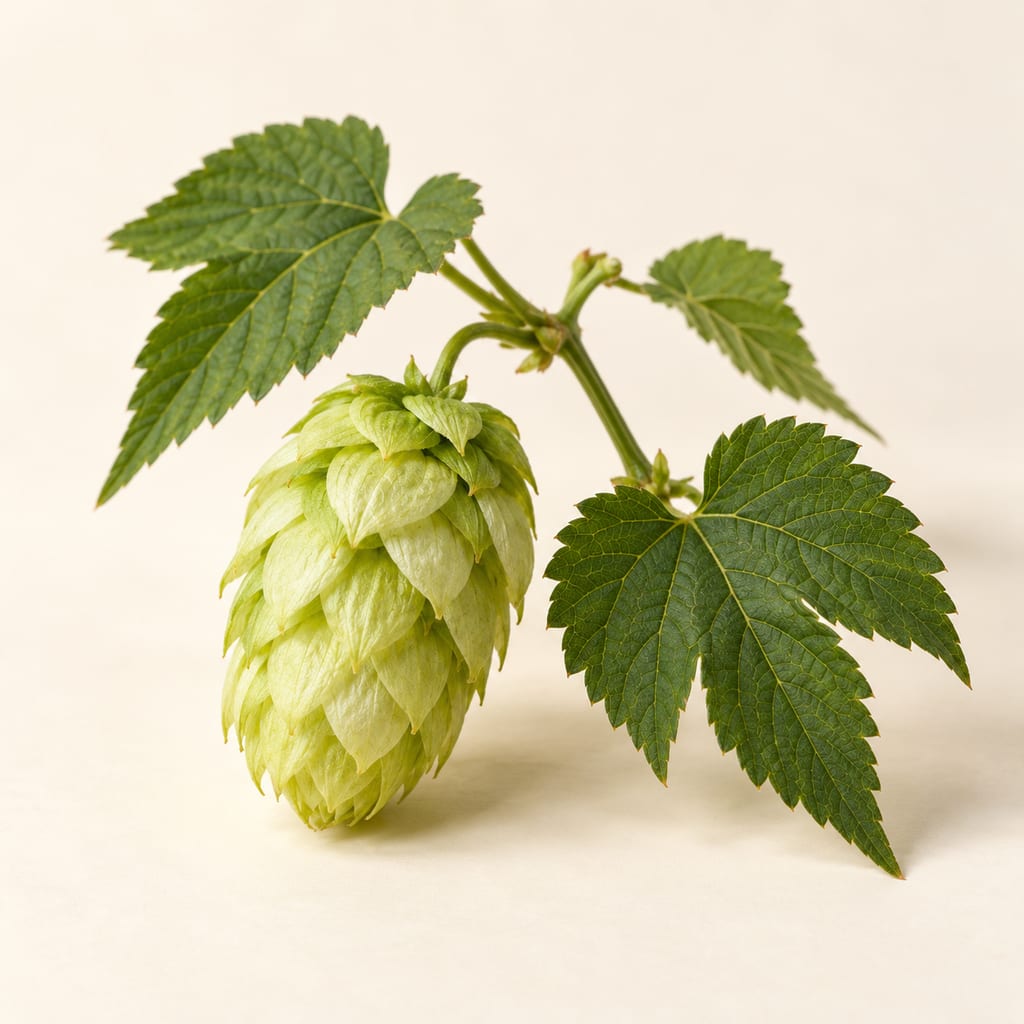
A traditional German aroma-hop land variety, associated with the Hallertau and described with herbal, spicy and floral notes. Cultivar identity, crop analysis and the growing place of a particular lot remain separate facts.
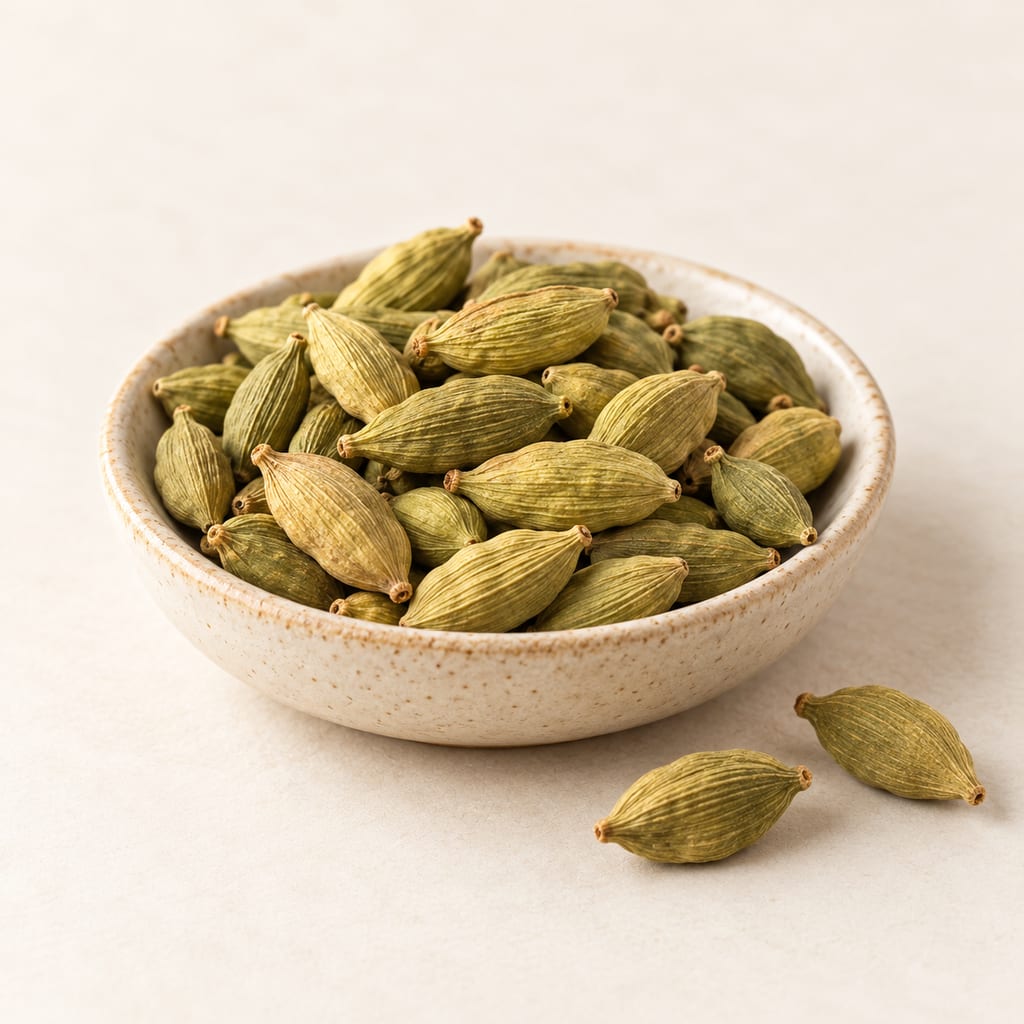
Green cardamom is the cured capsule of Elettaria cardamomum, valued for aromatic seeds used whole or ground in sweet and savory dishes.
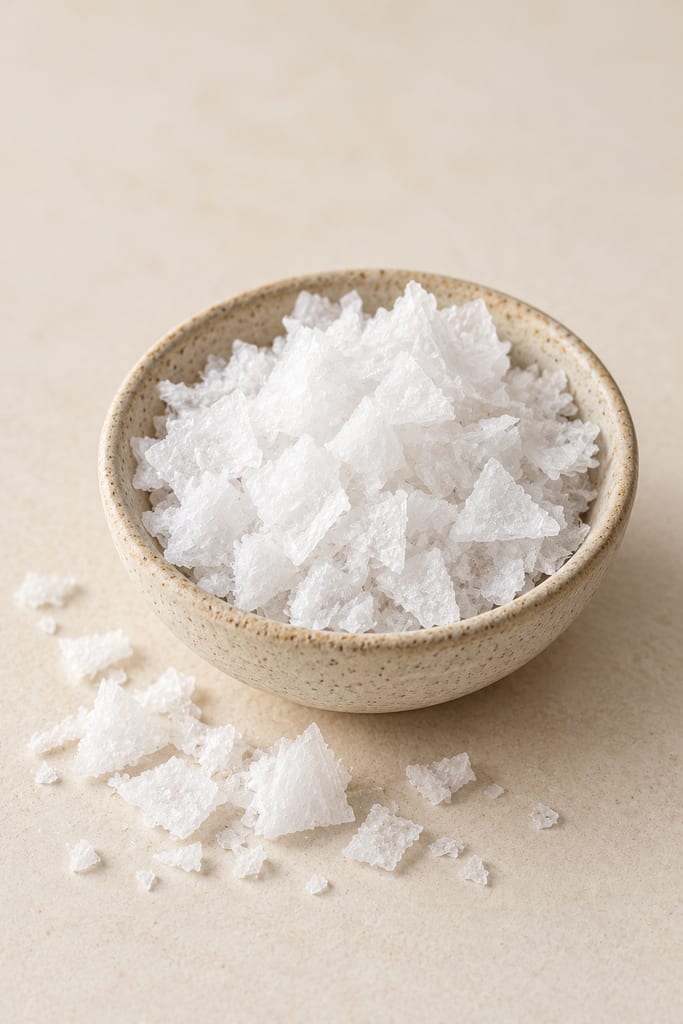
Flaky sea salt consists of thin, brittle crystals used for surface seasoning and texture. Production methods and bulk density vary, so it is not a direct volume substitute for fine salt.
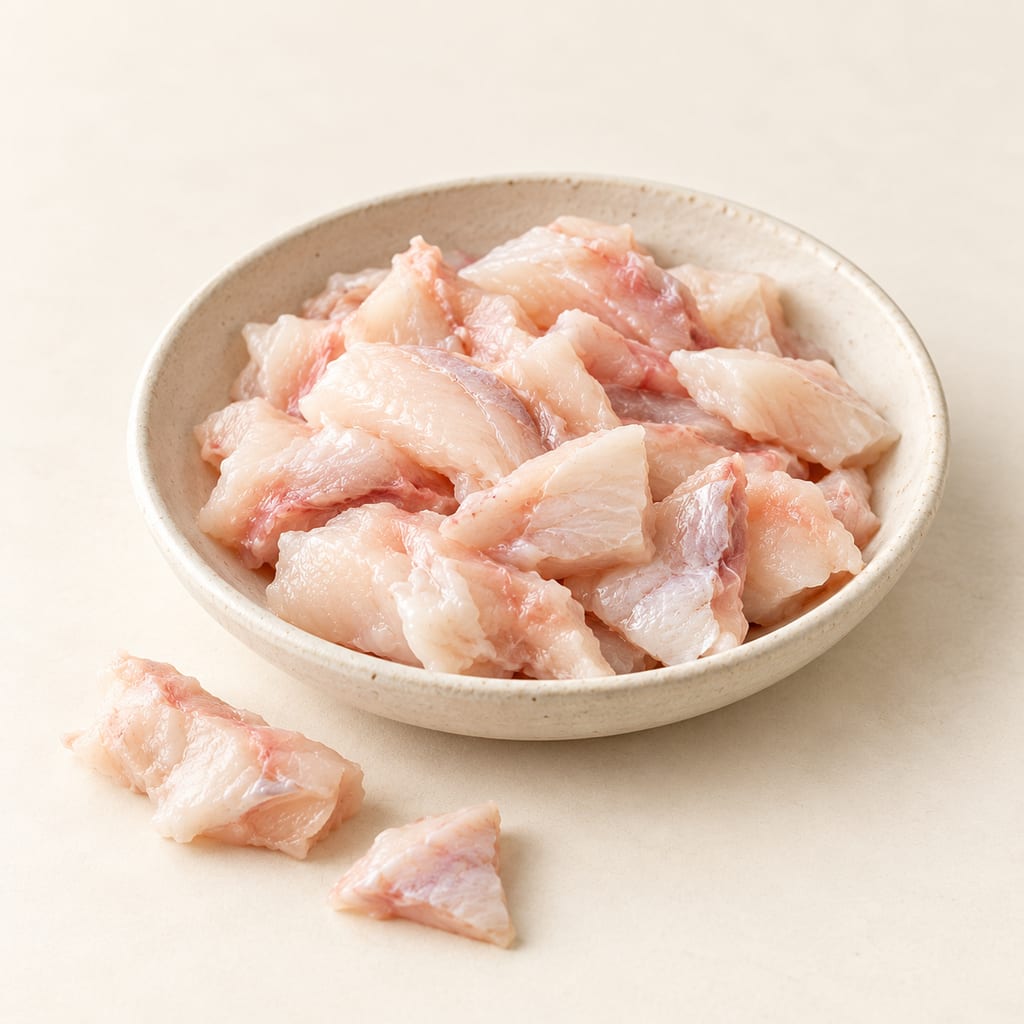
Fish trim is a variable food-processing material, from fillet offcuts to recovered flesh. Species, source tissues, bone and skin content, and handling history determine what a particular lot contains.
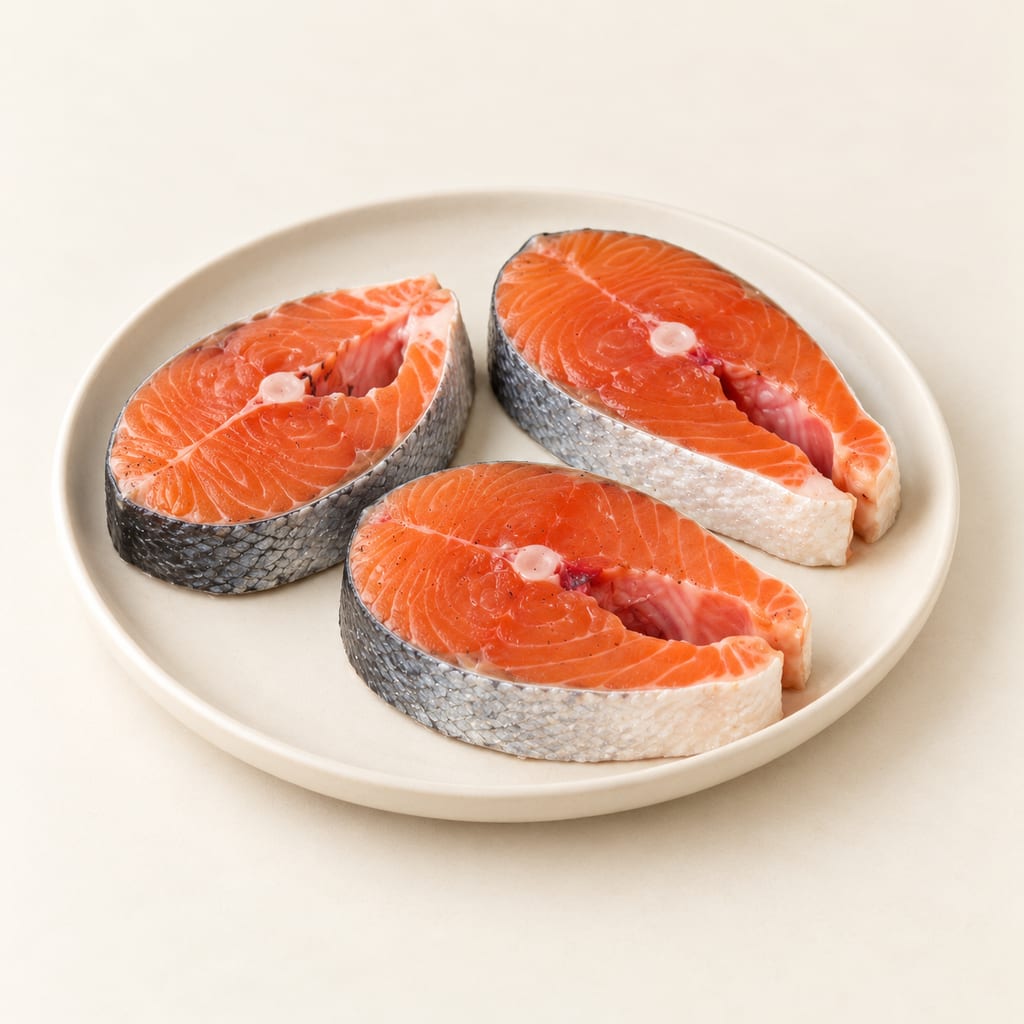
Fish is a broad raw ingredient whose species, cut and condition shape its texture, fat content and use. It can become a meal’s main portion or the raw material for distinct salted, dried and fermented preparations.
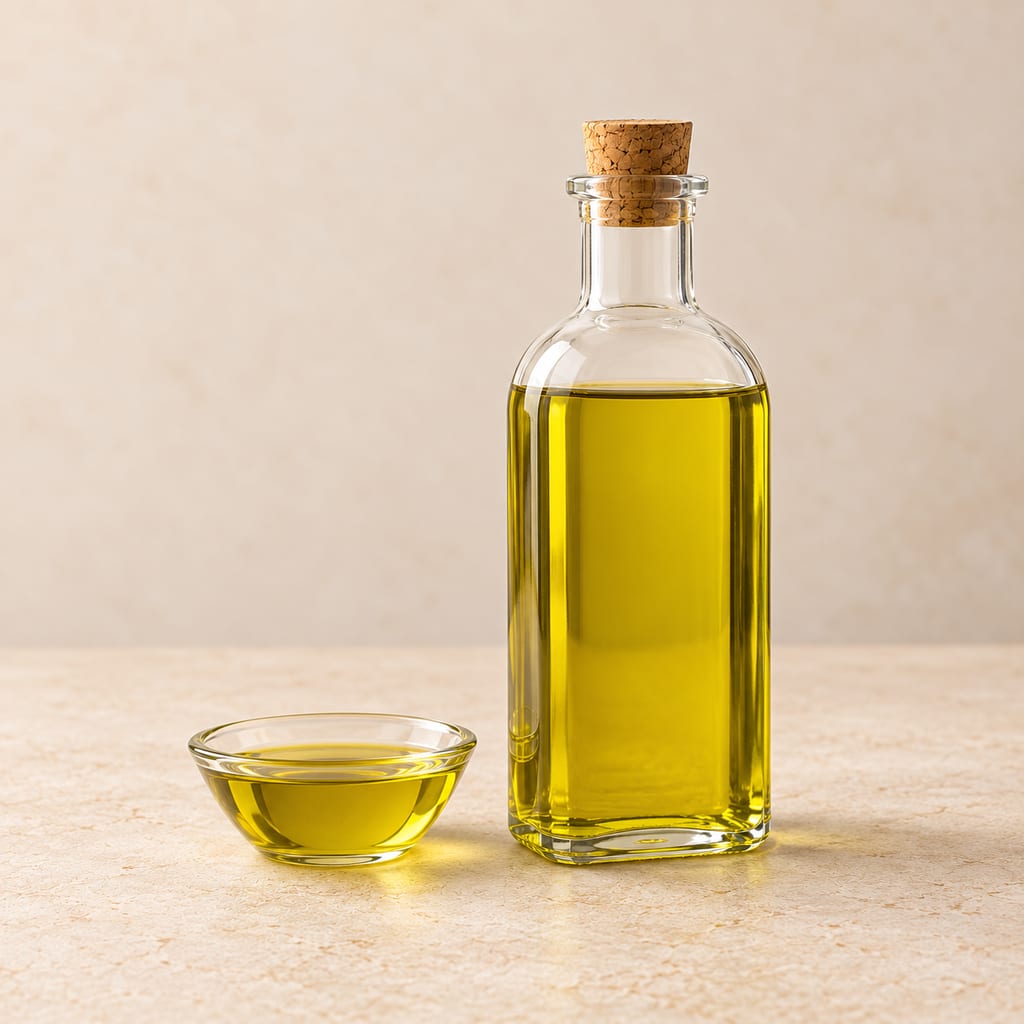
Extra-virgin olive oil is mechanically extracted olive-fruit oil meeting chemical and sensory standards. Its fruit aromas, bitterness and pungency vary by cultivar, harvest and handling.
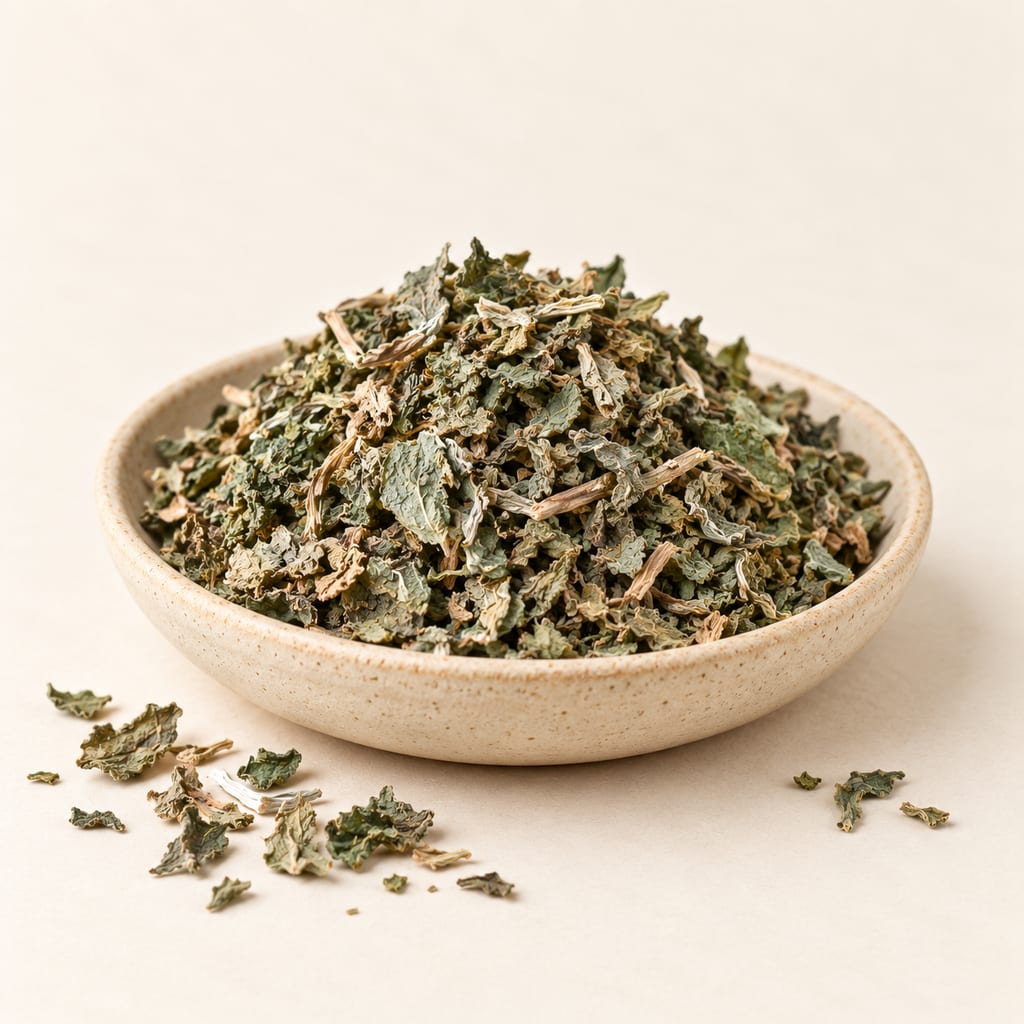
Dried mint is the leaf of a Mentha plant after moisture has been removed. The exact species varies by product; the linked Halloumi recipe specifies only optional dried mint, while separate standards distinguish spearmint from peppermint.
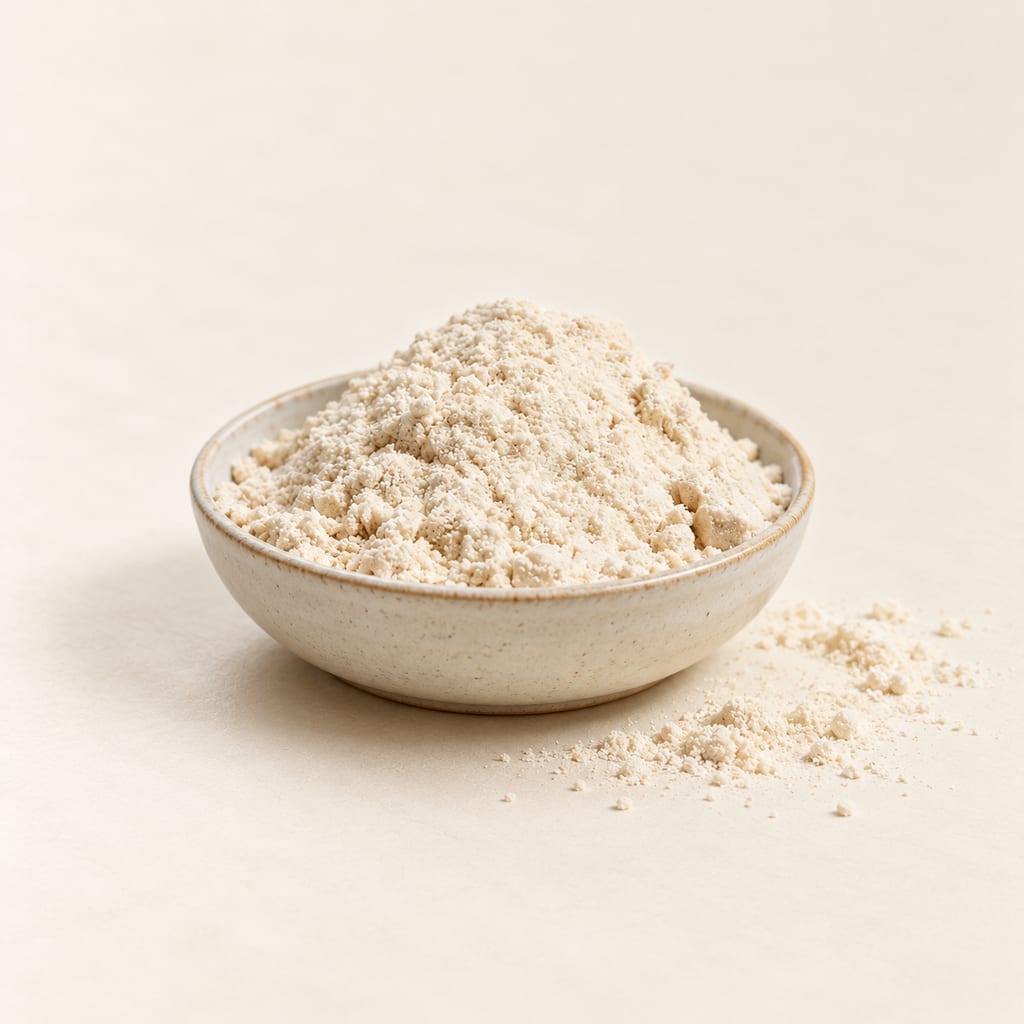
Diastatic malt powder is milled sprouted grain with active starch-converting enzymes. Bakers use it in small, formula-specific amounts to influence fermentation and crust browning.
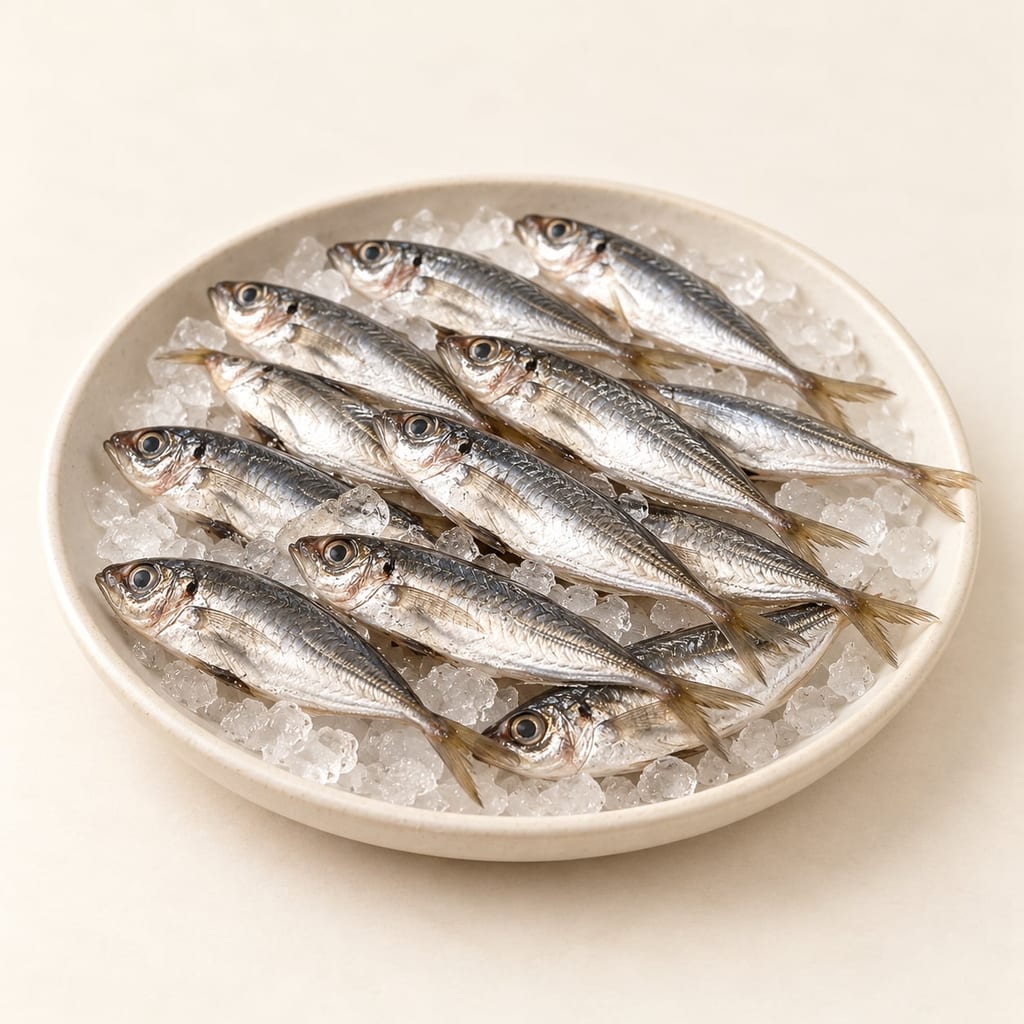
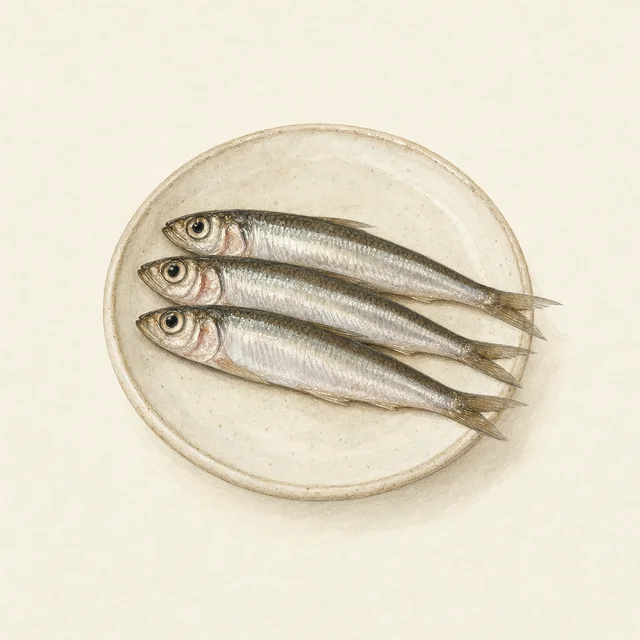
Anchovies, scad, and small cyprinids appear in documented regional fish sauces. Species selection and handling matter because fish hazards vary by species and process.
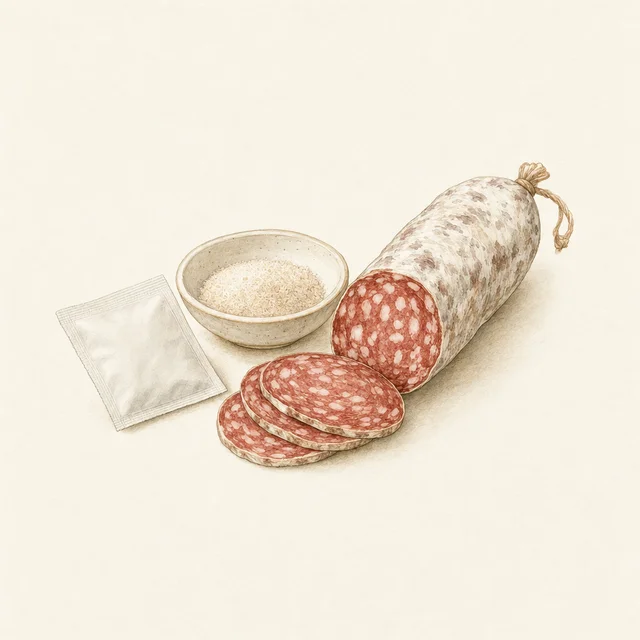
Commercial starter cultures are chosen for a defined sausage process. Product-specific instructions and safety validation matter; a species name alone does not establish that any strain is suitable.
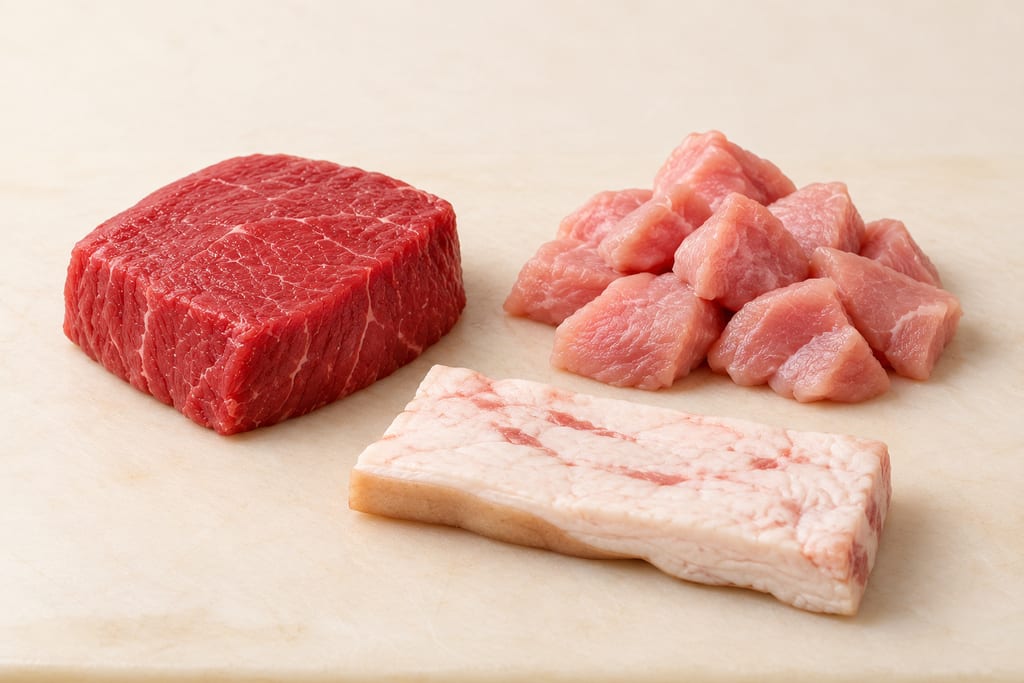
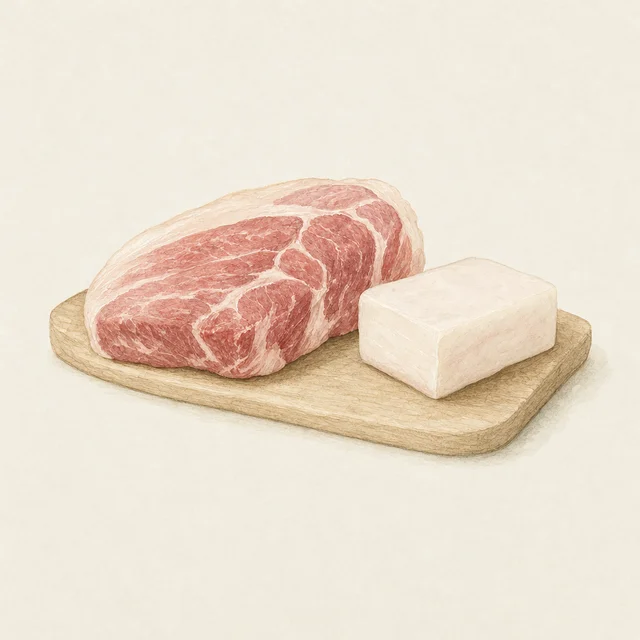
Dry sausage recipes depend on the chosen lean meat, fat source, particle size, temperature, and process. A percentage from one recipe should not be generalized to every salami.
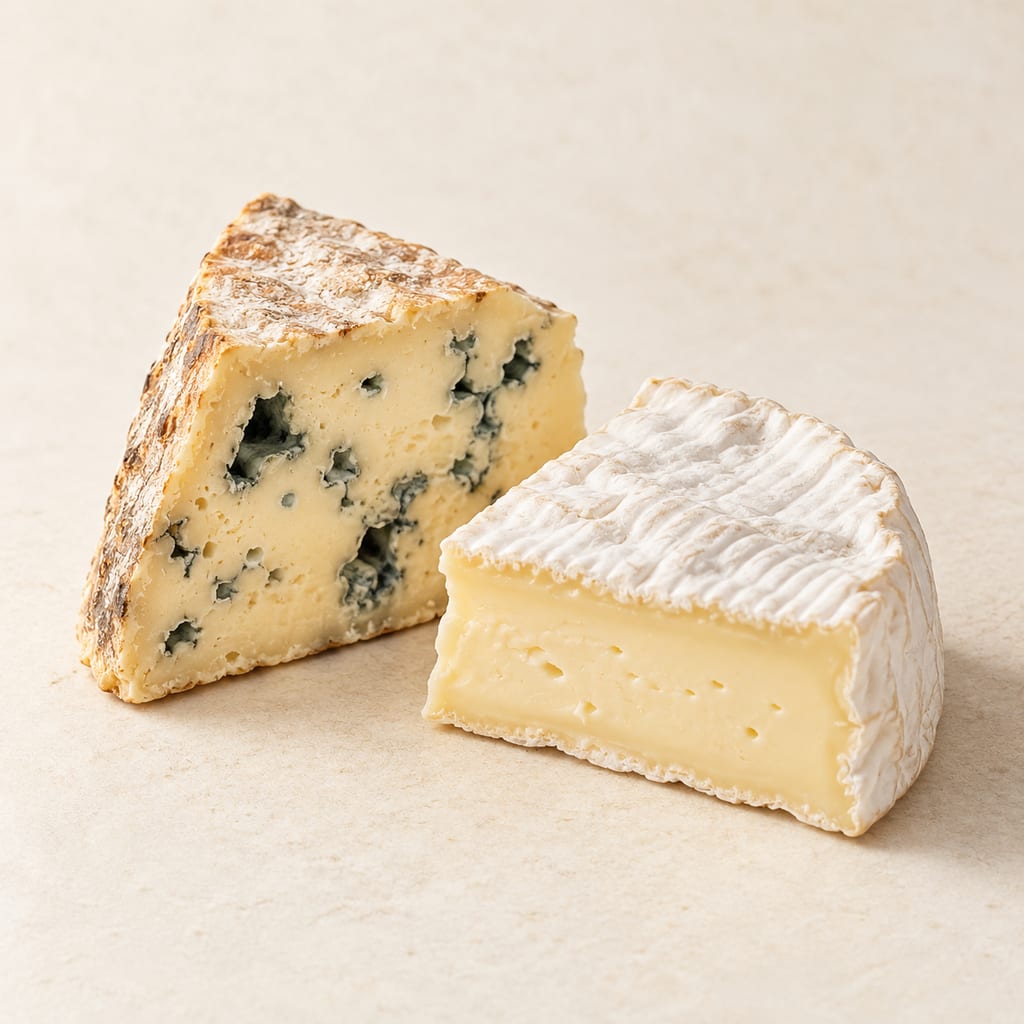
Selected molds and other surface organisms create characteristic ripening patterns in some cheeses. Identified commercial cultures are not interchangeable with unknown environmental mold.
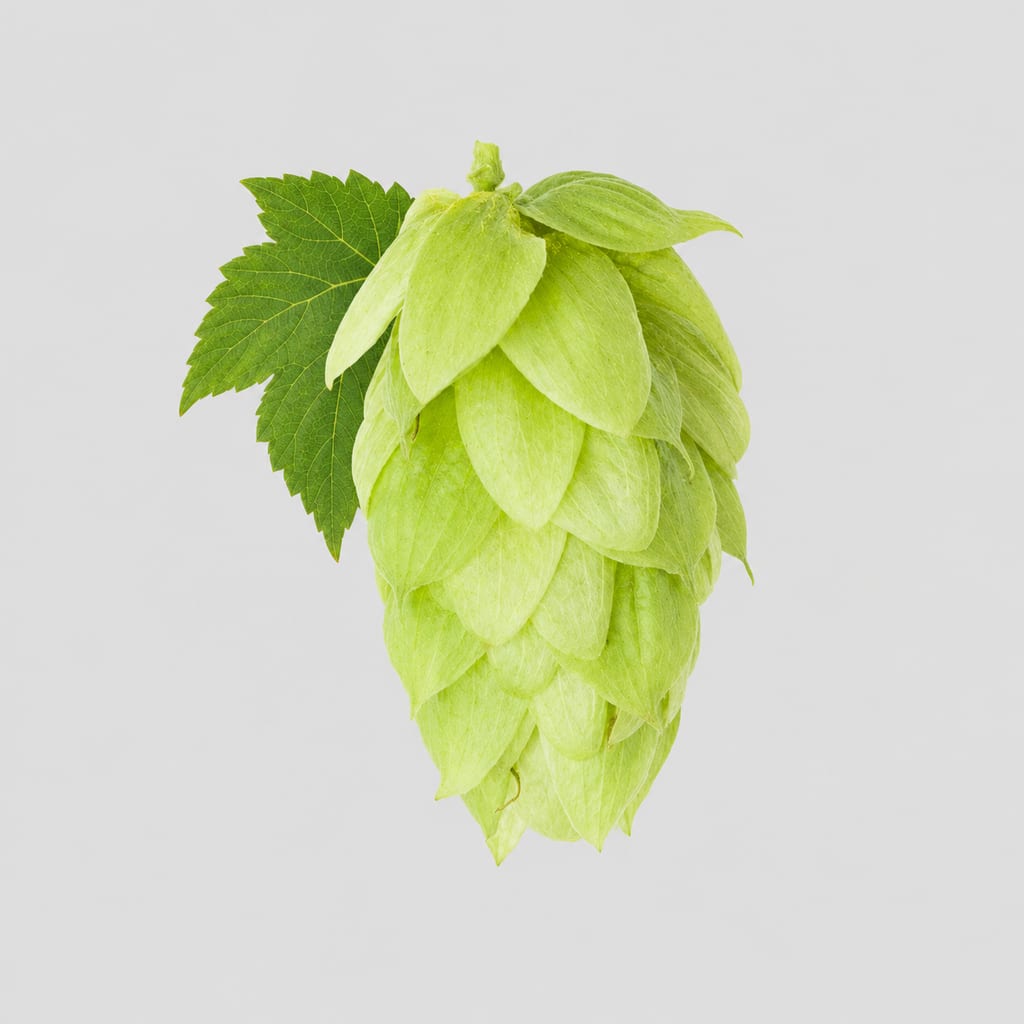
Saaz, or Žatecký poloraný červeňák, is a Czech fine-aroma hop cultivar used for herbal hop character and bitterness in beer. Its cultivar, product form, origin and lot analysis describe different parts of the ingredient.
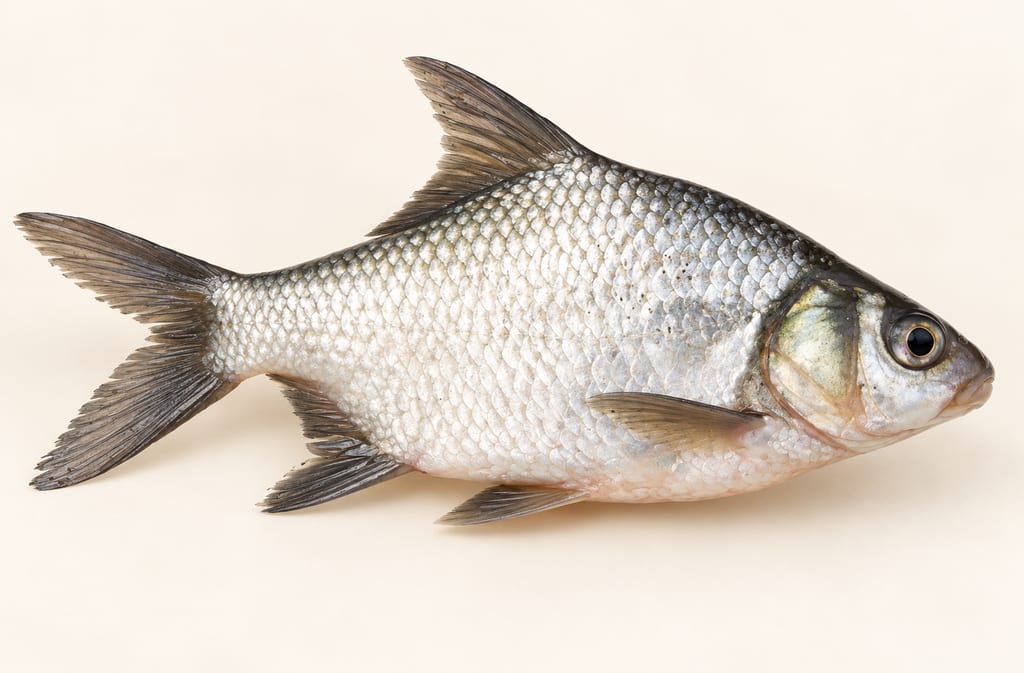
Freshwater fish substrate in a Vietnamese fish-sauce account, which particularly names Mekong cá dánh (*Puntioplites falcifer*) as a prized household sauce fish.
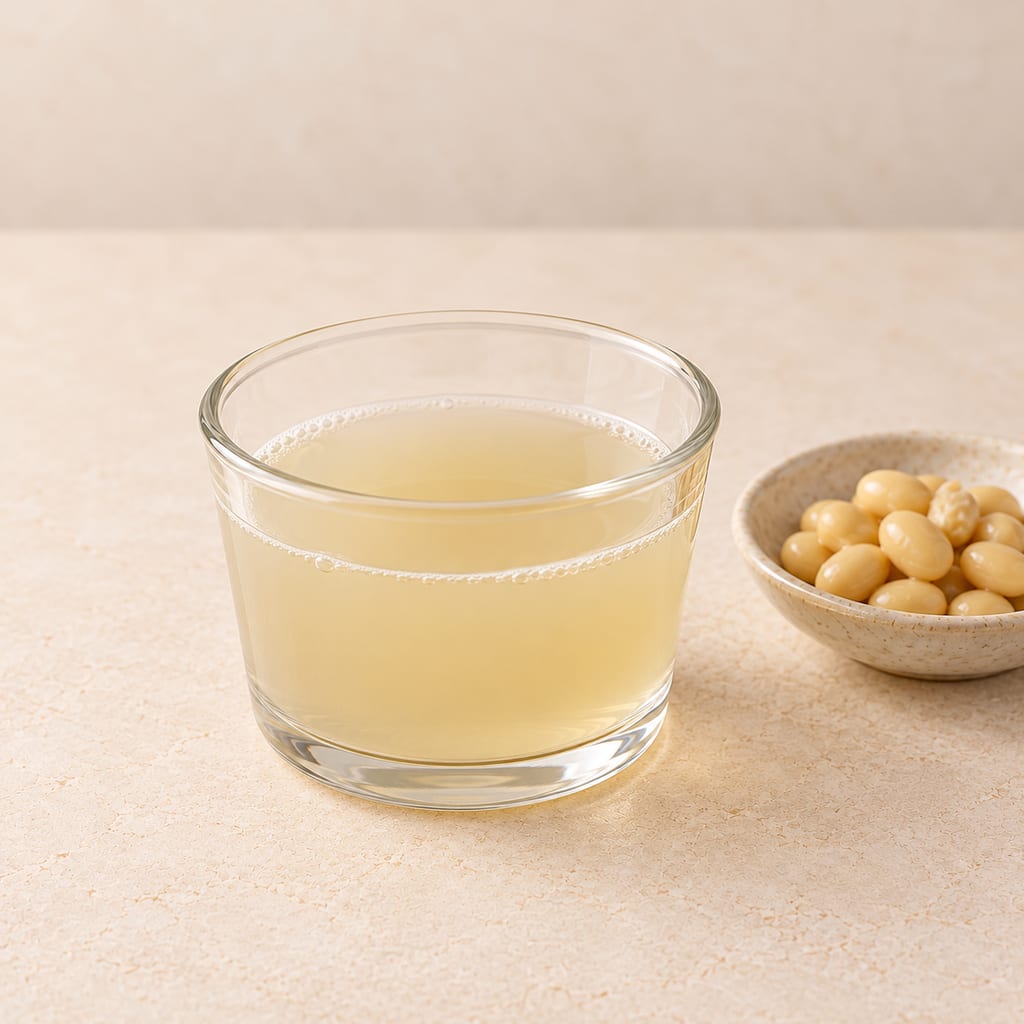
The liquid remaining after boiling or steaming soybeans, often reserved to adjust the moisture content and consistency of the miso mash (moromi) during fermentation.
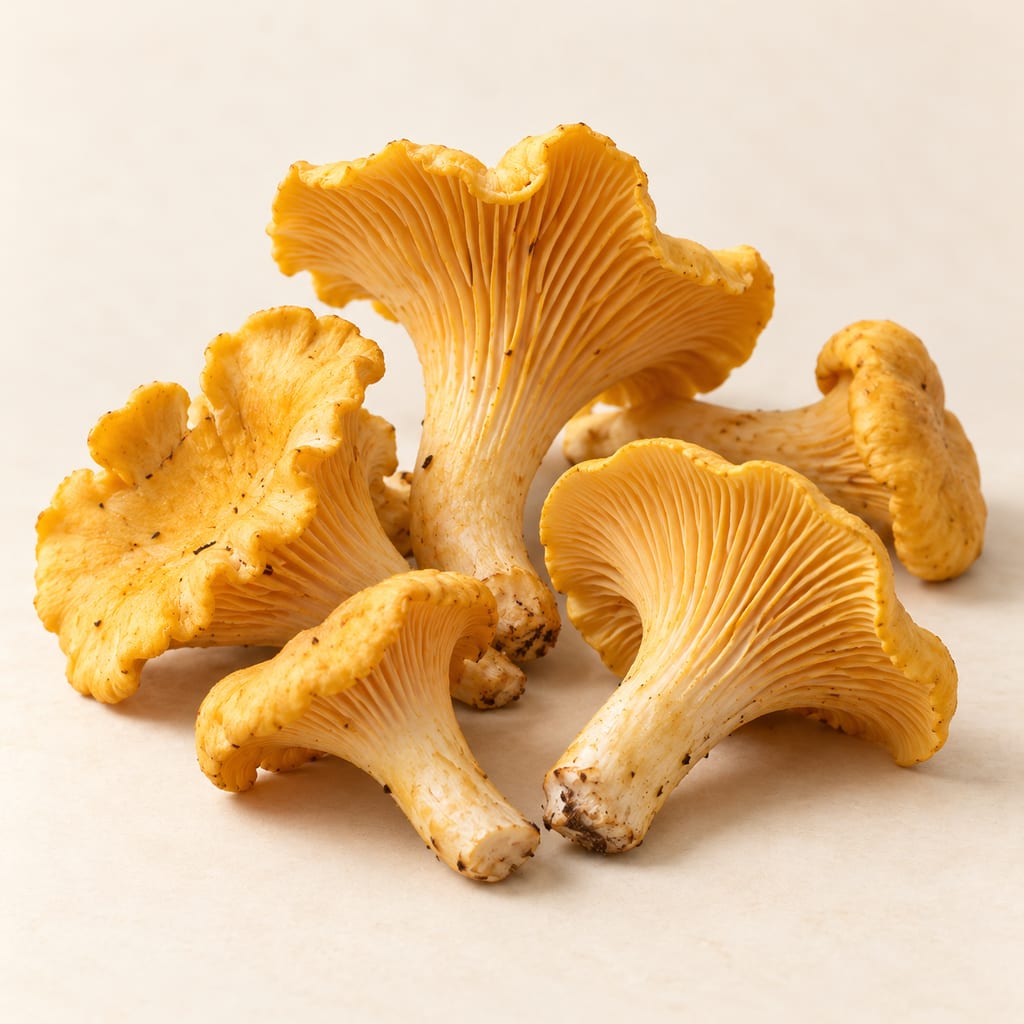
Chanterelles are wild, tree-associated edible mushrooms, particularly the European golden chanterelle Cantharellus cibarius, prized for their firm flesh, fruity aroma and use fresh, frozen, dried or pickled.
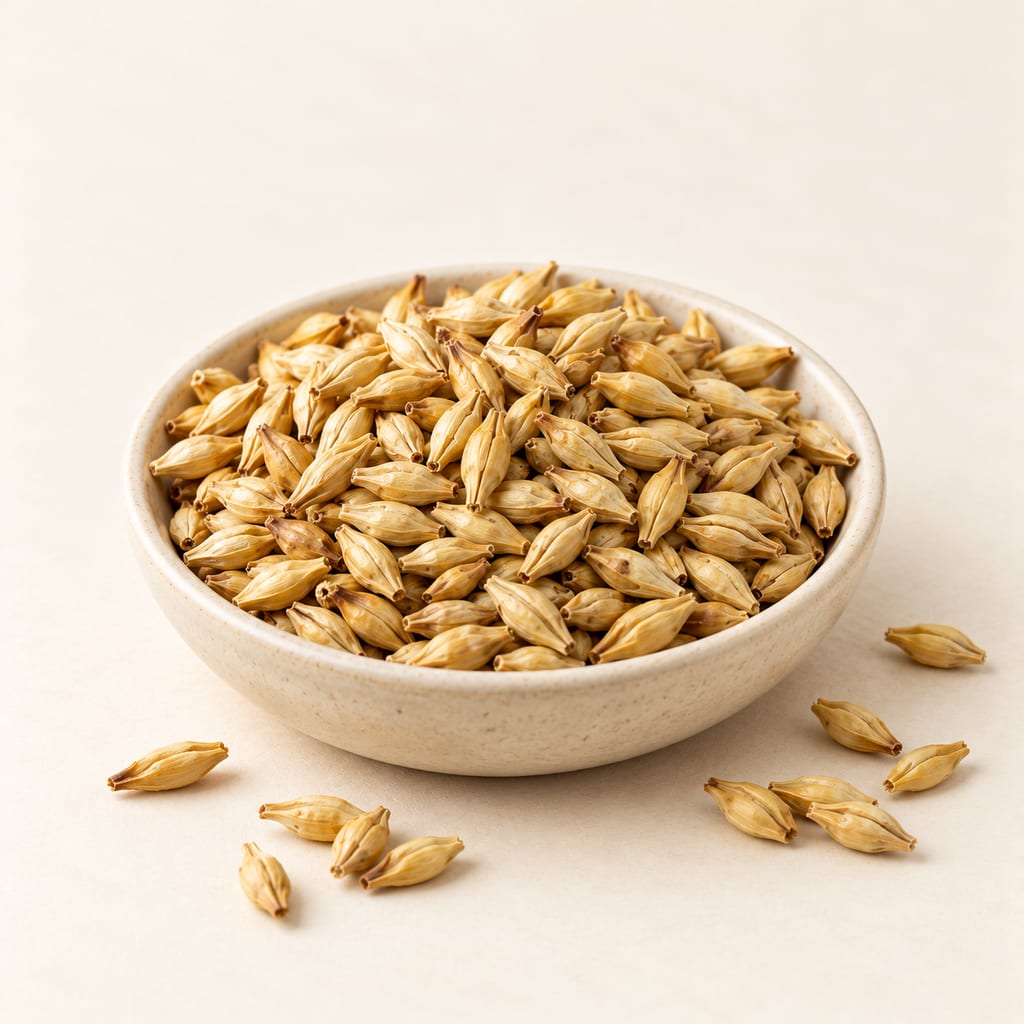
A pale specialty-malt name used for different commercial products. Briess Carapils and Weyermann CARAPILS have distinct specifications; an unbranded recipe does not identify either one.
A freeze-dried mesophilic starter for cultured buttermilk, combining acid and aroma bacteria with a lactose carrier. Also named in specific fresh-cheese methods.
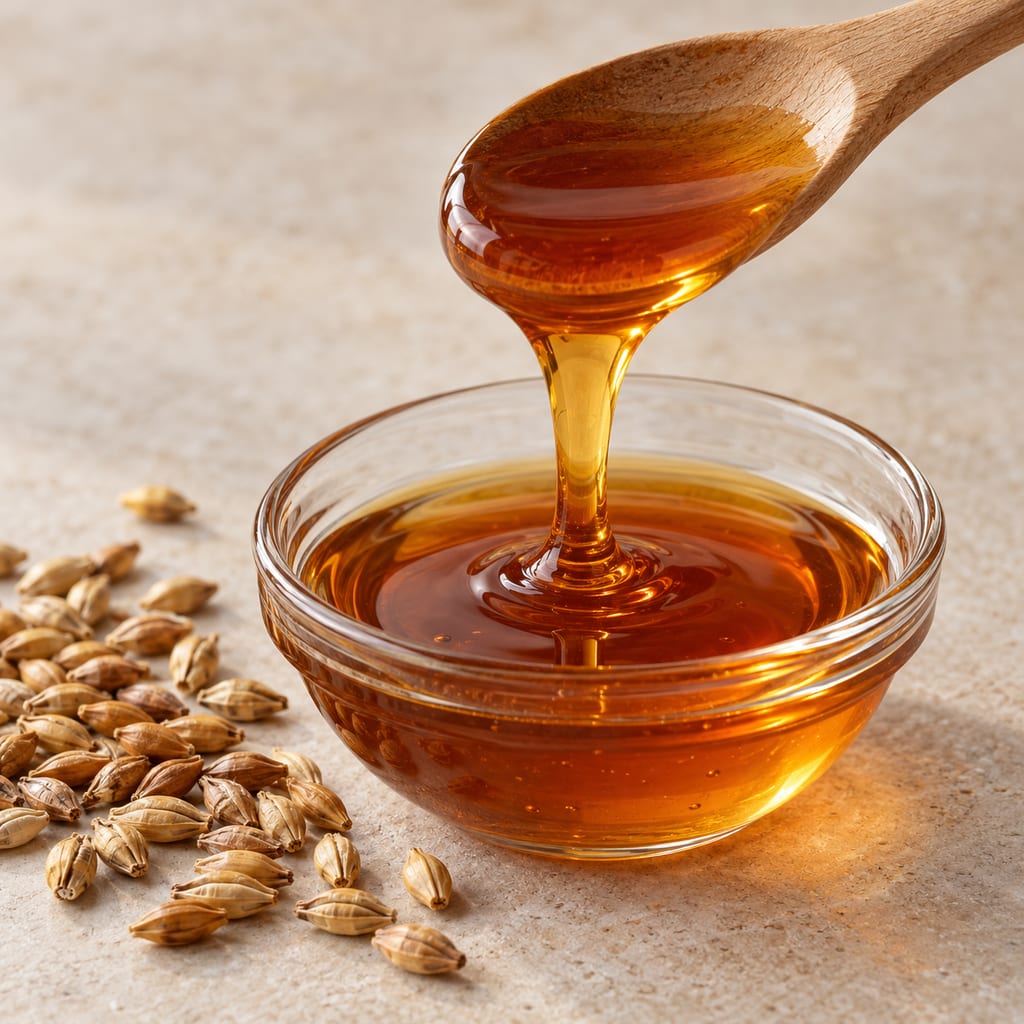
Briess wheat extract is prepared wheat-and-barley malt wort sold in concentrated form for brewing. The linked Weizen recipe uses two cans, 6.6 lb total, without naming a specific Briess wheat-extract variant.
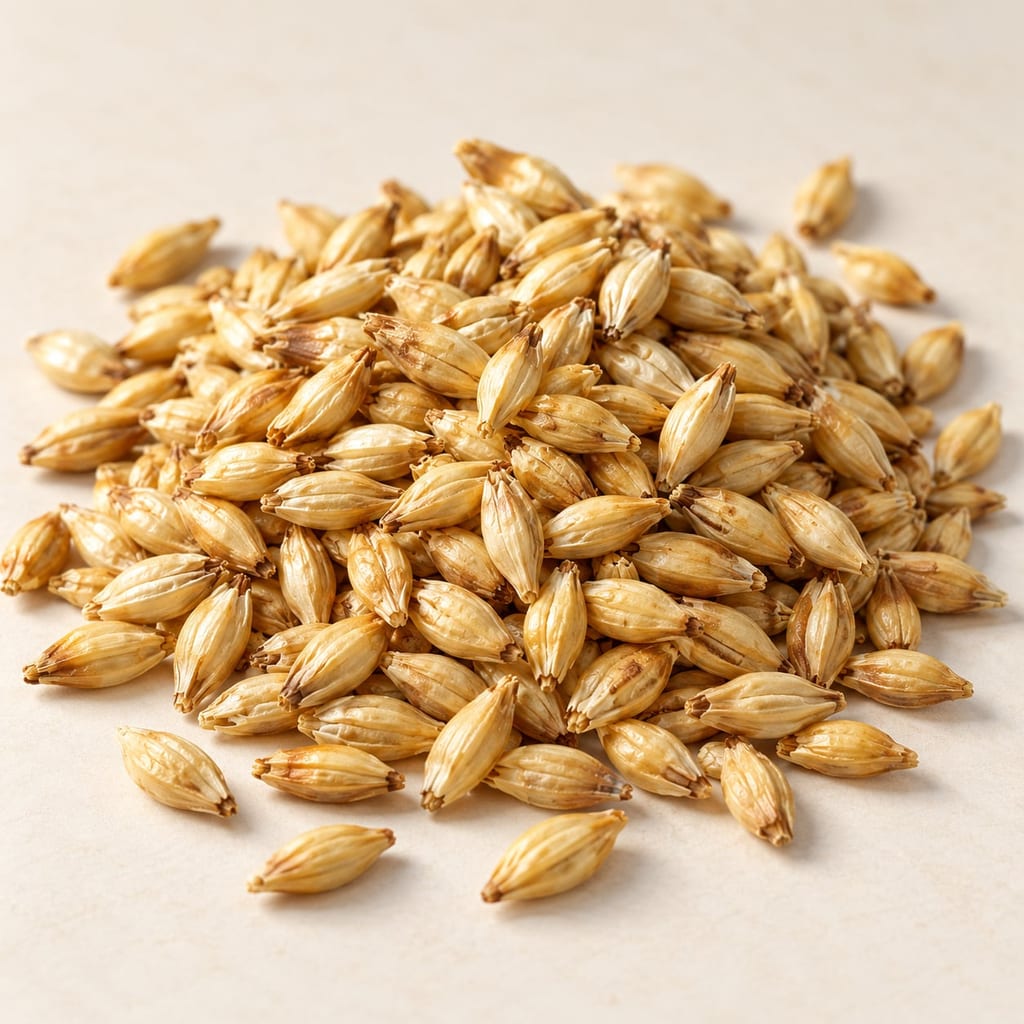
A pale, enzyme-free barley malt made by Briess for use alongside other brewing malts, with intended contributions to beer body and foam.