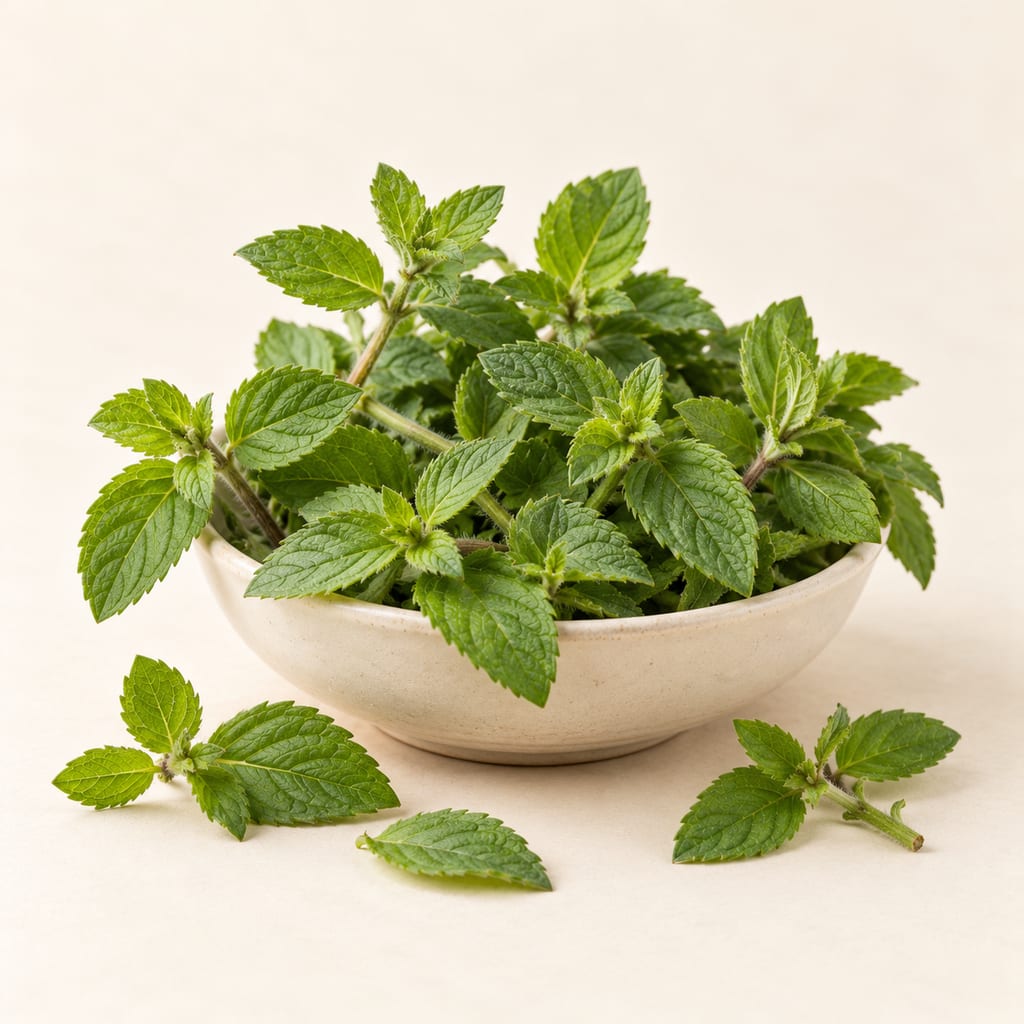
Water mint (Mentha aquatica)
A Gumare study reports a Kwena leaf beverage and seasonal availability; Botswana flora and a UK gardening profile provide different kinds of context, not a local crop protocol.
 FermenteaWhere food goes to change
1086 articles on substrates, cultures and additives.
A Gumare study reports a Kwena leaf beverage and seasonal availability; Botswana flora and a UK gardening profile provide different kinds of context, not a local crop protocol.
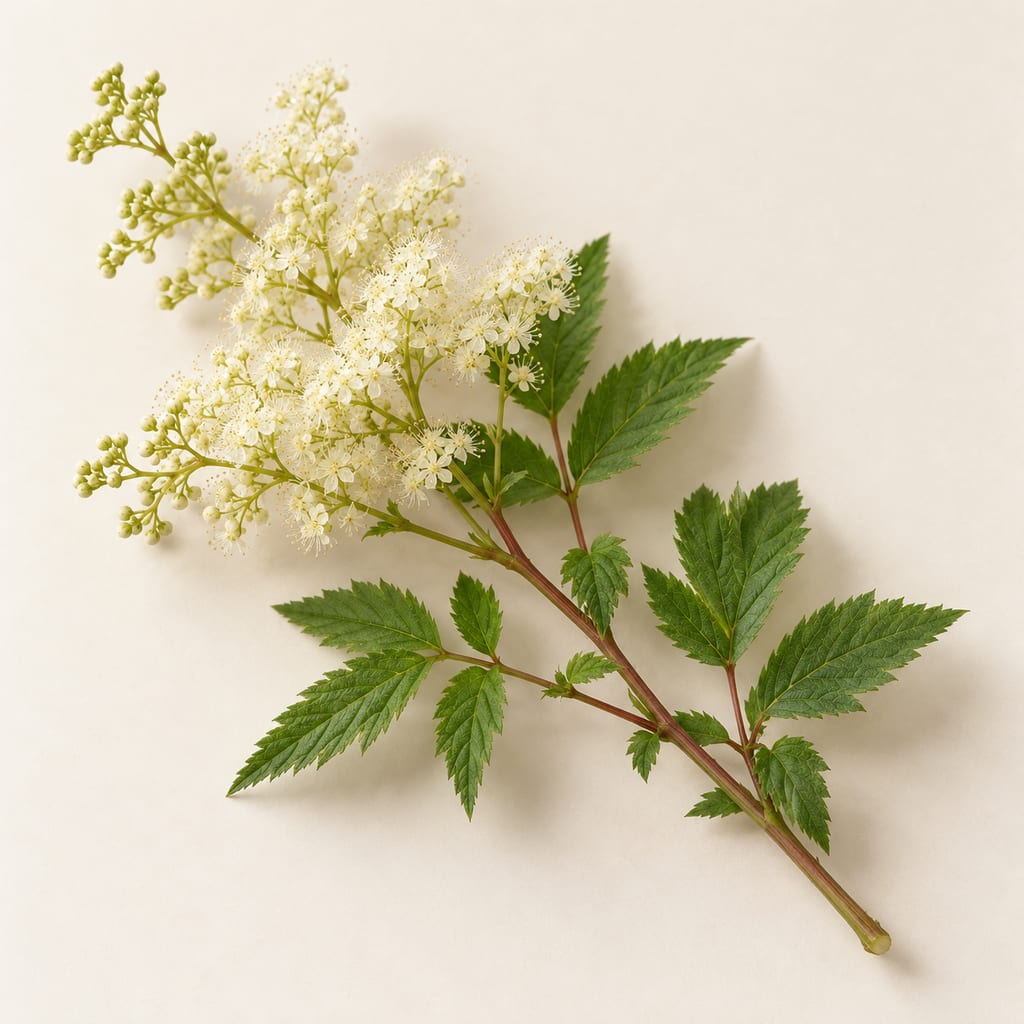
Filipendula ulmaria is a rhizomatous perennial associated with damp European habitats. A UK account reports mead flavouring; a literature review attributes soup flavouring to leaves and wine or beer flavouring to flowers, without a complete household recipe or culinary amount.
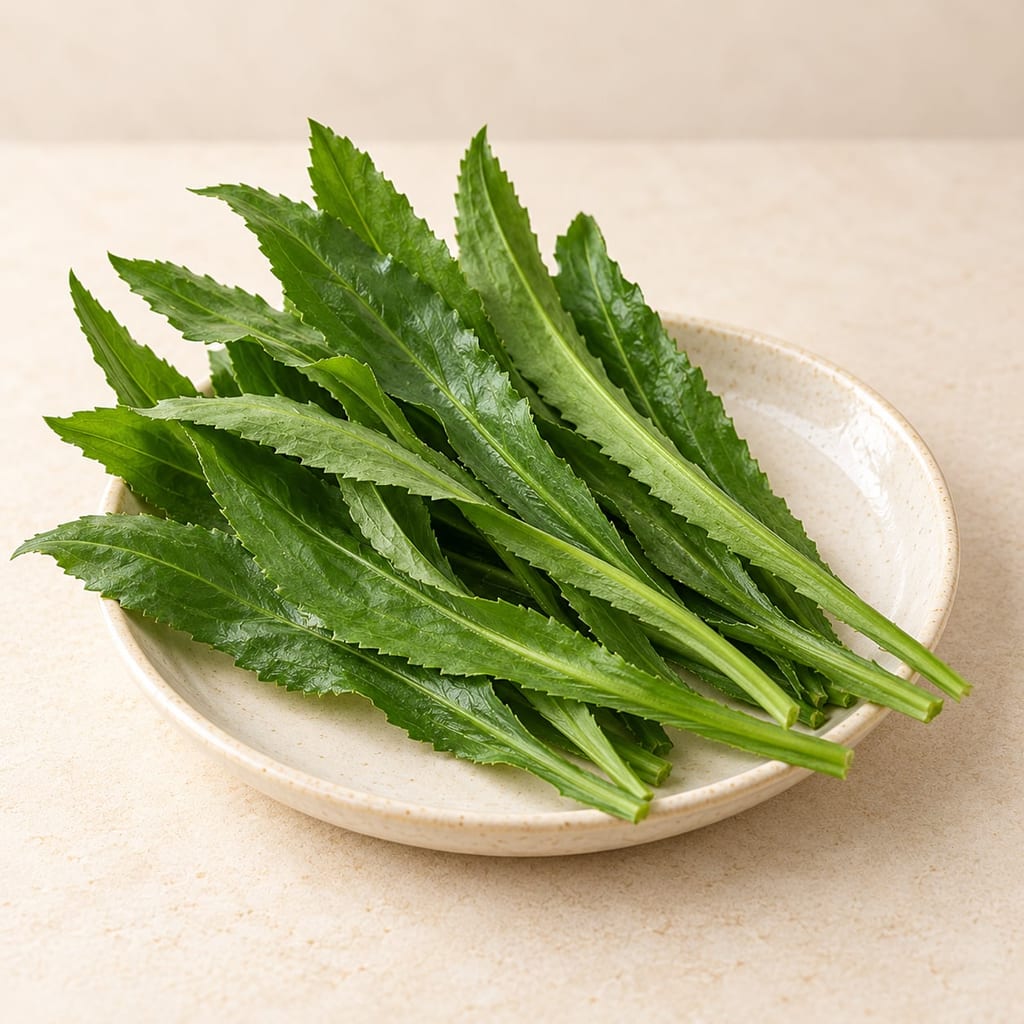
A source-linked account of Eryngium foetidum as a culinary leaf in Trinidad and Pará, alongside distinct Peru and Brazil cultivation reports and unresolved home-use limits.
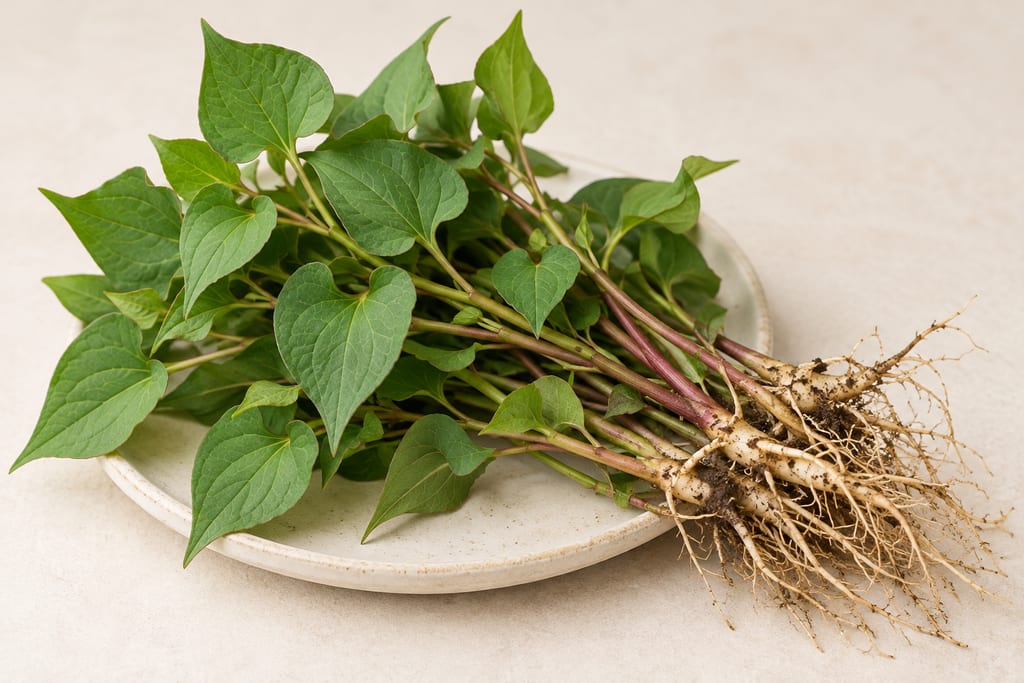
A rhizomatous perennial with regional Chinese food records and separate UK, US and Japanese cultivation accounts. Reported parts and methods vary by source; the account is not a plant-identification or food-safety approval.
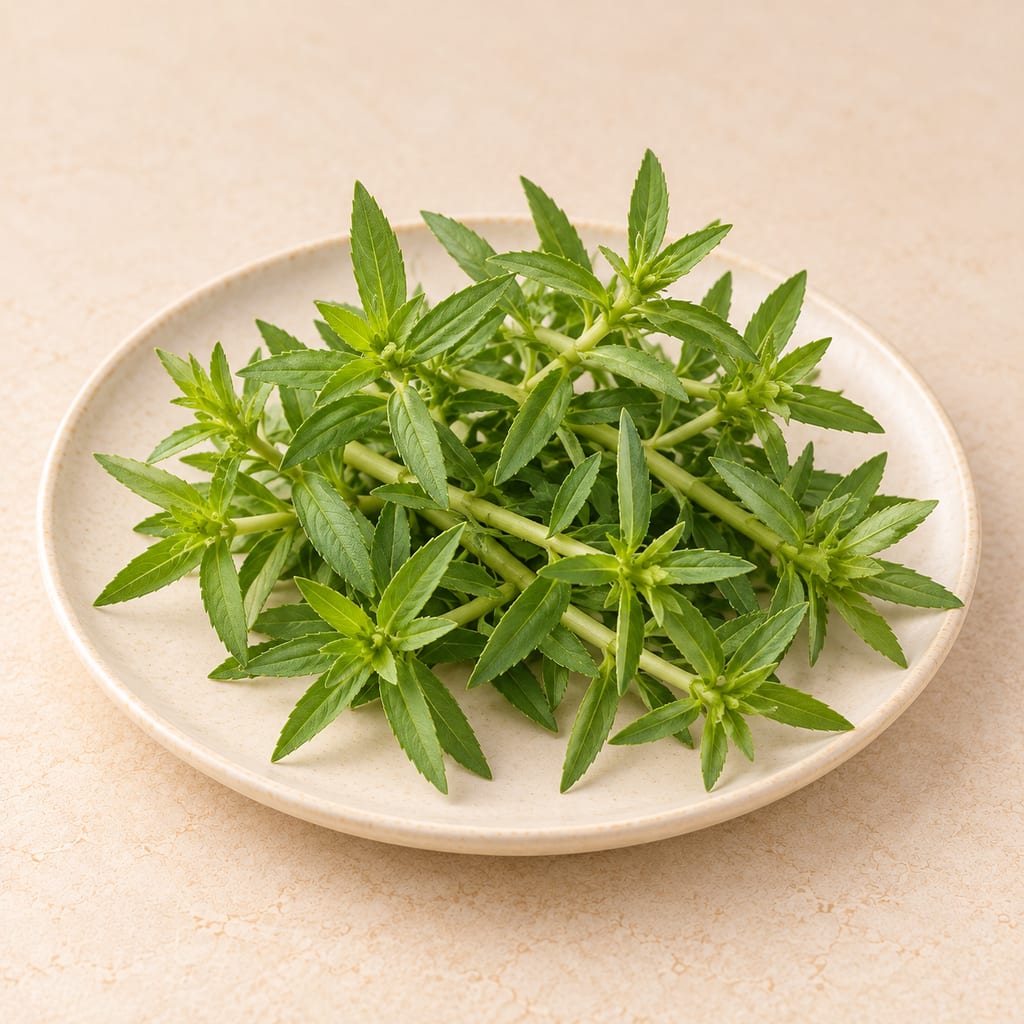
Kew accepts Limnophila aromatica and includes Cambodia in its range. A northwestern Cambodian market study records leaves; regional sources describe condiment use and aquatic habitat, while one Siem Reap press account gives conflicting season statements.
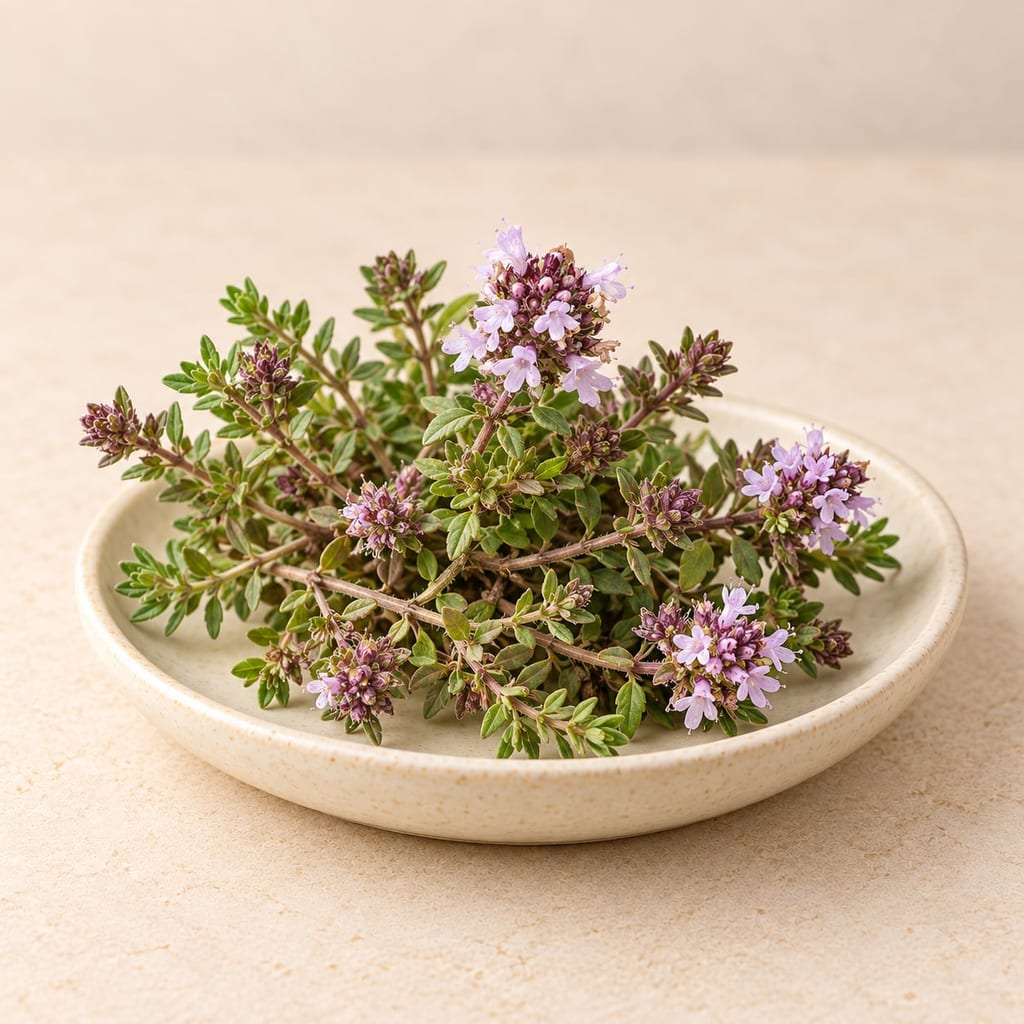
Tosign, the leaves of Ethiopian thyme (Thymus schimperi): a wild-harvested herb recorded in tea and in berbere-style spice blends, with a name shared by another thyme.
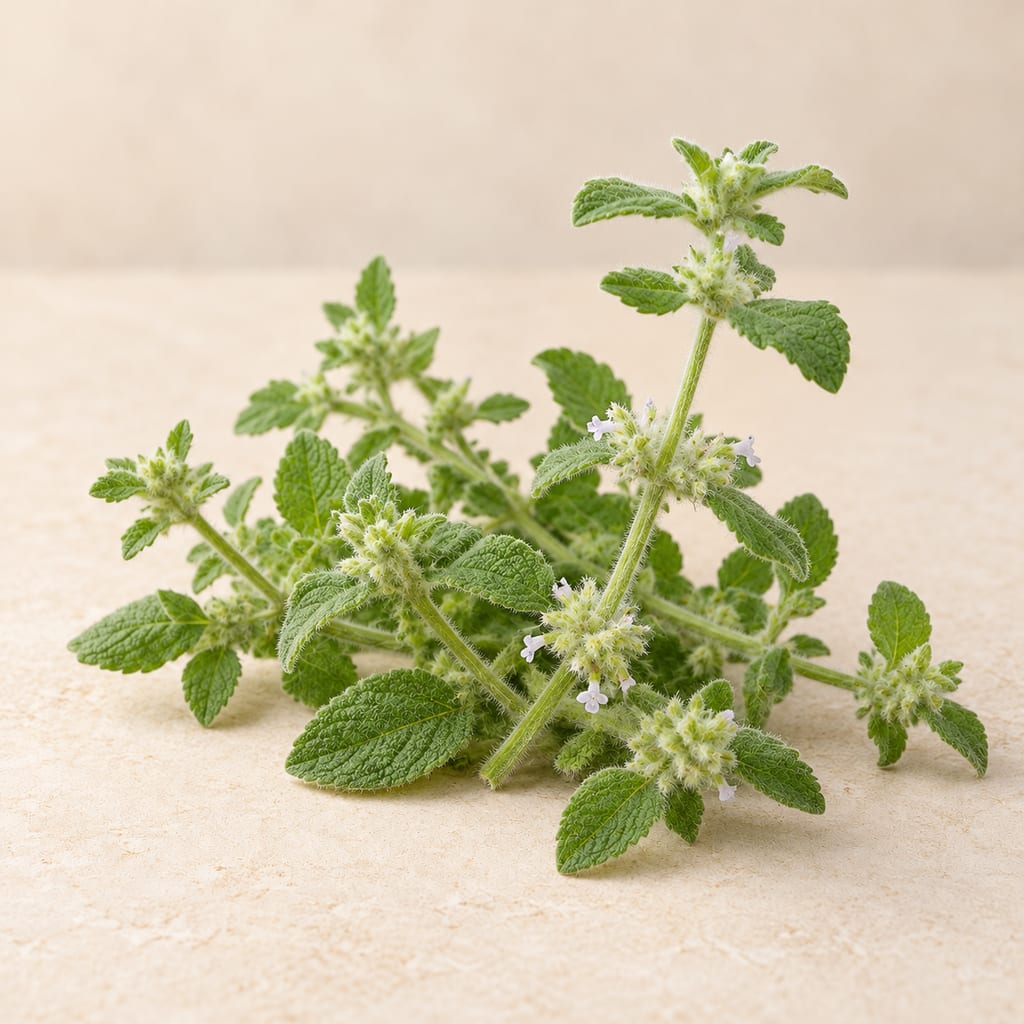
A source-bounded account of muña food uses in the Peruvian Andes and the limited evidence available for cultivation and household preparation.
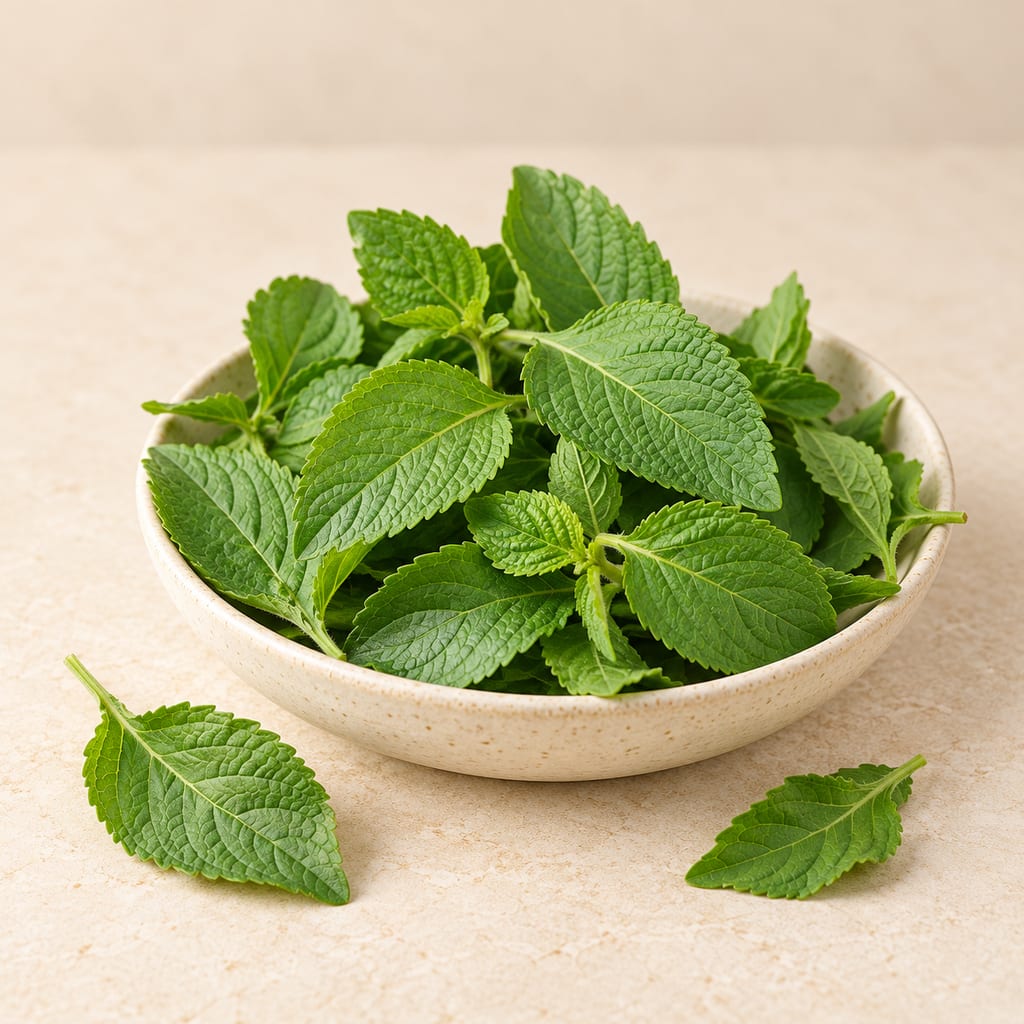
A source-linked account of Ocimum gratissimum food use in Benin, Thailand and southern Nigeria, with regional growing reports and unresolved home-method details.
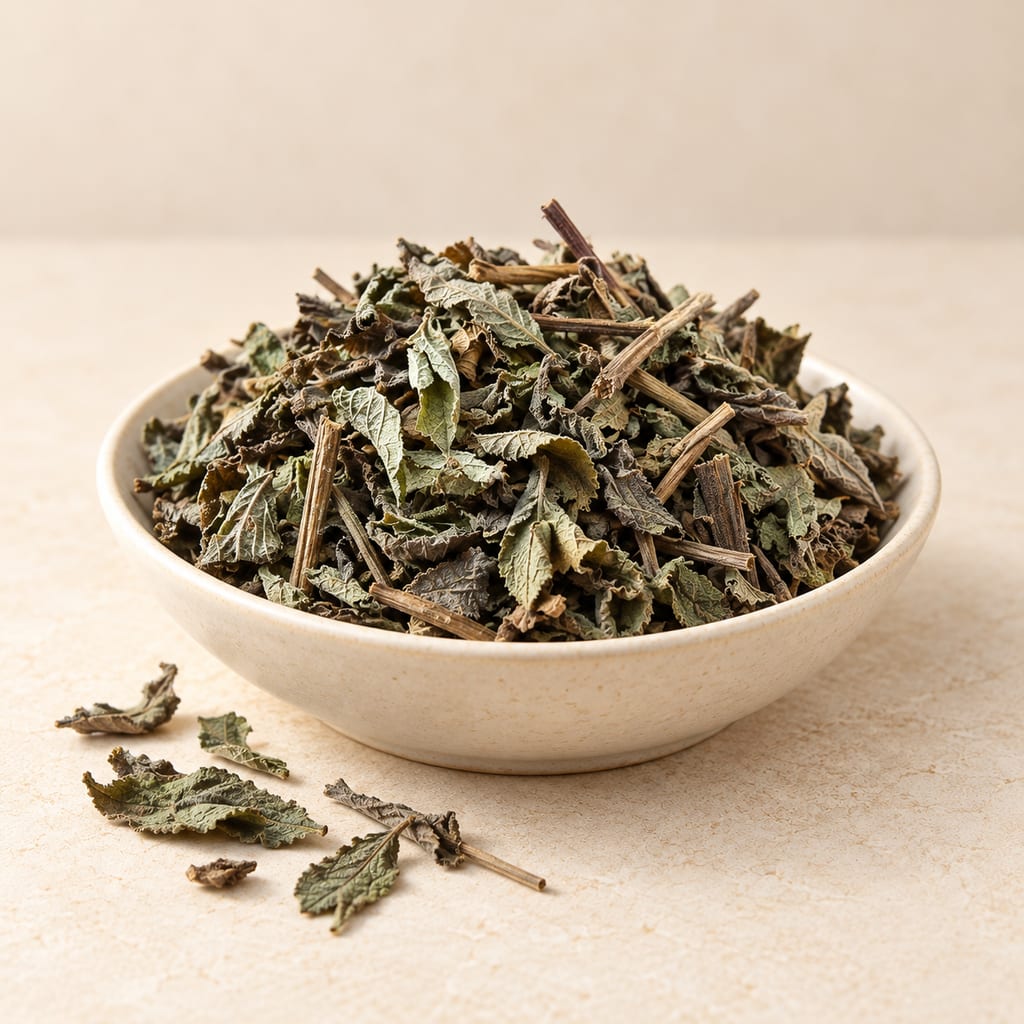
Koseret, Lippia abyssinica, is an Ethiopian aromatic herb used in spice blends, spiced butter, dairy and coffee-leaf drinks. Sources record local uses, not one method.
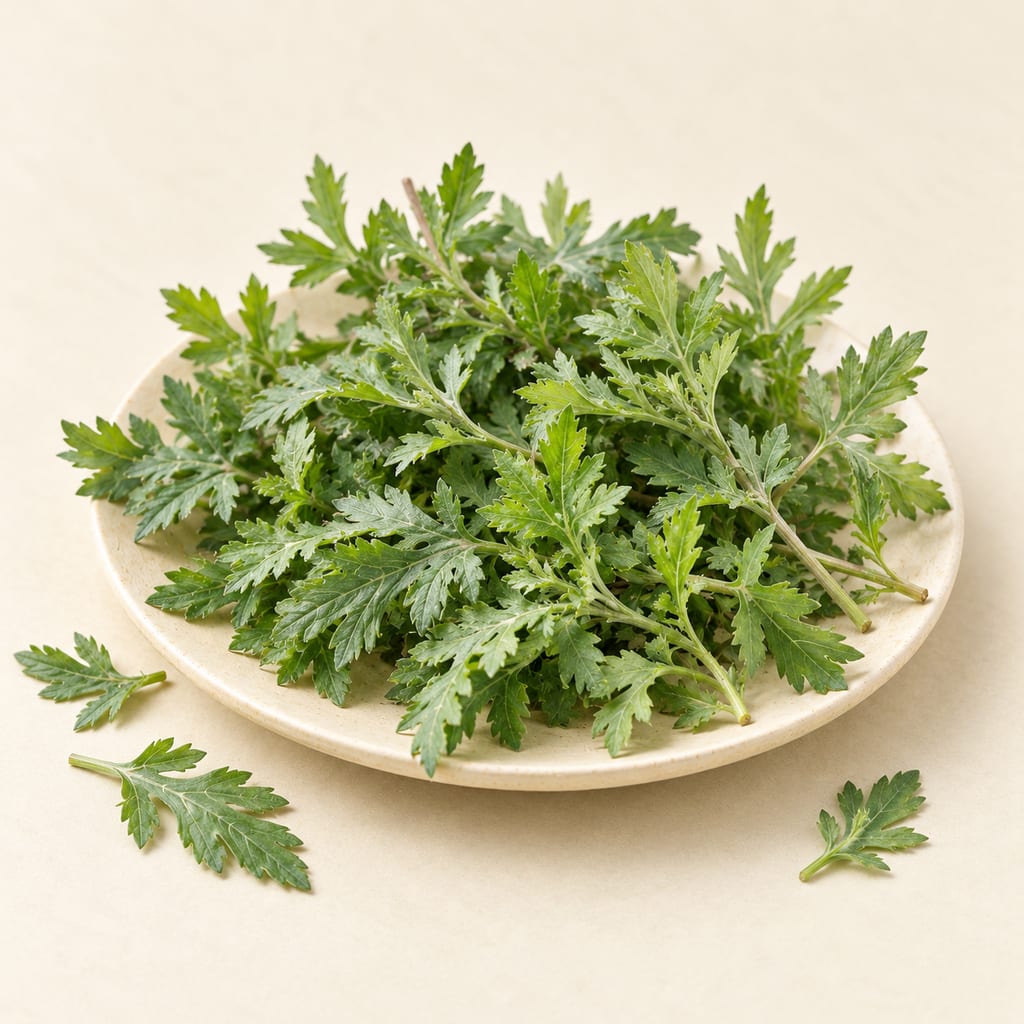
Food reports and naming limits for Artemisia princeps, set beside Japanese yomogi food traditions whose species identity is not always specified.
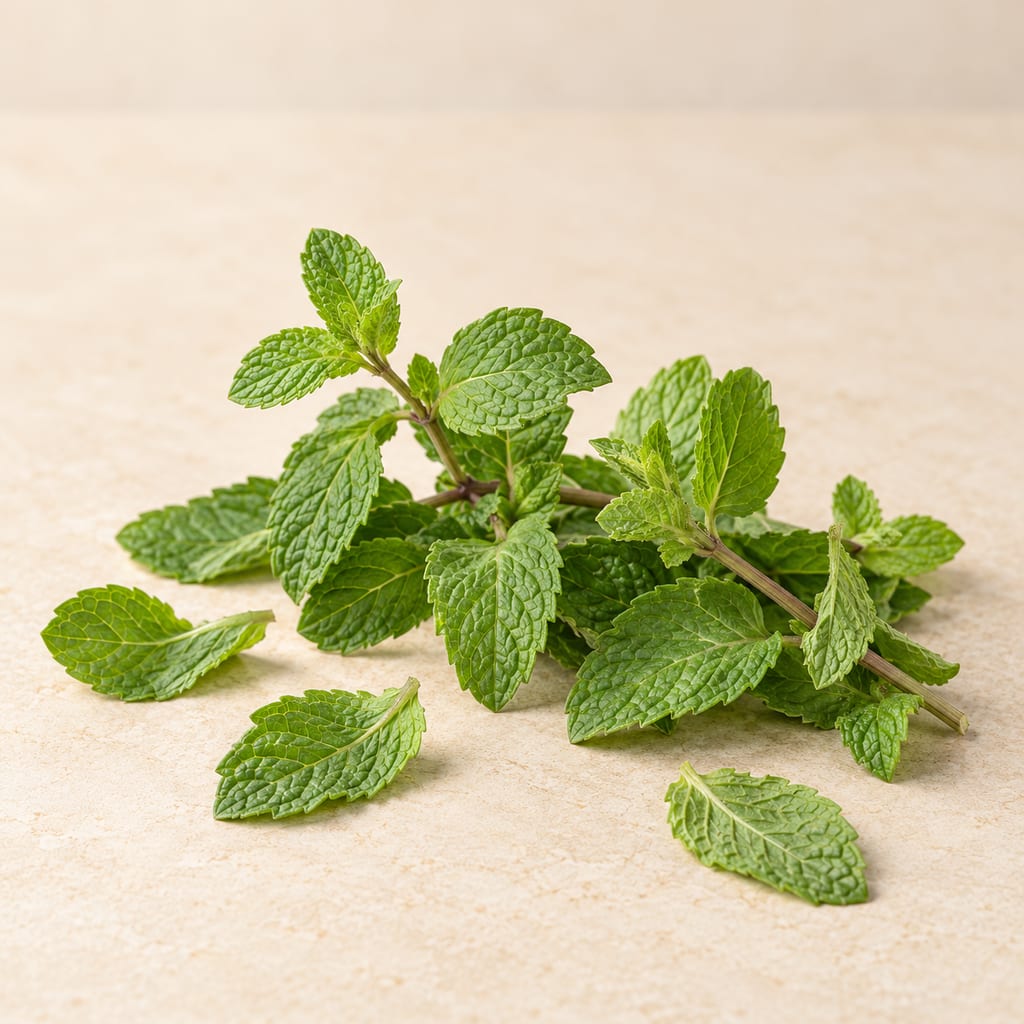
A spreading mint with documented leaf uses and contrasting source-specific moisture descriptions.
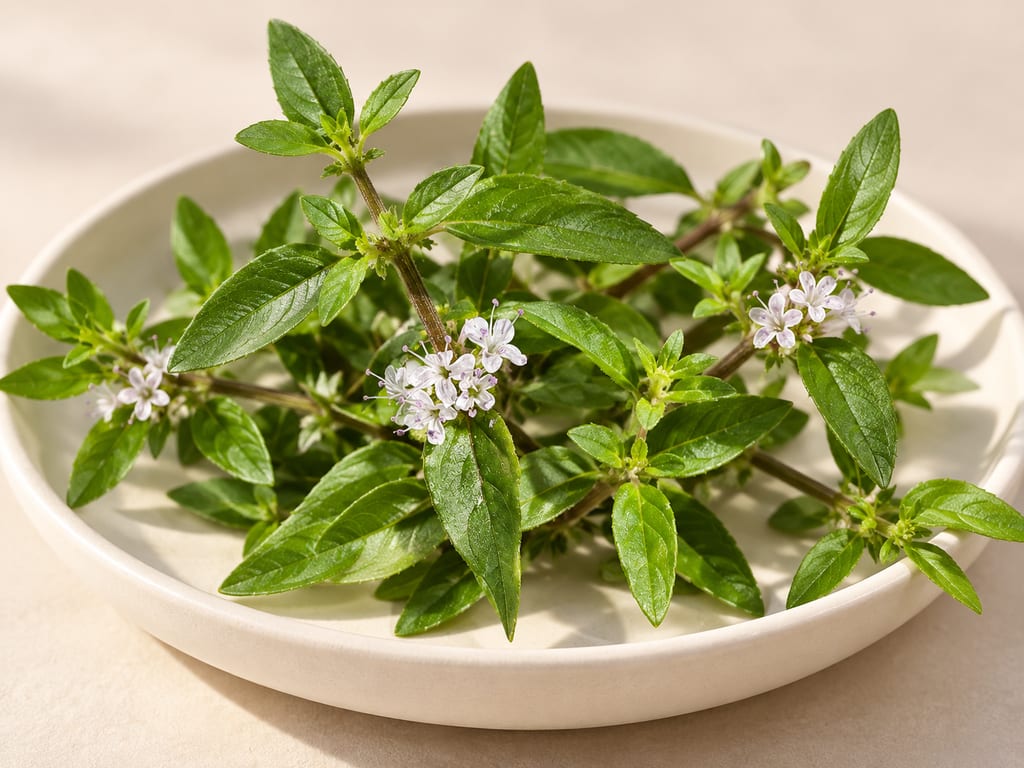
An Australian culinary mint for moist garden settings, with container-growing guidance and distinct regional conservation considerations.
A named liquid Saccharomyces cerevisiae culture used for restrained, malt- and hop-forward ale fermentation; its living cells and package format require product-specific handling.
A selected fungal culture for white, bloomy cheese rinds. Its growth and enzymes help change the acidity, texture and aroma of soft-ripened cheese.
MM100 is a concentrated mesophilic dairy starter. Its selected lactococcal blend acidifies milk and contributes to the aromatic character of several cheese and cultured-cream makes.
Mesophilic dairy starters are live bacterial cultures selected to acidify milk at moderate temperatures. Their organisms, aroma production, strength and handling vary by product.
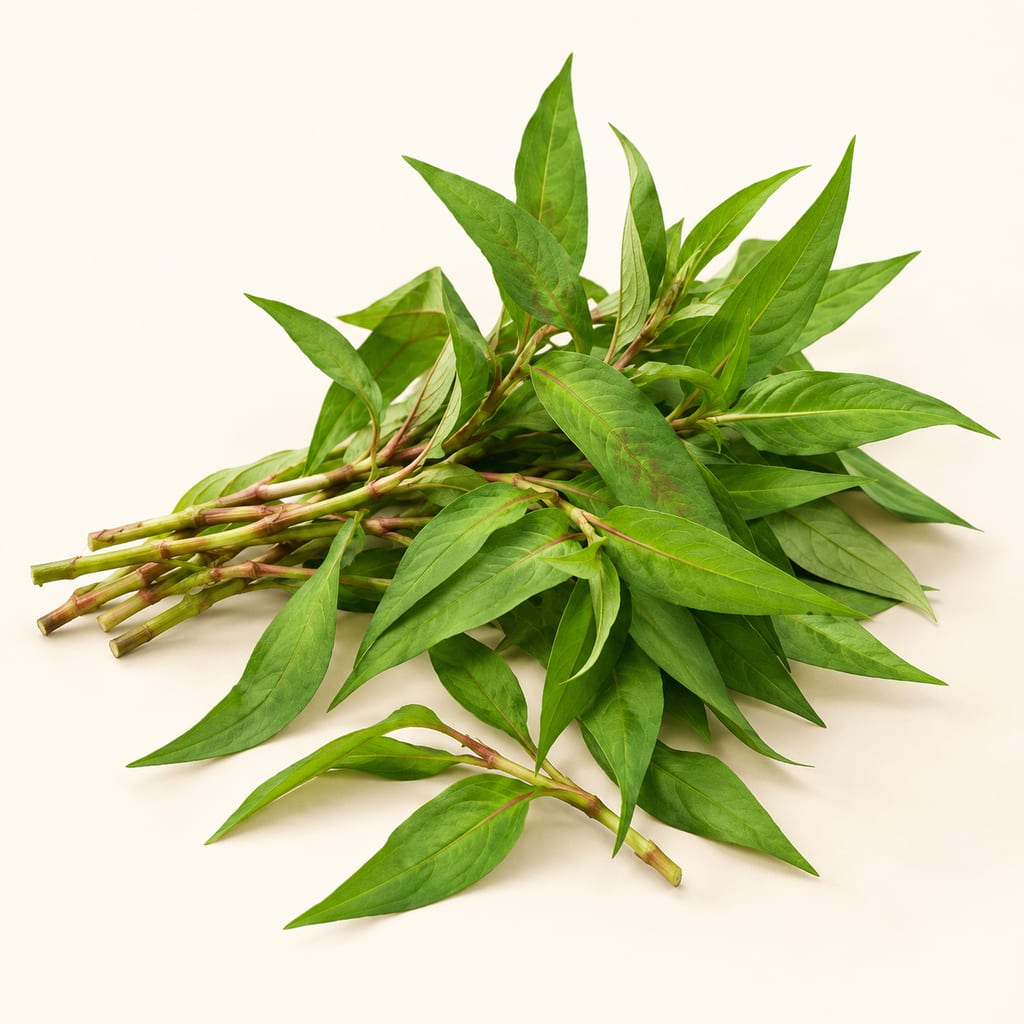
Vietnamese food-use and regional cultivation reports for rau răm, with distinct field methods and limits kept in view.
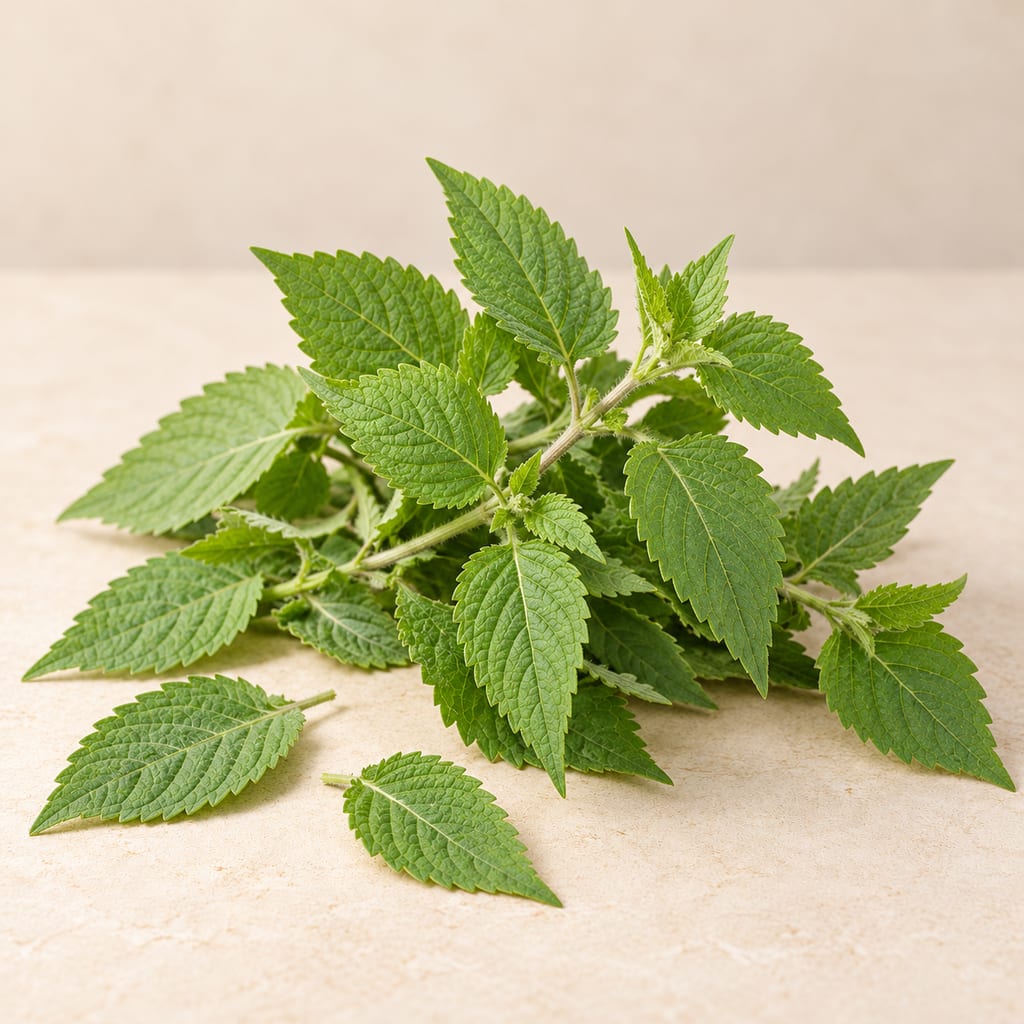
Vietnamese food and cultivation reports for kinh giới, with the limits of the inspected regional sources made explicit.
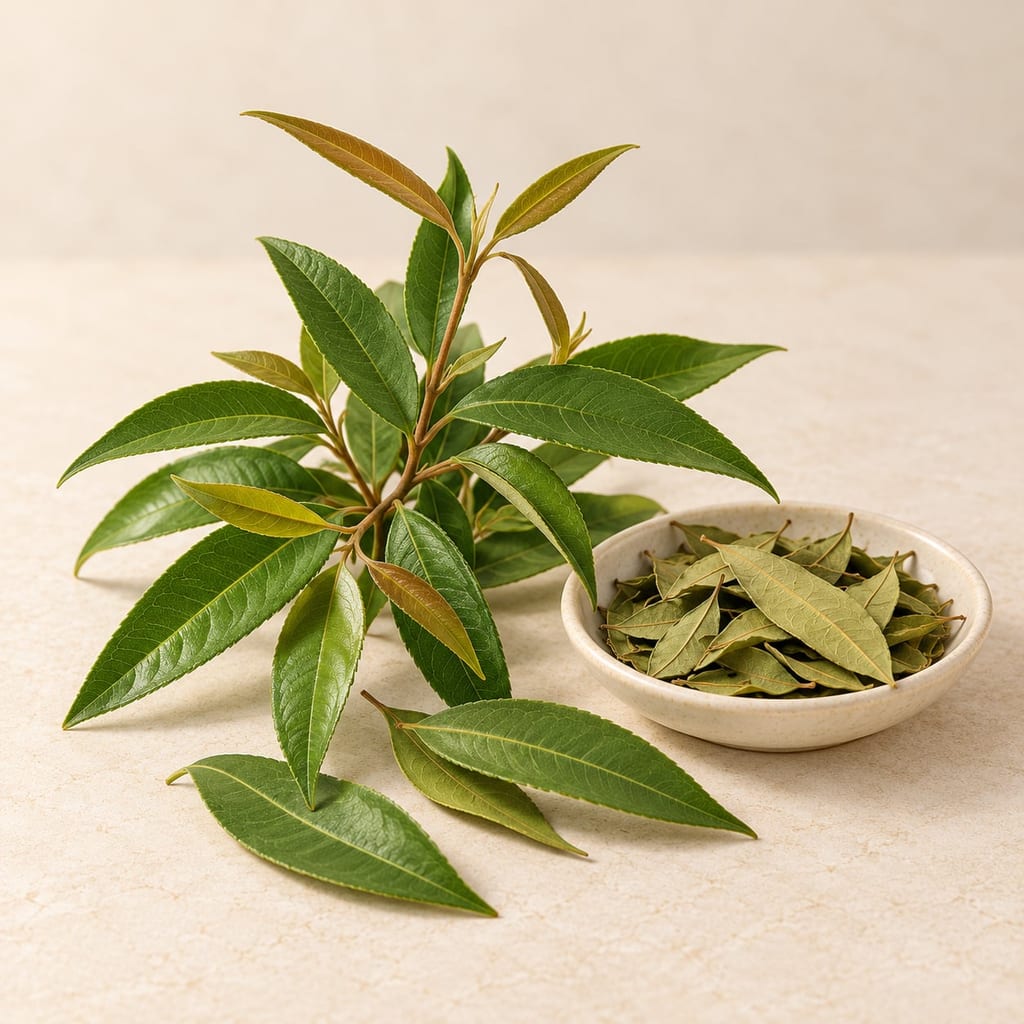
A lemon-scented Queensland shrub or tree with culinary leaf uses and source-specific guidance for sheltered gardens and containers.
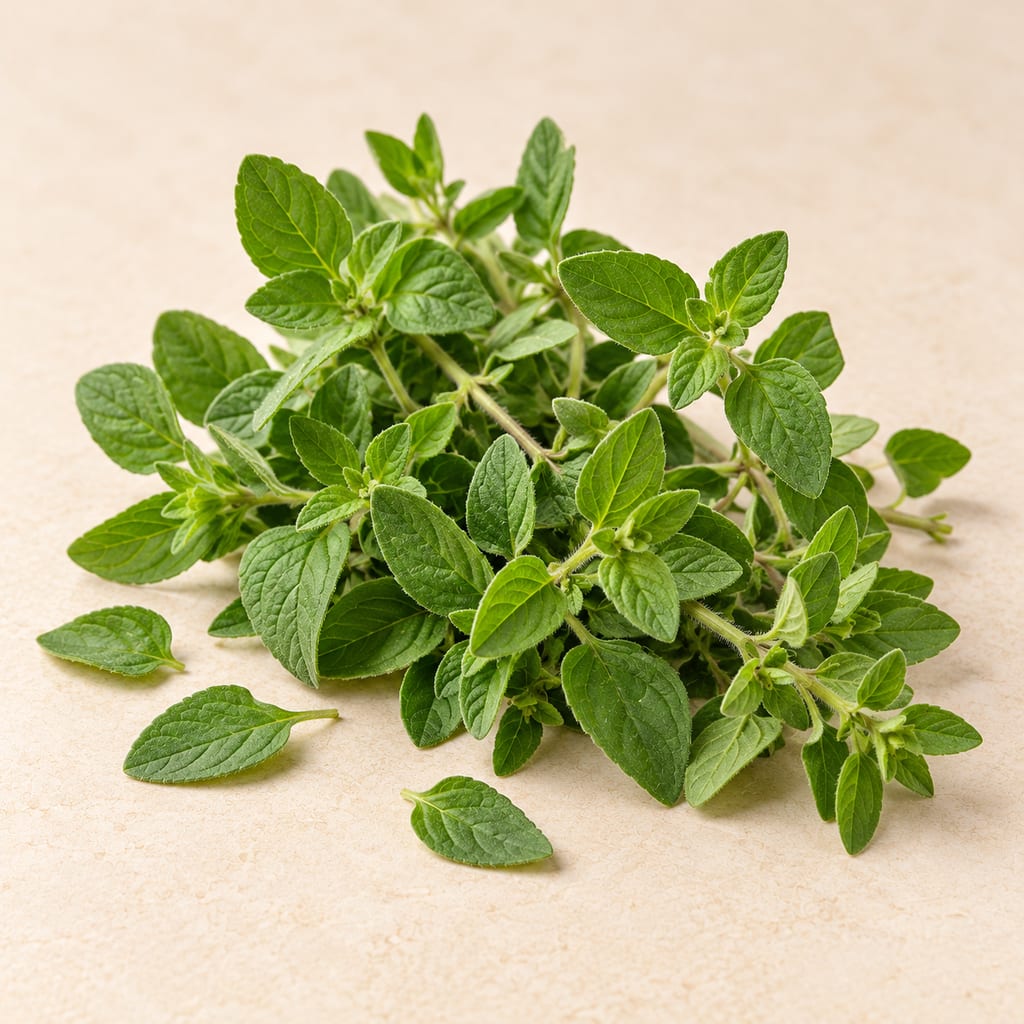
A source-scoped guide to culinary oregano leaves, UK garden growing and the limits of household drying evidence.
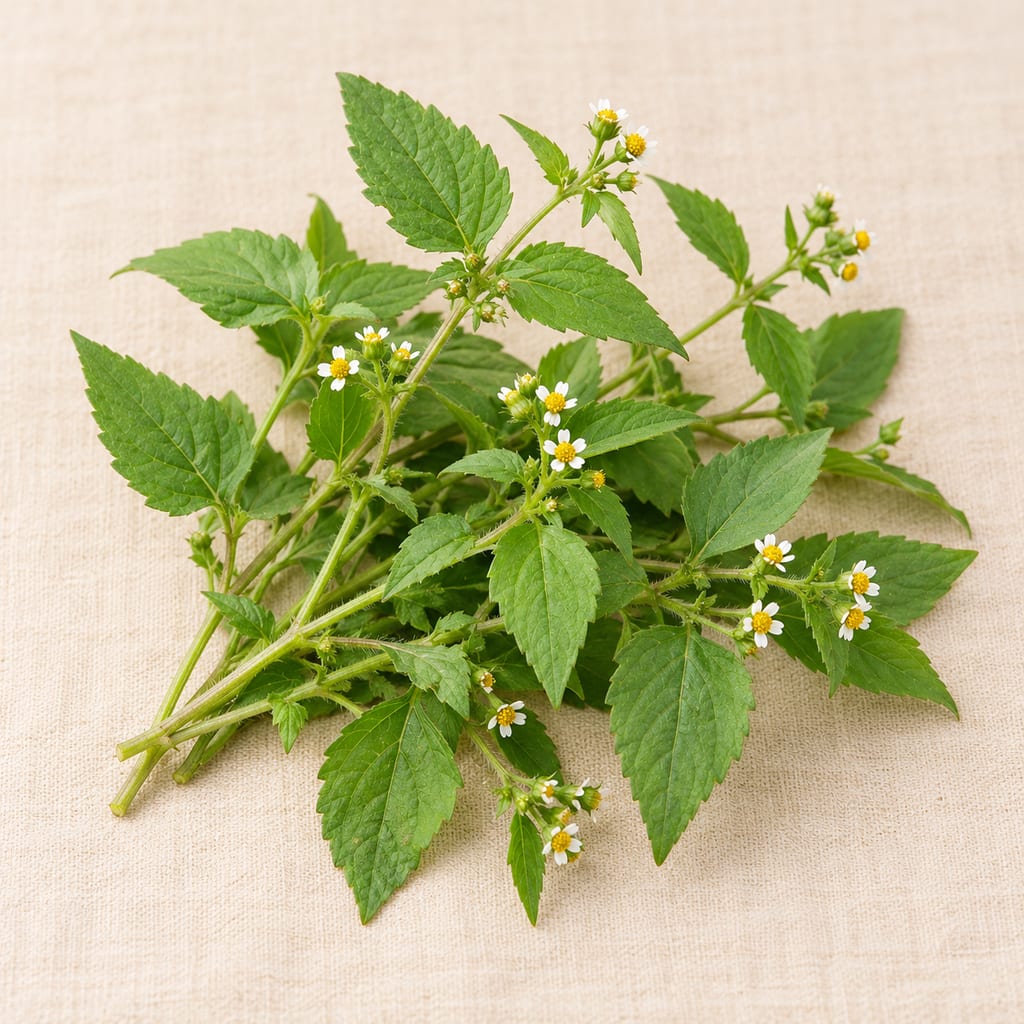
Bogotá-area community and botanical sources document Galinsoga parviflora as guascas and describe its use as an ajiaco seasoning. The plant’s common names, reported etymology and spontaneous growth are locally situated; the sources do not provide a complete recipe or a home-cultivation protocol.
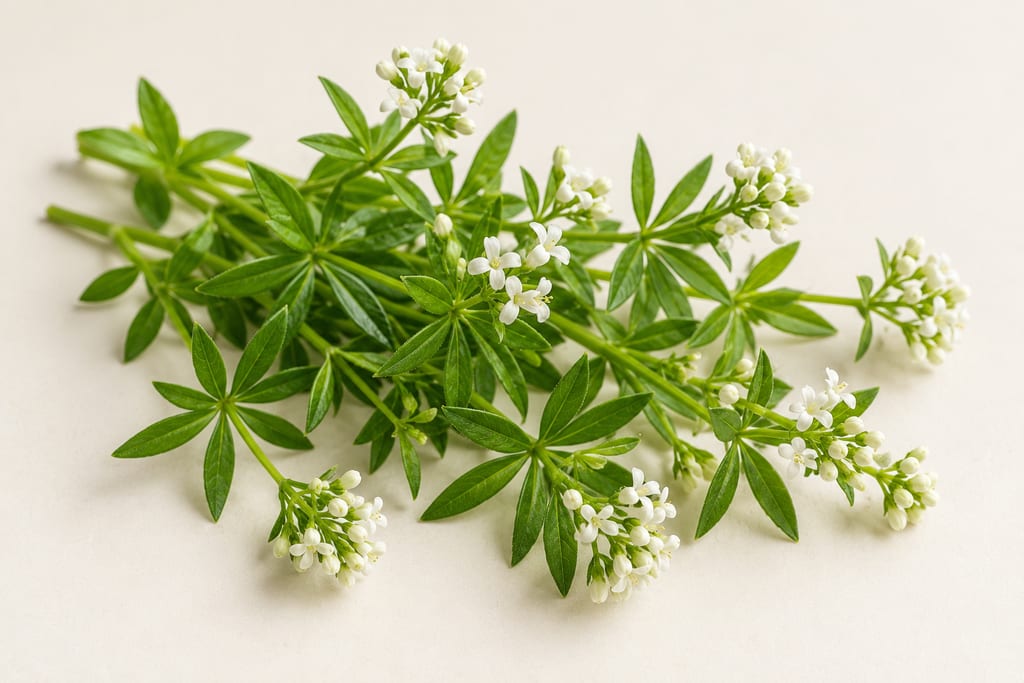
Sweet woodruff (Galium odoratum), called Waldmeister in German, is described by BZfE as an aromatic herb for Maibowle, sauces, syrup and herb butter. Its coumarin content and growing conditions are not a validated recipe or universal safety limit.
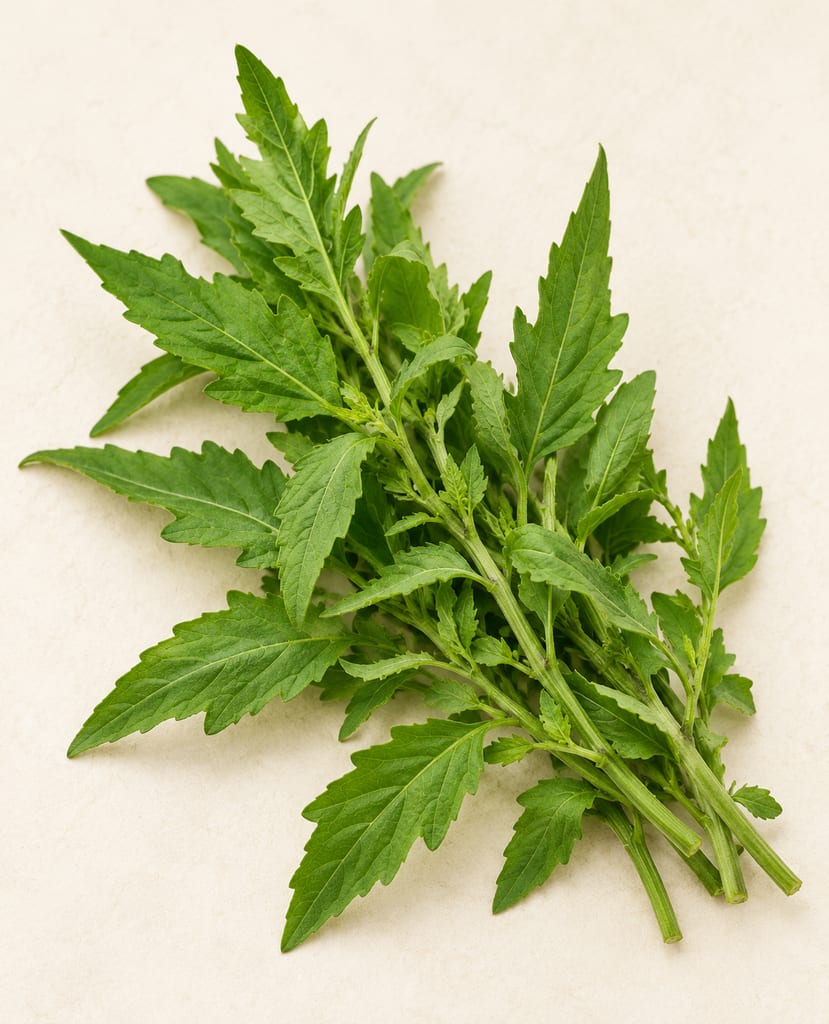
Mexican food records describe epazote leaves and stems used as a seasoning during cooking. Current taxonomy separates Dysphania ambrosioides from D. anthelmintica, while an older Mexican sheet maps some historical names differently; the culinary records do not support medicinal use, an oil dose or a universal recipe.
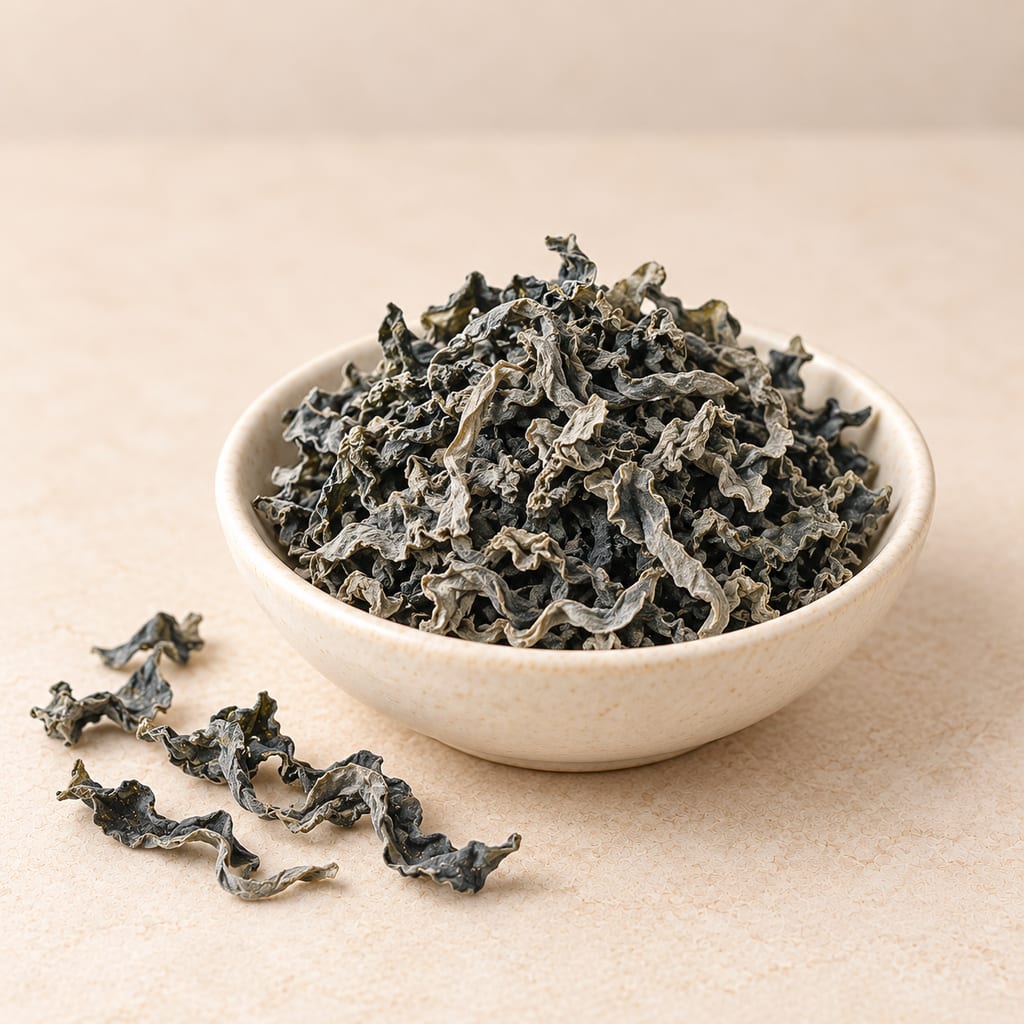
Wakame is an edible brown kelp native to the northwest Pacific, harvested or cultivated for its tender blades, firm stems and frilled reproductive parts, and used in soups, salads, rice dishes and preserved seaweed products.
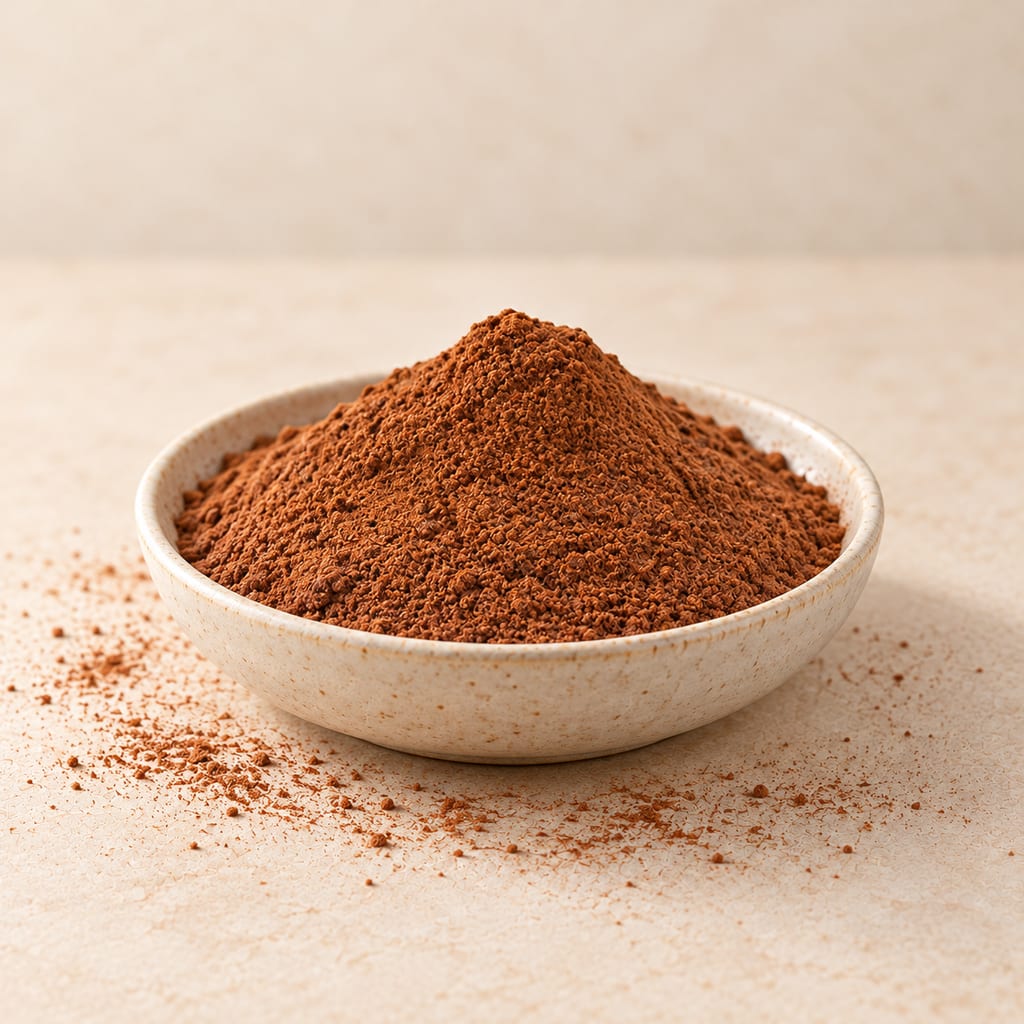
Plant polyphenol preparations used in winemaking. The Concord recipe specifies one teaspoon but gives no botanical source, chemical class, manufacturer or mass.
WLP300 is a commercial brewing yeast culture selected for German-style wheat beer, with banana-like ester and clove-like phenolic character. Its performance depends on the wort, culture condition and fermentation process.
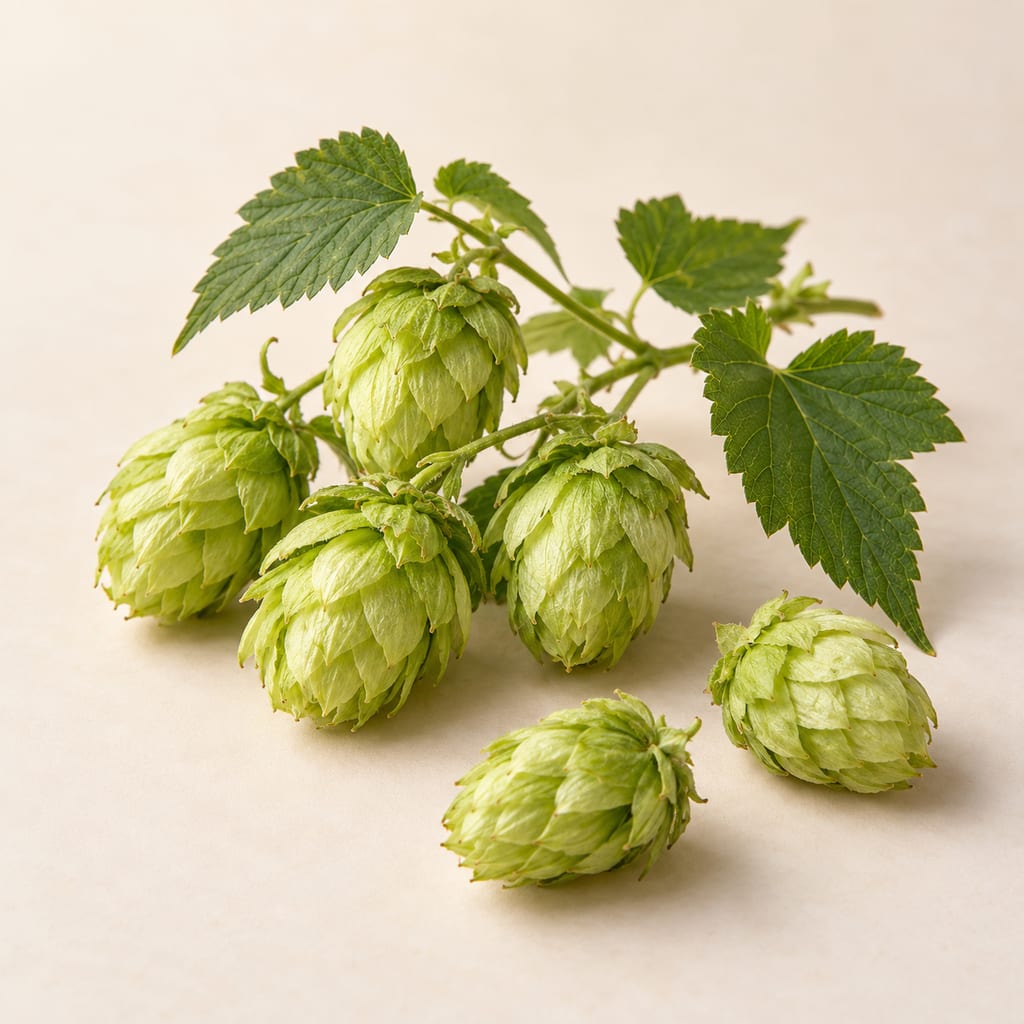
Warrior is a named American hop cultivar, YCR 5, used for measured bitterness in beer. Its current form and lot analysis determine how a brewer uses it.
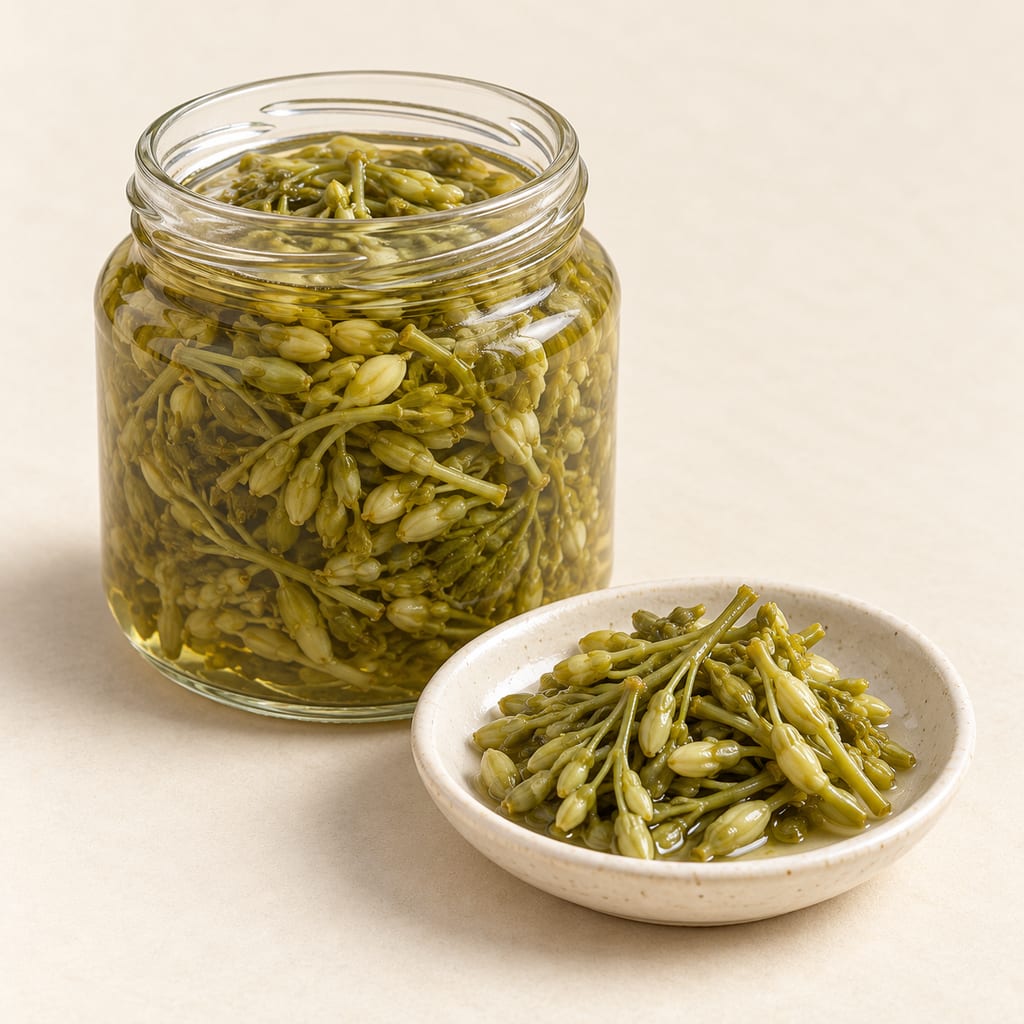
Georgian sources describe jonjoli as a flower-bud food associated with more than one Staphylea species. A 2021 figure caption names S. pinnata for the pictured preparation, while the study’s food table and the FAO profile preserve paired or shared-species evidence.
A living starter for warm milk fermentation, supplied as a concentrated culture or maintained in milk. Yoghurt cultures also have documented cheese applications.
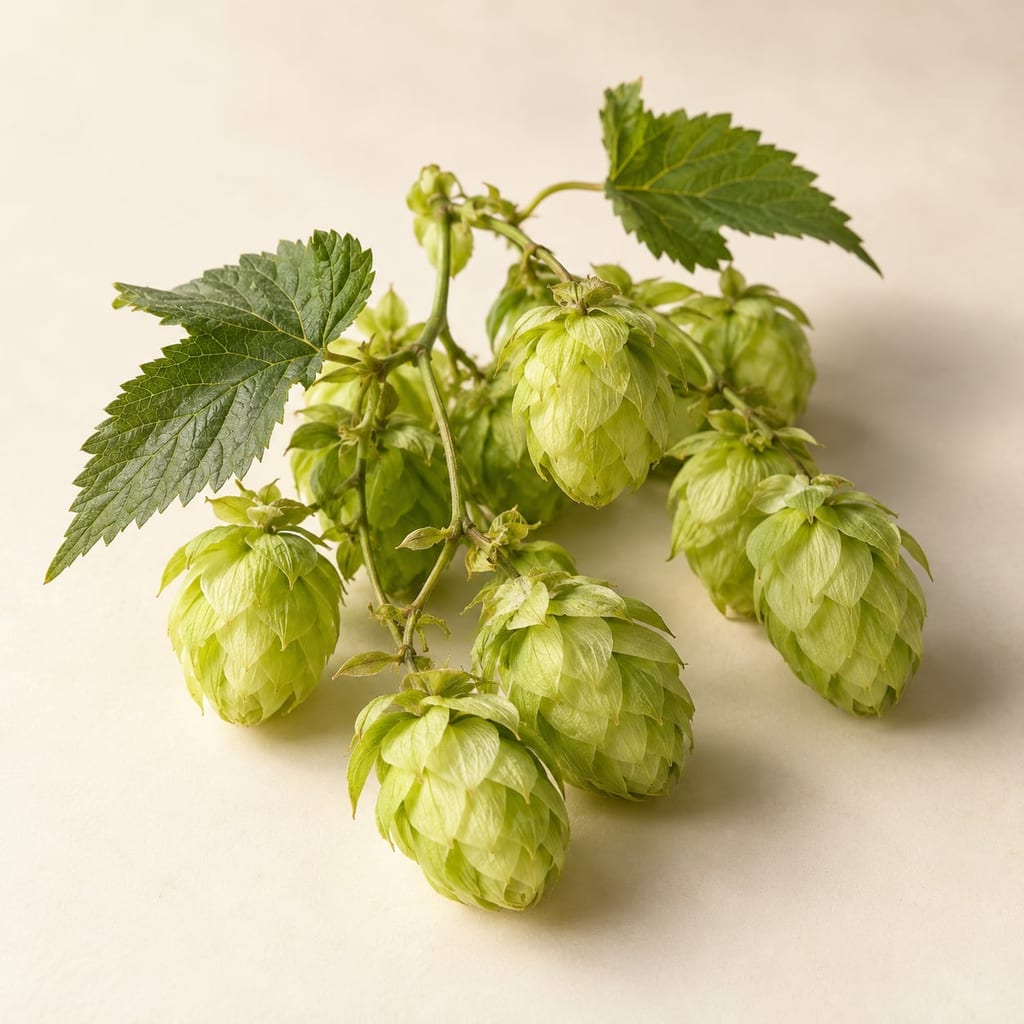
A brewing-hop name associated with the Tettnang district and the Tettnanger landrace. Regional designation, cultivar and historically confused US trade names need to be distinguished when identifying a lot.
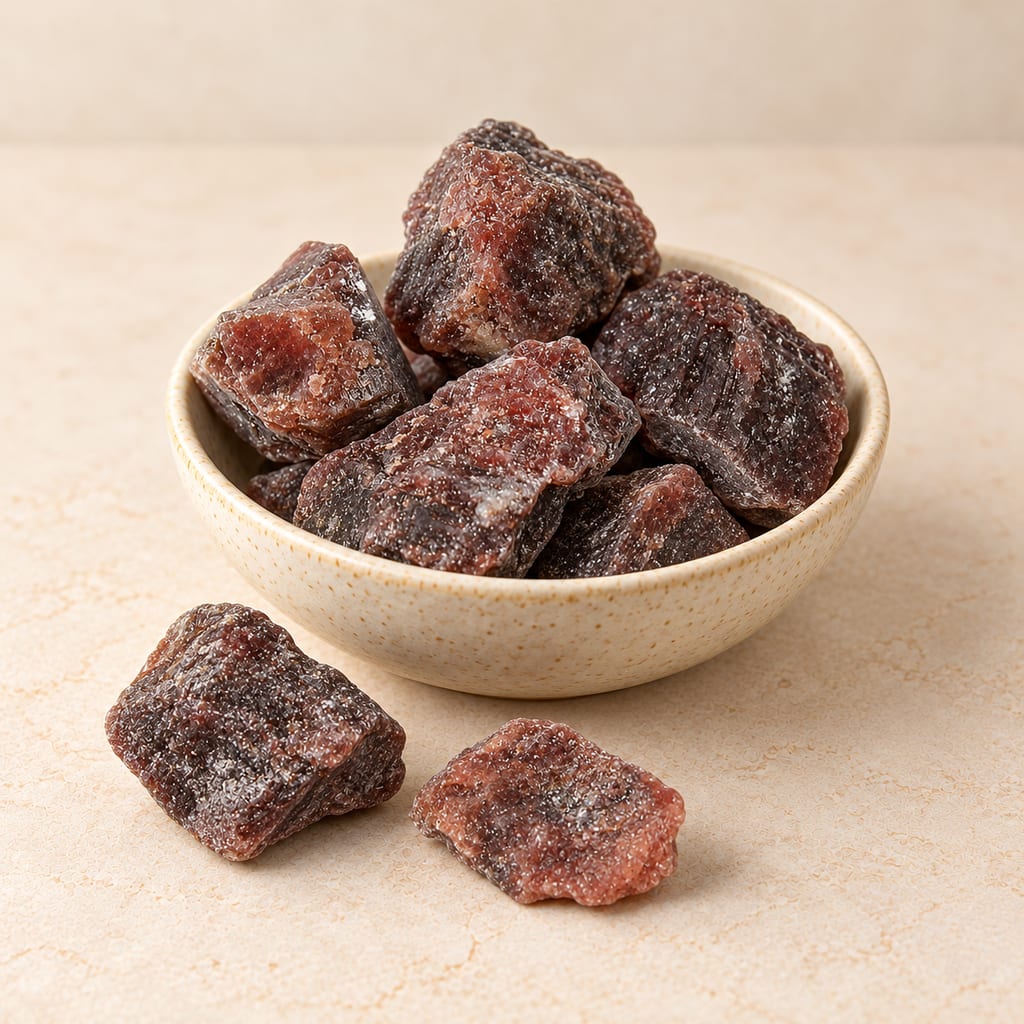
Black salt, or kala namak, is a South Asian rock salt fired with plant material until it holds sulphur compounds and smells of boiled eggs. It seasons chaats, chutneys and fruit, and it gives vegan egg dishes their eggy note.
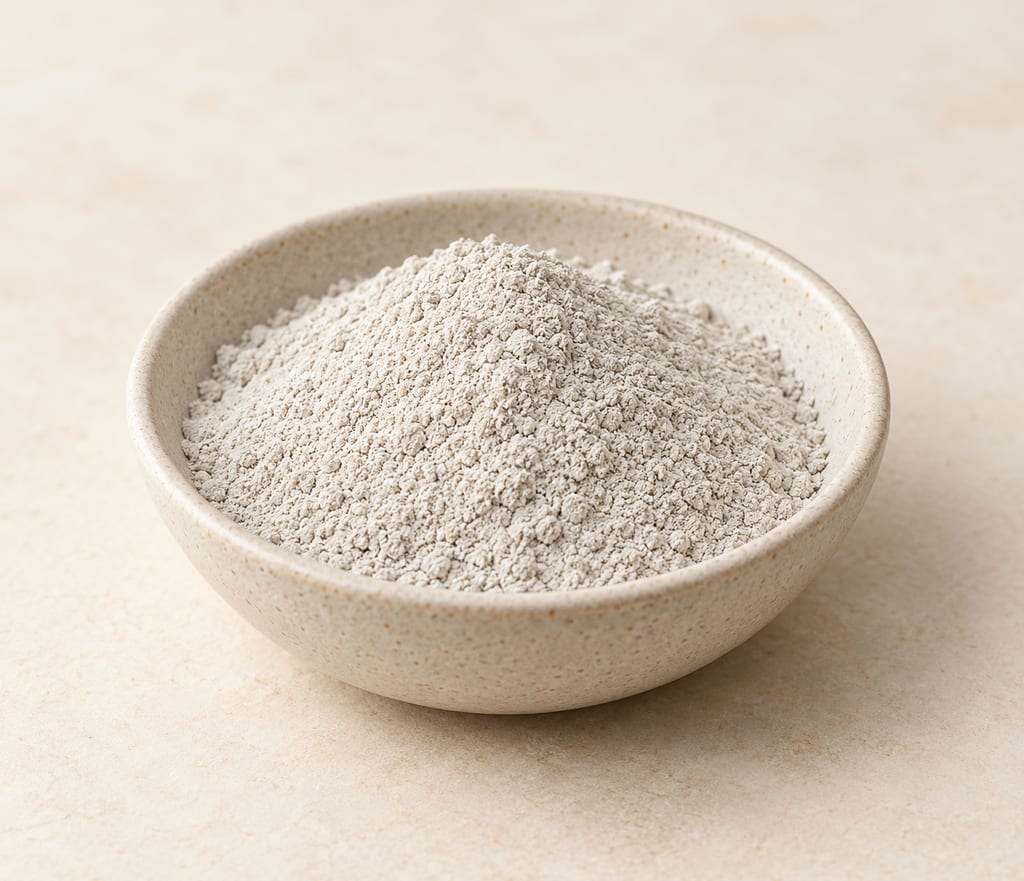
A swelling mineral clay used as a processing aid in a named beer recipe's primary fermentation; it helps remove suspended haze-active material as sediment.
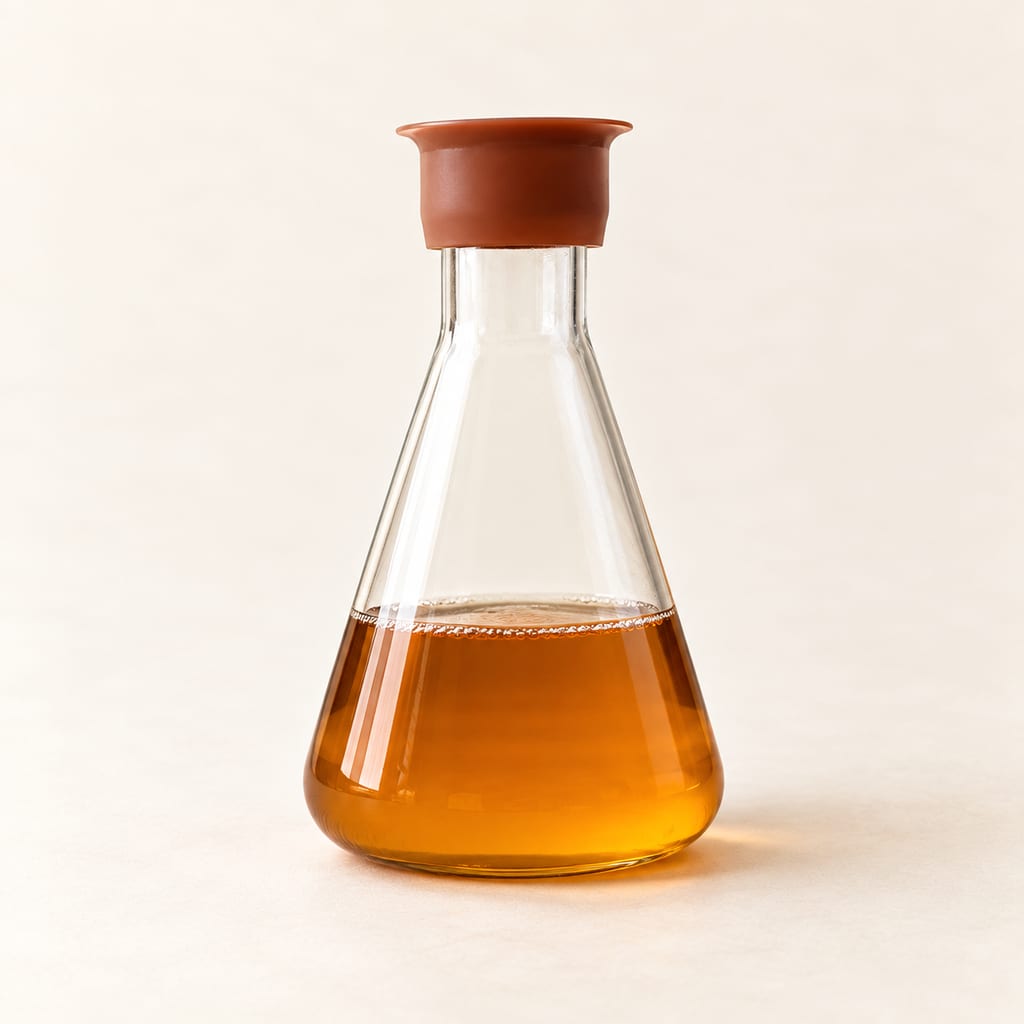
Awamori yeast ferments sugar released from rice koji in the Okinawan spirit’s mash. Sakimoto names the ingredient but gives no strain, form, supplier or dose.
A commercial freeze-dried dairy culture for Kashkaval, made in Bulgaria according to its supplier. Its powder includes skim milk material; the published organism list needs clarification of one name.
A purchased mixed meat starter associated with mild acidification and flavour and colour development. Chr. Hansen documents Pediococcus pentosaceus and Staphylococcus xylosus; the recipe packet’s strains and lot are unreported.
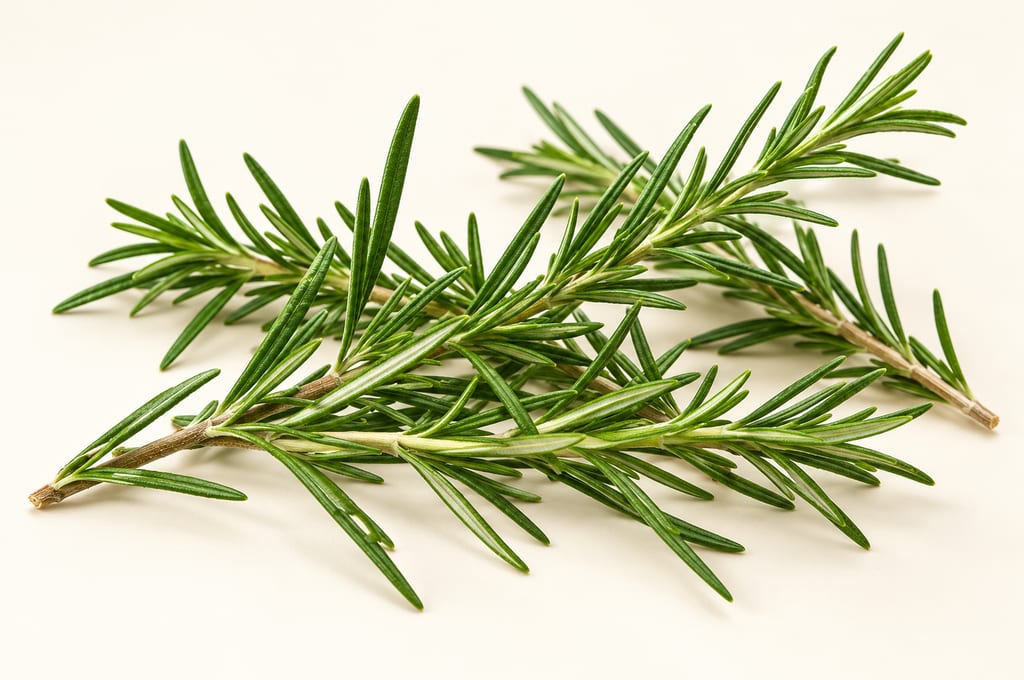
An aromatic Mediterranean shrub for seasoning, with UK garden guidance for outdoor, container and sheltered winter growing.
SM-194 is a freeze-dried, five-species culture for fermented sausage; its manufacturer and the linked Genoa-style recipe give different addition directions.

Sheep and goat milk supplies the proteins, fat, lactose and minerals from which small-ruminant cheeses are made. Its proportions and composition vary; no fixed ratio is established here.
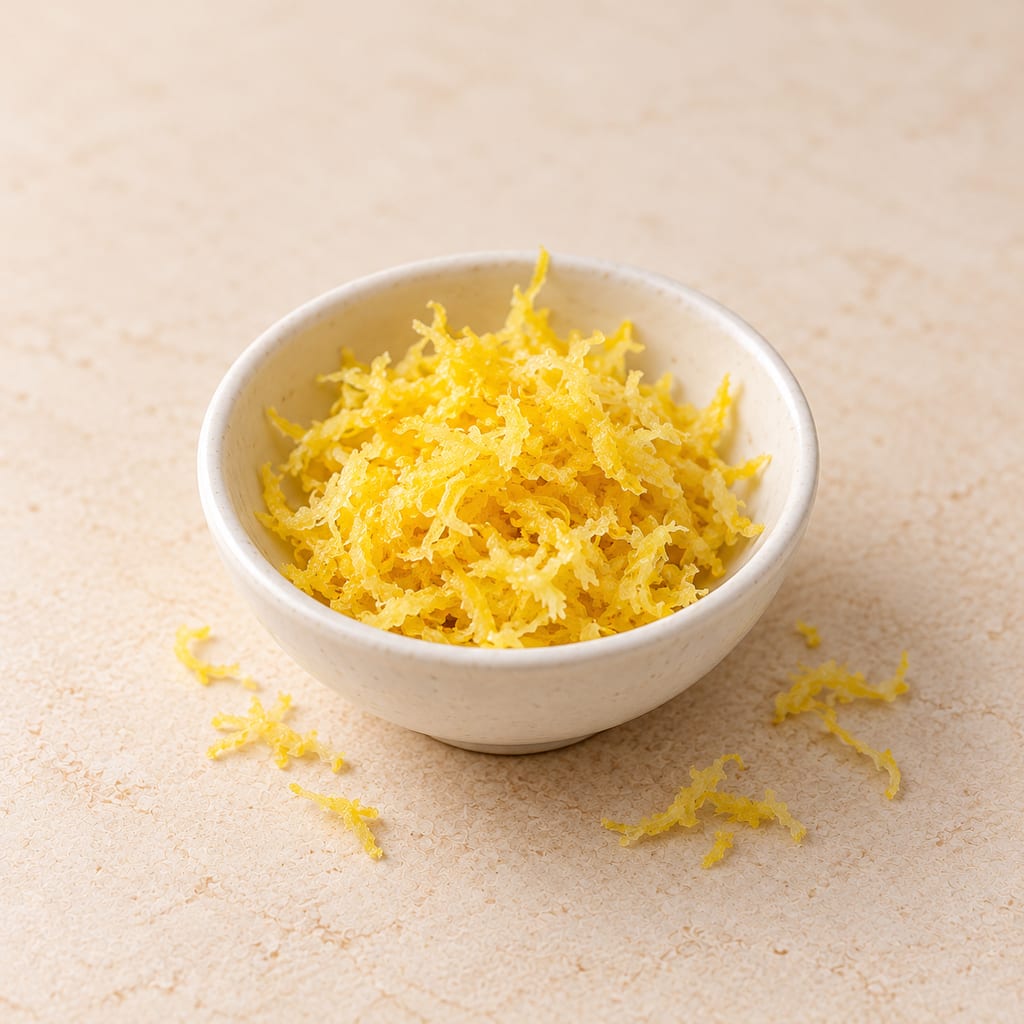
Citrus zest is the aromatic outer rind, taken separately from the white pith and juice. Its fruit type, cut and fresh or dried form shape its use in food.
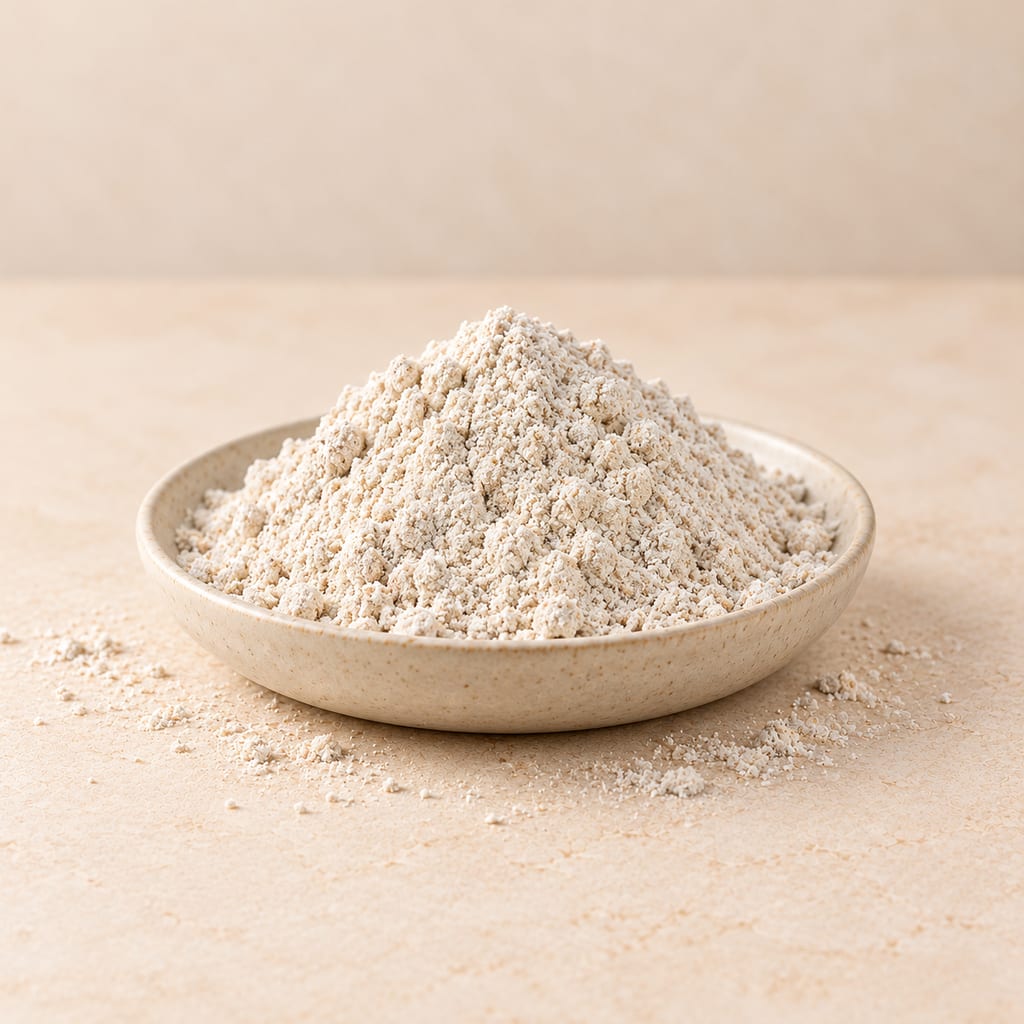
King Arthur Rye Flour Blend combines rye flours with wheat flour for rye character in a dough with some wheat gluten structure. Its component proportions are undisclosed.
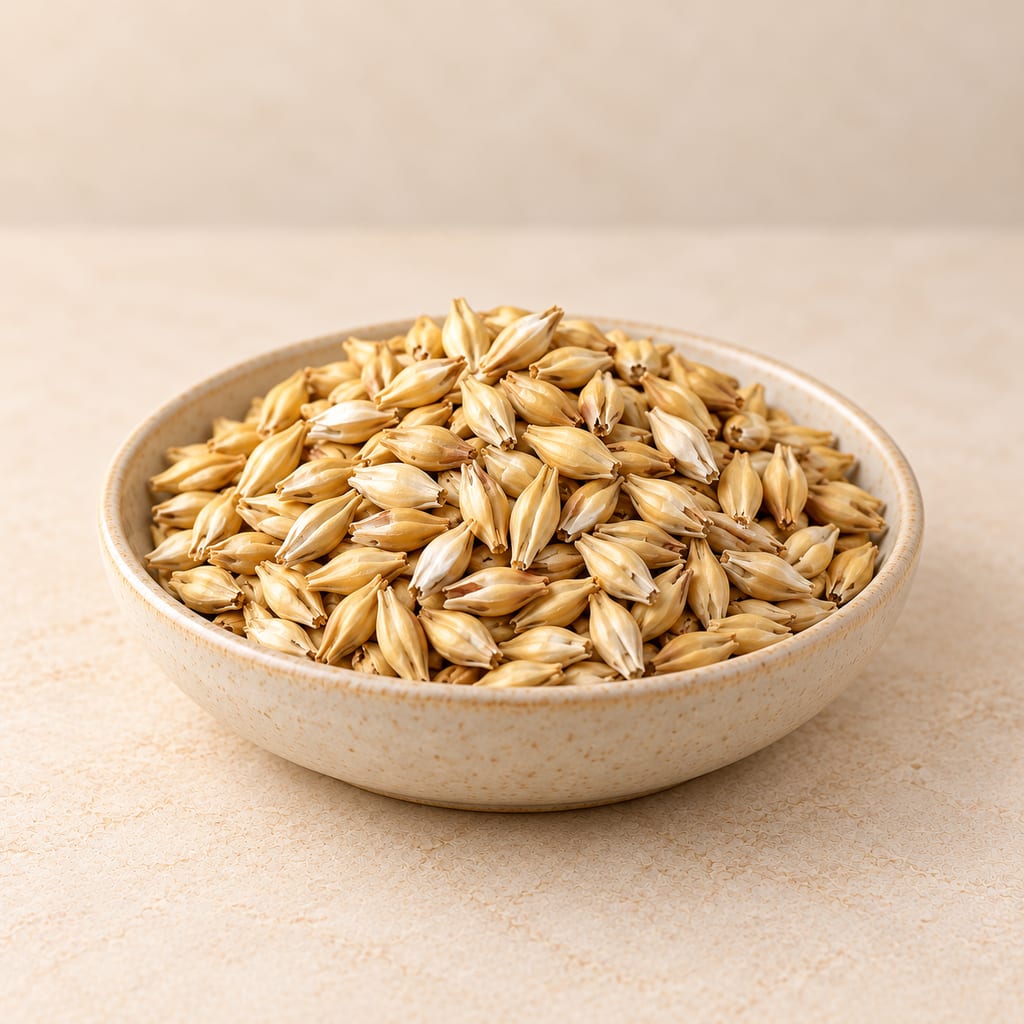
Root Shoot Pilsner malt is a pale barley base malt named in Monk’s Ration. Root Shoot currently lists several pale Pilsner products; the recipe does not identify which one or a lot specification.
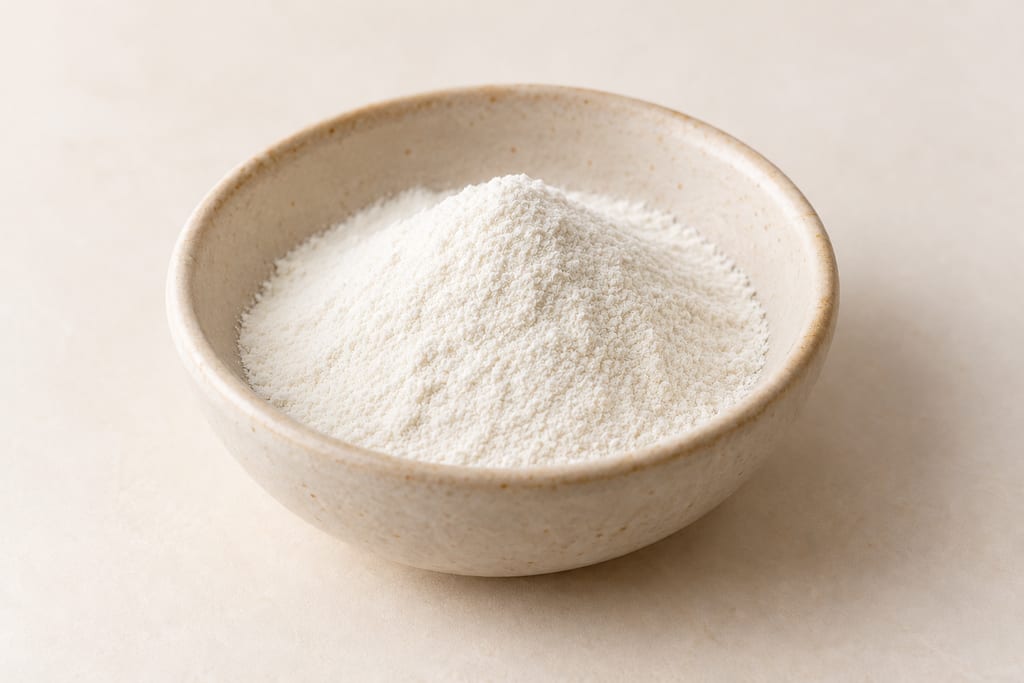
A dry milk-clotting enzyme preparation for setting cheese curd. Its animal or microbial source, strength, carrier and dietary status depend on the actual product.
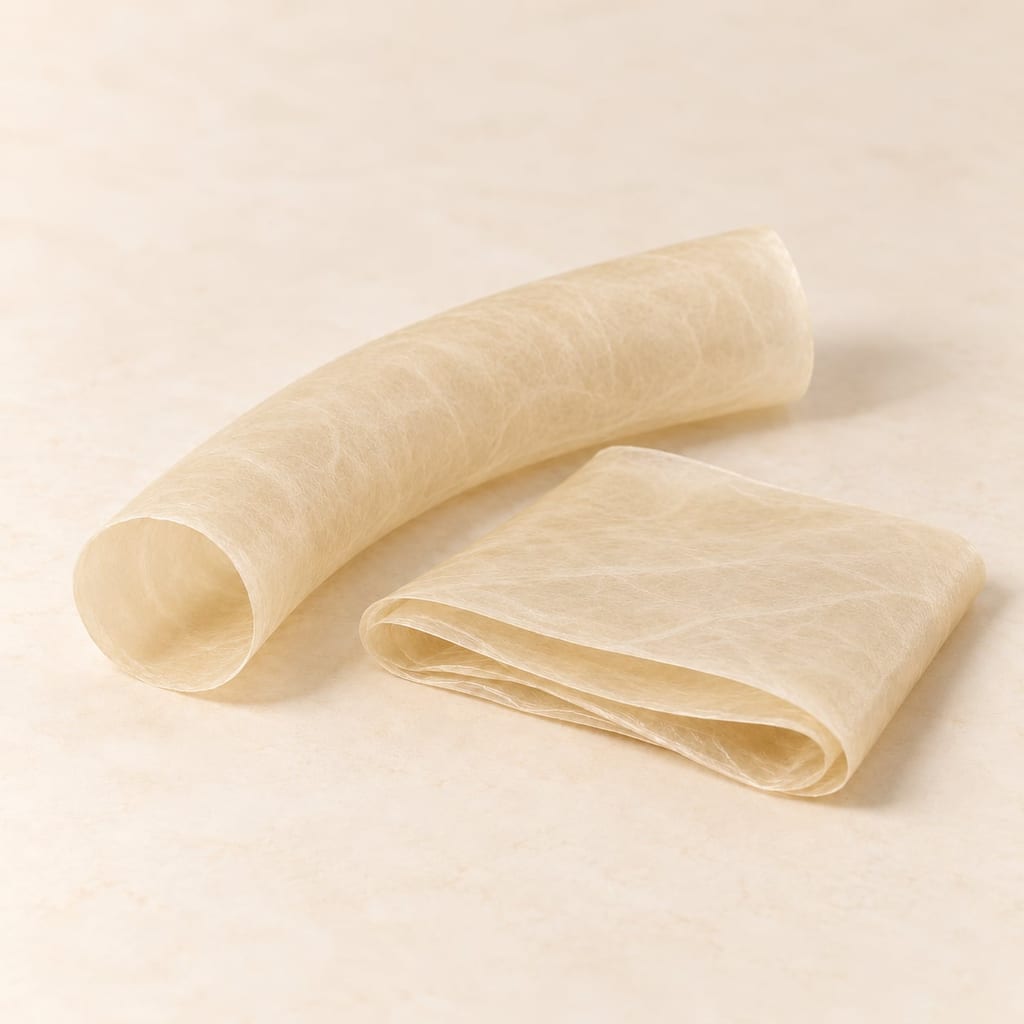
Non-edible fibrous sausage casings with an inner protein treatment that helps them stay against the meat as it dries and shrinks.
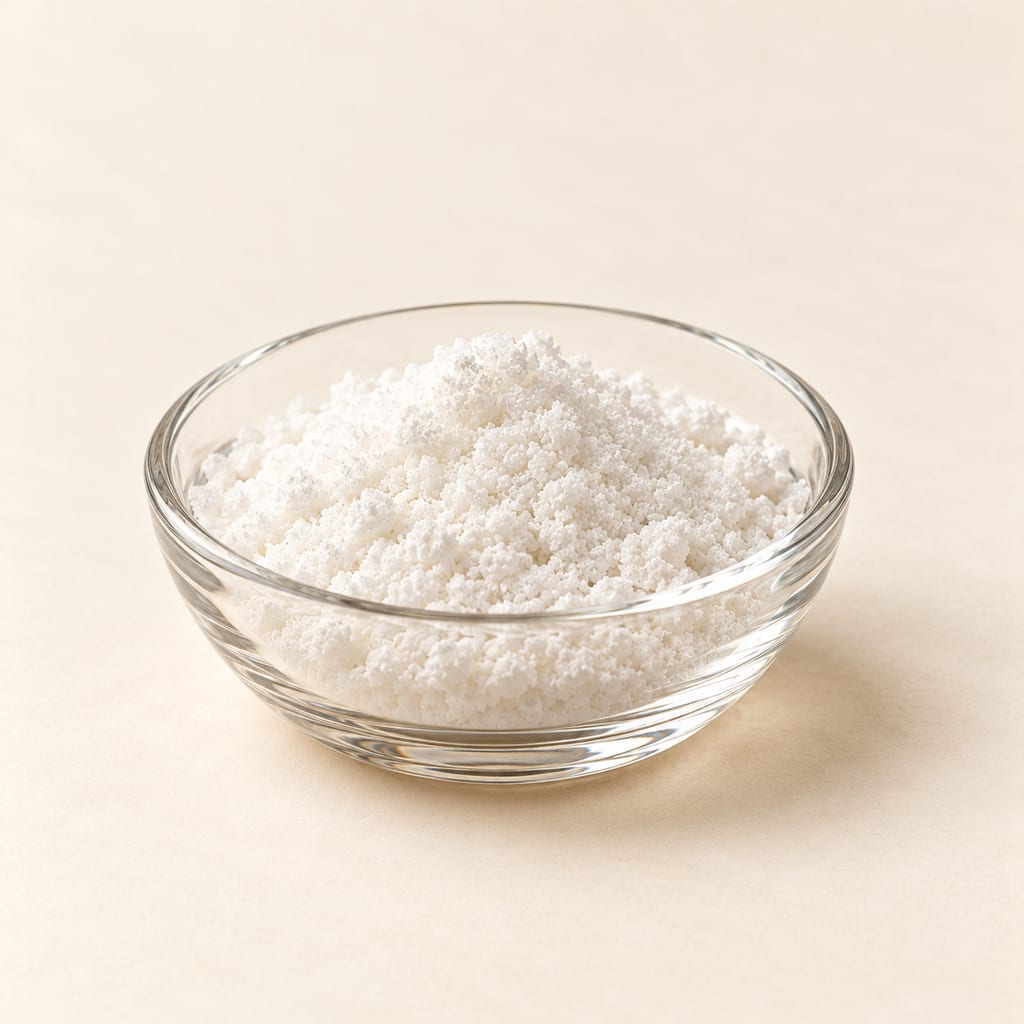
Priming sugar supplies fermentable carbohydrate for carbonation during conditioning. The name can cover sucrose, dextrose or formulated drops; the linked cider recipe specifies neither a sugar type nor an amount.
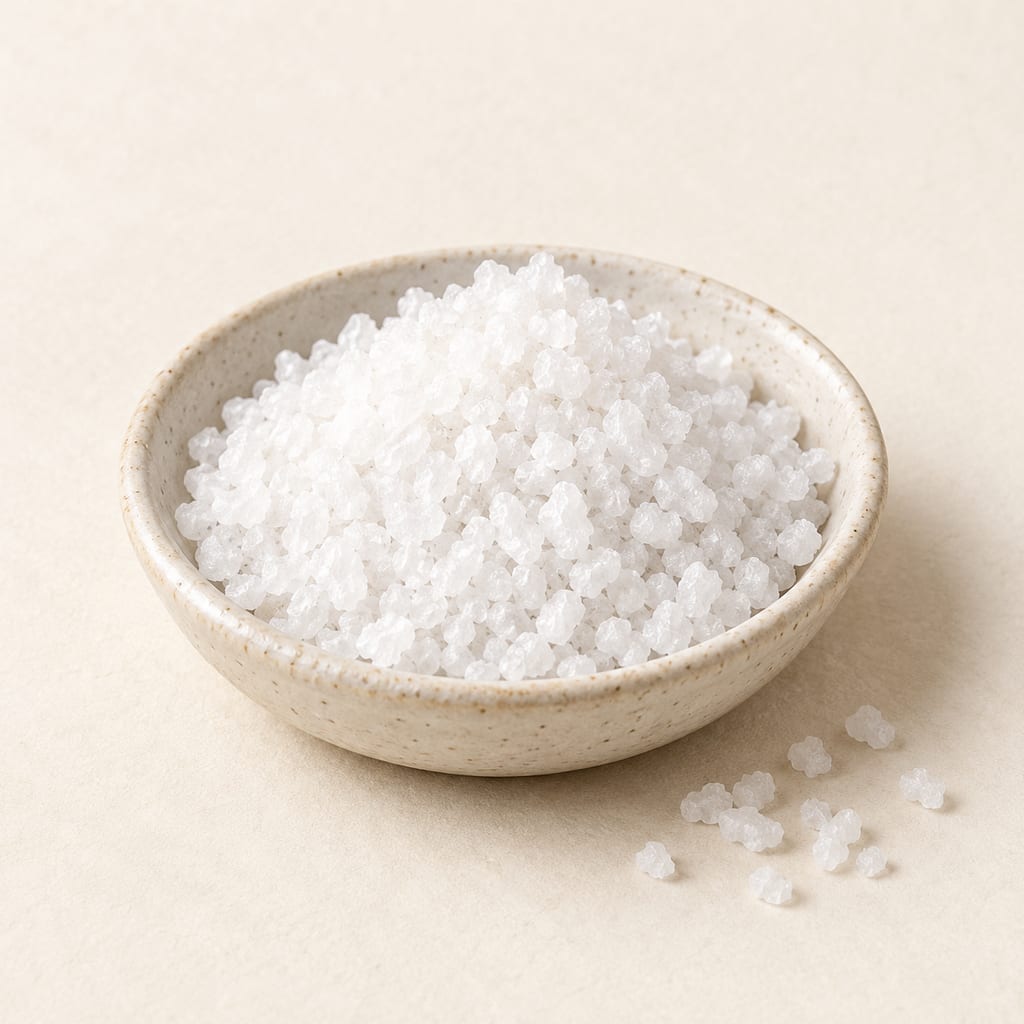
Pretzel salt is chosen for the crystals left on a baked surface. Grain size, shape and any coating determine how it adheres, dissolves and tastes.
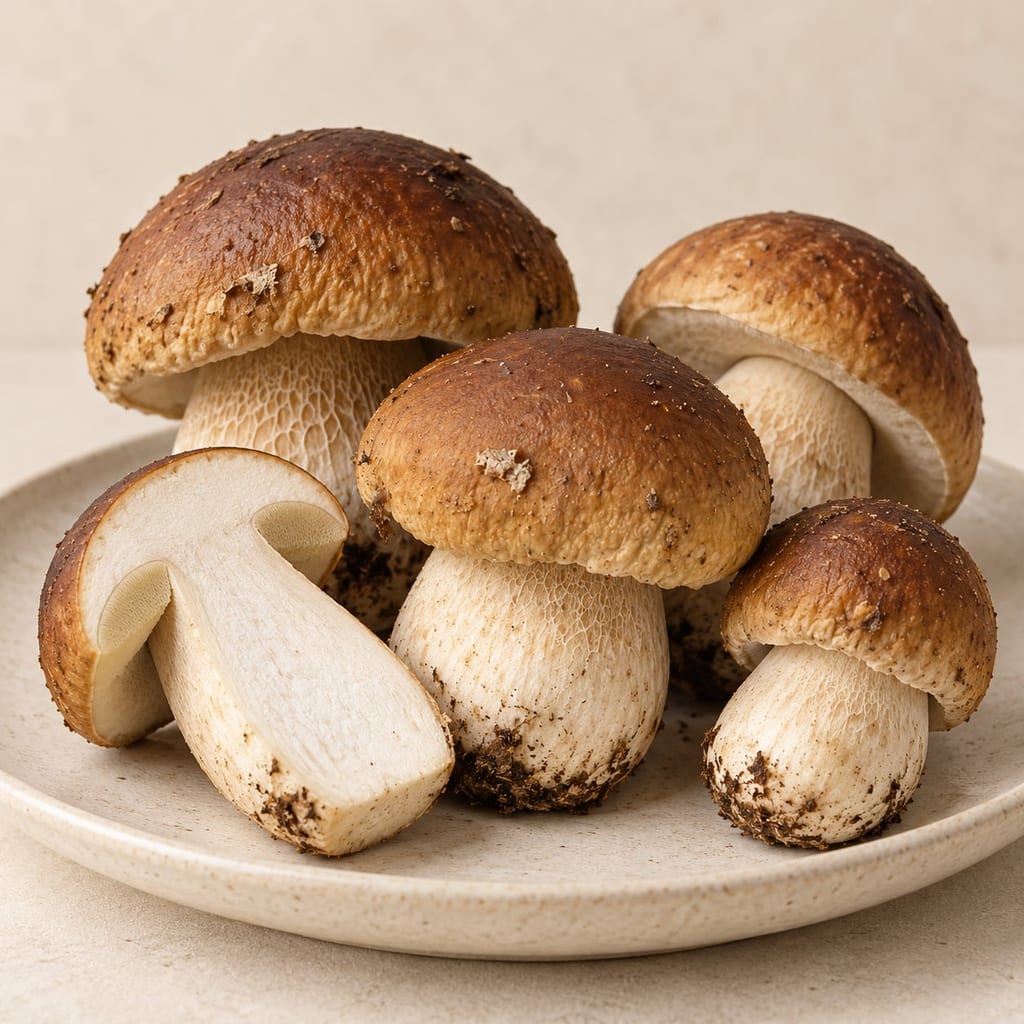
Porcini are prized wild ectomycorrhizal mushrooms from several closely related Boletus species, harvested chiefly from forests and sold fresh, dried or frozen for their firm texture and concentrated savoury aroma.
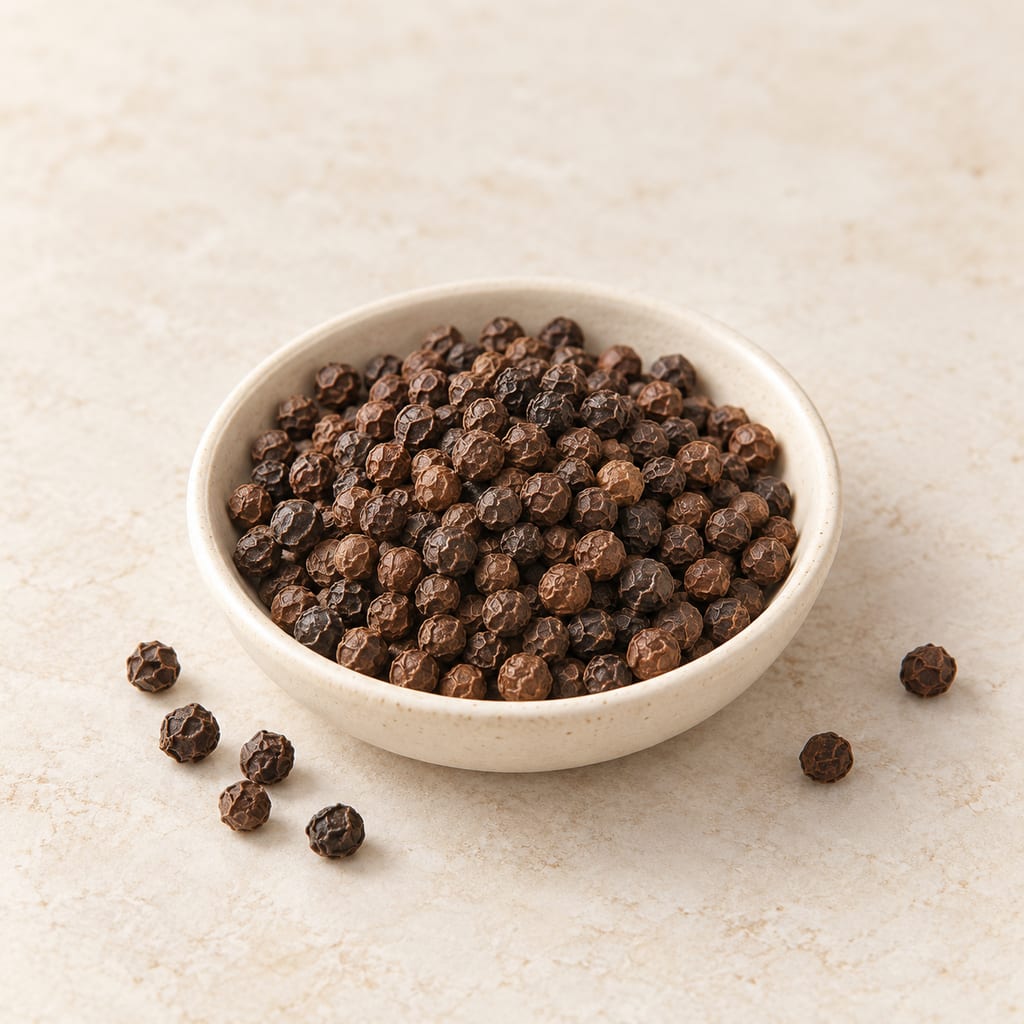
Whole peppercorns are crushed for their texture, aroma and pungency. A recipe that leaves their type unnamed does not establish a species, colour or growing origin.
A selected fungal culture for blue cheese. Growth in air spaces and enzymes acting on casein and fat help develop the marbled paste and characteristic aroma.
Liquid milk with most fat removed and a pasteurizing treatment applied, used as a protein-rich base for fresh curds.
Pasteurized mare milk is liquid horse milk treated before sale or fermentation. Its relatively low fat and casein and high lactose distinguish it from cow milk, with composition varying by animal and lactation.