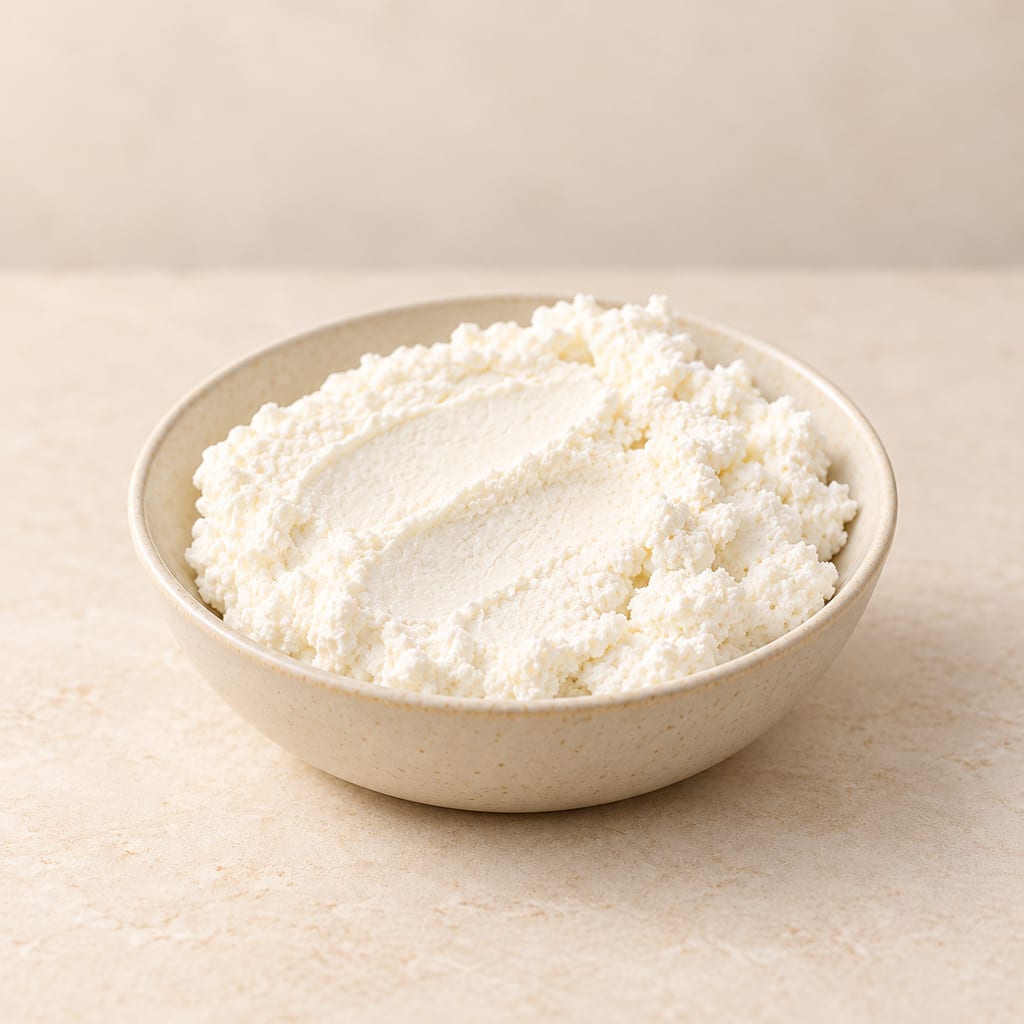
Fresh chèvre
Fresh chèvre is a soft goat-milk cheese with a gently tangy flavour. This home method uses a combined lactic starter and coagulant, then drains the curd in cloth before salting and chilling.
 FermenteaWhere food goes to change
Cultures
A direct-set blend of lactic bacteria, a microbial coagulant and carriers for fresh chèvre, combining milk acidification and enzyme-assisted curd formation in one packet.
C20G is a commercial direct-set ingredient for making chèvre. Inside the pack are freeze-dried lactic-acid bacterial cultures, a granulated microbial coagulant and carriers. The bacteria acidify milk and contribute aroma; the enzyme helps the milk proteins form a curd. This combination is what distinguishes the product from a packet containing only bacteria and from a bottle containing only rennet. Adding it to milk begins several connected changes through a single measured addition.
The pack belongs to the modern supply system for small-scale cheesemaking. Its designation identifies a particular formulation, not an ancient regional culture handed down under the same name. A product description sheet revised in 2023 lists its country of origin as the United States. The convenience is practical: a cheesemaker can introduce a specified culture-and-coagulant blend directly to milk, rather than separately preparing a starter and measuring a liquid coagulant. The older craft of cultured goat cheese and this packaged means of making it have related but different histories.
The name chèvre connects the ingredient with goat cheese. In the linked fresh-cheese preparation, a packet is used with one US gallon of goat milk. That is a recommendation for this product within this particular method. It does not make C20G a general substitute for every mesophilic starter or establish a standard dose for every cheese. The coagulant already inside it is an especially important distinction when reading an ingredient list.
The formulation lists Lactococcus lactis subsp. lactis, Lactococcus lactis subsp. cremoris and Lactococcus lactis subsp. lactis biovar. diacetylactis. These are the names used on the product sheet. They describe related dairy bacteria with acidifying and aroma-forming functions, rather than a complete strain-level identification. The commercial formula does not disclose a strain code for each component or the proportion in which the components are combined.
Lactococcus is a bacterial genus. The longer names distinguish forms within the dairy-culture group and identify the aroma-associated diacetylactis biovar. A biovar is a grouping based on biological properties; it is not another word for a packet size. Keeping that terminology clear prevents a list of names from being mistaken for a measured analysis of every cell in a product. The useful identity is the supplier's declared blend, together with its specified intended use.
The product is described as mesophilic. In cheesemaking this means a culture used at moderate temperatures, in contrast with the thermophilic cultures associated with hotter fermentations. It is also described as homofermentative and as an aroma culture developing diacetyl flavour. Those descriptions identify intended functions. They do not supply a measured acidification curve, a finished-cheese pH or a guaranteed concentration of aroma compounds for a particular batch of milk.
Milk supplies lactose, a sugar that dairy lactic-acid bacteria can use. As a suitable starter grows and metabolizes milk sugar, lactic acid accumulates. The resulting change in acidity affects the milk's proteins and minerals as well as its taste. In a fresh lactic cheese, acid development is part of building the curd, not merely a way of adding a tangy flavour after a solid cheese has already formed.
Casein proteins occur in small milk particles called micelles. Their stability depends on their interactions with water, electrical charges and minerals. Acidification changes that environment, including the calcium phosphate associated with the protein particles. The casein can then form the connected network of a curd. Fat and water become held within that network, while drainage later removes part of the liquid. The starter acts on a complex food, rather than turning every milk component into the same substance.
The bacterial contribution continues beyond the initial mixing. Temperature, time and the milk itself affect how fermentation develops. A warmer or cooler working environment can alter the course of acid development, while milk composition affects the material from which the curd is built. A packet standardizes the added ingredient; it does not eliminate the importance of the milk or the rest of the method. This is why a named starter belongs with a defined preparation rather than a promise that any warmed milk will behave identically.
Diacetyl is an aroma compound with a strong buttery character. In dairy fermentation, its formation is connected with the metabolism of citrate, a minor constituent of milk, by suitable bacteria. The diacetylactis designation is associated with this capacity. Acid production and aroma formation therefore share a living culture but involve distinguishable metabolic routes. A culture can be selected for more than the speed with which it sours milk.
In the general dairy pathway, citrate metabolism supplies pyruvate and then the intermediate alpha-acetolactate. A chemical oxidative reaction can convert that intermediate to diacetyl. The route can also lead towards acetoin, so the presence of an aroma-capable organism does not mean every molecule of the intermediate becomes diacetyl. The distinction explains why bacterial metabolism and subsequent chemical reactions both matter to an aroma often summarized simply as fermentation flavour.
Research on identified Lactococcus strains has explored how acidity, oxygen and metabolic regulation affect these pathways. Those studies explain the biological possibilities without measuring this proprietary blend in fresh chèvre. The product's declared aroma function is consequently more precise than a promise that C20G always produces a fixed buttery intensity. The milk, organism activities and process conditions together shape the finished aroma.
The second active part of the pack is a microbial coagulant described as an endopeptidase preparation derived from a selected strain of Rhizomucor miehei. An endopeptidase is an enzyme that cuts peptide bonds within proteins. Its role in a cheese milk is different from that of bacteria fermenting lactose. The ingredient supplies enzyme activity alongside the living lactic culture, bringing two routes to protein destabilization into the same preparation.
Rhizomucor miehei identifies the microorganism from which the coagulant preparation is derived. It does not mean that the pack is intended to grow a visible mould on the cheese. The bacteria listed in the culture and the organism used to produce the enzyme have different positions in the ingredient's identity. Confusing an enzyme's production organism with a cheese-ripening culture would give the reader the wrong expectation about both the process and the finished food.
An enzyme coagulant acts on stabilizing milk proteins so that altered casein particles can aggregate. Calcium participates in this aggregation. Acid development changes the surrounding conditions while the enzyme performs protein cleavage. Their actions can reinforce one another in curd formation, but additional coagulant is not automatically required merely because another cheese recipe lists rennet separately. The combined nature of C20G must be taken into account when the method is assembled.
The carrier list contains sucrose, maltodextrin, dextrin and sodium chloride. These are components of the commercial ingredient, separate from the milk to which it is added. The list makes clear that a portion of the powder is not bacterial cells or coagulant enzyme. It is a formulated blend whose physical handling and standardized activity are part of its design.
Freeze-dried and direct-vat-inoculation describe different aspects of the pack. Freeze-dried describes the preserved form of the bacterial preparation; direct inoculation describes adding it to the milk in which the cheese will be made. The product instructions call for shaking before use and introducing it directly while avoiding foam and air incorporation. These directions concern the supplied formulation. They do not disclose its full manufacturing protocol or authorize a home replication of the commercial powder.
A direct-set pack differs from a mother culture grown in a separate batch before cheesemaking and from a continuing household culture such as kefir grains. These formats have different ways of being maintained and used. The fact that milk becomes fermented after adding C20G does not establish a method for repeatedly propagating an equivalent new C20G blend. Its bacterial balance and its enzyme component are both part of the purchased formulation.
The linked Fresh chèvre method specifies one packet for one US gallon of goat milk that is not ultra-pasteurized. The milk is brought to the stated working temperature before the culture is added. The powder is sprinkled over the surface and allowed to rehydrate before it is stirred through. This distributes the ingredient through the milk rather than leaving a dry clump in one location.
Once mixed, the milk is left quiet while fermentation and coagulation proceed. Keeping the forming gel undisturbed allows the protein network to develop as a body that can later be transferred gently. Draining in cloth then removes whey. The culture has not performed that physical separation: the cloth and gravity do it. Bacteria can continue metabolizing available lactose while conditions permit, which links the drainage stage to continuing acid development.
The resulting cheese is a fresh product, rather than a mould-ripened rind cheese made by growing the enzyme's production organism on its surface. Its moisture depends partly on draining, and its final seasoning depends on the salt added after the set. C20G contributes important biological and enzymatic work, but it is one ingredient within a larger method involving milk selection, temperature, gentle curd handling and cold storage.
The product specification gives a use period of twelve months from packaging only when it is stored at or below freezing. The printed best-used-by date is part of that instruction. The powder should be kept dry and remain free-flowing; a product that has formed a solid mass is to be discarded. These are handling and condition requirements for the ingredient, not a shelf life for the cheese made with it.
The distinction between storage and transit is also explicit. Ambient temperatures during a three-to-five-day shipping period are accepted in the specification, while the longer storage condition remains at or below freezing. A short transit allowance should not be turned into an instruction to keep packets indefinitely at room temperature. The label and the current product information should travel with the supply so that dates and conditions remain identifiable.
The ingredient also has microbiological quality-control specifications, separate from the organisms deliberately included in the culture. The sheet sets limits for yeasts, moulds and coagulase-positive staphylococci, and calls for negative Salmonella and Listeria tests in a twenty-five-gram sample. Testing the supplied powder answers a question about that ingredient at manufacture. It does not measure the milk subsequently chosen, the cleanliness of a kitchen or the finished cheese. Clean equipment and suitable milk therefore remain necessary parts of using an ingredient whose intended contents already include living bacteria.
The declared coagulant is microbial rather than calf-derived rennet. That identifies the enzyme's source; it does not by itself certify every processing input or make every dietary claim about the complete pack. A purchaser requiring a particular religious or dietary certification needs product-specific confirmation. Names such as culture, microbial and natural describe different things and should not replace the actual ingredient declaration.
The allergen table on the product sheet concerns presence as added components. That is a narrower statement than a guarantee about incidental cross-contact, every production environment or every jurisdiction's labelling rules. The formulation and current package should be checked when allergen information matters. Milk used to make the cheese is a separate ingredient containing its own milk proteins and lactose, and the culture does not remove the finished food's dairy identity.
The formulation's launch date, strain identifiers, component proportions, exact enzyme activity and complete manufacturing process are not disclosed.
Product sheet declaration concerns added components; check current package and supplier for allergen and cross-contact requirements. Cheese made with milk contains milk.
Product sheet declares USA country of origin; no strain birthplace or historical origin inferred.
Fresh chèvre is a soft goat-milk cheese with a gently tangy flavour. This home method uses a combined lactic starter and coagulant, then drains the curd in cloth before salting and chilling.

A refined common-wheat flour blended for a broad range of baking; its protein and behavior vary with wheat, milling and market.

Toasted almonds are whole sweet almond kernels dry-roasted until golden to brown. Heat replaces their marzipan note with a roasted, nutty one; they thicken and flavour romesco.
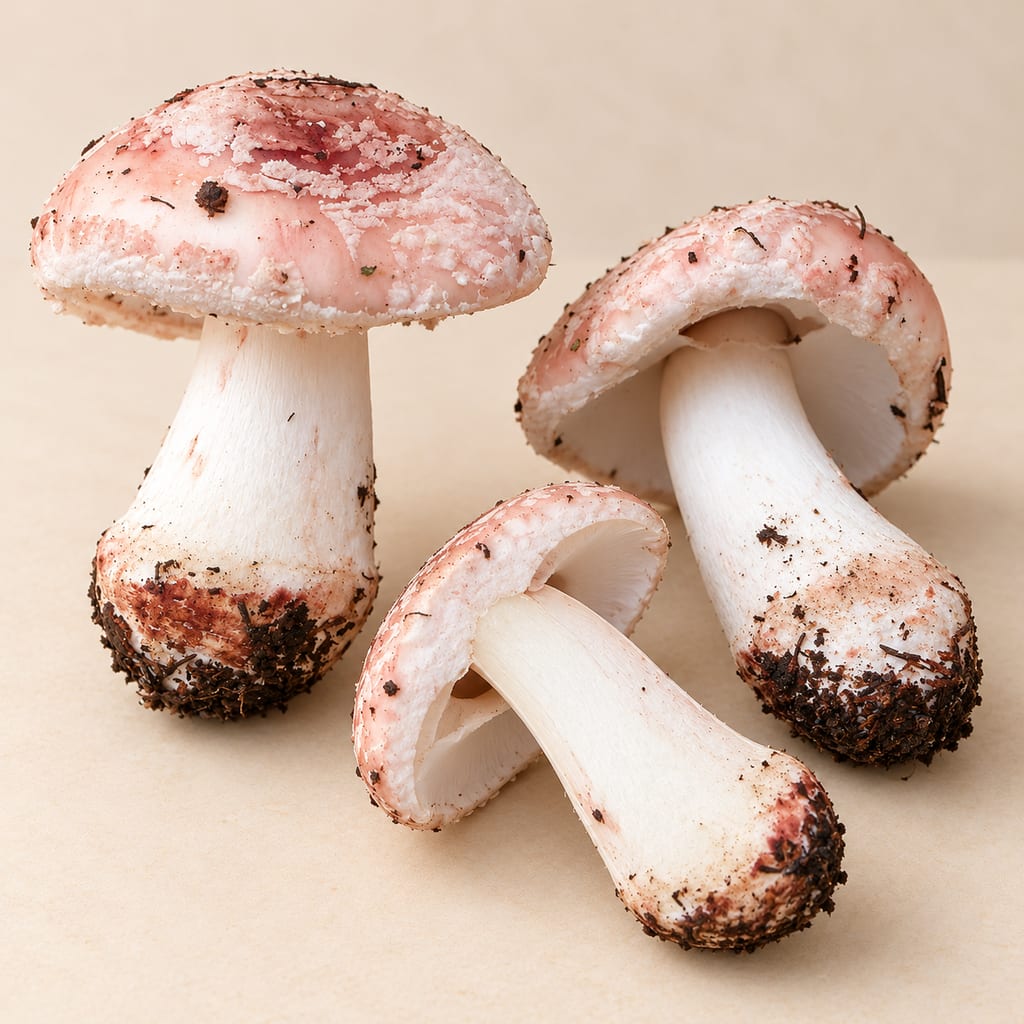
Amanita novinupta is a western North American blusher, a forest mushroom recorded as food in Mexico, and one that must be cooked because its raw flesh is toxic.
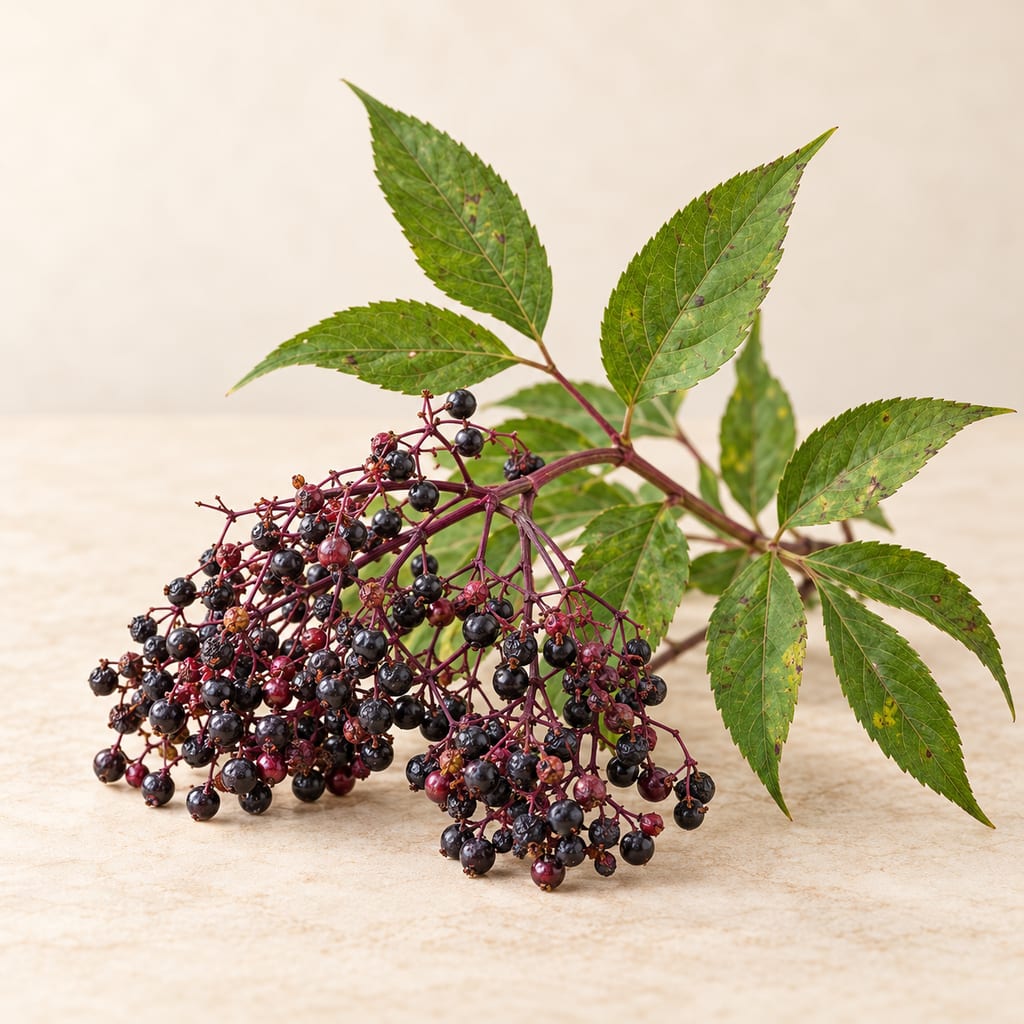
Sambucus canadensis is the accepted name used here for American elderberry. Missouri production guidance and named-cultivar studies give useful regional growing information, while food and analytical sources leave process questions open.
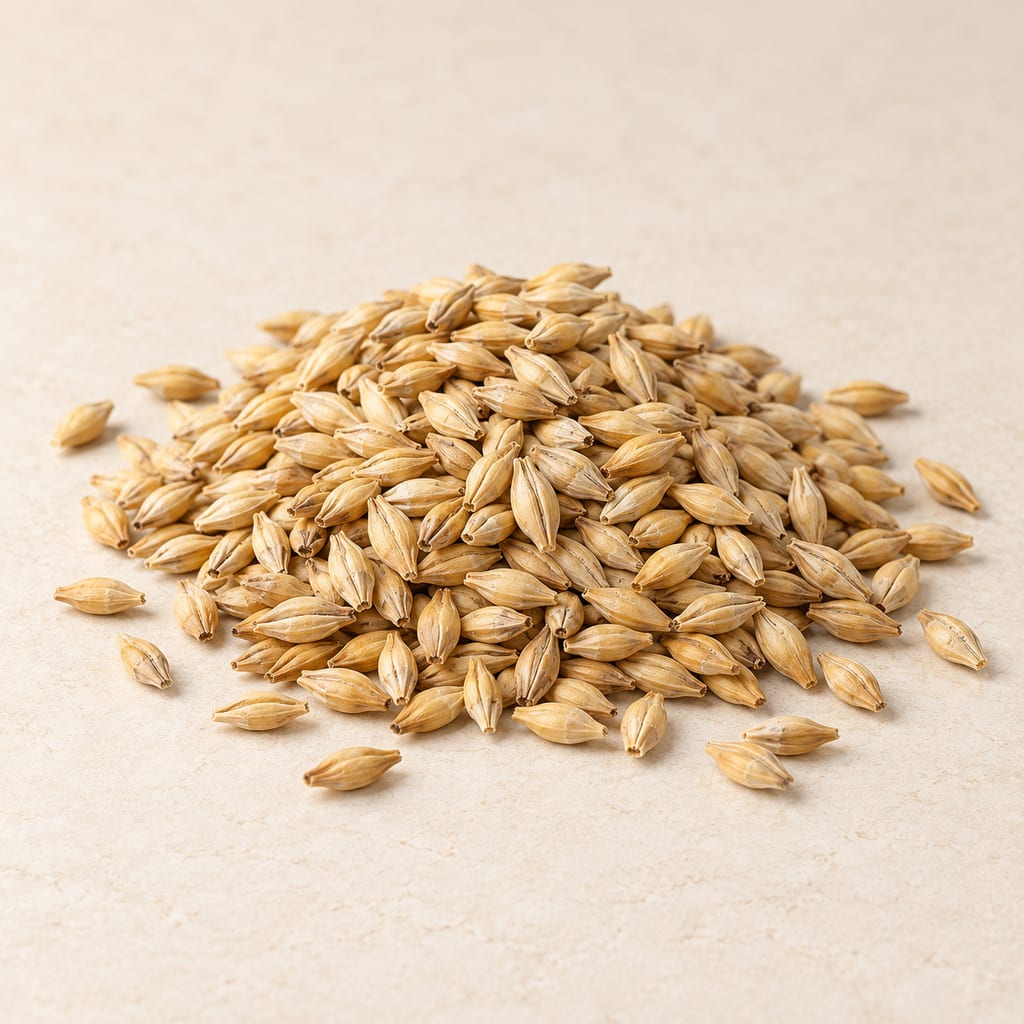
A lightly kilned brewing base made from two-row barley. It supplies starch and enzymes for the mash, with the maltster’s product and lot analysis defining its brewing properties.

Ripe avocado flesh is the soft, buttery, fat-rich pulp of Persea americana, eaten raw. It is low in acid, so it is a fresh ingredient that needs care in chilled dishes.
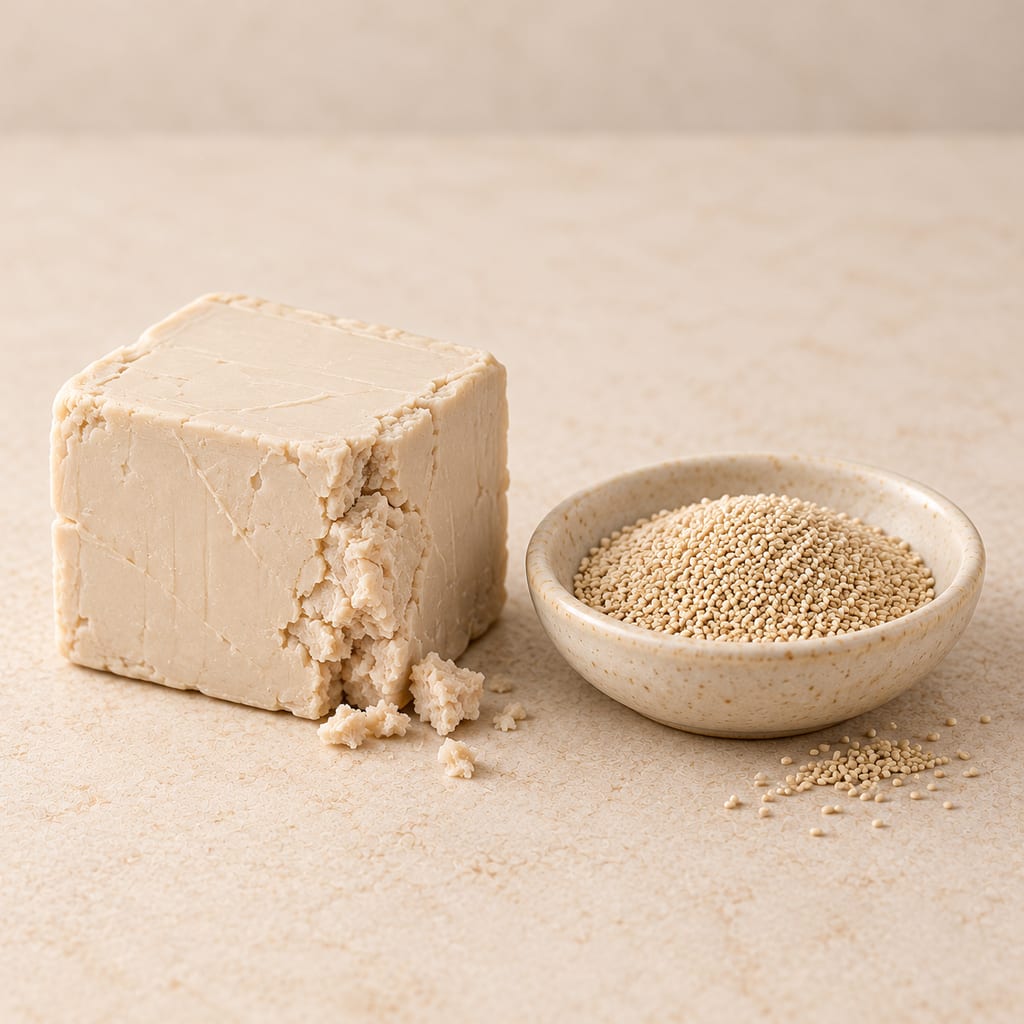
Baker's yeast is a cultivated living leavener, commonly sold fresh or dried. In dough, selected Saccharomyces cerevisiae cells make gas that can raise bread.
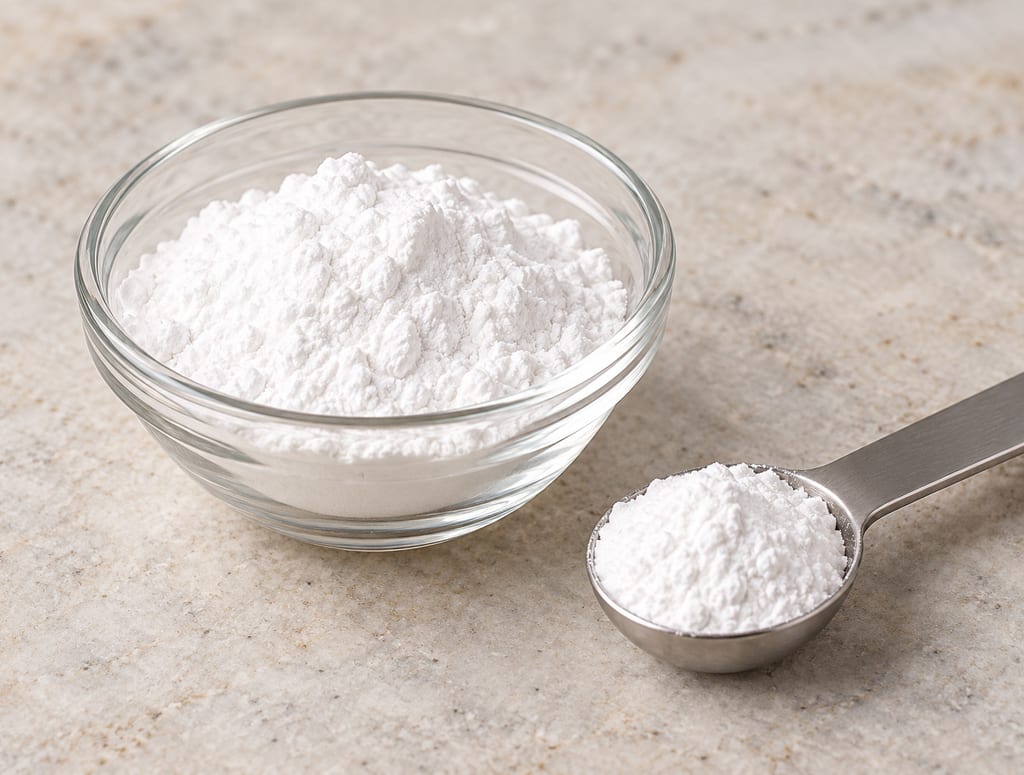
Baking powder is a dry chemical leavener that combines bicarbonate with acid-reacting ingredients and a carrier. Moisture and heat release carbon dioxide for quick breads, batters and griddle cakes.

Soft, spreadable Calabrian pork sausage made with a great deal of red chilli and fatty pork, stuffed into natural casings, sometimes smoked and matured while staying soft.

A way to add independent temperature logging to an existing food dehydrator without changing its built-in controls or protections. It is a monitoring method, not a rewiring plan.

Pleurotus cystidiosus is the abalone mushroom, a cultivated oyster-type fungus with dark brown caps that grows more slowly and is more demanding than other Pleurotus species.

A dark, balanced vinegar from Emilia-Romagna made by combining cooked or concentrated grape must with wine vinegar, then acetifying and refining it in wood under a protected specification.

A living dairy inoculum that starts controlled cream fermentation, developing acidity and aroma before sour cream or cultured butter is finished.

A small electric incubator holds jars at a selected temperature for yogurt and other documented warm food preparations. Controls, capacity and vessel arrangement vary by model.

Adygean salt is a seasoned table salt associated with Adygea and the wider North Caucasian culinary tradition. Salt is blended with garlic and a variable selection of herbs and spices; the exact mix depends on the named style and maker.

The African Caesar-group mushroom, Amanita masasiensis, is a wild ectomycorrhizal species of central and southern African woodlands, eaten locally. The genus contains deadly poisonous species, so identification needs care.
No community contributions have been published for this entry yet.
Sign in to contribute. Published comments and photos are free to read.
Dairy ConnectionIngredient context
NEC-C20G Chevre Starter Culture 1 Dose / CH-3228-DC product description sheetBoth pages personally read. 2023 revision, USA origin; exact listed bacteria and microbial enzyme source; carriers, direct inoculation, freezing/dry/free-flowing storage and 12-month conditional life, 3–5-day transit; allergen table scope is added components. No inferred live mould or certification.
Cited in: A packet that combines two cheesemaking jobs; The declared bacterial blend; Acid development changes the milk environment; A separate route to buttery aroma; The coagulant is an enzyme preparation; Carriers and the direct-set format; Keeping the powder in usable condition; Reading dietary and allergen information precisely
New England Cheesemaking Supply CompanyIngredient context
Chevre (Goat Cheese) RecipeJim Wallace recipe: one packet per US gallon not-ultrapasteurized goat milk, rehydration/distribution, setting, cloth drainage, ongoing acidification. No conflicting duration imported.
Cited in: A packet that combines two cheesemaking jobs; Acid development changes the milk environment; Applying it within the fresh-cheese method
FAOIngredient context
Small-Scale Dairy Farming Manual: Small Scale Cheese MakingGeneral mesophilic starter, lactic acid, casein, enzyme aggregation/calcium, syneresis and starter formats; not proprietary C20G kinetics.
Cited in: Acid development changes the milk environment; The coagulant is an enzyme preparation; Carriers and the direct-set format; Applying it within the fresh-cheese method; Keeping the powder in usable condition
Applied and Environmental Microbiology / ASMIngredient context
Lactococcus lactis as a Cell Factory for High-Level Diacetyl ProductionPersonally read full primary introduction/results text returned by primary-page search extraction; citrate, pyruvate, alpha-acetolactate, oxidative diacetyl route and acetoin alternative. Experimental engineered strains are not C20G, and no experimental values imported.
Cited in: A separate route to buttery aroma
Applied and Environmental Microbiology / ASMIngredient context
Activation of the Diacetyl/Acetoin Pathway in Lactococcus lactis subsp. lactis bv. diacetylactis CRL264 by Acidic GrowthPersonally read returned primary text: pH-dependent citrate pathway in CRL264, not measurement of commercial blend. PDF mirror timed out; no claim of complete PDF read.
Cited in: A separate route to buttery aroma
US Food and Drug AdministrationIngredient context
Raw Milk Questions & AnswersMilk proteins/lactose remain milk components after heat treatment; dairy context of final food.
Cited in: Reading dietary and allergen information precisely