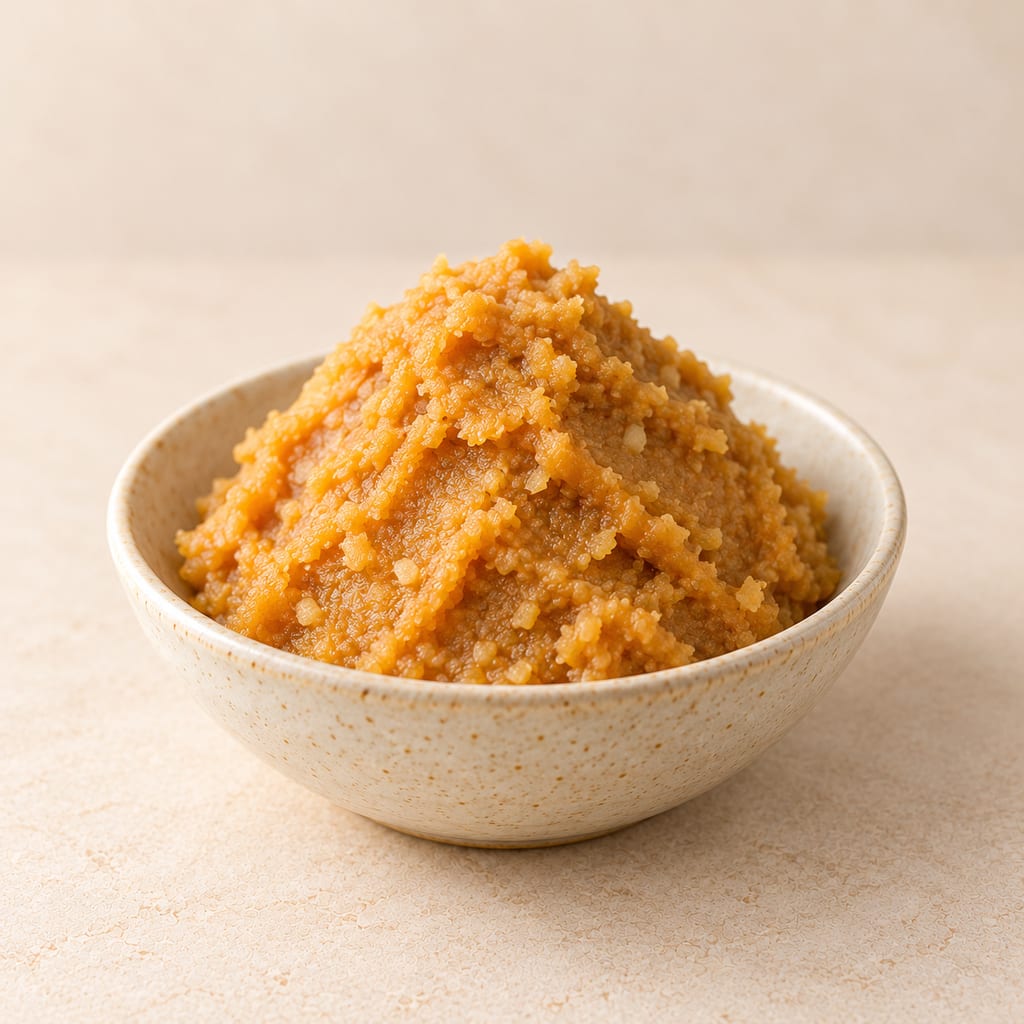
Rice-koji soybean miso
A traditional Japanese fermented paste made by mixing cooked soybeans with rice koji and salt. This guide details the ratio, the long enzymatic breakdown, and the months-long maturation required for depth.
 FermenteaWhere food goes to change
Water
The liquid remaining after boiling or steaming soybeans, often reserved to adjust the moisture content and consistency of the miso mash (moromi) during fermentation.
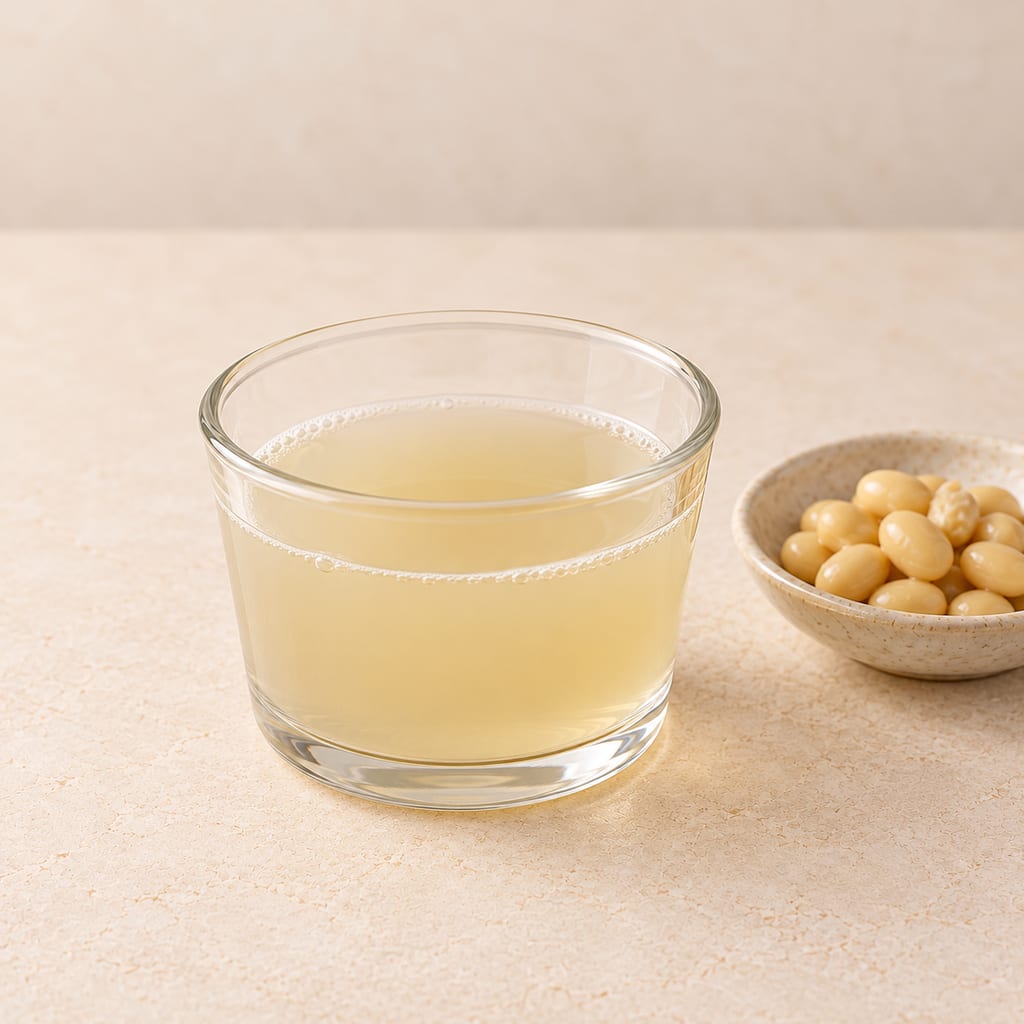
Cooked soybean liquid is the aqueous medium remaining after soybeans have been subjected to heat treatment, typically through boiling or steaming, in the preparation of fermented legume pastes. In the context of miso production, this liquid is distinct from the soaking water used to rehydrate raw beans, although both are byproducts of the bean preparation stage. While many traditional and industrial protocols specify the addition of fresh water or salt water to the mashed soybeans, the practice of reserving the cooking liquid itself is a variable technique. The evidence indicates that standard guidelines for koji and miso production often specify the addition of water, salt, and other ingredients to the mashed soybeans, but do not universally mandate the use of the specific liquid generated during the bean's cooking process.
The origin of using this specific liquid is not explicitly detailed in the primary technical guidelines reviewed. Standard procedures for making miso involve cooking soybeans, cooling them, and then mashing them before mixing with koji and salt. The guidelines note that cooled soybeans may be mashed or chopped, and that salt or salt water is added prior to inoculation. This suggests that while the liquid from cooking is available, its use is not the default or exclusively recommended method in all documented protocols. The distinction between using fresh water and using the bean-derived liquid remains a matter of practical interpretation and regional or household variation, rather than a strictly defined industrial standard in the sources provided. Additionally, the preparation of koji itself, as described in guides for shio koji, involves specific hydration steps for the rice substrate, highlighting that moisture management is a critical, distinct variable in each stage of the fermentation ecosystem, separate from the soybean component.
The composition of cooked soybean liquid is derived from the leaching of soluble compounds from the soybeans during the heating process. Although specific analytical data for this liquid is not provided in the source texts, the general understanding of soybean processing implies that the liquid contains dissolved proteins, carbohydrates, and minerals that have migrated from the bean matrix into the water. Soybeans are rich in proteins and carbohydrates, and the enzymatic activity of the koji mold, specifically Aspergillus oryzae, is designed to break down these components. The liquid itself may contain pre-hydrolyzed peptides or simple sugars resulting from the thermal breakdown of cell structures, though the extent of this hydrolysis during standard cooking is not quantified in the available evidence.
The physical properties of the liquid are influenced by the method of cooking. The sources note that steamed soybeans generally result in more deeply colored miso than boiled soybeans. This difference in color, attributed to factors such as the Maillard reaction, suggests that the chemical environment during steaming versus boiling differs significantly. Boiling likely results in a higher volume of liquid with a different concentration of soluble solids compared to steaming, where the liquid is often retained within the bean or lost to evaporation. The specific nutrient profile of the reserved liquid is not detailed, but its role as a solvent for the salt and a medium for microbial activity is central to its function in the mash. In contrast, the preparation of shio koji relies on the hydration of rice and the subsequent enzymatic breakdown of starches by the mold, indicating that the substrate-specific composition of the liquid medium plays a role in the efficiency of enzymatic action, even if the primary substrate is the solid bean or grain.
In miso fermentation, the primary role of any added liquid is to achieve the correct moisture content and water activity (aw) for the moromi, the fermented mash. The guidelines state that matured miso should have an aw of 0.85 or lower, with finished miso usually having an aw of approximately 0.80. The addition of salt binds water to reduce aw and promotes lactic acid bacteria (LAB) fermentation to reduce pH. Whether the liquid used is fresh water or cooked soybean liquid, its function is to facilitate the mixing of salt, koji, and soybeans into a homogeneous paste that can undergo controlled enzymatic and microbial activity.
The fermentation process involves the breakdown of proteins and carbohydrates by enzymes from the koji starter. Aspergillus oryzae produces proteolytic enzymes that break down soybean proteins into smaller peptides and amino acids, contributing to the umami taste. The liquid medium allows these enzymes to diffuse through the mash and access the substrate. While the sources do not explicitly attribute enhanced enzymatic activity to the use of cooked soybean liquid over fresh water, the presence of soluble substrates in the liquid could theoretically influence the rate or profile of enzymatic digestion. However, the primary control points for safety and quality remain the salt concentration and the water activity, which are adjusted by the total amount of liquid added, regardless of its source. The shio koji guide emphasizes that the balance of salt and moisture is critical for the successful cultivation of the mold on rice, a principle that translates directly to the management of the moromi in miso production.
The texture of the miso mash is determined by the particle size of the soybeans and the amount of liquid added. Guidelines specify that soybeans are mashed using a chopper or a 5 to 6mm mesh. The addition of liquid, whether fresh or cooked, adjusts the viscosity and workability of the moromi. If the liquid contains dissolved solids from the soybeans, it may contribute to a slightly different mouthfeel or viscosity compared to plain water, though this effect is not explicitly documented in the technical guidelines. The consistency of the mash is critical for the proper distribution of koji and salt, ensuring uniform fermentation.
Enzymatic activity is primarily driven by the strain of Aspergillus oryzae used in the koji. The sources note that the enzymatic composition varies depending on the strain, with some producing higher levels of amylolytic enzymes and others higher levels of proteolytic enzymes. The liquid medium serves as the environment for these enzymes to act. There is no evidence in the provided texts that cooked soybean liquid alters the enzymatic profile of the koji or the rate of protein breakdown compared to standard water. The impact on texture is therefore likely mechanical, related to the physical properties of the liquid and the solids it carries, rather than a biochemical modification of the fermentation pathway. The shio koji process, which involves a simpler substrate of rice and salt, demonstrates that the physical state of the substrate and the available moisture are key determinants of the final product's texture and enzymatic efficiency.
Traditional methods of miso production often rely on the natural microflora present in wooden vessels, which contain residual yeasts and lactic acid bacteria. In these contexts, the addition of specific starter cultures for yeast and LAB may not be necessary. The use of cooked soybean liquid could be seen as a way to retain nutrients and flavor compounds that might otherwise be discarded. However, the technical guidelines for modern production emphasize the addition of water, salt, and specific microbial starters (yeast and LAB) to control the fermentation process. The guidelines do not specify the use of cooked soybean liquid as a standard ingredient, suggesting that modern protocols prioritize the control of water activity and microbial load through precise additions of fresh water and salt.
Modern safety guidelines focus on cooling cooked soybeans within 2 hours to below 35°C before inoculation to prevent the growth of undesirable microorganisms. The handling of the cooking liquid is not explicitly covered in these cooling protocols. If the liquid is reserved, it would likely need to be cooled similarly to ensure it does not introduce thermal shock or microbial contamination to the mash. The distinction between traditional and modern usage may lie in the level of control: traditional makers might use the bean liquid for its perceived flavor benefits, while modern producers might prefer fresh water to ensure a consistent and predictable water activity level, which is critical for safety. The shio koji guide similarly emphasizes hygiene and controlled conditions to prevent unwanted microbial growth, reinforcing the importance of managing the liquid medium's quality.
Adjusting the consistency of the moromi is a practical step in miso making. The amount of liquid added is determined by the desired final texture of the miso and the moisture content of the mashed soybeans. The guidelines note that miso varieties are fermented to taste, implying that the maker adjusts the formulation to achieve specific sensory characteristics. If cooked soybean liquid is used, it should be added gradually to reach the target consistency. The parent recipe for Rice-koji soybean miso indicates that approximately 2 cups of cooked soybean liquid are reserved and mixed into the mash for source-described consistency. This suggests a specific quantity is used to achieve a particular texture, though the exact moisture target is not defined by a numerical value in the recipe context.
The addition of salt is integral to adjusting the consistency and safety of the mash. Salt binds water, reducing water activity. Therefore, the total amount of liquid, including any cooked soybean liquid, must be balanced with the salt concentration to achieve the target aw of 0.85 or lower. If the cooked soybean liquid contains dissolved solids, it may affect the salt concentration calculation slightly, as the liquid is not pure water. However, without specific data on the solid content of the liquid, the maker must rely on the overall consistency of the mash and the established salt ratios to ensure safety and quality. In shio koji preparation, the ratio of salt to rice and the hydration level are strictly controlled to ensure the mold can thrive without spoilage, a balance that mirrors the critical adjustments made in miso moromi.
One potential issue with using cooked soybean liquid is the variability in its composition. Unlike fresh water, the liquid from boiling soybeans can vary in concentration depending on the cooking time, the ratio of beans to water, and the specific variety of soybean. This variability could lead to inconsistencies in the final product's texture or flavor. If the liquid is too concentrated with solids, it might alter the water activity more than expected, potentially affecting the fermentation rate or the growth of desired microorganisms. Conversely, if it is too dilute, it may not contribute significantly to the flavor profile.
Another consideration is the microbial safety of the reserved liquid. If the liquid is not handled properly after cooking, it could become a medium for spoilage organisms. The guidelines emphasize cooling cooked ingredients quickly and maintaining hygiene. If the cooked soybean liquid is stored for any period before use, it should be refrigerated to prevent microbial growth. The use of fresh, sterile water eliminates this risk. Troubleshooting issues related to the use of this liquid would involve checking the consistency of the mash and the final pH and aw of the miso to ensure they fall within safe limits. If the miso is too wet or too dry, the amount of liquid added in subsequent batches should be adjusted. The shio koji guide notes that improper moisture levels can lead to mold failure or spoilage, indicating that precise liquid management is a universal challenge in koji-based fermentations.
While the primary context for cooked soybean liquid in this record is its use in miso production, the liquid itself is a byproduct of cooking soybeans, which are used in various culinary applications. The liquid from boiling soybeans is often discarded, but in some culinary traditions, it may be used as a base for soups or stews, similar to how bean cooking water is used in other legume dishes. However, the specific use of this liquid in the context of fermented foods like miso is distinct from its use in immediate cooking. The flavor profile of the liquid, which may contain bitter compounds or specific soybean aromas, might not be desirable in all culinary contexts, but in miso, these compounds are transformed during fermentation.
The use of soybean miso, made with or without the addition of cooked soybean liquid, extends to other preparations such as misozuke pickles. These pickles are made by burying vegetables in soybean miso, which is sweeter and less salty than standard Japanese salt pickles. The quality of the miso, including its texture and flavor, which can be influenced by the ingredients used in its production, affects the final quality of these pickles. Thus, the careful management of the miso mash, including the choice of liquid, contributes to the broader culinary utility of the finished product. Shio koji itself is often used as a marinade or seasoning, demonstrating how the enzymatic products of koji fermentation can be applied broadly in cuisine, influenced by the initial substrate and moisture conditions.
Soy
Miso production, including the use of soybeans and koji, is traditionally associated with Japan.
A traditional Japanese fermented paste made by mixing cooked soybeans with rice koji and salt. This guide details the ratio, the long enzymatic breakdown, and the months-long maturation required for depth.

A gelling polysaccharide extracted from red seaweeds, sold as kanten strips or powder; it sets firm at a low concentration and stays solid until about 85 °C.
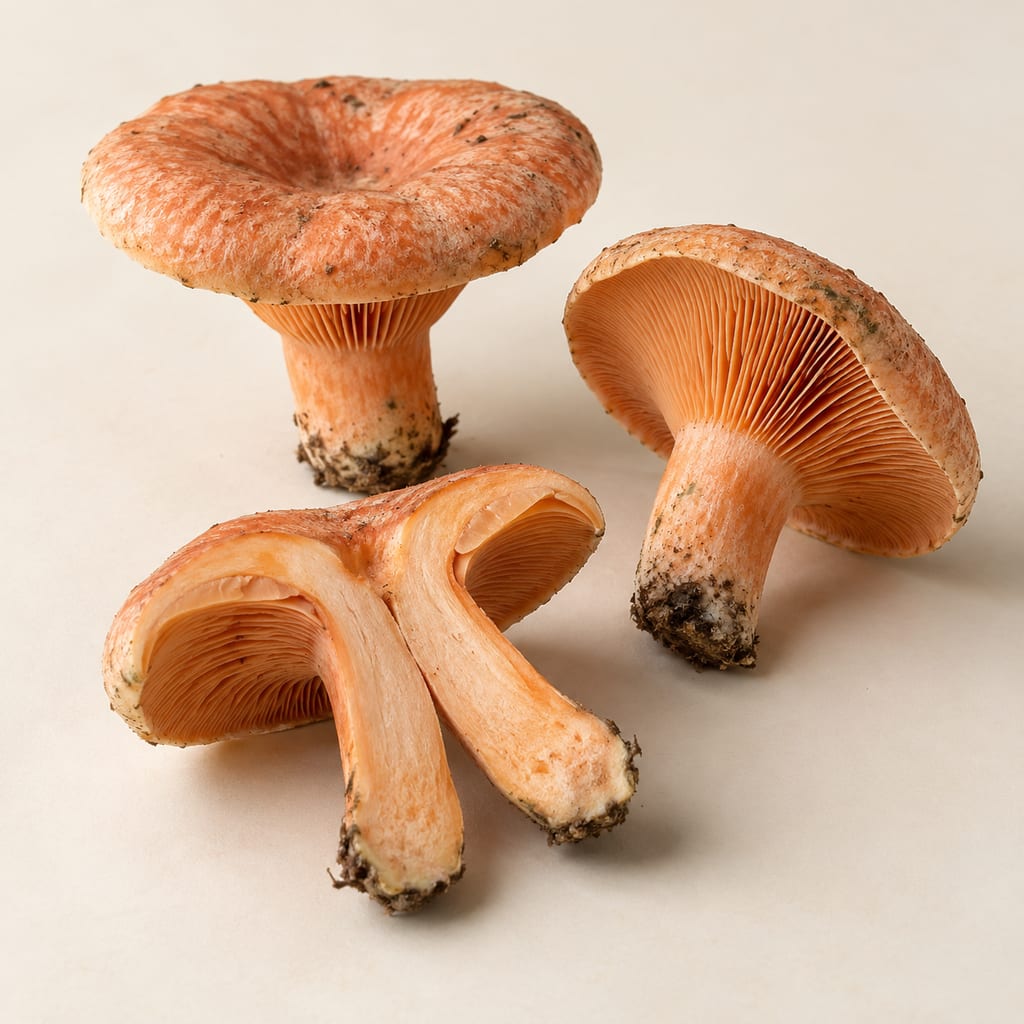
Akahatsu, Lactarius akahatsu, is a wild milkcap of East Asian pine and mixed forests that is sold in Yunnan markets, with its edibility and identity still needing species-level review.

The almond mushroom, Agaricus subrufescens, was cultivated in eastern North America in the 1800s, lost its market, and returned as a cultivated mushroom from Brazil, where it is grown under several names.
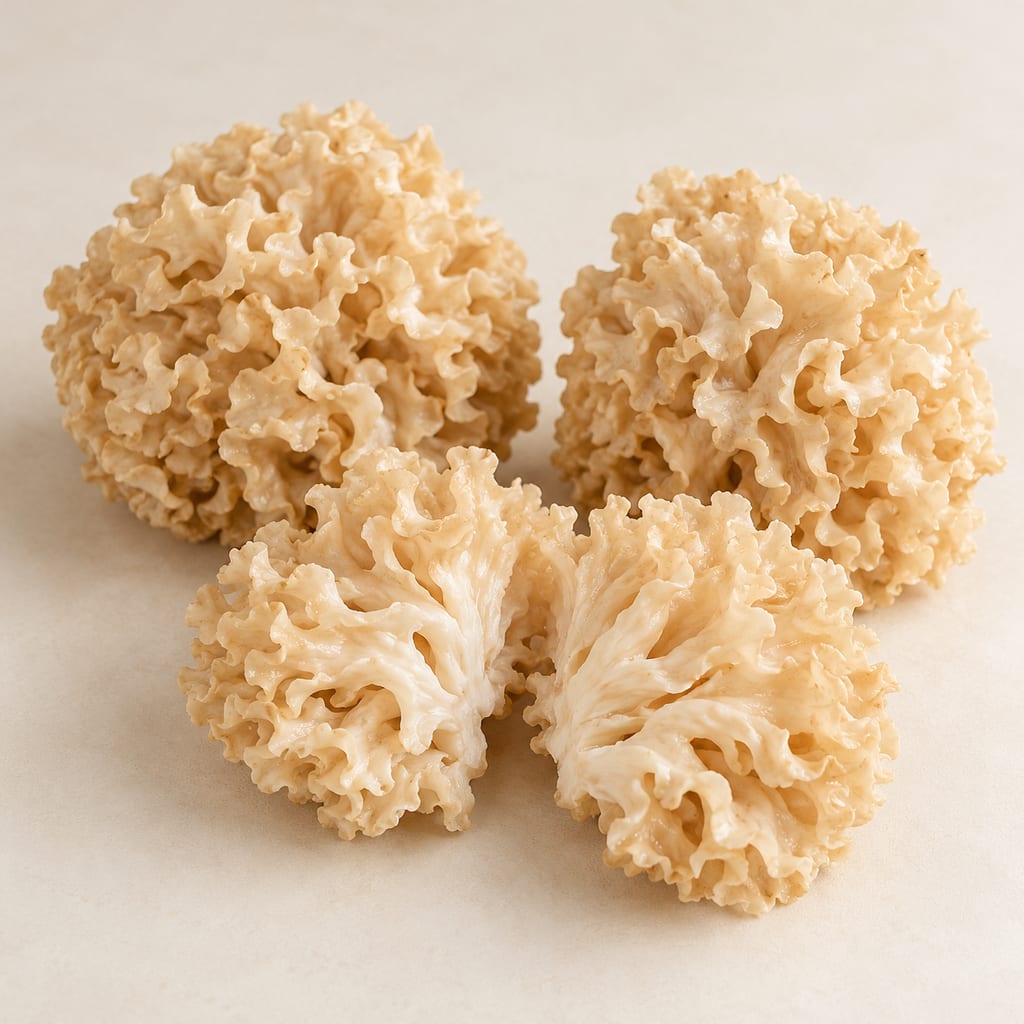
The Asian cauliflower mushroom, Sparassis latifolia, is a cultivated fungus with a frilled, fronded form that is eaten in China, Japan and Korea. Many Asian records under the name Sparassis crispa refer to this species.
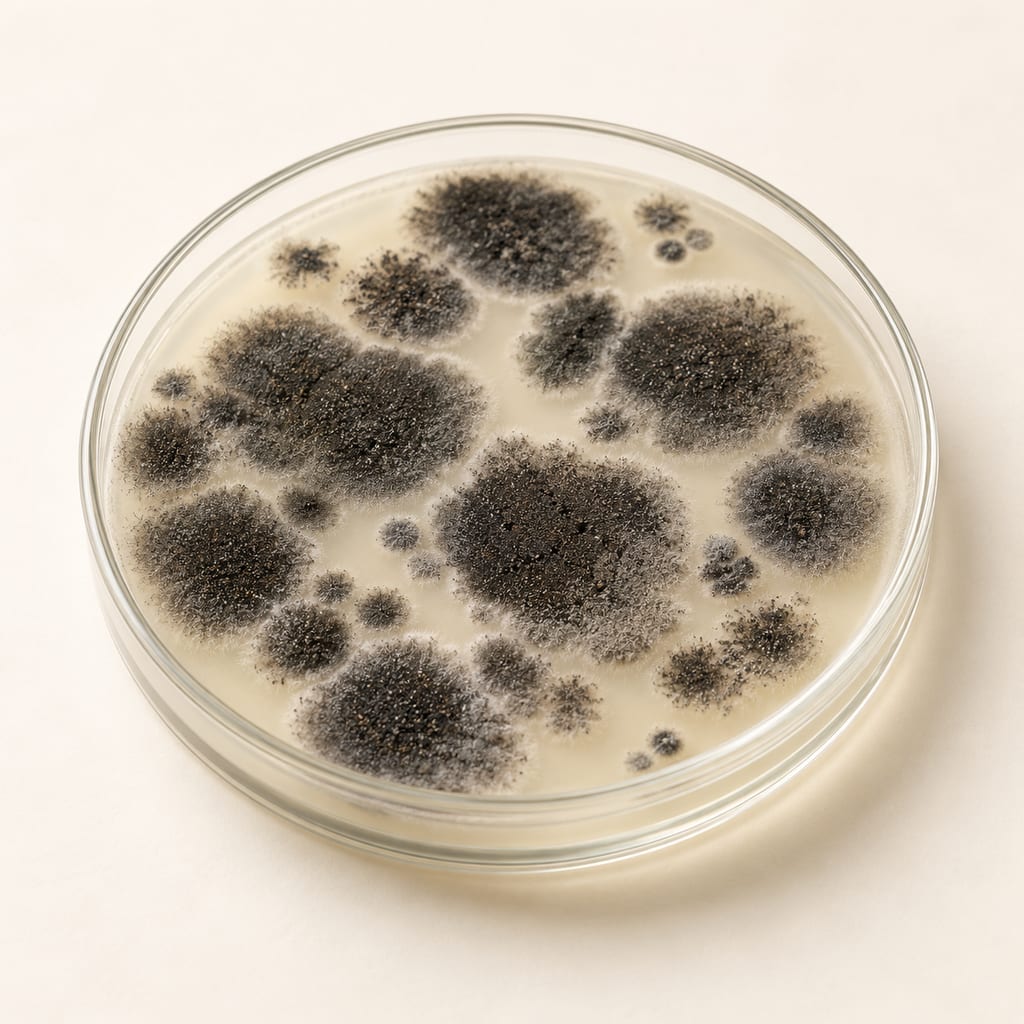
Aspergillus luchuensis is the black koji mould used in Japanese shochu and awamori, valued for the citric acid it makes alongside the starch-converting enzymes of koji.
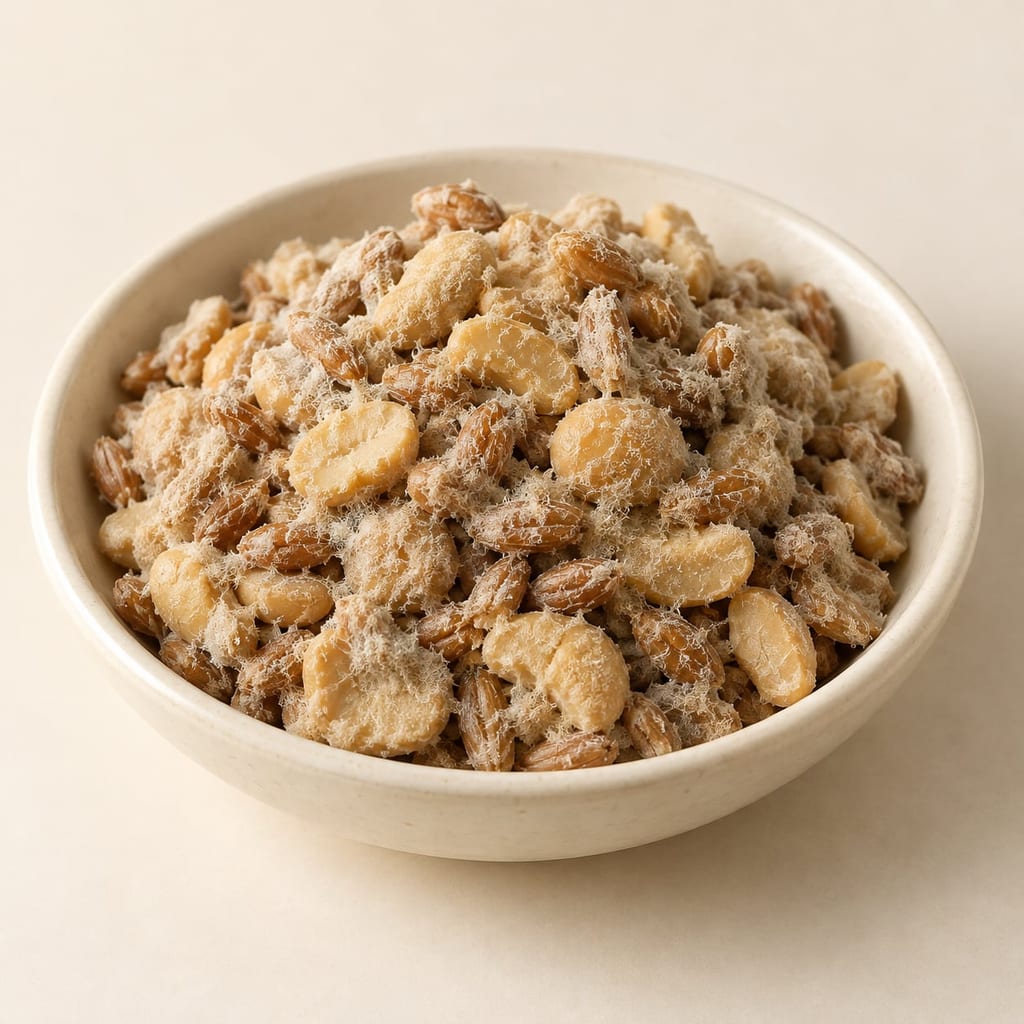
Aspergillus sojae is a koji mould of the Aspergillus flavus group, closely related to A. oryzae, used as a starter in soybean fermentations such as Korean meju, doenjang and ganjang.
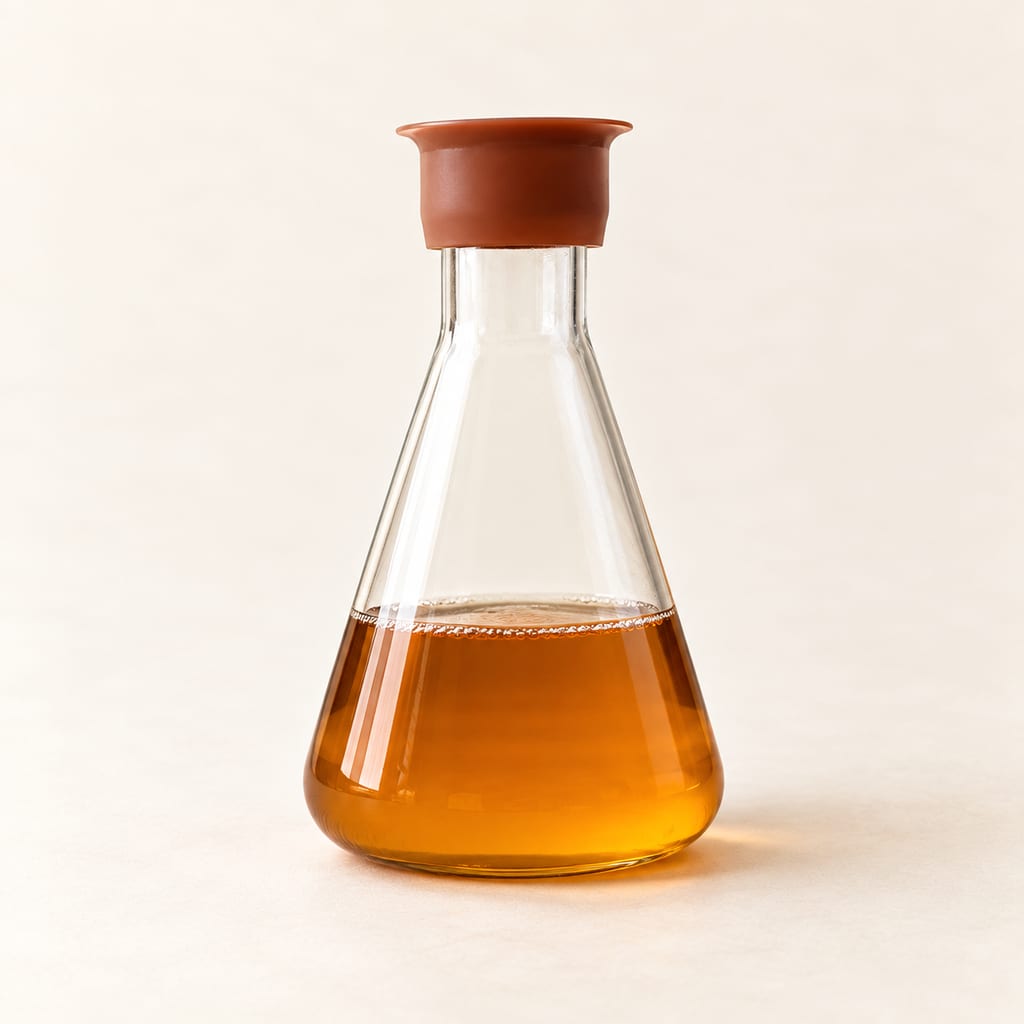
Awamori yeast ferments sugar released from rice koji in the Okinawan spirit’s mash. Sakimoto names the ingredient but gives no strain, form, supplier or dose.
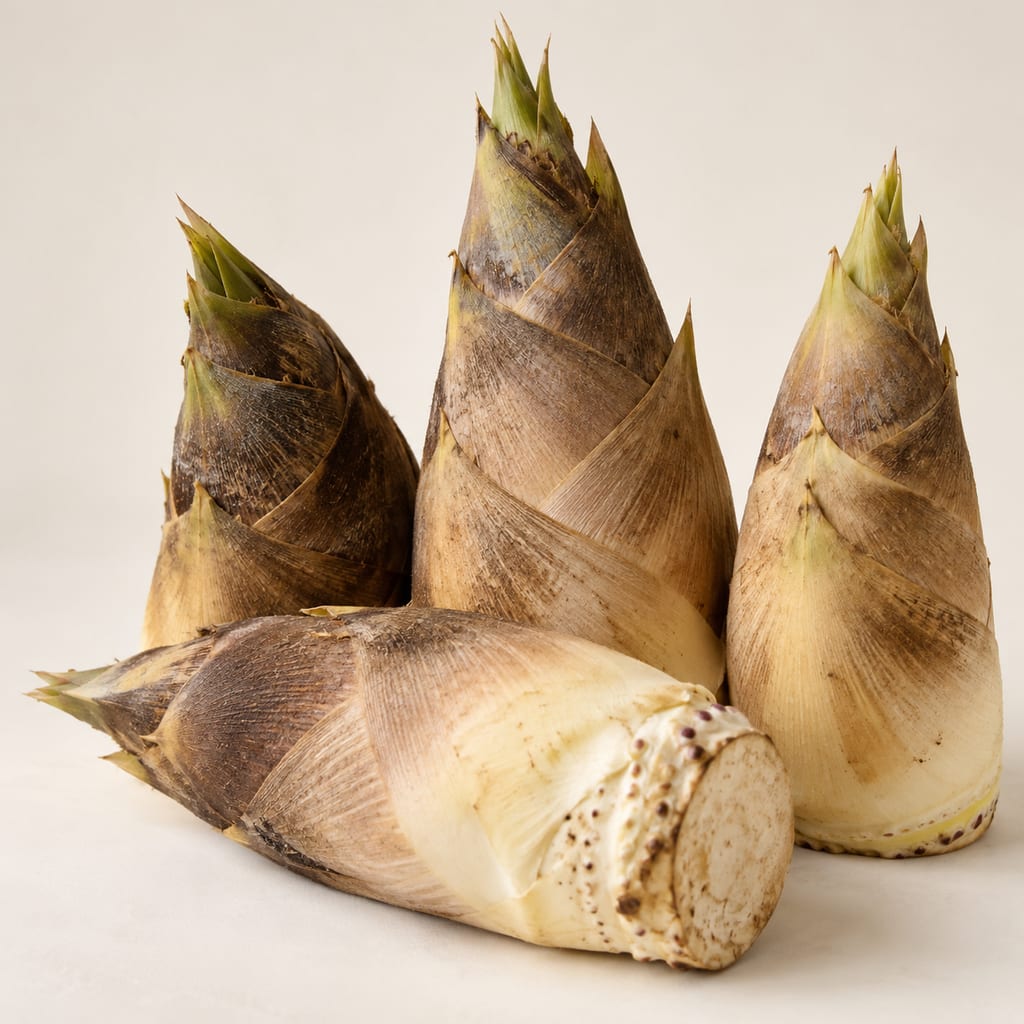
Bamboo shoots are the young culms of many bamboo species, eaten after boiling or leaching in Asia, and fermented into sour and preserved foods in the Himalayas, northeast India and Burma.
No community contributions have been published for this entry yet.
Sign in to contribute. Published comments and photos are free to read.
en.wikipedia.org
Miso - WikipediaCited in: Definition and Origin; Composition of the Liquid; Role in Miso Fermentation; Impact on Texture and Enzymatic Activity; Traditional vs. Modern Usage Guidelines; Adjusting Consistency in the Mash; Common Issues and Troubleshooting; Culinary Applications Beyond Miso
kojihouse.co
What is Shio Koji? The Complete Guide to Making Shio Koji at Home – Koji HouseCited in: Definition and Origin; Composition of the Liquid; Role in Miso Fermentation; Impact on Texture and Enzymatic Activity; Traditional vs. Modern Usage Guidelines; Adjusting Consistency in the Mash; Common Issues and Troubleshooting; Culinary Applications Beyond Miso
bccdc.ca
bccdc.caCited in: Definition and Origin; Composition of the Liquid; Role in Miso Fermentation; Impact on Texture and Enzymatic Activity; Traditional vs. Modern Usage Guidelines; Adjusting Consistency in the Mash; Common Issues and Troubleshooting