
Akahatsu
Akahatsu, Lactarius akahatsu, is a wild milkcap of East Asian pine and mixed forests that is sold in Yunnan markets, with its edibility and identity still needing species-level review.
 FermenteaWhere food goes to change
Mushrooms
Cantharellus phloginus is a pink-capped chanterelle of southern and central China, named in 2016. China's 2026 catalogue lists it as edible, and it is sold in Yunnan markets. Its name is disputed, and colour alone does not identify it.
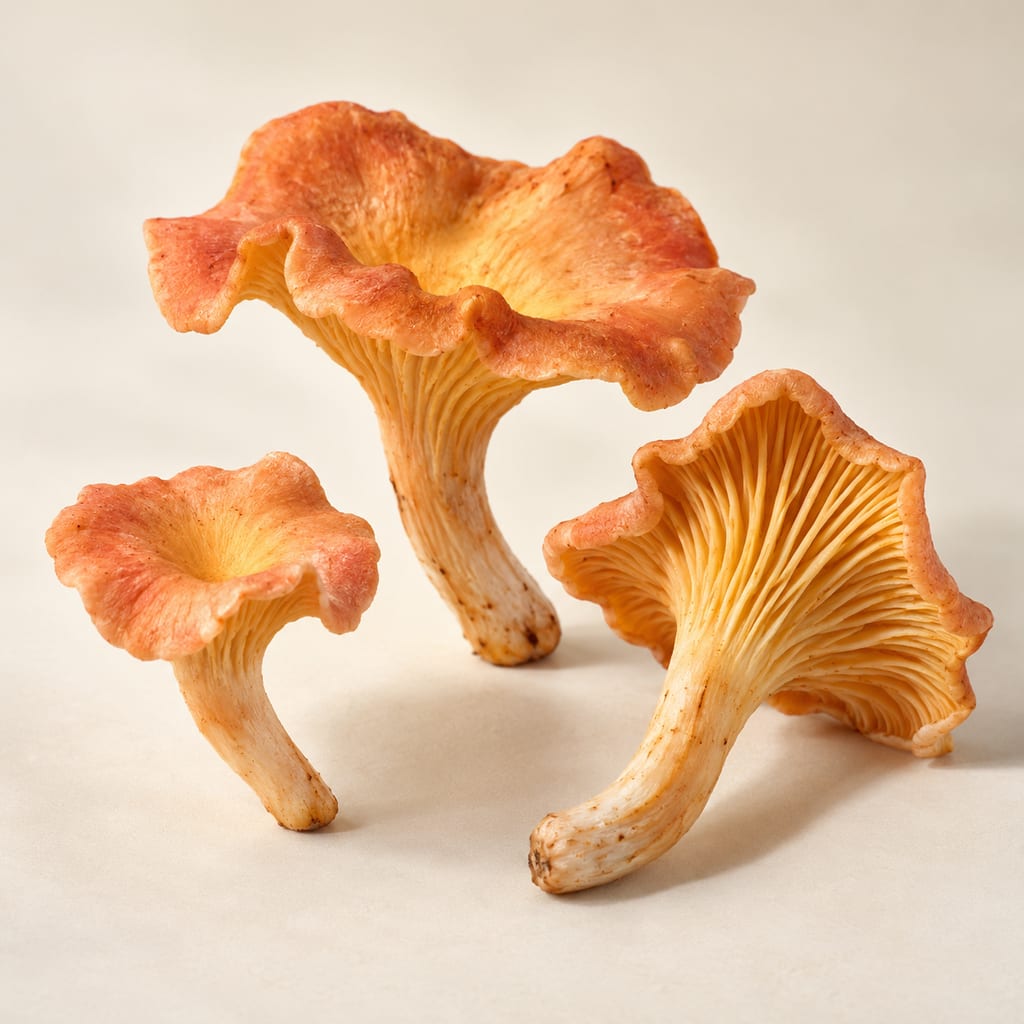
Cantharellus phloginus has a fleshy cap that is pink to red-pink, with a pink-tinged stem. Underneath, its ridges are yellow-orange, decurrent, branched and interconnected. In the original account the fruit bodies are 18 to 58 millimetres across. The name refers to the pink colour, and the species is one of several pink-capped chanterelles in China.
A 2025 monograph treats Cantharellus albovenosus, described from Korea in 2017, as a later synonym of C. phloginus. Wang and colleagues argued that albovenosus is a white-gilled form of phloginus and that the earlier genetic difference did not hold once sampling widened. The synonymy is recent and the name backbones disagree, so the accepted name should be checked before it is used in a record.
The 2016 description places the species in tropical and subtropical Yunnan, with collections under Pinus and Castanopsis at about 523 to 1,773 metres. Later records come from Jiangsu, Anhui, Zhejiang and Hubei, and a 2026 paper reports it from the Dabie Mountains in central China. Those later records differ in strength and context. Some are taxonomic vouchers and others are market material.
Collection dates in the cited material fall between June and September, including August collections in Yunnan and late August in Anhui. These are summer-to-early-autumn records in several regions. They do not establish a fixed season, and no monthly pattern should be mapped to all of China.
The 2026 Chinese catalogue of edible and medicinal fungi lists the species as edible. Wang and colleagues document specimens sold in a Xishuangbanna market, and the 2025 monograph cites further market material. This supports a classification as edible and a market presence. The sources reviewed give no species-specific recipe, preparation method, storage advice or toxicological assessment, and no fermentation role.
Pink chanterelles can be hard to separate from related species. Colour is a field clue only, and this entry does not encourage harvesting or identifying wild mushrooms from photographs. Only correctly identified, professionally sourced material should be considered for food.
Type locality; a 2019 market voucher is also recorded from Puer.
Market sale documented in a 2023 paper.
Voucher records; no food use reported for these sites.
Occurrence reported in a 2026 regional study.
Akahatsu, Lactarius akahatsu, is a wild milkcap of East Asian pine and mixed forests that is sold in Yunnan markets, with its edibility and identity still needing species-level review.
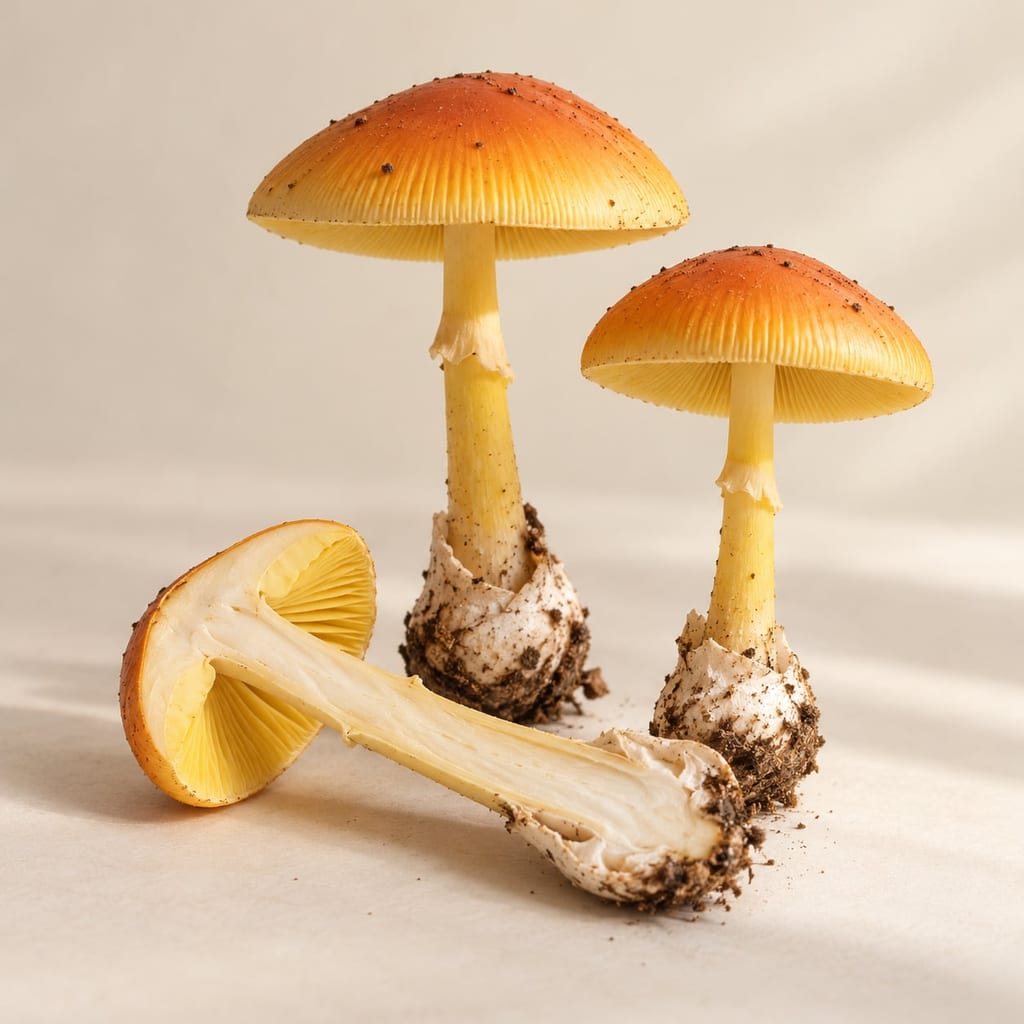
A wild Amanita of China, first reported there and listed as edible in a Yunnan ethnomycology study. The genus contains deadly species, so this page does not support identifying or eating it.
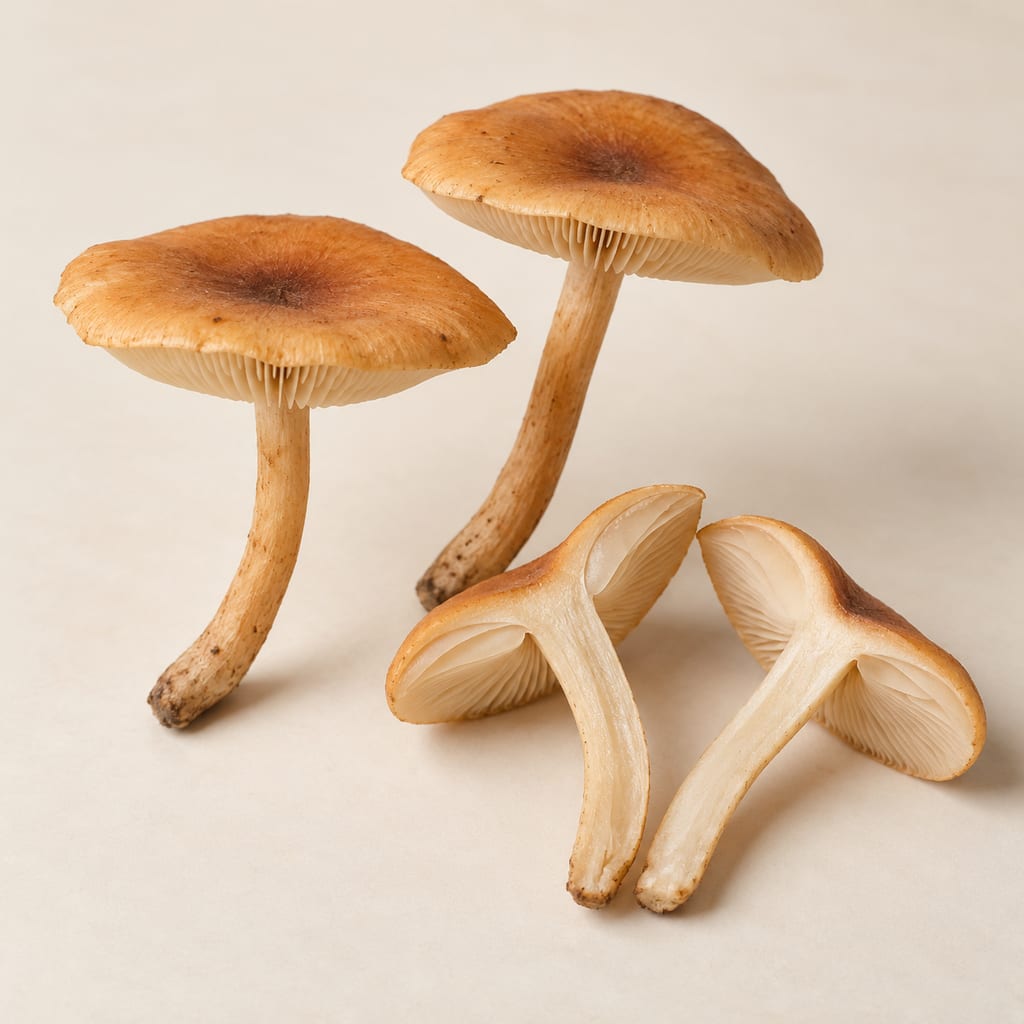
A wood-associated Armillaria recorded in Yunnan and Sichuan, China, and listed as edible in a 2026 Chinese catalogue.
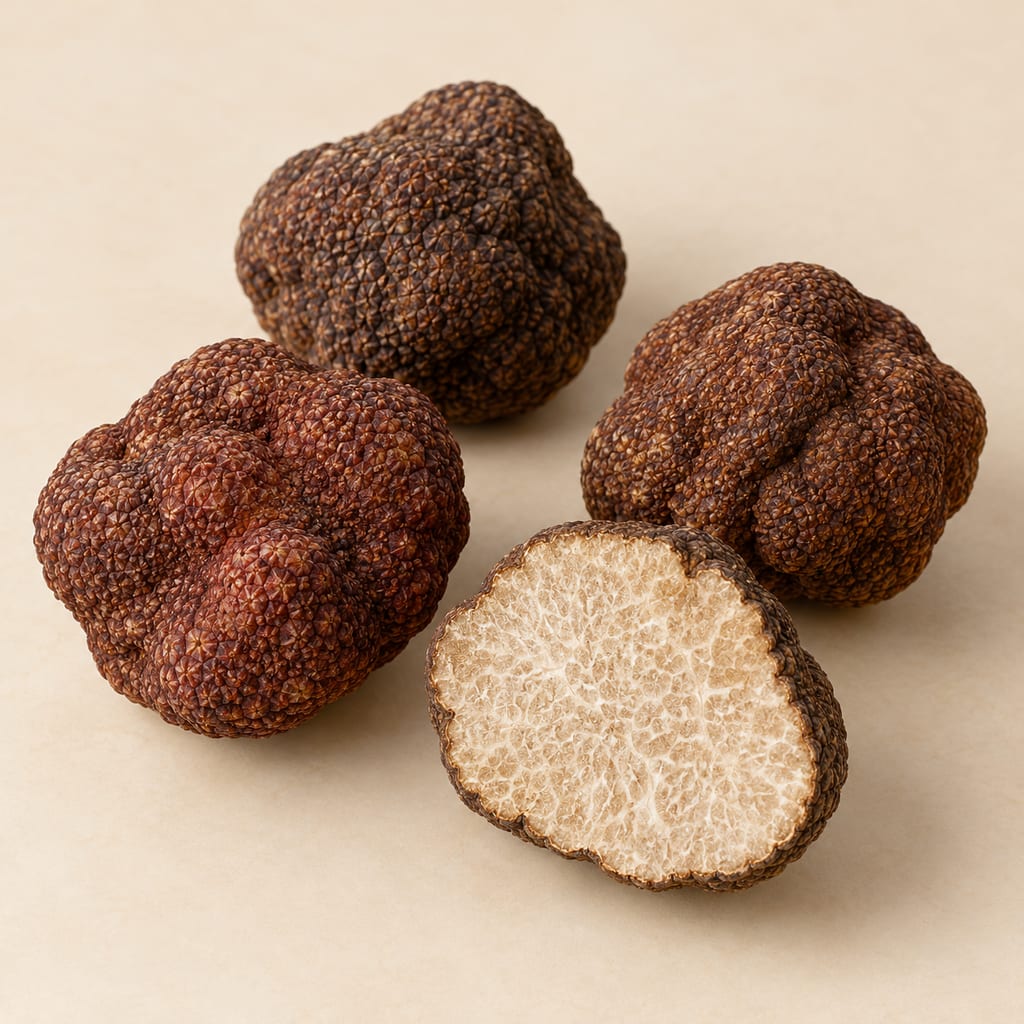
Tuber pseudohimalayense is a wild black truffle from Yunnan, China, listed as edible in a Chinese species catalogue. No independent assessment of its culinary use or safety is available.
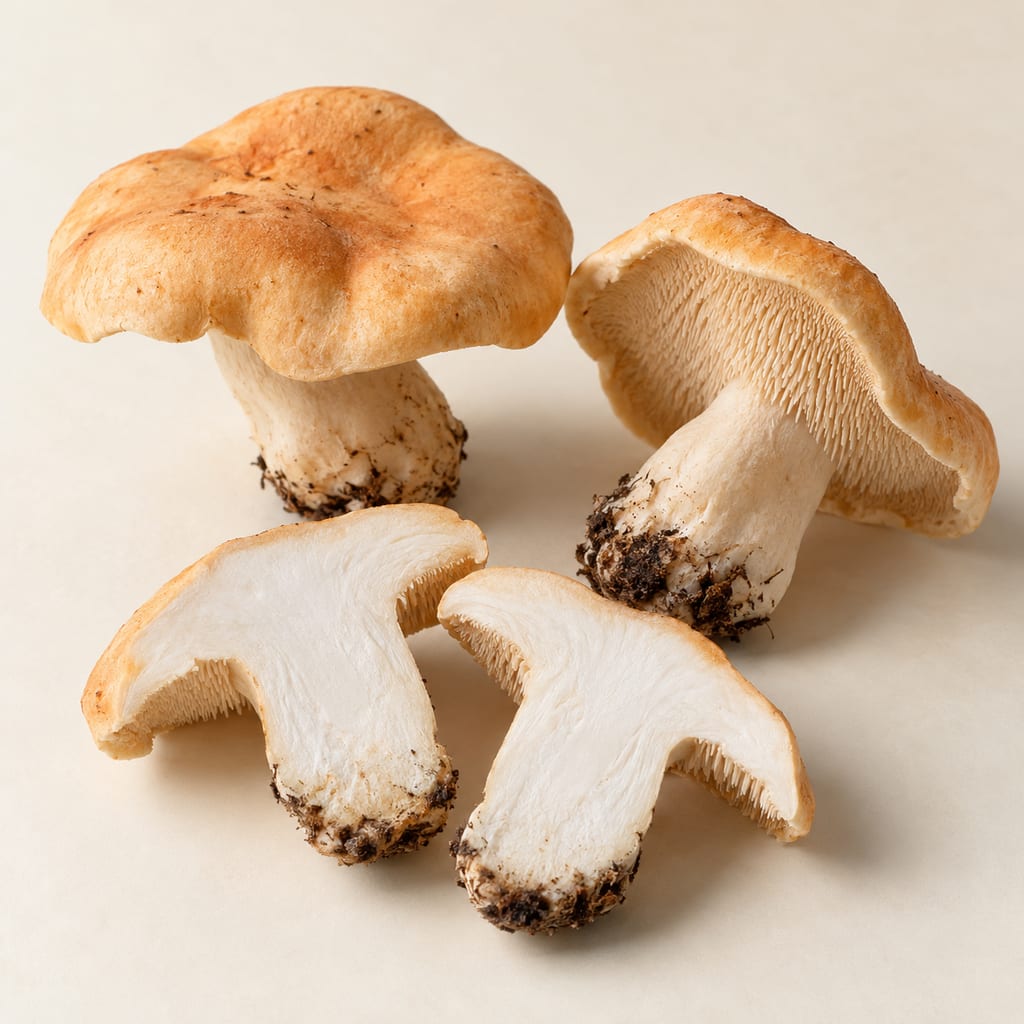
Hydnum berkeleyanum is a toothed, ectomycorrhizal forest fungus sold in food markets in Yunnan, China. Its regional identification is published, but its current name and local safety still need species-level review.
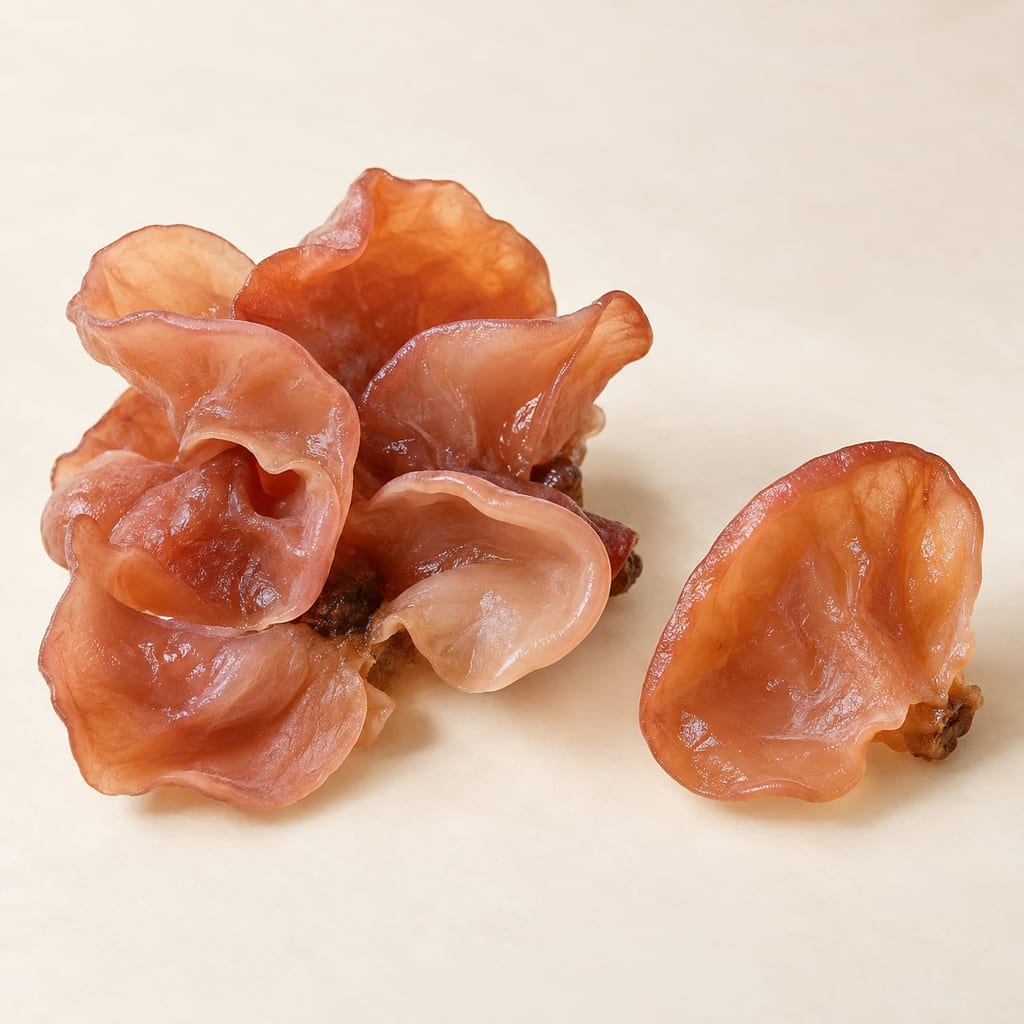
Auricularia thailandica is a thin, gelatinous wood ear described from Southeast Asian collections. Research reports it edible and experimentally cultivable, but species-specific recipes and everyday handling guidance are scarce.
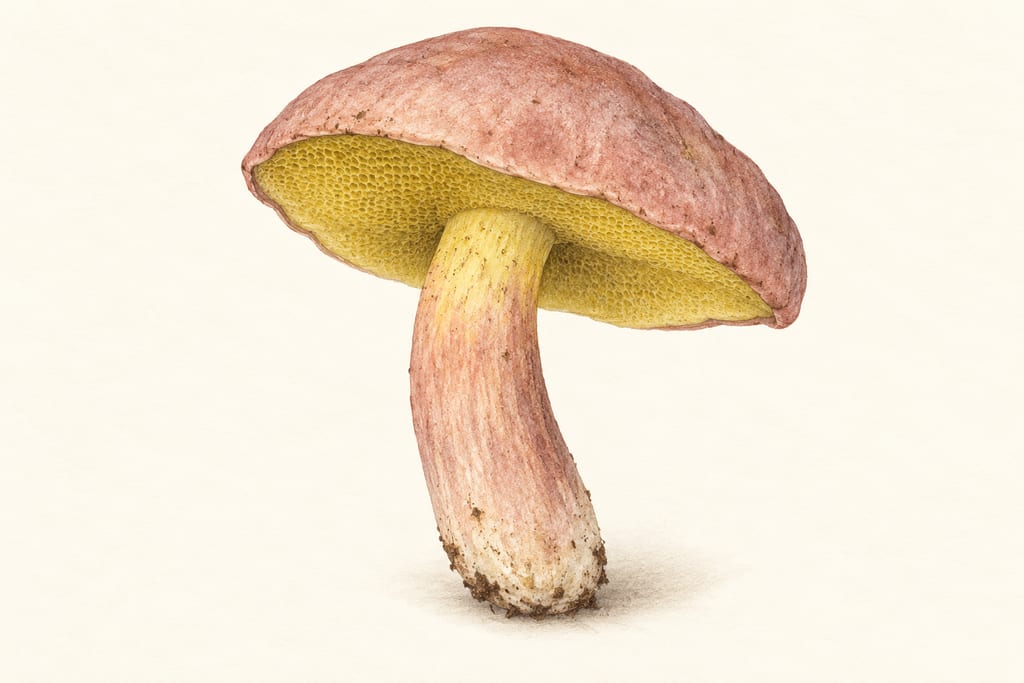
A 2023 Chinese taxonomic treatment accepts Boletellus indistinctus as a species. A separate Yunnan market record uses this name, but its specimen identification and local food safety have not been confirmed here.
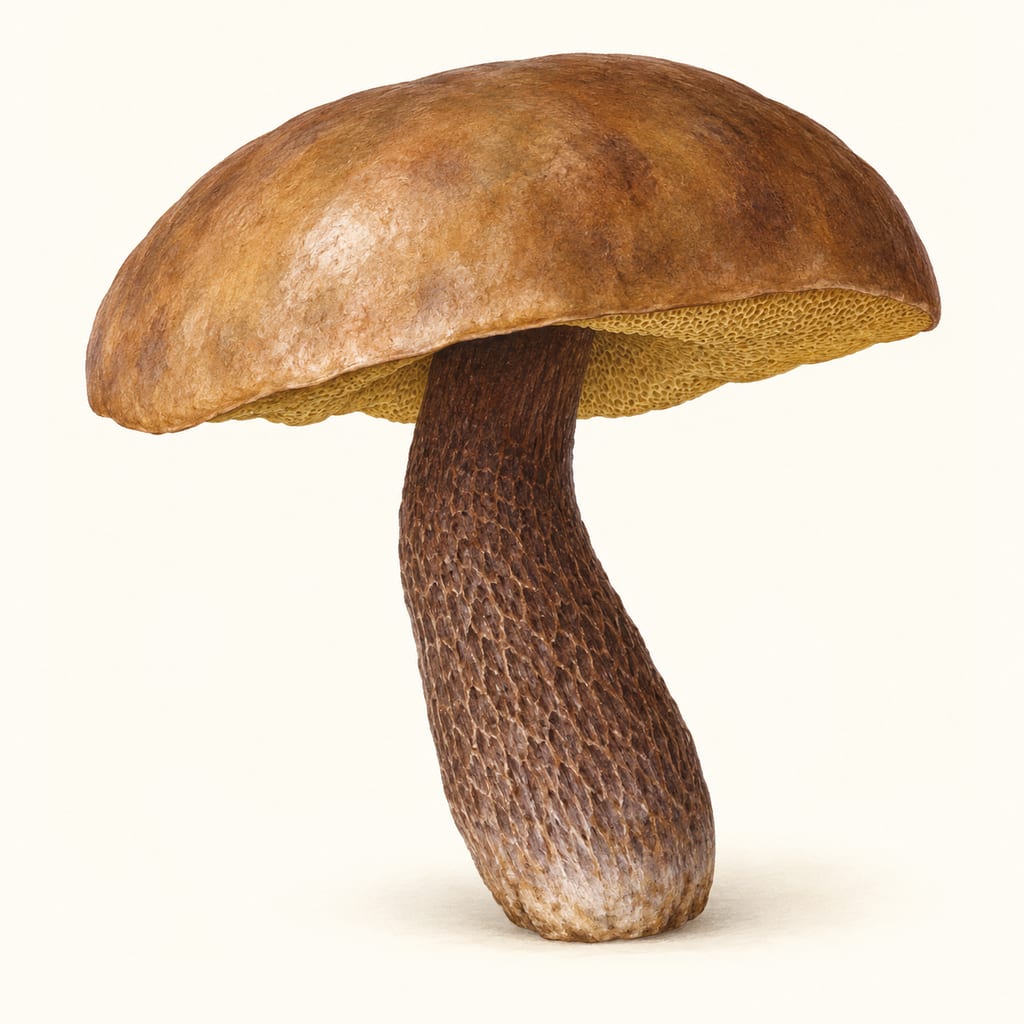
Boletus botryoides, the grape-coloured bolete, is a porcini-like wild bolete of central and south-western China. It is listed as edible in Chinese catalogues, but no dish or preparation is documented for it.
No community contributions have been published for this entry yet.
Sign in to contribute. Published comments and photos are free to read.
MycoscienceTaxonomy · Description · Habitat
Cantharellus phloginus, a new pink-colored species from southwestern ChinaType HKAS 58208 from Puer, 26 August 2009; pink cap; 18 to 58 mm; Pinus and Castanopsis
Cited in: Overview; Habitat and range
MycosphereTaxonomy · Food use
Finding correct names for economically important chanterelles in southwestern ChinaC. albovenosus as a white-gilled form of C. phloginus; market specimens in Xishuangbanna
Cited in: Overview; Food status
MycosphereTaxonomy · Distribution
Species diversity, taxonomy, distribution and multi-gene phylogeny of chanterelles in ChinaAccepted synonymy; voucher localities in Jiangsu, Anhui and Zhejiang
Cited in: Overview; Habitat and range
MycosystemaFood status
Species cataloging of edible and medicinal fungi in ChinaEntry 923 lists C. phloginus as edible
Cited in: Food status
MycoKeysDistribution
Two new species and one new provincial record of Cantharellus from the Dabie Mountains, ChinaReported occurrence in the Dabie Mountains
Cited in: Habitat and range