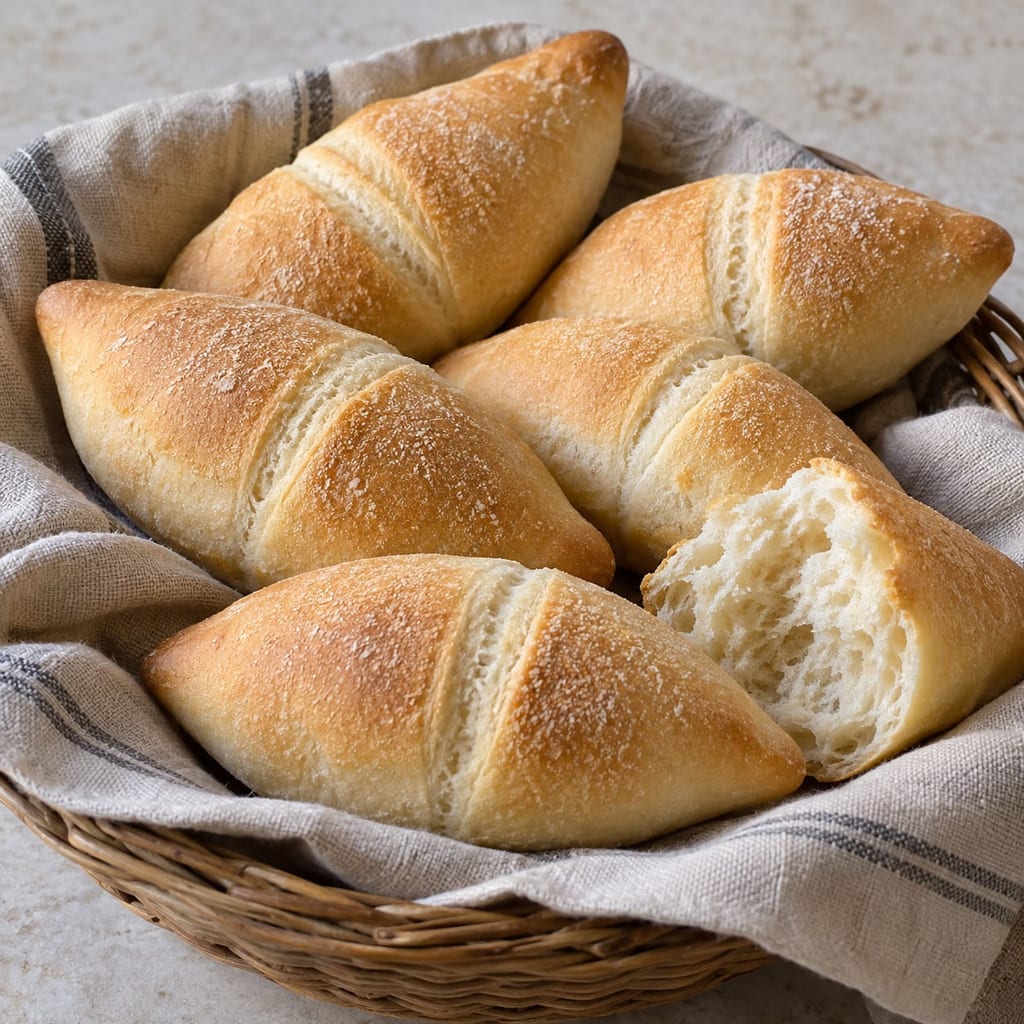
Surinamese puntjes
Pointed, yeast-raised Surinamese rolls with a light crumb and a thin crust, shaped with a pressed seam and baked with a semolina coating.
 FermenteaWhere food goes to change
Dhalpuri · Indo-Surinamese roti
Soft Surinamese dhalpuri filled with seasoned yellow split peas, rolled into thin rounds and cooked on a tawa or skillet.
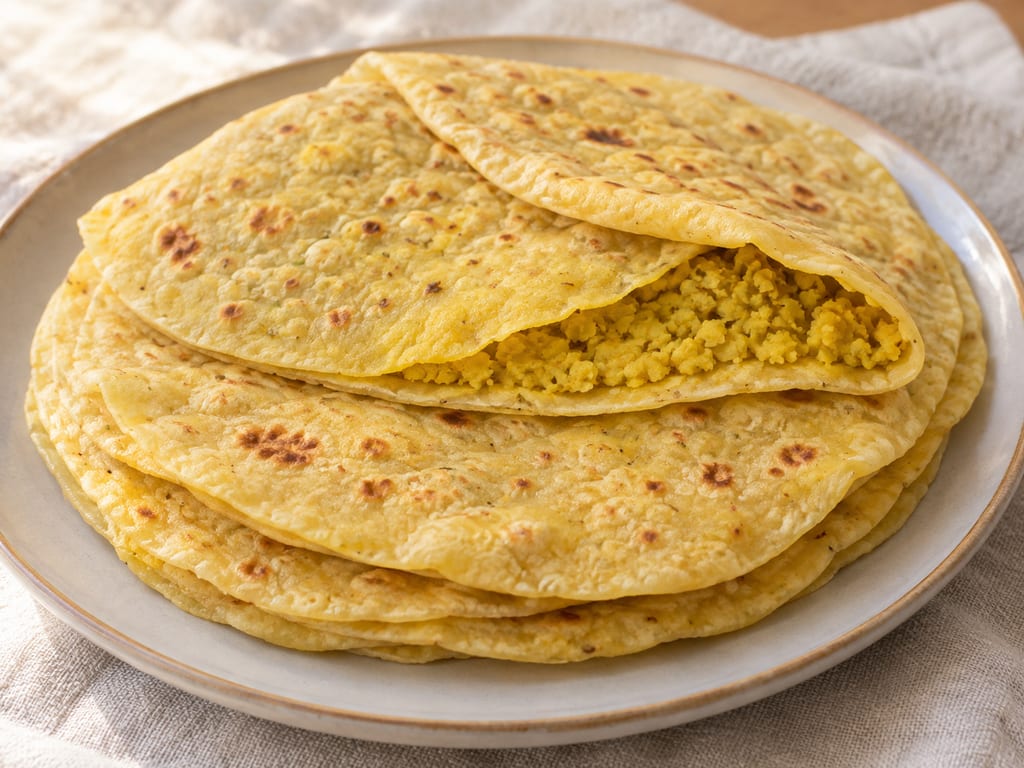
Roti is part of Hindustani foodways in Suriname. The Surinaams Museum records that migrants from northern India brought roti and other foods with them. A Paramaribo food guide describes a local version that is softer and larger than chapati and usually carries ground yellow split peas inside the dough.
This recipe follows Tante Farida's measured home method for Surinamese dhalpuri. Dhalpuri is one roti form; plain roti and layered paratha-style breads are distinct preparations. The atlas lead uses the broader Indo-Surinamese name, while this page documents one specific filled and chemically leavened method.
The Surinaams Museum records that Hindustani migrants brought roti and other foods to Suriname. A Paramaribo food guide describes the local form as larger and softer than chapati and commonly filled with ground yellow split peas. This page follows one measured home method; it is not a universal formula.
Yield 8 roti · Scaling: source batch only
Uncooked flour can carry germs; do not taste raw dough.
Hazard sourceCook each roti through before eating, do not taste raw dough, and wash hands, bowls, utensils and counters after handling flour or dough.
Control sourceThe source gives visual pan cues rather than a measured cooking temperature; cook each roti through before serving.
A source-specific Surinamese dhalpuri home method. Sources associate roti with Hindustani foodways; this does not claim a single origin or universal formula.
Pointed, yeast-raised Surinamese rolls with a light crumb and a thin crust, shaped with a pressed seam and baked with a semolina coating.
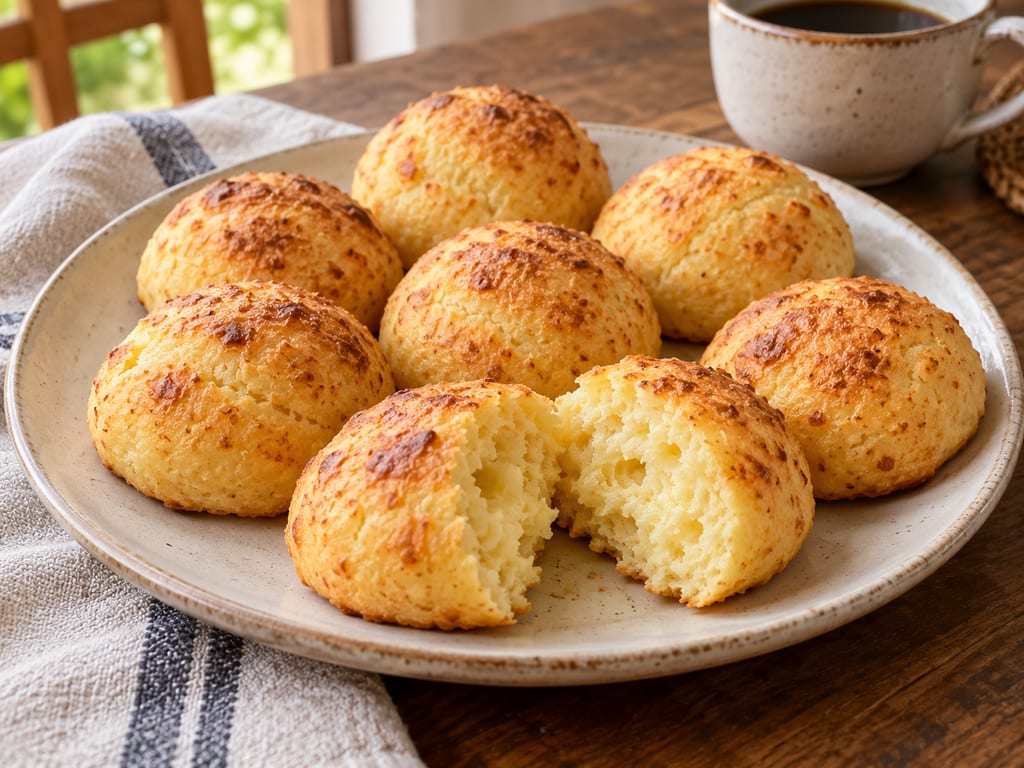
Small Colombian cheese breads made with precooked corn flour, queso fresco, mozzarella, eggs, milk and baking powder. This documented home version makes eight breads and is served warm.
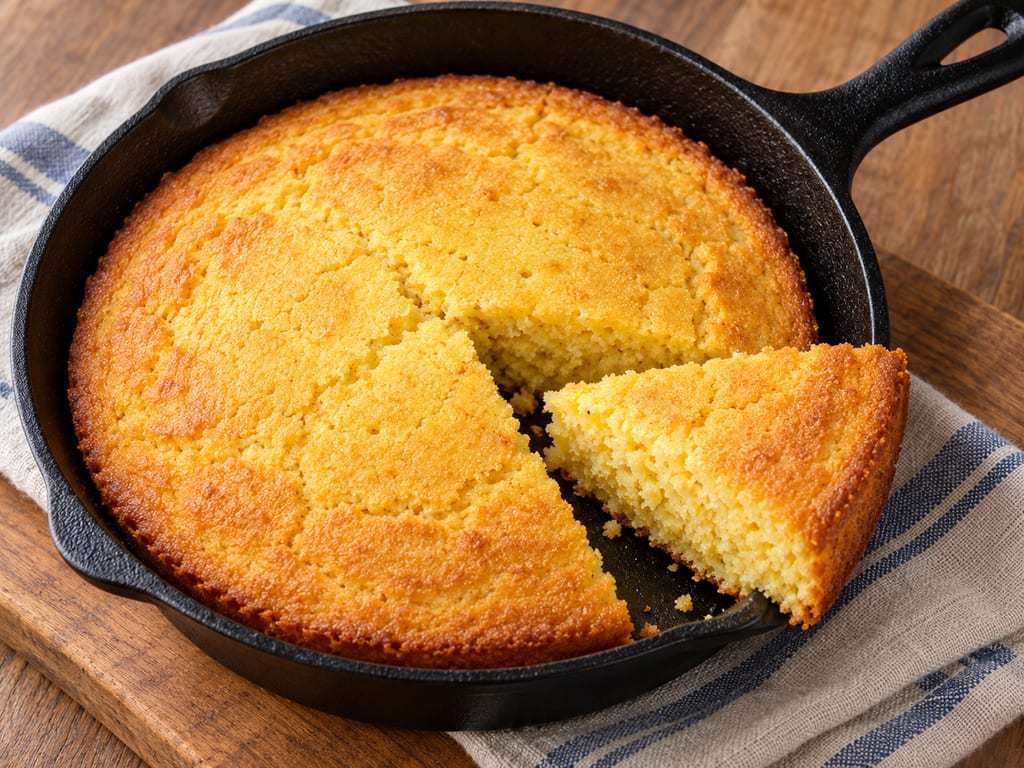
A modern cornmeal-and-wheat cornbread that King Arthur Baking describes as a compromise between Northern and Southern styles. The batter is baked in a pan or as muffins and served warm.
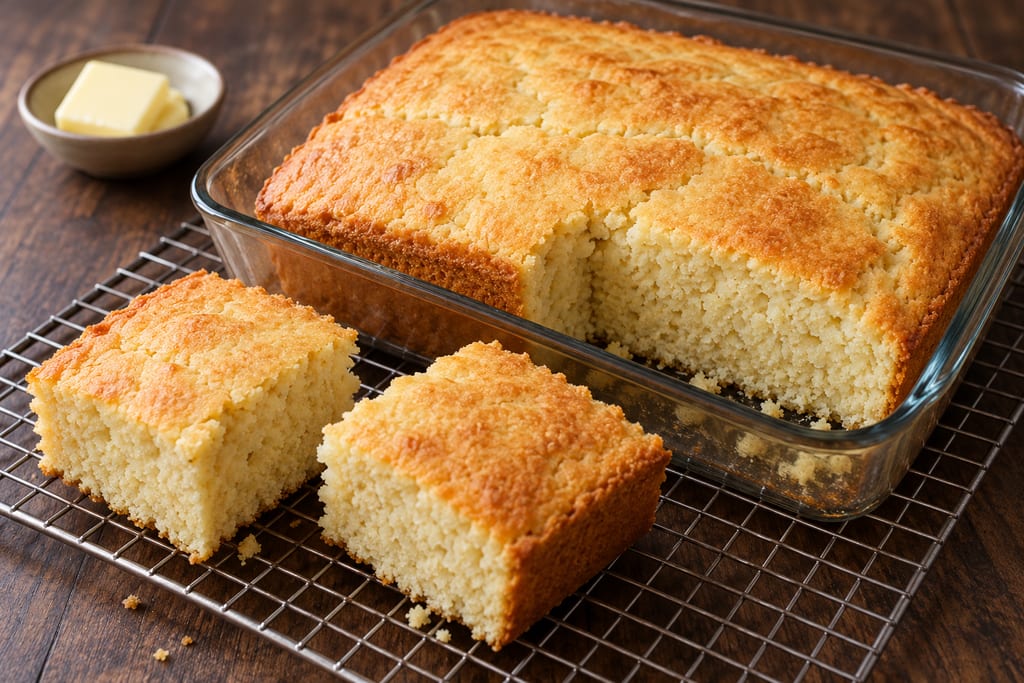
A soft, butter-rich Bahamian-style baked johnnycake made from flour, baking powder, sugar, butter and milk. The dough rests briefly in a square pan before baking.
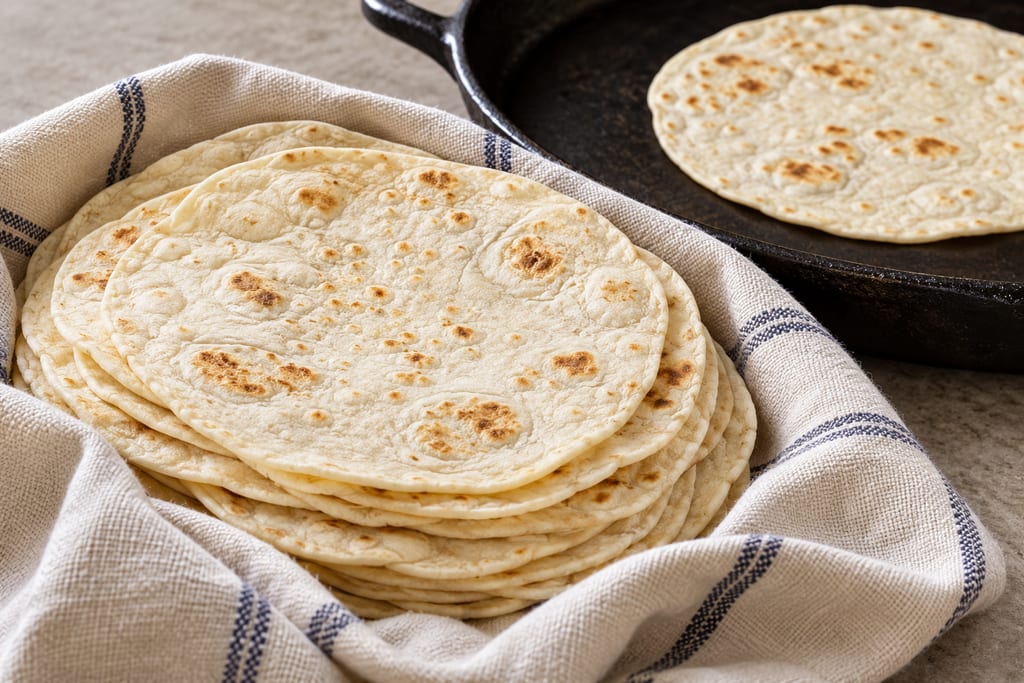
Soft wheat-flour rounds from an INCAP Honduran baleada recipe are rolled thin and cooked on a dry skillet; this record covers tortillas, not the filled dish.
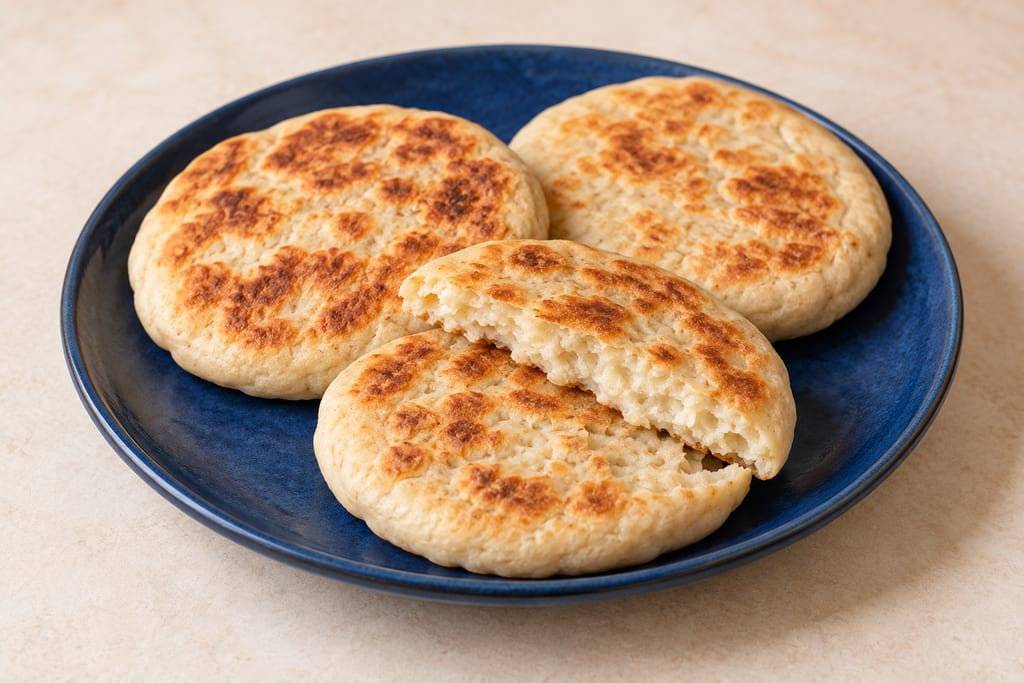
A Central Tibetan style pan bread made from flour, water and baking powder. Four dough balls are rested, rolled into rounds and cooked covered in a skillet, turning them several times.
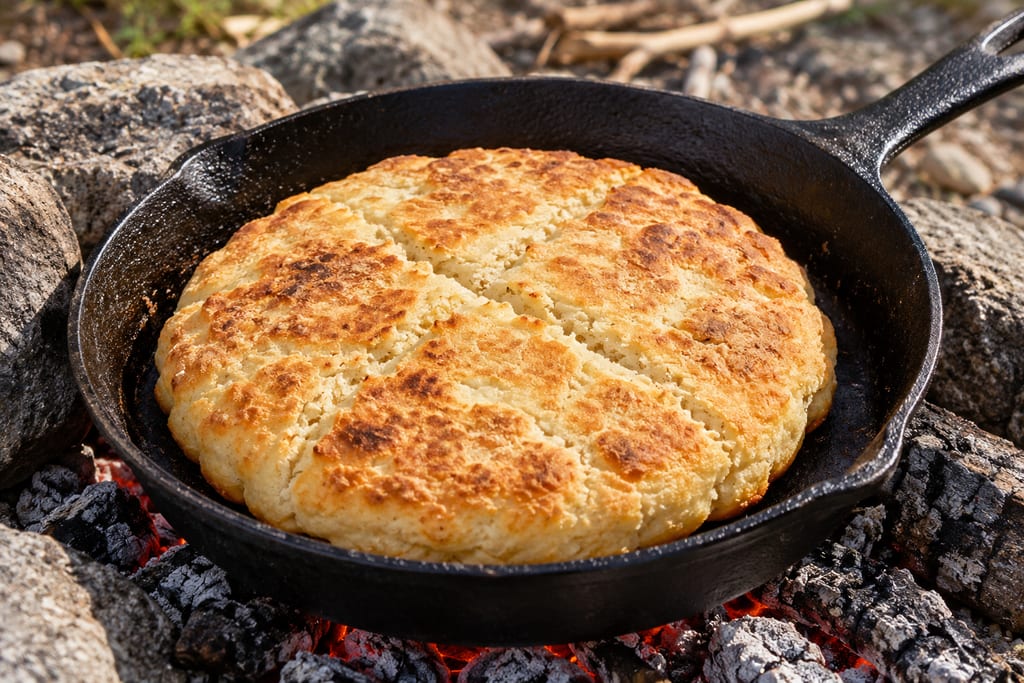
This flour, baking-powder and oil dough is Parks Canada’s contemporary Métis-interpreter version prepared at Rocky Mountain House; its specific recipe origin is unknown.
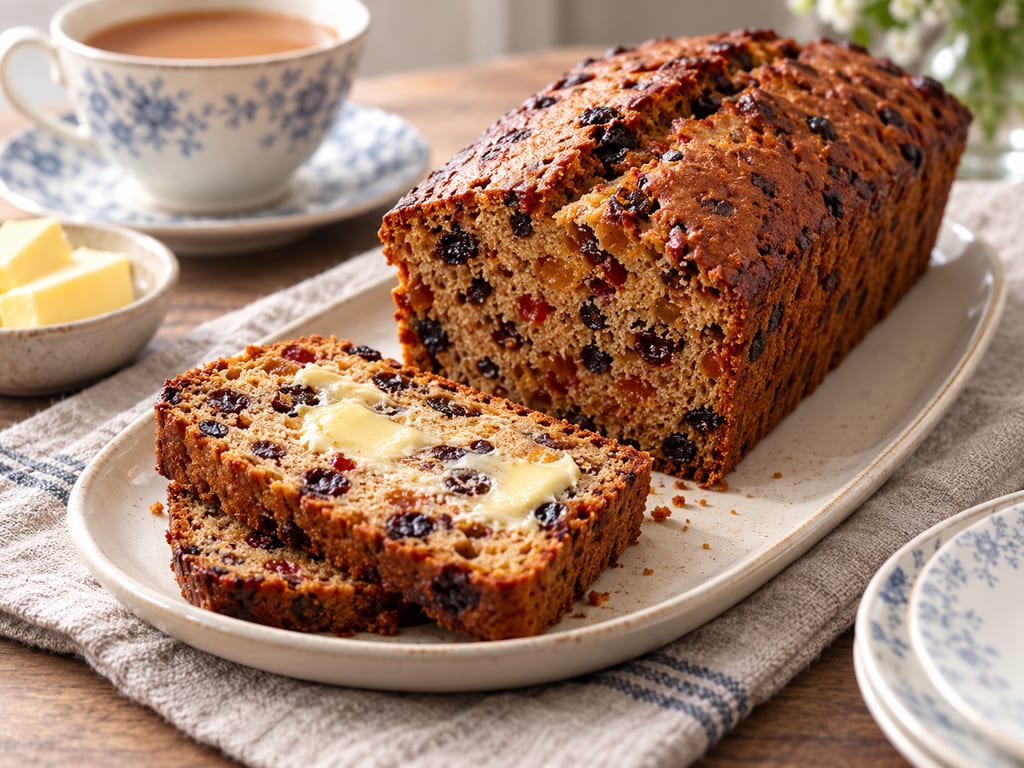
Bara brith is Wales’s speckled fruit loaf, made in both yeasted bread forms and the widely served modern tea-loaf style. This version soaks dried fruit in strong tea before mixing it with self-raising flour, spice, sugar and egg.
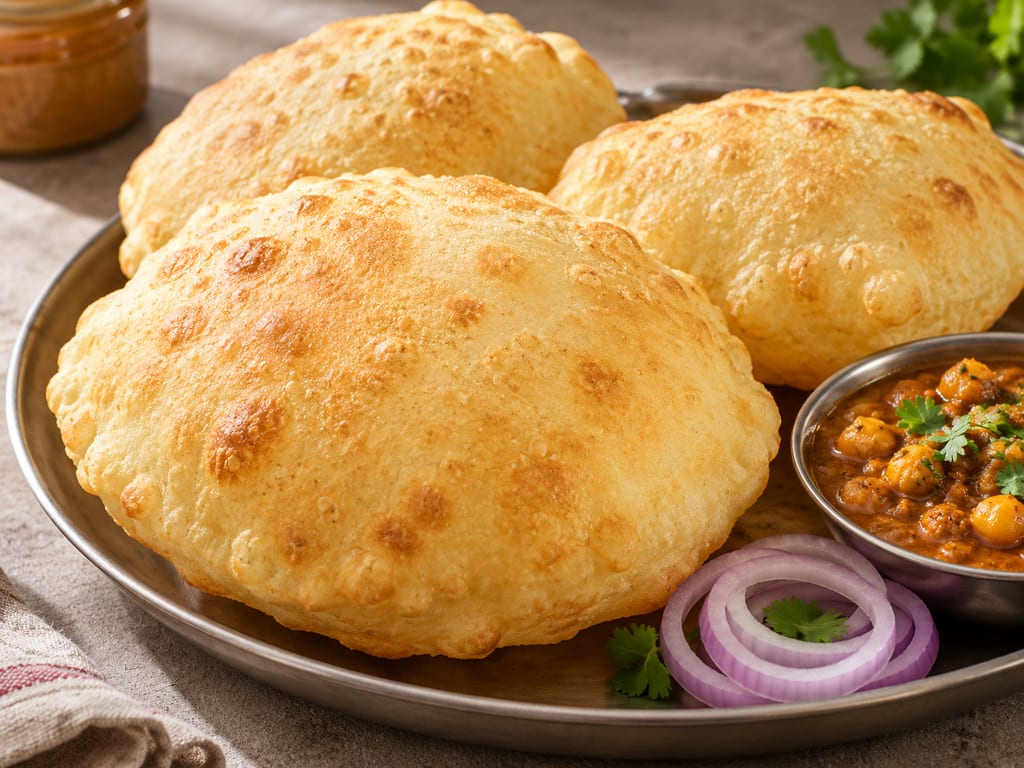
A North Indian fried bread made with yogurt, wheat flour and chemical leaveners. This source batch makes eight.
No community contributions have been published for this entry yet.
Sign in to contribute. Published comments and photos are free to read.
SURecepten; Tante FaridaMethod · Ingredients
Surinaamse roti vellen maken (dhalpuri)Measured recipe for eight roti with wheat flour, warm water, oil, salt and baking powder and a seasoned yellow split-pea filling.
Specifies fully tender peas, dough kneading and 30-minute rest, shaping, filling, rolling and tawa or skillet cooking cues.
Cited in: A Surinamese filled roti
Surinaams MuseumHistory · Geography
HindostanenRecords arrival of the first 399 contract labourers from northern India on 5 June 1873 and notes Hindustani migrants brought roti and other foods to Suriname.
Cited in: A Surinamese filled roti
Switi Tours ParamariboContext · Geography
Roti: the best-known dish in SurinameDescribes Surinamese Hindustani roti as a local form, larger and softer than chapati and usually filled with ground yellow split peas.
Cited in: A Surinamese filled roti
Centers for Disease Control and PreventionSafety
Raw Flour and DoughRaw flour can carry germs; do not eat raw dough, follow cooking directions and wash hands and food-contact surfaces after handling flour or dough.