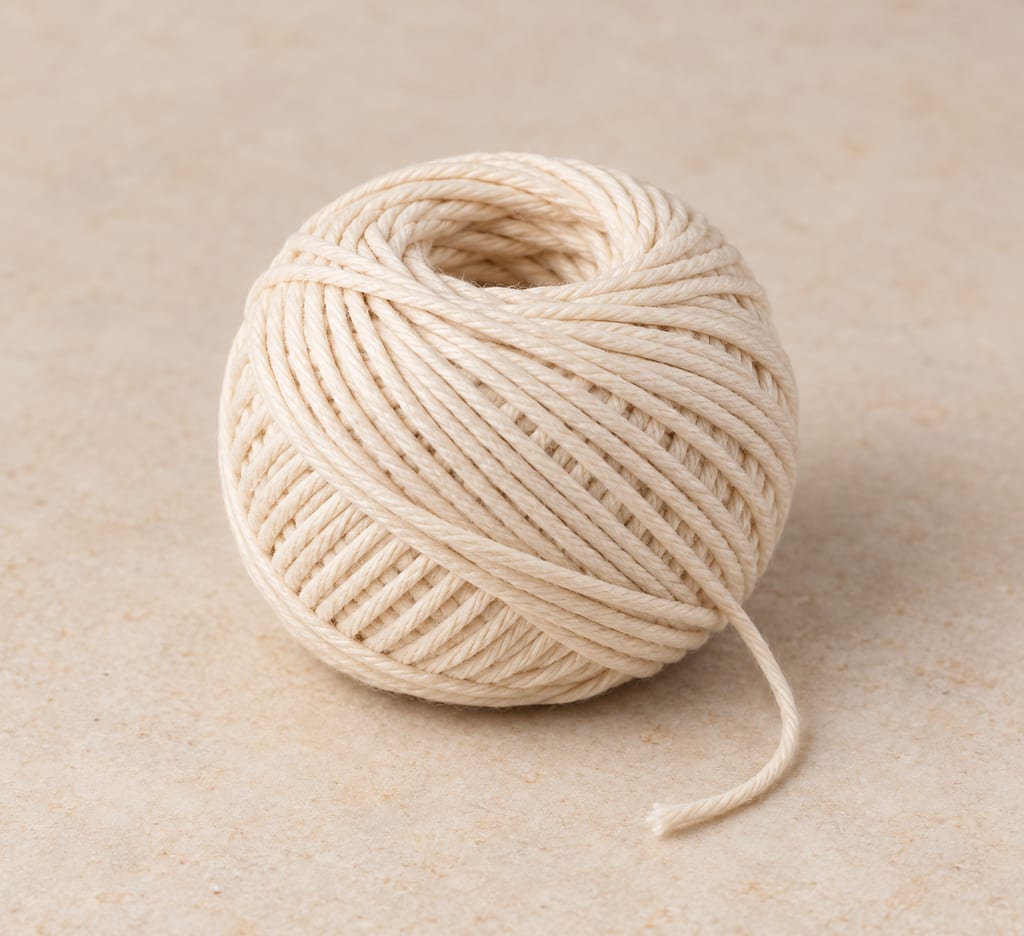
Clean kitchen string
A short length of kitchen string holds rolled bitter-orange peel in a coil during a documented Antalya preserve method. The recipe specifies string and a needle, but does not identify the fiber, construction or heat rating.
 FermenteaWhere food goes to change
Equipment · Jars, pots and crocks
Küp names the vessel used for regional buried-cheese methods in Türkiye. Sources describe both pottery in the historical tradition and plastic containers in contemporary practice; they do not establish one standard shape or capacity.
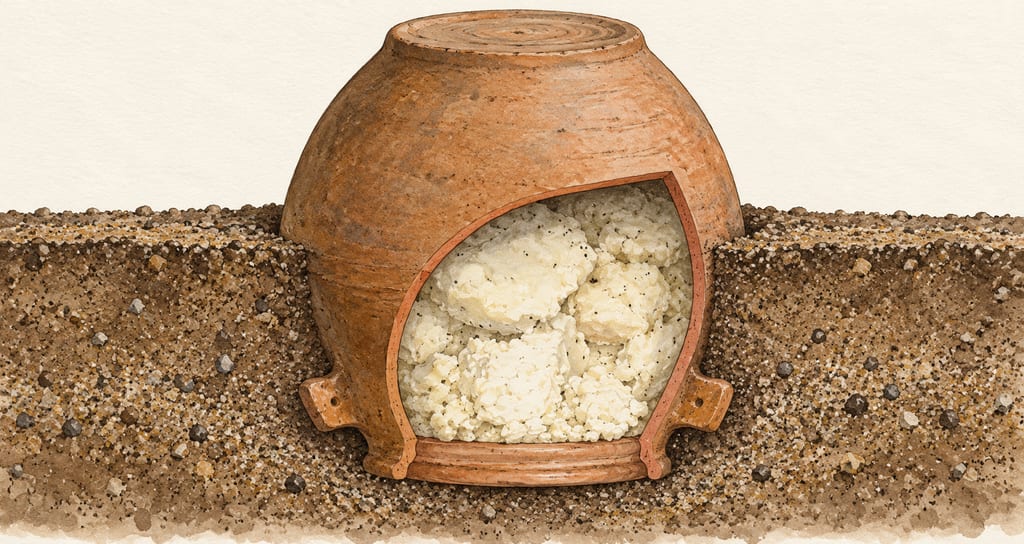
Küp is the Turkish word used for the pot or jar associated with a buried-cheese method; çömlek appears as a related pottery term in the supplied research record. In this evidence, the name does not identify one standardized profile. The Sivas inventory says the contemporary method uses a plastic container and notes pottery as the historical vessel material. A reader should therefore distinguish the name of the practice from a claim that every present-day batch uses an earthenware pot.
The regional sources describe different cheeses and timelines rather than one national specification. Sivas küp peyniri, Tokat küp peyniri and Van herbed cheese are related through buried-container maturation, but their accounts should remain separate. The sources do not give a common capacity, height, diameter or exact vessel outline.
The Turkish Ministry’s traditional-cheese inventory gives the clearest sequence for Sivas. After curd has formed, been heated and pressed, the cheese is cut and packed tightly with salt. The container is kept inverted for two or three days, then half buried mouth-down in a soil-and-sand mixture in a cellar for two or three months. Those details explain how this preparation uses its container: it must tolerate inversion and contact with the cellar environment, and the mouth-down burial is part of this named method.
The inventory describes plastic in the contemporary method while connecting the name to a pottery vessel historically. This is a useful correction to a common visual shorthand: an earthenware jar may illustrate the older vessel tradition, but it is not evidence that the documented modern Sivas process always uses clay. The entry does not establish a salt percentage, a standard container volume or a complete vessel profile, so those details should not be supplied from guesswork.
A Ministry report from Tokat describes drained, salted cow-milk cheese, with peppers as an option, buried for about five months. A practitioner remembers pottery before plastic and recalls refrigeration as an earlier reason for burying the cheese, while flavour now helps sustain the practice. The quoted 150–200 years is family oral history, not a securely dated archaeological record. It is evidence of a practitioner’s memory, not a date for the origin of küp peyniri.
The Van publication describes a buried-pot form of otlu peynir alongside a brined form. It says ceramic vessels were used historically and plastic containers more recently, with maturation underground for three to six or seven months. Local names distinguish a small pot for herbed curd from larger cheese jars and still larger containers for water, vinegar or pickles. The publication gives relative categories, not measurements. The buried-pot description belongs to one route for Van herbed cheese; it should not be generalized to every version.
Across these accounts, the documented material contrast is pottery or ceramic vessels in earlier practice and plastic containers in more recent or contemporary use. The sources do not test material effects or establish that clay itself causes a particular flavour, nor do they provide a standardized safety or cleaning protocol. A buried-container method also depends on a cellar or underground setting; the item is the portable container, while the cellar or earth installation is not the same object.
A reader looking for a vessel should use the specific method and place as the guide. The Sivas source describes mouth-down inversion and burial in soil and sand; the Tokat report gives its own longer burial duration; Van distinguishes buried and brined cheese routes. The existing related recipe link points to Küp peyniri. No capacity, supplier, manufacturing standard or care routine is established by these citations, so this record leaves those specifications unasserted.
The Sivas inventory describes a contemporary plastic-container method while noting the historical pottery vessel behind the name. The Tokat report records a practitioner’s recollection of pottery before plastic, and the Van publication describes ceramic vessels historically and plastic containers more recently. None establishes an archaeological origin date or one standard shape.
The cited contemporary Sivas method uses a plastic container, so it does not establish that an earthenware pot is required for the documented process.
Source →The sources do not specify a standard capacity or vessel geometry; the relative size terms recorded in Van should not be converted into measurements.
Source →The official inventory documents küp peyniri here. Its contemporary account uses plastic; it does not establish the pottery vessel's precise manufacturing locality.
The Ministry report describes a local küp peyniri method and a practitioner recalling pottery before plastic; the family date is not archaeological dating.
This source describes a buried-pot form of herbed cheese as well as a brined form. The relationship is specific to the buried-pot route, not all Van cheese.
A short length of kitchen string holds rolled bitter-orange peel in a coil during a documented Antalya preserve method. The recipe specifies string and a needle, but does not identify the fiber, construction or heat rating.
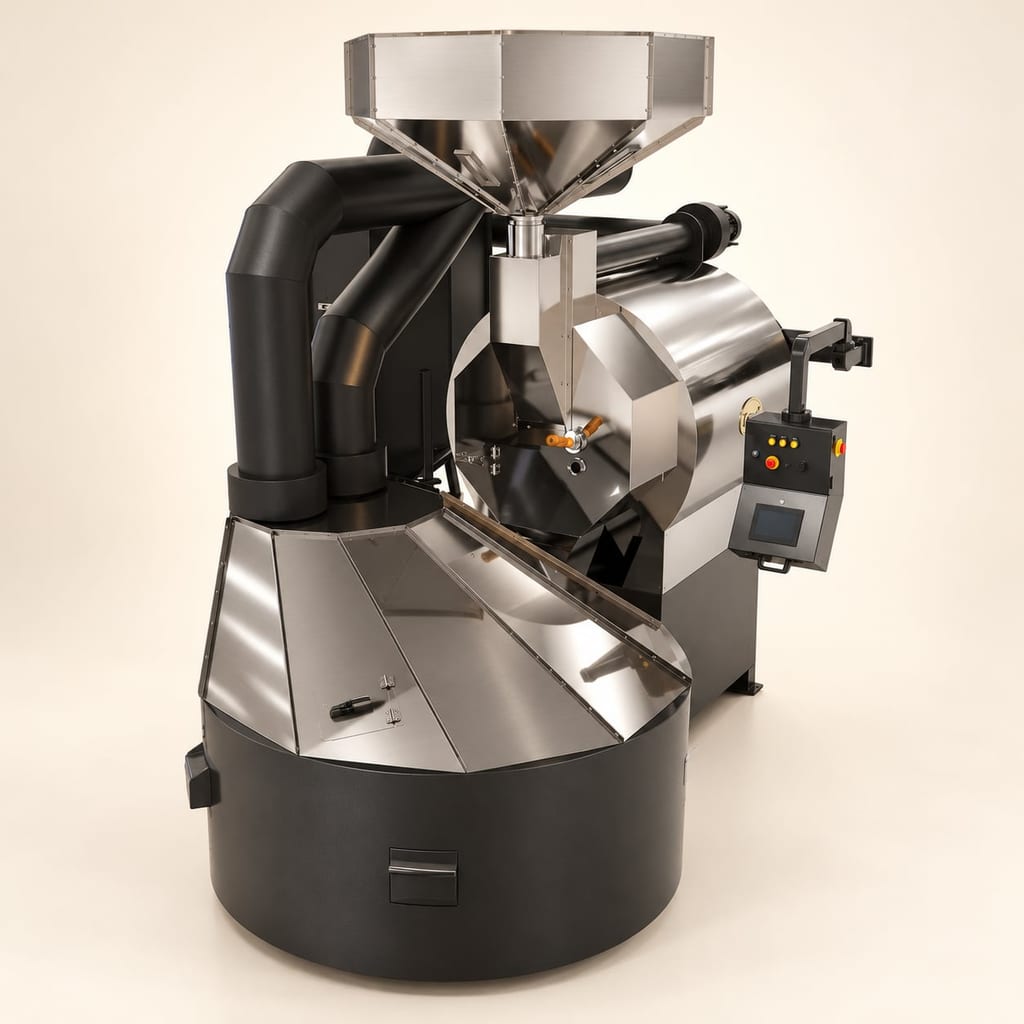
A food roaster is a machine class rather than one fixed design: batch drums, hot-air chambers and continuous lines heat and move different seeds, nuts, grains or beans.
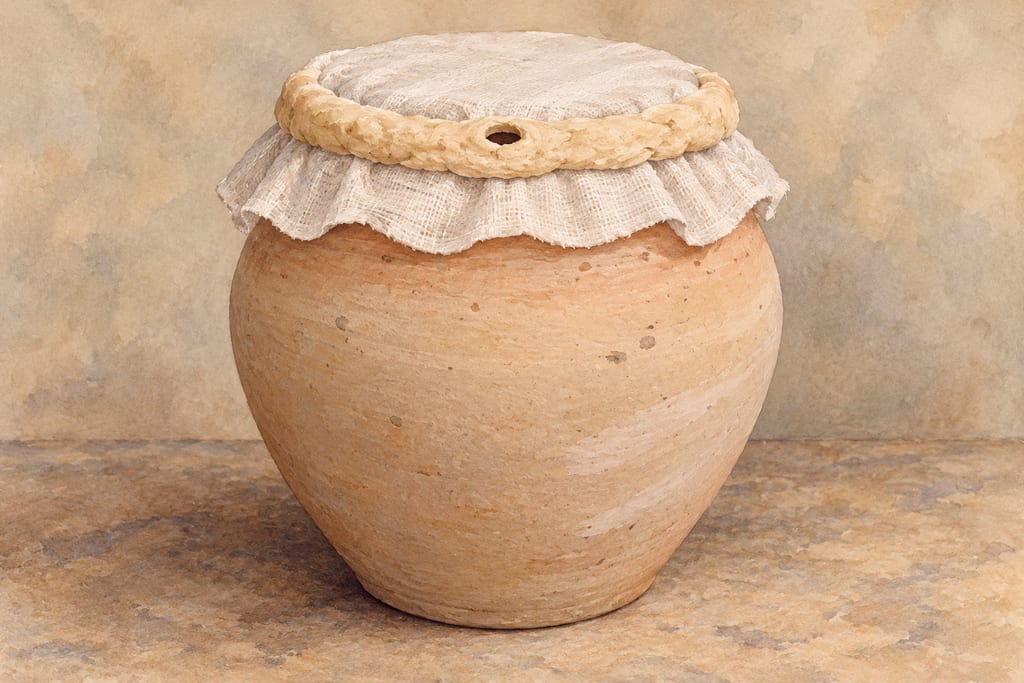
A purpose-made earthenware testi jug acts as the cooking chamber for testi kebabı. A documented Nevşehir account describes a cloth-and-dough closure with a small vent; size and craft specifications are not established.
No community contributions have been published for this entry yet.
Sign in to contribute. Published comments and photos are free to read.
Turkish Ministry of Agriculture and ForestryMethod · Materials · Geography
Türkiye Geleneksel Peynir Envanteri: Küp Peyniri, SivasThe documented Sivas method packs cut cheese with salt, inverts the container for two or three days, then half-buries it mouth-down in soil and sand in a cellar for two or three months.
The contemporary method described uses plastic; the historical vessel name refers to pottery.
The source does not give a complete salt percentage or a standard vessel shape or capacity.
Cited in: What küp means here; Sivas: container, inversion and cellar burial; What the evidence supports about the vessel
Turkish Ministry of Agriculture and Forestry, Tarım TVRegional variation · Materials · History
Toprağın altından çıkan lezzet: küp peyniriA Tokat report describes drained salted cow-milk cheese, sometimes with peppers, buried for about five months.
A practitioner recalls pottery before plastic and gives 150–200 years as family or oral history, not an archaeological date.
Cited in: What küp means here; Tokat and Van: related methods, distinct records; What the evidence supports about the vessel
Tuşba Ministry of National EducationRegional variation · Materials · Terminology
Turkuaz, issue 10The Van account distinguishes buried-pot and brined herbed-cheese forms and reports historic ceramic vessels and more recent plastic containers.
The article records vessel terms and relative use sizes, but does not supply standardized dimensions, capacities or exact geometry.
Cited in: What küp means here; Tokat and Van: related methods, distinct records; What the evidence supports about the vessel