Two wooden vessels, two shapes
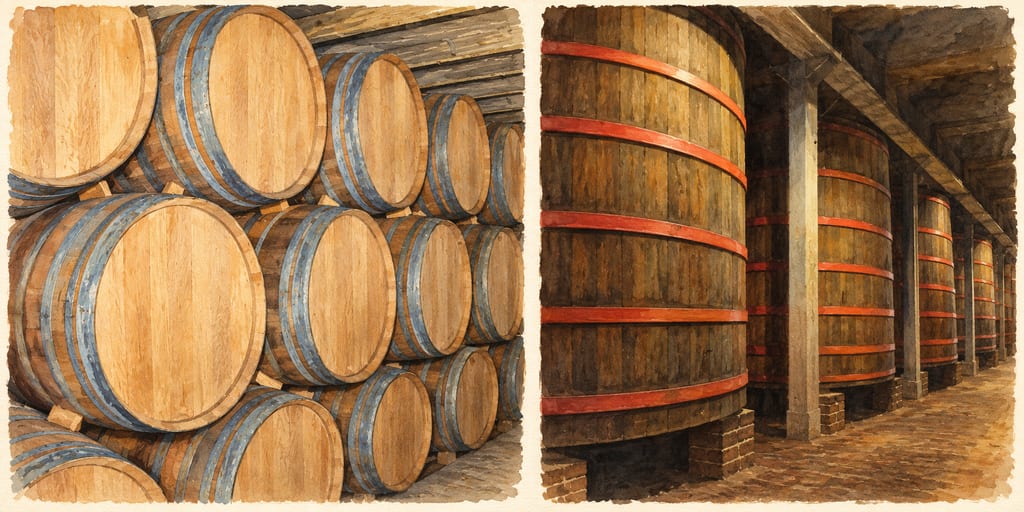
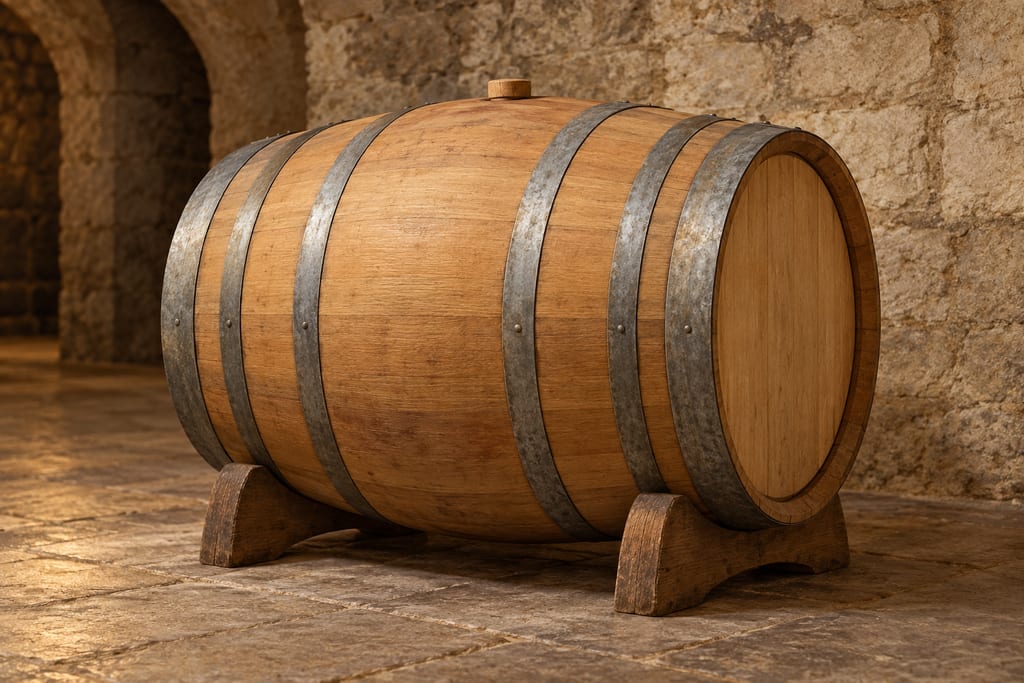
A lambic barrel and a Flemish red-beer foeder are both coopered wooden vessels, but they are not interchangeable names for one standard shape. Lambic fermentation and maturation use horizontal casks, often secondhand wine barrels. A foeder is a much larger wooden vat; Rodenbach's red-brown beer is associated with monumental upright oak foeders in Roeselare.
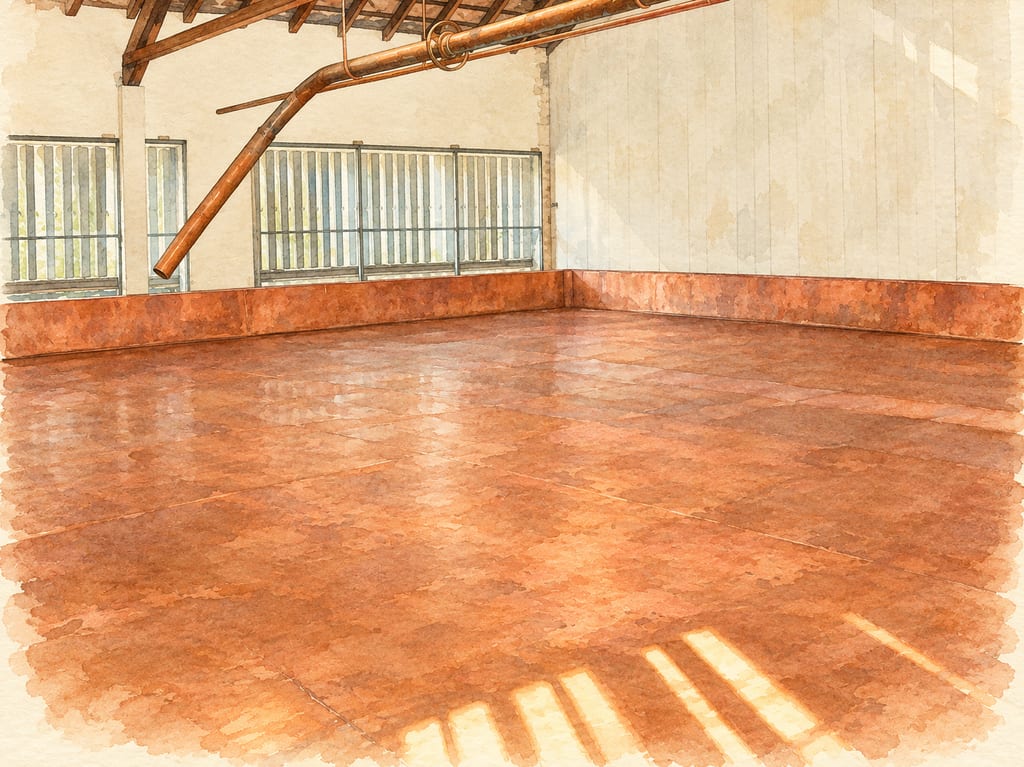
In lambic production, wort first receives environmental inoculation while cooling in an open coolship. Fermentation and maturation then continue in wooden casks. The barrel is a long-term fermentation vessel, not the open cooling pan. Research at a traditional brewery in the Senne River valley documented oak port-wine casks as well as oak wine foeders.
Sources for this section
Wood as part of the lambic process
Wood supplies a surface as well as a container. Lambic-barrel research found fermentation- and maturation-related microorganisms on interior surfaces after the brewery's cleaning procedures. The authors describe these surfaces as a possible additional inoculation source alongside brewery air and other equipment; the coolship remains an important source of spontaneous inoculation. Barrel communities differed by cask type and cleaning stage, so the study does not make every old barrel equivalent or establish one universal microbial profile.
A 2023 comparison followed two parallel lambic fermentations in nearly identical wooden barrels that received the same cooled wort. The authors found the barrels likely contributed to the recurring microbial community and a microaerobic environment. That finding helps explain why a reused cask is not simply neutral storage, but it does not guarantee a particular flavour or result in another brewery.
Sources for this section
The foeder at larger scale
Rodenbach's present-day brewery in Roeselare preserves upright oak foeders in monumental barrel halls. Their vertical form differs visibly from horizontal lambic casks. The linked photographs document these forms separately: one shows stacked lambic barrels; the other shows Rodenbach's upright foeders. Neither photograph establishes a universal shape or construction standard.
The 2026 Flanders Red Ale product specification describes mixed fermentation and full or partial maturation in upright oak foeders from 50 to 700 hectolitres. That capacity range belongs to the named West Flemish specification, not to every red-brown beer or foeder; it shows the scale difference from portable casks.
Sources for this section
What the sources leave open
The sources establish working wooden vessels and name oak casks, reused port-wine barrels and oak foeders in particular Belgian breweries. They do not establish a single timber species, stave thickness, hoop material, capacity, or construction method for all lambic barrels and foeders. They also do not date the origin of either form.
Cleaning routines in the research belong to the breweries and study designs that reported them; they are not general care instructions. A giant upright foeder should not be portrayed as an enlarged horizontal lambic cask: scale, orientation, beer category and brewery practice all matter. The generated illustration is a source-informed comparison, not a depiction of a named brewery's exact vessel.
Sources for this section
History
Current lambic research and present-day Roeselare sources document these vessel forms but do not date their origins.
Equipment details
PowerNo power The cask or foeder is passive; beer-moving pumps and taps are separate equipment.
How you get oneNot established The sources do not establish a general maker or acquisition route.
CareCare is brewery-specific. The 2019 study records high-pressure water and sulfur fumigation for casks at its sampled brewery, and a different procedure for foeders; these are observations, not general cleaning instructions.
Made of
- Wood — Coopered staves and vessel body
The studied lambic brewery used oak casks and foeders; the Roeselare reference documents oak foeders. Wood species vary across examples. - Metal — Hoops visible on linked photo examples
Metal hoops are visible in the photos; their material is not established for all barrels and foeders.
Places
Senne River valley
Documented use · Region evidenceThe 2019 study sampled one traditional brewery in the Senne River valley southwest of Brussels; the site does not define the limits of all wooden cask use.
Roeselare
Documented use · Locality evidenceVisit Roeselare documents Rodenbach's oak barrel halls and giant foeder in Roeselare; this is one producer's example.