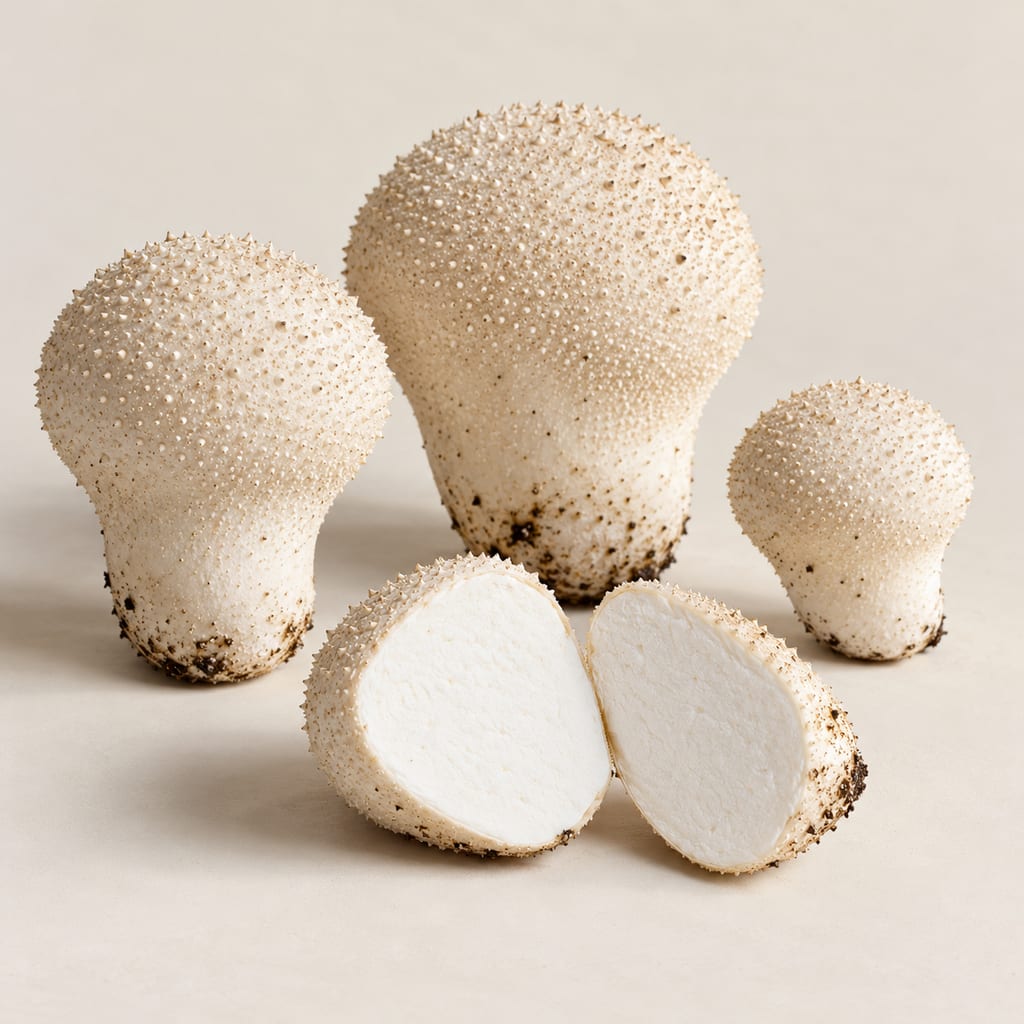
Common puffball
The common puffball, Lycoperdon perlatum, is a wild, ground-growing puffball. It is cooked as food in some traditions only while the flesh is still white, and its lookalikes must be excluded before any use.
 FermenteaWhere food goes to change
Mushrooms
Cortinarius magellanicus is a webcap mushroom of Nothofagus forests in Patagonia, recorded in regional food use, but it belongs to a species complex and its genus contains deadly toxic species.
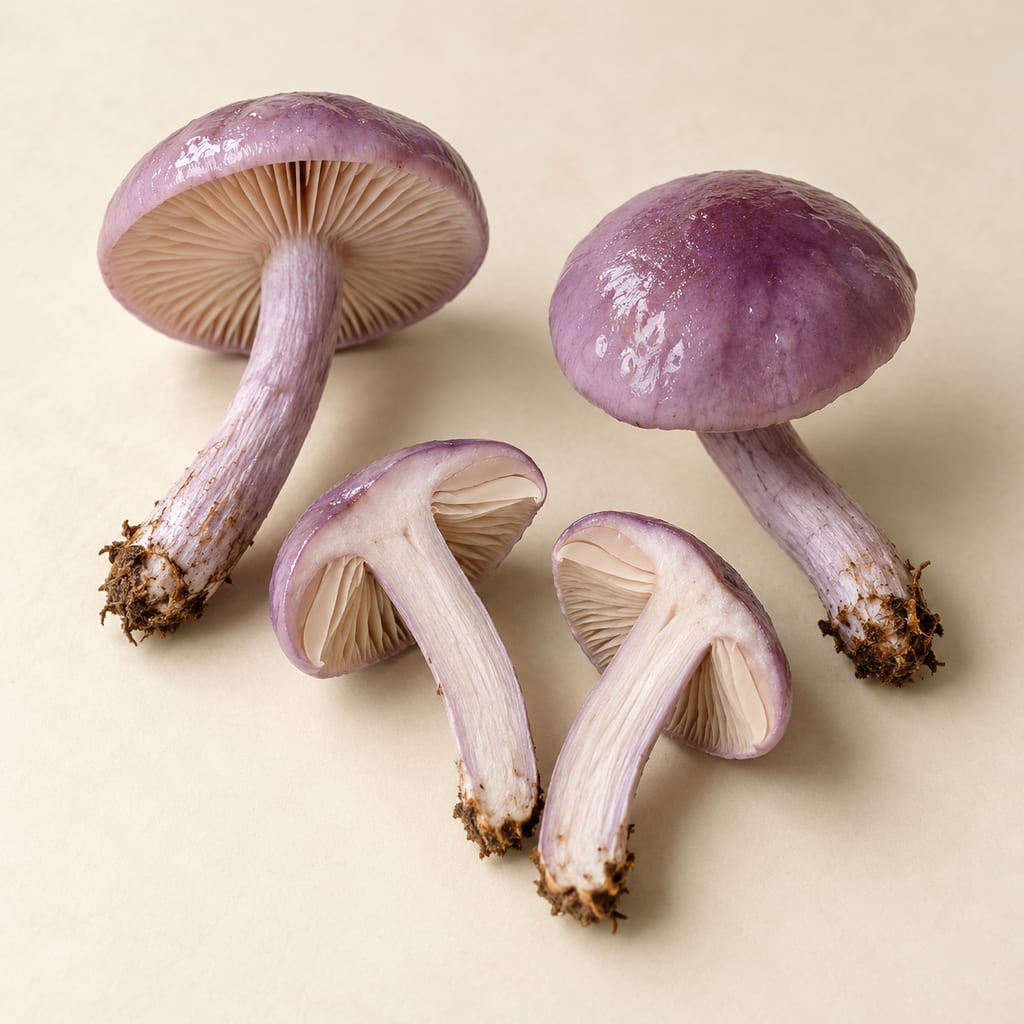
Cortinarius magellanicus is a webcap, a member of the large genus Cortinarius, found in the Nothofagus forests of Patagonia. Its common English name is Patagonian webcap. It grows on the ground in association with the roots of southern beech trees, and it is recorded in regional food use rather than in cultivation or commerce.
The name is best treated as a label for a group of related fungi rather than as one settled species. Its entry in the supplied catalogue is a research name, and the catalogue does not validate it against current taxonomy.
A 2018 study of the Cortinarius magellanicus group in Nothofagaceae forests found that the name has been applied to more than one lineage. Its analysis separated at least three phylogenetic lineages, each tied to particular regions and host trees. The strict sense of the name, as the study read it, is restricted to Patagonia in Argentina and Chile. Reports from New Zealand and Australia under the same name belong to different lineages.
The practical consequence is that a regional food record for C. magellanicus describes a group whose members may differ in chemistry and safety. A food record cannot be carried over from one lineage to another, and a name in an older market or regional list may cover a different fungus.
Cortinarius magellanicus is ectomycorrhizal, meaning it forms a partnership with tree roots in which it exchanges nutrients with the host. The catalogue ties it to Nothofagus forest, the southern beech woodland of South America. The sources reviewed describe it as widespread over Patagonia, where it is found under several Nothofagaceae host trees.
Because its fruiting depends on a living tree partner, the fungus cannot be grown in a conventional mushroom substrate. The catalogue records its cultivation context as wild.
The supplied catalogue records one regional consumption record for this species in Patagonia, with a food-use label that the catalogue marks as needing processing, stage or identification conditions. The 2018 study describes the species as edible.
The sources reviewed here do not give a preparation method, a quantity, a market figure or a traditional name for this species. The record does not say how it is cooked, dried or stored, and no preparation should be inferred from the webcap group in general.
The genus Cortinarius contains species that are dangerous to eat. Some members are known to cause severe kidney damage. The catalogue records this caution directly: it is a specialist research record only, and it gives no general recommendation to eat webcaps.
Webcaps are difficult to separate from one another in the field, and the sources reviewed here do not give a field key that would let a reader tell this species from a toxic one. A regional food record does not establish that a particular specimen is safe to eat.
This page describes the species as a research and food-record subject. It does not identify a specimen, state that any part of the fungus is safe, or give a preparation that makes it safe. Anyone who finds a webcap in the wild should not rely on this page for identification or for eating decisions; expert identification is required.
Open points: the sources reviewed do not report chemical analysis of this species for nephrotoxic compounds, do not give a preparation, and do not give a current accepted name. The supplied catalogue source could not be retrieved for this revision, so its wording is taken from the catalogue record.
Named as part of the Patagonian range of the complex in the 2018 study; the catalogue record does not give a country-level consumption figure.
The 2018 study places the strict sense of the name in Patagonia of Argentina and Chile; use in Chile is recorded at region level only.
The common puffball, Lycoperdon perlatum, is a wild, ground-growing puffball. It is cooked as food in some traditions only while the flesh is still white, and its lookalikes must be excluded before any use.
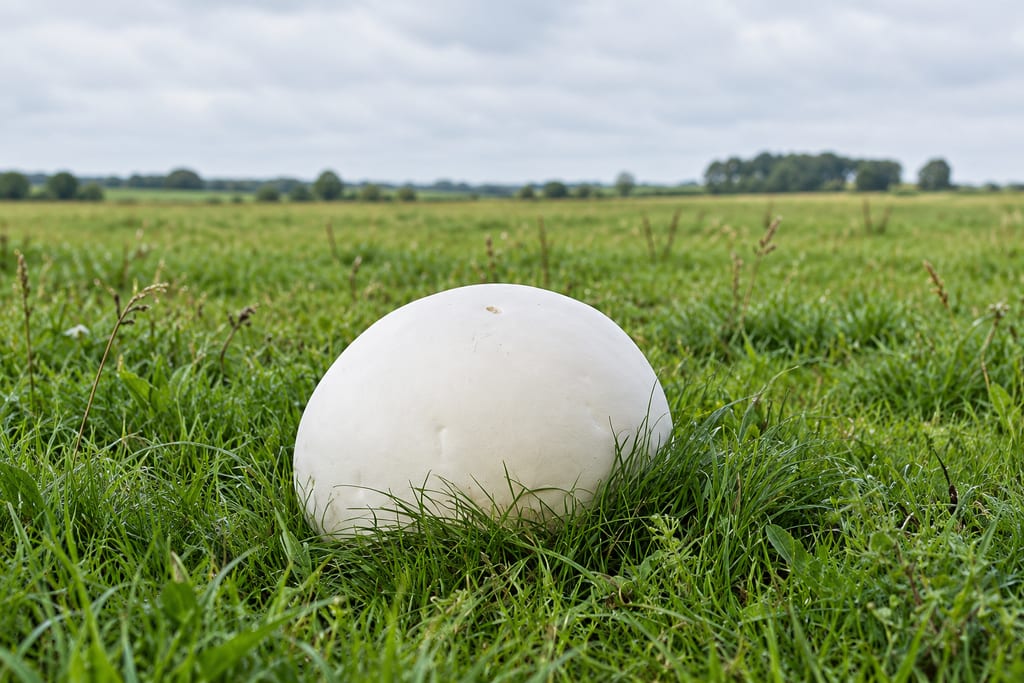
Young Calvatia gigantea is documented as a cooked food in Khiram, South Kashmir; mature or uncertain specimens are not food. Wild mushroom identification requires expert confirmation.
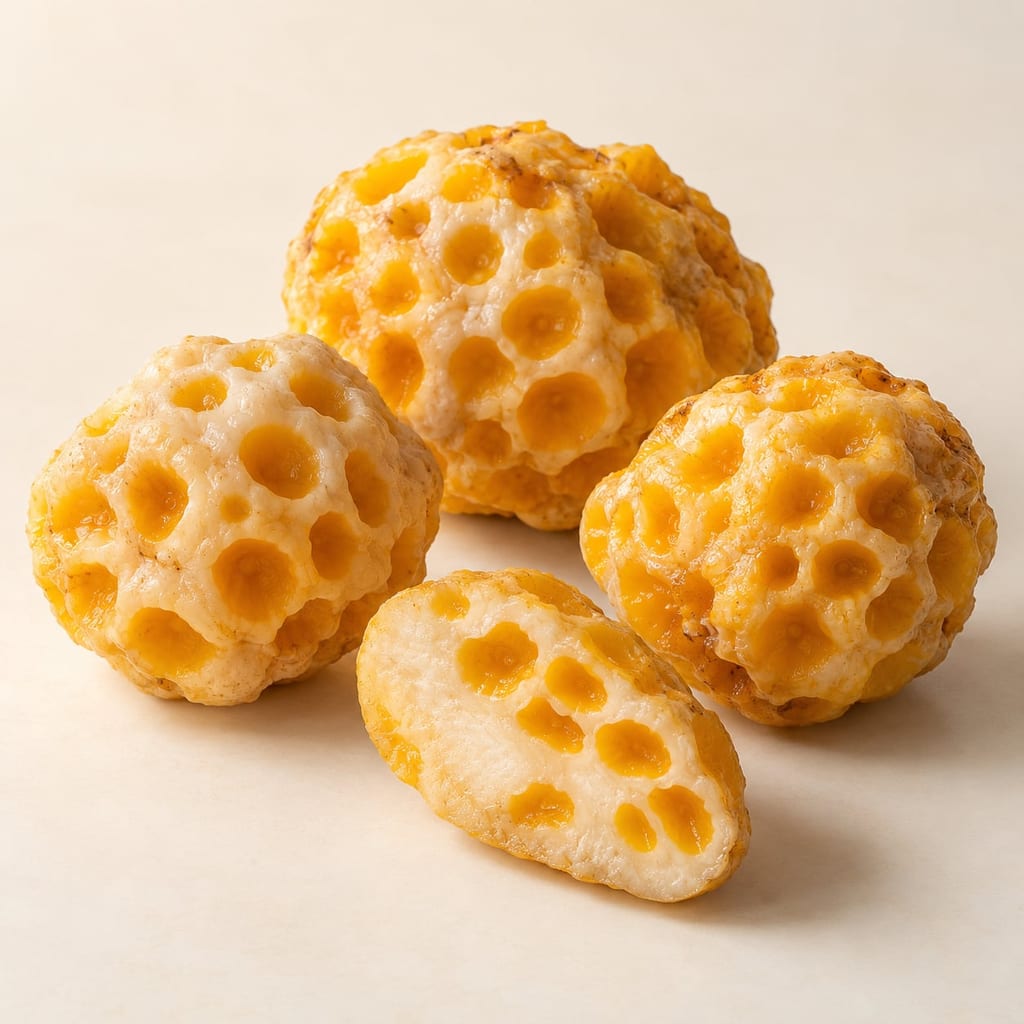
Llao-llao is the orange, gelatinous fruiting body of a southern-beech parasite in the Andean–Patagonian forests of Chile and Argentina. Regional sources document its food history, including Mapuche use in chicha.
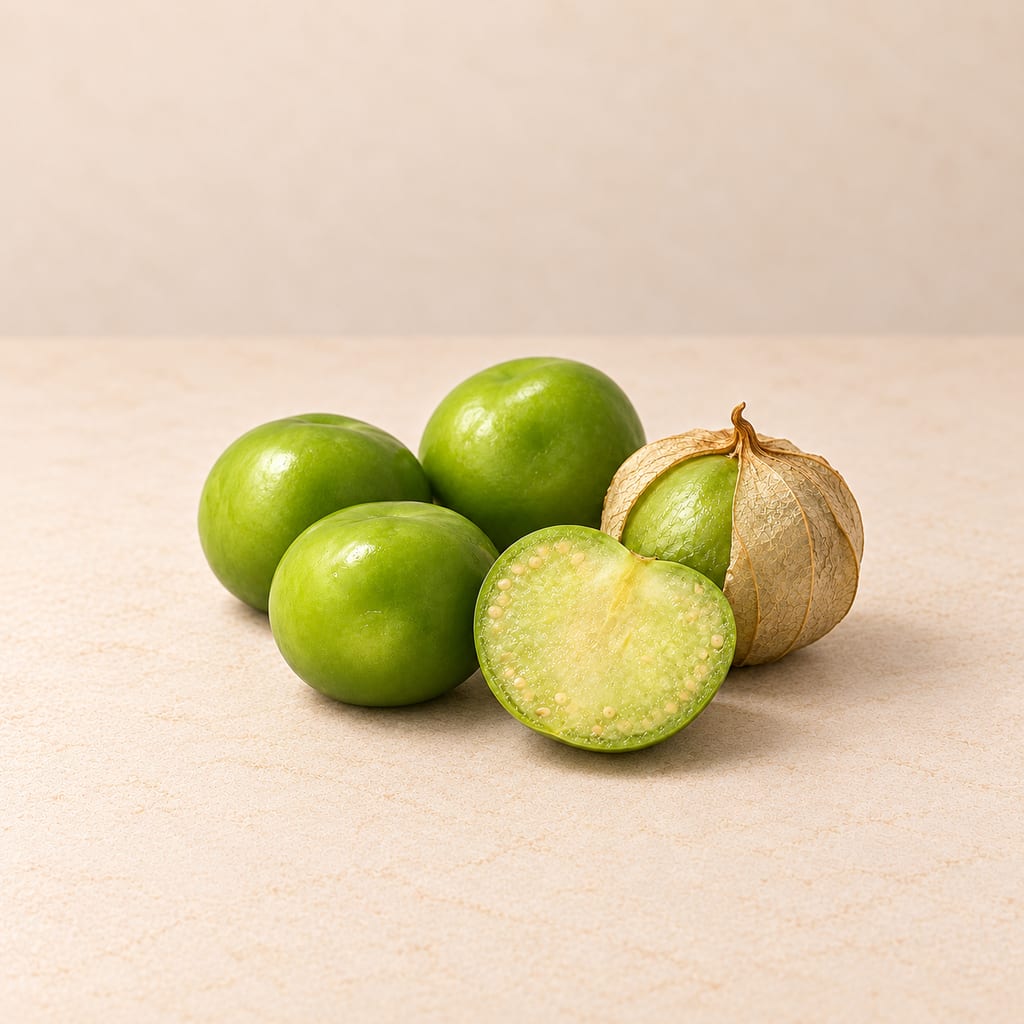
The tomatillo is the tart green fruit of Physalis ixocarpa, a Mexican relative of the tomato that grows inside a papery husk. It is the base of salsa verde.
No community contributions have been published for this entry yet.
Sign in to contribute. Published comments and photos are free to read.
MDPIFood use · History
Supplied catalogue source for Cortinarius magellanicus (MDPI, Foods 11(21), article 3516)Regional consumption record for Cortinarius magellanicus in Patagonia, recorded in the supplied catalogue; the page itself could not be retrieved for this revision (HTTP 403).
Cited in: Overview; Habitat and ecology; Food use; Toxic relatives and identification; Safety and notes
CONICET Digital (MINCyT repository)Identity · Ecology · Taxonomy
The enigmatic Cortinarius magellanicus complex occurring in Nothofagaceae forests of the Southern HemisphereDescribes C. magellanicus as an ectomycorrhizal species in Nothofagaceae forests, reported as edible and widely distributed in Argentina, Chile and New Zealand.
Found that the name covers a complex of at least three phylogenetic lineages with regional and host differences; the strict sense is restricted to Patagonia of Argentina and Chile, and New Zealand and Australian reports belong to different lineages. Read from the record's abstract and search summary.
Cited in: Overview; Identity and the species complex; Habitat and ecology; Food use; Safety and notes