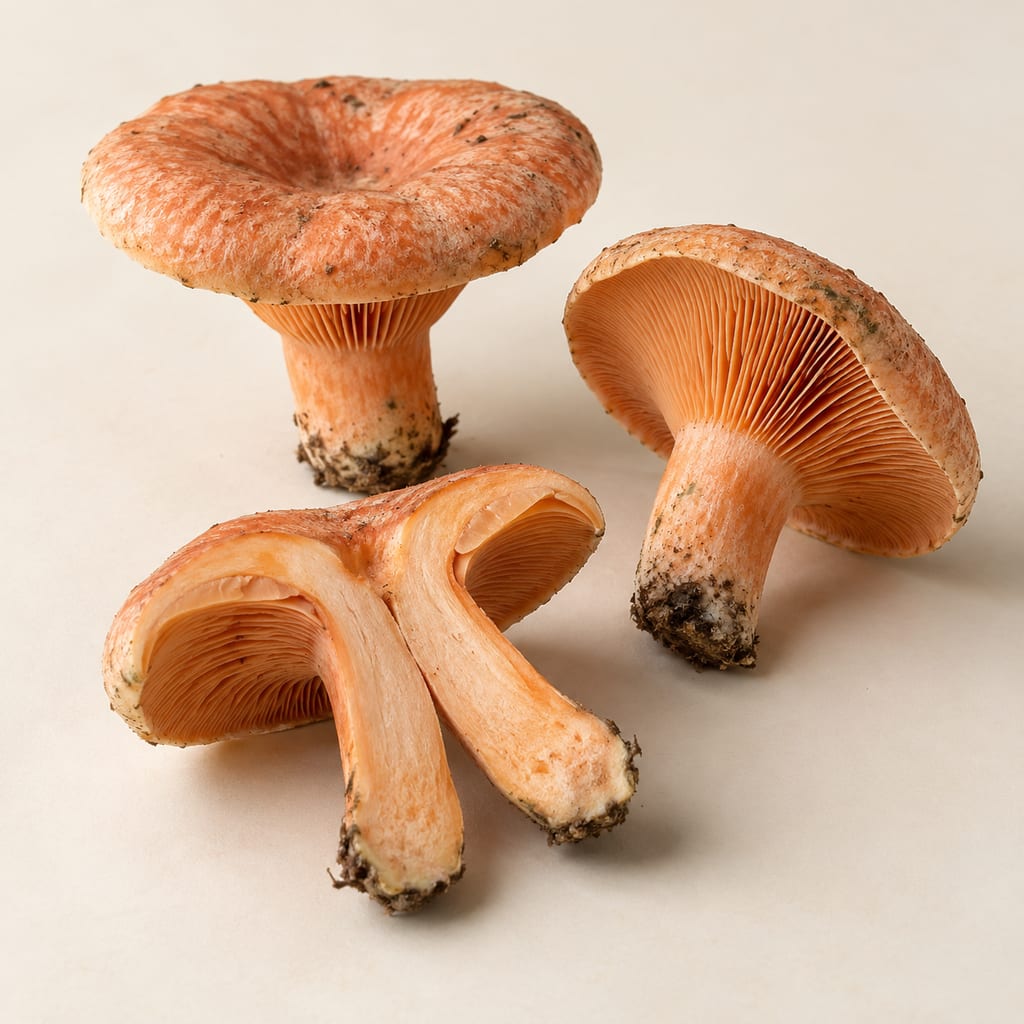
Akahatsu
Akahatsu, Lactarius akahatsu, is a wild milkcap of East Asian pine and mixed forests that is sold in Yunnan markets, with its edibility and identity still needing species-level review.
 FermenteaWhere food goes to change
Mushrooms
Rugiboletus extremiorientalis is an alpine bolete of eastern Asia, placed in the genus Rugiboletus. The catalogue records it as a food bolete sold in Yunnan markets, a record the evidence reviewed do not confirm.
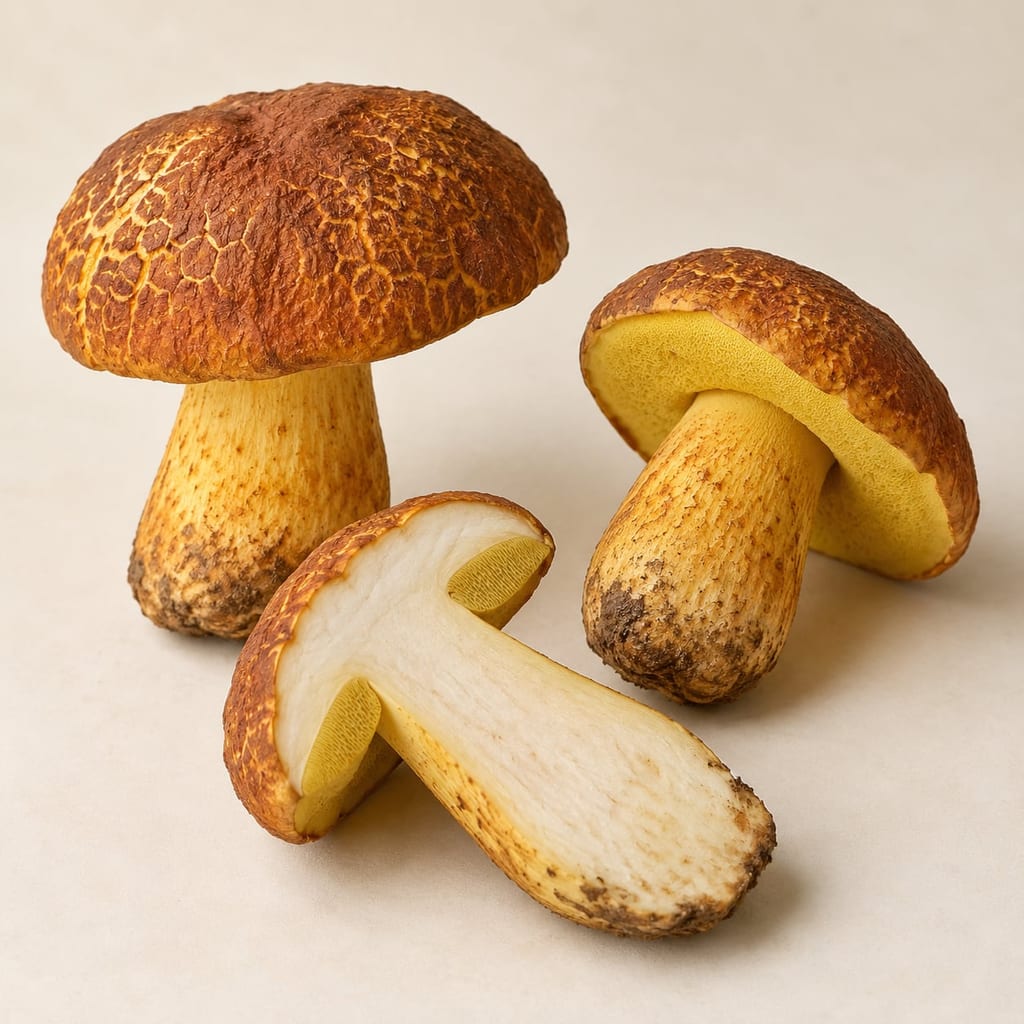
The far-eastern wrinkled bolete, Rugiboletus extremiorientalis, is a bolete in the family Boletaceae. It is the type species of its genus, and it was earlier placed in the genus Krombholzia under the name Krombholzia extremiorientalis. Reports describe it as an alpine species from eastern Asia.
The catalogue lists it as a named food bolete sold in Pu'er markets in Yunnan Province, China. That food record is the reason it is on this list, and it is the part of the record the evidence reviewed do not confirm.
Rugiboletus is a genus of boletes. The species described for it as its type is R. extremiorientalis. A second species, R. brunneiporus, is recorded from southern China and India in the same source. The catalogue marks the name as a research name that has not been validated against current taxonomy, so the name and its relationships should be checked against a nomenclature database before use.
The species is described as alpine and as occurring in eastern Asia. The catalogue describes its ecology as an ectomycorrhizal forest fungus, which means it forms a partnership with tree roots. The evidence reviewed do not give a host tree or a fruiting season for the species, so none is recorded here.
The catalogue records market sale in Pu'er, in the south of Yunnan. Because the species is described as alpine, the evidence reviewed leave the origin of any market supply unexplained, and that is a reason to keep the market record in question until it is checked.
The catalogue records food use in Pu'er markets in Yunnan. A 2022 ethnomycological survey of wild mushrooms in Pu'er Prefecture recorded local names, habitats, prices and cooking methods, and it focused on market vendors and ectomycorrhizal species. Its market list names other popular boletes and species, including Boletus spp., Lactifluus volemus and Termitomyces spp., but it does not name Rugiboletus.
The evidence reviewed therefore do not confirm that this species is sold in Pu'er markets or that it is documented as food in Yunnan. The record stays on the page as the catalogue's claim, with that gap stated. No local name, dish or preparation is given here, because none was found in the record read.
The evidence reviewed do not give a toxicity or safety assessment for this species, and the catalogue asks for species-level review of its local food use and safety. A bolete is not safe to eat because a market sells it, and nothing on this page is advice for collecting or identifying wild boletes.
The catalogue records market sale in Pu'er; the 2022 Pu'er survey summary reviewed here does not list this genus among market species, so the sale record is not confirmed.
Akahatsu, Lactarius akahatsu, is a wild milkcap of East Asian pine and mixed forests that is sold in Yunnan markets, with its edibility and identity still needing species-level review.
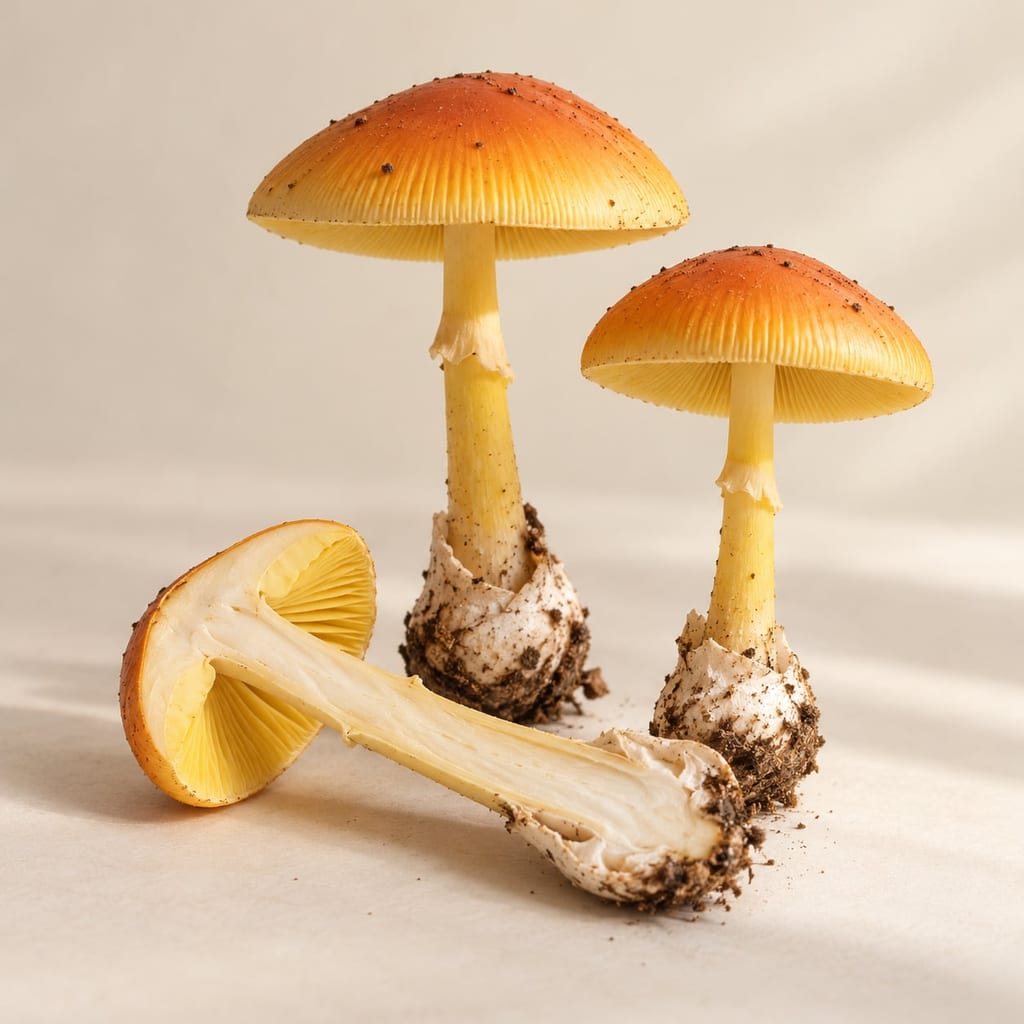
A wild Amanita of China, first reported there and listed as edible in a Yunnan ethnomycology study. The genus contains deadly species, so this page does not support identifying or eating it.
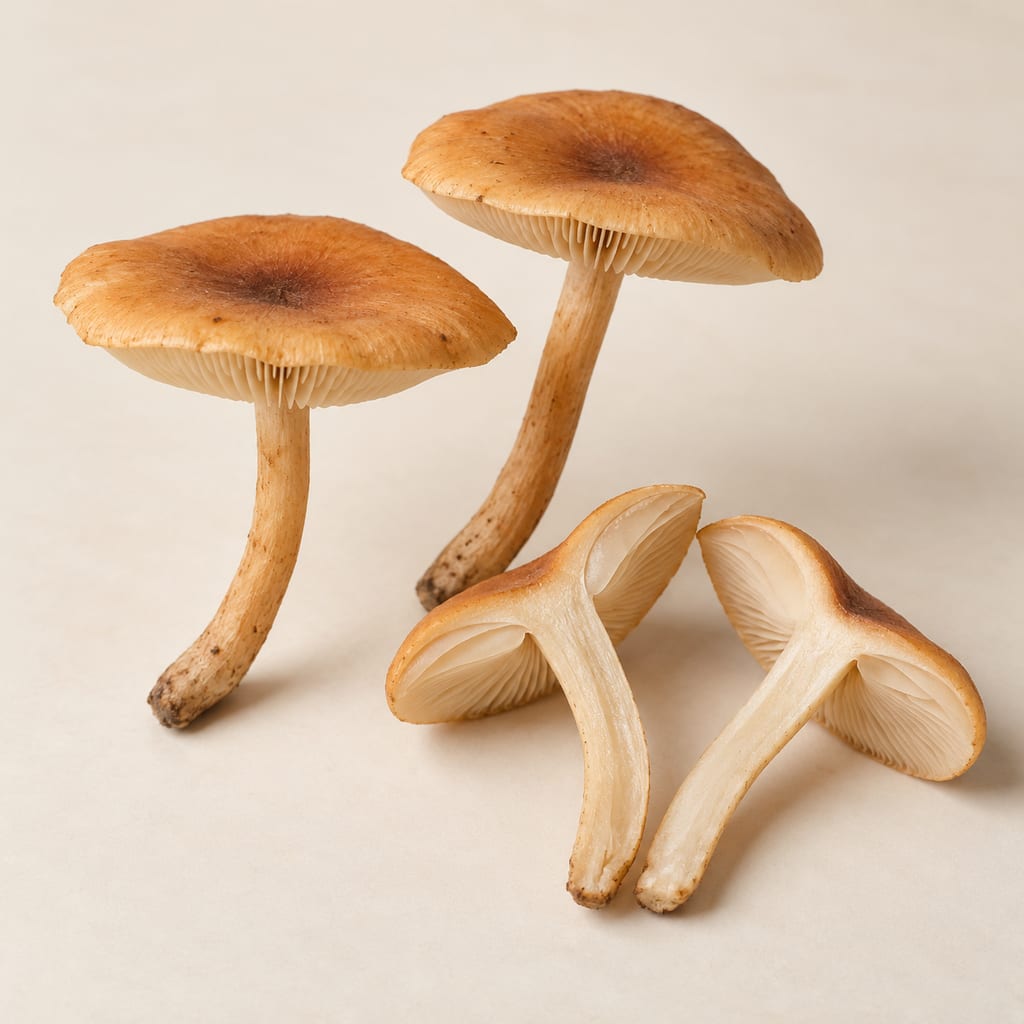
A wood-associated Armillaria recorded in Yunnan and Sichuan, China, and listed as edible in a 2026 Chinese catalogue.
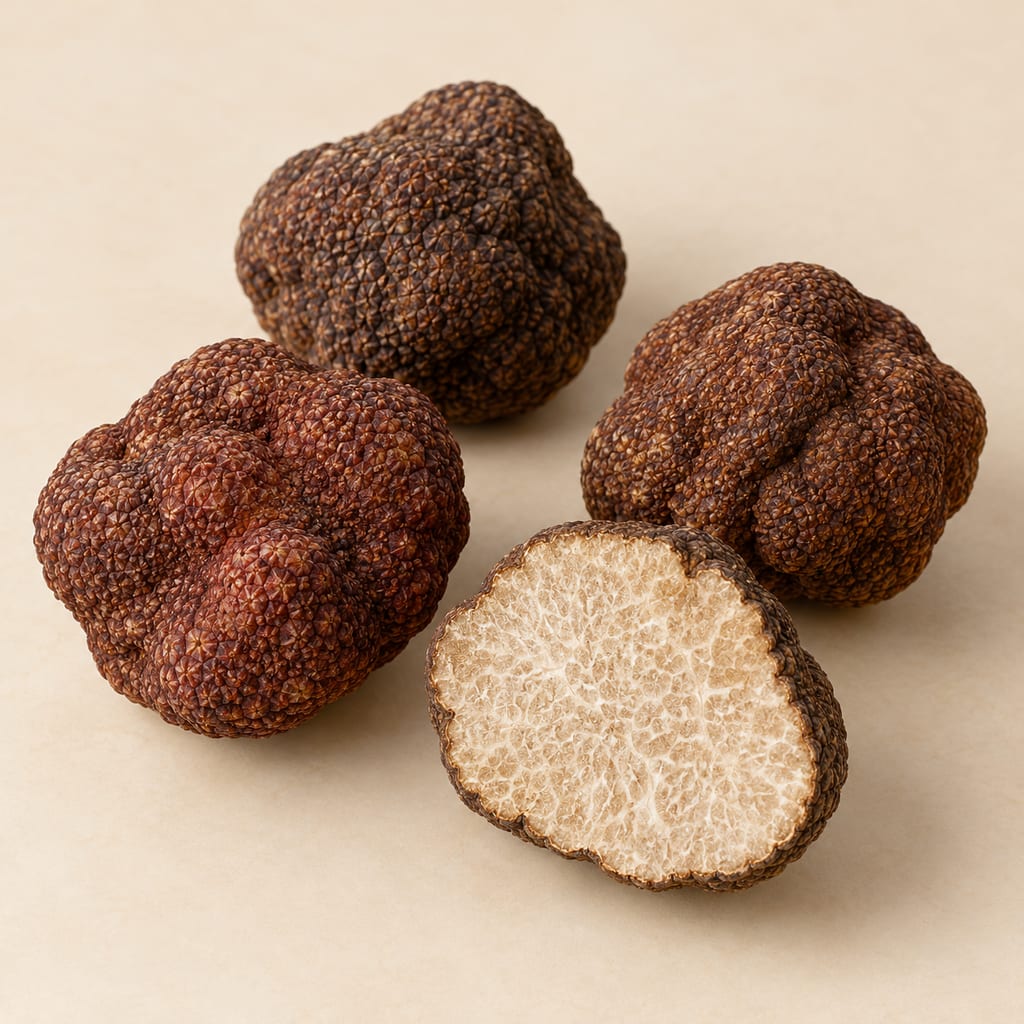
Tuber pseudohimalayense is a wild black truffle from Yunnan, China, listed as edible in a Chinese species catalogue. No independent assessment of its culinary use or safety is available.
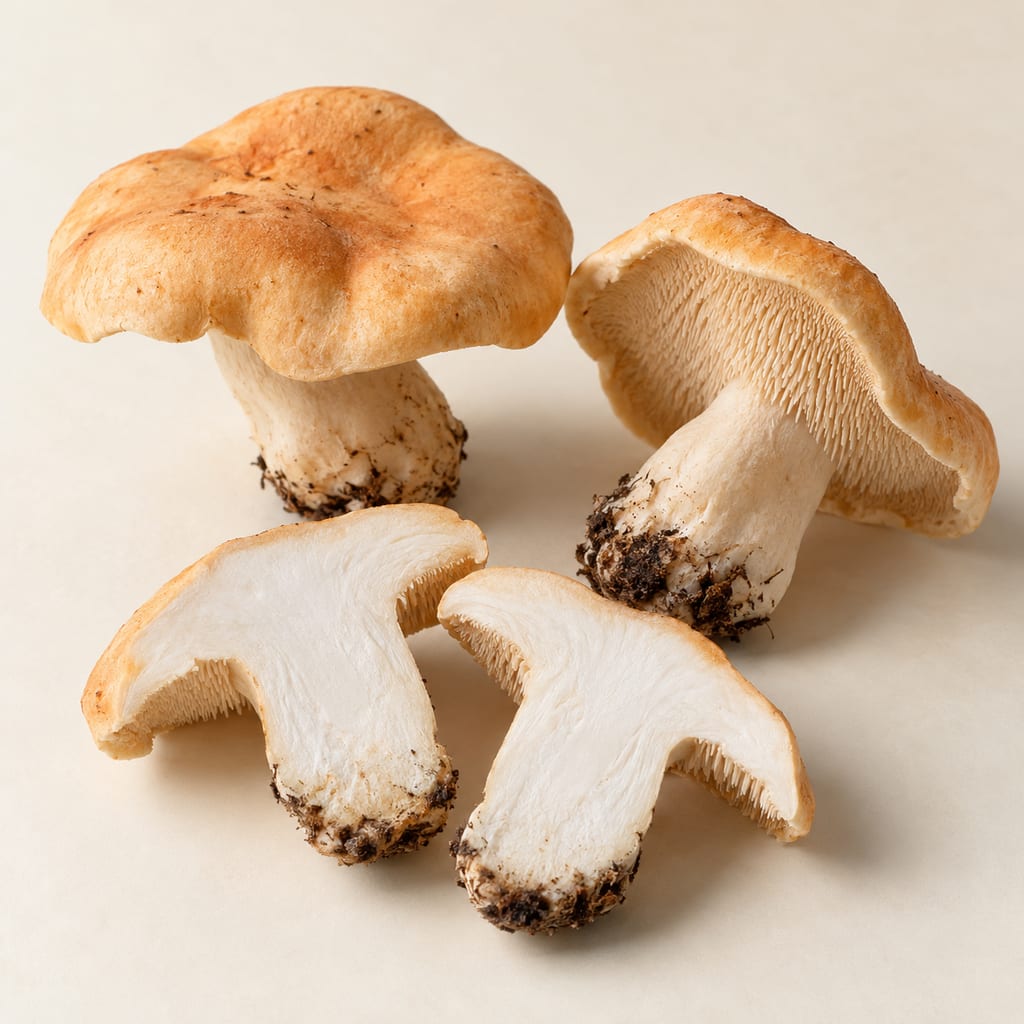
Hydnum berkeleyanum is a toothed, ectomycorrhizal forest fungus sold in food markets in Yunnan, China. Its regional identification is published, but its current name and local safety still need species-level review.
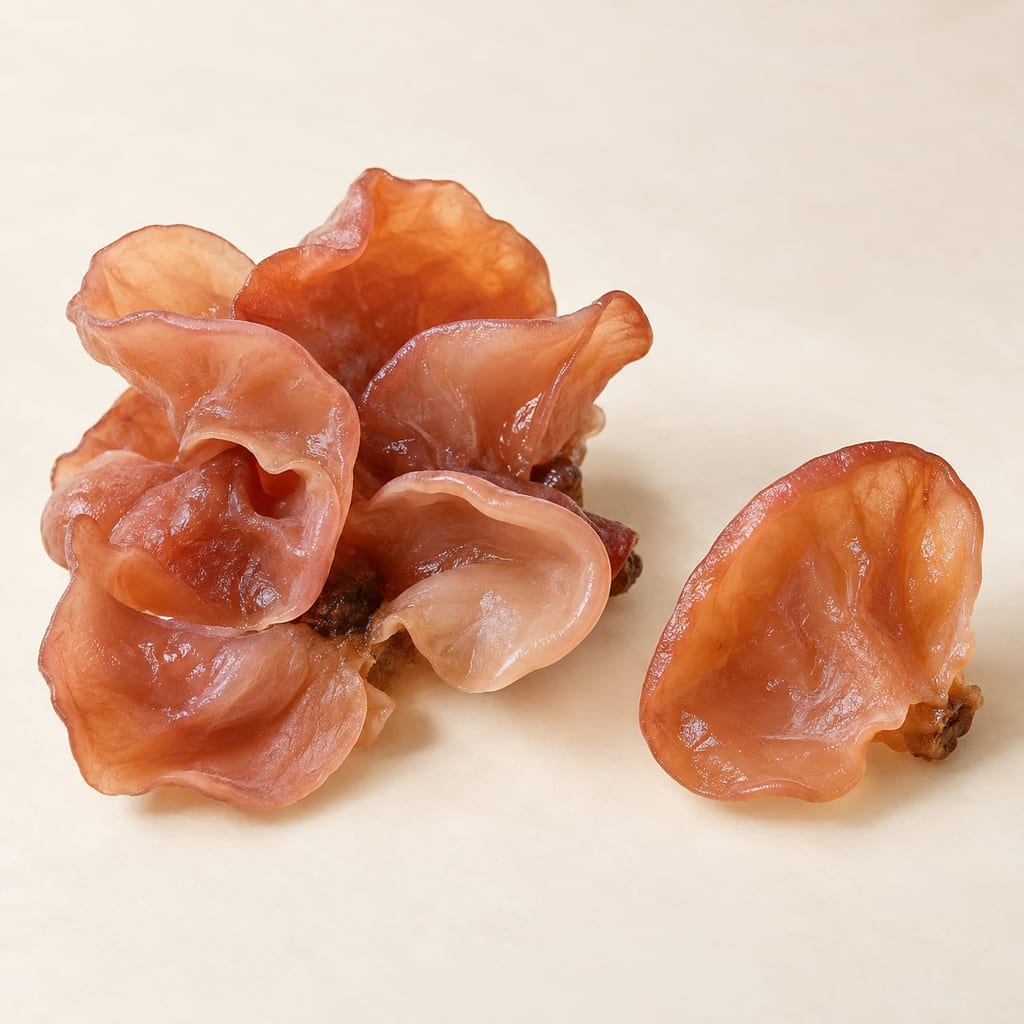
Auricularia thailandica is a thin, gelatinous wood ear described from Southeast Asian collections. Research reports it edible and experimentally cultivable, but species-specific recipes and everyday handling guidance are scarce.
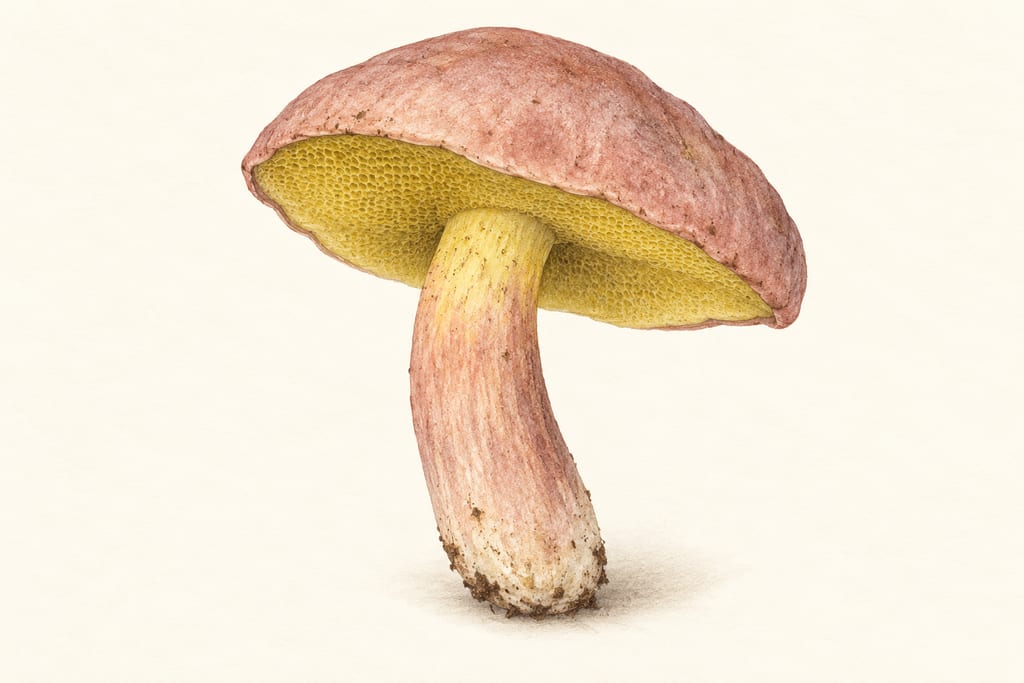
A 2023 Chinese taxonomic treatment accepts Boletellus indistinctus as a species. A separate Yunnan market record uses this name, but its specimen identification and local food safety have not been confirmed here.
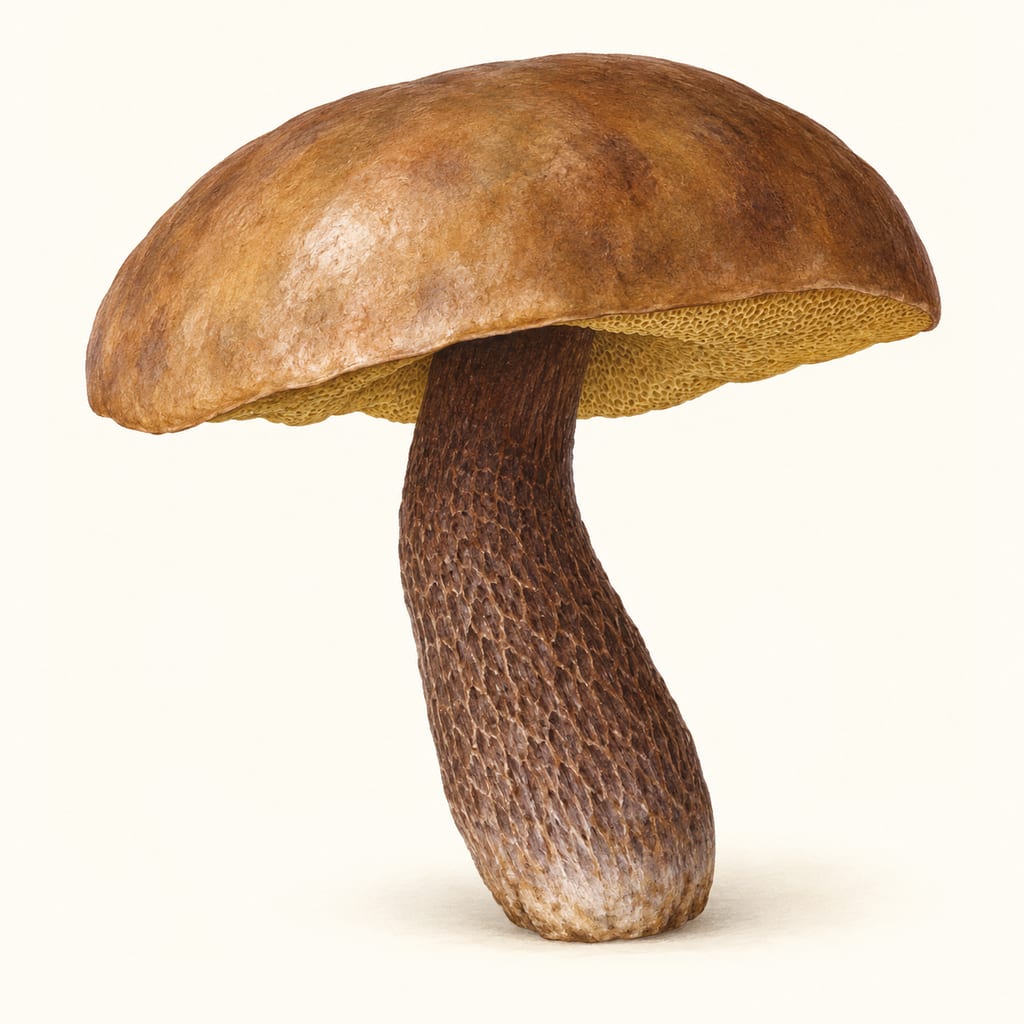
Boletus botryoides, the grape-coloured bolete, is a porcini-like wild bolete of central and south-western China. It is listed as edible in Chinese catalogues, but no dish or preparation is documented for it.
No community contributions have been published for this entry yet.
Sign in to contribute. Published comments and photos are free to read.
WikipediaTaxonomy · Identity · Geography
RugiboletusGenus in Boletaceae; type species R. extremiorientalis, earlier Krombholzia extremiorientalis; alpine, from eastern Asia; R. brunneiporus from southern China and India.
Cited in: Overview; Taxonomy and the genus; Habitat
Journal of Ethnobiology and EthnomedicineFood use · Geography
Ethnomycological study on wild mushrooms in Pu'er Prefecture, Southwest Yunnan, ChinaSurveyed market wild mushrooms in Pu'er with local names, habitats, prices and cooking methods; market list names Lactifluus volemus, Termitomyces spp. and Boletus spp.; does not name Rugiboletus.
Cited in: Overview; Food use: what is recorded and what is not; Safety and what is not known
Springer / BioMed CentralFood use
Journal of Ethnobiology and Ethnomedicine, 2022 (supplied catalogue source)Supplied source for the Pu'er market record; the full text was not reachable for this page, so the record is noted as unconfirmed.
Cited in: Food use: what is recorded and what is not