
Akahatsu
Akahatsu, Lactarius akahatsu, is a wild milkcap of East Asian pine and mixed forests that is sold in Yunnan markets, with its edibility and identity still needing species-level review.
 FermenteaWhere food goes to change
Mushrooms
A wild termite mushroom recorded as food in Yunnan, China, and across South and Southeast Asia, eaten in soups and fried dishes and sometimes preserved in oil. Its species name still needs molecular checking.
Termitomyces albiceps is a wild mushroom that grows in association with fungus-growing termites. Its fruit bodies come up from the ground in the termite-associated substrate, and it is gathered rather than cultivated. The food record places it in Yunnan, China, and across South and Southeast Asia, where it is cooked in soups and fried dishes.
The name is used in regional food records, but the catalogue treats it as a research label. Older broad concepts of the genus, and local names that cover more than one species, mean the record needs molecular verification before the name is treated as settled.
Termitomyces is a genus of mushrooms linked with termites of the subfamily Macrotermitinae. The termites and the fungus depend on one another, and the mushroom's fruiting bodies emerge from the termite-associated substrate. A review of the genus notes that cultivation is difficult because of this association, so most supply comes from the wild.
For a cook this has practical consequences. The mushroom is tied to the places and seasons where the termites are active, and the catalogue records wild supply as predominant. No cultivation method is recorded for this species.
The catalogue records two main kinds of use: fresh mushrooms in soups, and fried dishes. It also records that some Termitomyces are preserved by frying in oil. In Yunnan, the wild crop is reported to appear for only a short part of the rainy season and not to keep fresh, which is the reason given for preserving it in oil.
The catalogue gives no quantities, cooking times or standard preparation for this species. A method would need a regional recipe source before it could be written from one.
The catalogue records Termitomyces albiceps as a food mushroom. That record is not an identification guide, and it does not establish that a specimen picked by someone else is this species or that it is safe to eat.
Catalogue inclusion is not an edibility verdict. Wild fungi should be identified with local expertise and a reference that covers look-alikes, and an ingredient page is not a basis for deciding whether a mushroom is edible. Appearance, smell and taste do not establish that a mushroom is safe.
Other members of the genus, such as Termitomyces microcarpus, appear in the same regional food context. Their names are separate records on this site, each with its own limits. Termitomyces albiceps should not be treated as the same food as another species without a source that makes that link.
The food-use record names Yunnan; it does not place the species at a single site.
A broad regional range from the catalogue record; it is not a species-level distribution.
Akahatsu, Lactarius akahatsu, is a wild milkcap of East Asian pine and mixed forests that is sold in Yunnan markets, with its edibility and identity still needing species-level review.
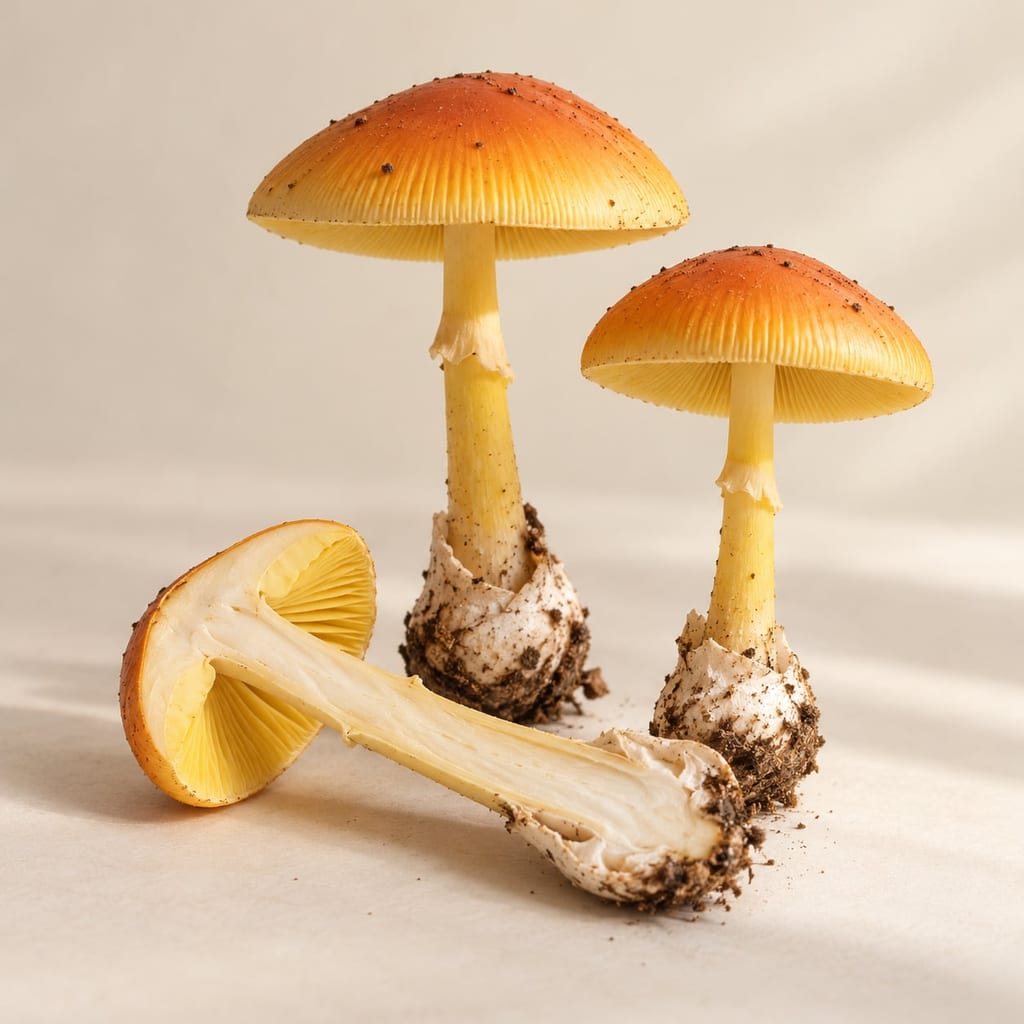
A wild Amanita of China, first reported there and listed as edible in a Yunnan ethnomycology study. The genus contains deadly species, so this page does not support identifying or eating it.
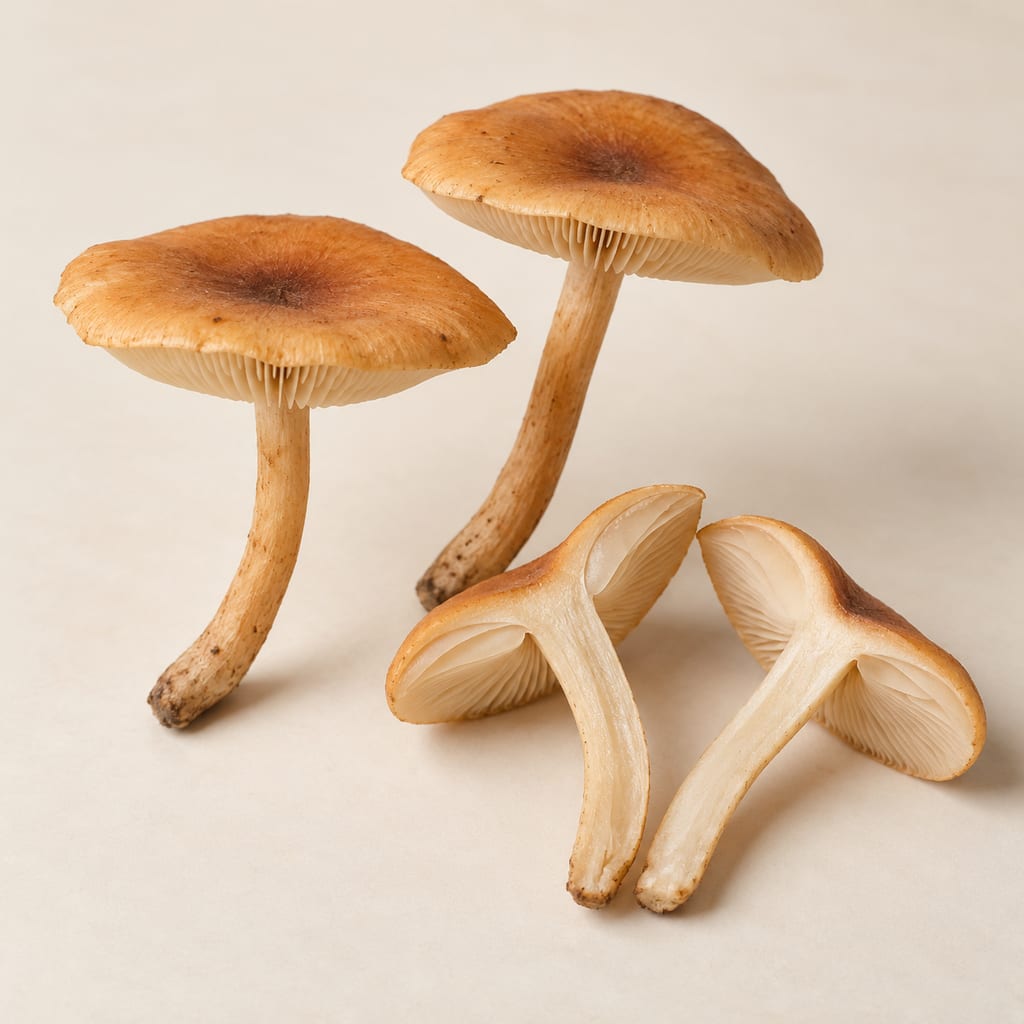
A wood-associated Armillaria recorded in Yunnan and Sichuan, China, and listed as edible in a 2026 Chinese catalogue.
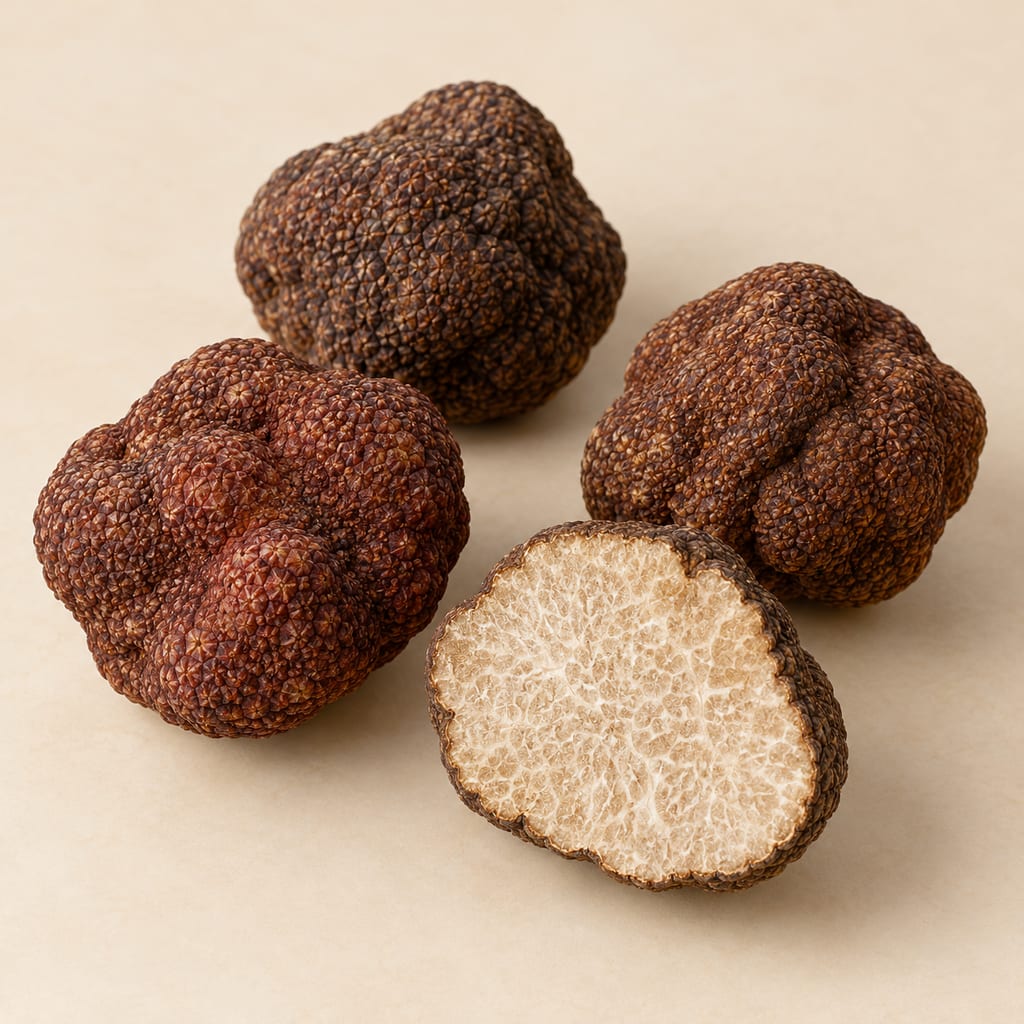
Tuber pseudohimalayense is a wild black truffle from Yunnan, China, listed as edible in a Chinese species catalogue. No independent assessment of its culinary use or safety is available.
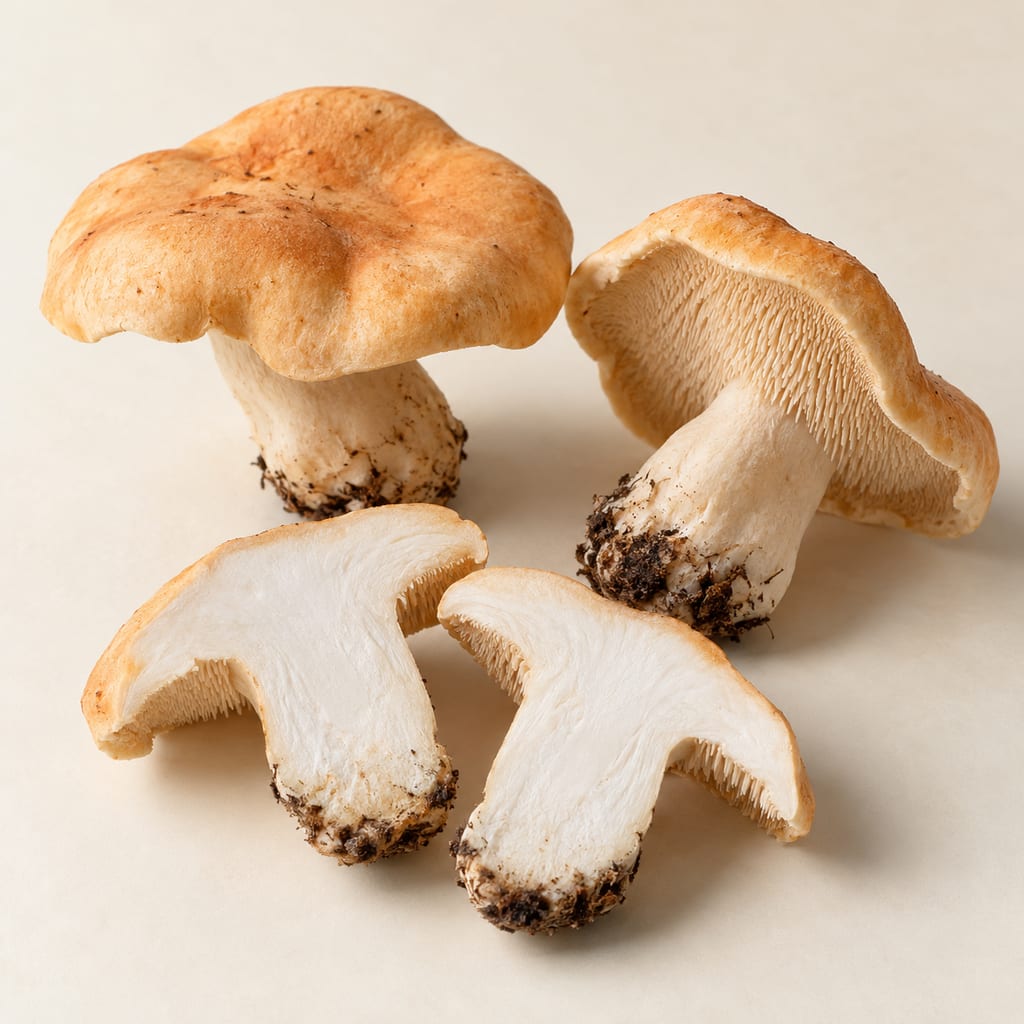
Hydnum berkeleyanum is a toothed, ectomycorrhizal forest fungus sold in food markets in Yunnan, China. Its regional identification is published, but its current name and local safety still need species-level review.
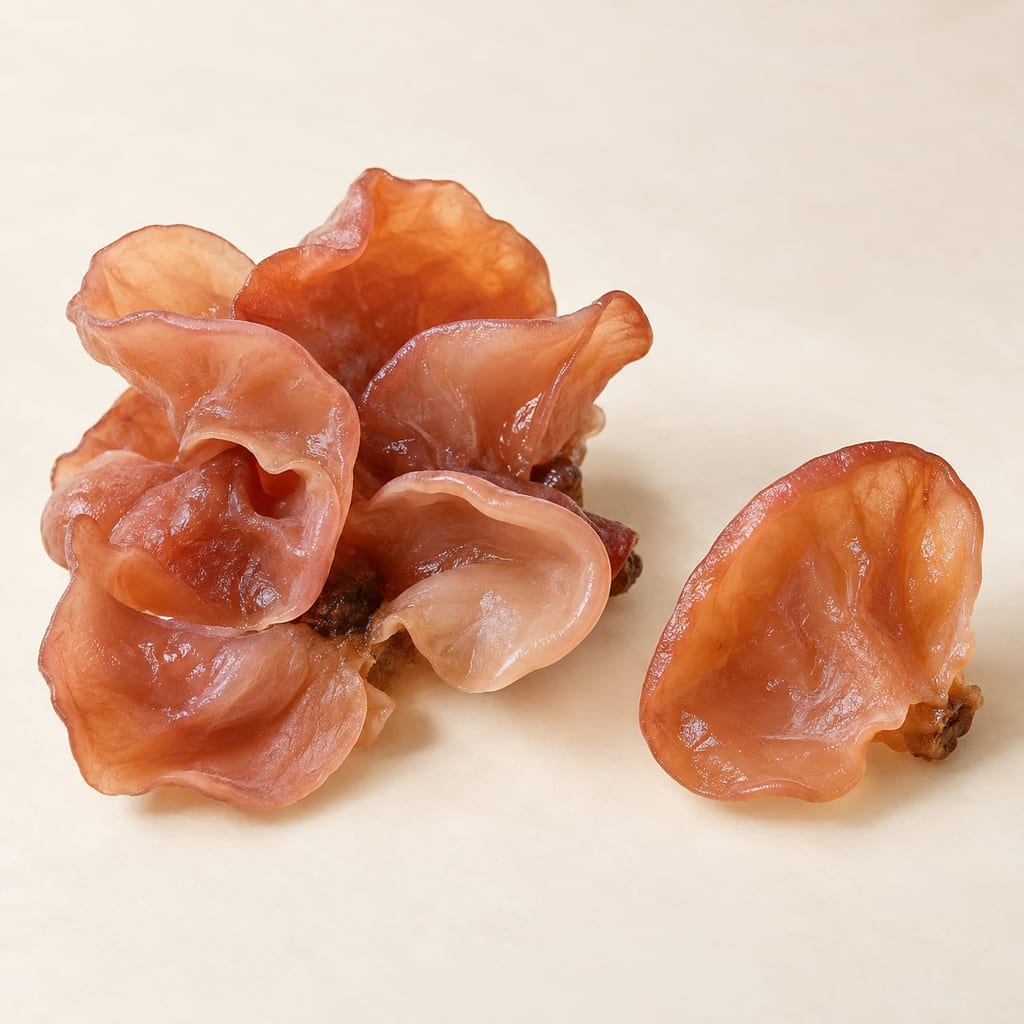
Auricularia thailandica is a thin, gelatinous wood ear described from Southeast Asian collections. Research reports it edible and experimentally cultivable, but species-specific recipes and everyday handling guidance are scarce.
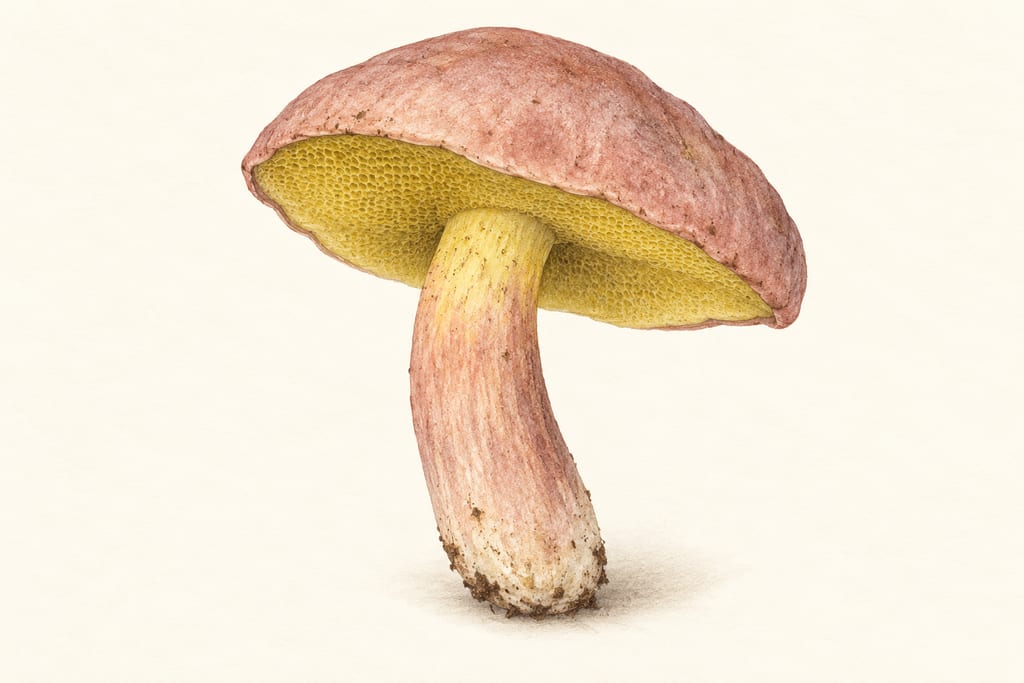
A 2023 Chinese taxonomic treatment accepts Boletellus indistinctus as a species. A separate Yunnan market record uses this name, but its specimen identification and local food safety have not been confirmed here.
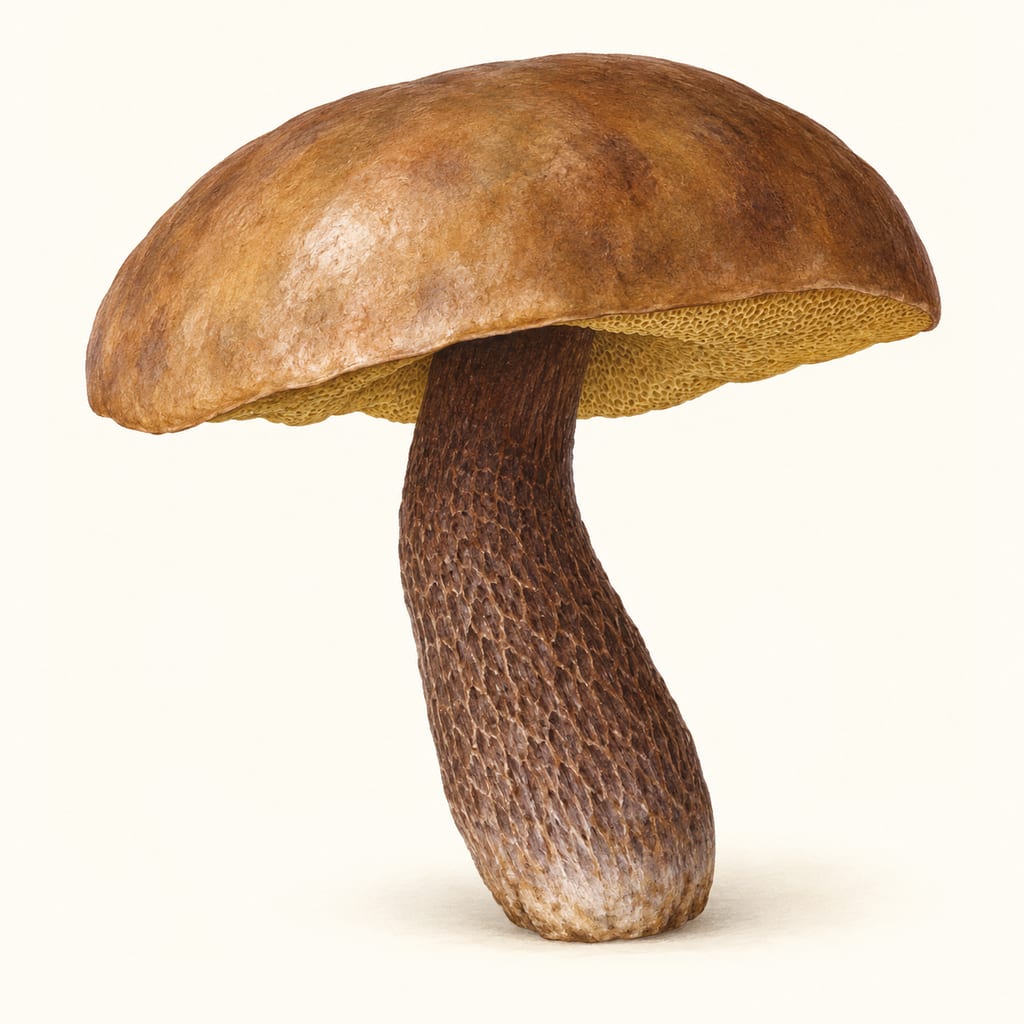
Boletus botryoides, the grape-coloured bolete, is a porcini-like wild bolete of central and south-western China. It is listed as edible in Chinese catalogues, but no dish or preparation is documented for it.
No community contributions have been published for this entry yet.
Sign in to contribute. Published comments and photos are free to read.
Journal of Ethnobiology and Ethnomedicine (BioMed Central)Food use · Method · Safety
https://link.springer.com/article/10.1186/s13002-022-00551-7Termite mushroom recorded as food in Yunnan, China and South and Southeast Asia.
Used in soups and fried dishes; some Termitomyces preserved by frying in oil.
Wild supply predominates; regional names and older species concepts need molecular verification.
Cited in: Overview; Food use; Identification and safety
MDPI (Journal of Fungi)Food use
https://www.mdpi.com/2309-608x/9/1/112Cited in the catalogue for the Termitomyces albiceps food record.
Cited in: Food use
PubMed CentralEcology · Background
Termite Mushrooms (Termitomyces), a Potential Source of Nutrients and Bioactive Compounds Exhibiting Human Health Benefits: A ReviewTermitomyces fruit bodies grow from a termite-associated substrate in a mutualism with fungus-growing termites.
Cultivation of Termitomyces is difficult because of the termite association.
Cited in: Overview; Termites and the fruiting body; Related species