
Akahatsu
Akahatsu, Lactarius akahatsu, is a wild milkcap of East Asian pine and mixed forests that is sold in Yunnan markets, with its edibility and identity still needing species-level review.
 FermenteaWhere food goes to change
Mushrooms
Termitomyces eurhizus, a wild mushroom that grows from the nests of fungus-growing termites in Yunnan and parts of South and Southeast Asia, recorded in soups, fried dishes and preserved in oil.
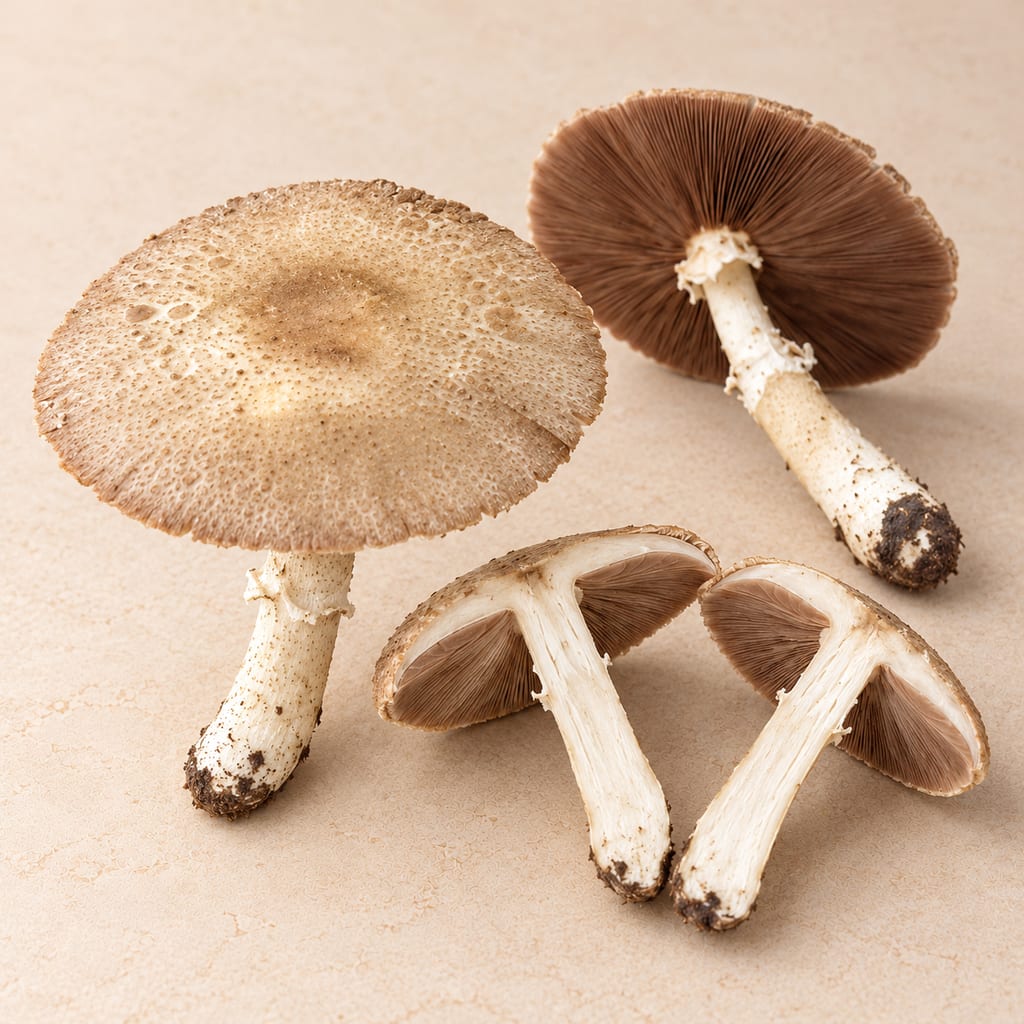
Termitomyces eurhizus is a wild agaric of the genus Termitomyces. The genus is one whose members are grown in the nests of fungus-growing termites of the subfamily Macrotermitinae, and whose fruiting bodies appear from the termite-built substrate around the mound. The catalogue gives the common name termite mushroom, which it also gives for several other species.
The spelling Termitomyces eurrhizus appears in some literature. Regional names and older broad species concepts of Termitomyces need molecular verification, so this name cannot yet be assigned with confidence to one species.
Fungus-growing termites build fungus combs inside their nests from plant material, faeces and soil, and the Termitomyces fungus grows on that comb. The mushrooms come up from the termite-associated substrate. The catalogue records the supply as wild and the ecology as symbiotic with fungus-growing termites.
The regions recorded for the species are Yunnan in southern China and parts of South and Southeast Asia. Most Termitomyces species were described from Africa, according to a review of the genus, and the African records for the close species Termitomyces fuliginosus are covered on a separate page.
The supplied catalogue records the species as a wild food mushroom, eaten in soups and fried, and it records that some Termitomyces are preserved by frying in oil. Across the genus, reviews describe the mushrooms as prized for their flavour and texture, and report that they are gathered in the rainy season for home meals and for sale in local markets.
The catalogue does not record a separate preparation for this species, and the sources read for this entry do not give quantities, drying methods or yields for it. The food record rests on the genus-level reviews and on the regional food listing in the catalogue.
This entry is not an identification guide. Termitomyces mushrooms from different regions are sold under the same common name, and a market name does not identify the species in hand. The catalogue states that the regional names and species concepts need molecular verification and that wild supply predominates.
No safety assessment of this species was found in the sources read. The catalogue states that preparation, identity and current safety require separate validation, and a food record from a regional list does not establish that a mushroom is safe to eat. Anyone who wants to eat a wild Termitomyces needs a qualified identification of the specimen.
The points that decide how this record should be read are whether the Yunnan and South and Southeast Asian records refer to this species or to other members of the genus, what preparations are used for it, and how far it is gathered compared with other termite mushrooms.
Regional termite-mushroom food record in the supplied catalogue; the species assignment needs molecular verification.
Regional food record in the supplied catalogue; the countries and the species assignment are not established at this level of precision.
Akahatsu, Lactarius akahatsu, is a wild milkcap of East Asian pine and mixed forests that is sold in Yunnan markets, with its edibility and identity still needing species-level review.
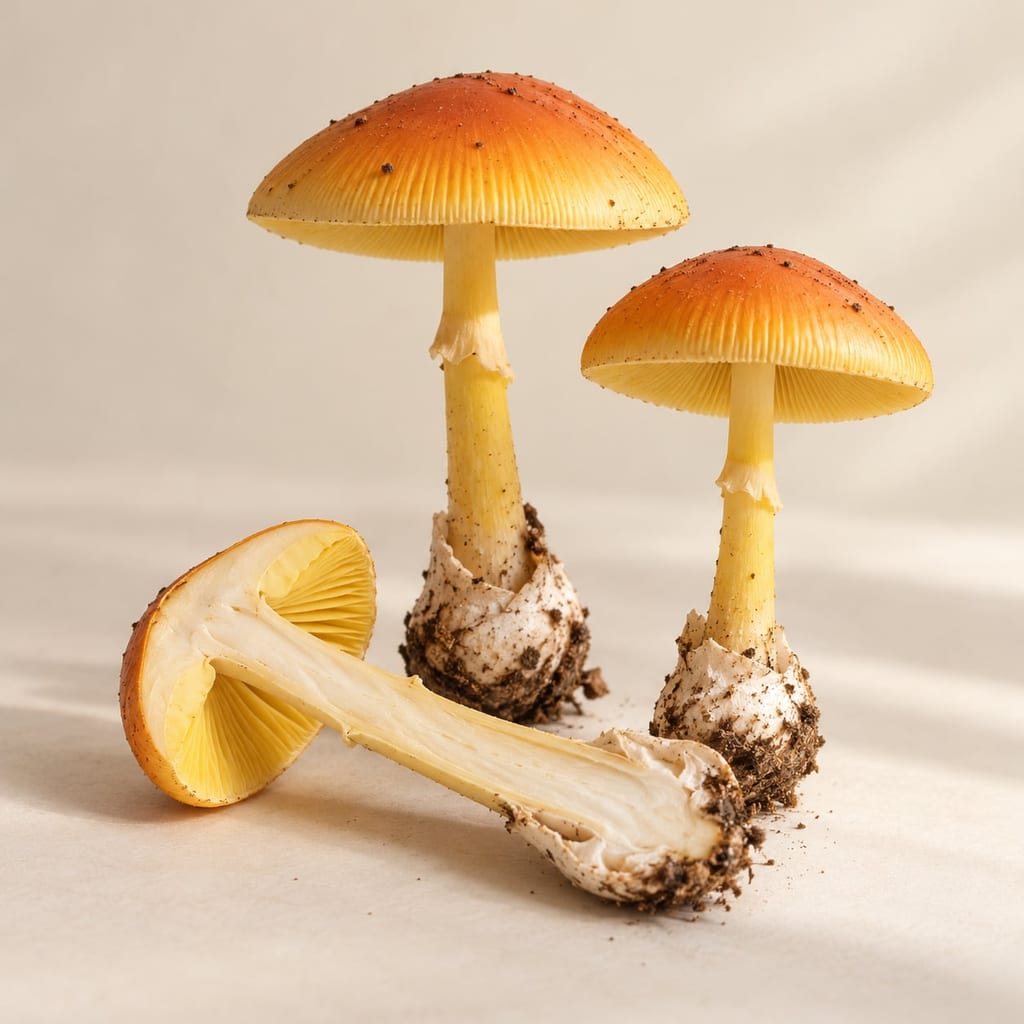
A wild Amanita of China, first reported there and listed as edible in a Yunnan ethnomycology study. The genus contains deadly species, so this page does not support identifying or eating it.
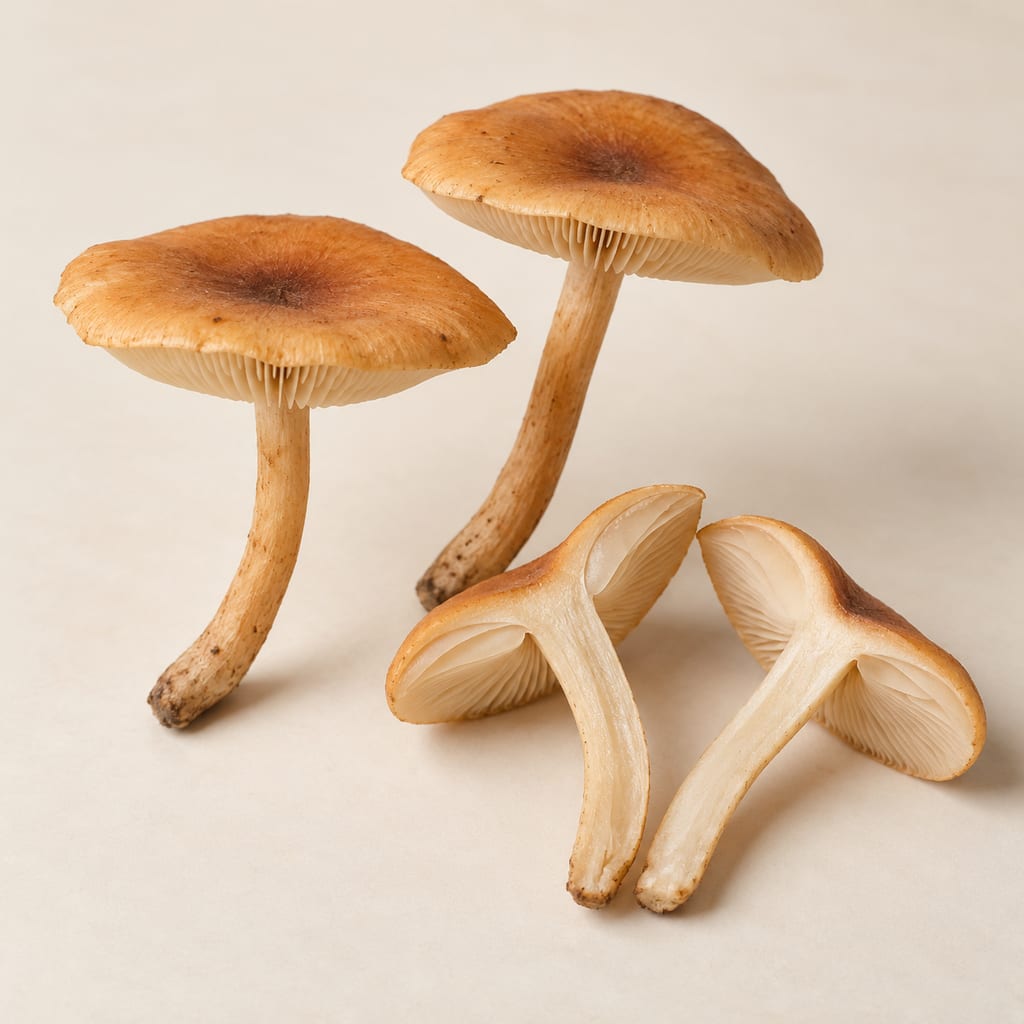
A wood-associated Armillaria recorded in Yunnan and Sichuan, China, and listed as edible in a 2026 Chinese catalogue.
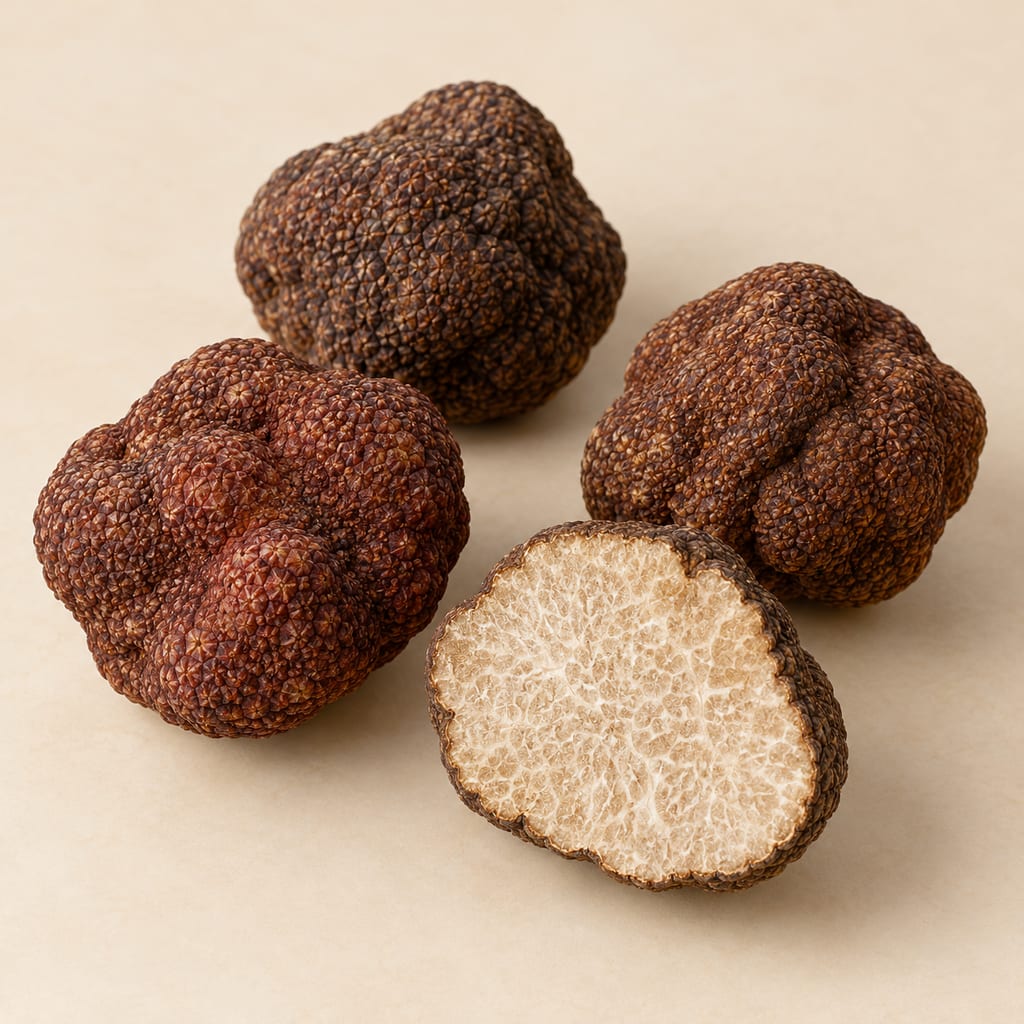
Tuber pseudohimalayense is a wild black truffle from Yunnan, China, listed as edible in a Chinese species catalogue. No independent assessment of its culinary use or safety is available.
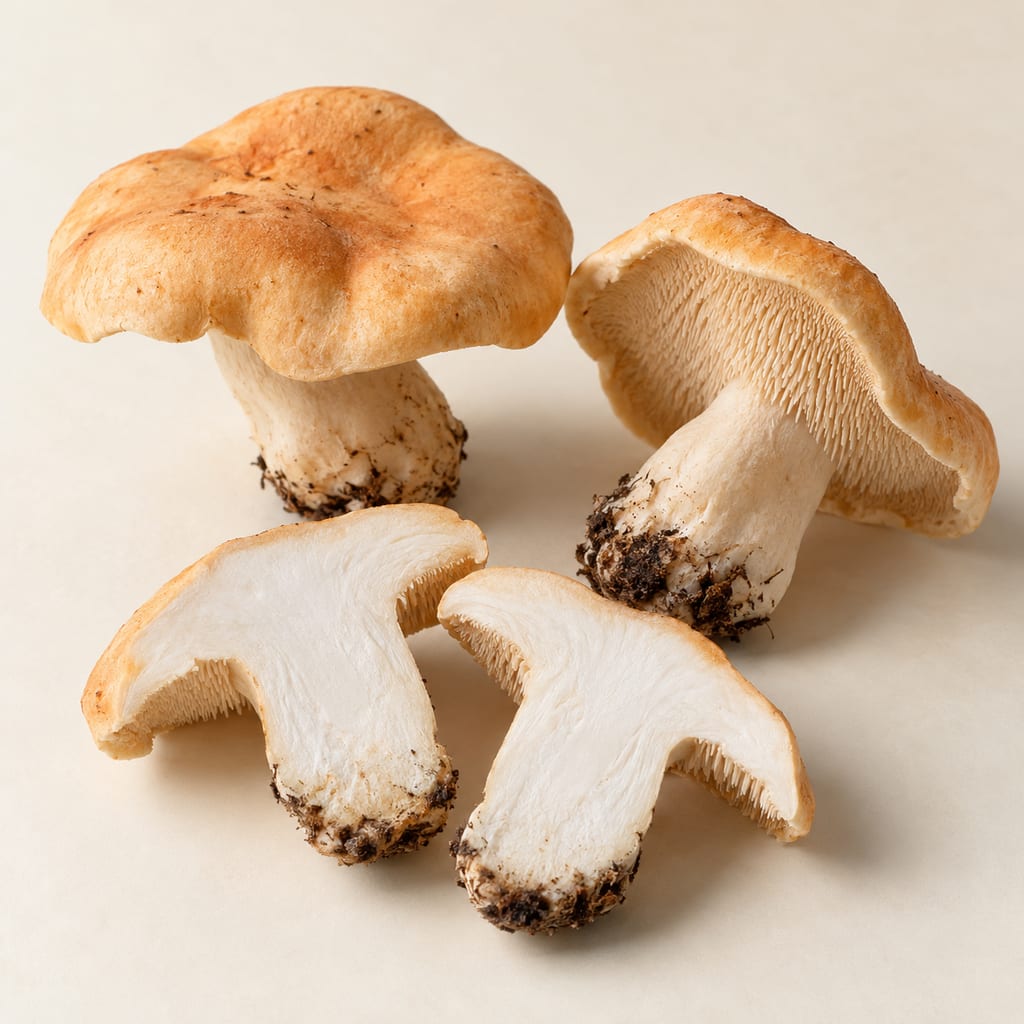
Hydnum berkeleyanum is a toothed, ectomycorrhizal forest fungus sold in food markets in Yunnan, China. Its regional identification is published, but its current name and local safety still need species-level review.
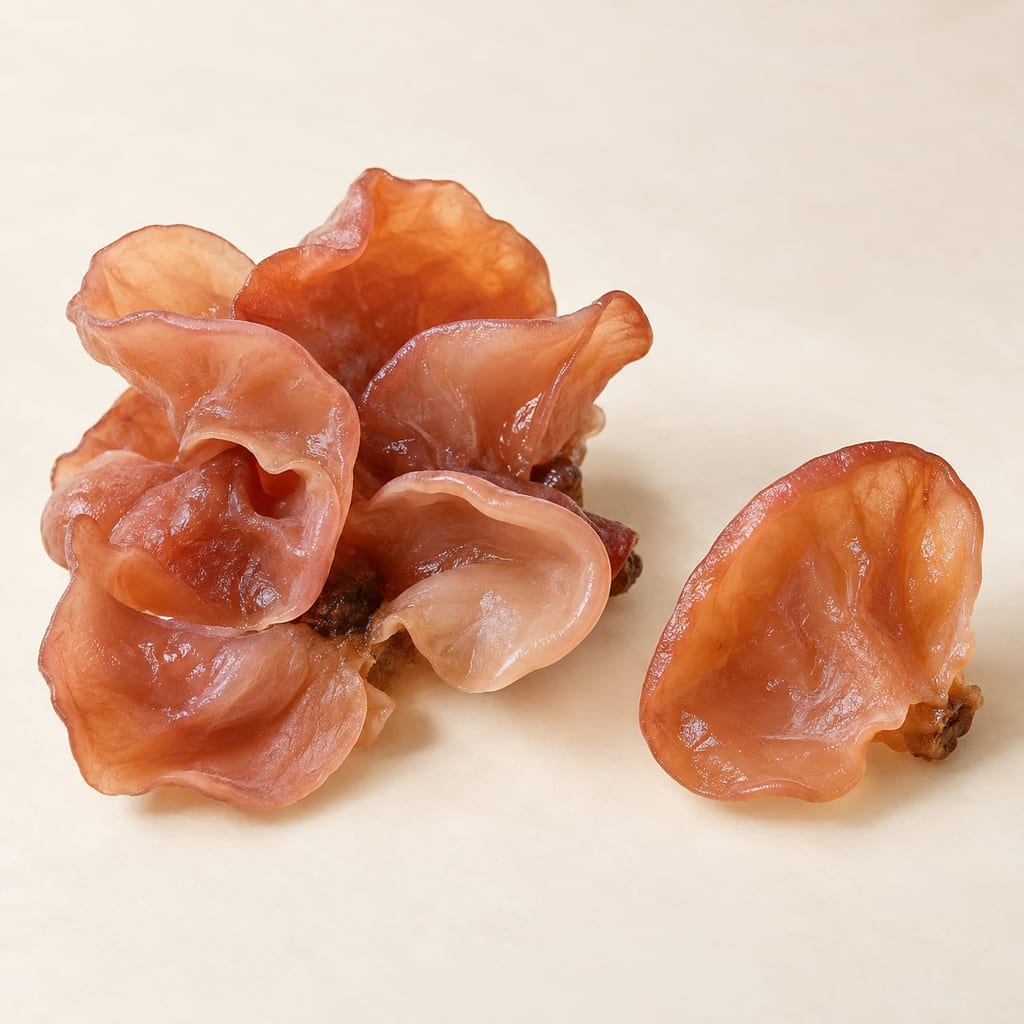
Auricularia thailandica is a thin, gelatinous wood ear described from Southeast Asian collections. Research reports it edible and experimentally cultivable, but species-specific recipes and everyday handling guidance are scarce.
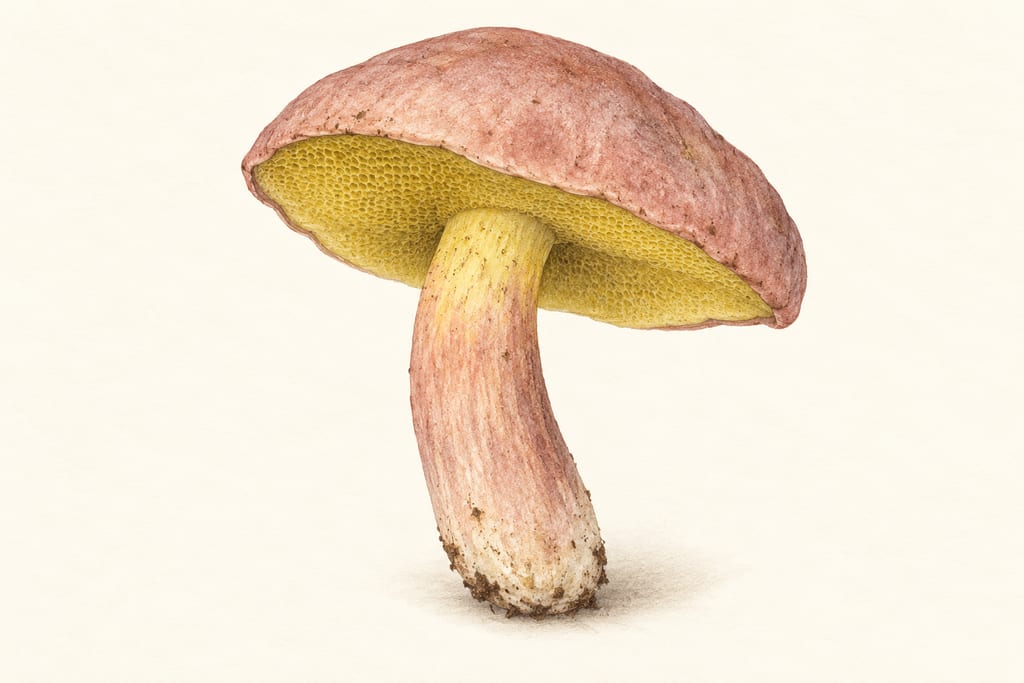
A 2023 Chinese taxonomic treatment accepts Boletellus indistinctus as a species. A separate Yunnan market record uses this name, but its specimen identification and local food safety have not been confirmed here.
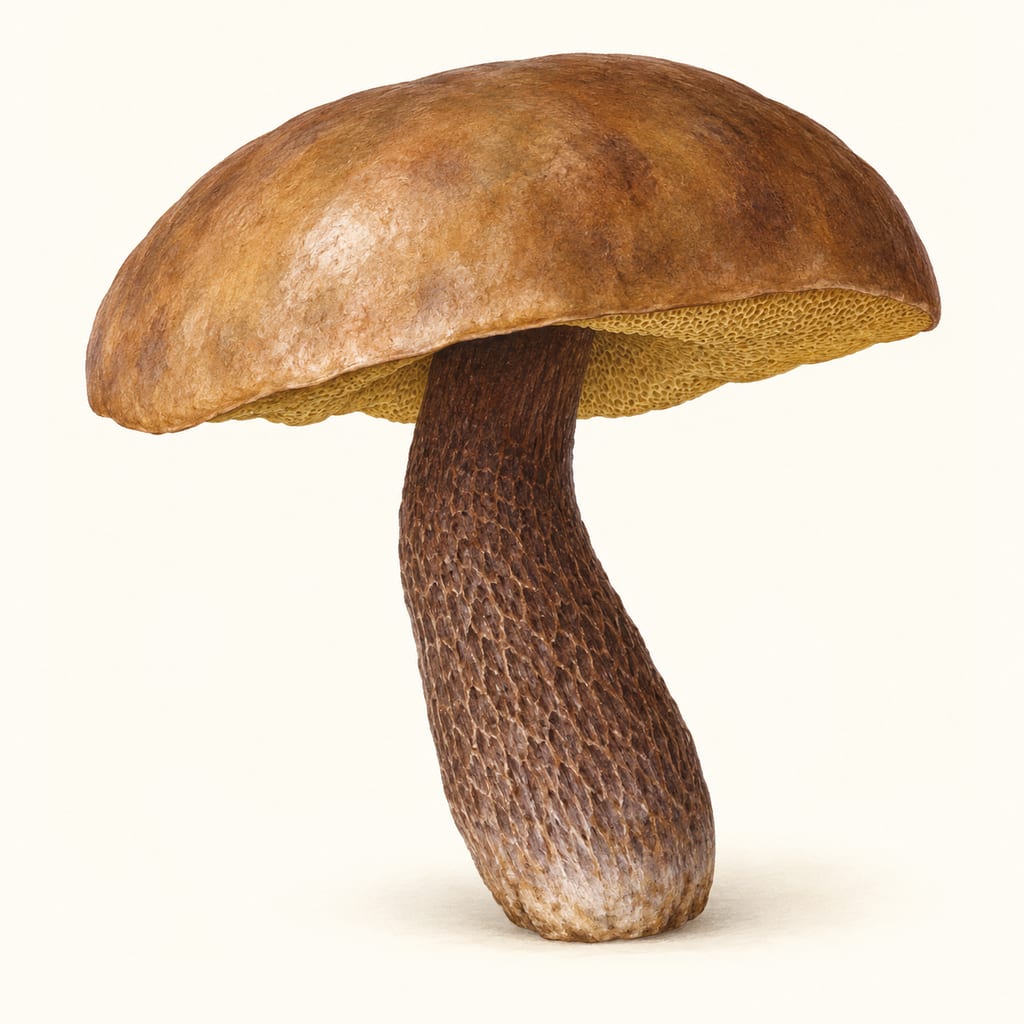
Boletus botryoides, the grape-coloured bolete, is a porcini-like wild bolete of central and south-western China. It is listed as edible in Chinese catalogues, but no dish or preparation is documented for it.
No community contributions have been published for this entry yet.
Sign in to contribute. Published comments and photos are free to read.
Journal of Fungi (MDPI)Food · Background
Termite Mushrooms (Termitomyces), a Potential Source of Nutrients and Bioactive Compounds Exhibiting Human Health Benefits: A ReviewTermitomyces species prized for flavour and texture; gathered in the rainy season for home meals and local markets in African and Asian countries
Journal of Ethnobiology and Ethnomedicine (Springer)Food
Ethnobiology and ethnomycology record cited in the supplied catalogue for Termitomyces eurhizusSupplied catalogue source for the regional food record; the article could not be read during this recovery, so no fact is taken from it directly
CREAMBackground
CREAM journal paper on Termitomyces from the Western GhatsTermitomyces grows on fungus combs built by Macrotermitinae termites from plant material, faeces and soil