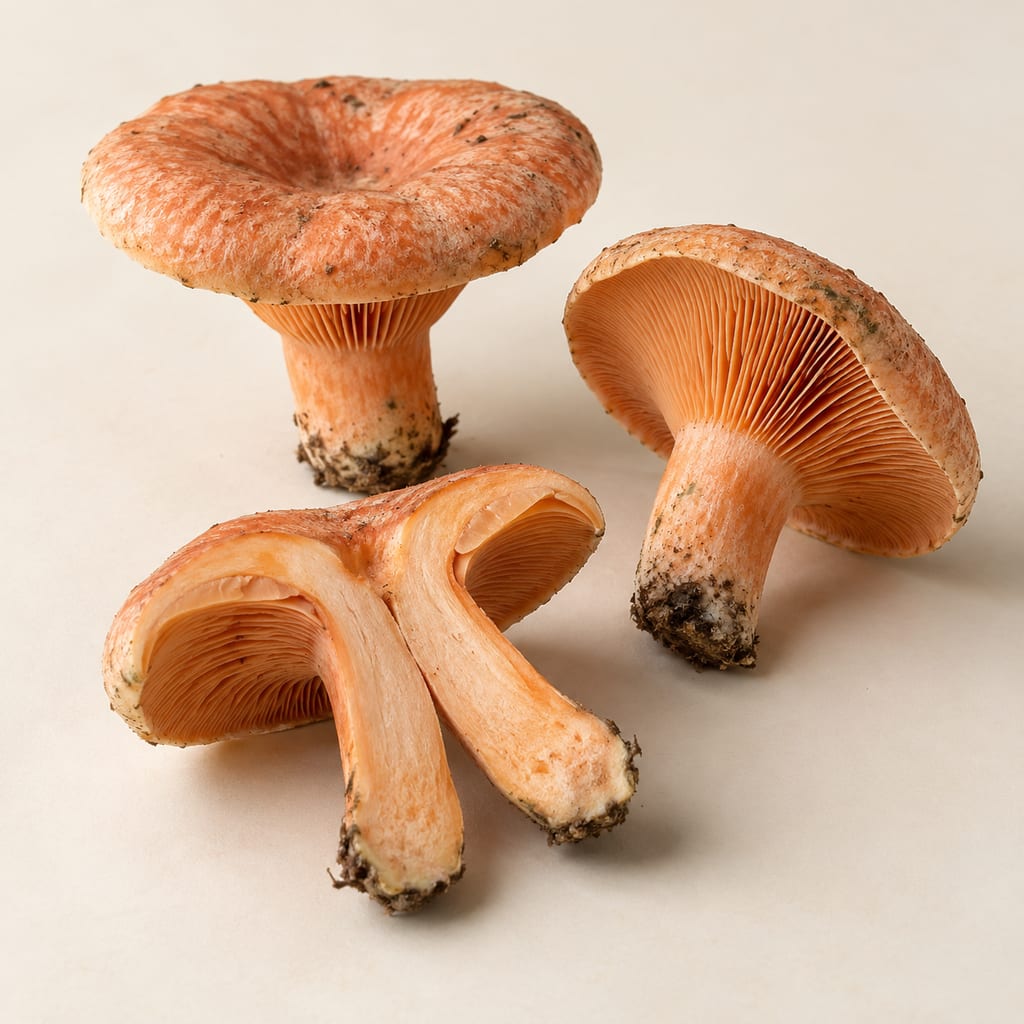
Akahatsu
Akahatsu, Lactarius akahatsu, is a wild milkcap of East Asian pine and mixed forests that is sold in Yunnan markets, with its edibility and identity still needing species-level review.
 FermenteaWhere food goes to change
Mushrooms
Termitomyces heimii is a wild termite mushroom that grows with fungus-growing termites in Yunnan, Laos and across South and Southeast Asia. It is sold in local markets and cooked in soups and fried dishes.
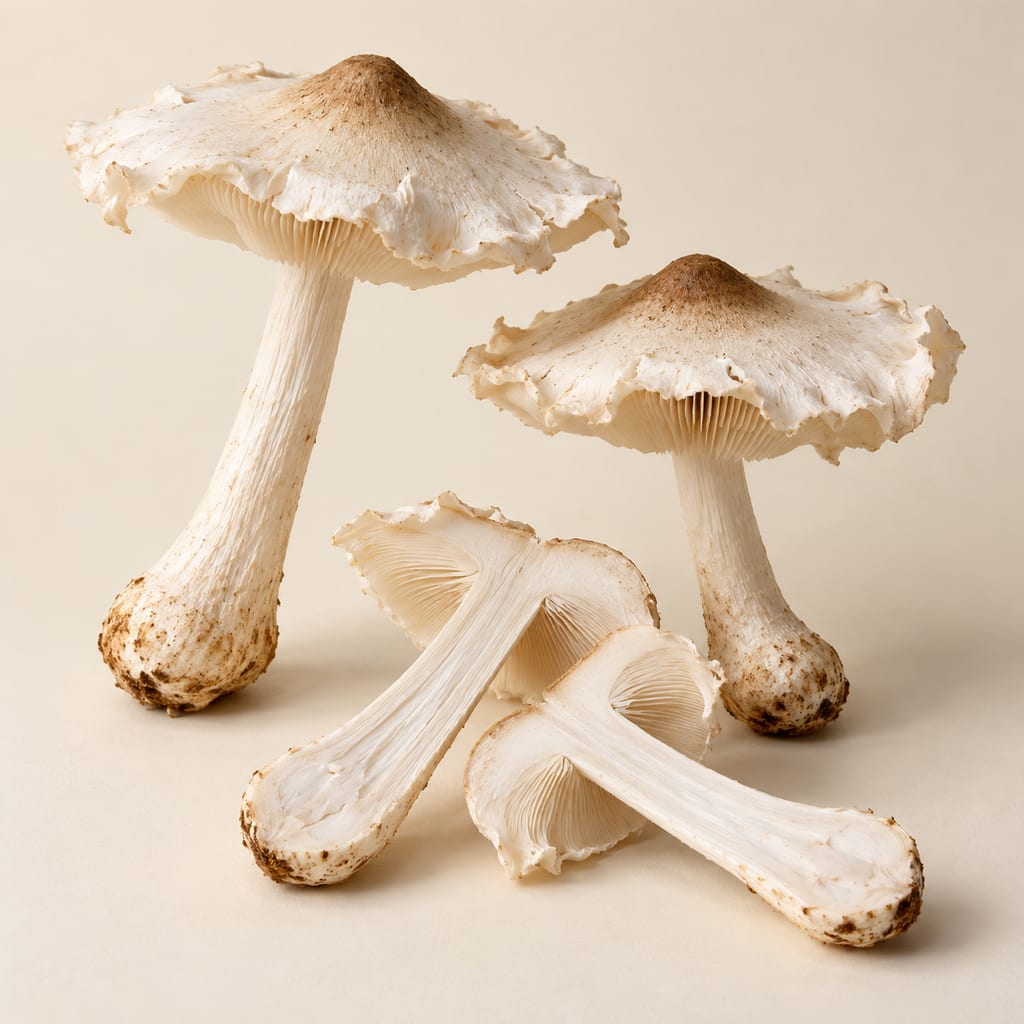
Termitomyces heimii is a wild mushroom that grows in association with fungus-growing termites. Its fruit bodies come up from the termite-associated substrate. In Yunnan and Laos it is gathered and sold in local markets, and it is cooked in soups and fried dishes. Wild supply predominates, and the catalogue records it as wild.
The fungus lives in a partnership with termites that cultivate it. Its fruit bodies emerge from the termite-associated substrate, which is why the mushrooms are found in the same places as the colonies that sustain them. Termite mushrooms are a genus of several species, and the catalogue notes that regional names and older broad species concepts need molecular verification.
Local names in Laos include het pouak and pouak tap kan yao. The catalogue gives the English name termite mushroom. Because the older species concepts are broad, a name used in a market survey may cover more than one species until it is checked against molecular data.
In Luang Prabang, Laos, sellers offer the species alongside Macrocybe gigantea. In the Pu'er markets of Yunnan, the survey records Termitomyces species at prices of about 25 to 160 yuan per kilogram across 2019 to 2021. The catalogue records the species as eaten in soups and fried dishes, and as preserved by frying in oil.
The catalogue records that some Termitomyces are preserved by frying them in oil. The method and its duration are not given in the sources read, and this page gives no preservation directions.
The sources read here give no safe-eating guarantee for Termitomyces heimii, and the catalogue leaves its local safety for species-level review. Wild mushrooms should be identified by a qualified person before they are eaten. This page gives no identification or edibility verdict.
Sold in the Pu'er markets of Southwest Yunnan in the ethnomycological survey.
Sold in the markets of Luang Prabang; local names are recorded in the review.
The catalogue's broad regional label; the older broad species concepts need molecular verification.
Akahatsu, Lactarius akahatsu, is a wild milkcap of East Asian pine and mixed forests that is sold in Yunnan markets, with its edibility and identity still needing species-level review.
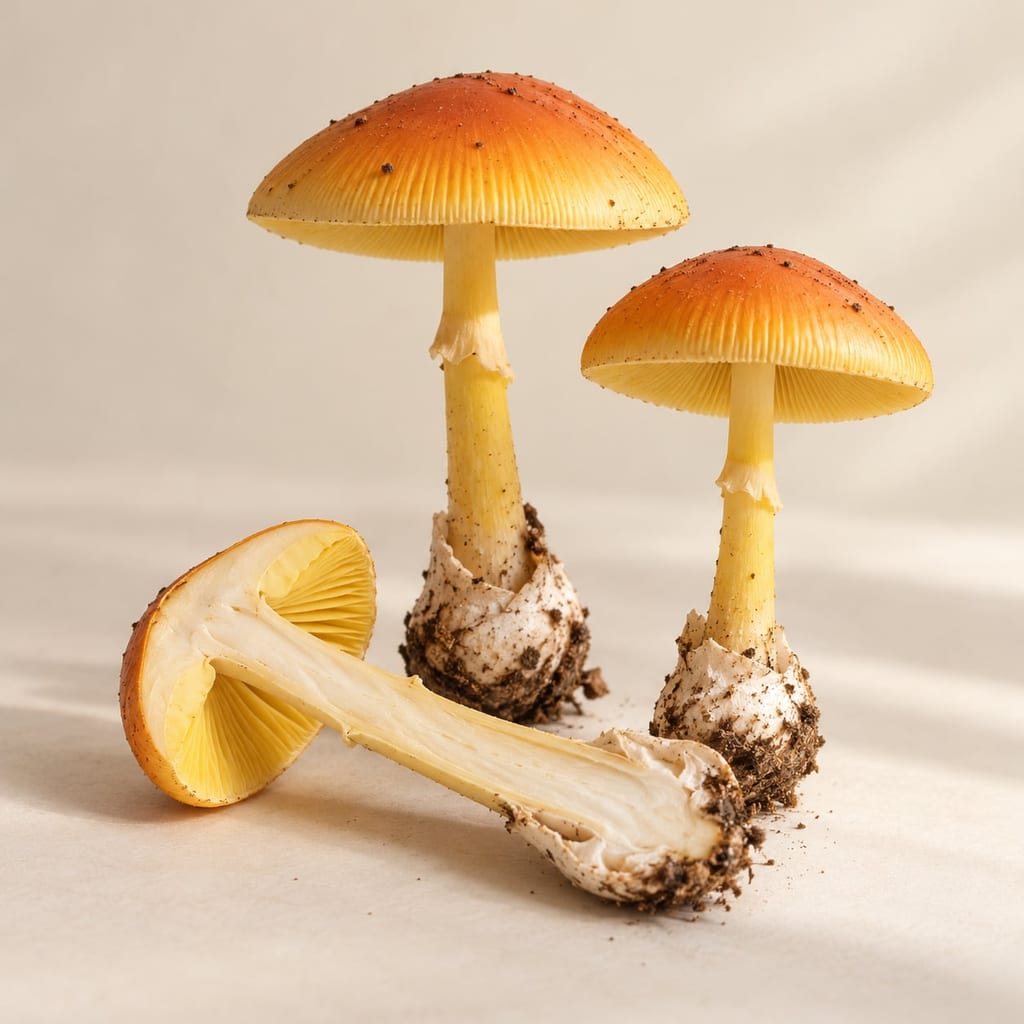
A wild Amanita of China, first reported there and listed as edible in a Yunnan ethnomycology study. The genus contains deadly species, so this page does not support identifying or eating it.
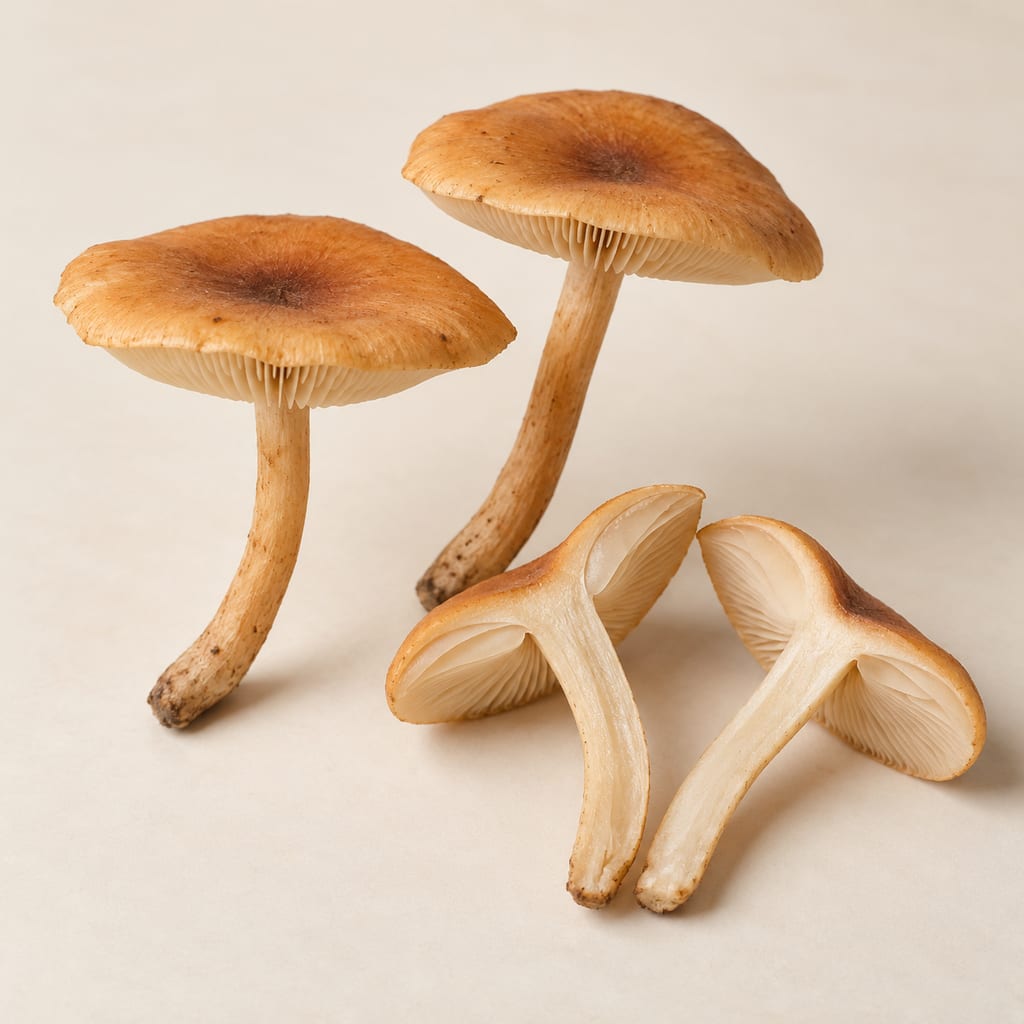
A wood-associated Armillaria recorded in Yunnan and Sichuan, China, and listed as edible in a 2026 Chinese catalogue.
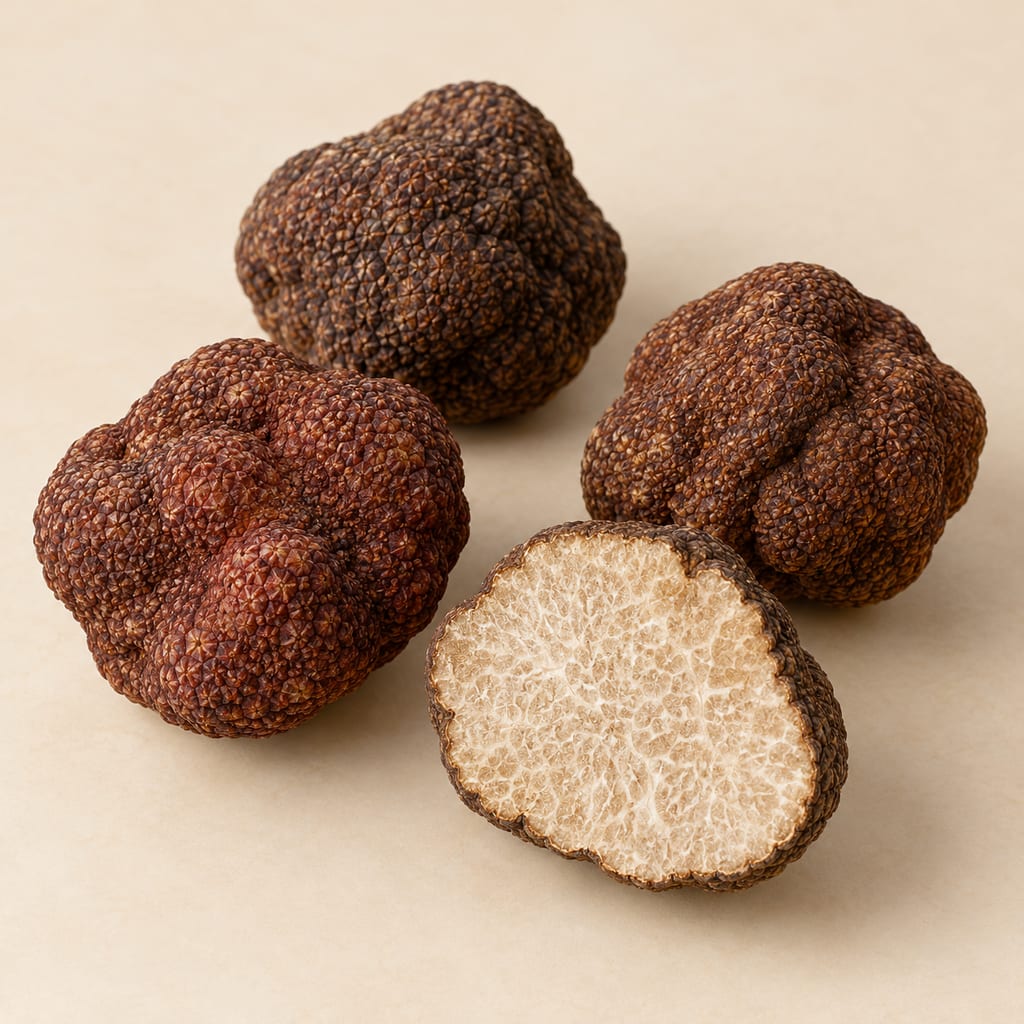
Tuber pseudohimalayense is a wild black truffle from Yunnan, China, listed as edible in a Chinese species catalogue. No independent assessment of its culinary use or safety is available.
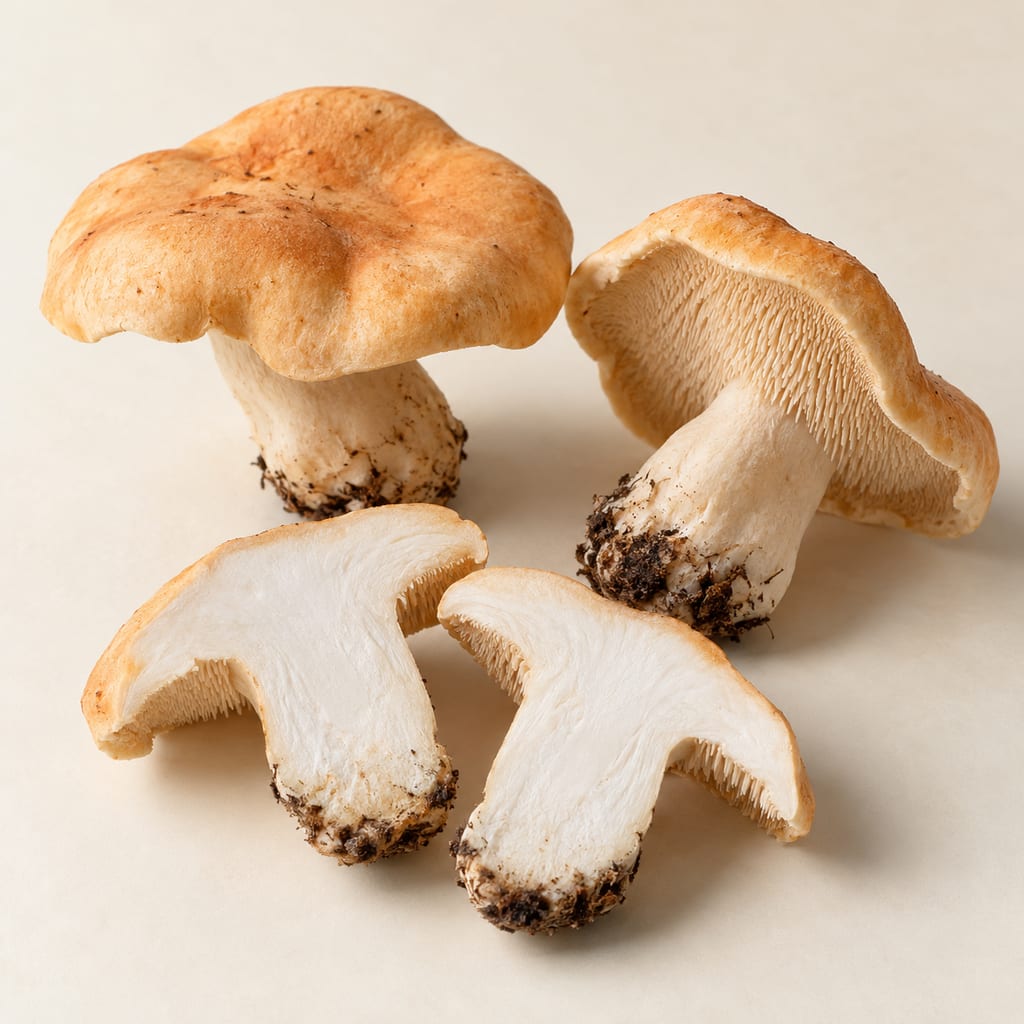
Hydnum berkeleyanum is a toothed, ectomycorrhizal forest fungus sold in food markets in Yunnan, China. Its regional identification is published, but its current name and local safety still need species-level review.
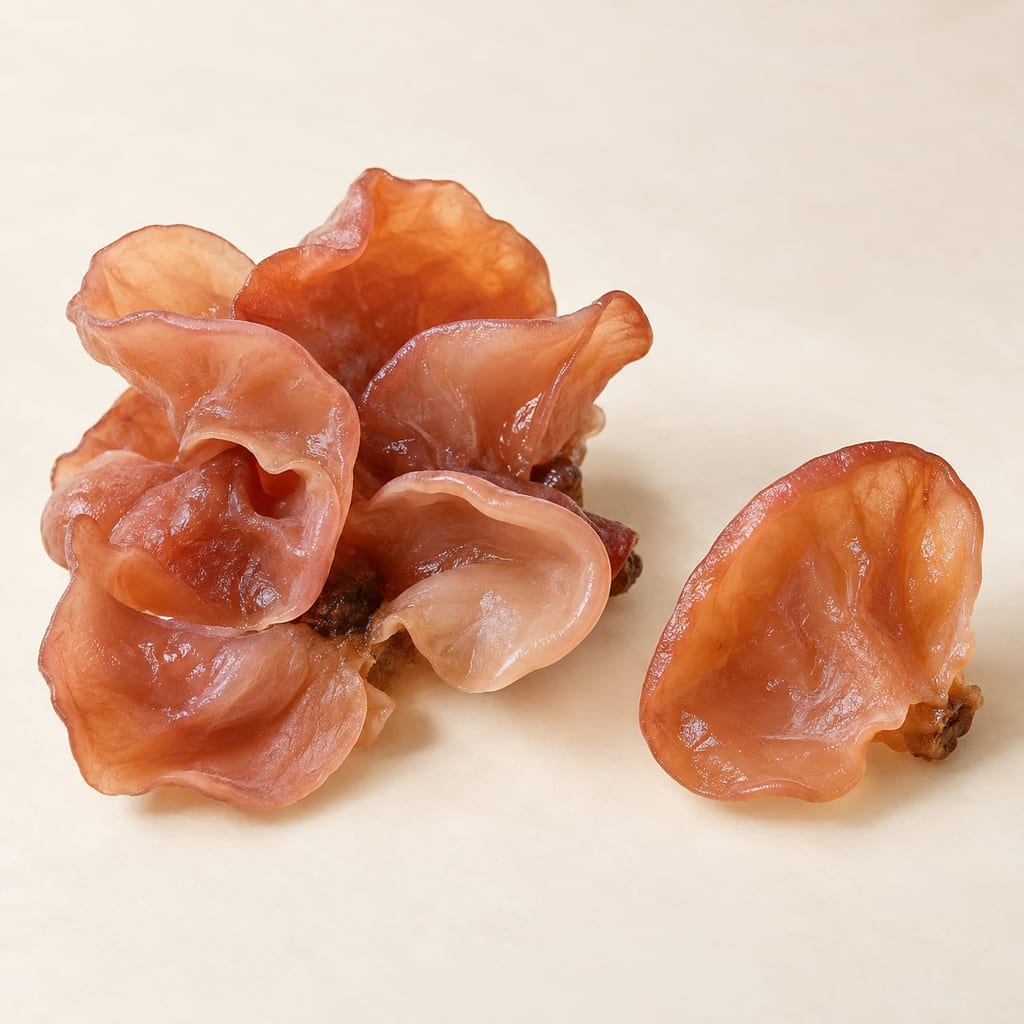
Auricularia thailandica is a thin, gelatinous wood ear described from Southeast Asian collections. Research reports it edible and experimentally cultivable, but species-specific recipes and everyday handling guidance are scarce.
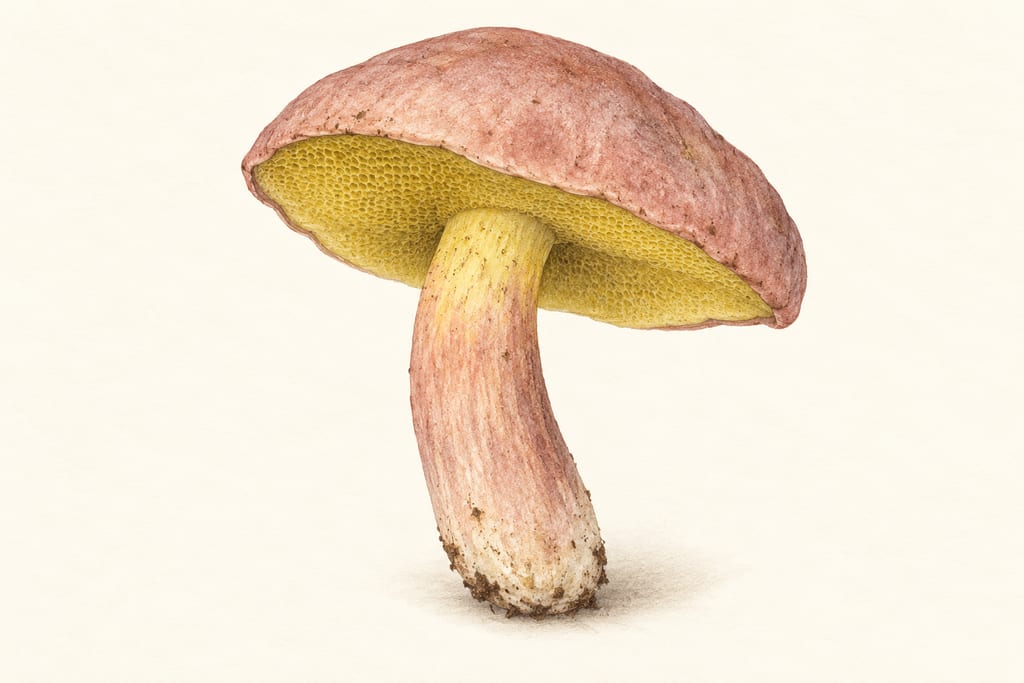
A 2023 Chinese taxonomic treatment accepts Boletellus indistinctus as a species. A separate Yunnan market record uses this name, but its specimen identification and local food safety have not been confirmed here.
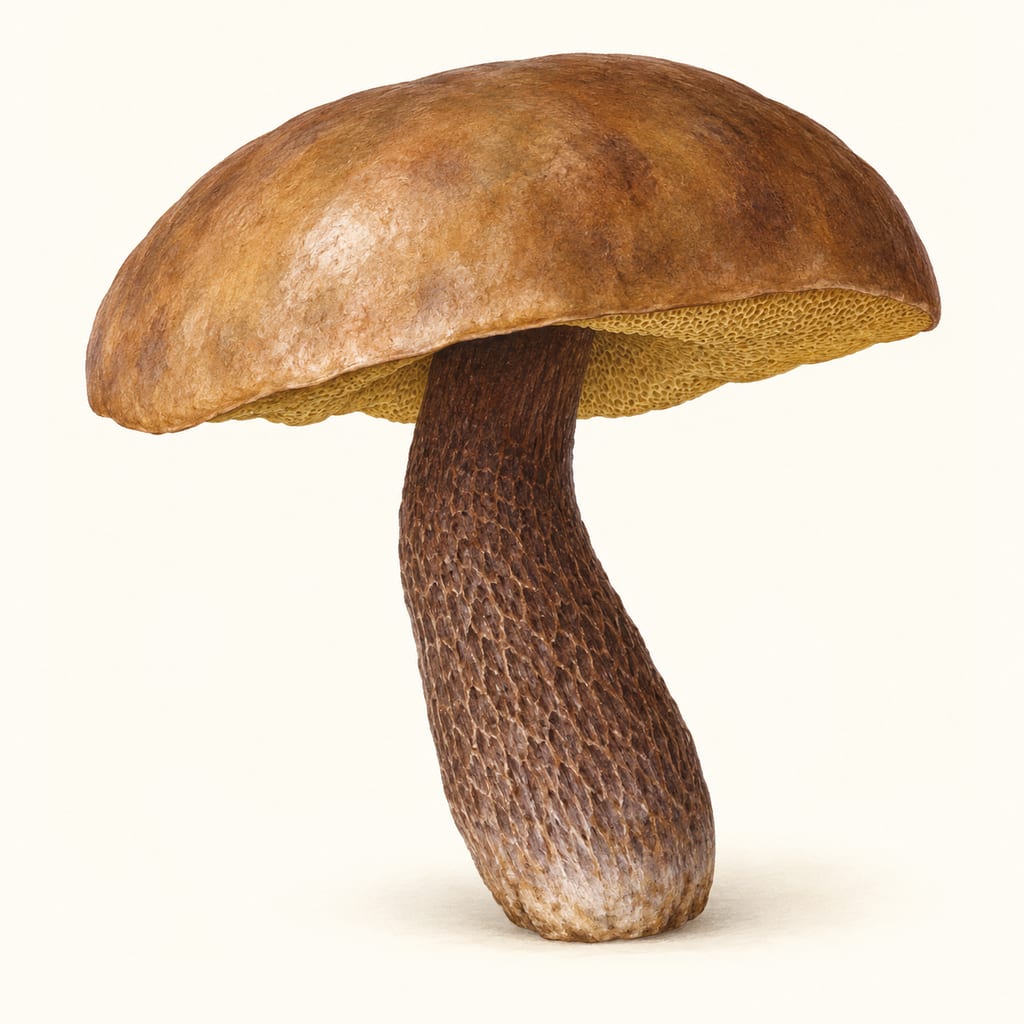
Boletus botryoides, the grape-coloured bolete, is a porcini-like wild bolete of central and south-western China. It is listed as edible in Chinese catalogues, but no dish or preparation is documented for it.
No community contributions have been published for this entry yet.
Sign in to contribute. Published comments and photos are free to read.
MDPI, Journal of FungiIdentity · Food use · Local names · Taxonomy
Termite Mushrooms (Termitomyces), a Potential Source of Nutrients and Bioactive Compounds Exhibiting Human Health Benefits: A ReviewLocal names in Laos including het pouak and pouak tap kan yao; sold in local markets. The full text was not retrieved; the summary is from a search result.
PubMed CentralFood use · Market
Wild food plants and fungi sold in the markets of Luang Prabang, Lao PDRTermitomyces heimii sold with Macrocybe gigantea in Luang Prabang markets.
Journal of Ethnobiology and EthnomedicineFood use · Market · Price
Ethnomycological study on wild mushrooms in Pu'er Prefecture, Southwest Yunnan, ChinaTermitomyces species sold in Pu'er markets, with the Laos overlap; price range about 25 to 160 yuan per kilogram across 2019 to 2021 for Termitomyces.