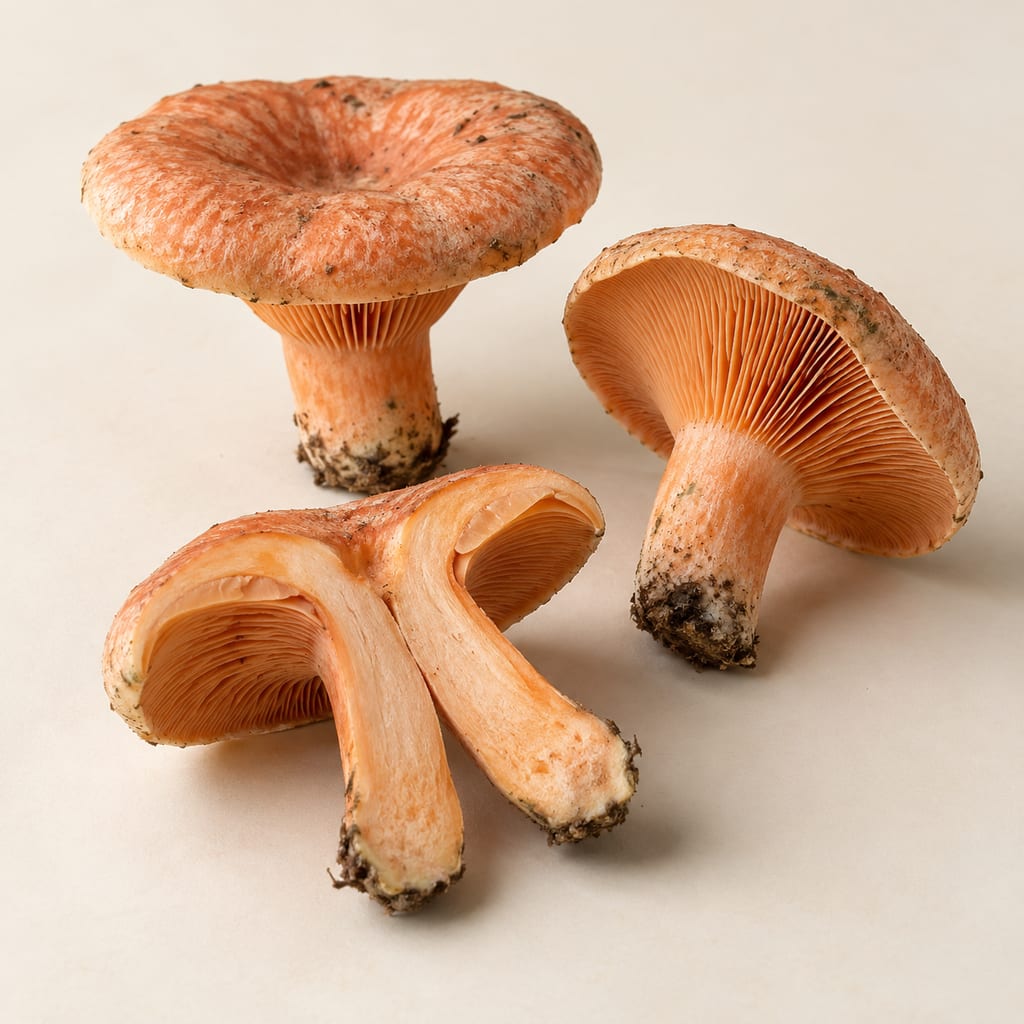
Akahatsu
Akahatsu, Lactarius akahatsu, is a wild milkcap of East Asian pine and mixed forests that is sold in Yunnan markets, with its edibility and identity still needing species-level review.
 FermenteaWhere food goes to change
Mushrooms
Boletus reticuloceps is a porcini-group bolete first described from Yunnan, China. A Chinese species catalogue lists it as edible, but the sources reviewed here give no culinary tradition or safety study for it.
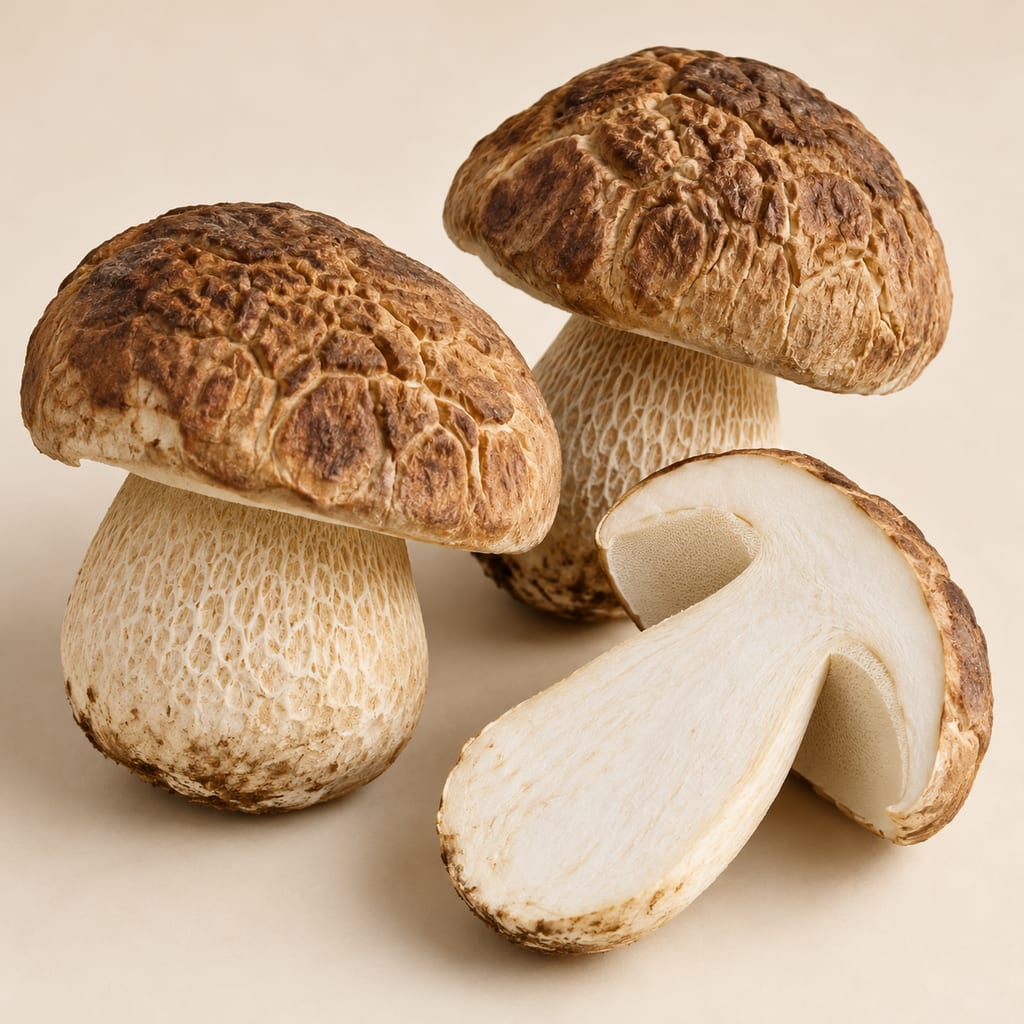
Boletus reticuloceps is a bolete of the porcini group, Boletus section Boletus. The species was first described in 1993 as Aureoboletus reticuloceps and moved to Boletus in 2005. Its type came from Yunnan, China.
The English name Netcap king bolete appears in the Wikipedia listing for the species. The catalogue label wrinkled-cap Chinese porcini is a research name, and the sources reviewed here do not use it. The catalogue also gives the ecology as an ectomycorrhizal forest fungus, with the host association still to be verified.
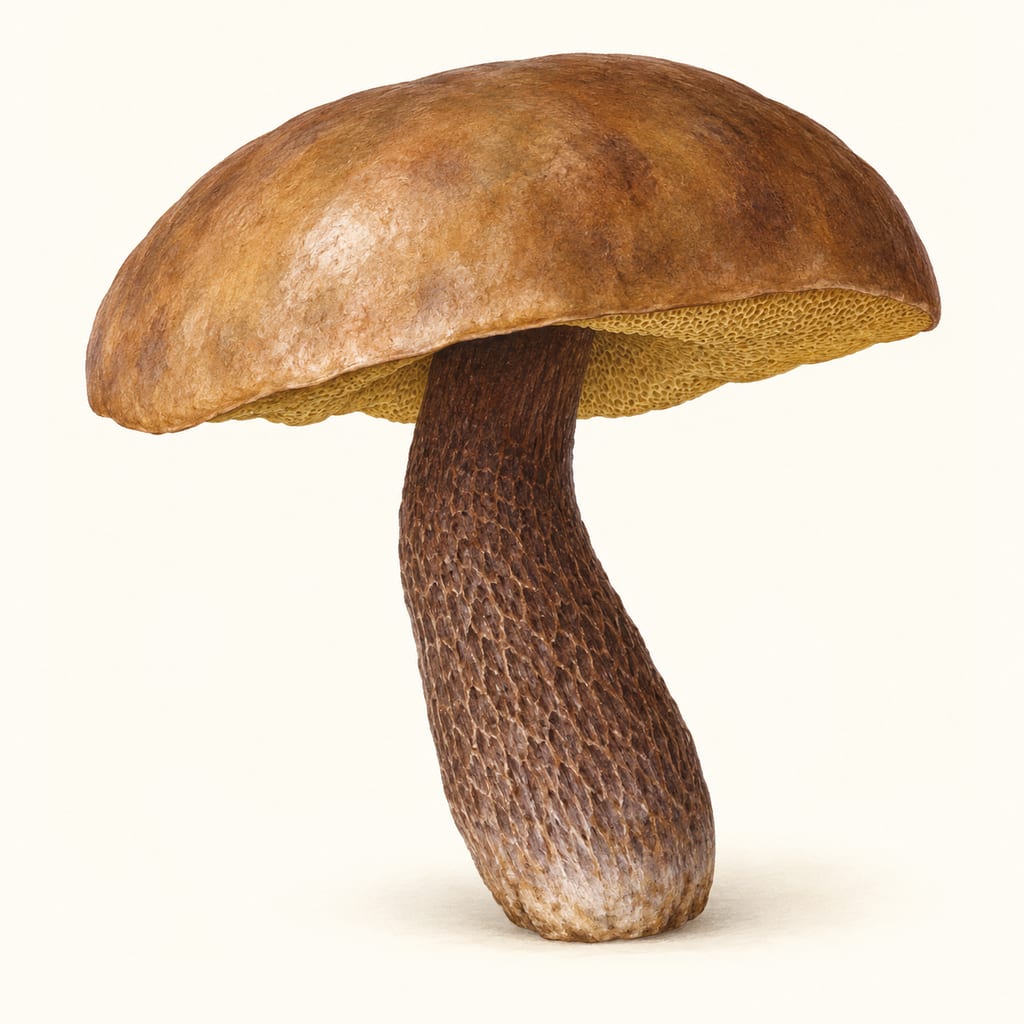
Wikipedia describes the dry cap as yellowish brown and deeply wrinkled, with a reticulated surface. The reticulation is the feature that gives the species its name.
The 2026 Chinese species catalogue lists the species as edible or as edible and medicinal. The catalogue on which this page relies takes that listing as a research lead rather than as a food-safety assessment.
The sources reviewed here contain no culinary study, no traditional preparation and no toxicity study for this species. This page therefore records the checklist listing and nothing beyond it. A 2016 review of Chinese porcini mushrooms covers several edible porcini-like species, but the search did not show whether it covers this one.
The main open questions are whether a regional culinary tradition exists, how the mushroom is prepared, whether it is sold in markets, and whether its host association in forest soils is as described. Each of these needs a direct food-use source, which the sources reviewed here do not give.
Boletes are easily confused with one another and with bitter or poisonous species, and a checklist entry does not show that a given specimen is this species or that it is safe to eat. Confirm any identification with an experienced local forager or a mycologist before eating a wild fungus. This page gives no identification or edibility verdict for Boletus reticuloceps.
The type came from Yunnan. The edible listing is a national checklist entry, not a record of local use.
Akahatsu, Lactarius akahatsu, is a wild milkcap of East Asian pine and mixed forests that is sold in Yunnan markets, with its edibility and identity still needing species-level review.
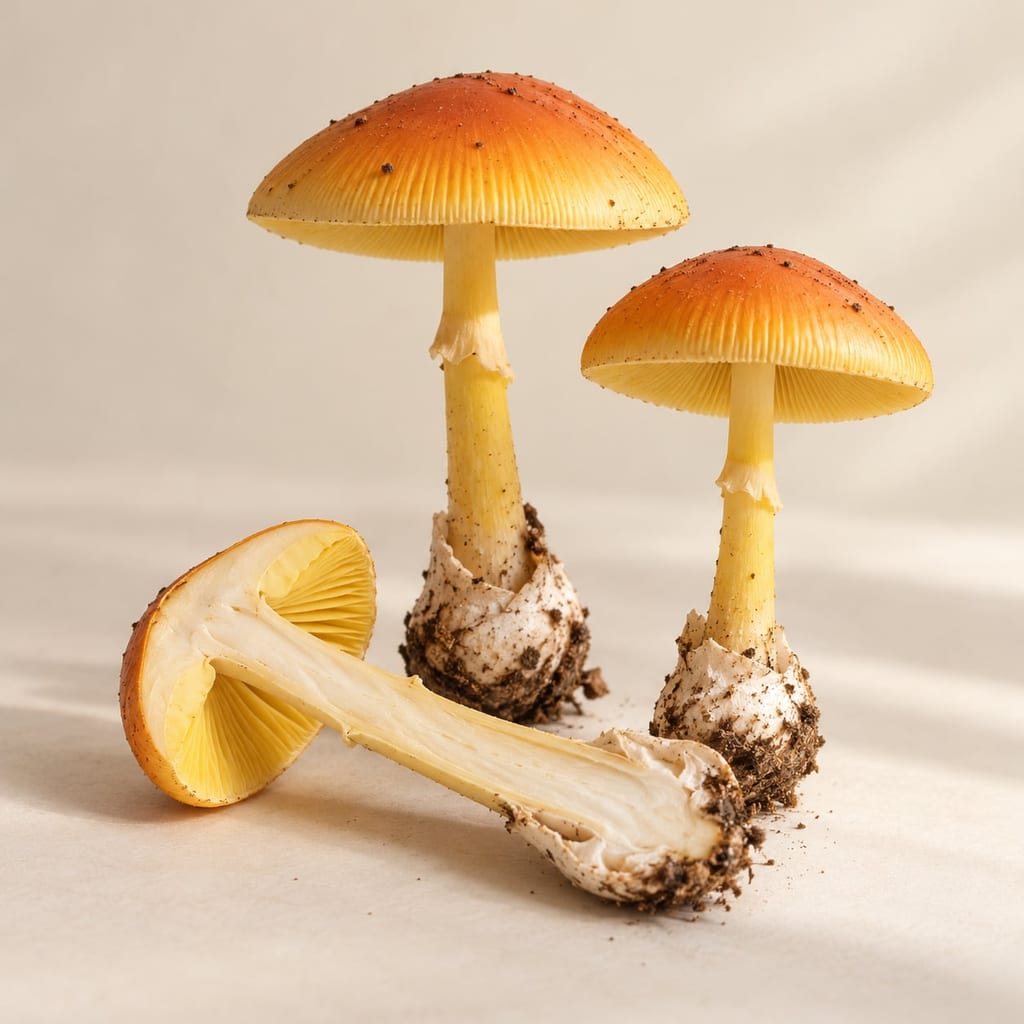
A wild Amanita of China, first reported there and listed as edible in a Yunnan ethnomycology study. The genus contains deadly species, so this page does not support identifying or eating it.
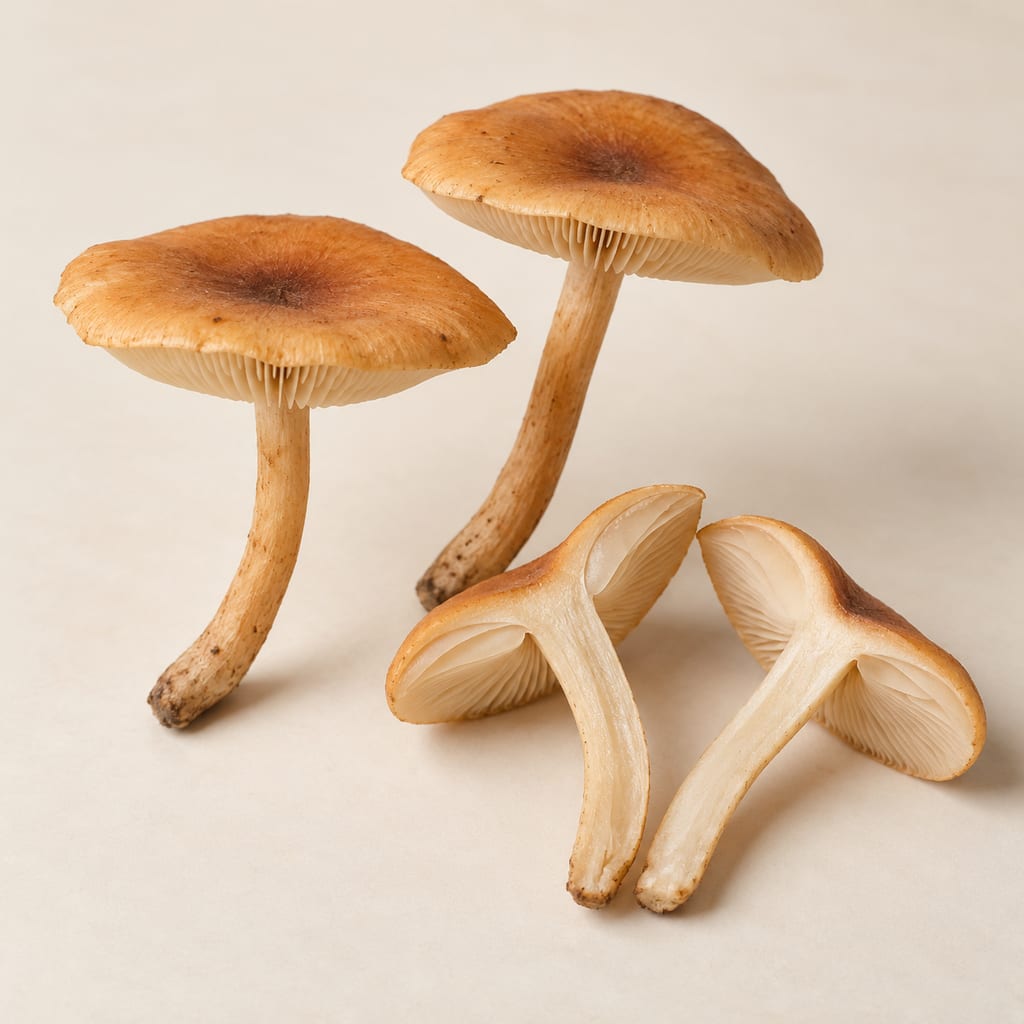
A wood-associated Armillaria recorded in Yunnan and Sichuan, China, and listed as edible in a 2026 Chinese catalogue.
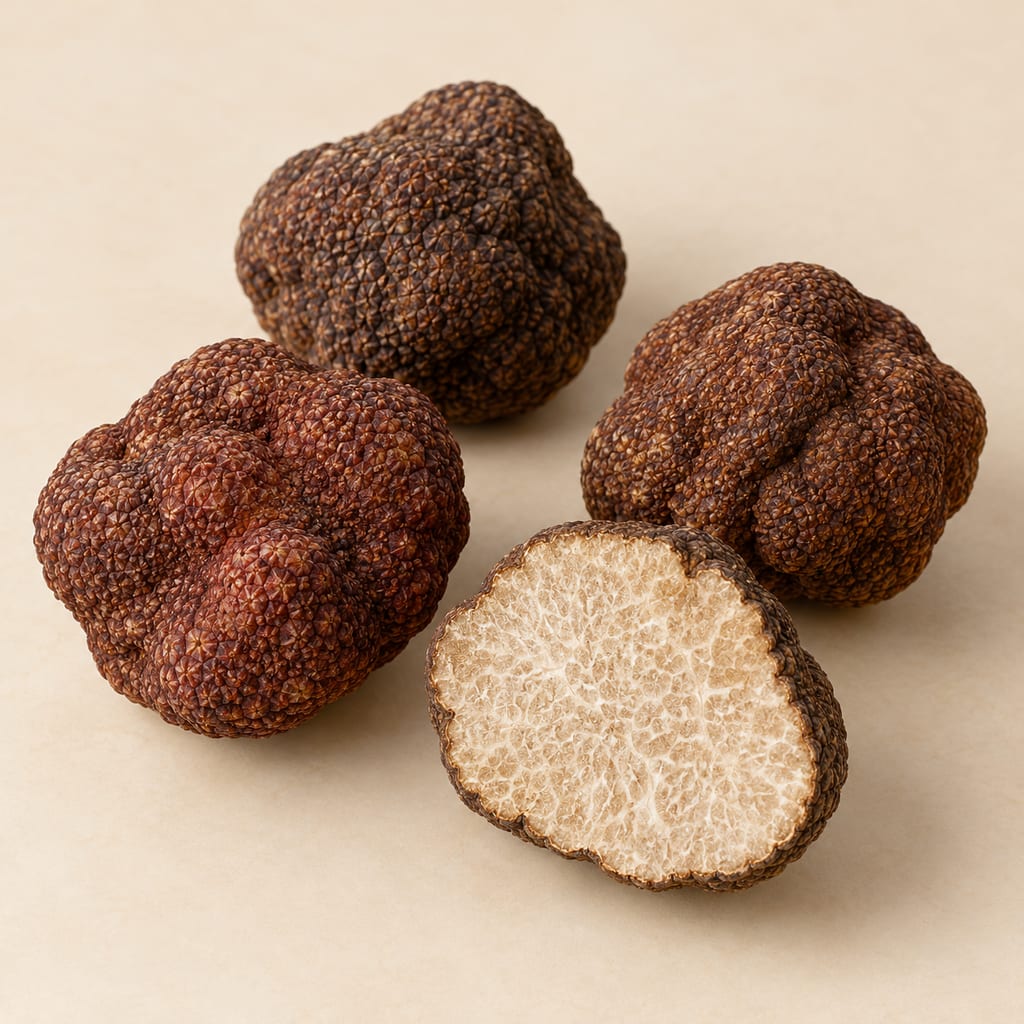
Tuber pseudohimalayense is a wild black truffle from Yunnan, China, listed as edible in a Chinese species catalogue. No independent assessment of its culinary use or safety is available.
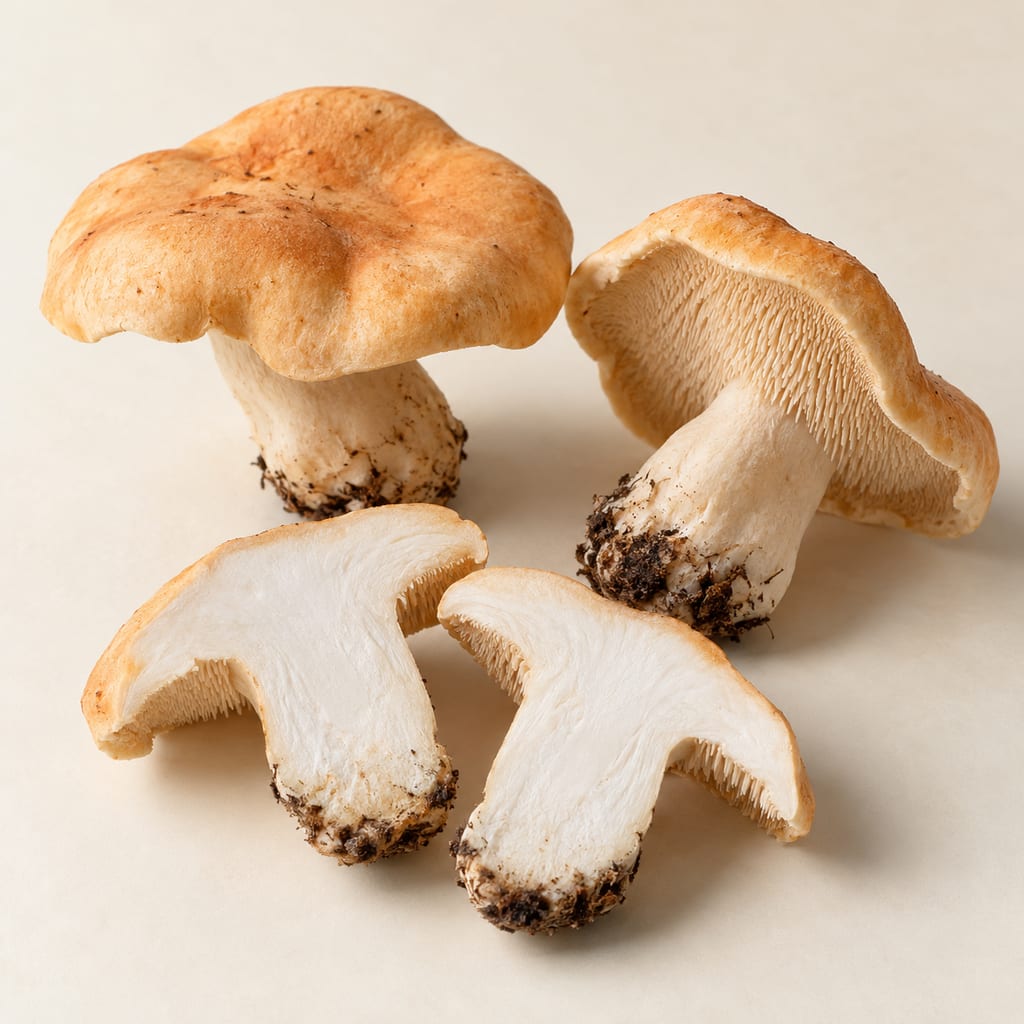
Hydnum berkeleyanum is a toothed, ectomycorrhizal forest fungus sold in food markets in Yunnan, China. Its regional identification is published, but its current name and local safety still need species-level review.
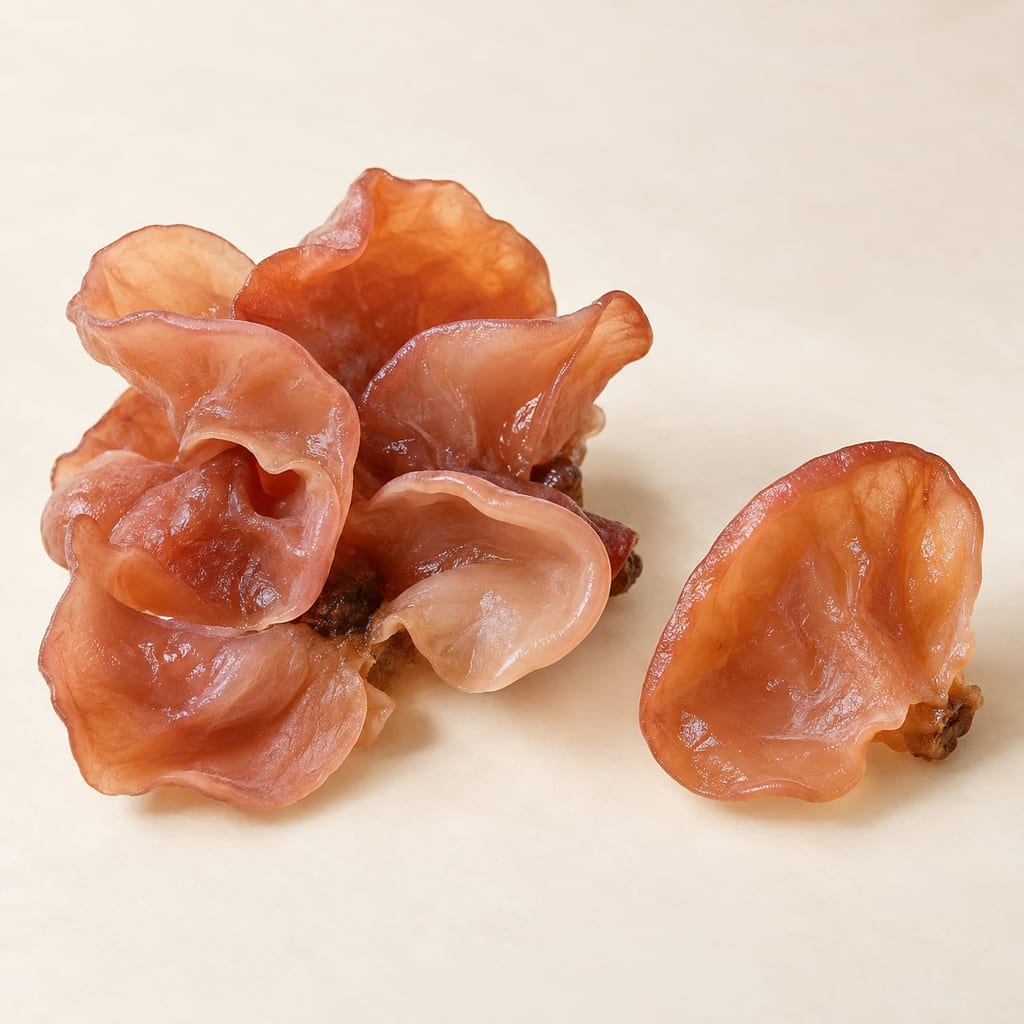
Auricularia thailandica is a thin, gelatinous wood ear described from Southeast Asian collections. Research reports it edible and experimentally cultivable, but species-specific recipes and everyday handling guidance are scarce.
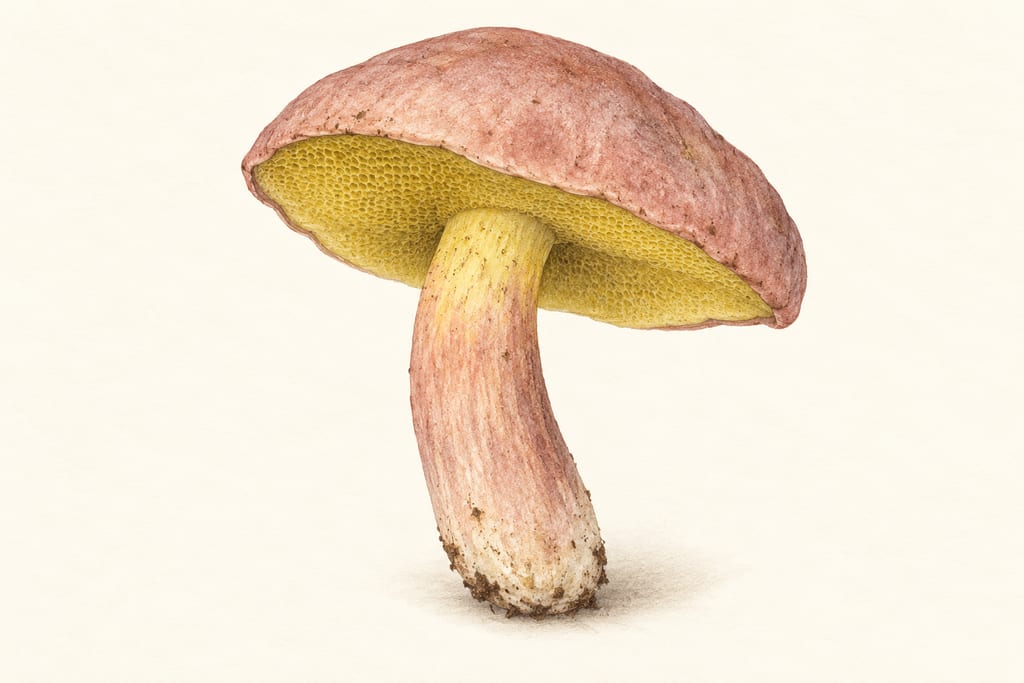
A 2023 Chinese taxonomic treatment accepts Boletellus indistinctus as a species. A separate Yunnan market record uses this name, but its specimen identification and local food safety have not been confirmed here.
Boletus botryoides, the grape-coloured bolete, is a porcini-like wild bolete of central and south-western China. It is listed as edible in Chinese catalogues, but no dish or preparation is documented for it.
No community contributions have been published for this entry yet.
Sign in to contribute. Published comments and photos are free to read.
WikipediaTaxonomy · Appearance
Boletus reticulocepsDry cap yellowish brown and deeply wrinkled, with a reticulated surface.
Listed as Boletus reticuloceps; English name Netcap king bolete.
Cited in: Identity and name; Appearance
SydowiaTaxonomy
Sydowia 57(1), article 9Described in 1993 as Aureoboletus reticuloceps; moved to Boletus in 2005; type from Yunnan.
Cited in: Identity and name
China Association for Science and Technology journalFood use · Checklist
Supplied catalogue reference (CAST journal record)Listed as edible or edible-and-medicinal in the 2026 Chinese species catalogue; a research lead, not an independent safety assessment.
Cited in: Food status in the checklist; Open questions; Safety
Kunming Institute of BotanyChecklist
Supplied catalogue reference (KIB PDF)Supplied checklist reference for the species.
Cited in: Food status in the checklist