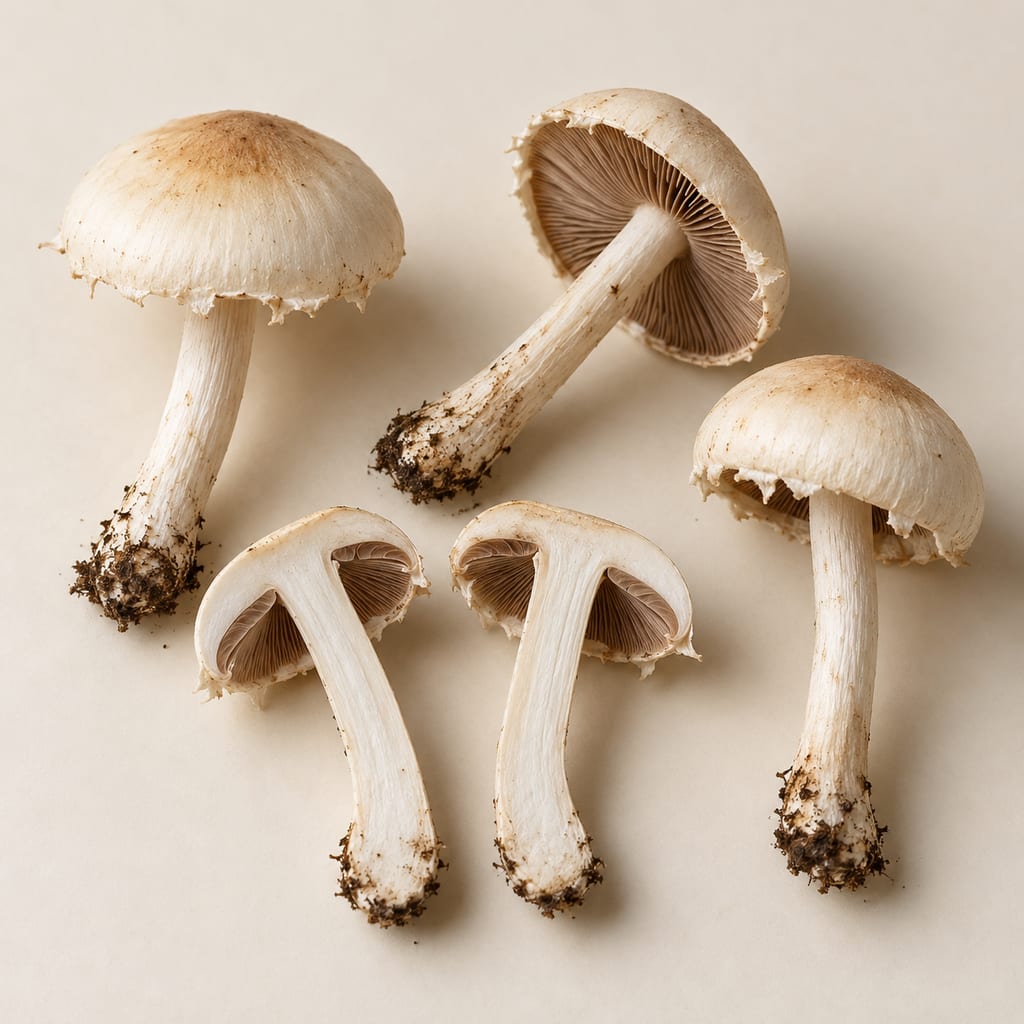
Agrocybe dura
A grassland agaric listed as edible in historical and scientific catalogues for Hong Kong and China. Taxonomic concepts and practical food value vary; the listings do not establish safe identification or culinary practice.
 FermenteaWhere food goes to change
Mushrooms
A wild Amanita that a 2026 Chinese catalogue of edible and medicinal fungi lists as edible or edible-and-medicinal. The genus holds deadly species, so identification carries high risk.
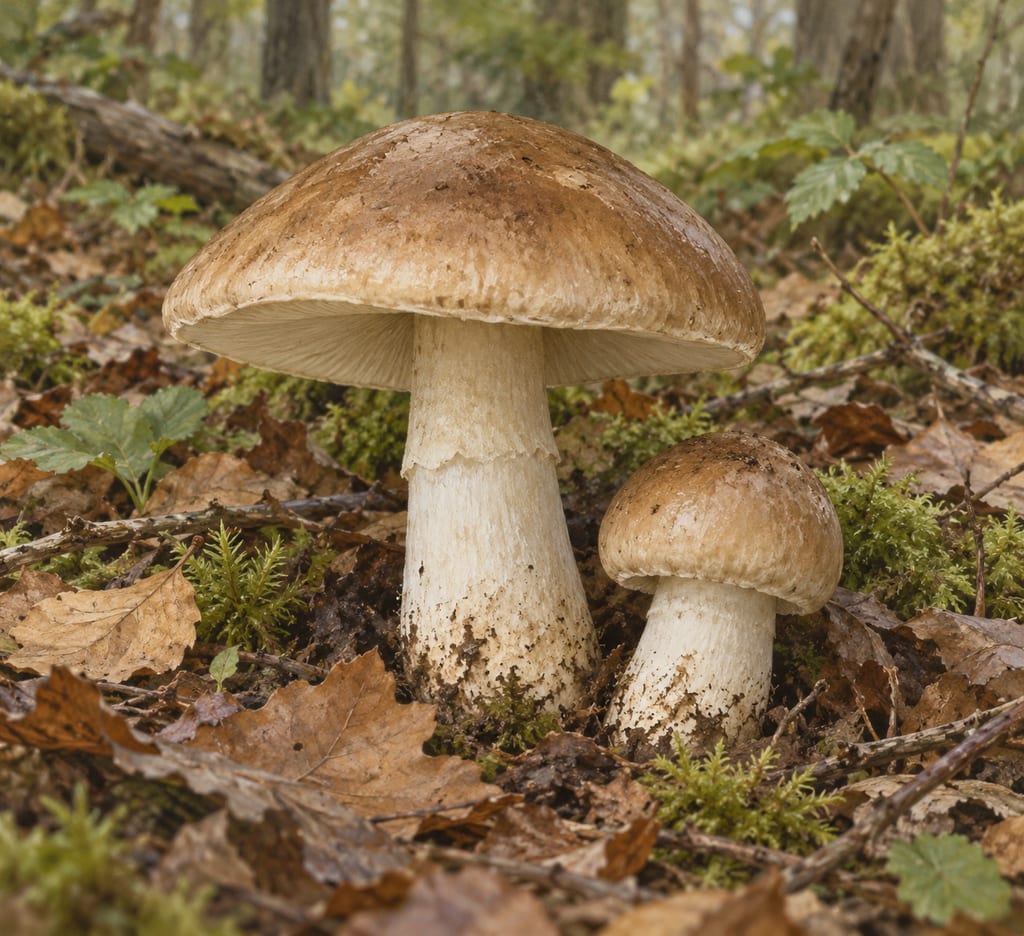
Amanita esculenta is the research name for a wild agaric recorded in China under the English label Japanese edible Amanita. The name is a research label. The supplied record does not reconcile it with an accepted current name, so its synonyms and its identity need specialist confirmation before anything else is claimed about it.
Amanita is the genus that also contains some of the most toxic mushrooms known, including Amanita phalloides and Amanita virosa. Any page about an Amanita therefore starts from the identification problem, not from the food.
A 2026 species catalogue of edible and medicinal fungi in China, published in Mycosystema, lists this species as edible or as edible and medicinal. The catalogue covers 1,495 species, of which 1,013 are edible, and records that 33.1 per cent of its names are previously unreported or taxonomically revised.
A national listing is an inventory, not a food-safety assessment. The supplied research record states that the specific culinary tradition and the preparation used were not established, and that the entry is a checklist lead needing direct food-use evidence.
The research record describes an ectomycorrhizal fungus, one that exchanges nutrients with the roots of forest trees and fruits from forest soil. The tree partners were not verified. The only supply recorded is wild; the species is not recorded as cultivated.
Spain regulates mushrooms sold for food under Real Decreto 30/2009. Its preamble names mistaken identity as the main cause of mushroom poisoning in Spain, and its Part D bans the sale of Amanita muscaria, A. phalloides and A. virosa in any form. That decree does not address this species, but it shows how the genus is handled in one market.
Gather or eat no wild fungus on the strength of a catalogue listing, a description or a photograph. Identification needs a qualified expert, and the sources read here do not establish a safe preparation. Do not treat an Amanita as safe to eat because a catalogue lists a related name.
The sources read here leave open the current name, the host trees, the preparation, the parts eaten, and whether any food use is documented beyond the national listing. Regional ethnomycological and culinary sources, and a specialist identification review, are needed before the page can say more.
Listed as edible or edible-and-medicinal in the 2026 national catalogue; no locality recorded.
A grassland agaric listed as edible in historical and scientific catalogues for Hong Kong and China. Taxonomic concepts and practical food value vary; the listings do not establish safe identification or culinary practice.

Akahatsu, Lactarius akahatsu, is a wild milkcap of East Asian pine and mixed forests that is sold in Yunnan markets, with its edibility and identity still needing species-level review.
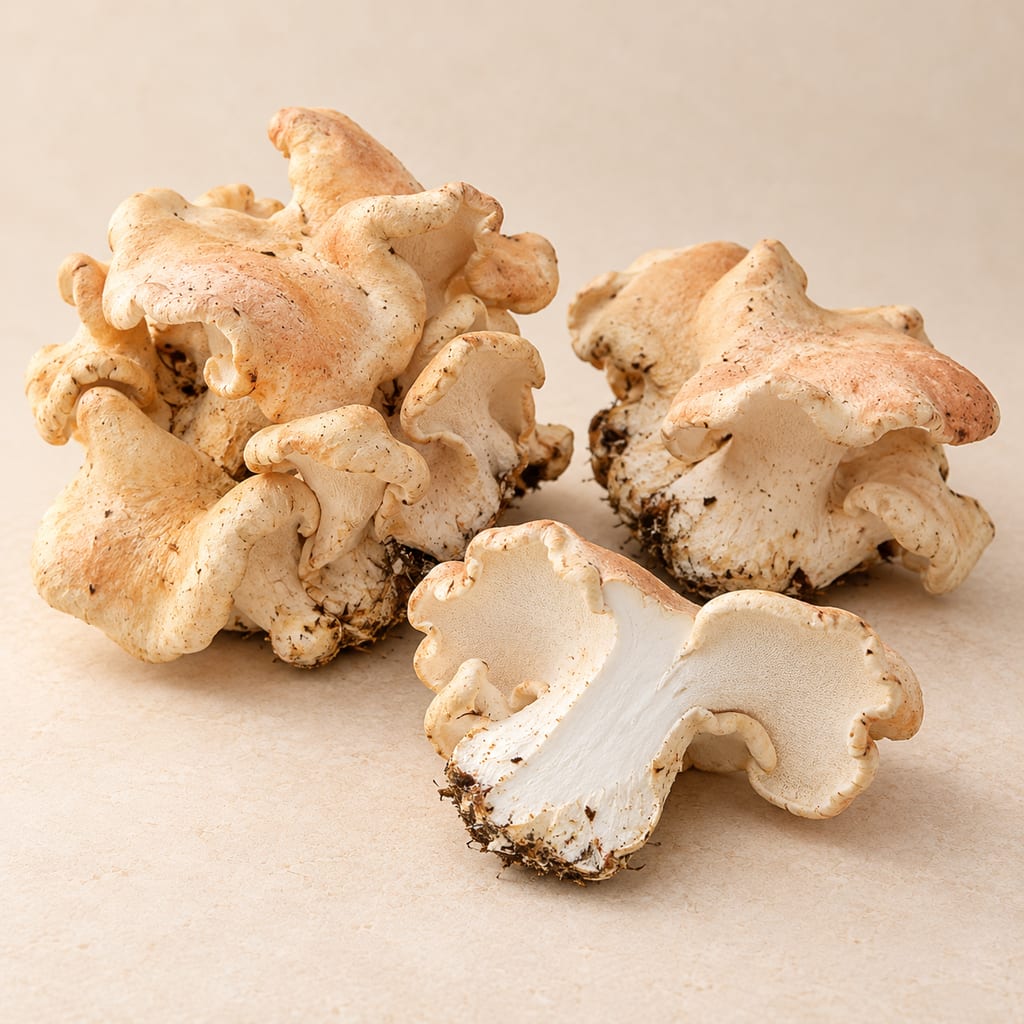
Albatrellus confluens is a ground-growing polypore with fused buff-orange caps. Sources document Chinese market use and regional edibility, but others reject it as too bitter; taxonomy also varies between Albatrellus and Albatrellopsis.
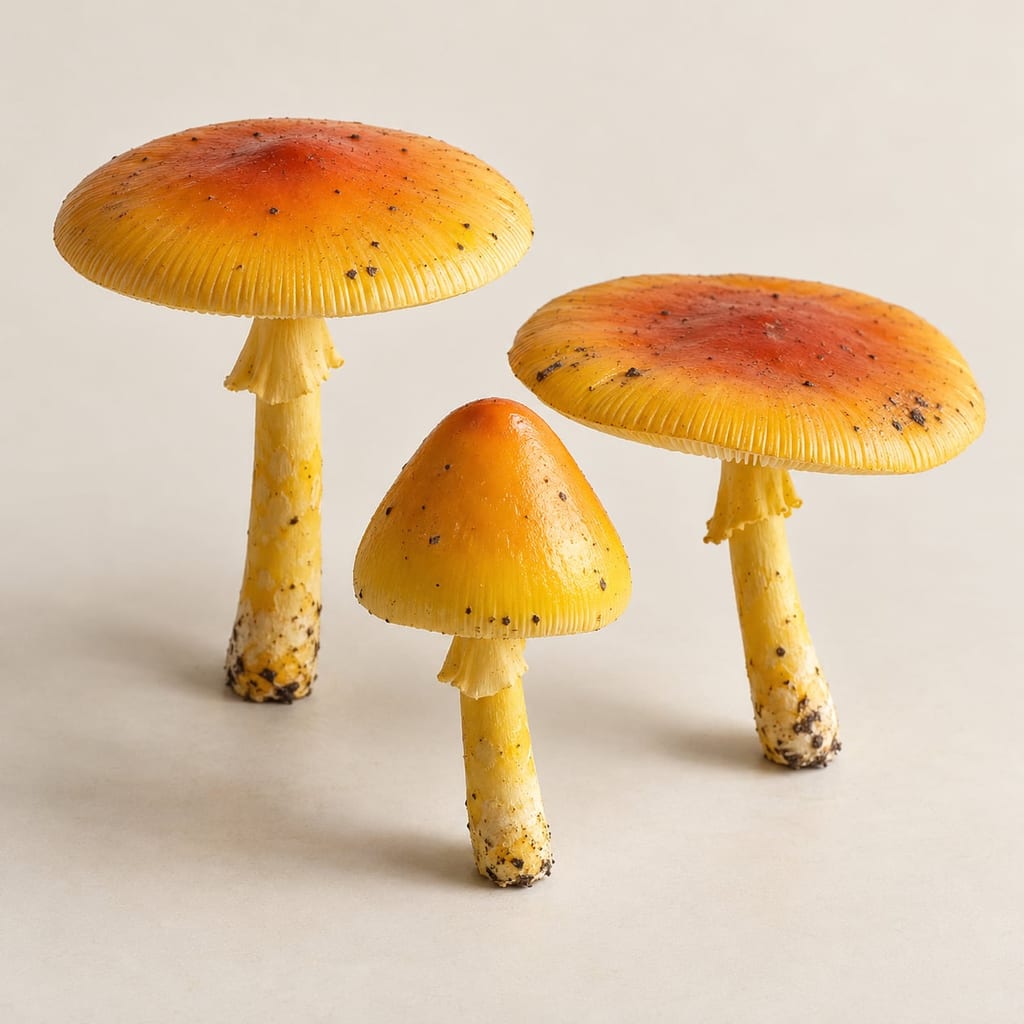
A wild Amanita recorded from China in a 2026 checklist of edible and medicinal fungi. The genus holds deadly species, so this page gives no identification or edibility verdict.
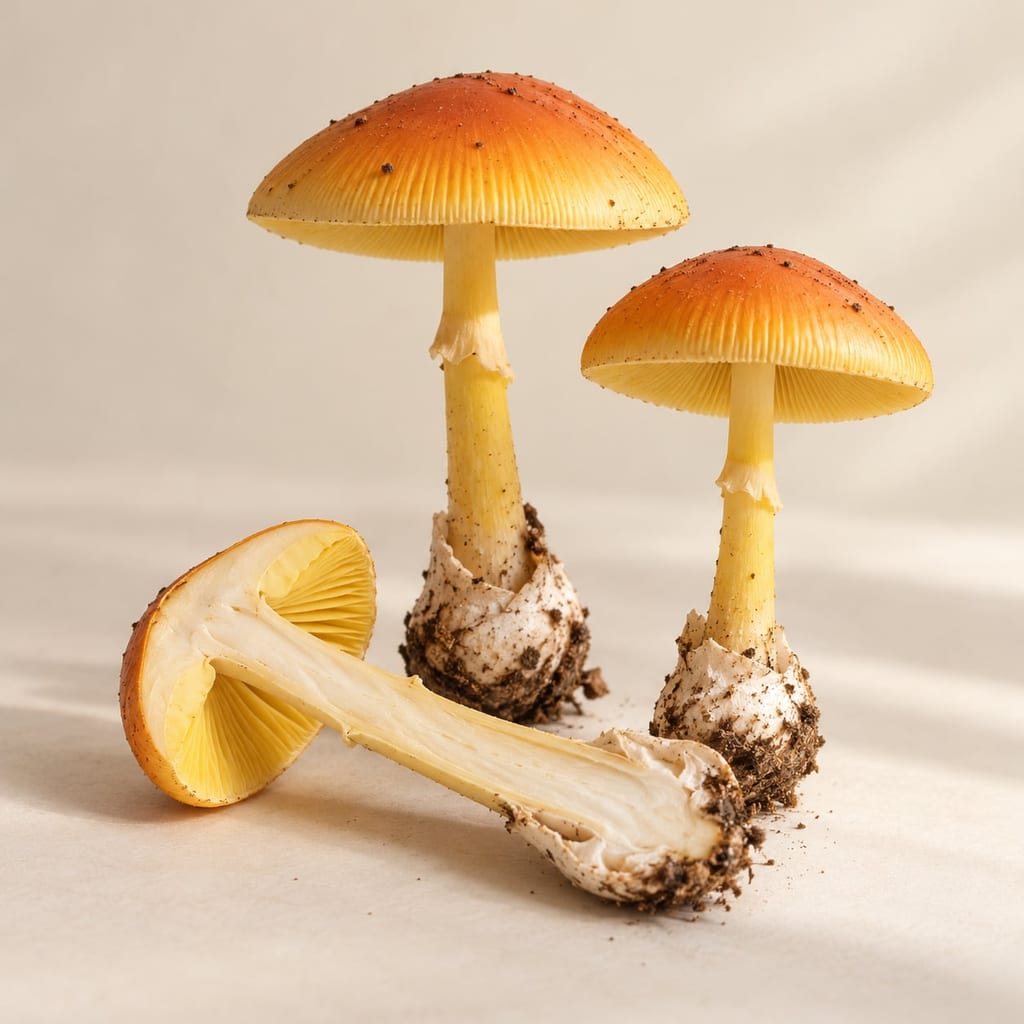
A wild Amanita of China, first reported there and listed as edible in a Yunnan ethnomycology study. The genus contains deadly species, so this page does not support identifying or eating it.
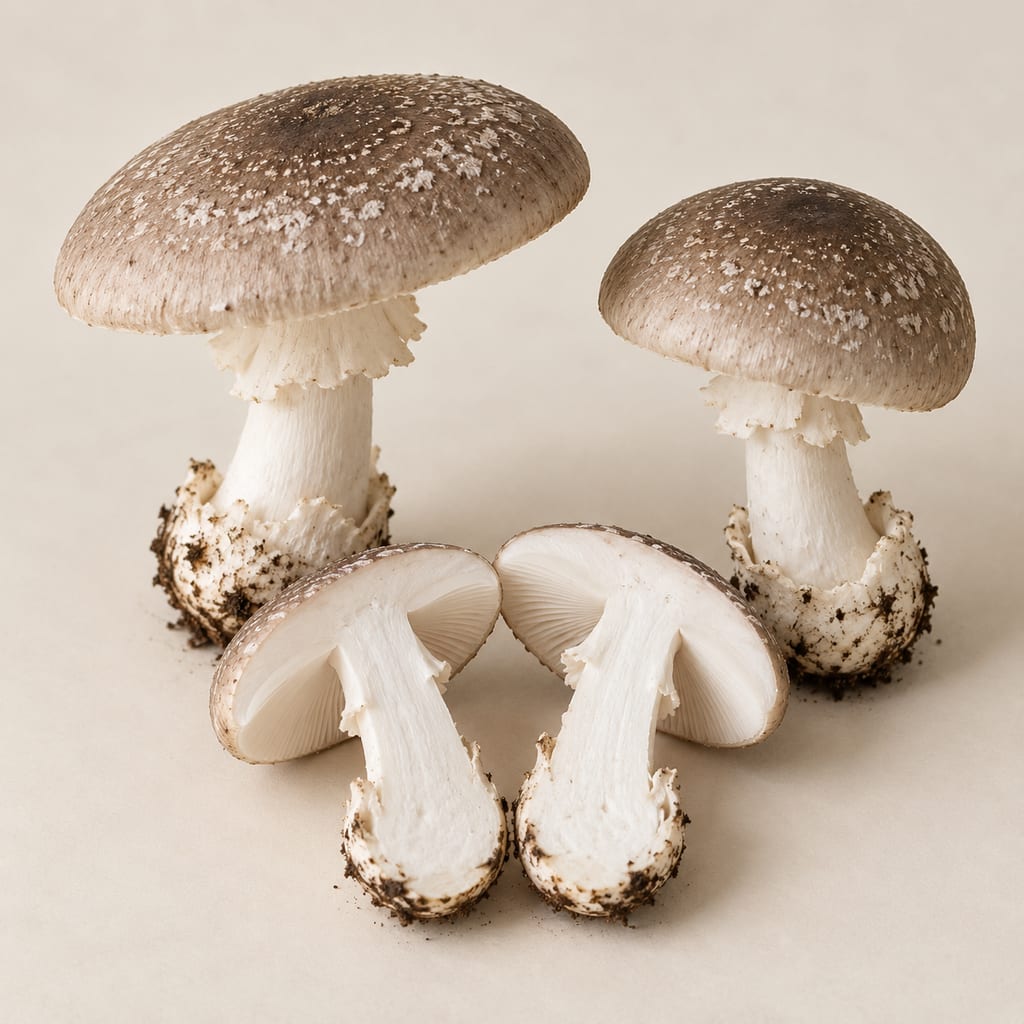
Amanita yuaniana is a Chinese Amanita that a 2023 Yanshan survey and a Yunnan ethnomycology survey list among edible species. No source tests it for safety, and the genus holds the most lethal mushrooms.
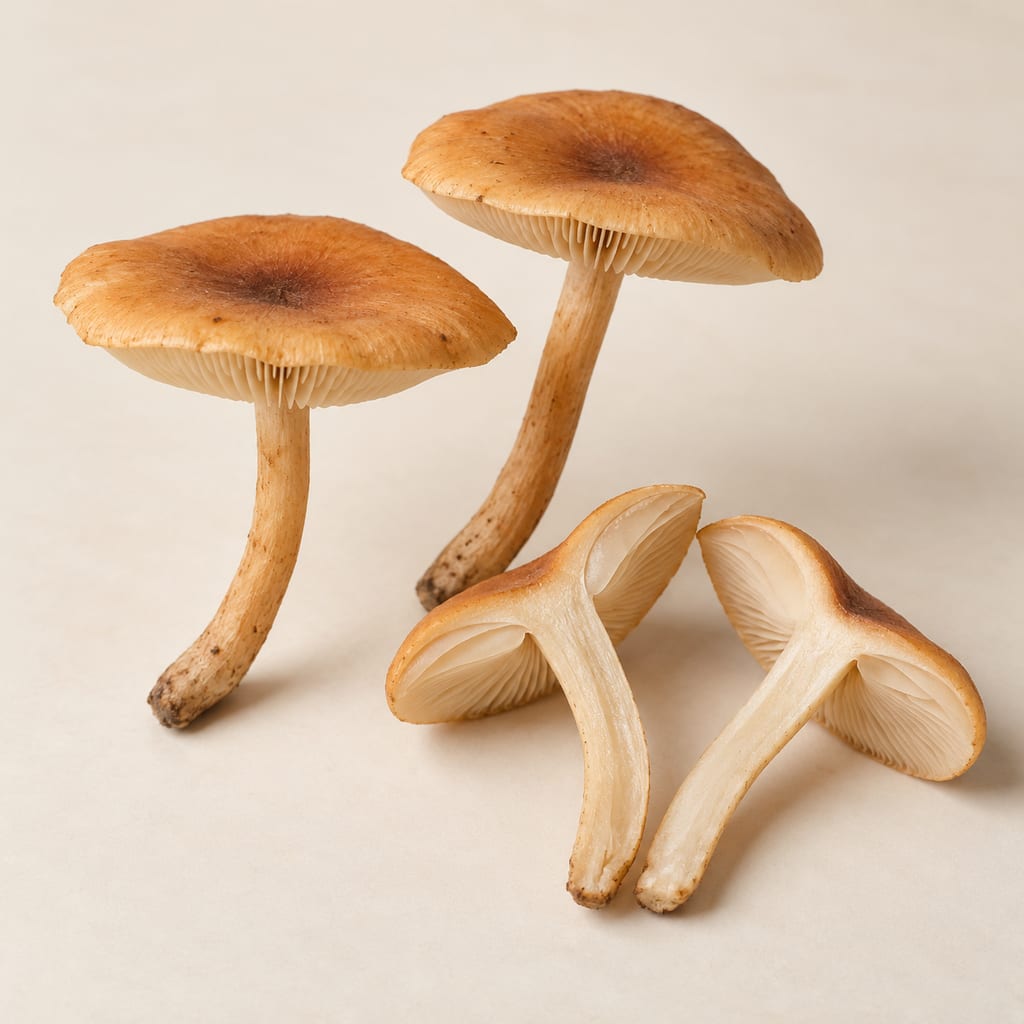
A wood-associated Armillaria recorded in Yunnan and Sichuan, China, and listed as edible in a 2026 Chinese catalogue.
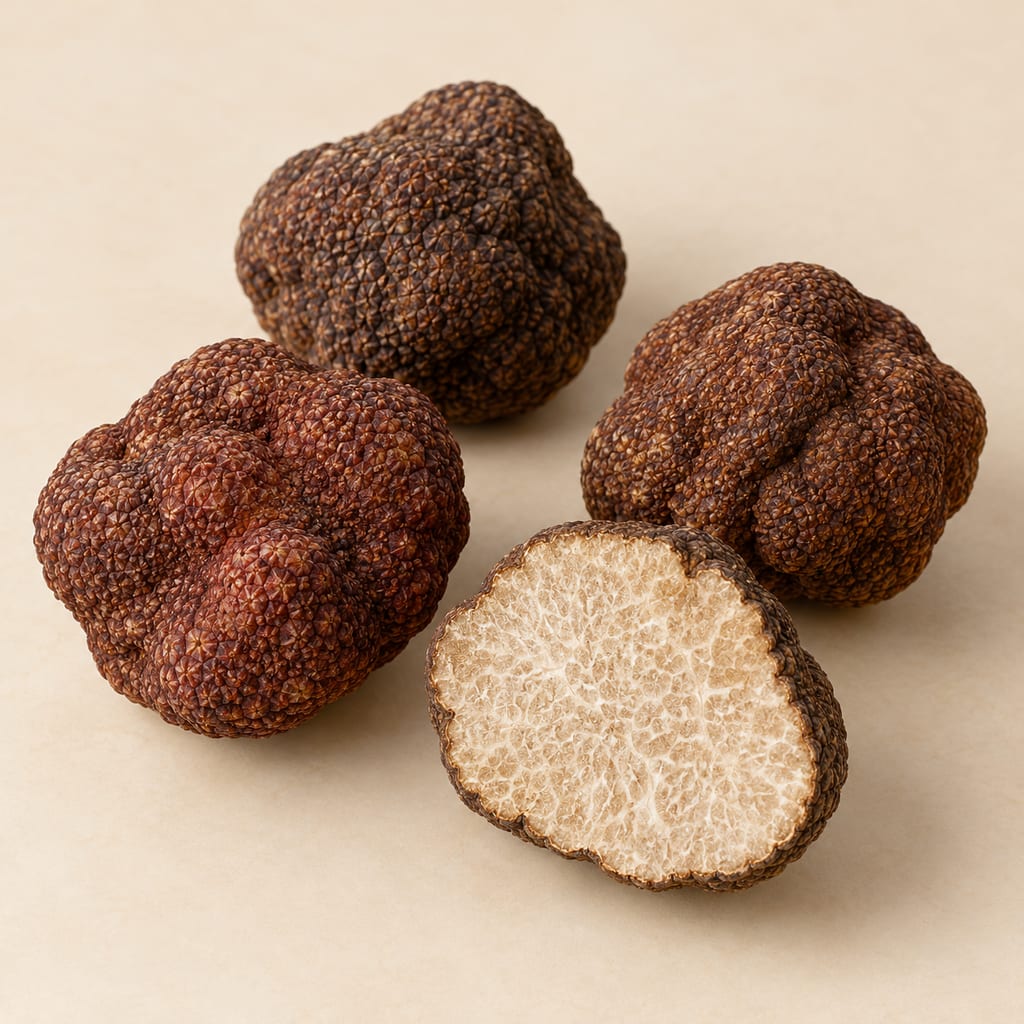
Tuber pseudohimalayense is a wild black truffle from Yunnan, China, listed as edible in a Chinese species catalogue. No independent assessment of its culinary use or safety is available.
No community contributions have been published for this entry yet.
Sign in to contribute. Published comments and photos are free to read.
Mycosystema (菌物学报)History · Safety
Species cataloging of edible and medicinal fungi in China (中国食药用菌物种编目)2026 catalogue of 1,495 species of which 1,013 edible, 744 medicinal and 262 both; 33.1% of names previously unreported or taxonomically revised
Cited in: Overview; Food listing in China; Ecology; Open questions
Boletín Oficial del EstadoSafety · Method
Real Decreto 30/2009, de 16 de enero, por el que se establecen las condiciones sanitarias para la comercialización de setas para uso alimentarioPart A lists wild species that may be sold fresh; Part D bans Amanita muscaria, A. phalloides and A. virosa; Amanita caesarea only with the volva open; the preamble says mistaken identity is the main cause of mushroom poisoning in Spain
Cited in: Identification and safety