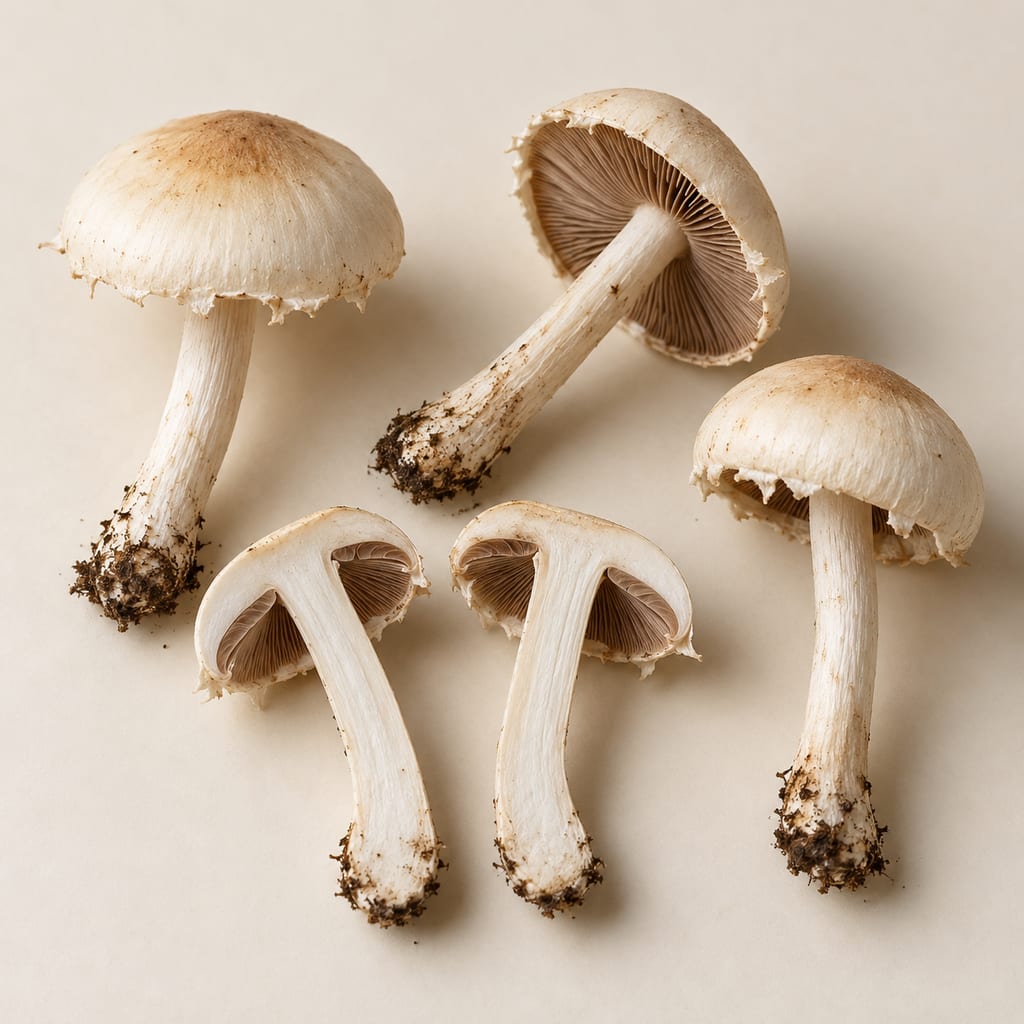
Agrocybe dura
A grassland agaric listed as edible in historical and scientific catalogues for Hong Kong and China. Taxonomic concepts and practical food value vary; the listings do not establish safe identification or culinary practice.
 FermenteaWhere food goes to change
Mushrooms
Phallus cremeo-ochraceus is a stinkhorn traded as bamboo fungus in China, where dried products labelled Phallus indusiatus often belong to several species; the species-level facts here are not yet settled.
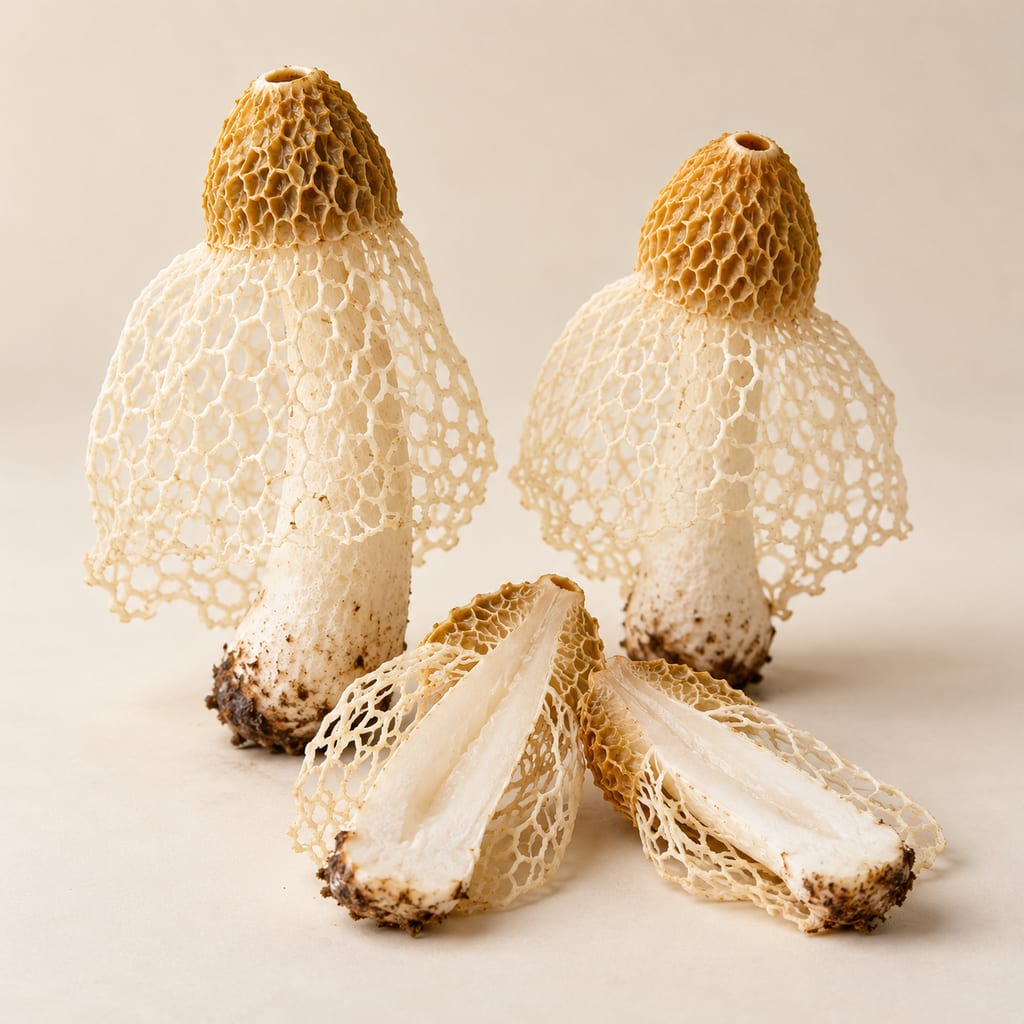
Phallus cremeo-ochraceus is a stinkhorn, a fungus of the family Phallaceae that grows from buried eggs and emerges as a stalked, foul-smelling fruiting body. The dried product sold as bamboo fungus in Chinese food markets comes from several stinkhorn species, and the catalogue treats this name as one of them.
Dried stinkhorn is valued as a delicate, crisp food that takes up the flavours of the broth or dish it is cooked in.
Phallus indusiatus is the species most often named in Chinese bamboo-fungus products, under the Chinese name zhusun. Its synonym Dictyophora indusiata is still used in some records. The catalogue records that Chinese products labelled P. indusiatus belong to several distinct species and that the strain or product should be identified.
The catalogue lists a misapplied search alias, P. indusiatus as used for some Chinese products. The name for this record is a research name, and the sources reviewed do not confirm its authority or its distinction from other Chinese bamboo fungi.
Dried bamboo fungus is rehydrated before use. The Italian review of P. indusiatus describes soaking or simmering in water until the fungus softens, and notes that it is also eaten fresh. One source says it is sought after in Chinese cuisine.
These preparation facts come from the related species. The sources reviewed do not give a preparation specific to P. cremeo-ochraceus, and none should be assumed for it without a source.
Stinkhorns are saprotrophs that feed on plant litter and soil. The catalogue records the ecology as plant-litter and soil saprotroph, and a regional cultivation context. The 2022 review records a history of use in Chinese medicine for P. indusiatus going back to the 7th century AD, but that dating does not apply to this name without a source.
The catalogue states that Chinese bamboo-fungus products labelled P. indusiatus belong to several distinct species, so a safety or quality claim made for one product may not hold for another. The record is a food and market record, not a toxicological assessment.
This page does not identify a specimen and gives no edibility verdict. Any fresh specimen should be checked by an expert before it is eaten. The dried product should be bought from a source that names the species.
The sources reviewed do not confirm this species as distinct from other Chinese bamboo fungi, and do not give a species-level preparation, nutritional or safety assessment. The supplied Chinese and Mycosphere sources need to be read in full before this page is extended.
Country-level only: the catalogue names China and the international dried food trade; no province is given for this species.
A grassland agaric listed as edible in historical and scientific catalogues for Hong Kong and China. Taxonomic concepts and practical food value vary; the listings do not establish safe identification or culinary practice.

Akahatsu, Lactarius akahatsu, is a wild milkcap of East Asian pine and mixed forests that is sold in Yunnan markets, with its edibility and identity still needing species-level review.
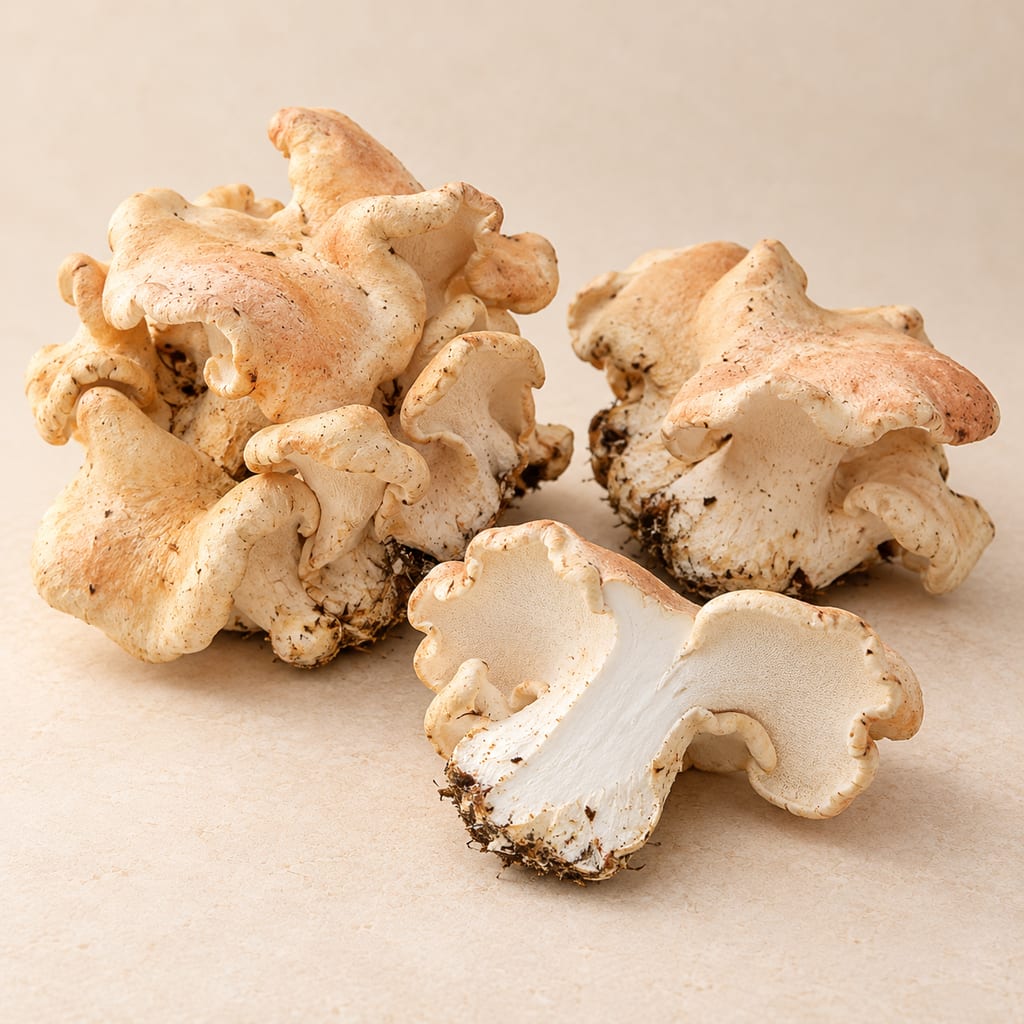
Albatrellus confluens is a ground-growing polypore with fused buff-orange caps. Sources document Chinese market use and regional edibility, but others reject it as too bitter; taxonomy also varies between Albatrellus and Albatrellopsis.
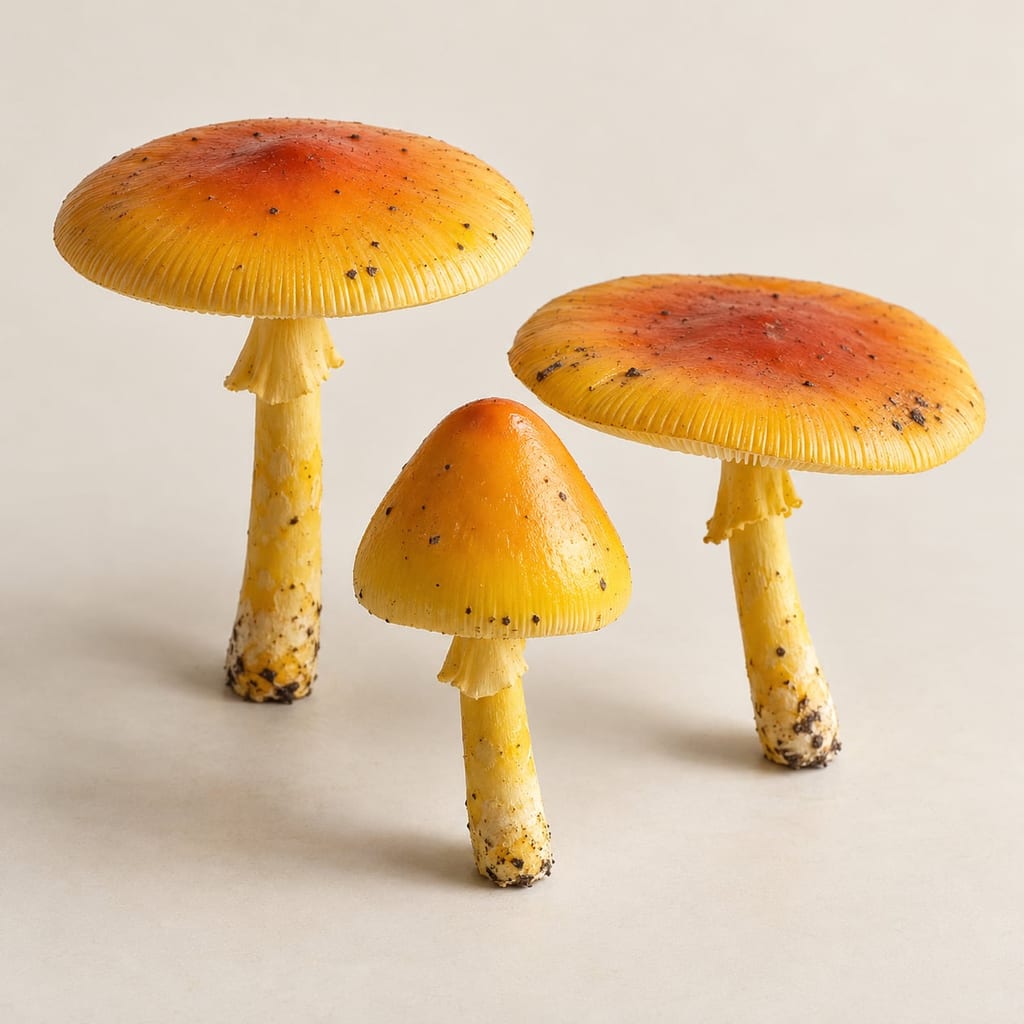
A wild Amanita recorded from China in a 2026 checklist of edible and medicinal fungi. The genus holds deadly species, so this page gives no identification or edibility verdict.
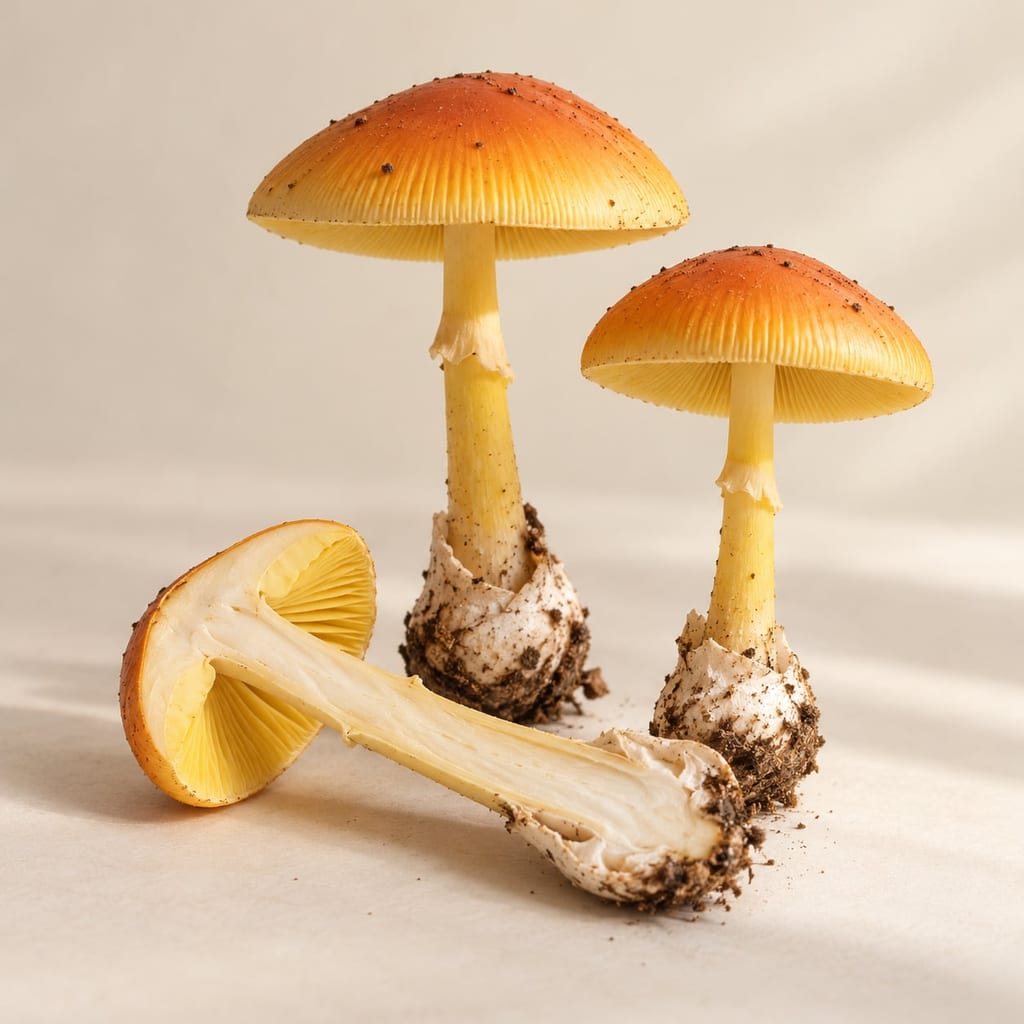
A wild Amanita of China, first reported there and listed as edible in a Yunnan ethnomycology study. The genus contains deadly species, so this page does not support identifying or eating it.
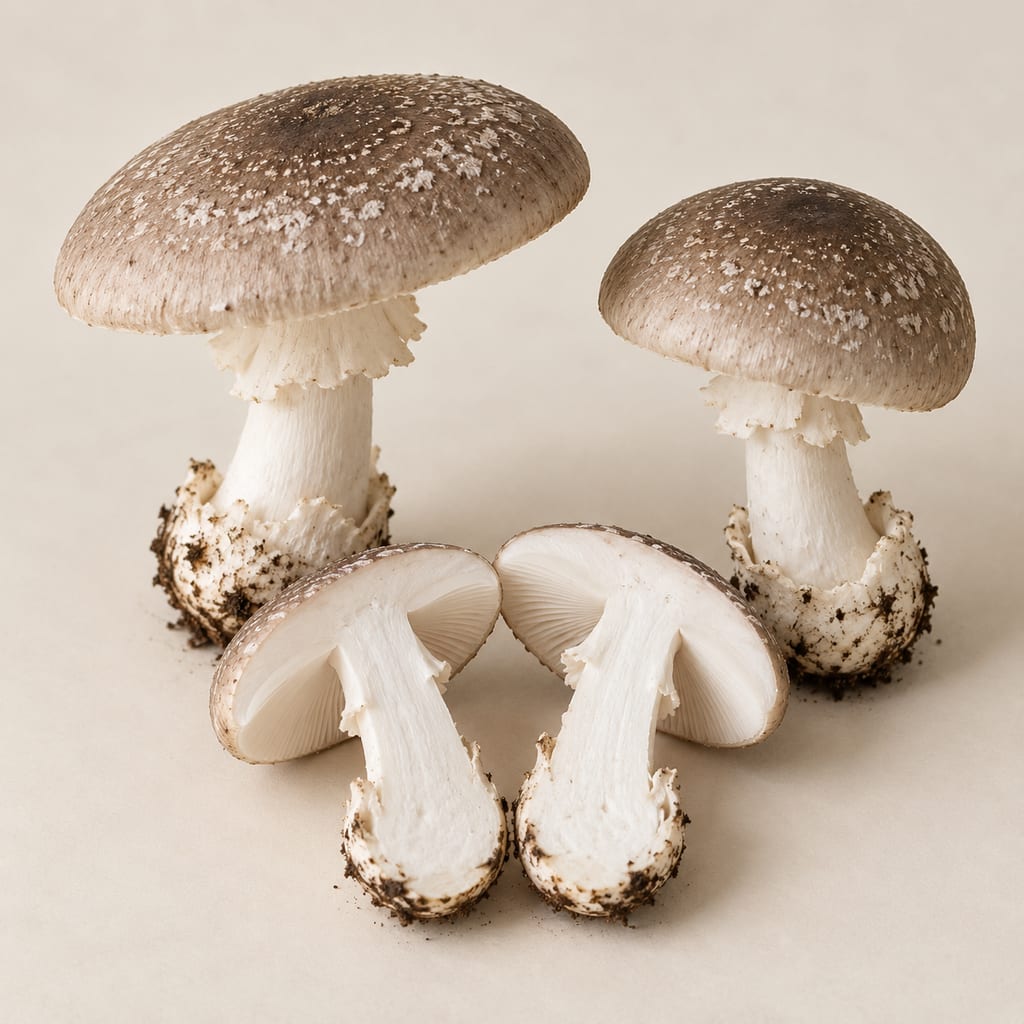
Amanita yuaniana is a Chinese Amanita that a 2023 Yanshan survey and a Yunnan ethnomycology survey list among edible species. No source tests it for safety, and the genus holds the most lethal mushrooms.
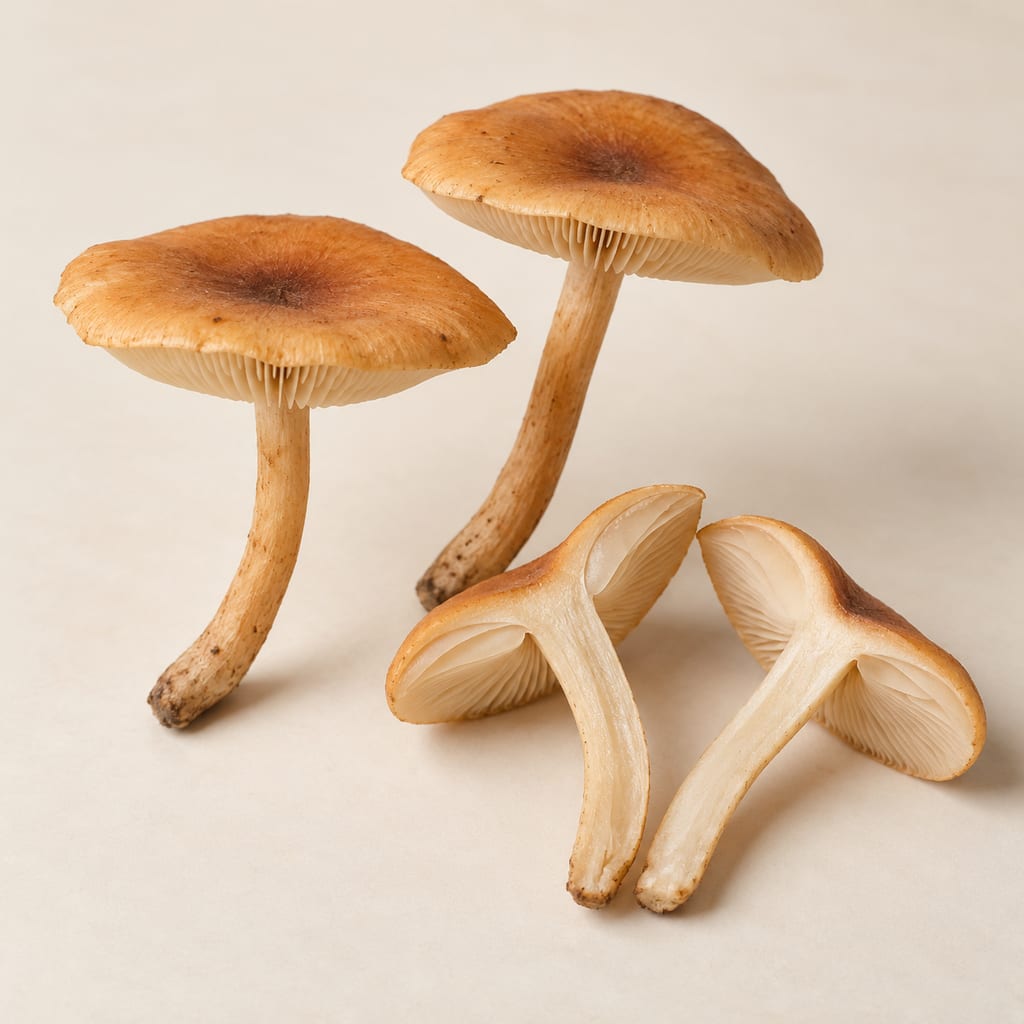
A wood-associated Armillaria recorded in Yunnan and Sichuan, China, and listed as edible in a 2026 Chinese catalogue.
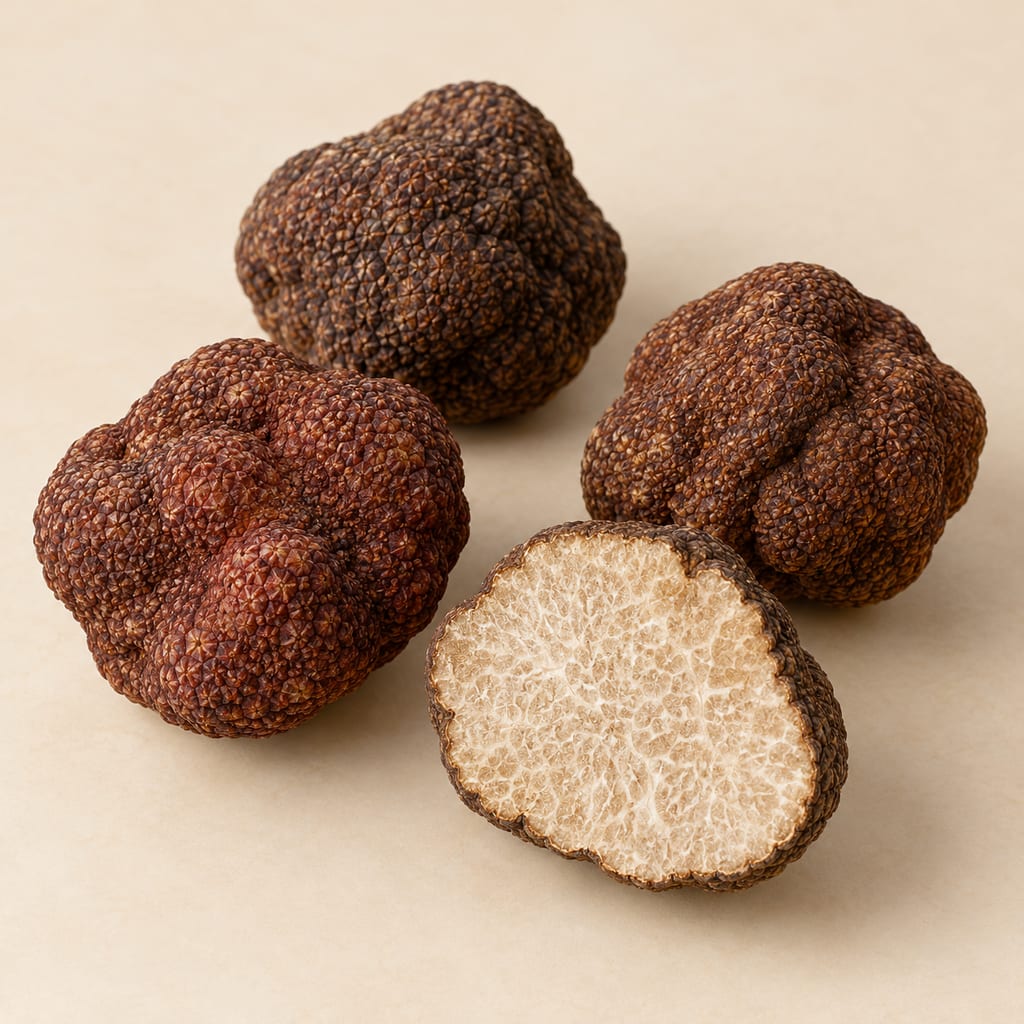
Tuber pseudohimalayense is a wild black truffle from Yunnan, China, listed as edible in a Chinese species catalogue. No independent assessment of its culinary use or safety is available.
No community contributions have been published for this entry yet.
Sign in to contribute. Published comments and photos are free to read.
Mycosystema (syjxb.com)Identity · Food use
Supplied catalogue source for Phallus cremeo-ochraceus (Chinese journal, Vol. 30, issue 5, 2023)Supplied catalogue source for the market-product identification. Not retrieved for this revision; the record is taken from the catalogue.
Cited in: Overview; Open points
MycosphereIdentity · Taxonomy
Supplied catalogue source for Phallus cremeo-ochraceus (Mycosphere 16(1), doi 10.5943/mycosphere/16/1/17)Supplied catalogue source for the species identity. Not retrieved for this revision.
Cited in: Overview; Names and identity; Ecology and history; Safety and identification; Open points
Italian Journal of MycologyPreparation · History · Taxonomy
Pharmacological and therapeutic value of bamboo mushroom Phallus indusiatus (Italian Journal of Mycology, 2022)Reports that species with the skirt once placed in Dictyophora are now all placed in Phallus.
Says the fungus is eaten fresh and dried, and is rehydrated by soaking or simmering in water.
Records a history of use in Chinese medicine going back to the 7th century AD, for P. indusiatus.
Read from a search summary; these facts concern P. indusiatus and are not transferred to P. cremeo-ochraceus without a species-level source.
Cited in: Names and identity; Preparation and use; Ecology and history; Safety and identification