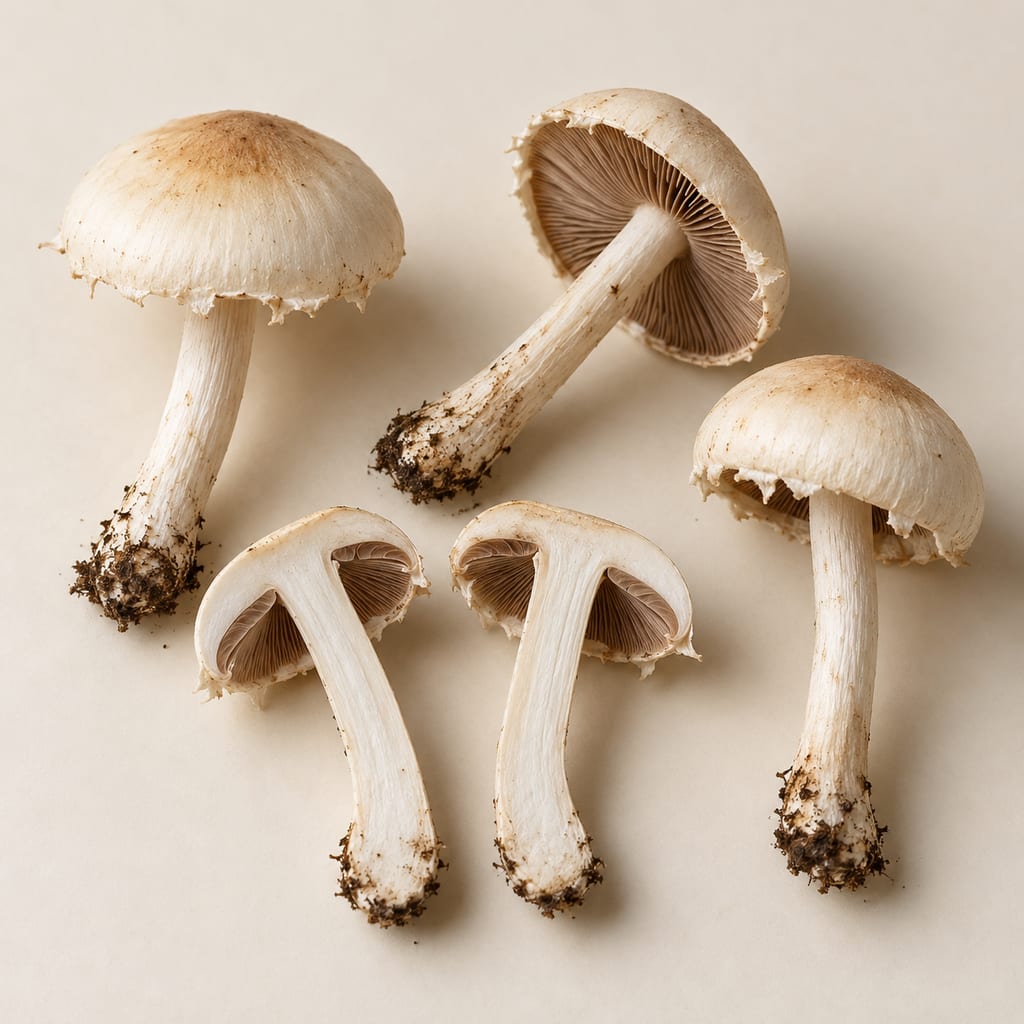
Agrocybe dura
A grassland agaric listed as edible in historical and scientific catalogues for Hong Kong and China. Taxonomic concepts and practical food value vary; the listings do not establish safe identification or culinary practice.
 FermenteaWhere food goes to change
Mushrooms
Lentinus sajor-caju, the ringed tropical sawgill, is a wood-decaying fungus with a ring on its stem. A 2026 Chinese species catalogue lists it as edible, but the culinary tradition is not established.
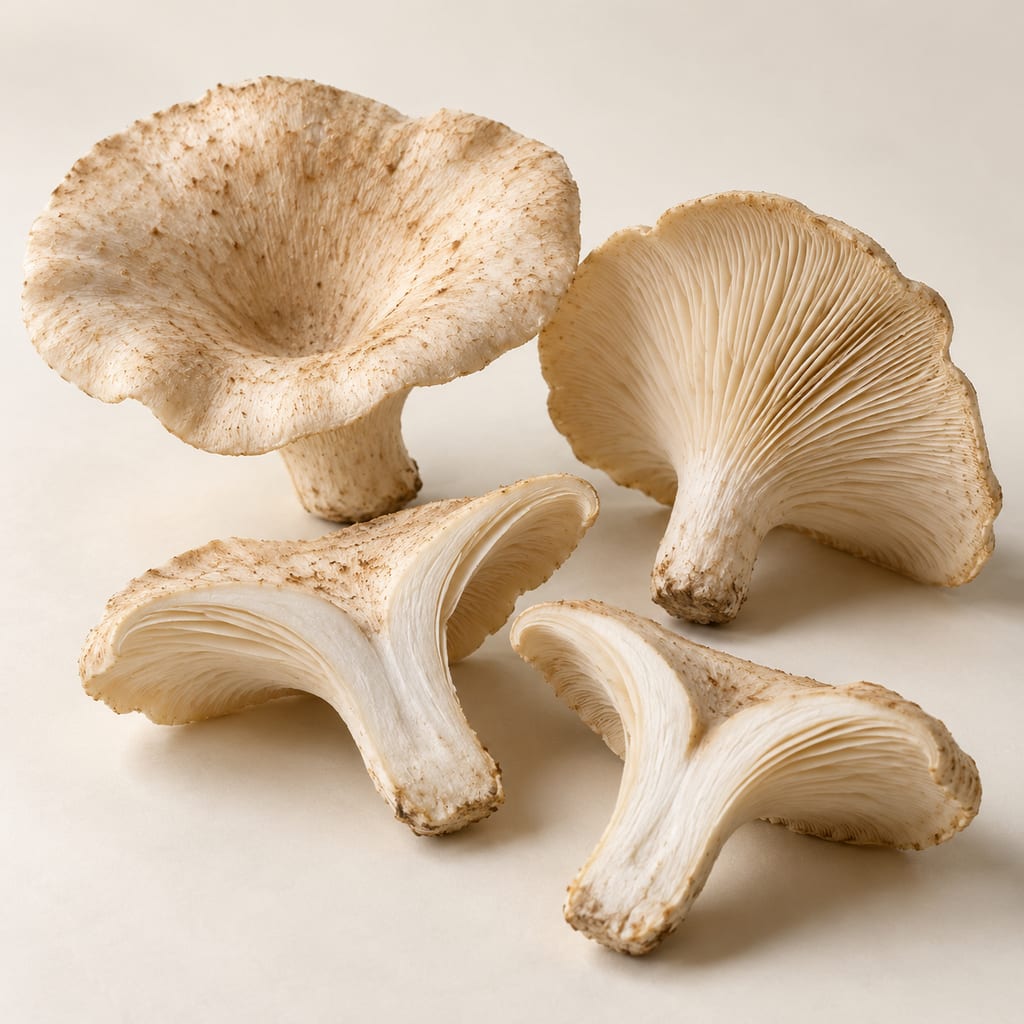
Lentinus sajor-caju is a wood-decaying fungus. It grows on dead hardwood, on logs, stumps and fallen branches, and it has a ring on its stem, which distinguishes it from the oyster mushrooms it is often confused with. The common name ringed tropical sawgill is the one recorded in the catalogue.
The food record is a checklist lead. A 2026 Chinese species catalogue lists the fungus as edible or as edible and medicinal, but the sources read for this page do not record a culinary tradition that uses it, so this page does not describe one.
The species was named by Fries, and its basionym is Agaricus sajor-caju. Several varieties and synonyms have been published, including Lentinus annulifer and Lentinus bonii. It is placed in the genus Lentinus, in the family Polyporaceae, in the order Polyporales.
The name Pleurotus sajor-caju is widely used by cultivators, and the mushroom sold under it is often Pleurotus pulmonarius rather than this species. Fungi Atlas reports that modern work found structural differences, such as tougher flesh and a veil, that led to the transfer to Lentinus. Readers comparing a market name with a taxonomic name should check which species is actually meant.
The species is recognised by its ring, a thick, bell-shaped annulus on the stem, and by the lack of a volva in the one description read. Fungi Atlas describes a brownish, membranous ring on the short stem.
A Thai taxonomic study of Lentinus in northern Thailand separates L. sajor-caju from similar species by its larger basidiomes and narrower spores.
The fungus is saprotrophic. It breaks down dead wood of hardwood trees, which is why it is found on logs, stumps and fallen branches. The catalogue records no detailed ecology for this record, and no season or abundance is recorded.
Its fruiting bodies therefore appear where dead hardwood lies on the ground.
Culinary sources describe the species as edible with acceptable culinary qualities when young and fresh. Fungi Atlas advises harvesting it young, before the flesh becomes too tough to eat.
The catalogue records the supply as unknown. It does not record how the mushroom is prepared, which part is used, or how much is gathered.
The catalogue's caution is that the true Lentinus sajor-caju differs from oyster mushroom strains historically sold under the name Pleurotus sajor-caju. Any record of food use should be matched to the correct species before it is trusted.
The Chinese catalogue entry is a research lead, not an independent safety assessment. The sources read do not establish a safe preparation, and no edibility verdict follows from the checklist. Identification should be confirmed by a specialist before anyone eats a wild fungus.
Listed as edible or edible-and-medicinal in a national species catalogue; the culinary tradition is not recorded.
A grassland agaric listed as edible in historical and scientific catalogues for Hong Kong and China. Taxonomic concepts and practical food value vary; the listings do not establish safe identification or culinary practice.
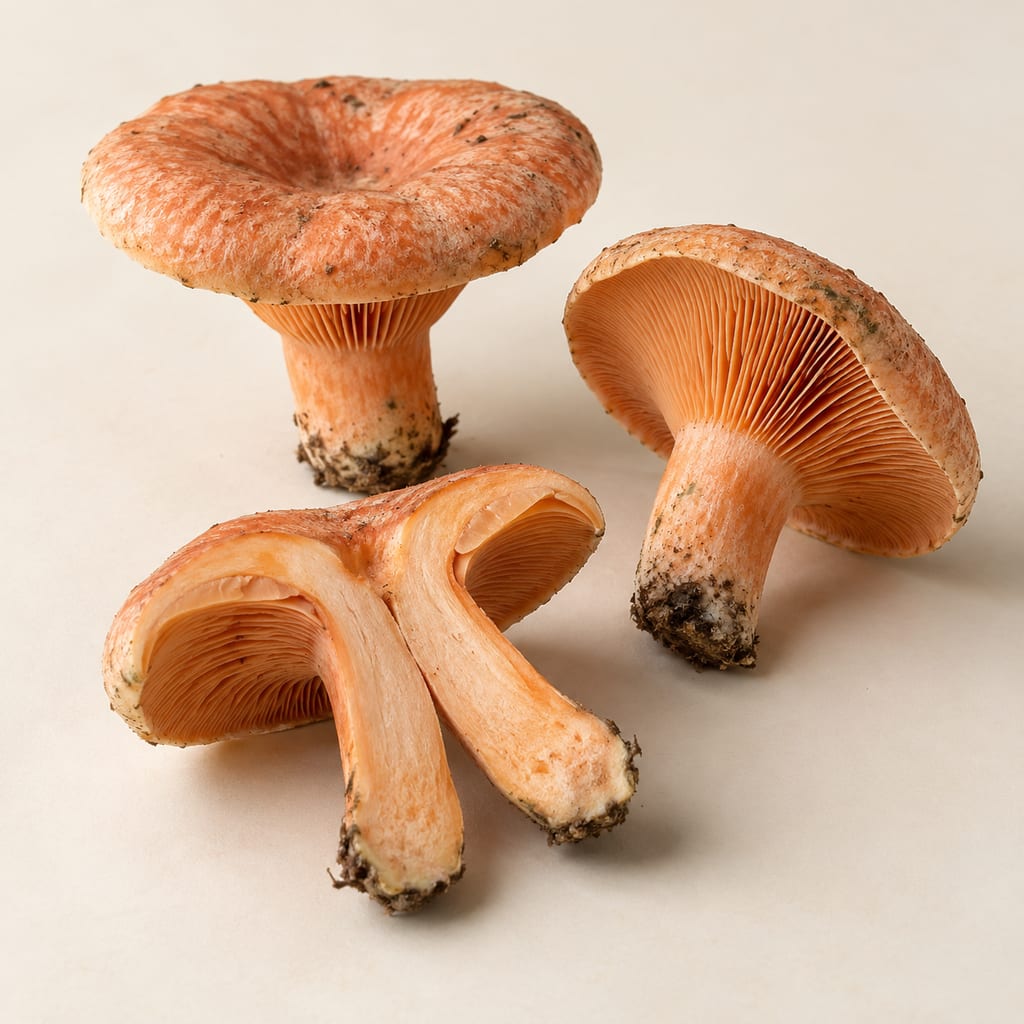
Akahatsu, Lactarius akahatsu, is a wild milkcap of East Asian pine and mixed forests that is sold in Yunnan markets, with its edibility and identity still needing species-level review.
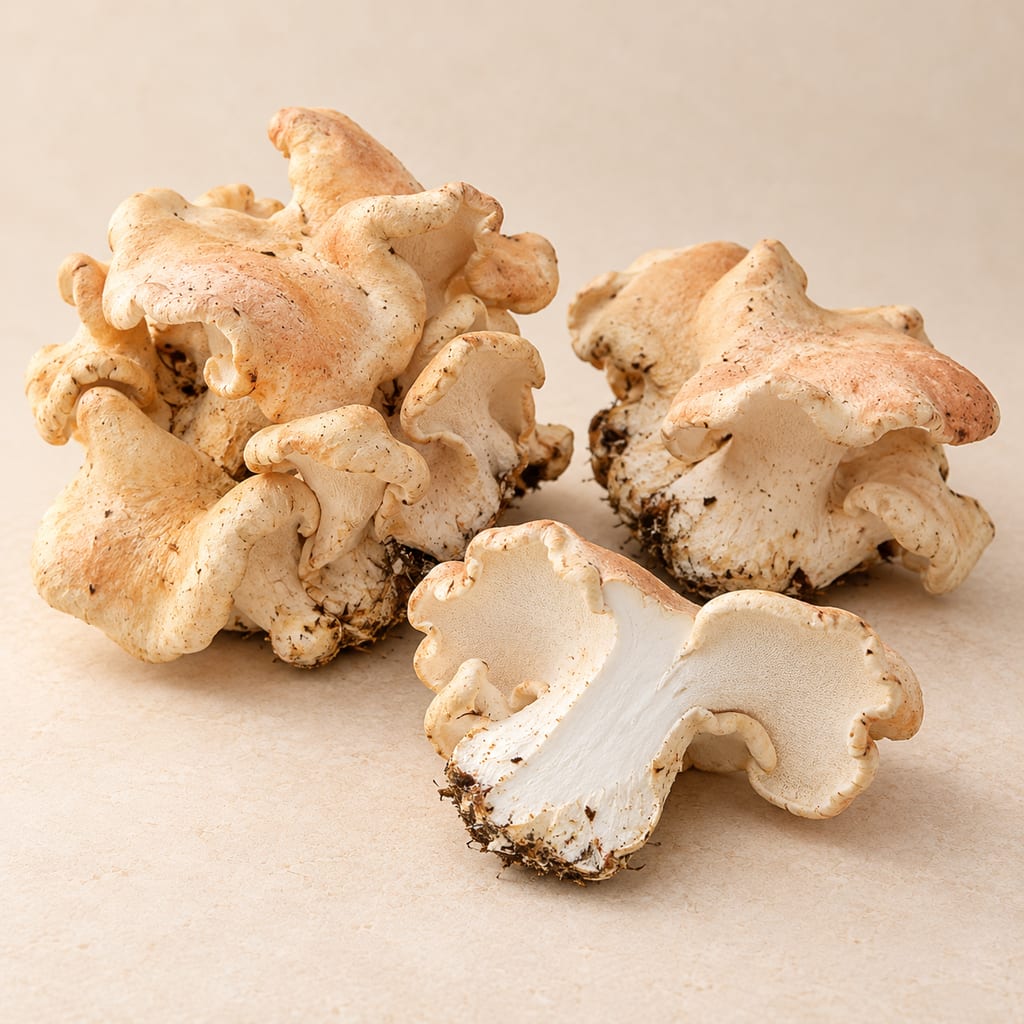
Albatrellus confluens is a ground-growing polypore with fused buff-orange caps. Sources document Chinese market use and regional edibility, but others reject it as too bitter; taxonomy also varies between Albatrellus and Albatrellopsis.
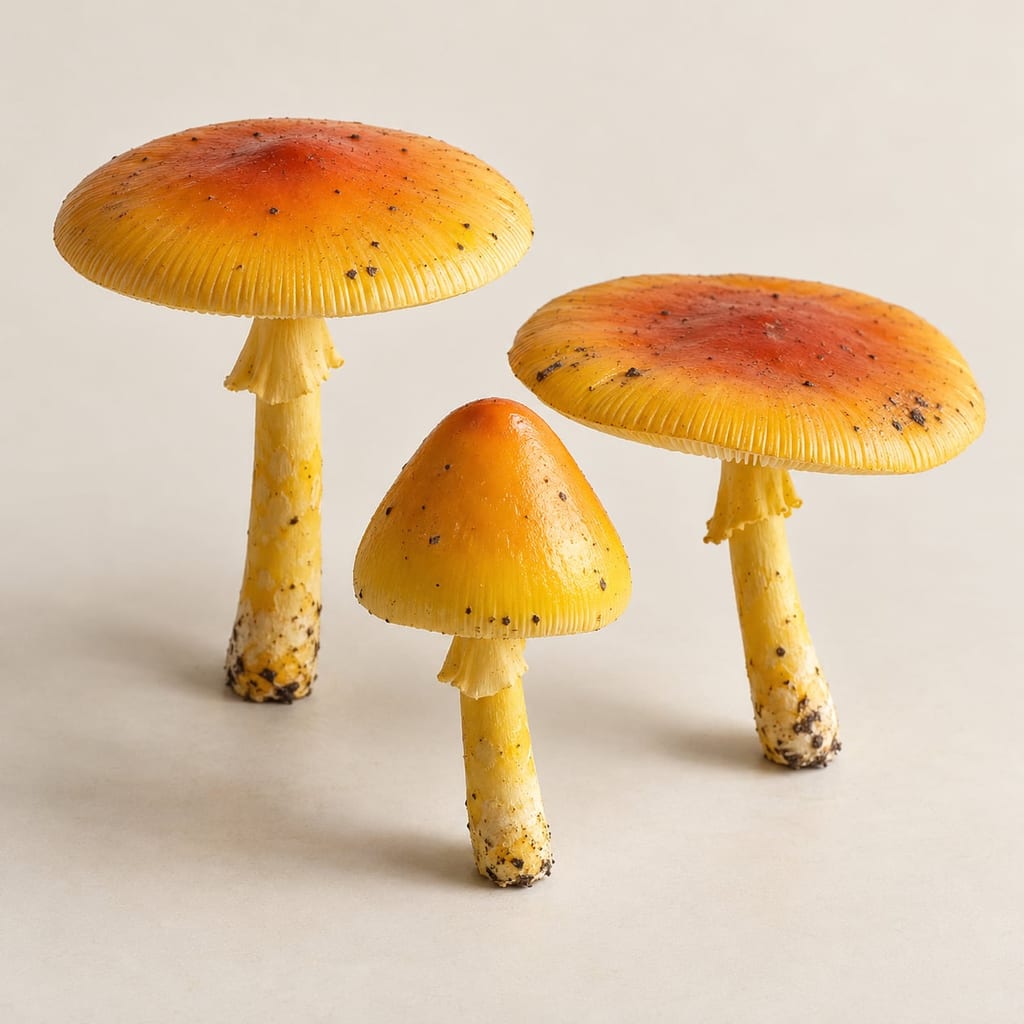
A wild Amanita recorded from China in a 2026 checklist of edible and medicinal fungi. The genus holds deadly species, so this page gives no identification or edibility verdict.
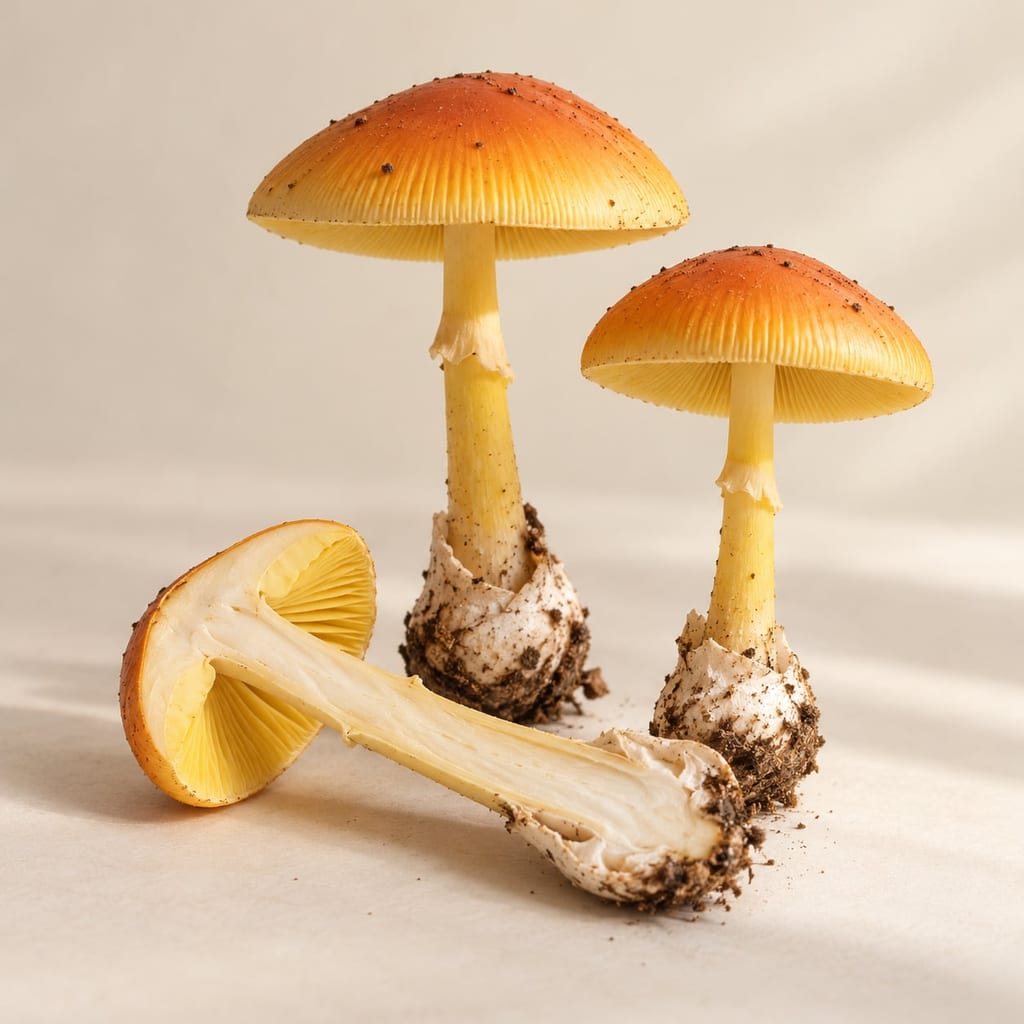
A wild Amanita of China, first reported there and listed as edible in a Yunnan ethnomycology study. The genus contains deadly species, so this page does not support identifying or eating it.
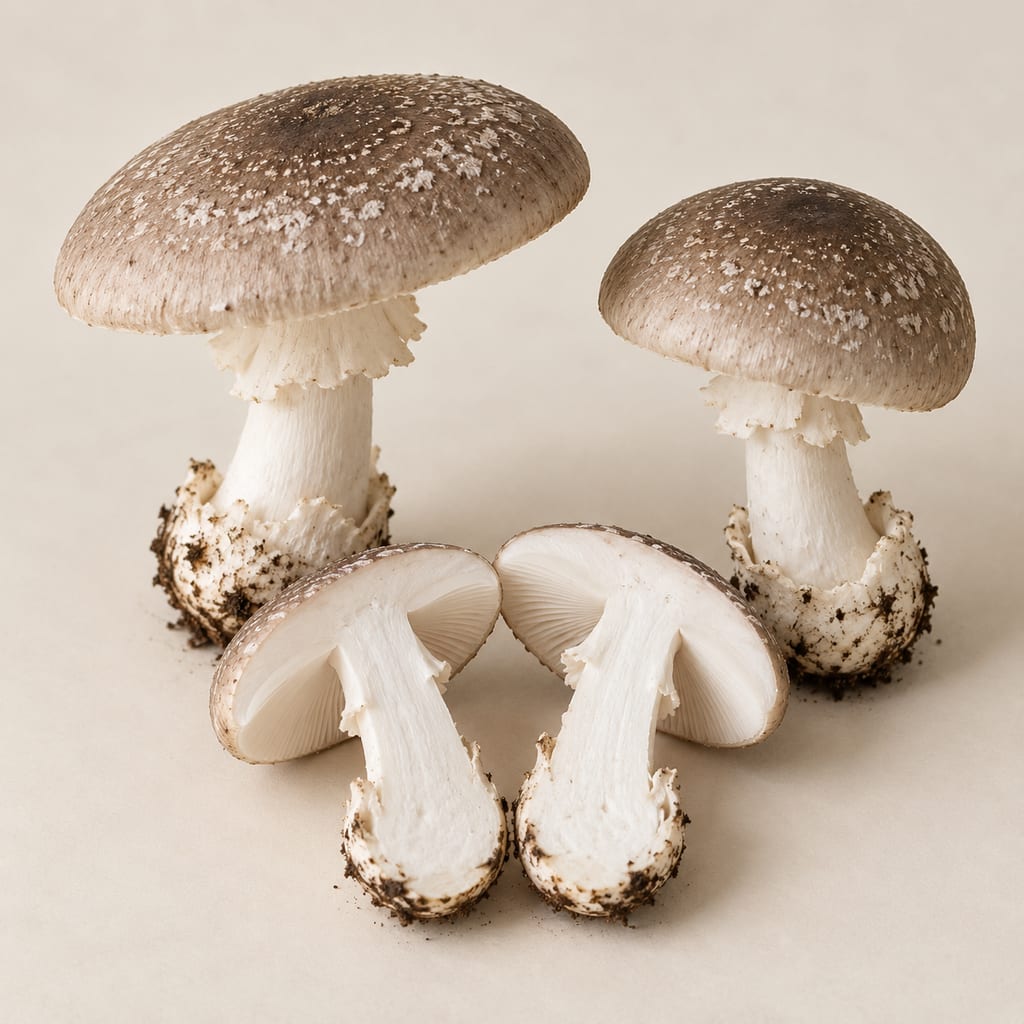
Amanita yuaniana is a Chinese Amanita that a 2023 Yanshan survey and a Yunnan ethnomycology survey list among edible species. No source tests it for safety, and the genus holds the most lethal mushrooms.
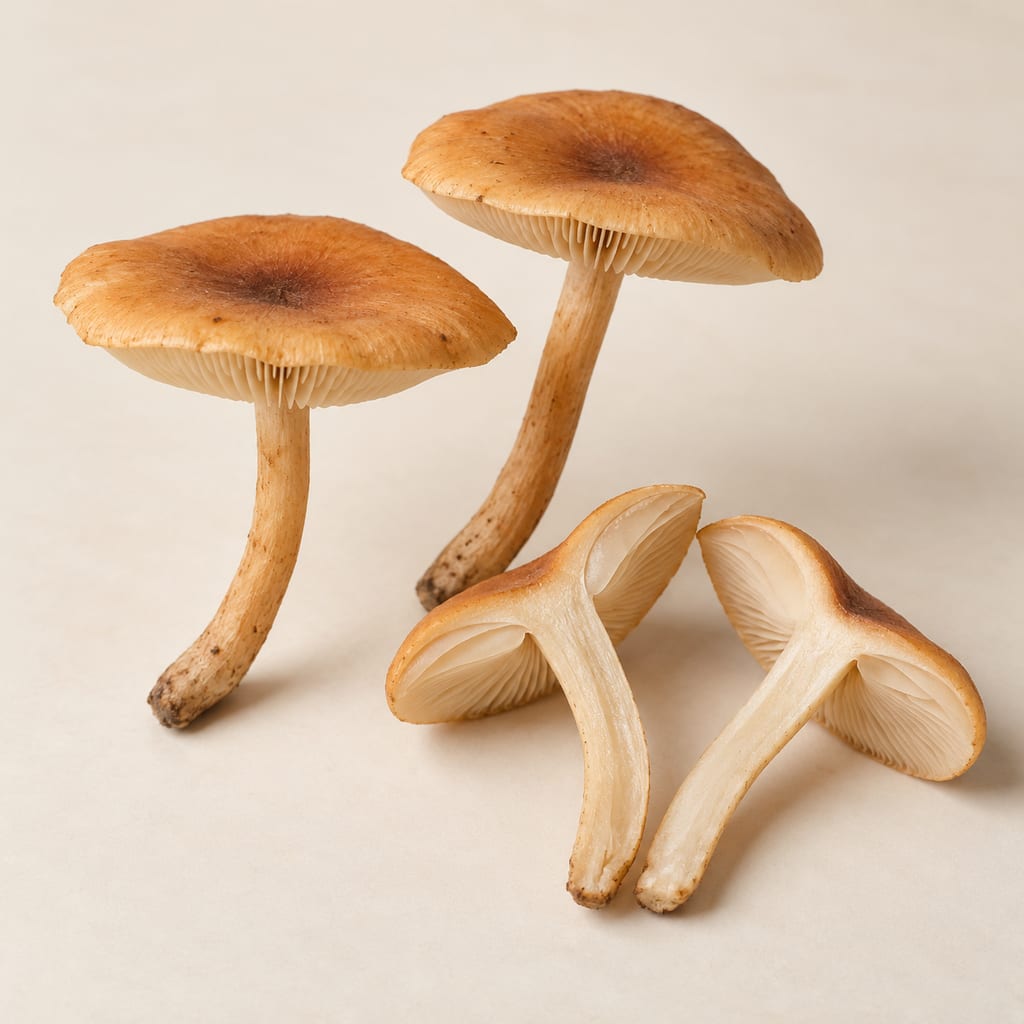
A wood-associated Armillaria recorded in Yunnan and Sichuan, China, and listed as edible in a 2026 Chinese catalogue.
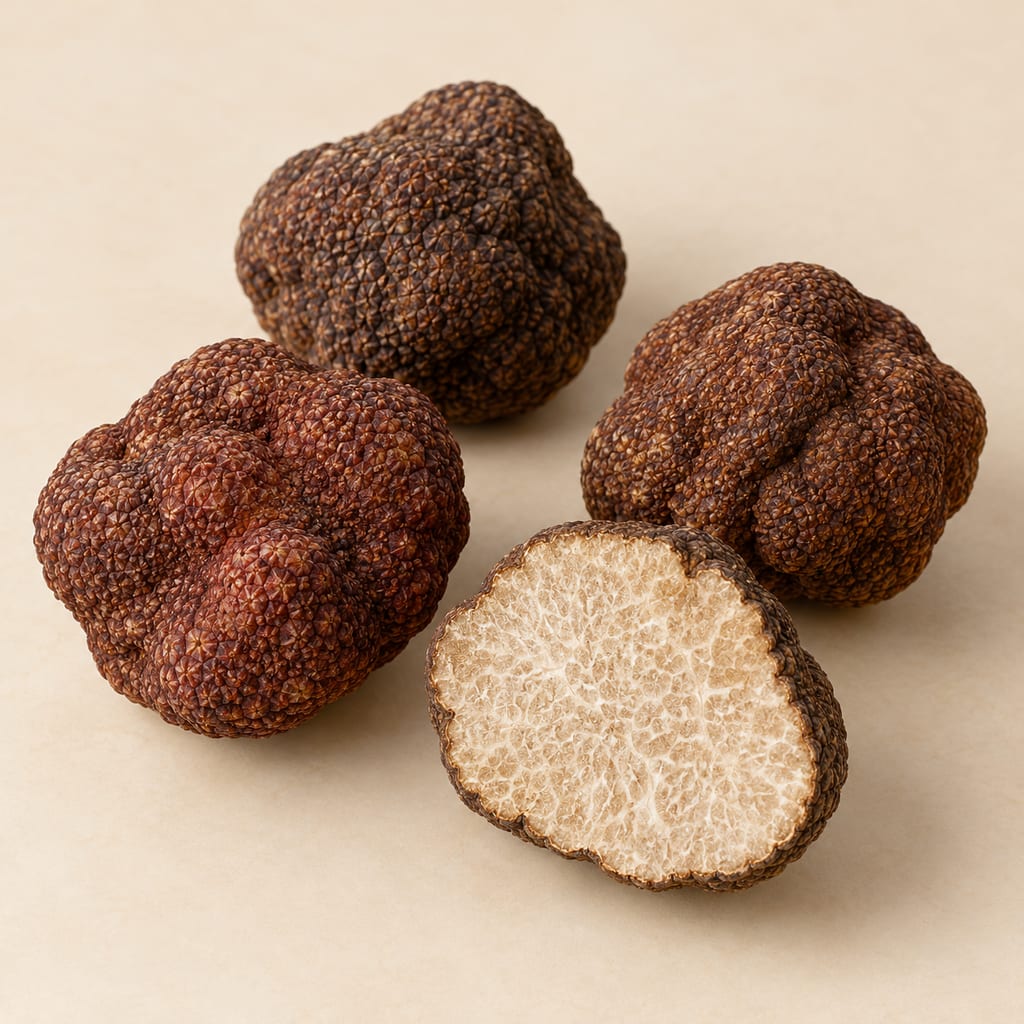
Tuber pseudohimalayense is a wild black truffle from Yunnan, China, listed as edible in a Chinese species catalogue. No independent assessment of its culinary use or safety is available.
No community contributions have been published for this entry yet.
Sign in to contribute. Published comments and photos are free to read.
CAST journal platform (Chinese Academy of Sciences journal)Food use · Checklist · Safety
Chinese species catalogue entry for Lentinus sajor-cajuListed as edible or edible-and-medicinal in the 2026 Chinese species catalogue; the culinary tradition is not specified.
Cited in: Overview; Food use and harvest; Safety
Fungi AtlasIdentification · Ecology · Food use · Taxonomy
Lentinus sajor-caju (Funnel Woodcap)Brownish membranous ring on the short stem; harvest young before the flesh becomes too tough.
Transfer to Lentinus after structural differences were found.
Cited in: Overview; Taxonomy and naming; Identification; Ecology; Food use and harvest
WikipediaTaxonomy lead
Lentinus sajor-cajuClassification within Polyporaceae and Lentinus; named by Fries; Pleurotus sajor-caju often used for P. pulmonarius.
Cited in: Taxonomy and naming
Springer (Mycological Progress)Identification · Taxonomy
Three new species of Lentinus from northern ThailandDistinguishes L. sajor-caju from similar species by larger basidiomes and narrower spores.
Cited in: Identification