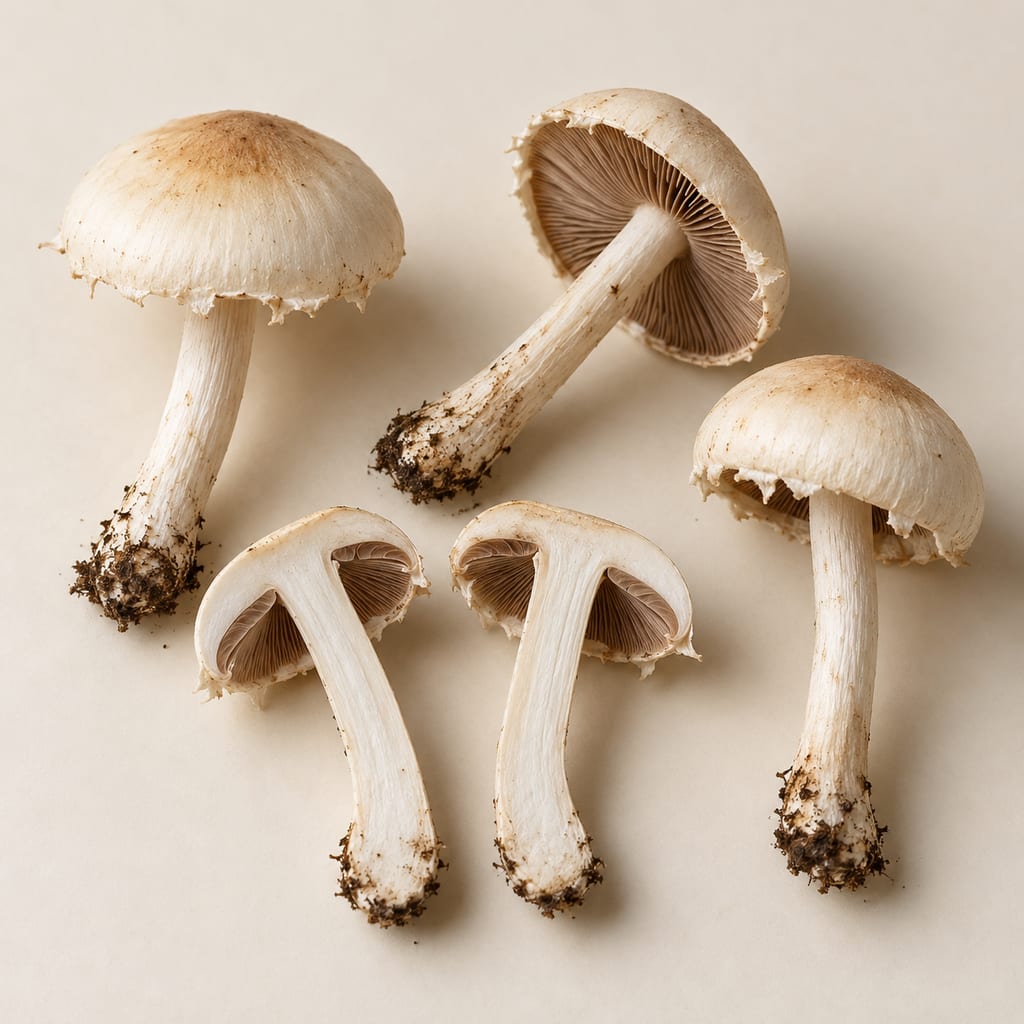
Agrocybe dura
A grassland agaric listed as edible in historical and scientific catalogues for Hong Kong and China. Taxonomic concepts and practical food value vary; the listings do not establish safe identification or culinary practice.
 FermenteaWhere food goes to change
Mushrooms
Termitomyces aurantiacus is a termite mushroom that grows with fungus-growing termites in savanna and garden habitats across West, Central and East Africa and parts of Asia. It is eaten as a wild food in soups and fried dishes.
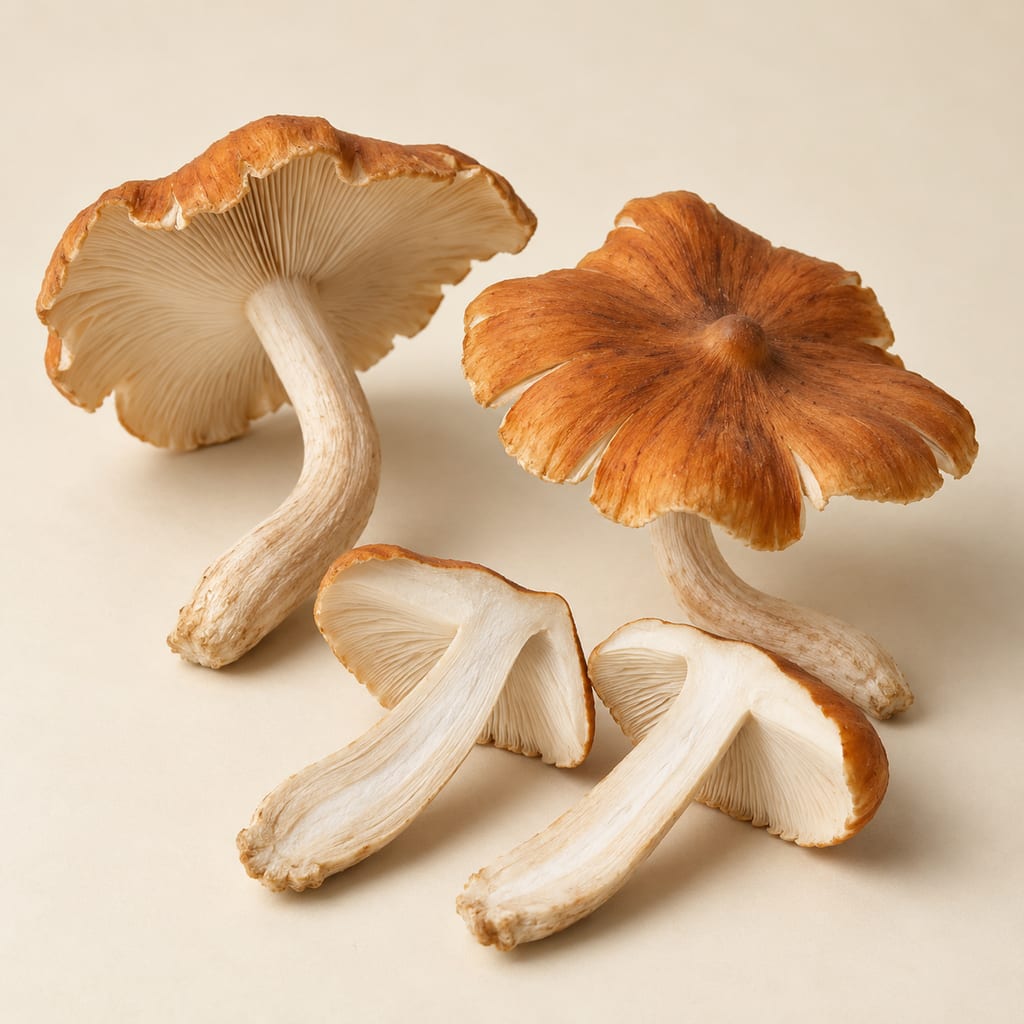
Termitomyces aurantiacus is also written as Termitomyces striatus var. aurantiacus, the name under which the EFTA species page treats it. The EFTA page describes a cap of 6 to 10 cm, a stipe without a ring, and creamy pinkish spores. It describes the species as very similar to Termitomyces striatus, which it separates by a greyish-brown colour without a yellowish tinge.
The fungus is a member of the genus that farms termites' symbiotic partners. The EFTA page gives Pseudacanthotermes militaris as the termite it is associated with. The catalogue lists the common name termite mushroom. The EFTA page gives no common name, and the catalogue does not validate the name against current taxonomic authorities, so the accepted name is not resolved here.
The EFTA page places the fungus in wet miombo woodland, muhulu, cultivated land and gardens. The catalogue describes it as a termite symbiont whose fruit bodies emerge from termite-associated substrate, and lists it as wild.
In a separate ethnomycological study from Tshopo province in the Democratic Republic of the Congo, three other Termitomyces species are recorded as eaten by local informants. Termitomyces aurantiacus is not among them, so that record does not apply to this species.
The EFTA page describes the flesh as having a strong, pleasant taste and a moderately pleasant odour. The catalogue records its food use as soups and fried dishes, and records that some Termitomyces are preserved by frying in oil. The catalogue does not state that this preservation applies to Termitomyces aurantiacus in particular.
A market survey in Pu'er Prefecture, Yunnan, lists Termitomyces aurantiacus (voucher HKAS-122633) as edible and records the genus among popular species sold in the studied markets. The survey gives the genus soup and fried mushroom oil as preparations, and its prices are higher than those of most other species sold there.
How the fungus is cleaned, cooked or stored is not recorded in the sources read for this entry.
This entry is not an edibility verdict or an identification. The EFTA page gives no explicit food-safety or toxicity statement for this species. Its identification description separates it from Termitomyces striatus by colour, and the EFTA page calls the two very similar.
Wild mushrooms must be identified by a qualified expert before any use. Local use in one region does not show that a lookalike collected elsewhere is the same organism.
The EFTA species page lists these countries among its range. The catalogue records food use in the same countries.
Named in the catalogue record. The catalogue does not give a locality or a use record for each area.
A grassland agaric listed as edible in historical and scientific catalogues for Hong Kong and China. Taxonomic concepts and practical food value vary; the listings do not establish safe identification or culinary practice.

Akahatsu, Lactarius akahatsu, is a wild milkcap of East Asian pine and mixed forests that is sold in Yunnan markets, with its edibility and identity still needing species-level review.
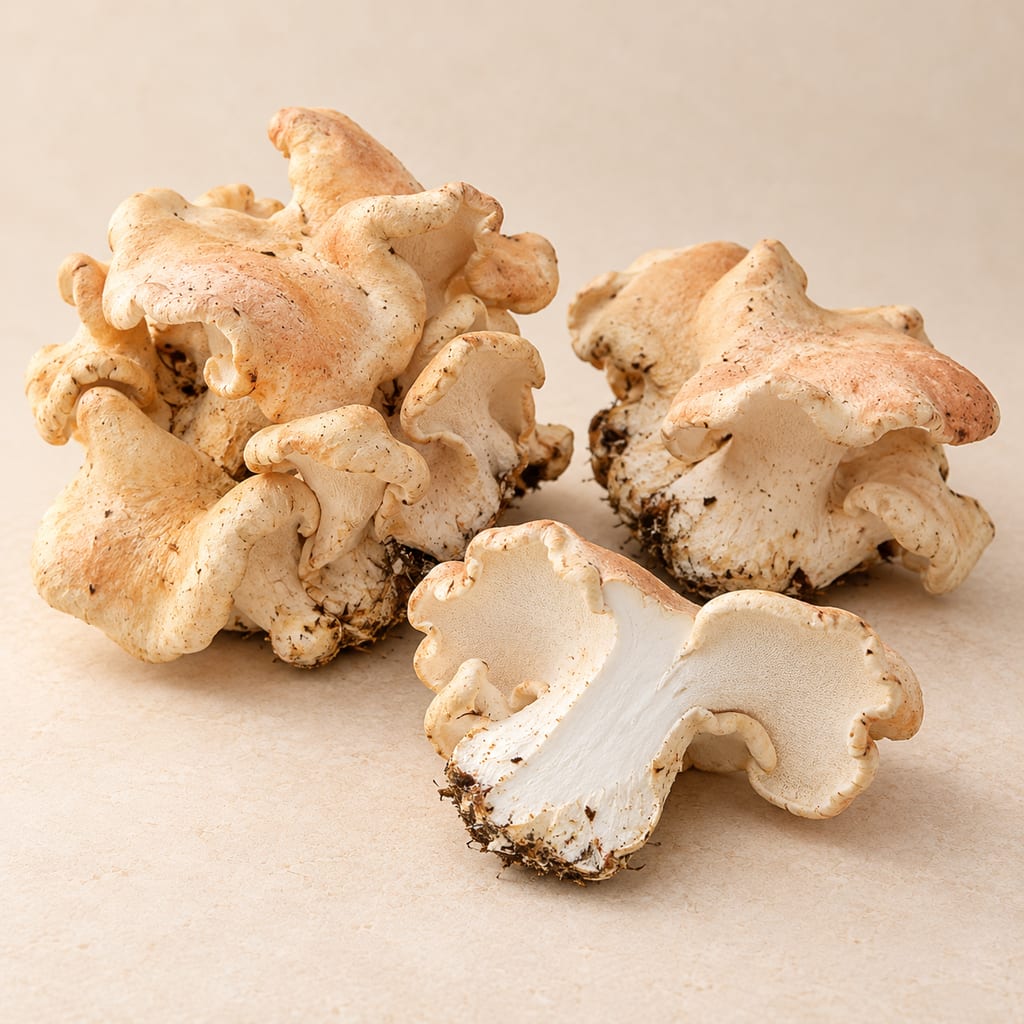
Albatrellus confluens is a ground-growing polypore with fused buff-orange caps. Sources document Chinese market use and regional edibility, but others reject it as too bitter; taxonomy also varies between Albatrellus and Albatrellopsis.
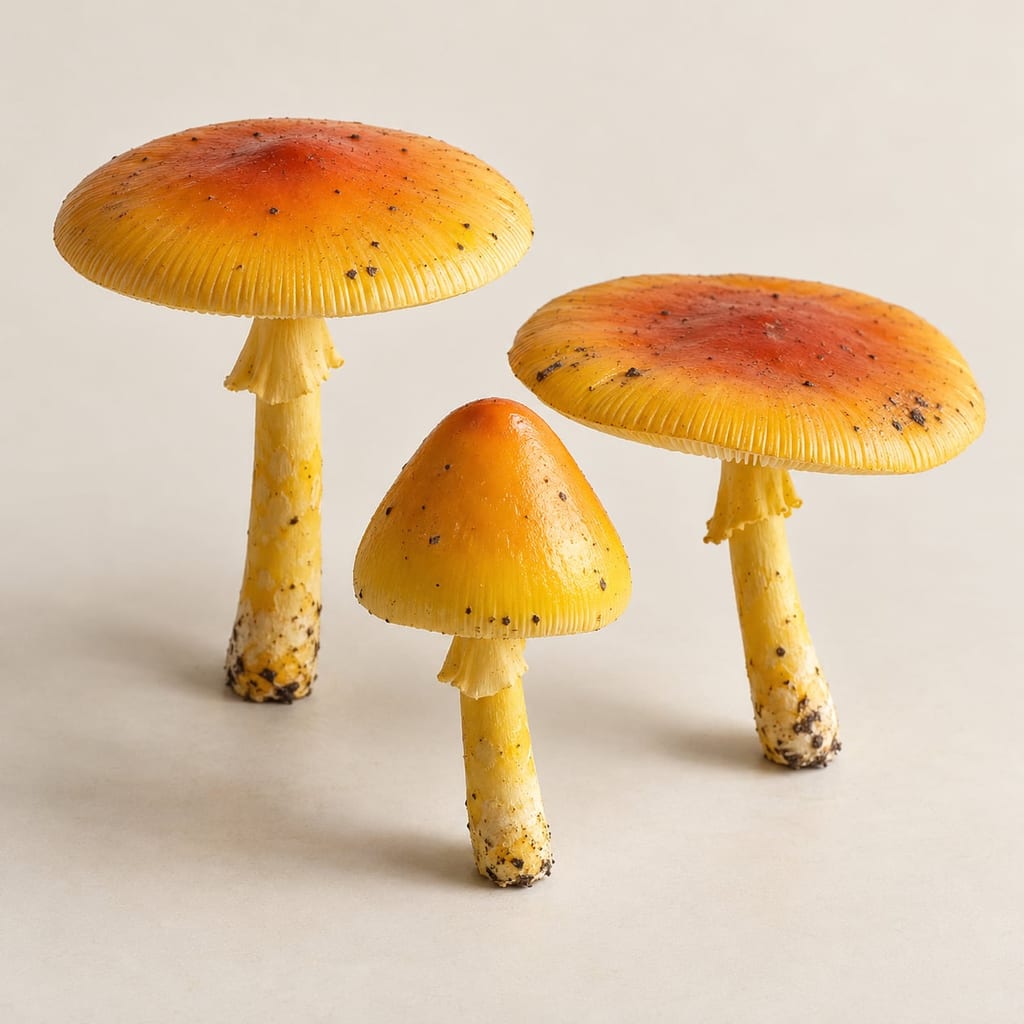
A wild Amanita recorded from China in a 2026 checklist of edible and medicinal fungi. The genus holds deadly species, so this page gives no identification or edibility verdict.
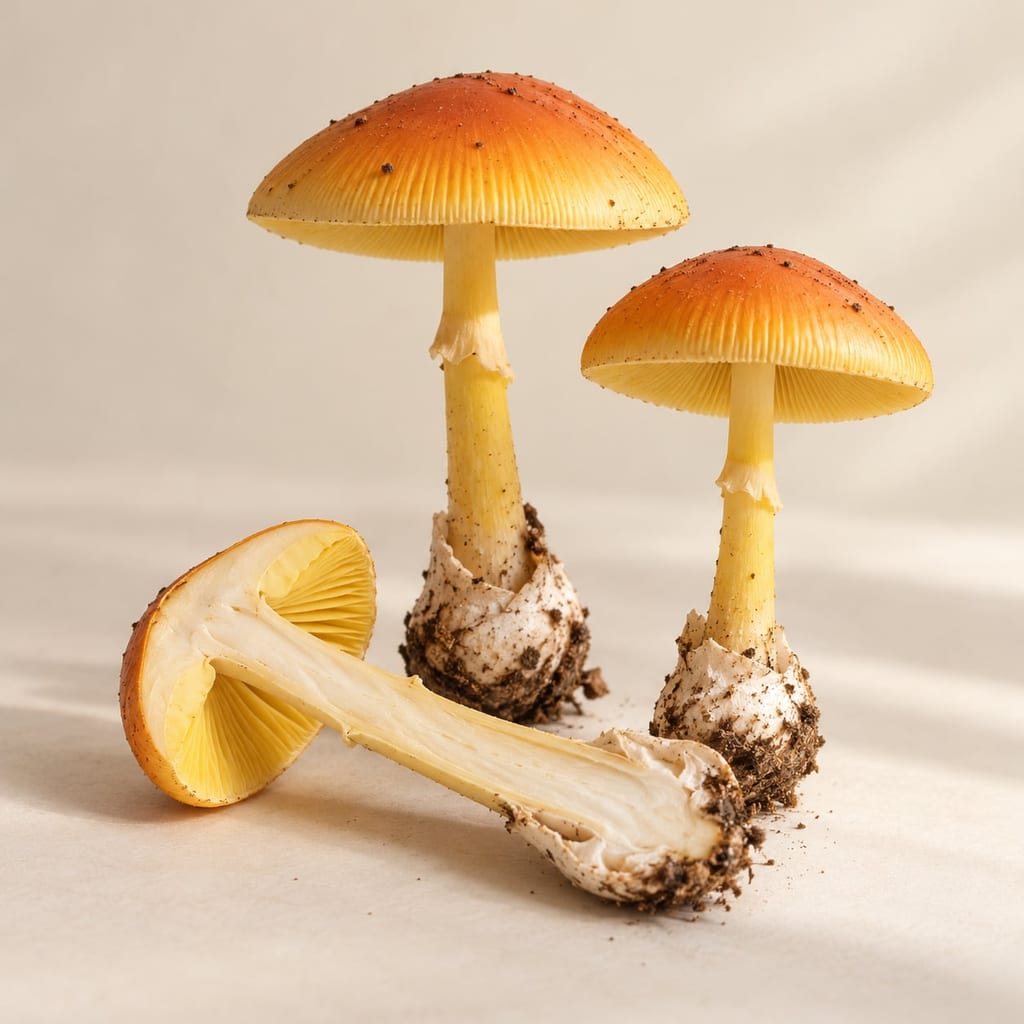
A wild Amanita of China, first reported there and listed as edible in a Yunnan ethnomycology study. The genus contains deadly species, so this page does not support identifying or eating it.
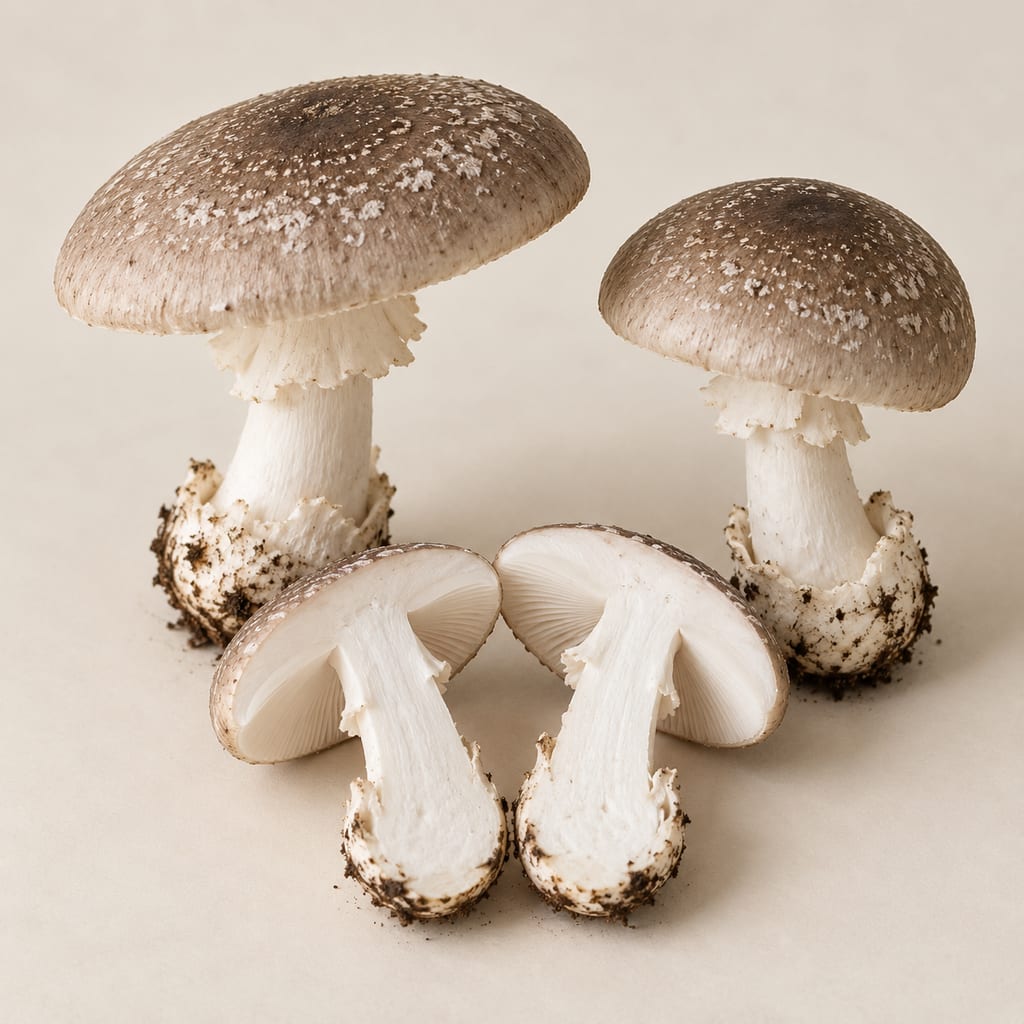
Amanita yuaniana is a Chinese Amanita that a 2023 Yanshan survey and a Yunnan ethnomycology survey list among edible species. No source tests it for safety, and the genus holds the most lethal mushrooms.
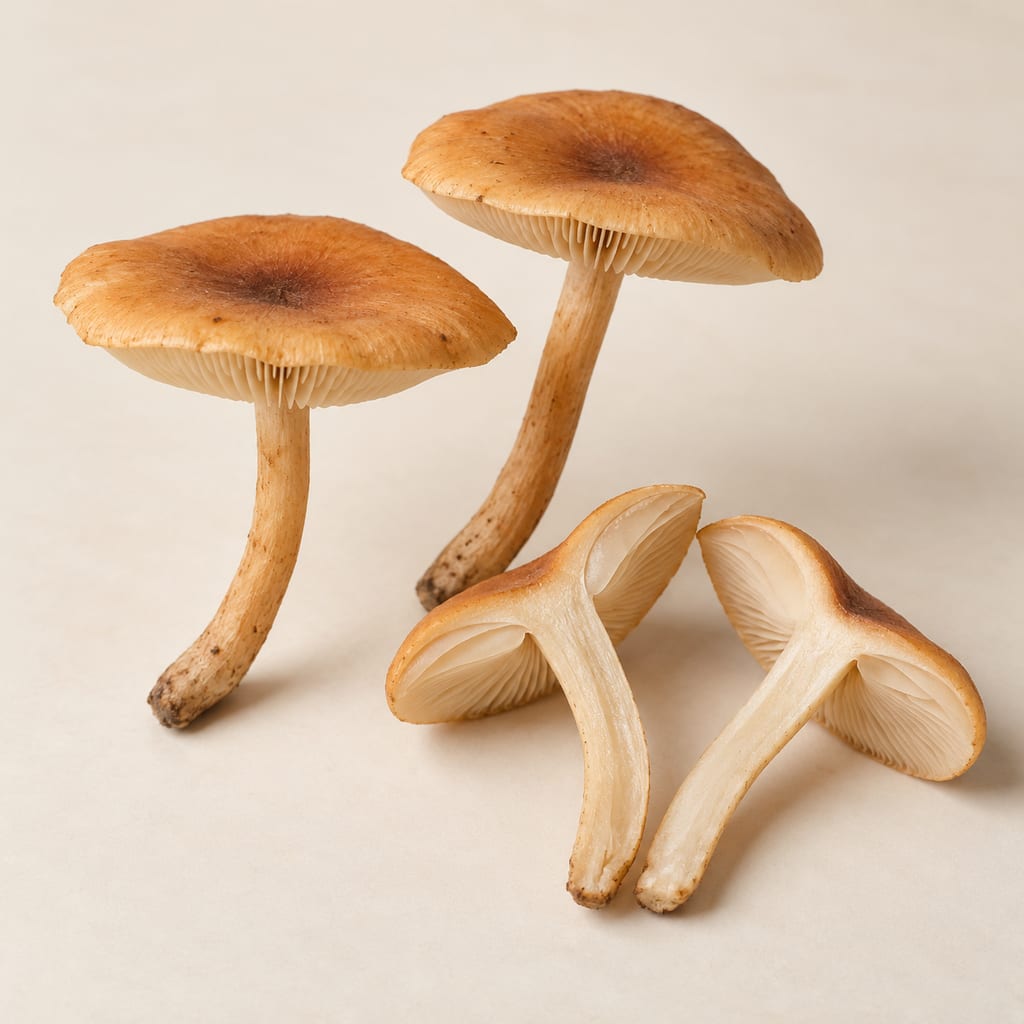
A wood-associated Armillaria recorded in Yunnan and Sichuan, China, and listed as edible in a 2026 Chinese catalogue.
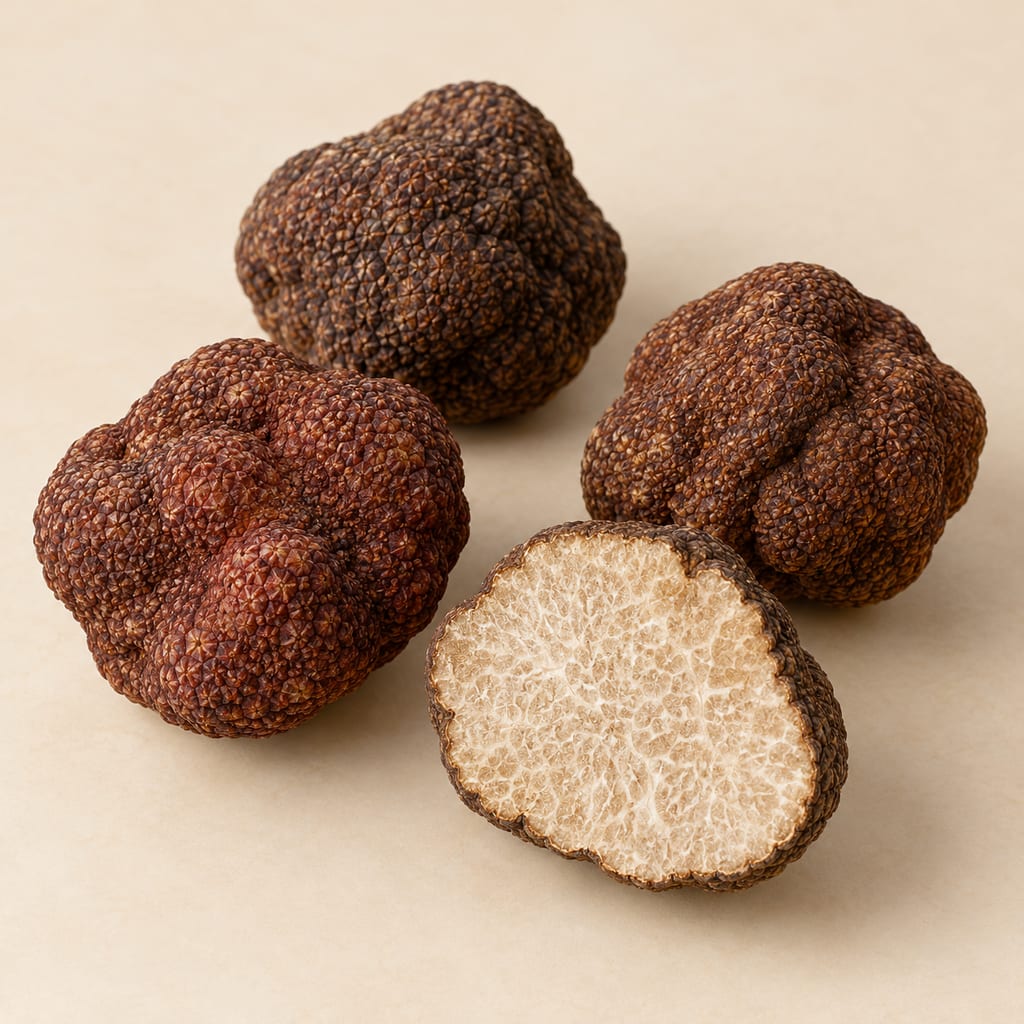
Tuber pseudohimalayense is a wild black truffle from Yunnan, China, listed as edible in a Chinese species catalogue. No independent assessment of its culinary use or safety is available.
No community contributions have been published for this entry yet.
Sign in to contribute. Published comments and photos are free to read.
PubMed Central (Journal of Ethnobiology and Ethnomedicine)History · Method
Ethnomycological study on wild mushrooms in Pu'er Prefecture, Southwest Yunnan, ChinaTermitomyces aurantiacus HKAS-122633 listed edible; genus among popular market species; preparations make soup and fried mushroom oil; prices higher than most species
EFTA, edible fungi of tropical AfricaMethod · Safety
Termitomyces aurantiacus (species page)Synonym T. striatus var. aurantiacus; cap 6-10 cm; stipe without ring; creamy pinkish spores; similar to T. striatus; flesh taste strong, pleasant; symbiotic with Pseudacanthotermes militaris; wet miombo, muhulu, crops and gardens; no explicit safety statement
Cited in: What it is; Habitat and ecology; Taste and use; Safety and identification
Springer Nature (Journal of Ethnobiology and Ethnomedicine)History · Method
Ethnobiology and ethnomycology study cited in the catalogue (DOI 10.1186/s13002-022-00551-7)Catalogue record of regions and food use for Termitomyces aurantiacus: Benin to South Asia; soups and fried dishes; some Termitomyces preserved by frying in oil
Cited in: What it is; Taste and use
PubMed CentralHistory
Wild edible ectomycorrhizal fungi: an underutilized food resource from the rainforests of Tshopo province (Democratic Republic of the Congo)Three other Termitomyces species eaten in Tshopo; T. aurantiacus not among them
Cited in: Habitat and ecology