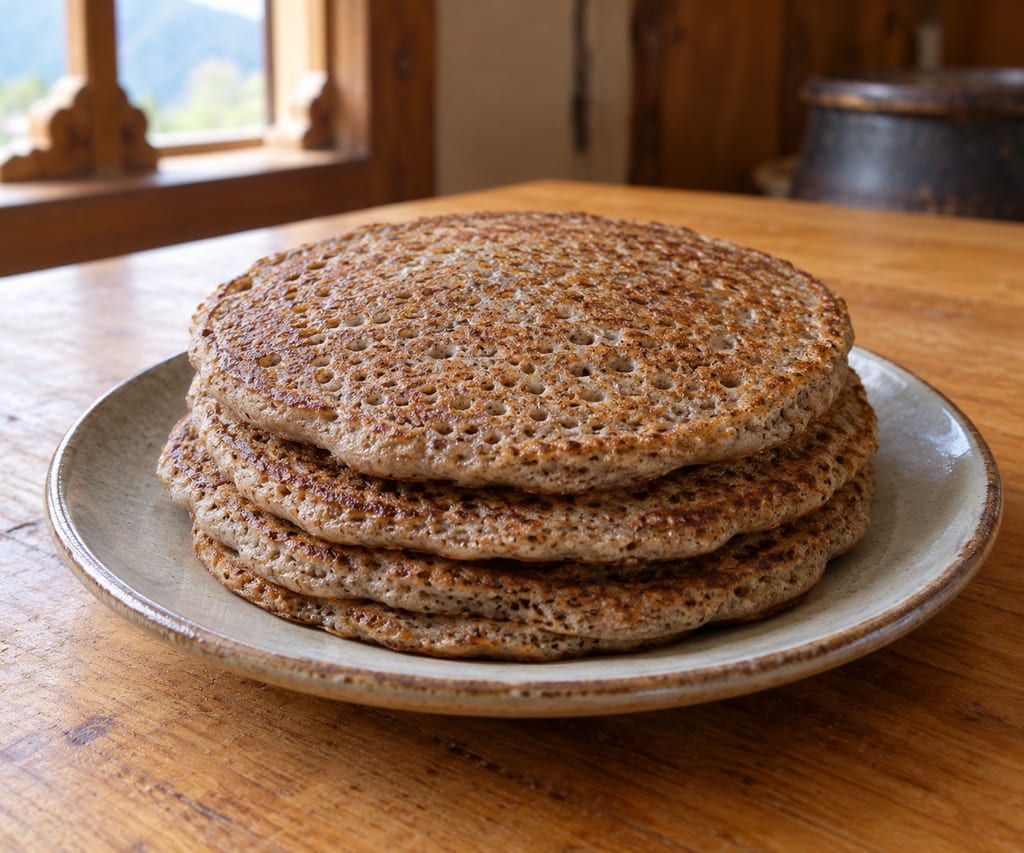
Khur-le buckwheat pancakes
Bhutanese-style buckwheat pancakes made with milk and egg, cooked on a hot pan. This home version serves three.
 FermenteaWhere food goes to change
Traditional method
Bhutanese ezay · Eze
Ezay is a Bhutanese red-chilli seasoning served with rice, salads, momo and other dishes; this reported version combines chillies, tomato, onion, coriander, cheese and pepper.

Ezay is a chilli seasoning associated with meals in Bhutan. The Honorary Consulate-General of Bhutan in Tokyo describes it as made with red peppers and served with tomatoes, onions, salads, rice, momo and other foods. The same account says the taste changes with the maker, region, ingredients and method. It presents no single standard recipe, so a particular ingredient list should be read as one form rather than the definition of ezay.
The consulate places ezay in a cuisine where chillies are central and Bhutanese food can be very hot. It notes that fresh peppers are available in harvest season and dried peppers in winter, and that fresh peppers may also be eaten as vegetables or in salads. This describes a seasonal context for chilli use; it does not establish that every ezay uses dried chillies or that every version reaches the same heat.
That account gives no date for ezay's beginnings and no early written attestation. The record therefore leaves its period unknown rather than turning a present-day culinary description into a claim about antiquity or a precise birthplace.
The Soup Spoon account presents a 300 g version that its author says was learned in the home of a guide's brother during a first trip to Bhutan. It combines chopped, seeded tomatoes, red onion, dried red chillies, coriander, crumbled feta or cottage cheese, oil, salt and ground Sichuan pepper or black pepper. The author permits fresh green chillies, fresh red chillies or a mixture instead of dried ones. The formula is a personal account and differs in ingredients and proportions from other variants described elsewhere.
In this version the chillies are fried in oil, drained and chopped; the page does not give a frying time or temperature. It says to mix the ingredients in a bowl, with a food processor as an option for a finer texture. The published ingredient list gives 15 g oil but does not clearly separate frying oil from oil mixed into the condiment. Keep that ambiguity visible rather than silently adding an amount.
The recipe's cheese, tomato, coriander and choice of chilli all shape the balance of this particular mixture. The author describes the result as fiery and suggests it with salads, soups or plain rice. Those serving suggestions and the author's heat description belong to this reported version, not to every ezay.
The consulate's broad description calls Bhutanese cuisine extremely hot and identifies red peppers as essential, while also noting that some restaurants serve milder food for people who prefer less heat. It describes ezay's flavour as variable rather than assigning one intensity to it. That matters when reading a chilli recipe: the source's dried chillies may differ from fresh chillies in heat, and the page does not specify a cultivar or a measured pungency.
The Soup Spoon version adds Sichuan peppercorns, locally referred to in its account as thingye, or ground black pepper as an alternative. Its author characterizes the condiment as very hot and says the spice sharpness sits alongside the clean flavours of Bhutanese dishes. The account is personal sensory evidence, not a measurable heat rating.
The available sources do not establish a universal ezay texture, acidity, thickness or degree of heat. This version may be mixed by hand for a coarser result or processed to a finer one, but that choice should not be used to imply a regional rule.
The documented formula is a fresh condiment and contains chopped tomatoes and herbs, with cheese in the version reproduced here. The source does not describe fermentation, acidification, canning, or a shelf-stable product. Salt, chilli and oil in this list are flavouring ingredients; the recipe supplies no evidence that they preserve the mixture.
The FDA advises refrigerating cut produce and prepared perishable foods promptly and keeping a refrigerator at or below 40°F (4°C). The source recipe does not provide a tested storage duration, pH, or preservation procedure. Make the amount to serve, keep leftovers chilled, and do not infer safety from smell, taste, visible bubbling, or appearance.
The Honorary Consulate-General of Bhutan in Tokyo describes ezay as a red-pepper seasoning used with rice, salads, momo and other foods, and says its flavour varies with people, regions, ingredients and preparation. The account does not date the condiment's origin. A separate home-style version is attributed to a recipe learned during a visit to Bhutan; it is one modern account, not a universal formula.
Yield 300 g · Scaling: source batch only
The FDA identifies illness risk from contaminated produce and advises refrigerating cut vegetables; the mixture contains chopped tomato and fresh coriander.
Hazard sourceKeep the prepared condiment refrigerated at 40°F (4°C) or below and refrigerate it within two hours; do not treat the salt, chillies or oil as preservation.
Control sourceThis fresh condiment has no validated storage life. Refrigerate it promptly and use it soon; the source recipe does not establish a safe storage period or room-temperature preservation method.
The consular page documents ezay as part of Bhutanese cuisine. The recipe author says this particular version was learned during a trip to Bhutan; neither source identifies a precise place of origin.
Bhutanese-style buckwheat pancakes made with milk and egg, cooked on a hot pan. This home version serves three.

An ethnographic record of marcha (murcha), a dry starter cake used in Eastern Himalayan cereal fermentations. This page documents source-specific community knowledge and is not a recipe for making or storing starter.
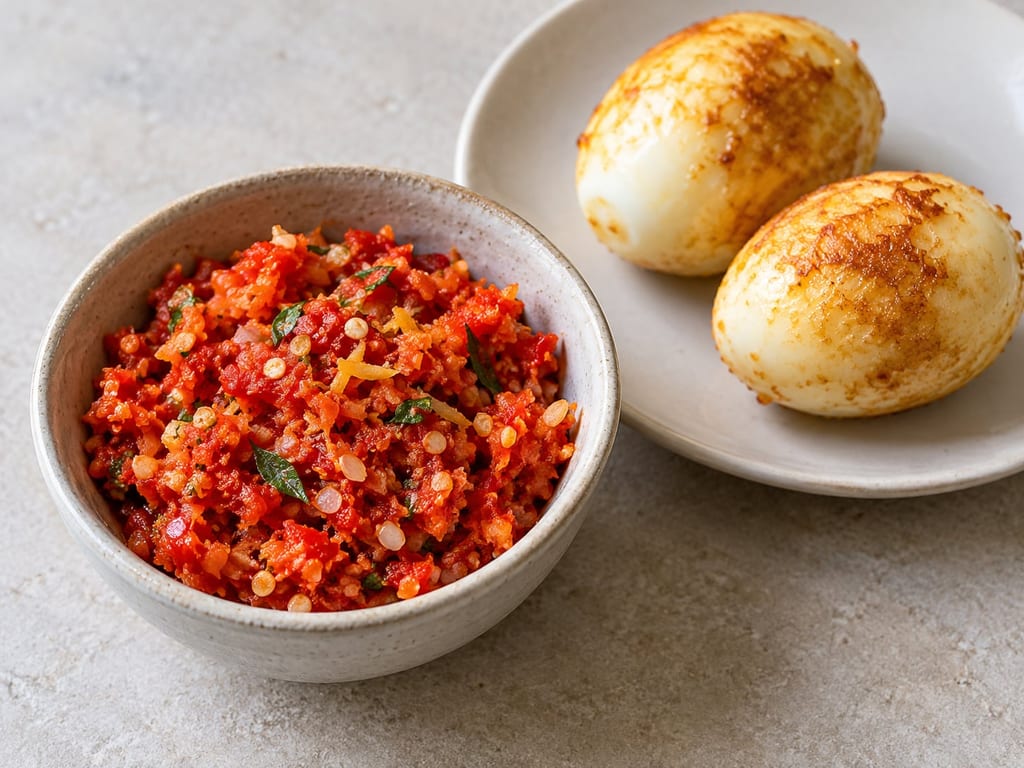
Ai-manas is described as a very hot chilli paste served with Timorese meals. One published version blends fresh chillies, shallots, garlic, Thai basil, ginger, lemon and salt, and serves it with eggs. Sources do not establish a standard formula, precise birthplace or earliest date.
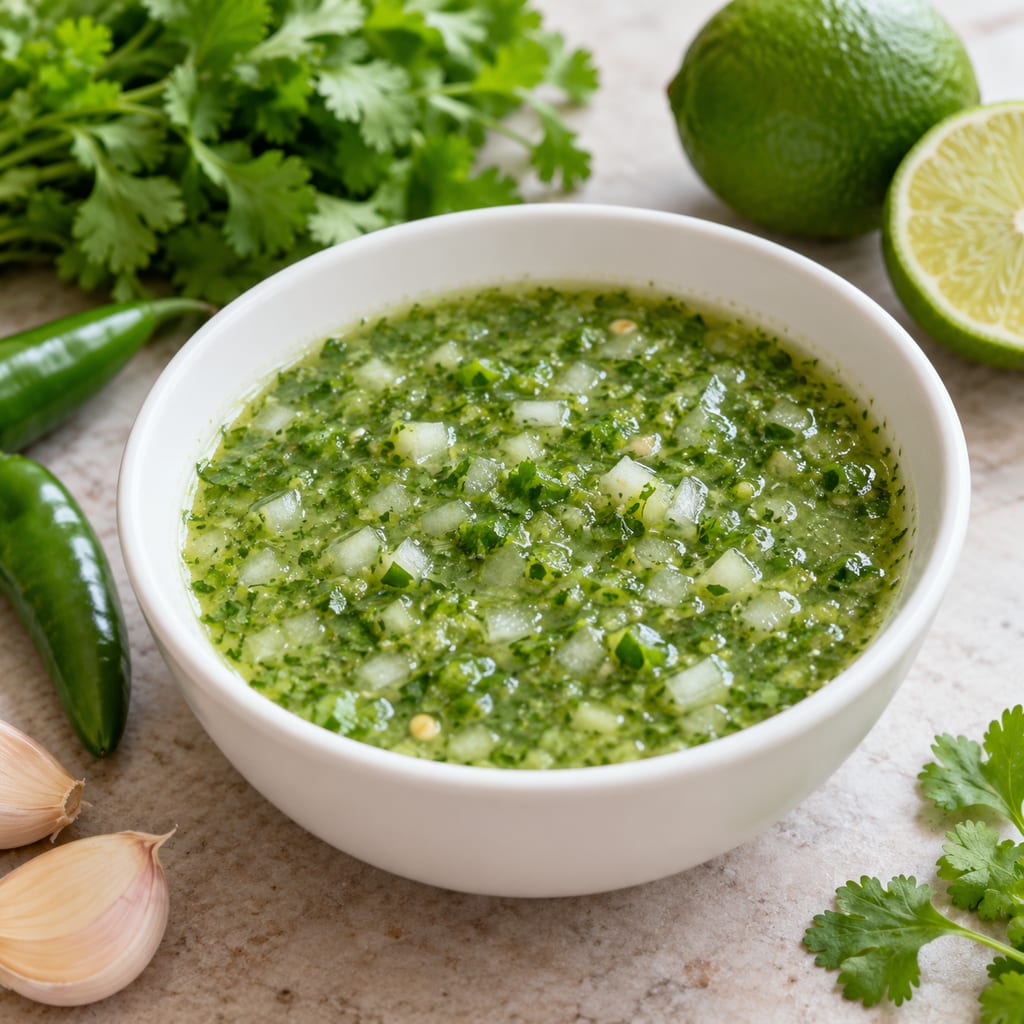
A fresh, uncooked Ecuadorian table sauce of hot pepper, cilantro, garlic and lime, served with most everyday dishes.
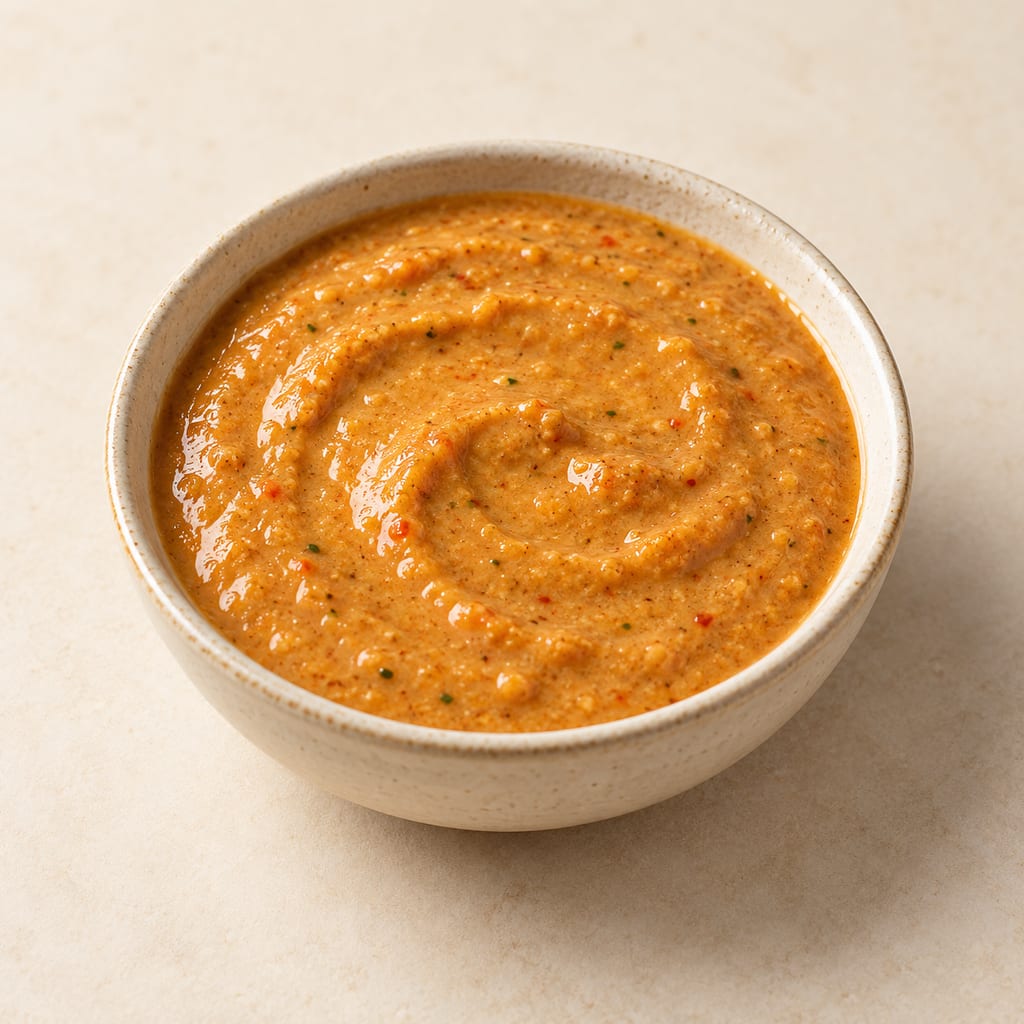
A spicy peanut hot sauce from the Popayán and Cauca region of Colombia, traditionally served with pipián empanadas and tamales.
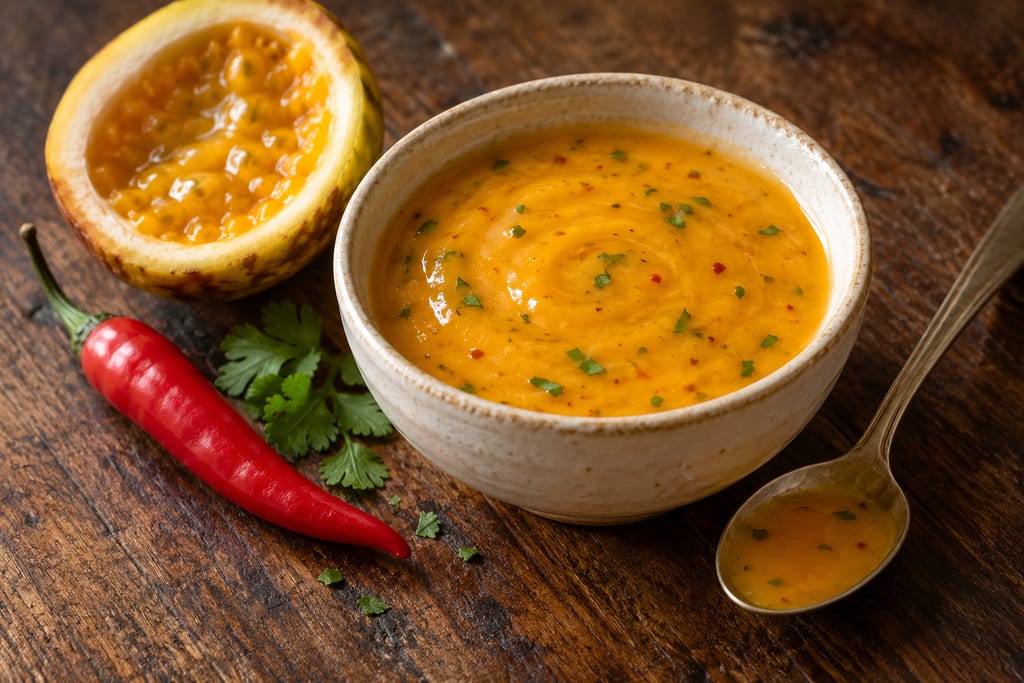
A contemporary Ecuadorian hot sauce that pairs passion fruit juice with boiled chile peppers, oil and lime.
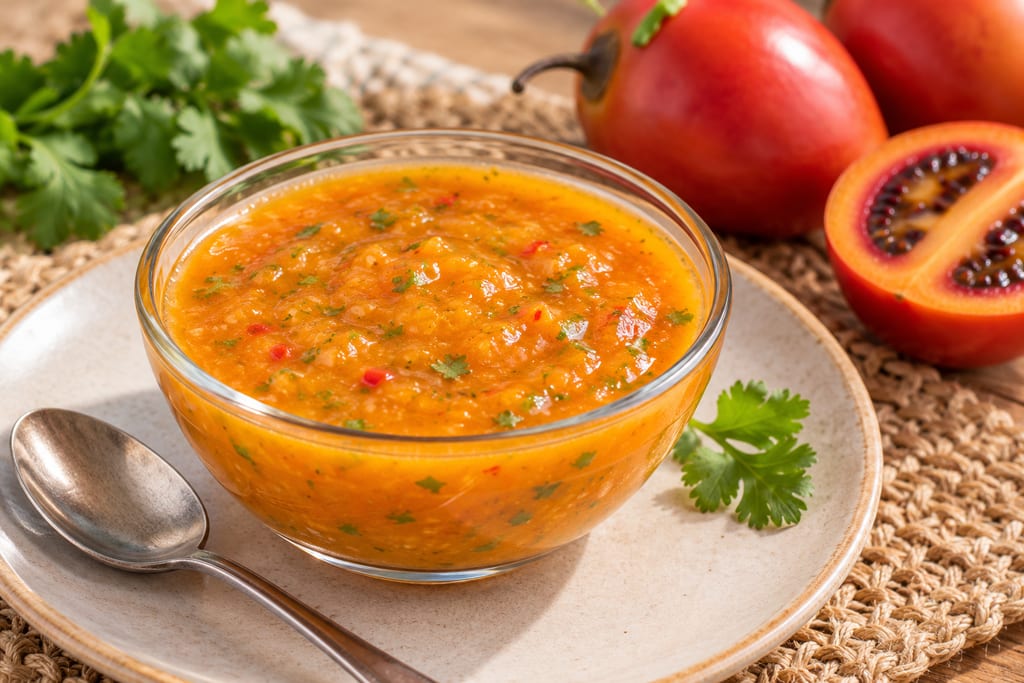
An Ecuadorian hot sauce built on tamarillo, a tart fruit that gives a sharper, fleshier base than ordinary tomato salsa.
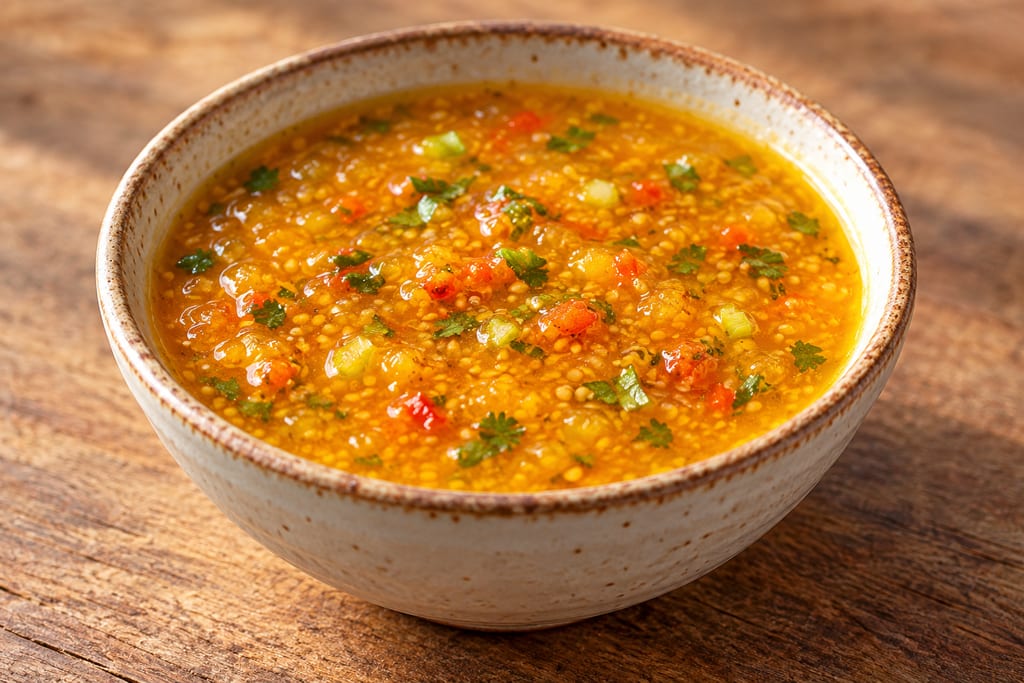
A sweet, tart and spicy Colombian sauce of uchuva, the yellow physalis fruit, with hot pepper, scallion, cilantro and lime.
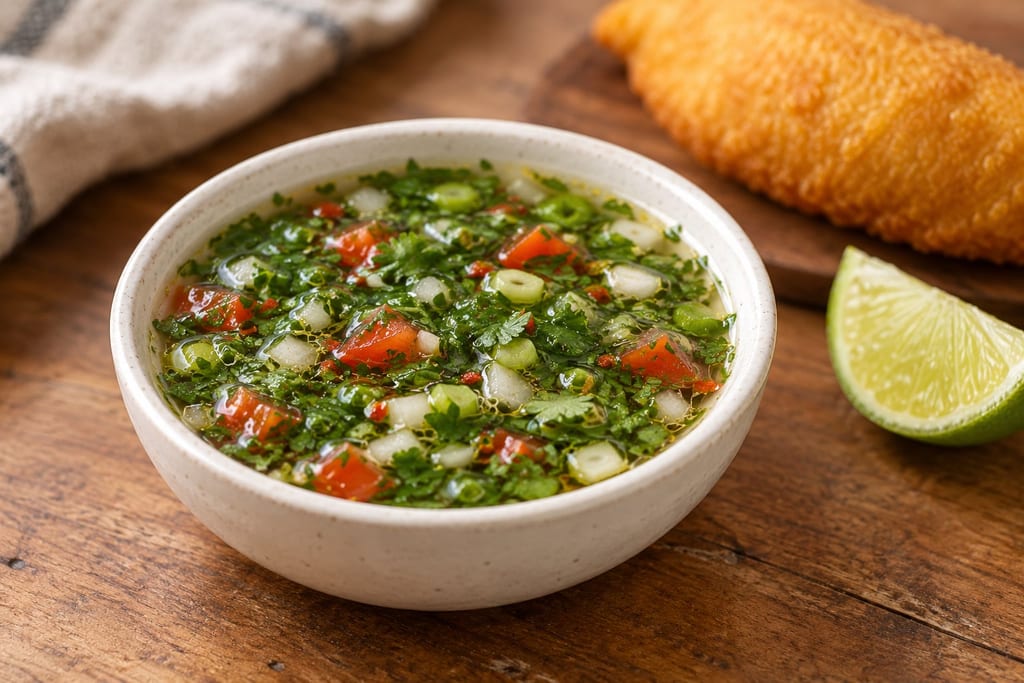
A fresh Colombian table condiment of chopped herbs, scallion and tomato in a vinegar and chile base, served beside fried and filled dishes.
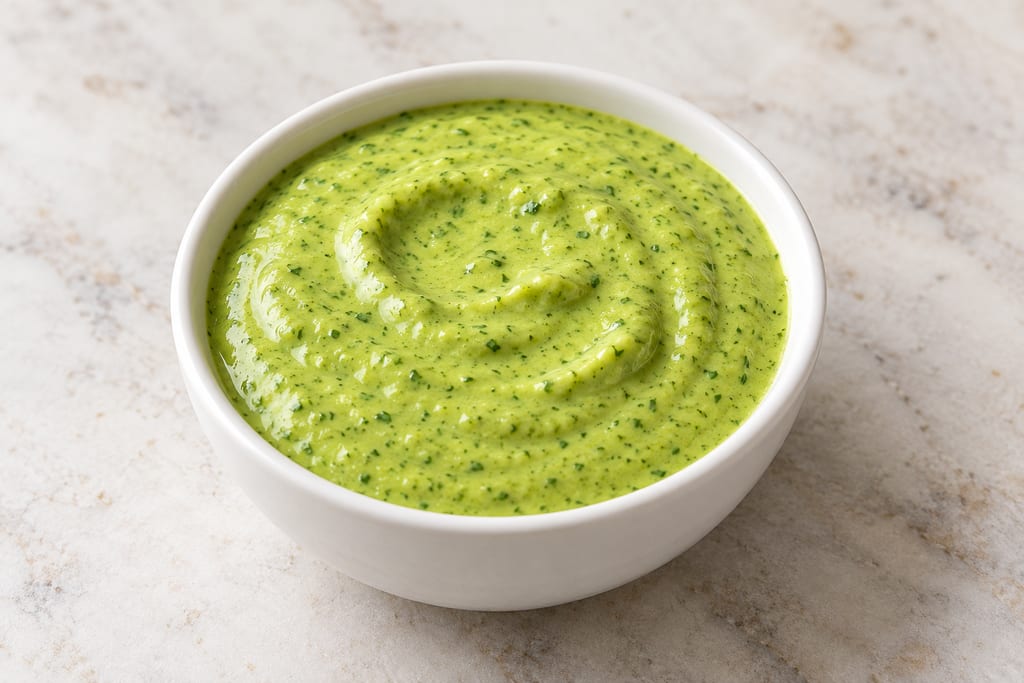
Ají verde is a Peruvian green sauce of coriander, chilli, onion and garlic in a mayonnaise or cheese base. It is best known through Peruvian restaurant cooking abroad.
No community contributions have been published for this entry yet.
Sign in to contribute. Published comments and photos are free to read.
Honorary Consulate-General of the Kingdom of Bhutan in TokyoHistory · Geography · Use
Bhutanese MealEzay is a red-pepper seasoning used with rice, momo, salads, tomatoes, onions and other foods in Bhutanese cuisine.
The consulate reports variation by people, region, ingredients and preparation; it describes chillies as central and notes fresh and dried seasonal forms.
The page dates neither ezay's origin nor an earliest written attestation.
Cited in: A condiment with many local forms; Heat and flavour
The Soup SpoonInspiration · Method · Ingredients · Use
EzayThe author says this personal version was learned during a trip to Bhutan in a guide's brother's home.
The page gives an ingredient list and method for a 300 g batch, including fresh chilli alternatives and optional food processing.
The author characterizes this version as fiery and suggests serving it with salads, soups or plain rice.
Cited in: One home-learned formula; Heat and flavour
U.S. Food and Drug AdministrationSafety
How to Cut Food Waste and Maintain Food SafetyThe FDA advises refrigerating leftovers within two hours and keeping a refrigerator at 40°F (4°C) or below.
The FDA advises refrigerating cut vegetables.
Cited in: Fresh preparation and storage limits