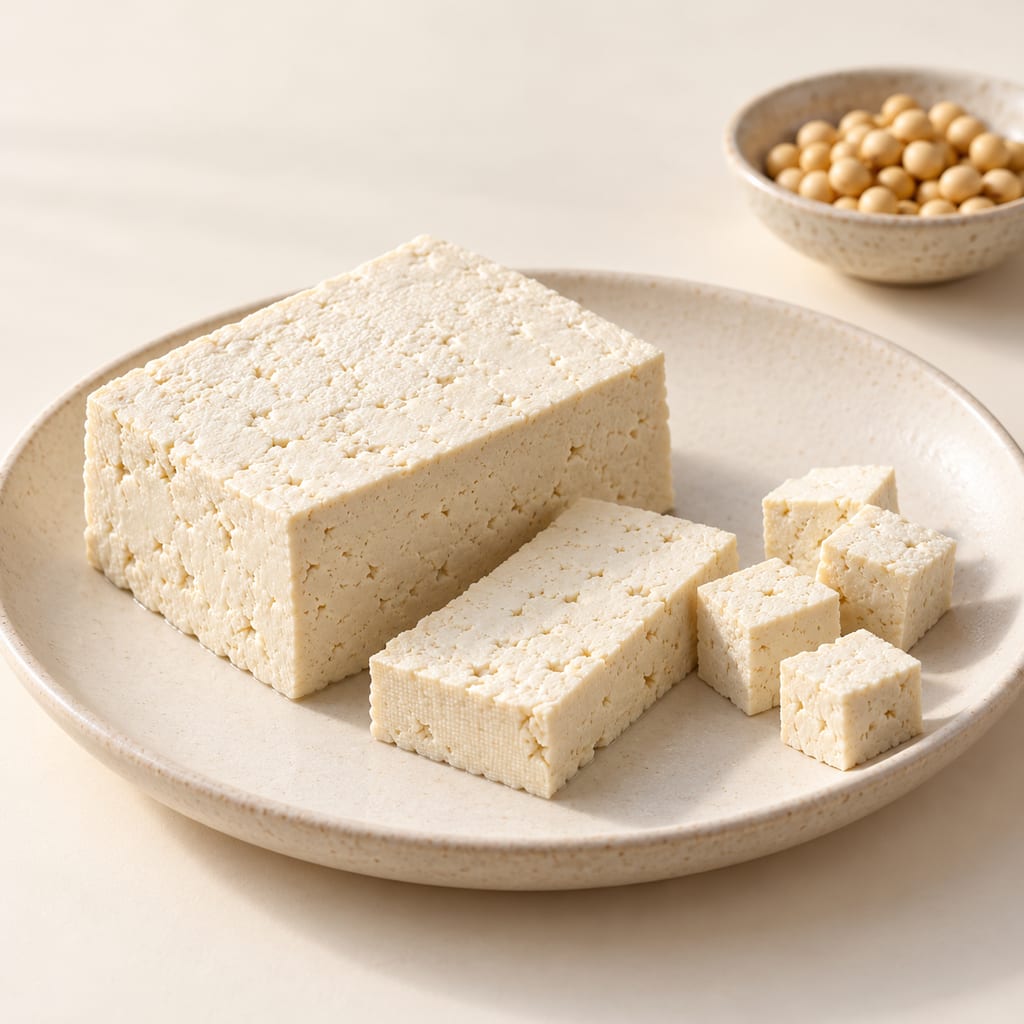
Fresh Firm Tofu
Fresh firm tofu is made by coagulating cooked soybean milk, then draining and pressing the curds into a sliceable block. This version follows a published nigari method and traces tofu’s varied, contested history.
 FermenteaWhere food goes to change
Modern adaptation
Drained firm tofu frozen in a home freezer so that ice reshapes the curd into a firmer, spongy, porous block for cooking; not the dried kori-dofu.
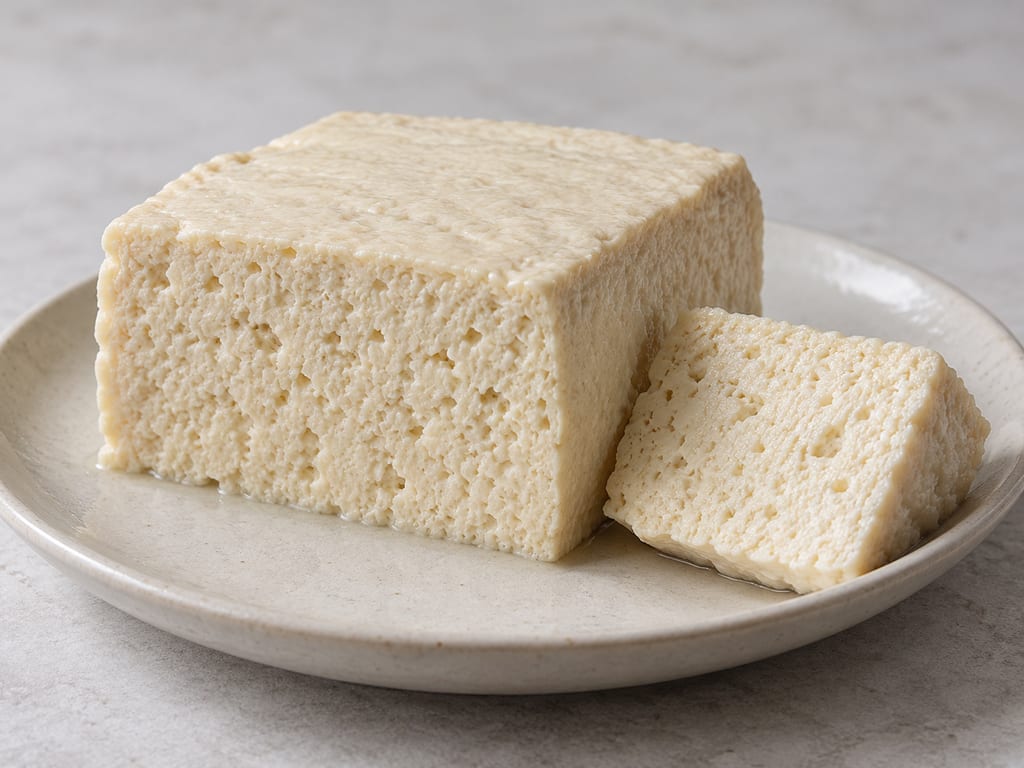
Frozen tofu is firm tofu that has been drained, frozen, then thawed. The thawed block is spongy and porous, firmer and more elastic than fresh tofu, and it takes on a darkish caramel colour. Cooks use it for dishes that need the block to hold its shape and soak up a sauce, because the pores let the liquid in. The product is a home-storage change of a fresh tofu, not the dried kori-dofu of the manufacturers.
The home guide from a tofu maker describes the sequence: drain the excess water, freeze the tofu in a plastic bag or container, and thaw it either in the refrigerator or with the microwave's defrost setting. It gives no freezing time, no freezer temperature and no keeping time for the frozen block.
A 2020 study on the freeze-storage of soybean curd in the kori-tofu process reports ice recrystallisation and new protein-protein interactions during frozen storage, and describes the change as a property change of the curd rather than a loss of water alone. A 2025 study compared the same tofu at -3°C and -21°C. The colder freezing gave a different pore structure, hardness and elasticity, so the freezer's temperature changes the result, and a home freezer's setting is not recorded in the sources.
The texture change is therefore not a single step. Ice forms and grows in the wet block, the curd's structure is opened into pores, and the protein network is rearranged. The studies give these effects, not a home schedule that reproduces them.
After thawing, much of the water can be pressed out of the block, as the FAO account describes for the freeze-thawed tofu used in the manufacture of kori-dofu. Pressing is a choice for the cook: a pressed block is denser and a wet block is softer. Kori-dofu itself is a commercial dried product made by a longer process, so frozen home tofu is not shelf-stable and is not the same food.
A 2006 study used low-solids silken tofu for frozen tofu and found a fibrous, poor result at -10°C. Firm tofu is the form the home guide describes.
No keeping time is given for frozen tofu in the sources. Once thawed, the tofu is fresh tofu, which the FAO account describes as a refrigerated perishable. The freezing time, the freezer temperature and the block size are all unknown, and the page does not set them.
The home practice was not researched. The traditional freezing of tofu for dried kori-dofu is a separate, documented manufacturing process.
Scaling: source batch only
Berk describes fresh tofu as a refrigerated perishable; freezing does not dry it
Hazard sourceThaw in the refrigerator or by microwave defrost
Control sourceA thawed block is perishable. Keep it refrigerated after thawing and do not treat freezing as a way of keeping it.
Low-solids silken tofu gives a fibrous, poor result when frozen, according to one study. Freeze a firm tofu.
The sources are a manufacturer's home-storage guide and research papers. None names a place for the home practice.
Fresh firm tofu is made by coagulating cooked soybean milk, then draining and pressing the curds into a sliceable block. This version follows a published nigari method and traces tofu’s varied, contested history.
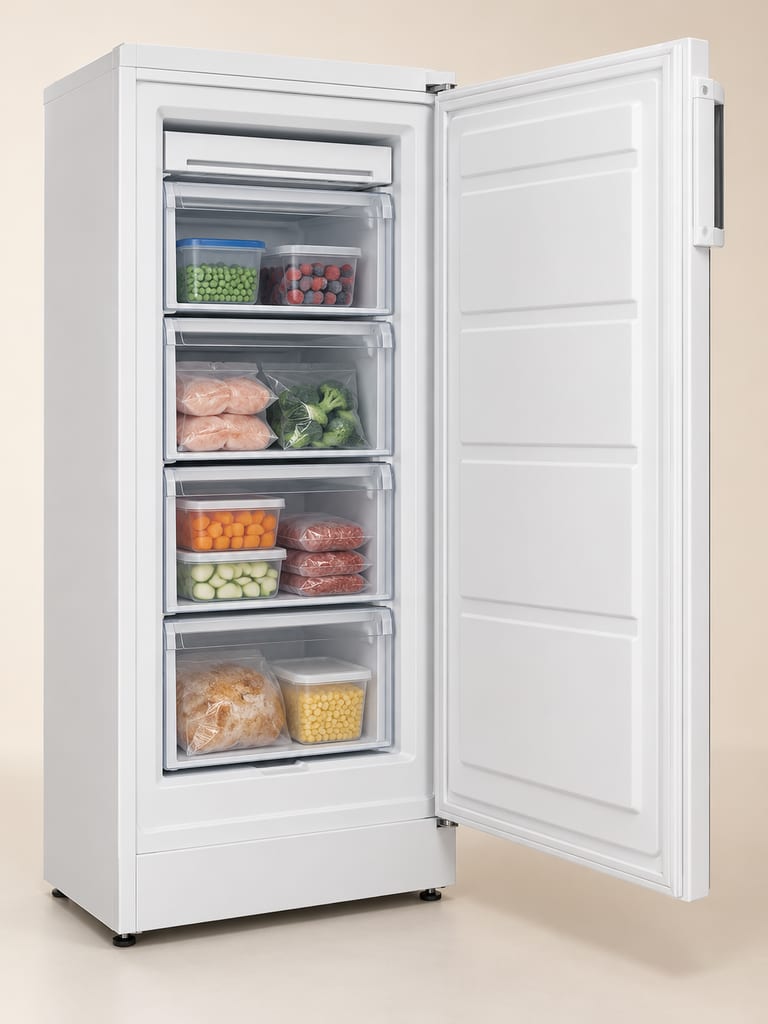
A household freezer holds food in a frozen state for storage and selected texture or separation work; its batch-storage role differs from industrial equipment that freezes individual pieces separately.
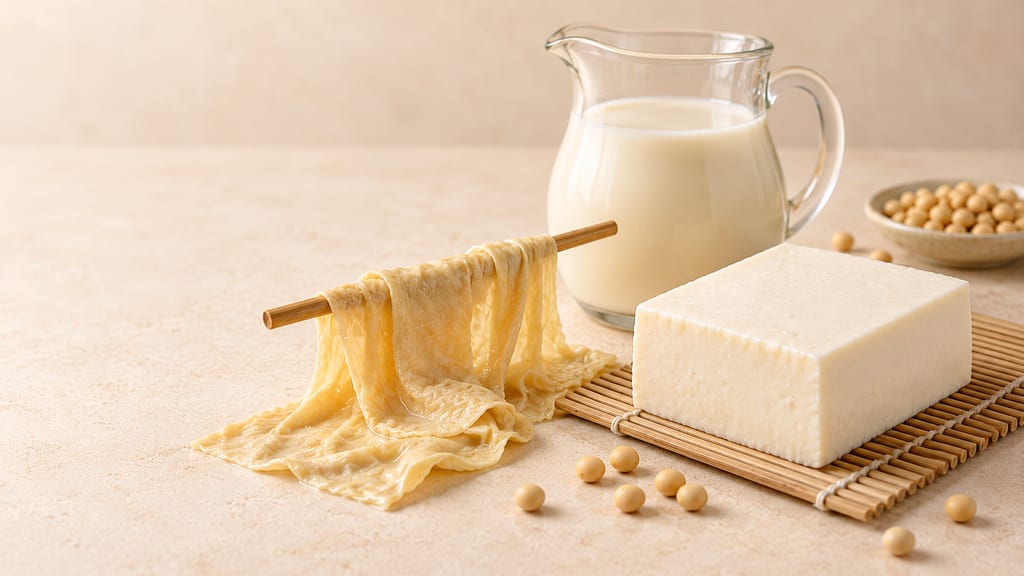
Soybeans become a drink, a set curd or a lifted skin depending on how the hot milk is held: still in a deep container, broken and pressed in a mould, or spread wide in a shallow pan.
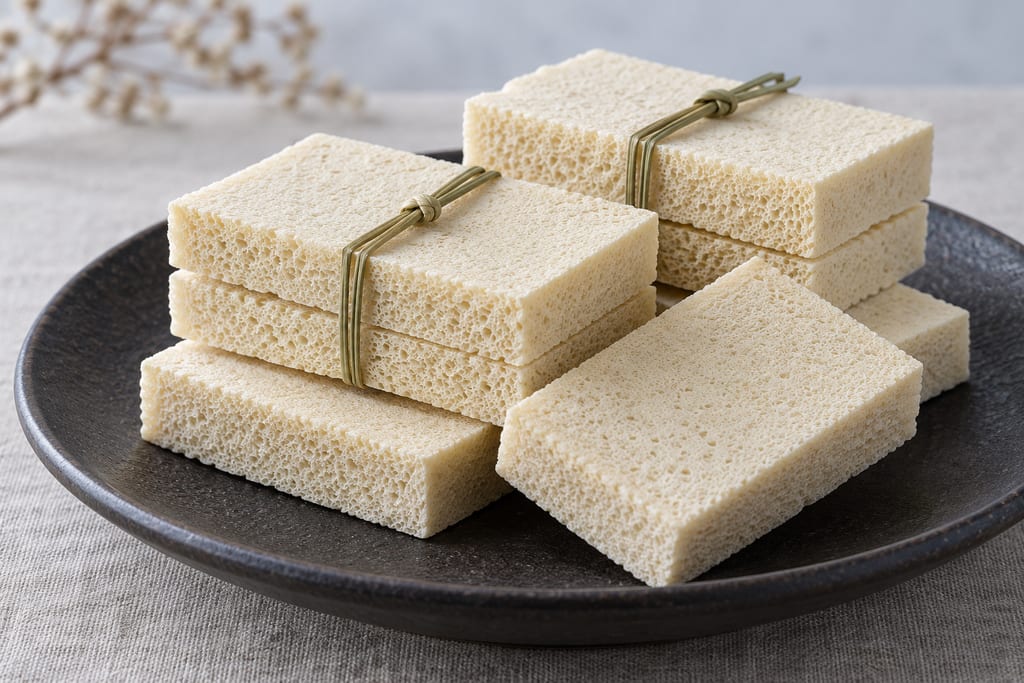
Japanese tofu frozen, aged below freezing, thawed and dried to a light sponge that is simmered in dashi; Iwadeyama makes it in winter air.
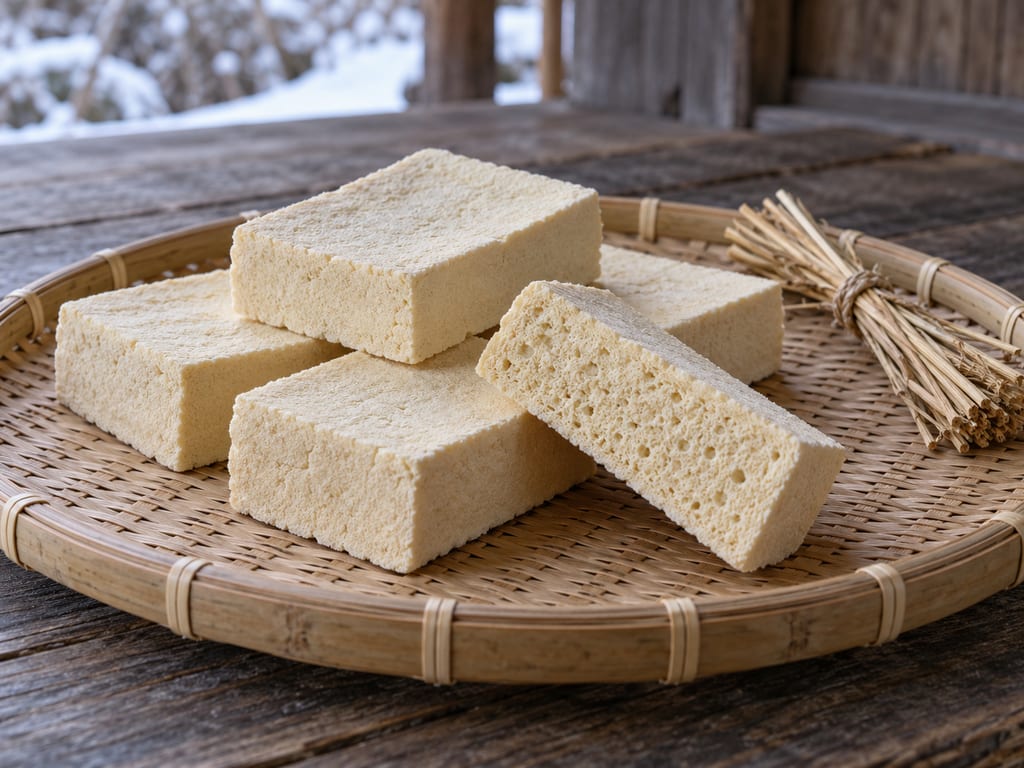
Tofu frozen, thawed, pressed and dried into a porous, durable soybean food; Japanese sources trace the tradition to the late Kamakura period.
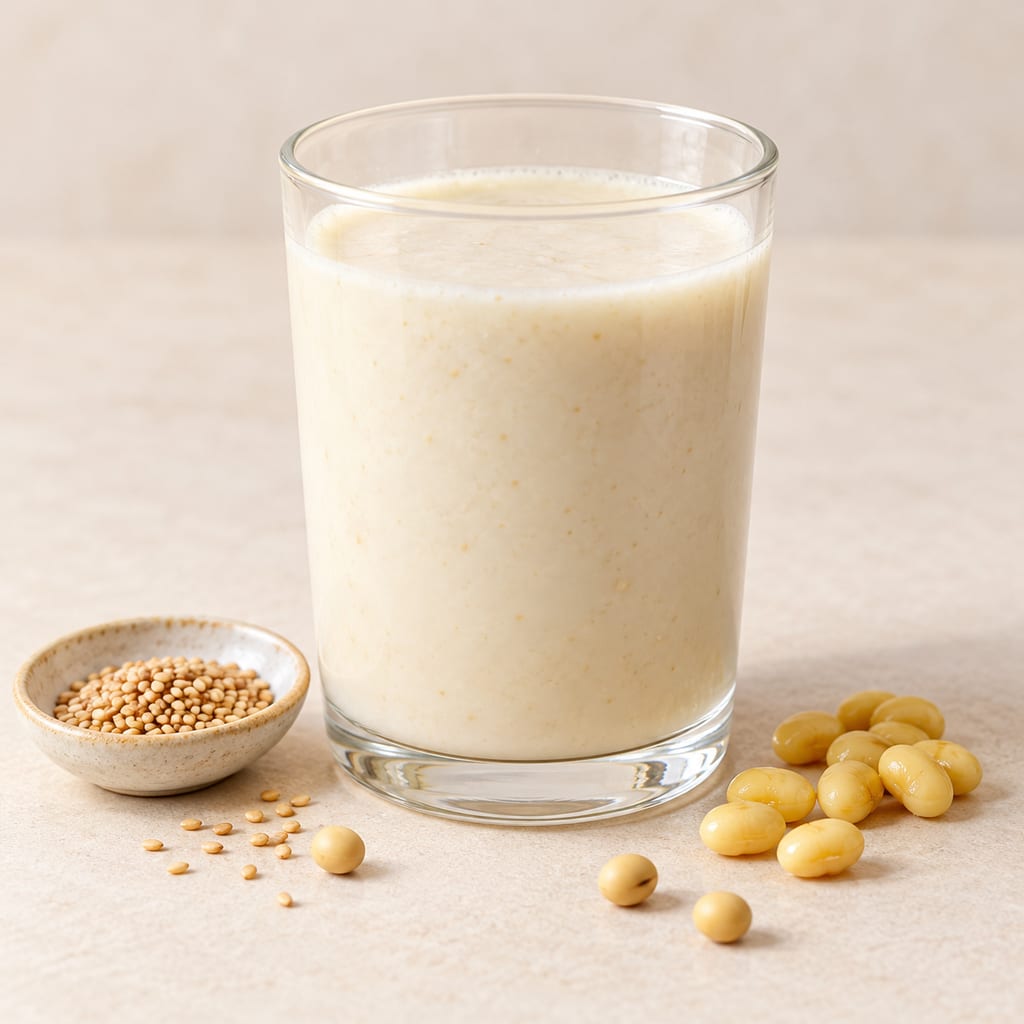
A Korean-style soy drink of cooked whole soybeans blended with cold water, sesame and salt and served at once; tofu-making soy milk is a different, filtered milk.
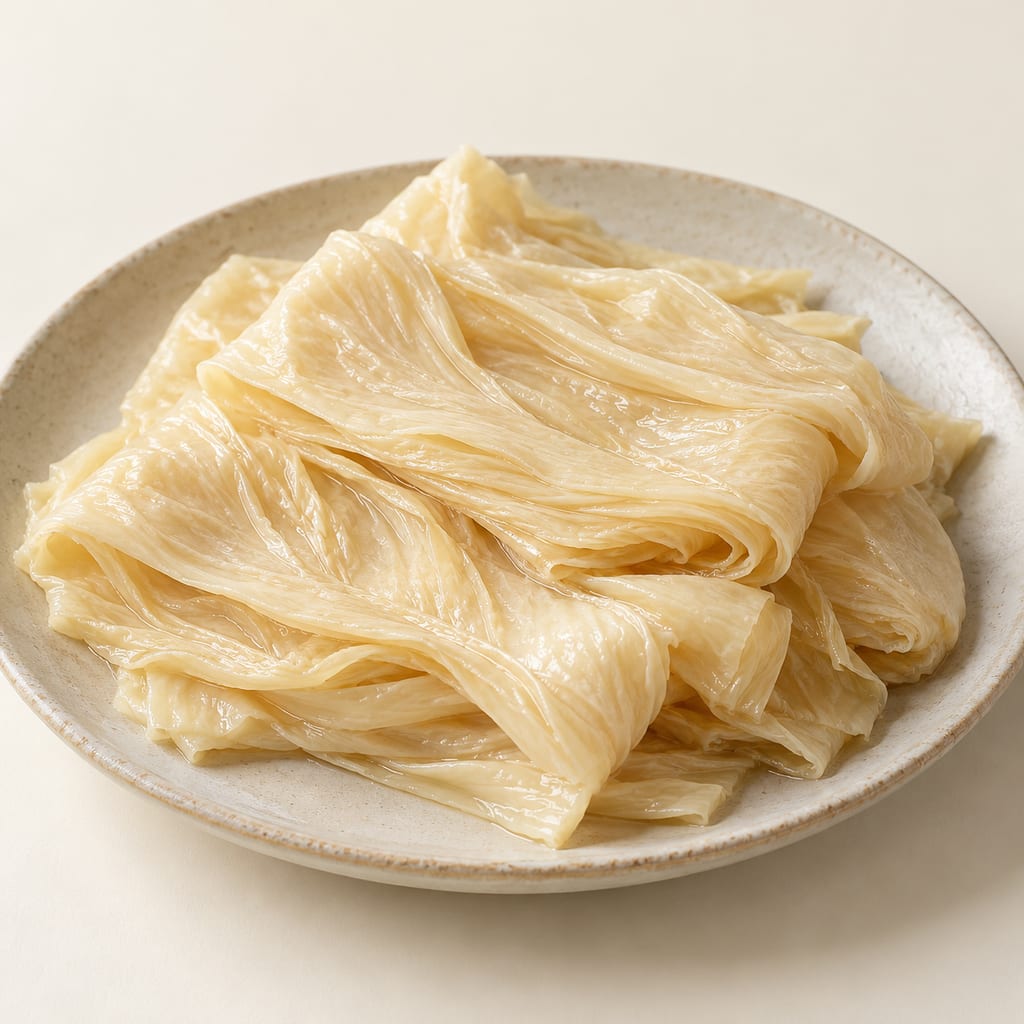
The protein-lipid film that forms on hot soy milk, lifted sheet by sheet from a wide shallow pan; eaten fresh, or dried for later use.
No community contributions have been published for this entry yet.
Sign in to contribute. Published comments and photos are free to read.
House Foods America CorporationMethod
How To Store Tofu | House Foodsdrain, freeze in bag or container, thaw in fridge or microwave defrost, spongy, darkish caramel colour
Cited in: A firmer tofu from the freezer; Storage and open questions
Food Hydrocolloids 104, 2020Science
Property changes of frozen soybean curd during frozen storage in “Kori-tofu” manufacturing processice recrystallisation, new protein-protein interactions
Cited in: What the ice does to the curd
LWT – Food Science and Technology 238, 2025Science
Effects of ripening conditions on protein conformation and quality of frozen tofu prepared by different coagulants−3 °C vs −21 °C, pores, hardness, elasticity
Cited in: What the ice does to the curd
日本調理科学会誌 (Journal of Cookery Science of Japan) 39(6):354–356, 2006Ingredient choice
固形分濃度の低い絹ごし豆腐を用いた凍り豆腐の調整low-solids silken tofu at −10 °C fibrous
Cited in: Pressing and the kori-dofu link
FAO (Agricultural Services Bulletin No. 97, 1992)Method context · Storage
Technology of production of edible flours and protein products from soybeans. Chapter 9.water pressed out after freeze-thaw; fresh tofu refrigerated perishable
Cited in: Pressing and the kori-dofu link; Storage and open questions