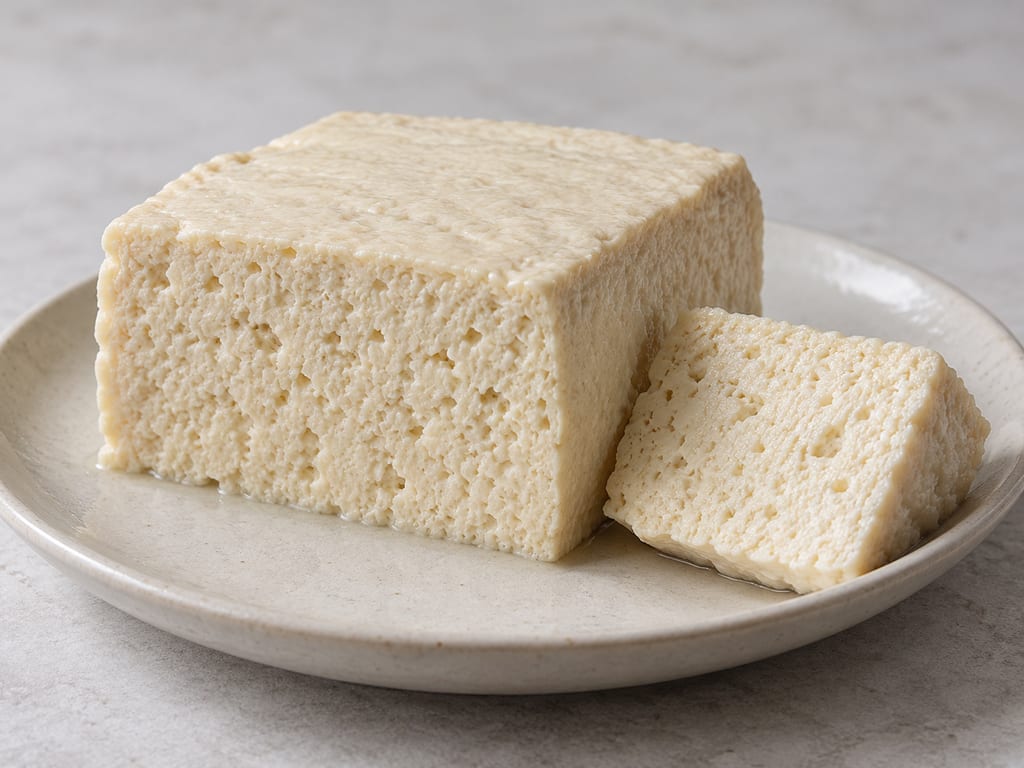
Frozen tofu (home freezer)
Drained firm tofu frozen in a home freezer so that ice reshapes the curd into a firmer, spongy, porous block for cooking; not the dried kori-dofu.
 FermenteaWhere food goes to change
豆腐 · tofu
Fresh firm tofu is made by coagulating cooked soybean milk, then draining and pressing the curds into a sliceable block. This version follows a published nigari method and traces tofu’s varied, contested history.
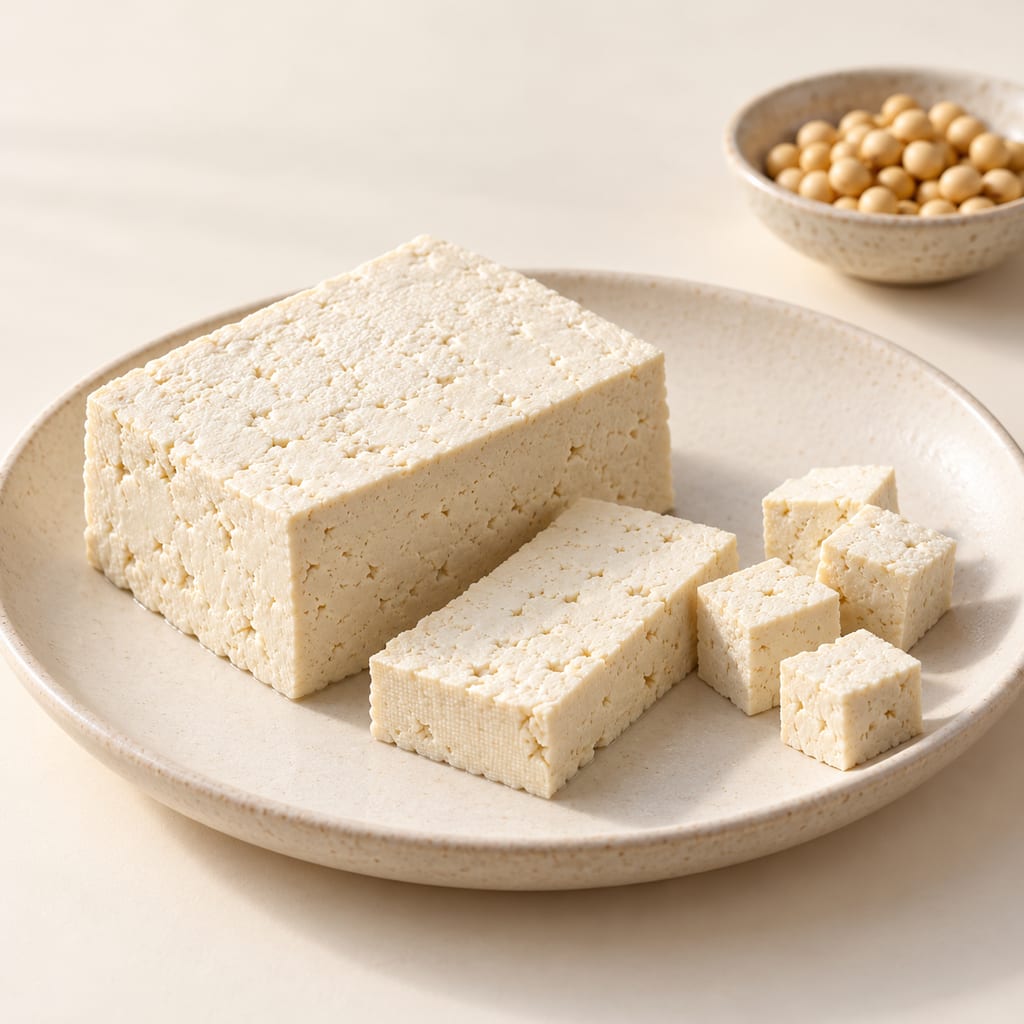
Tofu is a set soybean curd: soybeans are softened, milled with water, cooked and strained into soymilk; a coagulant then gathers the milk proteins into curds. The curds are drained and, for a block like this one, pressed in a cloth-lined mould. It is a fresh preparation rather than a fermentation. Its mild bean aroma and clean, slightly sweet flavour make it a useful carrier for seasonings, while its texture can range from soft and custardy to dense enough to cut and grill.
Firmness is not a separate ingredient. It comes chiefly from how the coagulated curd is handled and how much whey is allowed to drain under pressure. A lightly drained curd remains tender; a longer, heavier press gives a tighter block. The recipe here follows a culinary-school method for a small firm block, using dried white soybeans and magnesium-chloride nigari. Other tofu traditions use calcium sulfate, calcium chloride, or acid coagulants; they are related approaches, but their quantities and curd behaviour are not interchangeable without testing.
Fresh tofu differs from the packaged block most cooks know because the maker controls the soybean concentration, coagulant and pressing. Silken tofu is usually set with little or no draining in its final container, retaining a custard-like structure. Soft and medium blocks sit between that and firm tofu. Dried, frozen, fried, pressed and fermented products are further transformations, not simply alternate names for this fresh block.
Tofu is deeply associated with Chinese food history, but the familiar precise origin story is unsettled. Later Chinese reference works attribute its invention to Liu An, the Han-period prince of Huainan, around the second century BCE. The Korean Academy of Korean Studies encyclopedia records that attribution while also observing that tofu appears in surviving Chinese writing only much later, in late Tang-era material. A 2022 study by historian Young-ha Joo likewise challenges the Liu An story as a legend without adequate early source support and proposes a later emergence; that is an argument about the evidence, not a settled date.
An origin legend tells how later communities explained a food, while a dated textual reference gives firmer evidence that people knew it by then. The surviving record is incomplete, so neither a late first mention nor a legend proves when or where tofu was first made. China is the best-supported broad historical association; no inventor is named, and no precise century of invention or single route of spread is claimed.
The Korean encyclopedia reports the word tofu in a poem in the late-Goryeo collection Mogeunjip and cautiously suggests transmission through the Yuan-era contacts that connected Korea and China. For Joseon Korea it points to records of skilled tofu makers and to recipe books that describe making and cooking it. These are attestations of use and technical knowledge; they do not show that the food began in Korea. The Korean name dubu is written with characters that can suggest “bean” and “rot,” but the encyclopedia explains that bu here refers to a soft, brain-like texture rather than spoilage.
Across East Asia, tofu became a flexible everyday food precisely because the same curd could be eaten fresh, simmered, fried, pressed, frozen, dried or fermented. Historical cookery records and modern kitchens alike show a family of forms rather than one canonical block. This recipe documents one contemporary home method; it should not be mistaken for a reconstruction of an ancient formula.
Soaking lets dry beans take up water and soften enough to mill. Blending ruptures the beans and disperses their soluble proteins and other solids in water. Heating the slurry cooks it and makes the liquid easier to separate from the insoluble pulp. Straining yields soymilk; the fibrous residue is okara, a useful by-product rather than waste if it is handled promptly and used in another preparation.
The coagulant changes the way dissolved proteins aggregate. Nigari is magnesium chloride, traditionally recovered from seawater after salt crystallization. When it is diluted and added gradually to hot soymilk, the proteins gather into pale curds and separate from yellowish whey. Slow addition and pauses let the curds form without breaking them into tiny particles. Too much agitation after coagulation can make the curd fine and fragile; a gentle hand preserves larger pieces that are easier to lift and press.
Once the curd is transferred into damp cloth, the mould supports its shape while whey escapes through the weave and drainage holes. A modest weight compacts it into a sliceable block. The press is not a safety step; it is a texture step. More pressing means less retained liquid and a firmer, denser result. This particular 400-gram soybean formula is scaled from the Institute of Culinary Education’s published recipe, which reports an approximately 10-ounce finished block. Home beans, drainage and pressing vary, so treat the yield as an estimate.
Soybean varieties, age, water mineral content, grinding fineness, heating and the coagulant all influence the result. The source recipe is deliberately specific about its own quantities. If you substitute vinegar, lemon juice, calcium sulfate or another coagulant, use a formula written for that coagulant: an equal spoonful is not guaranteed to form the same curd.
Begin by soaking the beans overnight, then drain them while retaining the soaking liquid. Line a tofu mould with two layers of wet cheesecloth before heating anything; this avoids handling hot curds while searching for equipment. A large, heavy pot provides room for the slurry to rise when it boils. Keep stirring as the blended bean mixture heats, because its starches and proteins can foam and catch on the bottom.
After the cooked slurry has been strained, bring the milk back to a boil, then simmer it gently uncovered for ten minutes. This step is part of the cited method and cooks the milk; it should not be replaced by merely warming raw blended beans. Remove it from the heat before adding the diluted nigari. The staged additions and covered pauses are useful visual checkpoints: look for soft white curds separating from whey. If the liquid remains uniformly milky, allow the stated pause before deciding whether the source’s remaining solution is needed.
Lift the curds with a slotted spoon into the cloth-lined mould, distributing them evenly. Fold the cloth over the top and press with the source’s two-to-three-pound weight for about thirty minutes. The block is ready when it holds together and has drained enough to cut; if a softer texture is desired, stop earlier, accepting a more delicate block. Remove it carefully, since warm fresh curd is more fragile than chilled commercial tofu.
Rinse the fine strainer and press after use; okara can be reserved for a separate, properly cooked recipe. Do not treat the raw pulp or uncooked soybean slurry as ready-to-eat. Avoid tasting at intermediate steps. For this recipe, the safety-critical stage is cooking the bean slurry and soymilk thoroughly as directed, using clean food-contact equipment and keeping the finished tofu refrigerated.
Freshly made tofu can be eaten plain, warm from the mould, or chilled and cut for soups, braises and stir-fries. A firm block keeps its shape better than a soft curd, so it suits pan-frying, grilling, roasting, crumbling or marinating. Its restrained taste invites strong companions: soy sauce, ginger, miso, aromatics, chile or a savoury broth. The Goodlok source record that led to this candidate mentions tofu only as a serving suggestion alongside miso mustard or sesame garum. That is a pairing context, not evidence that tofu is a Goodlok product or that those condiments belong in the tofu-making ingredients.
Silken tofu uses a gentler setting and is not made by pressing this curd into a firm block. Acid-set tofu uses vinegar or citrus in place of mineral coagulant, but the texture and flavour differ. Calcium-sulfate-set tofu is another established approach. Each variation deserves its own tested proportions rather than an untested substitution in this recipe. Beyond fresh tofu, East Asian traditions include frozen tofu, fried tofu, dried sheets and fermented sufu; each has its own preparation, preservation and culinary context.
The Institute of Culinary Education advises storing fresh tofu submerged in fresh water in the refrigerator. Rutgers Extension recommends refrigeration and changing the water daily for opened tofu. Those sources discuss storage in general terms; because this recipe is a home preparation and neither source validates a precise shelf life for this exact batch, use it promptly, keep it cold in a clean covered container and discard it if its smell, surface or appearance changes. The published packaged-tofu date guidance should not be transferred to homemade tofu.
Making tofu at home is rewarding because each stage is visible: swollen beans become milk, milk becomes curd, and curd becomes a block shaped by cloth and pressure. It also requires several hours of planning and careful hot-liquid handling. The recipe’s approximate yield, equipment and sequence are those documented by the cited culinary source, with scaled quantities written in metric and familiar kitchen measures. It makes plain firm tofu; it does not attempt to reproduce every regional style or historical method.
Use mature dried white soybeans sold for cooking, rather than roasted snack beans or already-cooked beans. The cited recipe begins with 400 grams and retains the soaking water, which means the soaking liquid becomes part of the milling water. A different recipe may use fresh water after soaking; that change affects the liquid balance and is not assumed here. Overnight soaking is convenient because it gives the beans time to hydrate evenly. Drain them well before blending so the source's reserved liquid can be measured and distributed deliberately.
The blend should be smooth enough that the solids have been thoroughly broken down, but the mixture is still a thick slurry, not a finished milk. Heating it with constant stirring helps prevent the dense solids from settling and scorching. The first boil can rise quickly, so use a pot with ample headroom and reduce the heat if foam climbs. Straining while the slurry is hot takes care and a stable chinois over a second pot; work in manageable portions and avoid pressing so aggressively that solids force their way through the mesh.
During coagulation, watch how the milk changes. A successful addition produces visible curds and a more translucent whey. The pauses give the coagulant time to act, so resist repeatedly stirring or moving the pot. If the curd is extremely fine, rough handling may have broken it; if there is no separation, the particular beans, coagulant strength or temperatures may differ from the source's assumptions. This page reports the published method and its cues rather than promising that all ingredients sold as nigari have identical concentration.
The curds are tender before pressing. A wide slotted spoon, damp cloth, and mould with drainage holes make transfer easier. Pack them evenly instead of pushing the whole mass into one corner: an even bed produces a more uniform block. The listed weight is a practical equivalent of the source's two-to-three-pound range. Keep the mould level over a tray or sink so whey can drain without pooling against the curd. Once the block has set, chill it before slicing if a neater cut is wanted.
The date of tofu's origin is disputed: later sources attribute it to Han-era Liu An, while the Academy of Korean Studies notes Chinese textual evidence only from late Tang sources.
A broad historical association and textual attestation; this does not claim a precise origin or inventor.
The source cites a late-Goryeo poem and later cookery records; transmission from Yuan China is the source's inference.
Drained firm tofu frozen in a home freezer so that ice reshapes the curd into a firmer, spongy, porous block for cooking; not the dried kori-dofu.
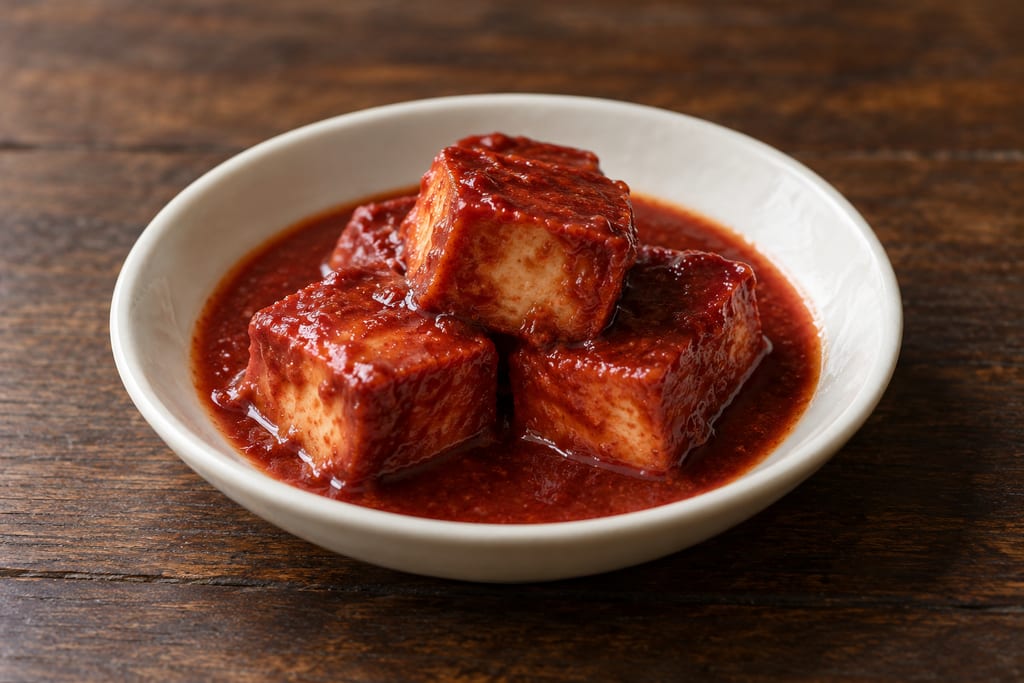
Red sufu is tofu grown with an identified Mucor racemosus mould, salted, seasoned with red pepper and zanthoxylum, then matured under brine for 180 days.
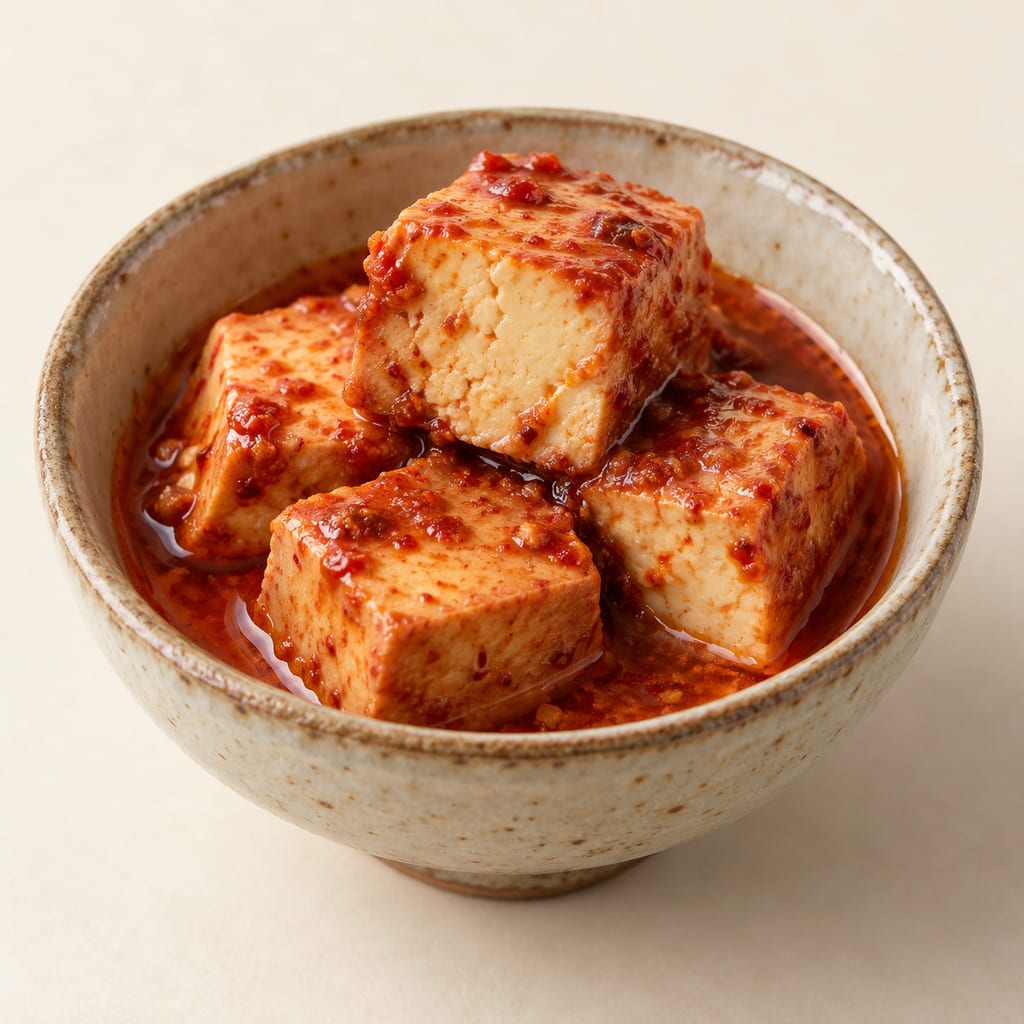
Sufu, or furu, is Chinese fermented tofu: bean curd is salted and ripened, often after a mould stage, into a soft, creamy, intensely savoury condiment.
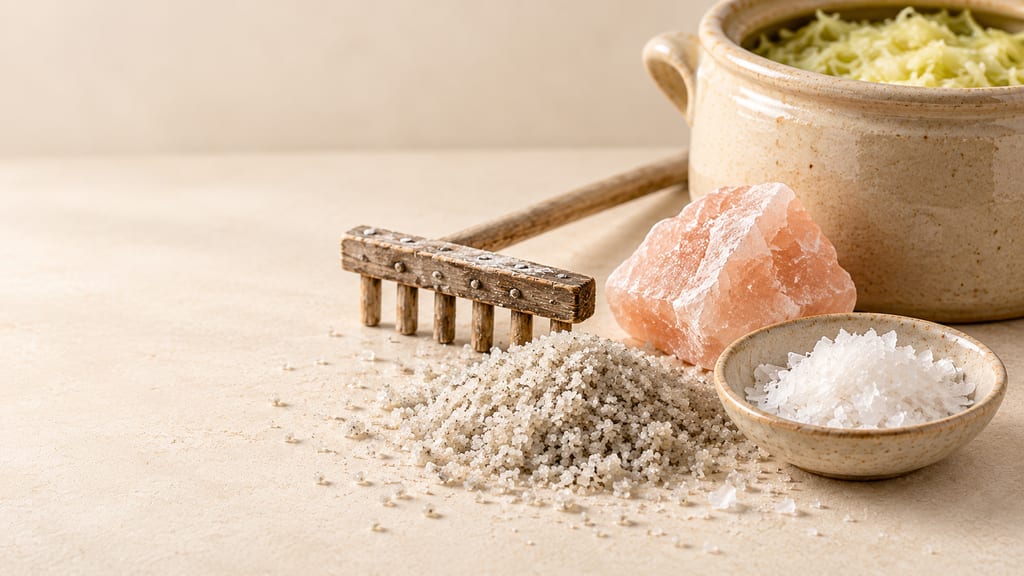
Salt seasons a meal, shapes fermentation and preserves food. Its history follows the people who mine, harvest, trade and transform it, and the choices hidden inside an ordinary packet.
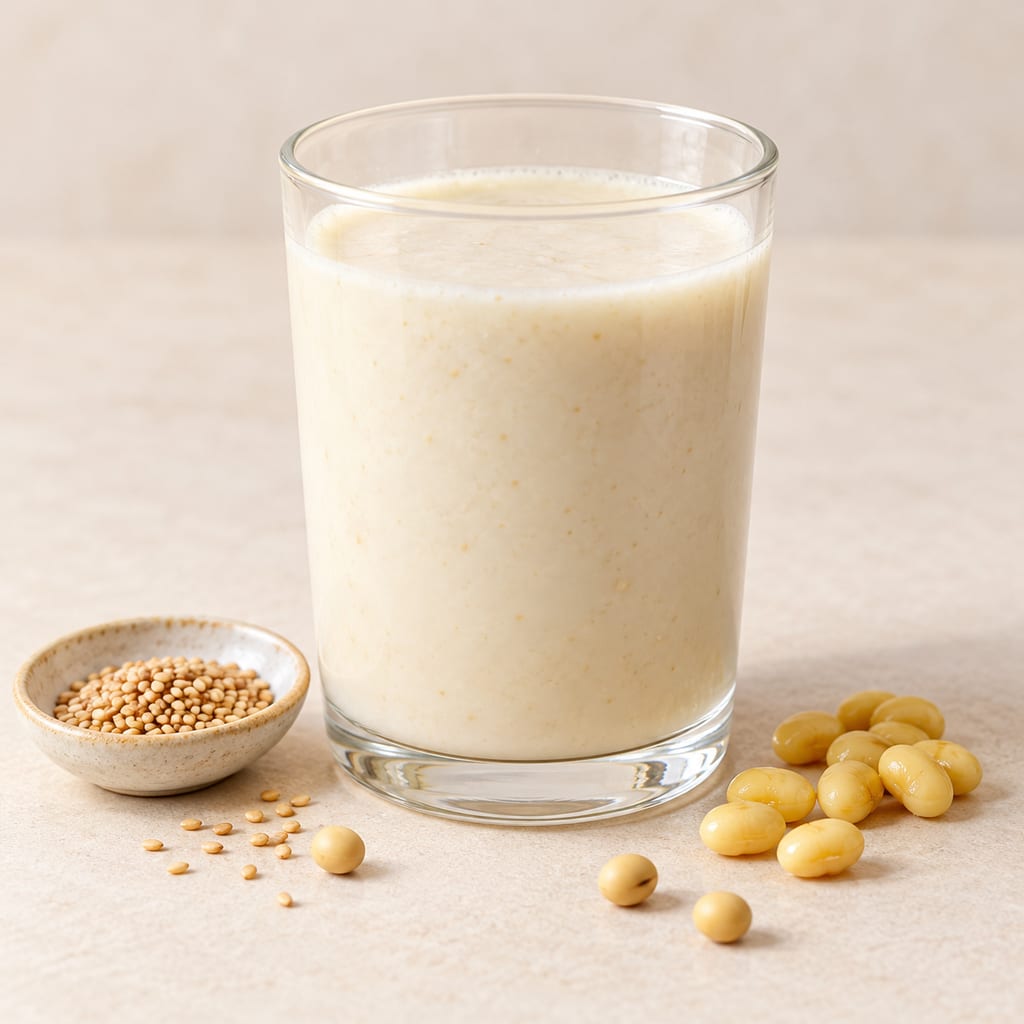
A Korean-style soy drink of cooked whole soybeans blended with cold water, sesame and salt and served at once; tofu-making soy milk is a different, filtered milk.
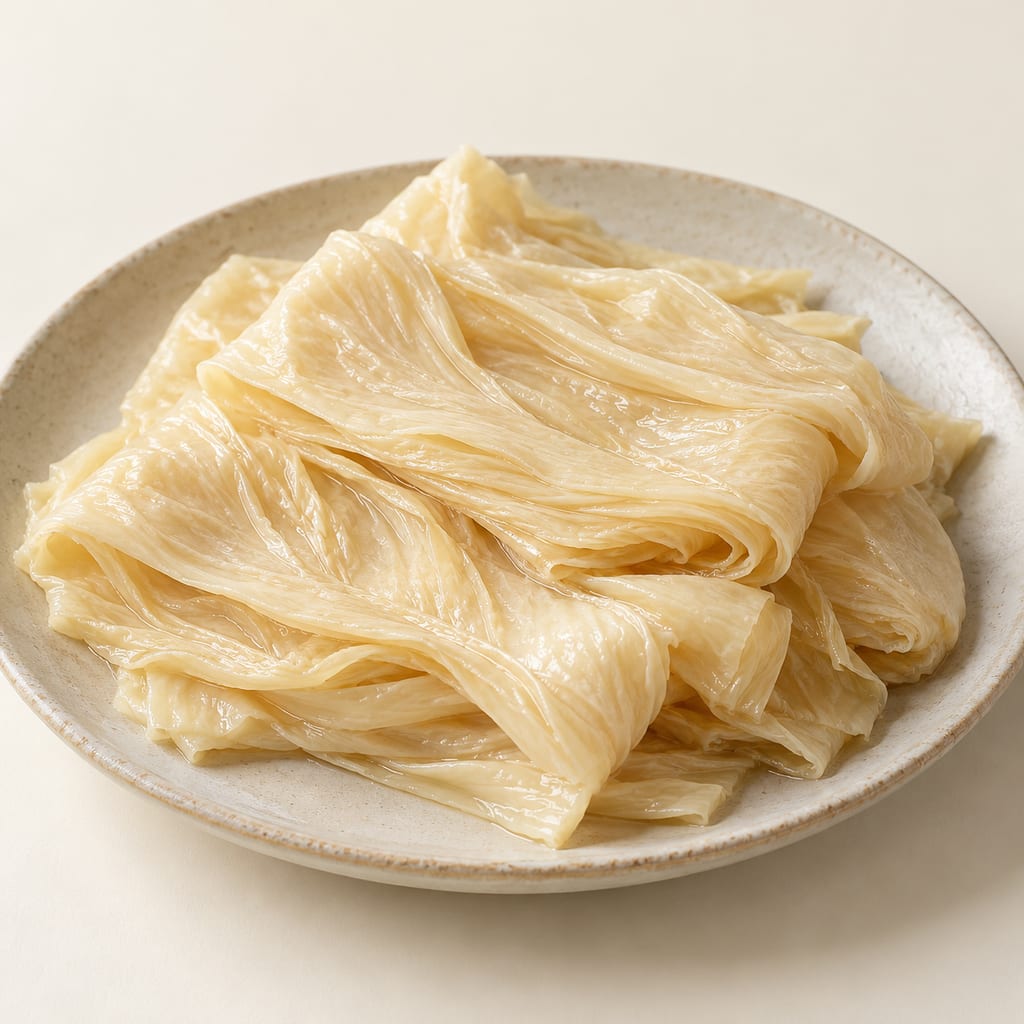
The protein-lipid film that forms on hot soy milk, lifted sheet by sheet from a wide shallow pan; eaten fresh, or dried for later use.
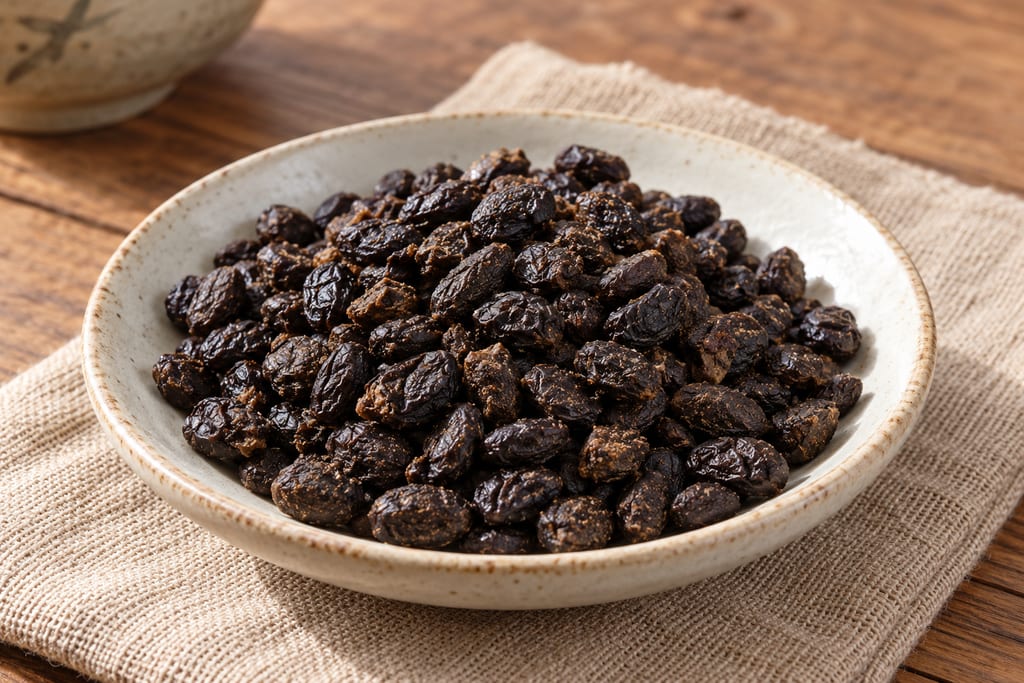
A Chinese fermented soybean condiment in which Bacillus-led bacteria, not moulds, drive the fermentation. Documented in Zunyi, Guizhou, and kept separate from mould-led douchi.
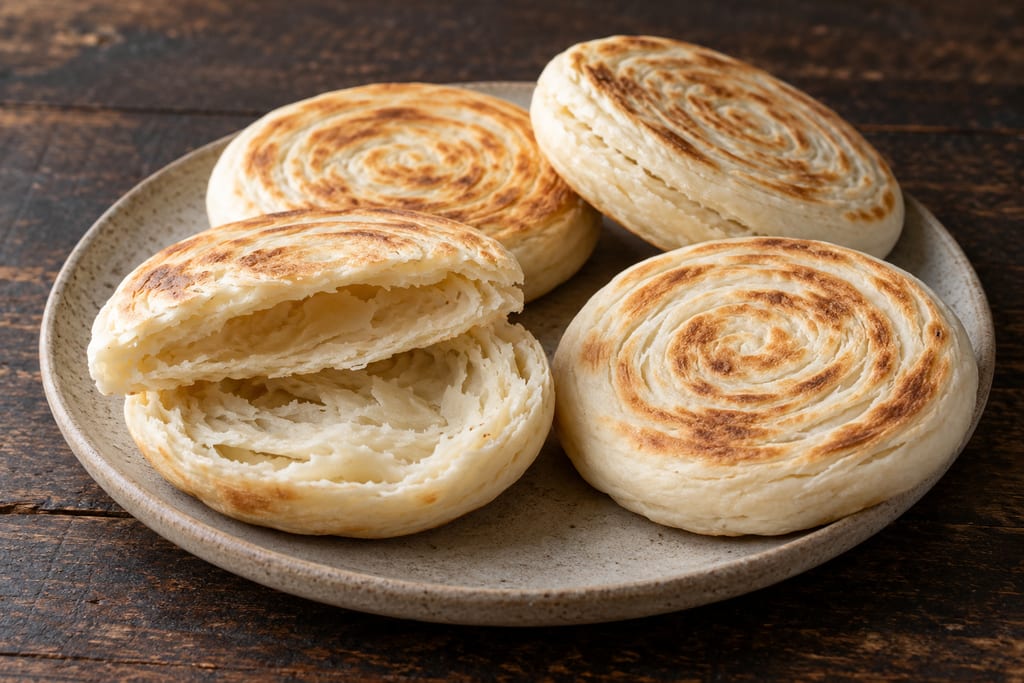
This Shaanxi-associated yeast flatbread uses a simple water dough, coiled shaping and a skillet bake. It is the bread used in roujiamo, not the filled meat dish.
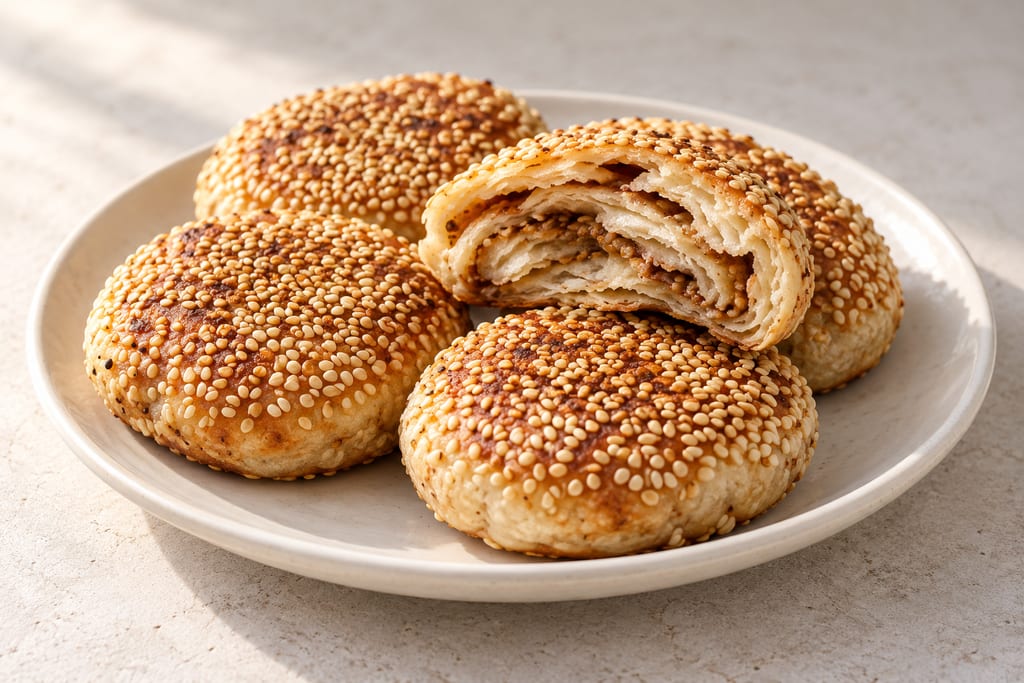
A Beijing-style yeast dough is layered with seasoned sesame paste, sealed into small buns, briefly pan-fried, seeded, and baked.
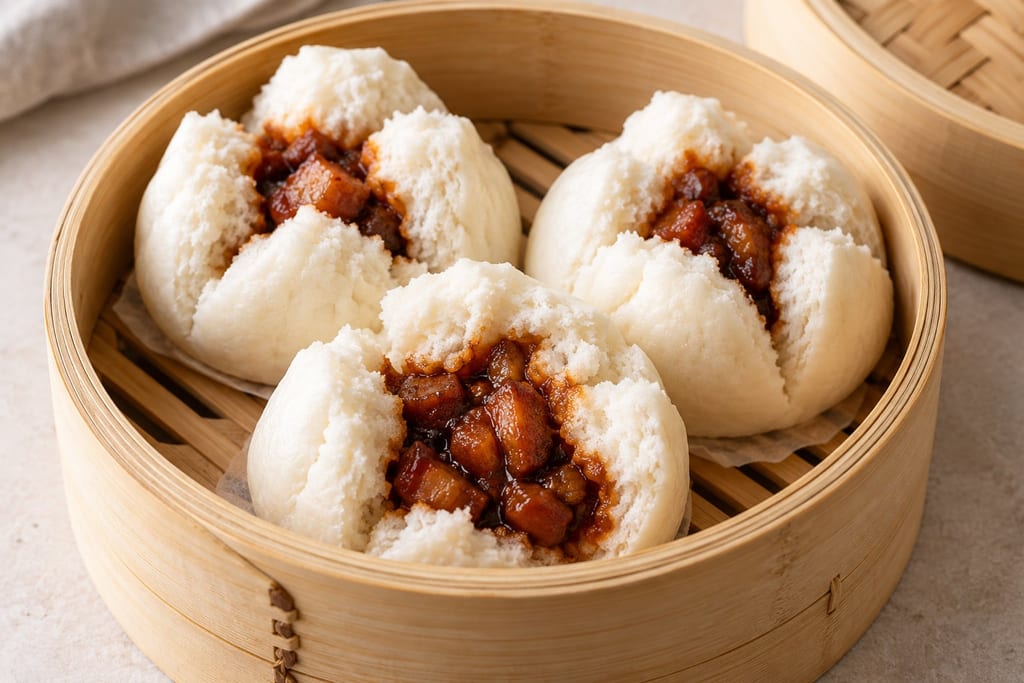
Fourteen fluffy steamed buns filled with cooked char siu and a thickened oyster-soy sauce.
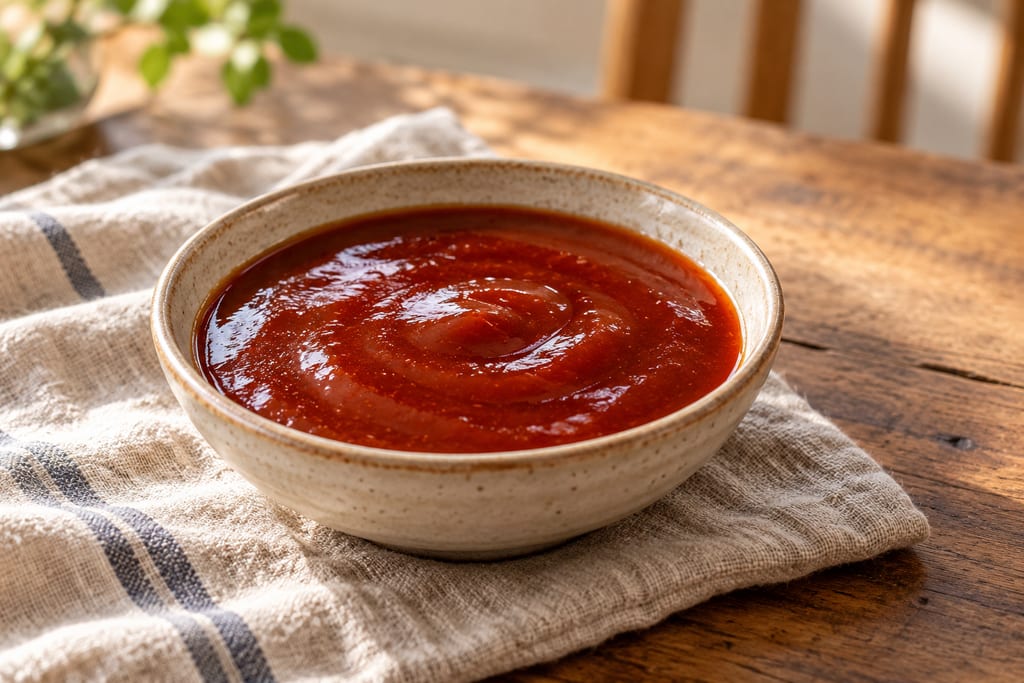
A smooth, tomato-based sweet-and-sour sauce of sugar, vinegar, tomato paste and soy sauce, thickened with starch for dipping or coating; it is not the sauce on Hangzhou's sweet-and-sour ribs.
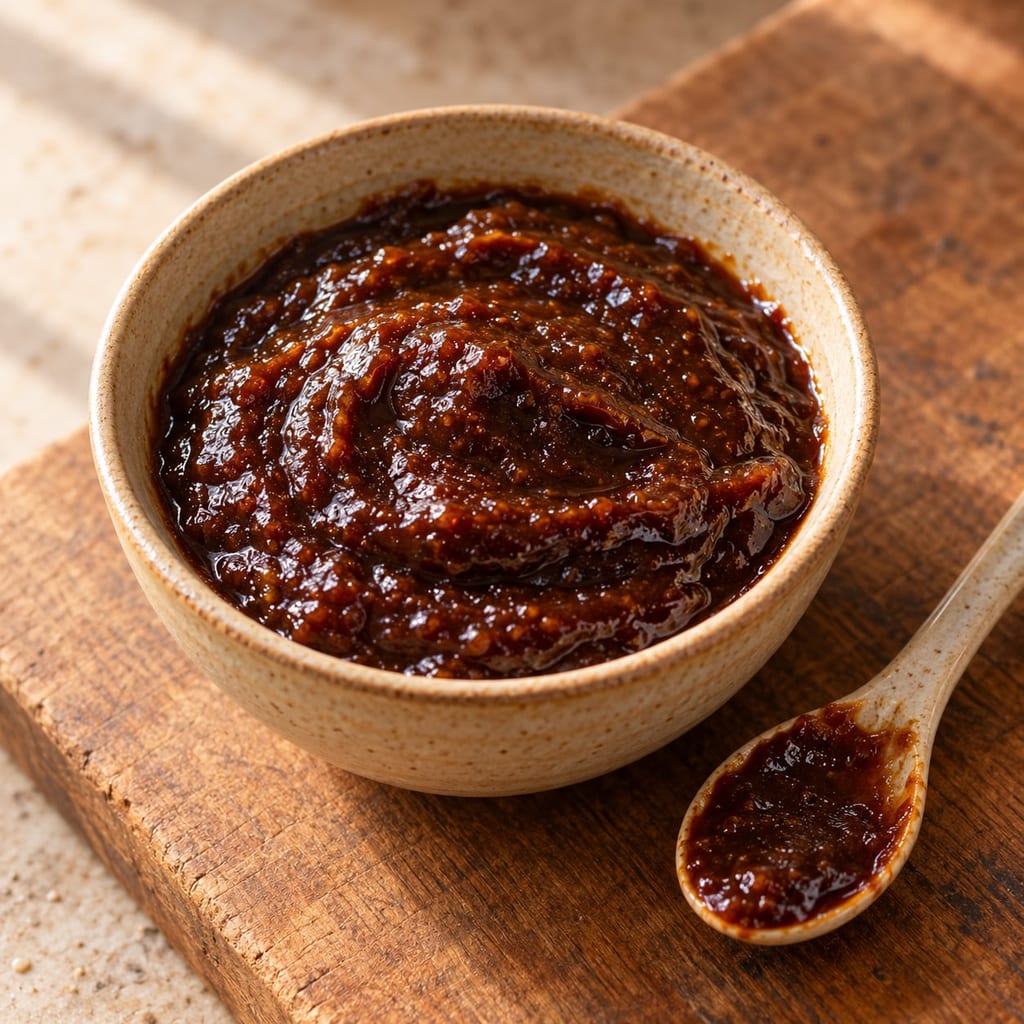
Chu hou is a sweet, savoury Cantonese paste of fermented soybeans, fermented bean curd, garlic, ginger and sesame, used mainly to braise meat.
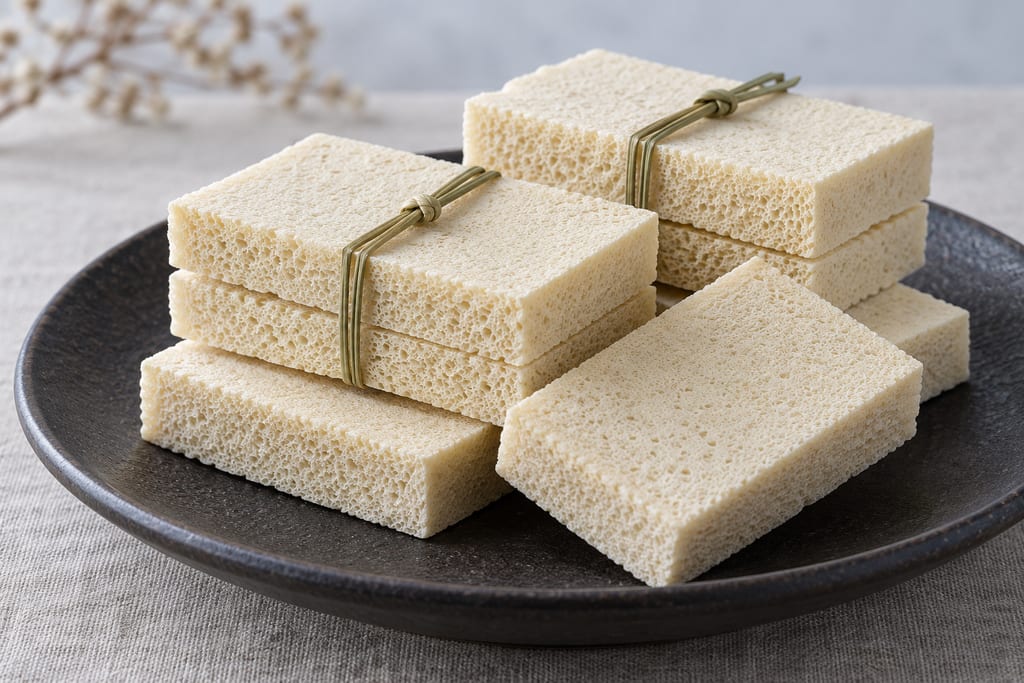
Japanese tofu frozen, aged below freezing, thawed and dried to a light sponge that is simmered in dashi; Iwadeyama makes it in winter air.
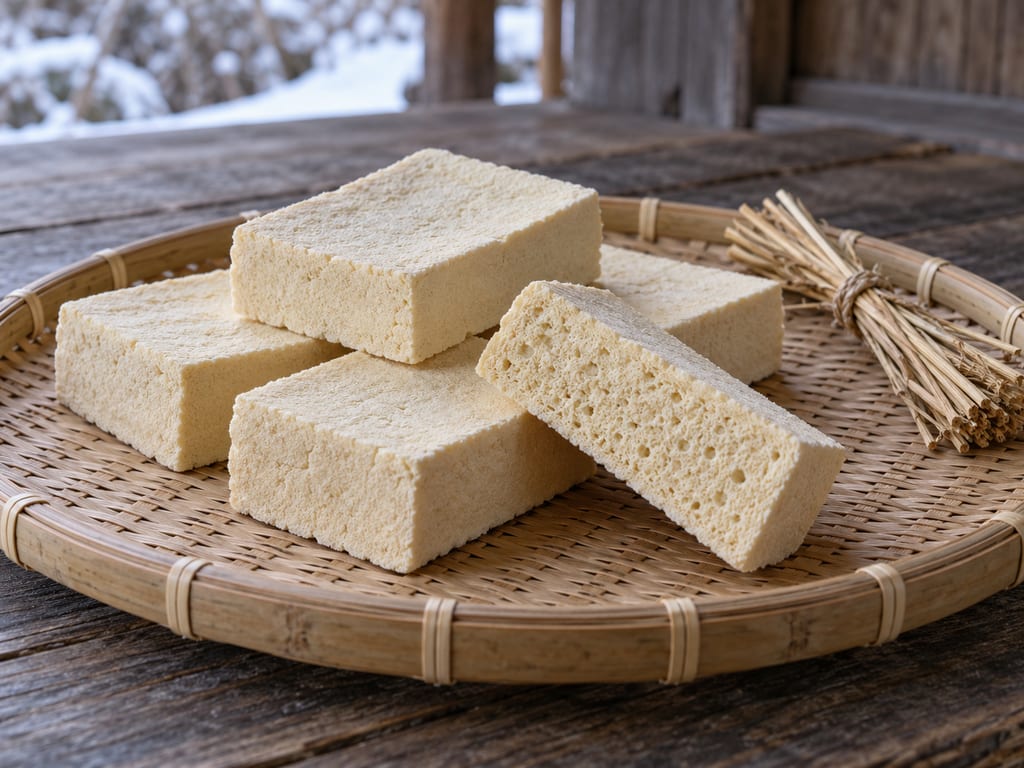
Tofu frozen, thawed, pressed and dried into a porous, durable soybean food; Japanese sources trace the tradition to the late Kamakura period.

Protected Italian vinegar made only from cooked grape must, fermented and aged in a battery of wooden barrels for at least 12 years: sweet, sharp and syrupy.
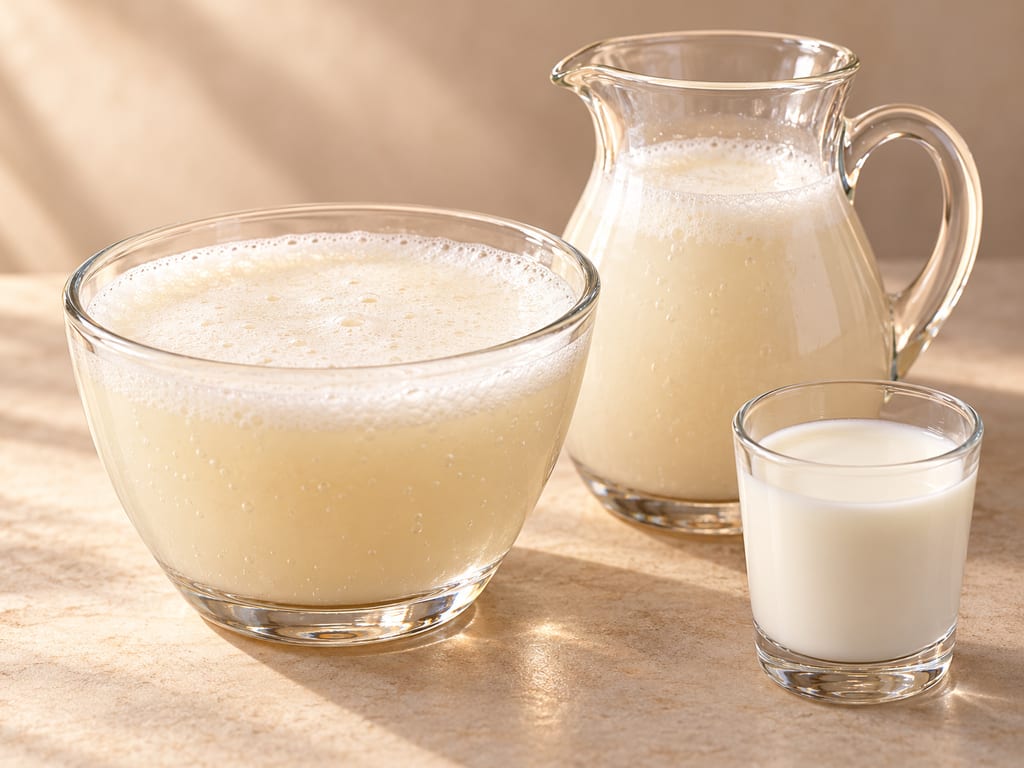
Airag is Mongolia’s fermented mare’s-milk drink, traditionally churned with saved starter in a reusable cowhide khokhuur.

Appam, or hoppers, are South Indian and Sri Lankan rice pancakes made from a fermented coconut-and-rice batter and cooked in a curved pan to a crisp lacy rim and a soft, spongy centre.
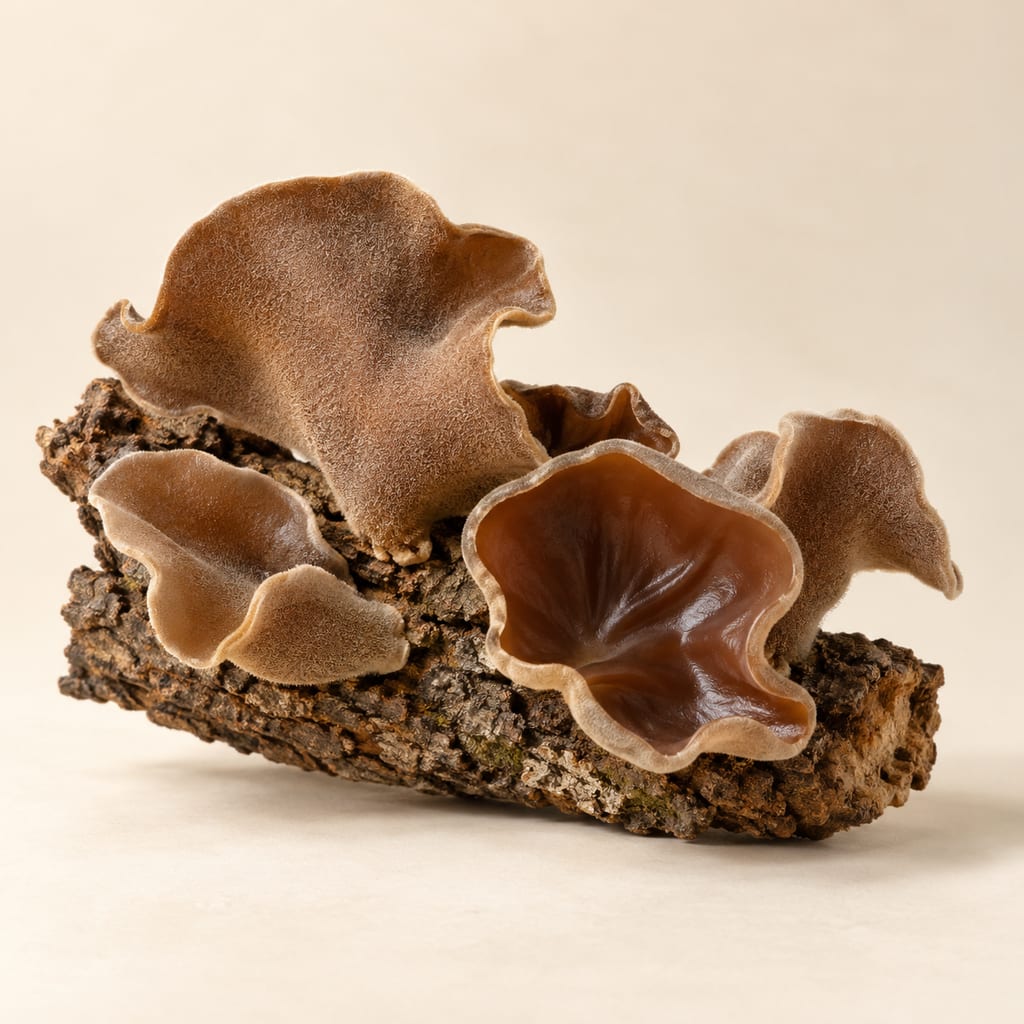
Auricularia tremellosa is a wood ear fungus of the genus that supplies most dried wood ear sold in China; its own food record is thin, and the culinary practice described here comes from the closely related wood ear species.

Ayran is Turkey’s cold, savoury yogurt drink: plain yogurt is loosened with water and lightly salted, then whisked smooth or aerated into a soft cap of foam.
A thin stone griddle used over an open hearth. Norwegian archaeology documents the established tradition from the early Middle Ages; a Viking-period origin is only a cautious suggestion linked to Shetland.

Crushed or milled barley cooked in water until the starch softens and the mixture thickens, the plainest way a northern household turned stored grain into a meal, here with apple and hazelnut.
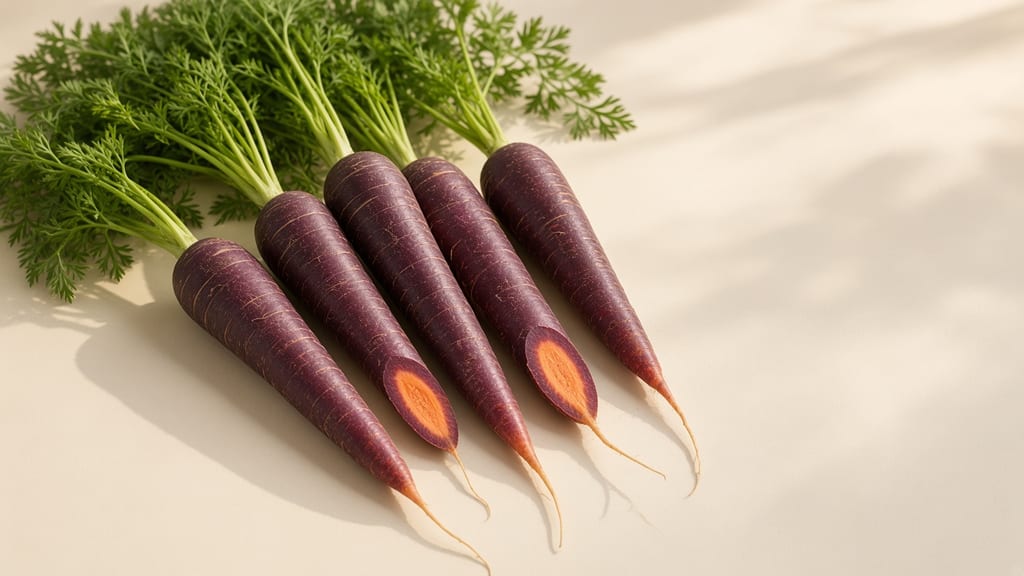
Black carrot is the anthocyanin-pigmented Eastern carrot (Daucus carota var. atrorubens), the purple root that preceded orange types and still colours kanji and şalgam.
No community contributions have been published for this entry yet.
Sign in to contribute. Published comments and photos are free to read.
Institute of Culinary EducationMethod · Ingredients · Uses
How to Make TofuFresh tofu formula, yield, equipment, and step sequence.
Soybean soaking, grinding, cooking, straining, okara, nigari coagulation and pressing.
Firmness varies with draining and compression; culinary applications.
Cited in: How milk becomes curd; Method, equipment and practical cues; Serving, variations and what the recipe does not claim; Choosing beans and reading the curd
Rutgers Cooperative ExtensionMethod · Uses · Storage
Tofu Made Easy: A Simple Guide to a Nutritious and Versatile, Plant-Based ProteinTofu is soybean curd; outline of soaking, milling, cooking, straining, coagulation and pressing.
Firm and silken styles and common culinary uses.
Storage advice for purchased and opened tofu; no exact shelf life adopted for this homemade batch.
Cited in: Tofu as a fresh soybean preparation; How milk becomes curd; Serving, variations and what the recipe does not claim; Choosing beans and reading the curd
Academy of Korean Studies, Encyclopedia of Korean CultureHistory · Method · Variations · Uses
두부 (Tofu)Liu An attribution is reported as a later account, while late Tang texts are described as the earliest Chinese textual evidence.
Mogeunjip poem provides a Korean textual attestation; Yuan-era transmission is presented as an inference.
Joseon records, named tofu forms, traditional method and uses.
Cited in: Tofu as a fresh soybean preparation; Origins, records and a careful history
Dongguk Historical SocietyHistory
The Beginning, Evolution, and Diffusion of Tofu in East AsiaThe paper questions the Liu An invention story and advances a later historical interpretation; described as the author's thesis, not settled fact.
Cited in: Origins, records and a careful history