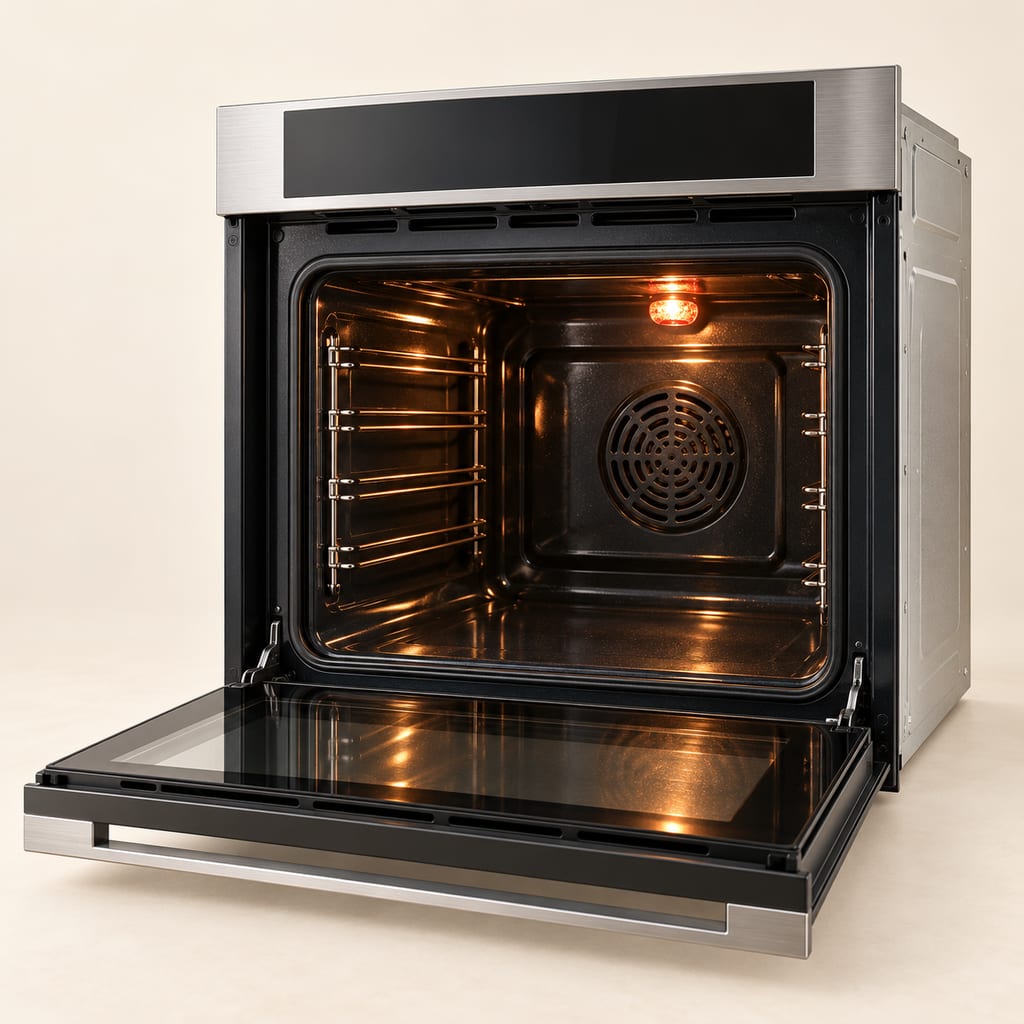
Oven with a lamp
An ordinary oven repurposed as a warm enclosure by using its interior lamp. The cavity is not a calibrated incubator, and lamp output varies by model.
 FermenteaWhere food goes to change
Equipment · Incubators and warm holds
A modified cabinet or switched-off fridge can enclose growing koji. One source documents a heating mat and probe with a PID controller. This modern setup needs monitoring of grain temperature, airflow, condensation and cleanliness.
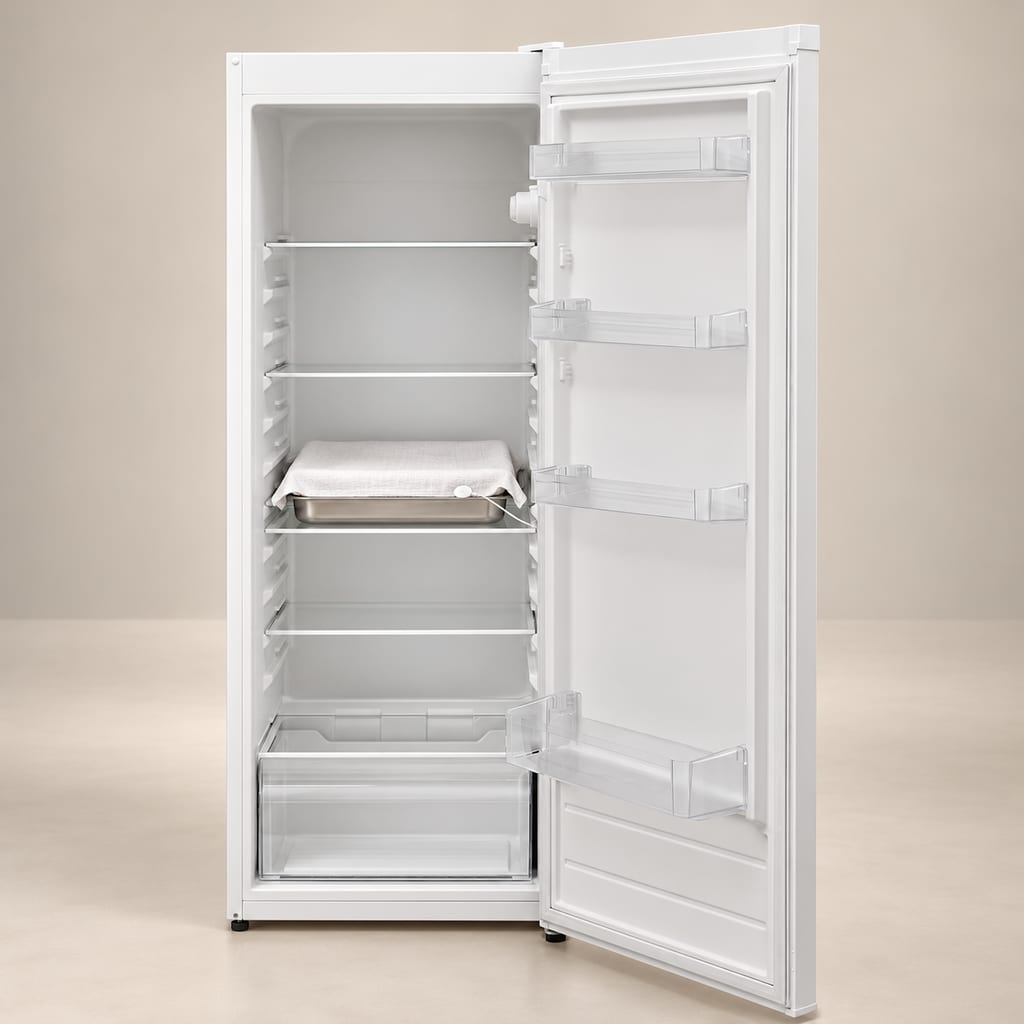
A converted cabinet or an unused refrigerator can serve as the warm enclosure around a separate koji tray. These are alternative shells, not one standardized apparatus. In a firsthand 2013 account, Nordic Food Lab described an upright refrigerator switched off and fitted with a heating mat and a temperature probe connected to a PID controller. The lab said the space needed to hold its chosen temperature, retain humidity and leave room for airflow. It also described a shallow tray and clean cloth for the barley. That is a documented example, not a universal construction plan. The same lab's earlier insulated thermal box with electric underfloor heating was a separate enclosure design.
Koji produces metabolic heat as it grows. The 2013 account therefore placed its probe in the grain and used turning, a damp cloth and, later, a partly open door to manage the particular batch. Chamber air alone may not represent grain temperature. Humidity also needs balance: the enclosure should limit drying without creating condensate that drips onto food. These are process controls, not decorative features. The source's approximately 30 °C setting belongs to its own barley-koji method, not every grain, strain or recipe. A koji-muro—a dedicated cultivation room with trays—is a different scale and form; this small converted appliance is a modern adaptation, not a traditional room.
The published overview “Fermentation cabinets: proofers, dehydrators and converted fridges” compares several home fermentation enclosures. This entry narrows the focus to the koji incubation use documented in the source: a chamber surrounding an open, breathable grain tray. It is distinct from a cold refrigerator or wine cabinet used to slow fermentation, and from a bread proofer whose control range and heating behavior belong to that appliance. The linked Rice koji preparation provides the related use; it does not make a converted cabinet necessary for every batch.
Cabinet size, shelf layout, heating-mat placement and controller response vary. The cited sources do not provide a single safe installation layout or dimensions. Before use, check how the empty enclosure behaves, then monitor the actual grain and watch for condensation. Clean the separate tray and chamber surfaces between uses. A fridge that is switched off no longer supplies its normal cooling, and a heating-only box cannot remove heat produced by an active culture. Follow the appliance and controller instructions; this equipment profile is not a wiring guide.
The upright refrigerator with a heating mat and PID probe is one firsthand Nordic Food Lab example, not a standardized design or universal build plan.
Source →The same source's approximately 30 °C chamber target is specific to its barley-koji method; it is not a setpoint for every grain, strain, or recipe.
Source →The earlier insulated-box example and later converted refrigerator are distinct chamber constructions. Their thermal response, airflow and condensation behavior should not be assumed equivalent.
Source →This locates the cited research-lab example in Copenhagen, Denmark; it does not claim the equipment class originated there.
An ordinary oven repurposed as a warm enclosure by using its interior lamp. The cavity is not a calibrated incubator, and lamp output varies by model.

Rice koji is steamed white rice through which koji mold has grown. It carries the enzymes that turn rice starch into sugar, and it is the starting point of sake, sweet miso, amazake and shio koji.
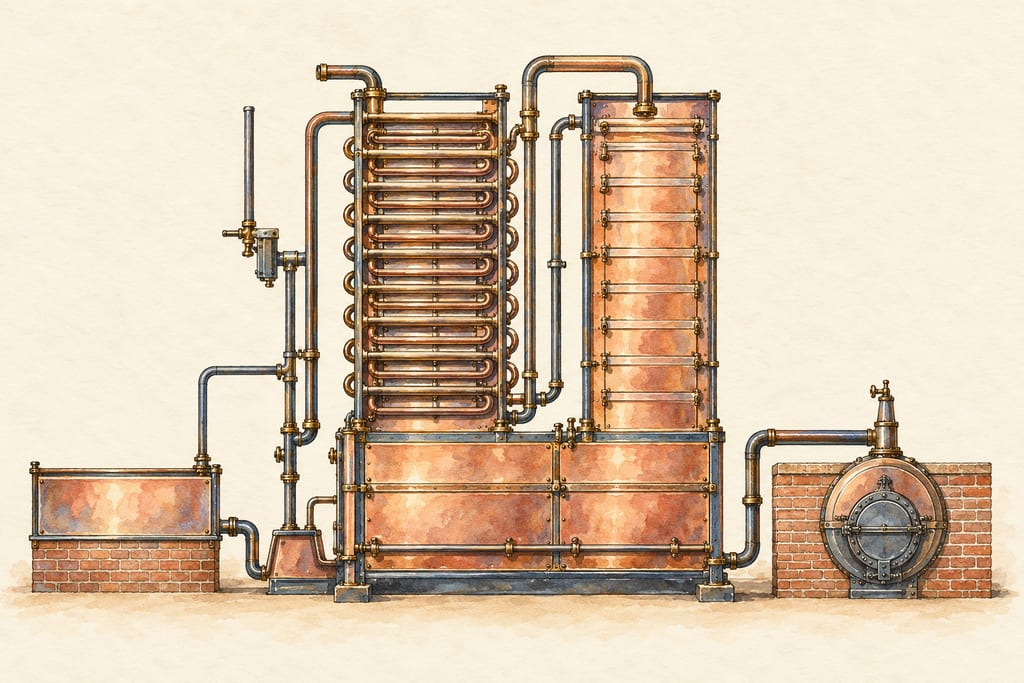
A column still is a distillation apparatus built around one or more vertical columns. Its continuous and rectifying designs appear in several spirits traditions, but materials and product character vary by installation.
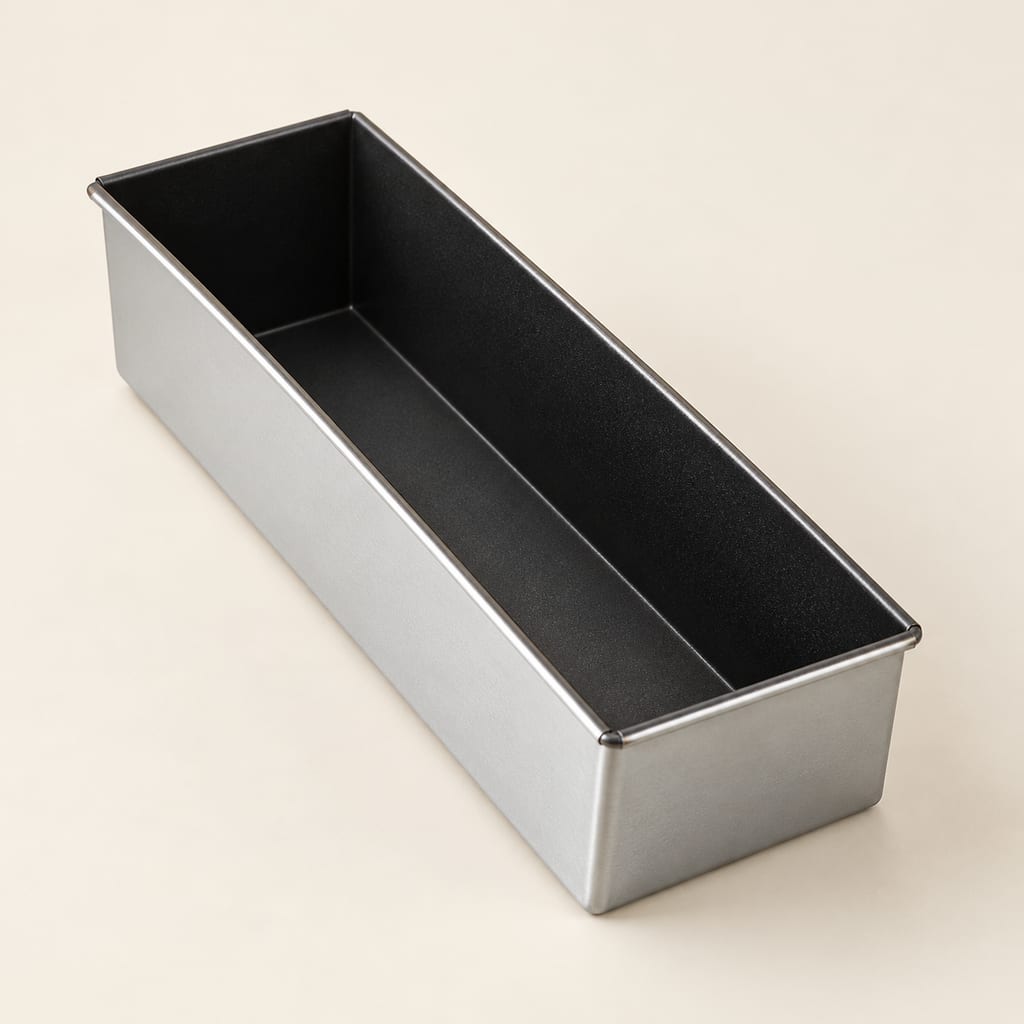
A greased rye-bread tin holds rugbrød dough while it proofs and bakes. Denmark’s National Museum documents a family recipe using three tins, but does not specify their material, shape or capacity.
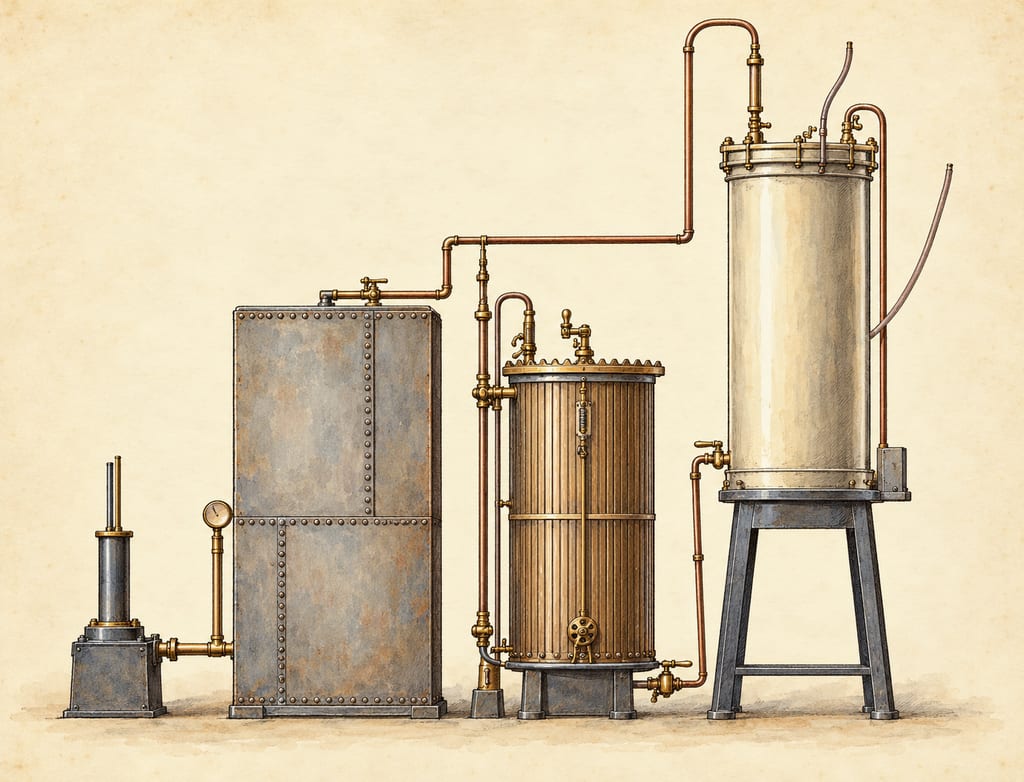
The Hansen–Kühle apparatus was late-nineteenth-century brewery plant for scaling up selected yeast cultures, distinct from Emil Christian Hansen’s method of isolating yeast from a single cell.
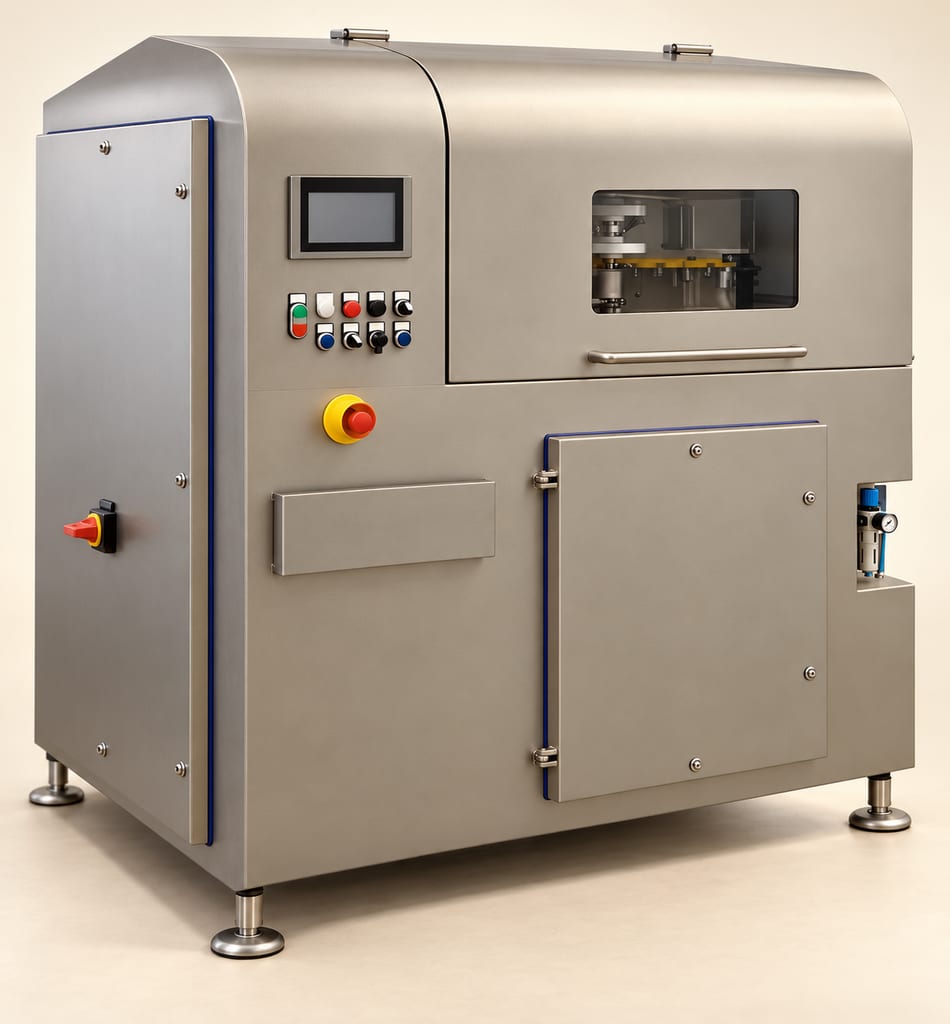
A pulsed electric field (PEF) unit sends brief high-voltage pulses through food in a treatment zone. Systems may treat flowing liquids or batches; the result depends on the food, equipment and validated process.
No community contributions have been published for this entry yet.
Sign in to contribute. Published comments and photos are free to read.
Nordic Food LabEquipment example · Koji method
Koji – history and processFirsthand account of an upright refrigerator switched off and fitted with a heating mat and probe connected to a PID controller for koji; the account says the chamber should retain humidity and allow airflow, and separately lists a tray and clean cloth.
Cited in: A koji-specific chamber, not a single standard cabinet; The culture changes the chamber; How it differs from other fermentation cabinets; Limits and care
Nordic Food LabEquipment example
Home MadeEarlier experiment describes a PID controller and electric underfloor heating in an insulated thermal box; this is a separate chamber construction from the later refrigerator example.
Cited in: A koji-specific chamber, not a single standard cabinet; Limits and care
Journal of FungiHistorical context · Method
Koji Starter and Koji World in JapanDescribes traditional manual tray cultivation in a koji-muro and notes the distinction from modern air-conditioned clean-room cultivation; the converted refrigerator is not presented as the traditional room form.
Cited in: The culture changes the chamber
Nordic Food Lab ArchiveGeography
Post-boatThe lab says it worked from a Copenhagen harbour houseboat from 2009 for nearly six years, supporting the location of the 2013 documented lab example in Denmark.
VOX ElectronicsImage reference
Frižider KS 2830 FOfficial product page for the open single-door refrigerator photograph used only to reference the basic appliance shell; this is not a photo of the converted koji chamber.
Cited in: How it differs from other fermentation cabinets
