← Equipment

Equipment · Industrial and laboratory plant

Pulsed electric field unit

PEF unit

Loading ratings…

A pulsed electric field (PEF) unit sends brief high-voltage pulses through food in a treatment zone. Systems may treat flowing liquids or batches; the result depends on the food, equipment and validated process.

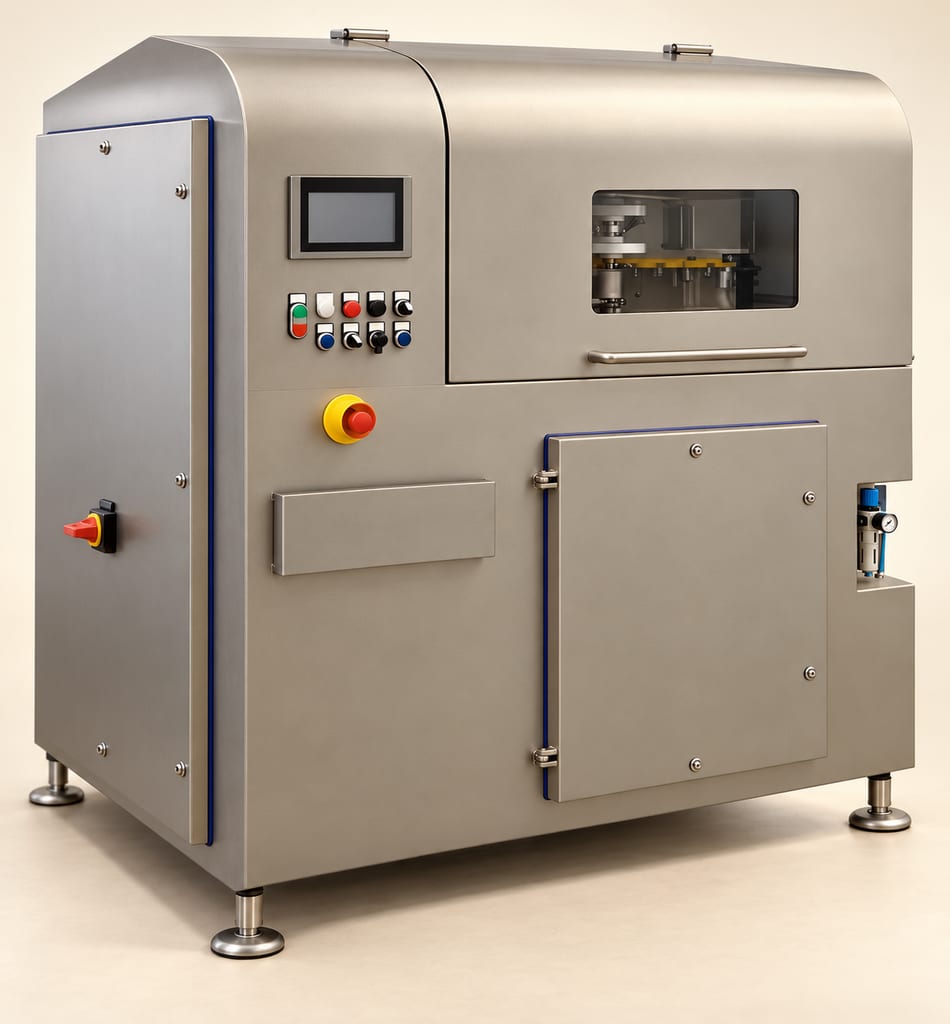
A closed, idle research-scale pulsed electric field food-processing unit, with an enclosed cabinet, control area and viewing window, on a warm ivory background.

What a PEF unit does

A pulsed electric field (PEF) unit exposes food to brief high-voltage electrical pulses in a treatment zone. The pulses can cause electroporation: changes in cell membranes that alter how cells behave. Depending on the food and process objective, the same general technology can be used in batch or continuous arrangements. A pilot system is not just a generator: it also needs a treatment chamber or zone and a way to handle and control the food moving through it.

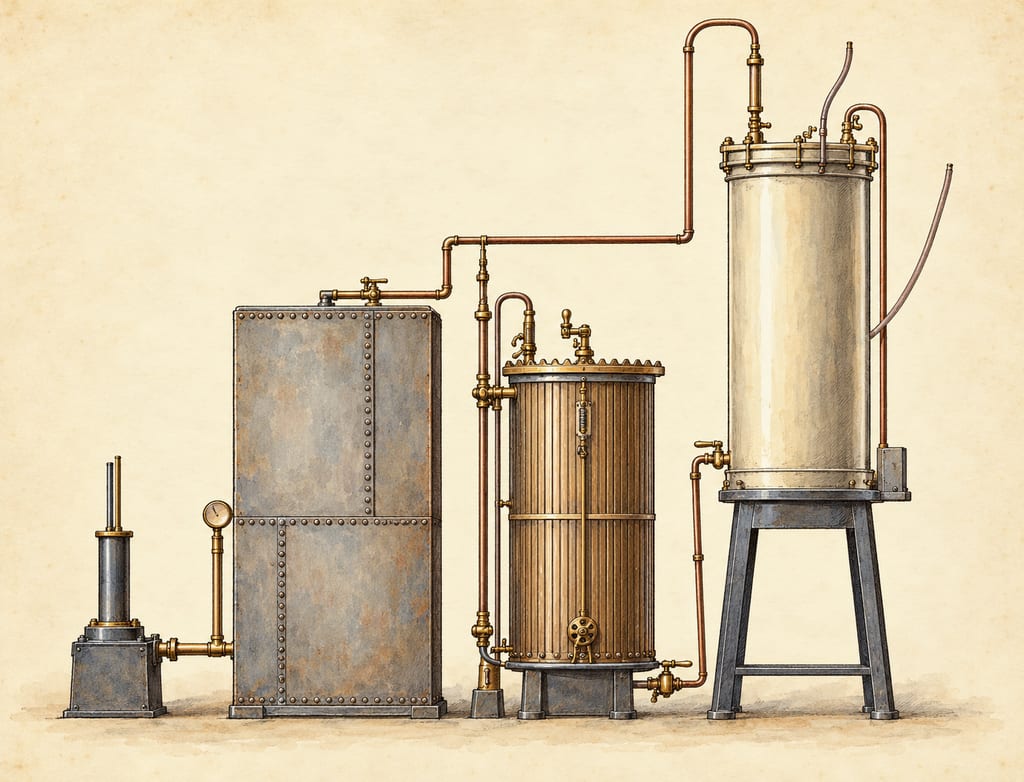
The physical form varies. A documented continuous orange-juice pilot plant described in a 1998 engineering paper combined a high-voltage pulse generator with multistage flow-treatment chambers, fluid handling and aseptic packaging. A current research facility page lists a separate PEF Pilot Dual unit and illustrates an enclosed cabinet with a control panel and viewing window. These are examples, not a single standard layout; the available descriptions do not establish a universal chamber geometry, throughput or material specification.

Sources for this section

Uses beyond juice treatment

PEF is often discussed as a nonthermal approach to reducing microorganisms in liquid foods, including juice. Its effects are not confined to microbial inactivation: electroporation can also change plant tissue structure, which is why facilities list applications such as extraction, cutting or softening, and enhanced dehydration. These are distinct process aims. A machine used to pretreat plant tissue for extraction or drying is not automatically running a pasteurization process.

The linked facility is in Frederiksberg, Denmark, at the University of Copenhagen Department of Food Science. Its instrument page lists batch and continuous operation, juice and milk decontamination, ingredient extraction and dehydration work. This documents one research installation and range of applications; it does not locate the invention of PEF in Denmark or establish the manufacturer's location.

Sources for this section

Validation and limits

PEF efficacy depends on the product, target organism and chosen treatment conditions. A USDA Agricultural Research Service publication from 2021 reports a study of three commercial juices and 18 tested PEF conditions. Three treatments achieved more than a five-log reduction for the pathogens studied. That result is specific to those juices and experimental conditions; it cannot be carried over as a generic setting for another beverage, food or machine.

The equipment itself does not certify a food as safe. Product formulation, process validation, hygienic handling and the complete processing line still matter. The cited studies do not provide a universal recipe or operating schedule, and this page gives no setpoints. For an actual installation, use its manufacturer's operating and electrical-safety instructions and validate the process for the specific food and regulatory context.

Sources for this section

Equipment details

PowerElectric PEF systems use a high-voltage pulse generator; the cited pilot-plant paper describes the generator but does not establish a standard electrical specification.
How you get oneNot established The sources document research and pilot equipment but do not establish a general purchasing or construction route.
CareNo common cleaning or maintenance schedule is established by these sources. Follow the specific manufacturer's instructions and the facility's electrical-safety and process procedures.

Made of

  • Enclosure and treatment assembly; material composition not specified — Houses the electrical and treatment components
    The facility photograph shows a large enclosed cabinet with a control panel and viewing window. Neither the image nor the cited sources identify the enclosure alloy or internal construction materials.

Limits

Microbial reduction is food- and process-specific. A 2021 study tested 18 conditions across three commercial juices; only three reported treatments achieved more than a five-log reduction for the studied pathogens. Those results are not a universal PEF schedule or guarantee for other products.

Source →

PEF decontamination does not replace a validated food-safety plan, hygienic handling or applicable regulatory requirements. The sources do not establish a universal treatment for every juice or other food.

Source →

Places

Denmark

Documented use · Country evidence

The facility page places one PEF pilot unit at the University of Copenhagen Department of Food Science in Frederiksberg. This is a documented installation, not a claim about the technology's origin or manufacture.

Related

Community

No community contributions have been published for this entry yet.

Share what you made

Sign in to contribute. Published comments and photos are free to read.

Sources