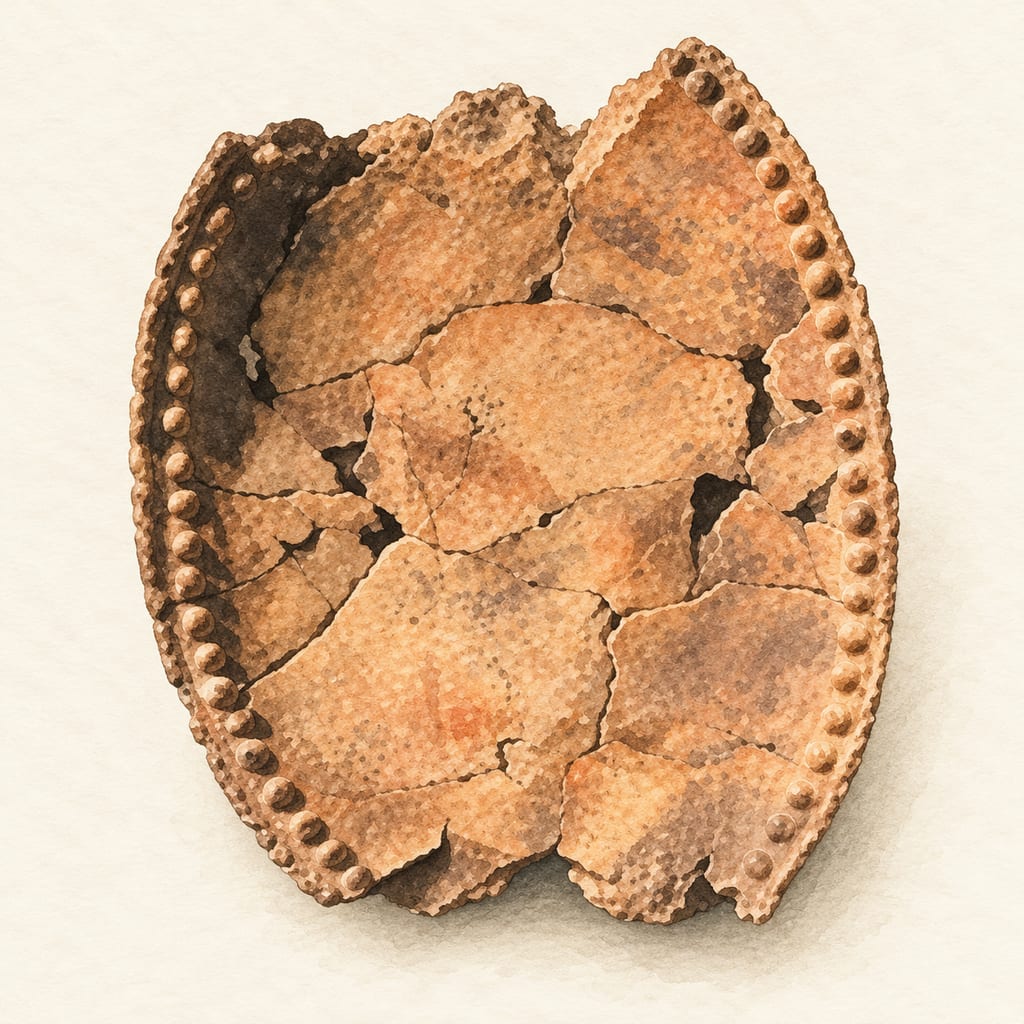
Ceramic cooking lamp
A Rocky Cree clay lamp dated approximately 1200–1500 is recorded from Southern Indian Lake, northern Manitoba. The Manitoba Museum links this lamp tradition to cooking, drying, heating and lighting lodges.
 FermenteaWhere food goes to change
Equipment · Skins and bladders
igunaq skin bag
Puurtaq is a sewn skin bag documented as a vessel for igunaq, the ageing of marine-mammal meat and fat in Inuit foodways. Nunavik research describes skin pouches alongside other containers; the pouch does not guarantee food safety.
Puurtaq is the name used for sewn skin bags associated with traditional Inuit ageing of marine-mammal meat and fat. Studies of igunaq identify a seal-skin bag as one vessel form. That does not mean every Inuit food bag used the same animal skin or construction. The basic form is flexible and sewn, unlike rigid pails, barrels, or jars also found in contemporary accounts.
The available descriptions do not provide a universal pattern, seam layout, opening, closure, dimensions, or capacity. Such details should not be borrowed from an unrelated pouch or supplied from an imagined reconstruction.
The bag encloses meat and fat while they age; the vessel makes containment possible but is not itself the process. A controlled 2003 study described seal meat and blubber placed in a seal-skin bag and allowed to ferment. It found infective Trichinella nativa survived in igunaq under laboratory conditions, so ageing in a skin vessel cannot be described as a reliable parasite control.
A later field investigation in Nunavik documented varied producer practices and detected type E botulinum toxin in some preparations. The study also found that appearance and smell did not reliably indicate toxin. These findings limit what the equipment can claim: the pouch contains food but does not make it safe.
The most specific place evidence here is Nunavik in northern Quebec. Researchers interviewed igunaq producers in five communities and recorded occasional use of natural skin pouches alongside plastic bags, plastic containers, and wooden boxes. The study does not portray one uniform practice. A short historical commentary uses the term puurtaq for Inuit skin bags and describes bags sewn shut and aged under rocks or gravel, while also noting substitute containers.
In the Nunavik field study, traditional pouches were inverted so fur contacted meat or fat. Covers and storage settings varied. This is a reported regional practice, not a construction rule for every bag; the evidence does not justify assigning all puurtat a particular seam, tied mouth, fur length, silhouette, or burial arrangement.
The cited sources give no first date, standard size, capacity, named maker, current commercial source, or cleaning instructions. Nor do they justify using a Greenlandic kiviaq sack, a tool pouch, or a generic sealskin bag as a photographic stand-in for a Nunavik igunaq vessel. The linked recipe Igunaq lets readers follow the vessel's documented relationship to the food; this equipment page does not provide a preparation method.
The cited research documents traditional use but does not establish when the skin bag was first attested.
A skin pouch is a vessel, not a food-safety control; the field study detected botulinum toxin in some igunaq preparations.
Source →A controlled study found infective Trichinella nativa could survive in igunaq; ageing in the bag does not establish parasite safety.
Source →The study interviewed producers in five communities and reports occasional use of skin pouches; it does not establish a birthplace or a universal Inuit construction.
A Rocky Cree clay lamp dated approximately 1200–1500 is recorded from Southern Indian Lake, northern Manitoba. The Manitoba Museum links this lamp tradition to cooking, drying, heating and lighting lodges.
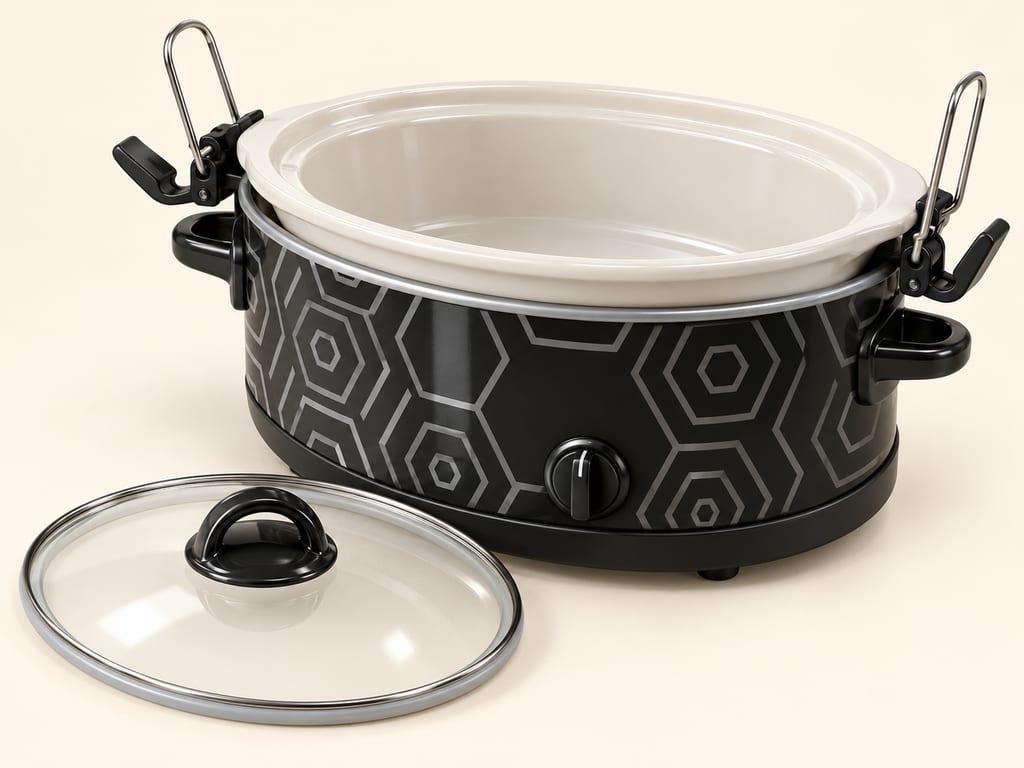
The SCCPVL500FB is listed by Crock-Pot as a French Bull-pattern Cook & Carry manual slow cooker. Its stoneware crock and heated base cook on Low or High; the WARM setting is only for already-cooked food, not fermentation or cooking.
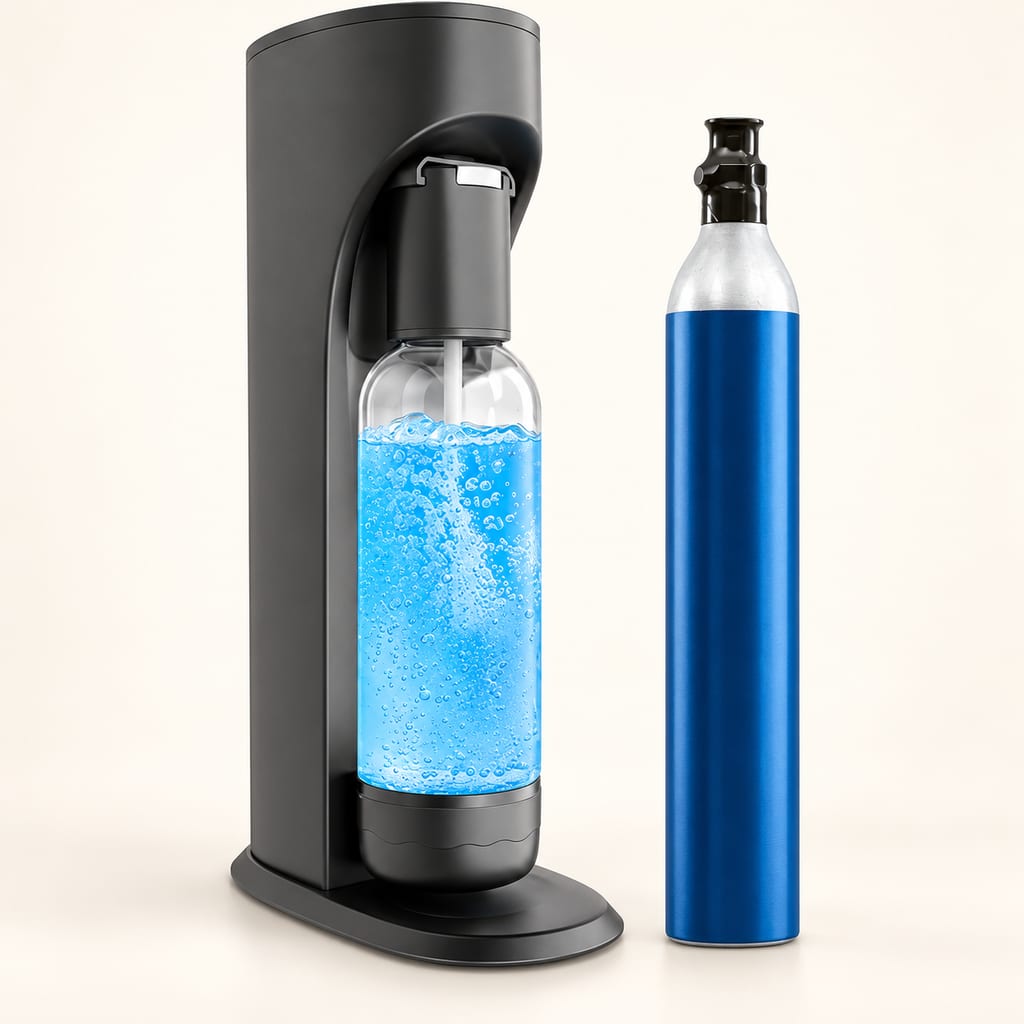
Drinkmate’s Fizz Infuser lets its countertop carbonators add carbon dioxide to cold drinks directly, with a controlled release valve for foamy liquids. Models and bottle systems vary; a 2025 recall applies to specific one-litre bottles.
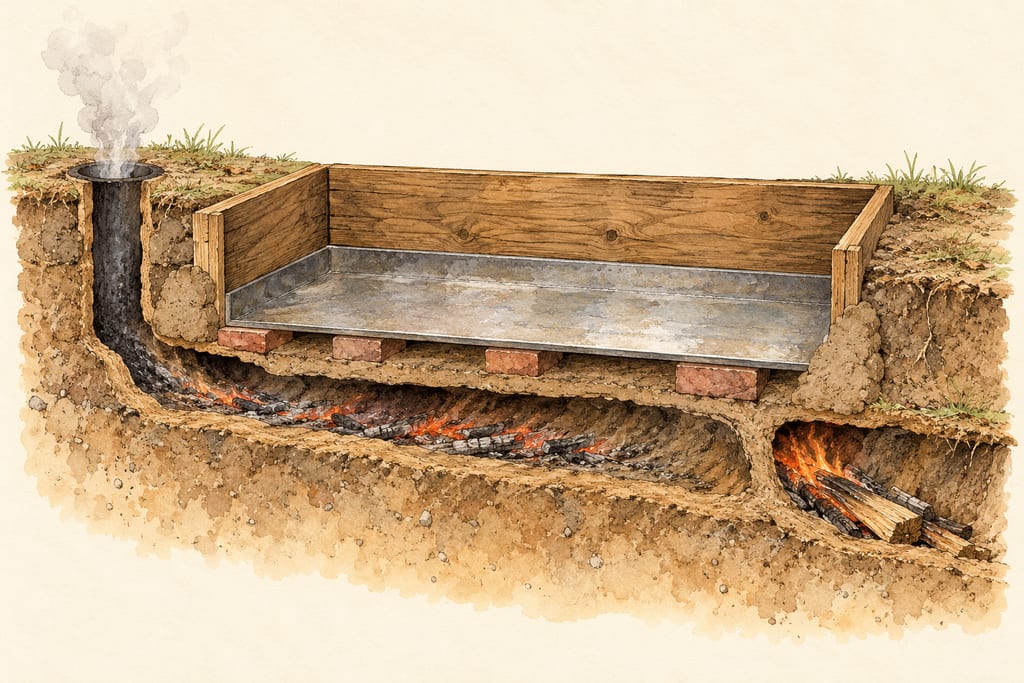
A separate cooking box heats ripened eulachon so grease rises for skimming. Nuxalk sources describe wooden or cedar sides, a metal bottom and, in one setup, a fire trench beneath the box.
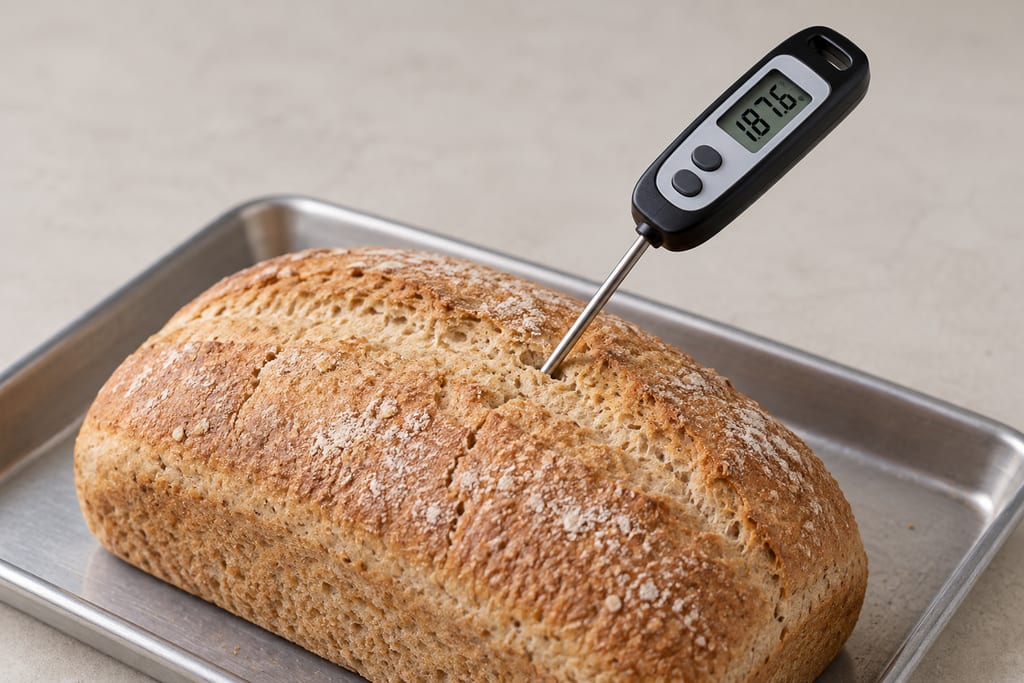
A probe thermometer measures the temperature of food at its sensing tip. It answers a different question from a kettle, oven or water-bath display, and from a pH meter.
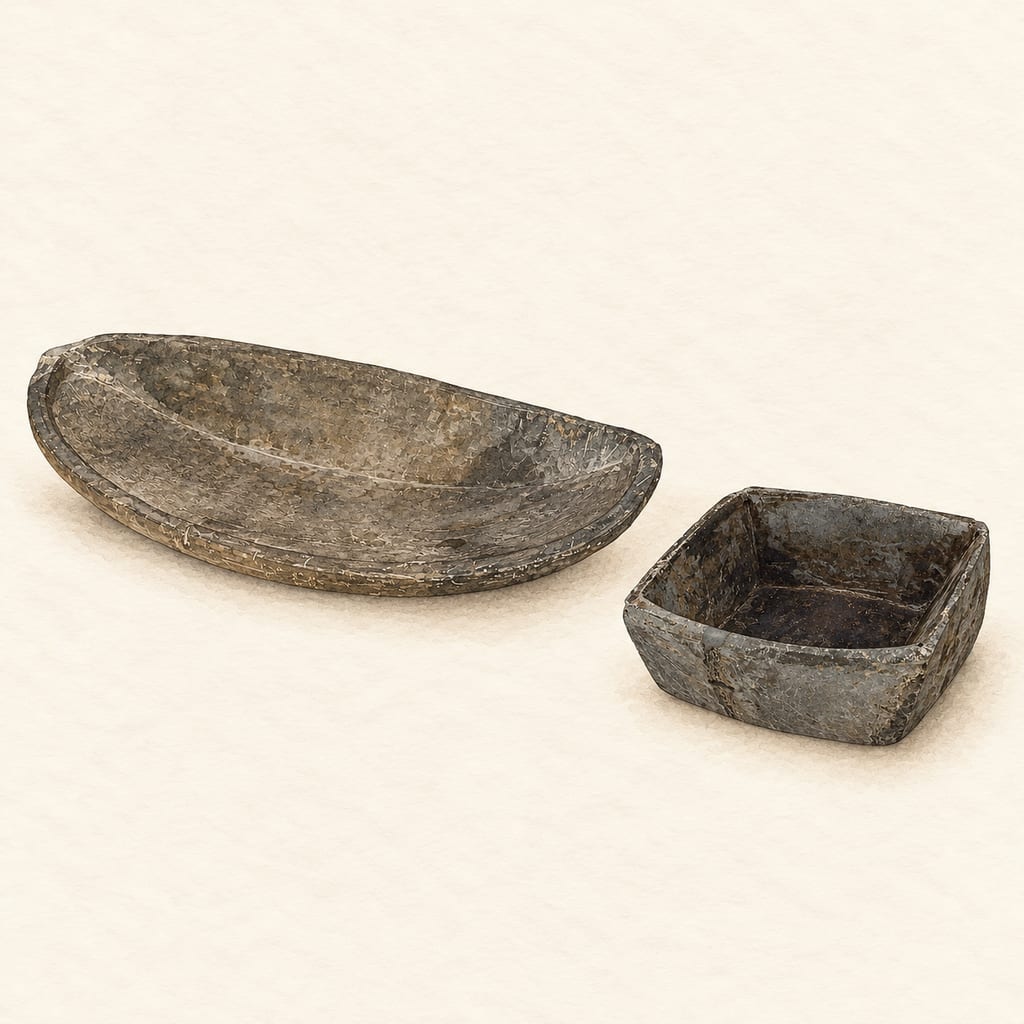
A qulliq oil lamp and a separate ukkusik cooking pot form an Inuit heat-processing pair. Sources document soapstone forms, animal-oil lighting and cooking uses, and museum objects from the Eastern Arctic.
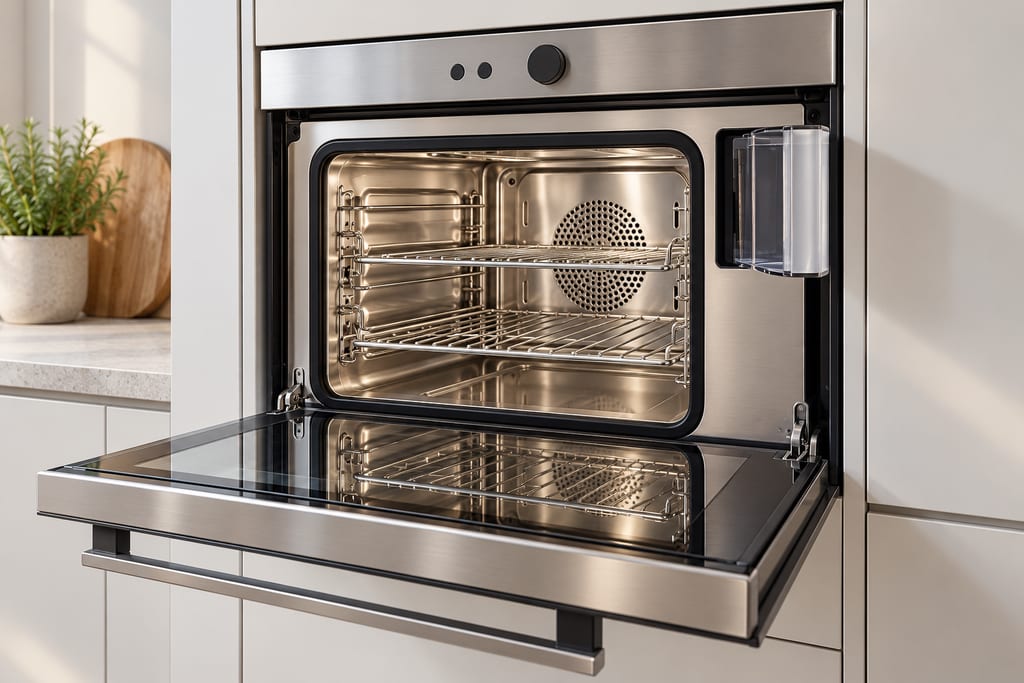
A steam oven cooks with water vapour; a combi oven pairs steam with circulating dry heat. Their modes and temperature controls differ by model, so a documented yogurt programme cannot be assumed for every oven.
No community contributions have been published for this entry yet.
Sign in to contribute. Published comments and photos are free to read.
International Journal of Circumpolar HealthForm · Use · Safety
Tracking sources of Clostridium botulinum type E contamination in seal meatField study in five Nunavik communities documents occasional use of inverted seal-skin pouches, fur in contact with meat or fat, and a range of alternative containers.
Some field preparations contained botulinum toxin; sensory judgments did not reliably identify it.
Cited in: Vessel and ageing process; Regional record and changing containers; Documented limits
Journal of Food ProtectionForm · Safety
Infectivity of Trichinella nativa in Traditional Northern (Country) Foods Prepared with Meat from Experimentally Infected SealsThe paper describes igunaq as seal meat and blubber placed in a seal-skin bag and allowed to ferment; infective Trichinella nativa survived in controlled laboratory igunaq samples for at least five months.
Cited in: A skin vessel for igunaq; Vessel and ageing process; Documented limits
Clinical Infectious DiseasesHistory · Nomenclature
Botulism in the North: A Disease Without BordersThe authors identify Inuit skin bags as puurtaq and describe sewn bags aged under rocks or gravel; they also note modern container substitutions.
Cited in: A skin vessel for igunaq; Regional record and changing containers; Documented limits