What it is
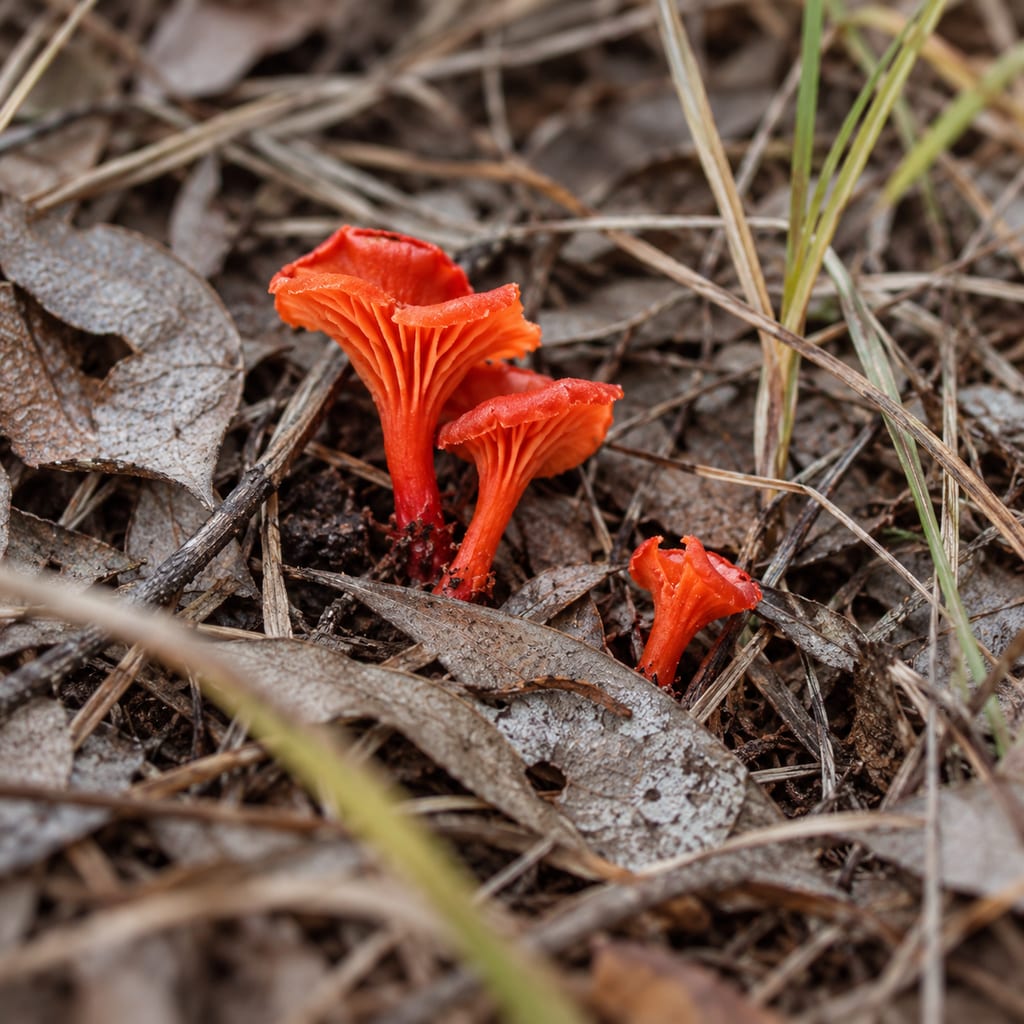
African milkcap is the English name for Lactifluus tanzanicus, a wild fungus of the genus Lactifluus. The catalogue entry that brought it into this database also records the older name Lactarius tanzanicus as a search alias, so records under either name may need checking.
It grows in an ectomycorrhizal relationship with Brachystegia species in miombo woodland. The EFTA species page gives this as its only habitat note. It names no other host plants.
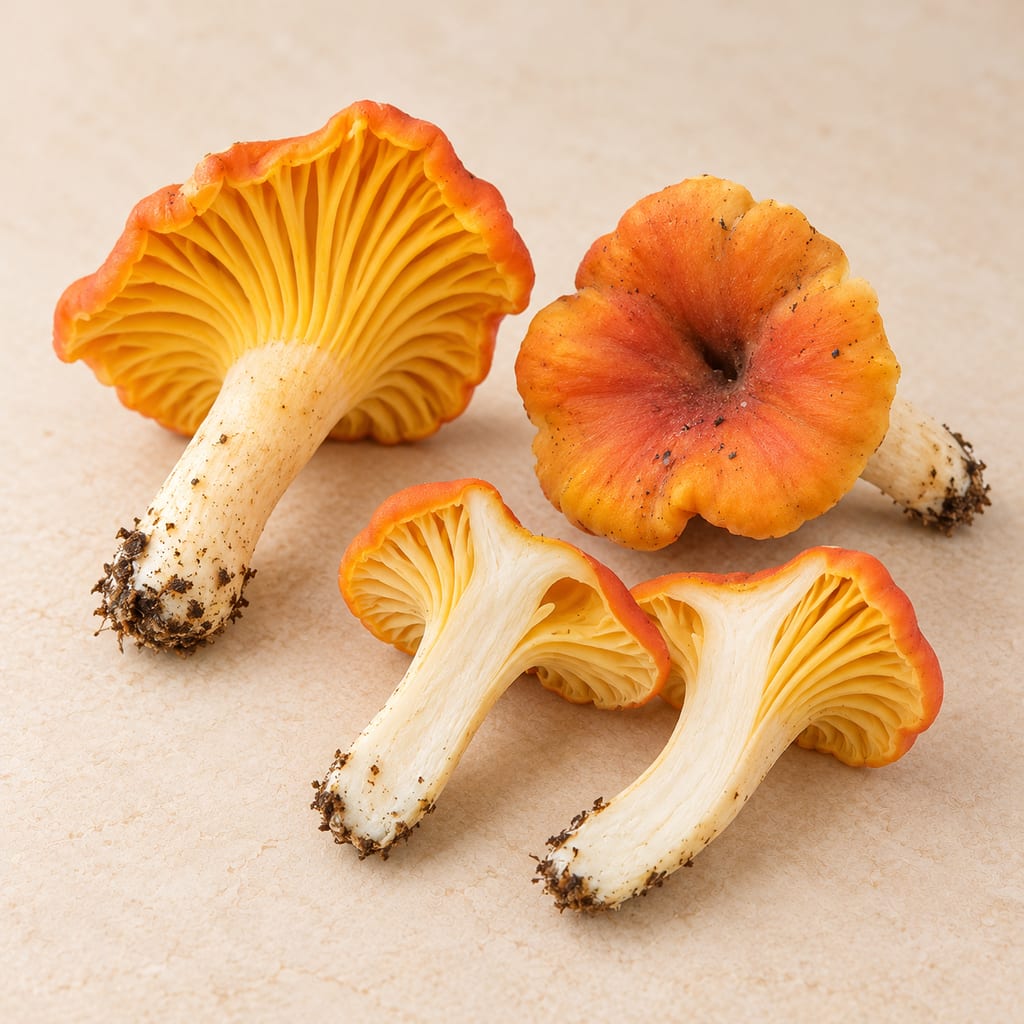
The EFTA page separates it from Lactifluus gymnocarpus mainly by a white or whitish stipe and clearly denser lamellae. That is a field note for telling two species apart, not a basis for recognising the fungus as food.
Where it is recorded
The EFTA species page lists Tanzania as the only recorded area. It cites Härkönen and colleagues (2003) and Verbeken and Walleyn (2010) for that record. The page shows no publication or update date, so the age of the record is unknown.
A 2020 field study for the Rungwa corridor in western Tanzania records L. tanzanicus among the mushrooms preferred by the interviewed communities. Its table lists Mkola, Mwitikio and Majojoro in Sikonge District, and the report describes sales in Tabora and Sikonge markets. This is evidence of local use within that survey, not a wider distribution map.
Food use and safety
The EFTA species page gives no edibility status, preparation or warning. A 2020 Rungwa Corridor study does report L. tanzanicus among preferred edible mushrooms and among species sold in the communities it surveyed. That report documents regional food use; it does not validate identification or food safety outside that context.
The survey does not establish a standardized preparation method for this species. Local use, an inventory entry and this field report are not a basis for identifying wild mushrooms or deciding that a specimen is safe. This page gives no identification guide or preparation instructions.
Places
Tanzania
Relationship not established · Country evidenceEFTA records Tanzania. A 2020 Rungwa Corridor study reports local records and use in Mkola, Mwitikio and Majojoro (Sikonge District, Tabora Region), with sales in Tabora and Sikonge markets. This is bounded survey evidence, not a wider distribution map or safety verdict.