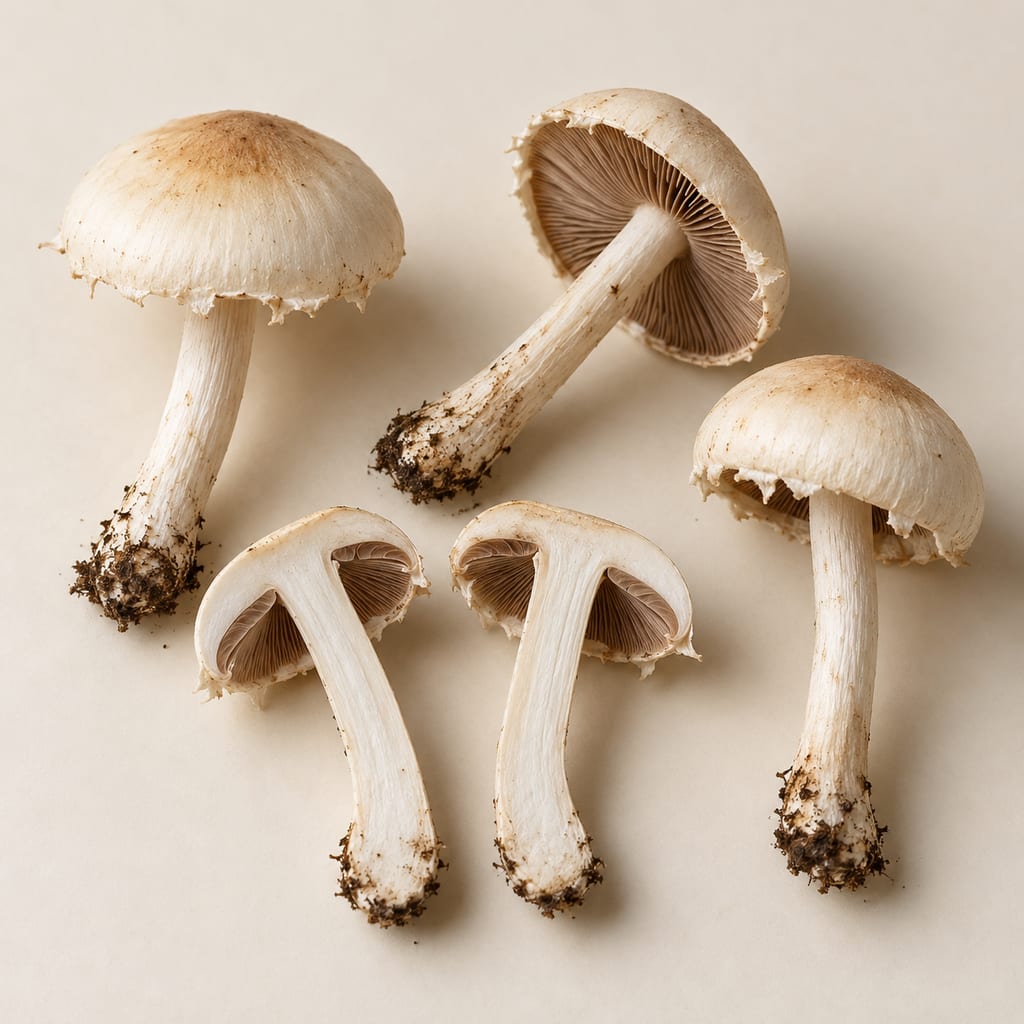
Agrocybe dura
A grassland agaric listed as edible in historical and scientific catalogues for Hong Kong and China. Taxonomic concepts and practical food value vary; the listings do not establish safe identification or culinary practice.
 FermenteaWhere food goes to change
Mushrooms
Amanita princeps, the head man slender Caesar, is a mycorrhizal fungus of tropical China and Southeast Asia that is eaten and sold locally, but the sources read advise against eating it and confuse it with the deadly death cap.
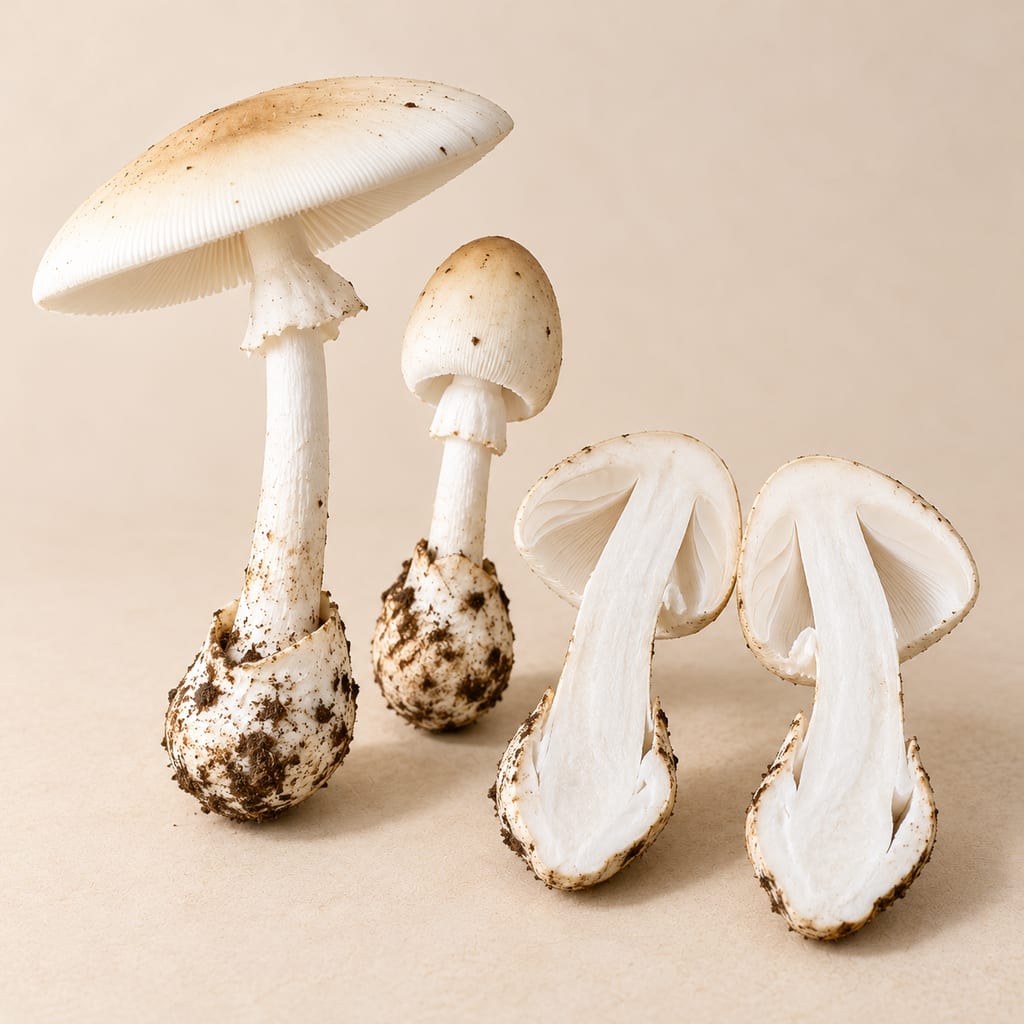
Amanita princeps is an agaric in the genus Amanita, described by Corner and Bas in 1962. Its common name is the head man slender Caesar. The cap is convex or flat and may be white, beige, ochre, olive or brown. The stipe carries a ring and a volva, the basal sac that some Amanitas have, and the spore print is white.
The cap margin is striated, which the Wikipedia article says helps set it apart from poisonous species. The fungus is mycorrhizal and fruits in the rainy season, from about June to August.
The Wikipedia article places the species in tropical China, Southeast Asia and the Malay Peninsula as far south as Singapore. Its type locality is Bukit Timah in Singapore, where Corner first found it in 1930.
The catalogue lists the species as edible or edible-and-medicinal in the 2026 Chinese catalogue of edible and medicinal fungi. The abstract of that catalogue, read in this recovery, gives totals for the whole catalogue and does not show the individual entry for this species, so the Chinese listing is recorded as a catalogue claim only.
The Wikipedia article says the mushroom is eaten locally and sold in markets, and that many people regard it as a choice mushroom. The article also says that it is not recommended for consumption.
No specific culinary tradition, preparation method, quantity or season for use is documented.
The species is easily confused with the death cap, Amanita phalloides, in appearance and smell. The Wikipedia article reports many poisonings among Laotian and Hmong immigrants in North America. Similar species named in the article include A. pseudoprinceps, whose edibility is unknown, and A. subjunquillea, the East Asian death cap.
The genus contains deadly species. The catalogue states that inclusion in a list must never be used to identify a specimen for eating.
The sources read do not support eating this mushroom, and no safe preparation is established. The Wikipedia article says it is not recommended for consumption, and its poisoning history is serious.
This record is not a guide to identifying wild fungi. Amanita specimens cannot be safely identified from appearance or smell, so identify any specimen with an expert before eating it, and never eat an Amanita on the basis of a catalogue or market record.
Region-level record. The Wikipedia article says the mushroom is eaten locally and sold in markets; the catalogue lists it as edible or edible-and-medicinal in the 2026 Chinese catalogue.
Distribution only. The type locality is Bukit Timah, Singapore, where E. J. H. Corner first found the species in 1930. The sources read record no food use for this part of the range.
A grassland agaric listed as edible in historical and scientific catalogues for Hong Kong and China. Taxonomic concepts and practical food value vary; the listings do not establish safe identification or culinary practice.

Akahatsu, Lactarius akahatsu, is a wild milkcap of East Asian pine and mixed forests that is sold in Yunnan markets, with its edibility and identity still needing species-level review.
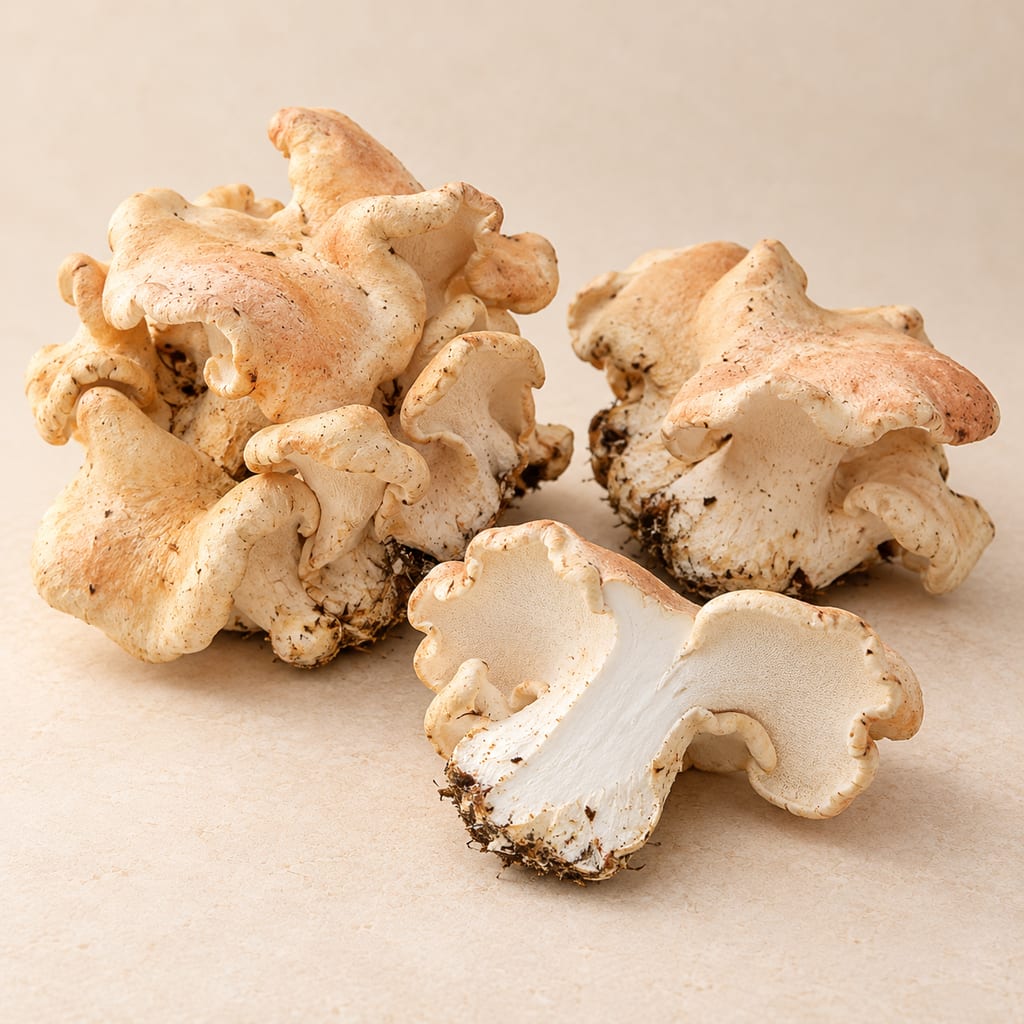
Albatrellus confluens is a ground-growing polypore with fused buff-orange caps. Sources document Chinese market use and regional edibility, but others reject it as too bitter; taxonomy also varies between Albatrellus and Albatrellopsis.
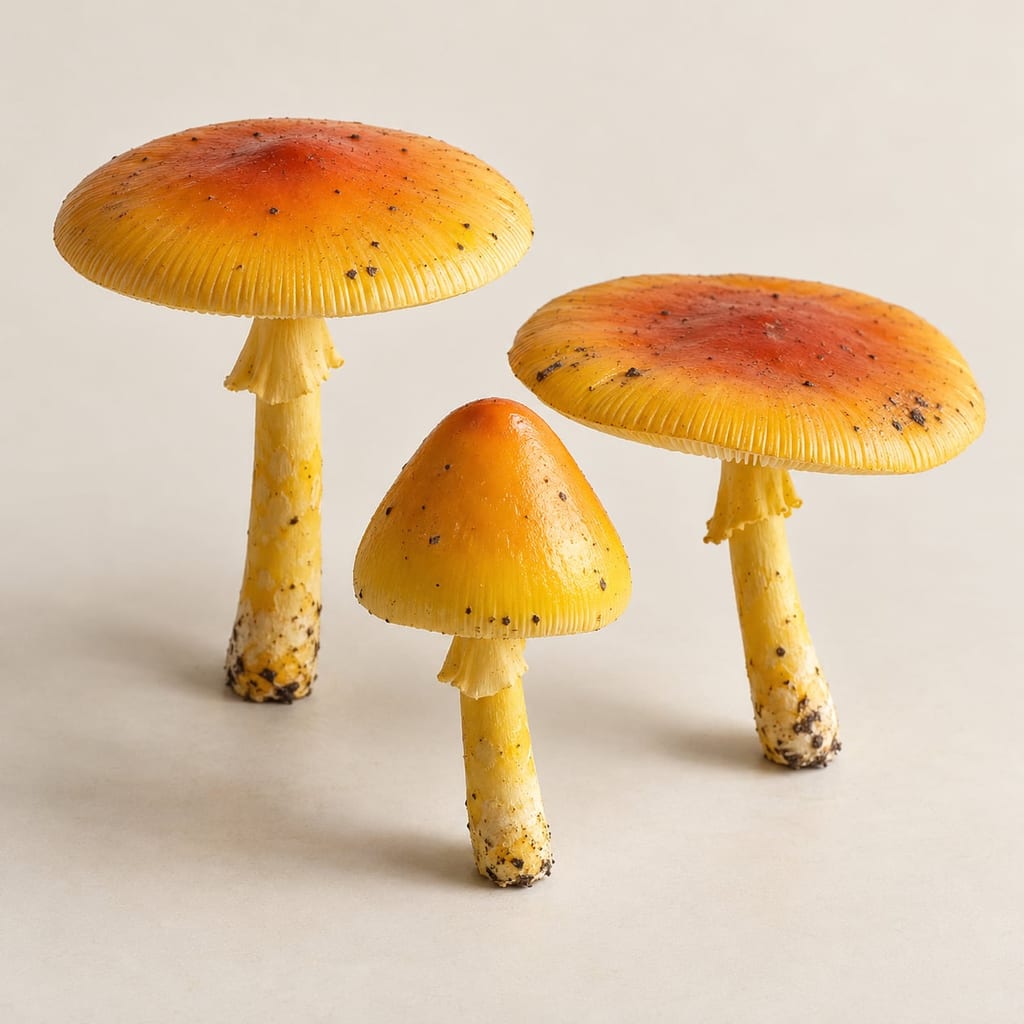
A wild Amanita recorded from China in a 2026 checklist of edible and medicinal fungi. The genus holds deadly species, so this page gives no identification or edibility verdict.
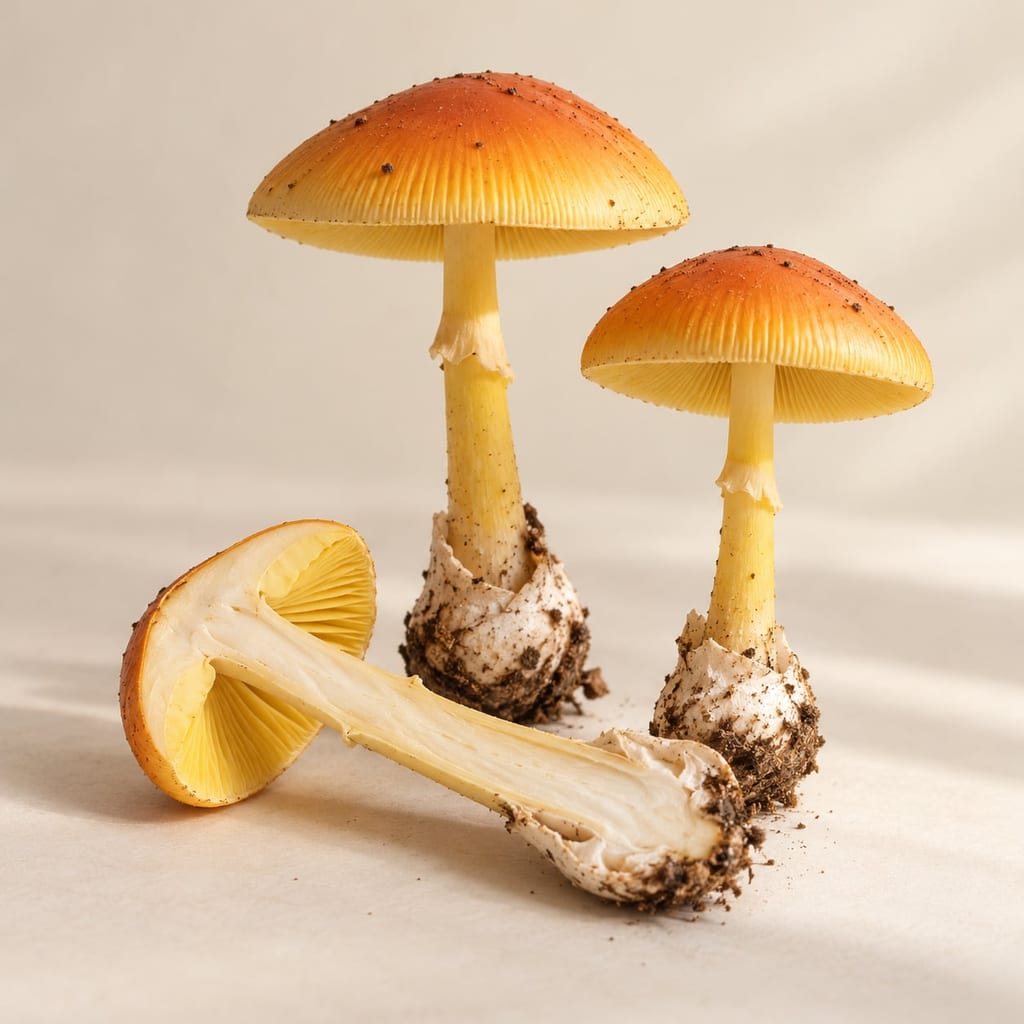
A wild Amanita of China, first reported there and listed as edible in a Yunnan ethnomycology study. The genus contains deadly species, so this page does not support identifying or eating it.
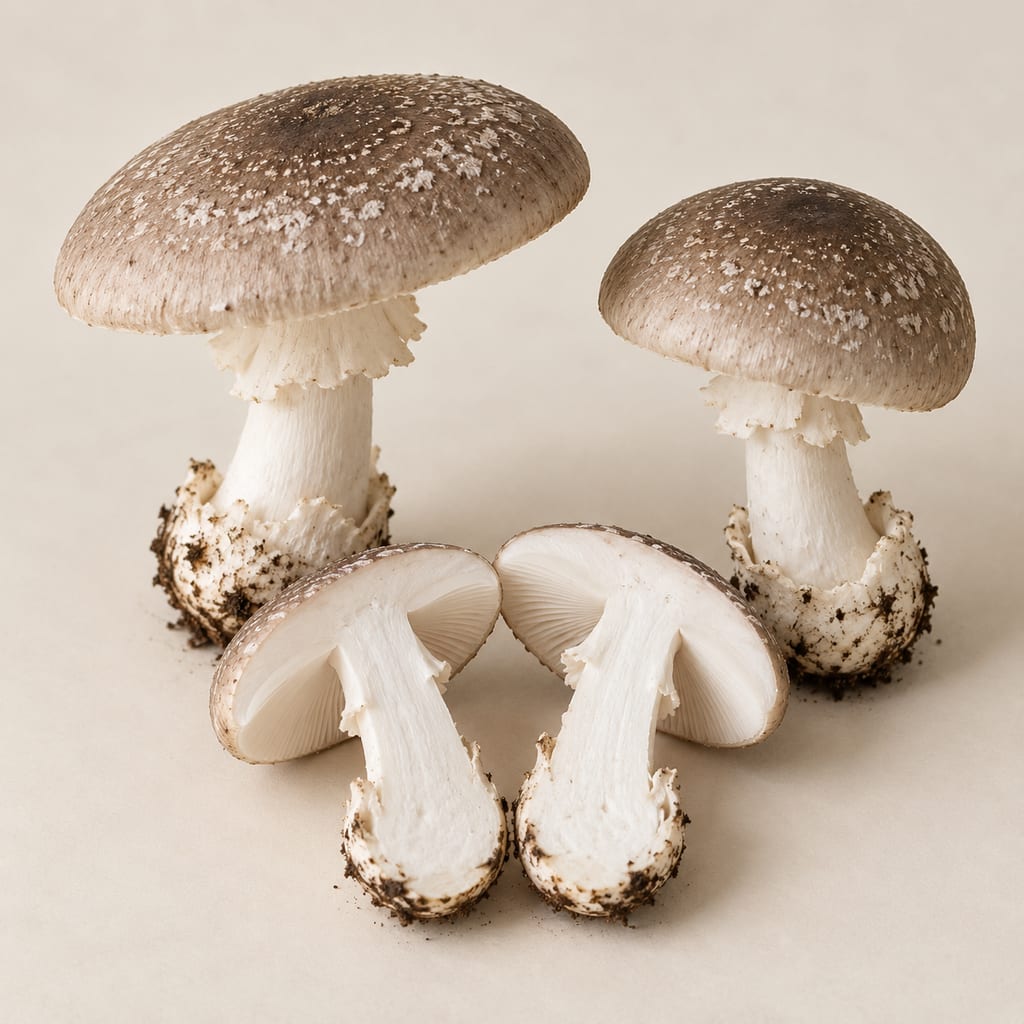
Amanita yuaniana is a Chinese Amanita that a 2023 Yanshan survey and a Yunnan ethnomycology survey list among edible species. No source tests it for safety, and the genus holds the most lethal mushrooms.
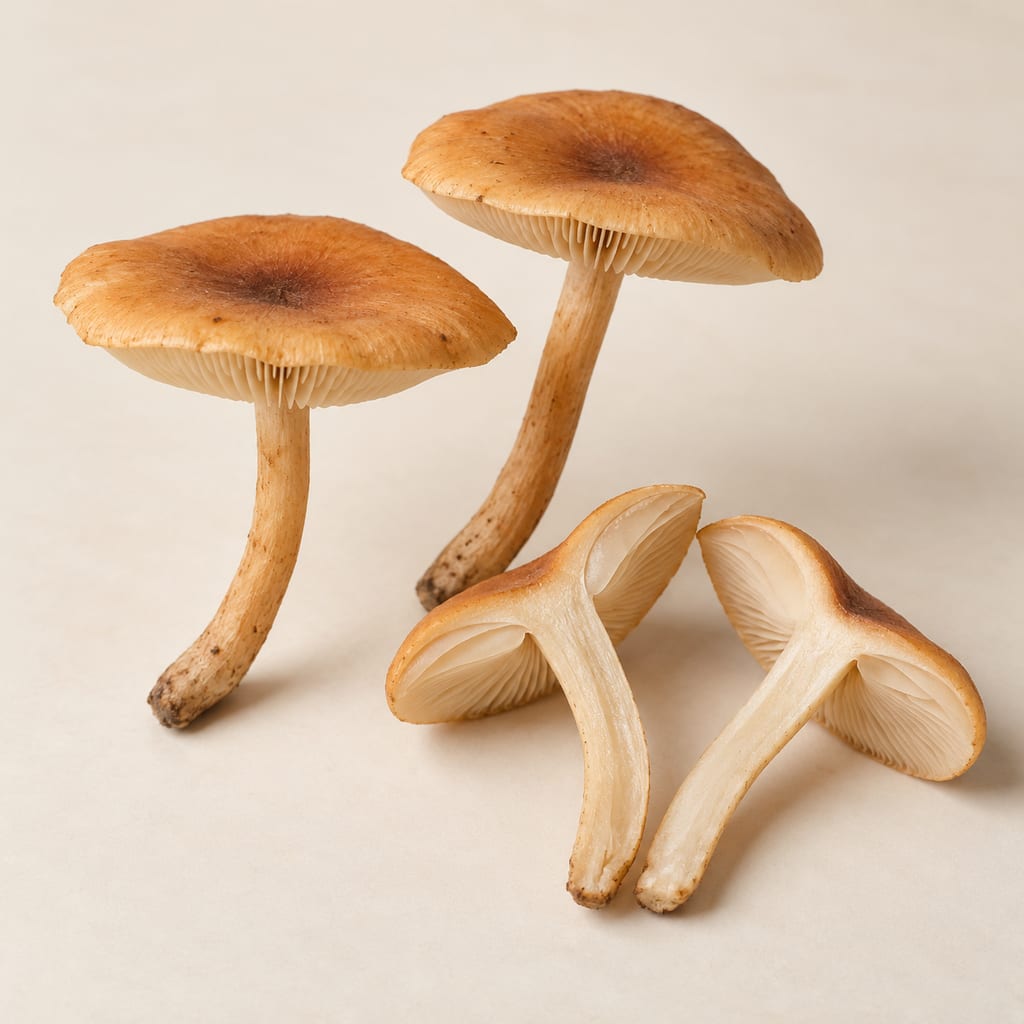
A wood-associated Armillaria recorded in Yunnan and Sichuan, China, and listed as edible in a 2026 Chinese catalogue.
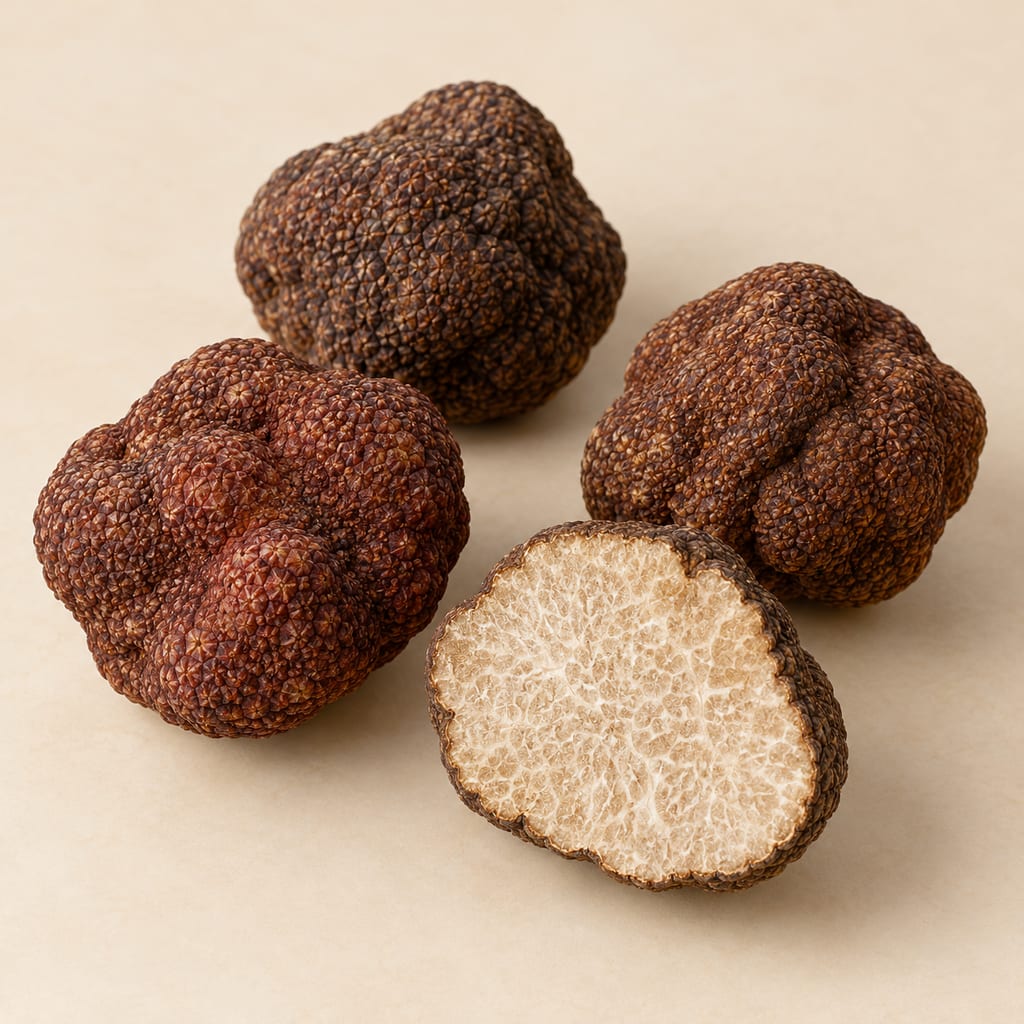
Tuber pseudohimalayense is a wild black truffle from Yunnan, China, listed as edible in a Chinese species catalogue. No independent assessment of its culinary use or safety is available.
No community contributions have been published for this entry yet.
Sign in to contribute. Published comments and photos are free to read.
WikipediaIdentity · Food · Safety · Ecology
Amanita princepsHead man slender Caesar; Corner and Bas (1962); mycorrhizal; fruits June to August; type locality Bukit Timah, Singapore (1930); distribution tropical China, Southeast Asia and the Malay Peninsula; eaten locally and sold in markets; not recommended for consumption; easily confused with the death cap Amanita phalloides; poisonings among Laotian and Hmong immigrants in North America; lookalikes A. pseudoprinceps and A. subjunquillea
Cited in: What it is; Distribution and records; Food use and the markets; Poisoning and look-alikes; Safety
Journal of Fungal Research (CAST)Food · Catalogue
Chinese catalogue of edible and medicinal fungi (2026)Abstract: 1,495 fungal species recorded, 1,013 edible, 744 medicinal and 262 both edible and medicinal; the Amanita princeps entry itself was not visible in the part read
Cited in: Distribution and records; Food use and the markets