

























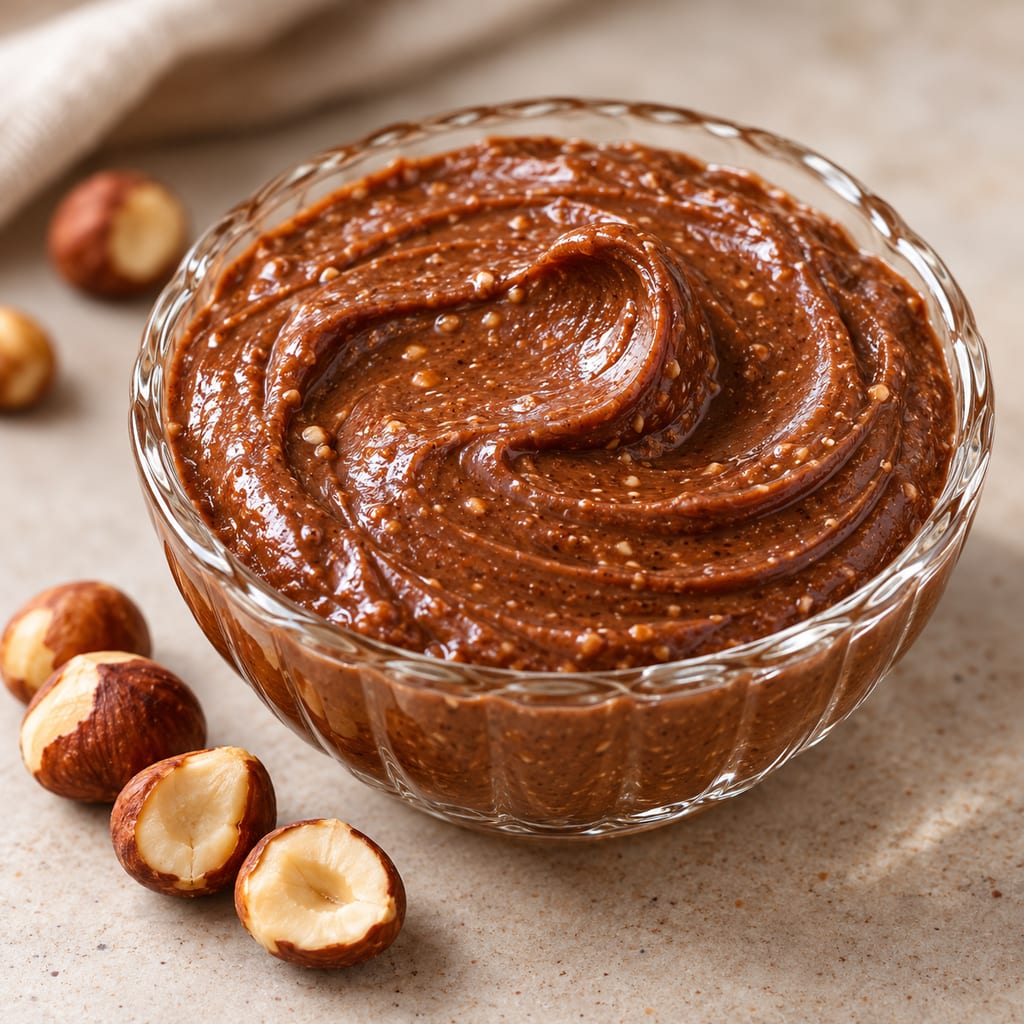
Hazelnut paste and gianduja-style spread
Roasted, skinned hazelnuts refined in a stone melanger into a fluid paste, then sweetened and finished with cocoa as a gianduja-style spread.
 FermenteaWhere food goes to change
1504 records with their sources, across 11 categories.
 Adjacent and excluded4
 Legume, seed and plant-protein ferments2
 Koji, mold starters and mold-ripened ferments1
 Not yet classified1
Roasted, skinned hazelnuts refined in a stone melanger into a fluid paste, then sweetened and finished with cocoa as a gianduja-style spread.
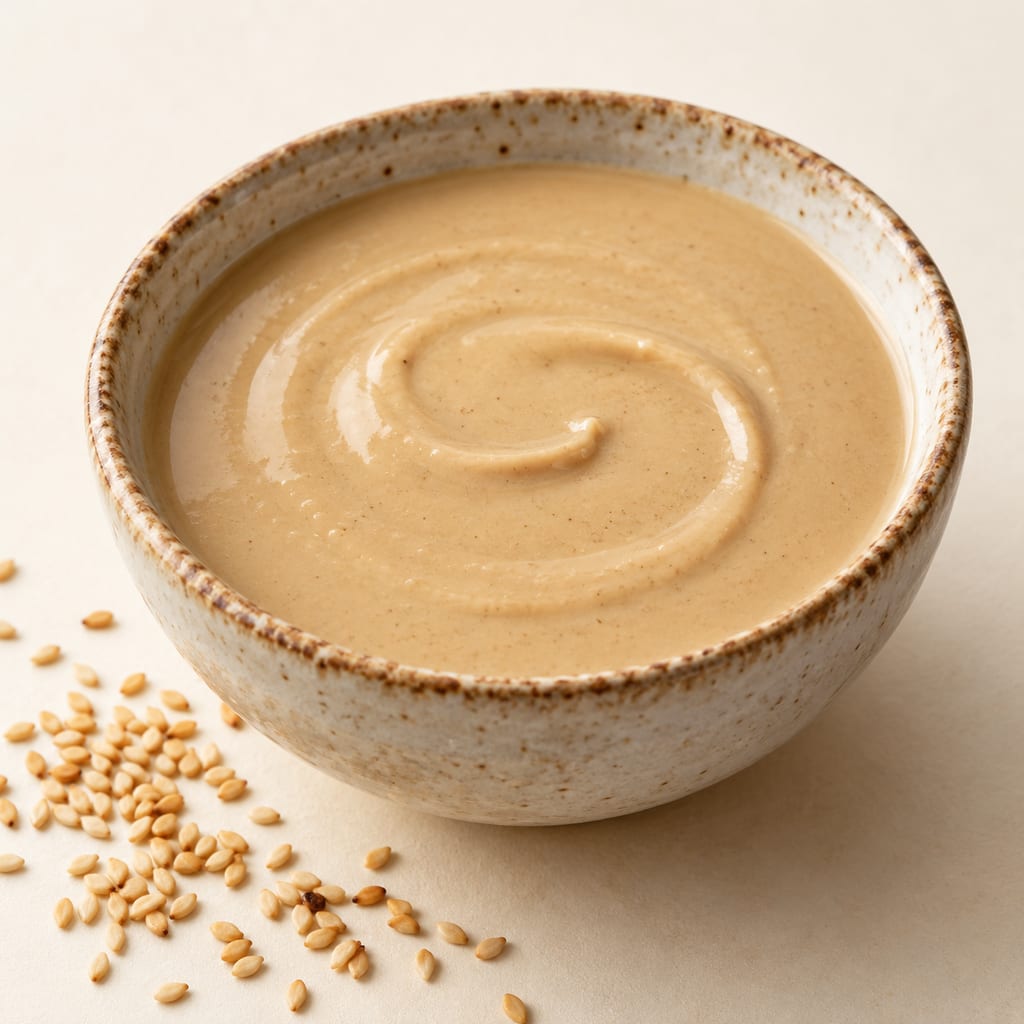
Toasted sesame seeds ground to a pourable paste, made by two manufacturer routes: a high-speed blender in minutes, or a stone chocolate refiner over three hours.
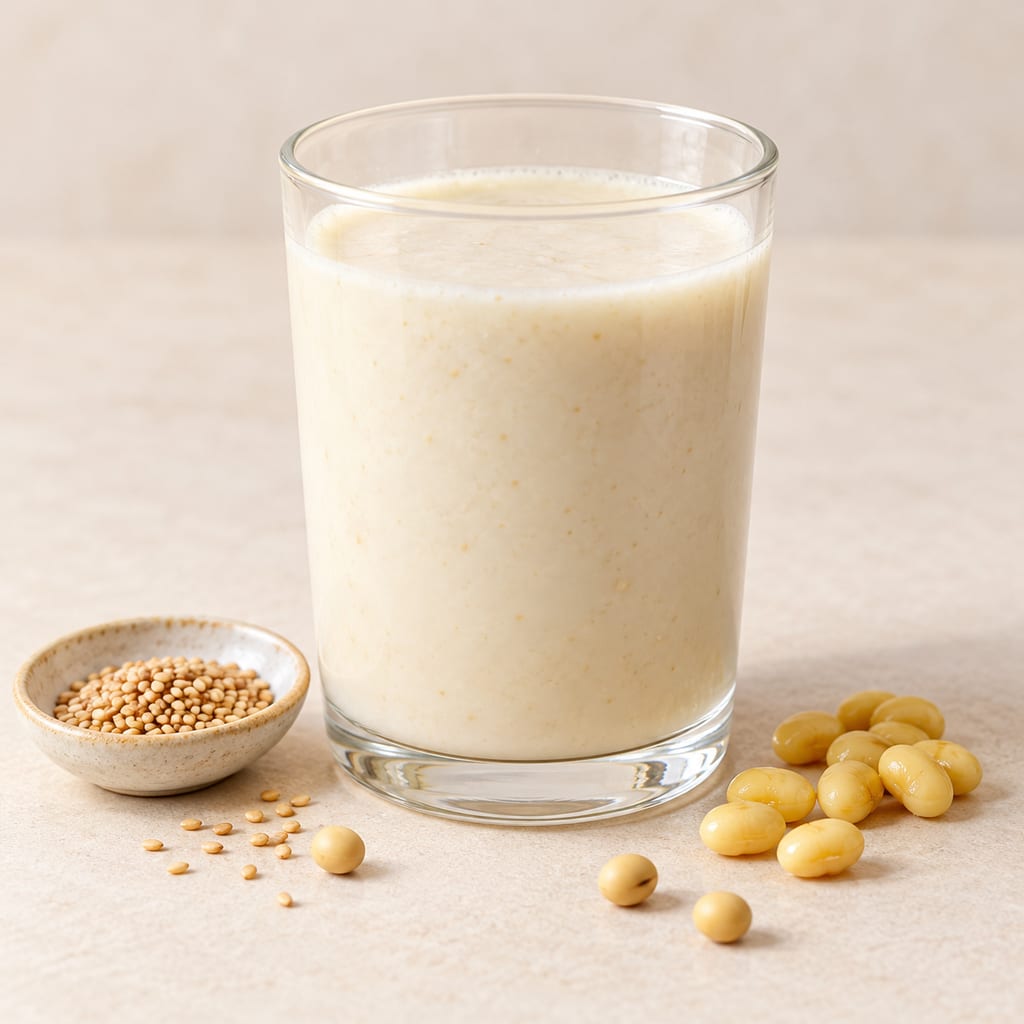
A Korean-style soy drink of cooked whole soybeans blended with cold water, sesame and salt and served at once; tofu-making soy milk is a different, filtered milk.
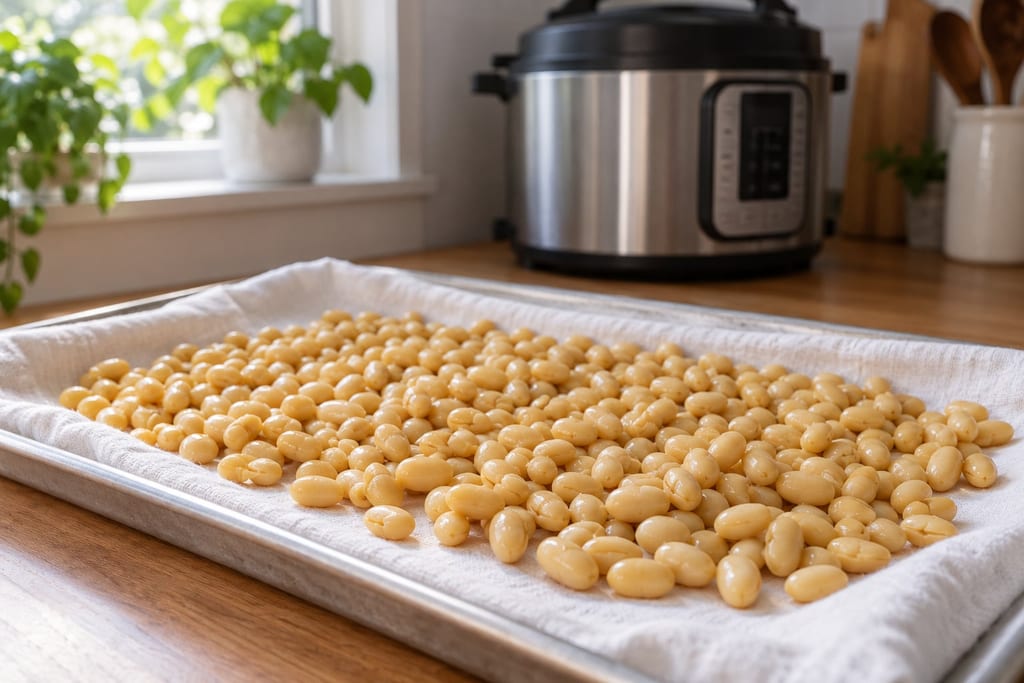
Soaked soybeans softened under pressure in a multicooker instead of simmered for an hour or more, then drained, dried and cooled quickly before inoculation.
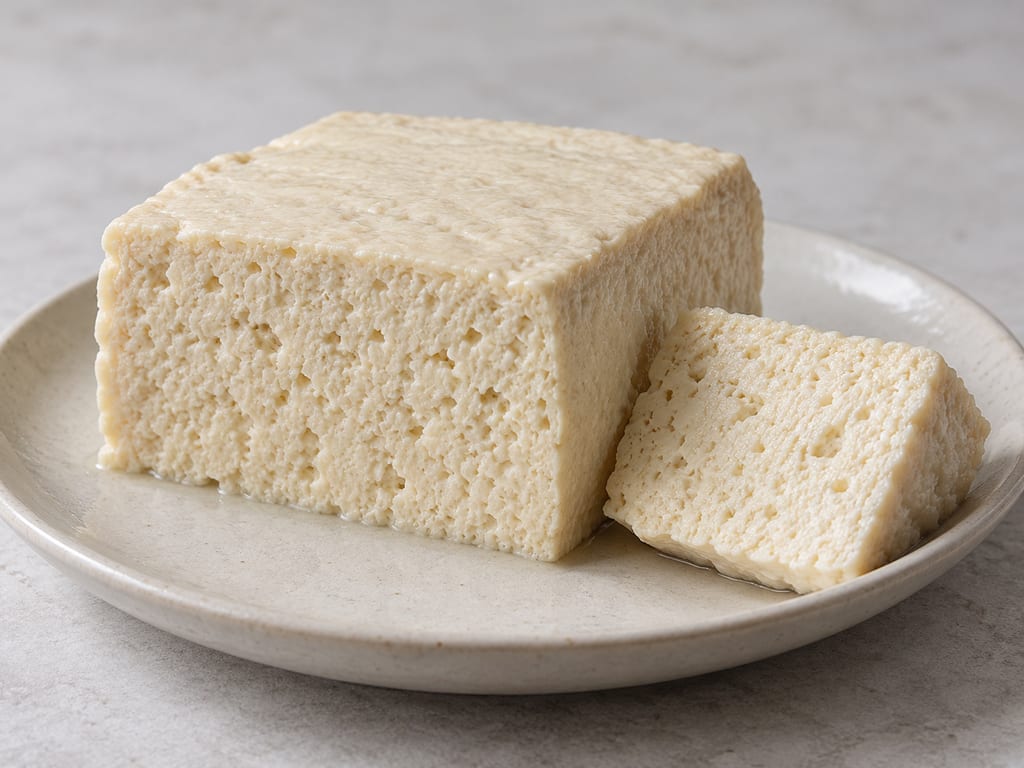
Drained firm tofu frozen in a home freezer so that ice reshapes the curd into a firmer, spongy, porous block for cooking; not the dried kori-dofu.
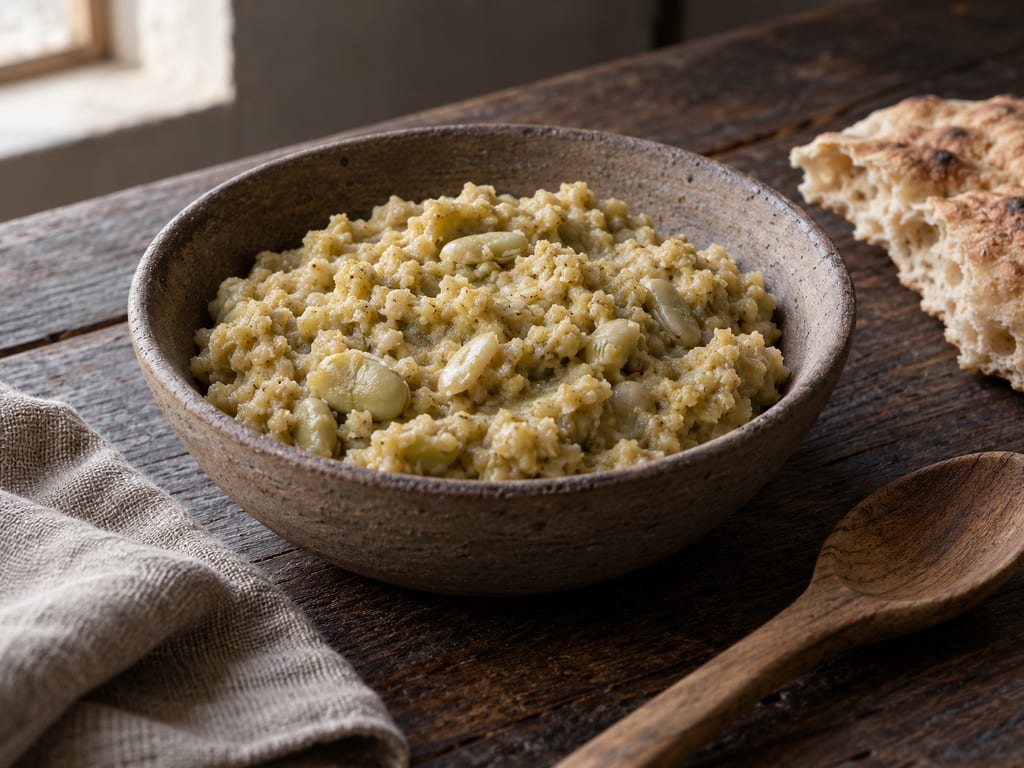
Cooked broad beans crushed to a thick paste with garlic and salt, a museum preparation built on the one European pulse that was already old when the Viking Age began.
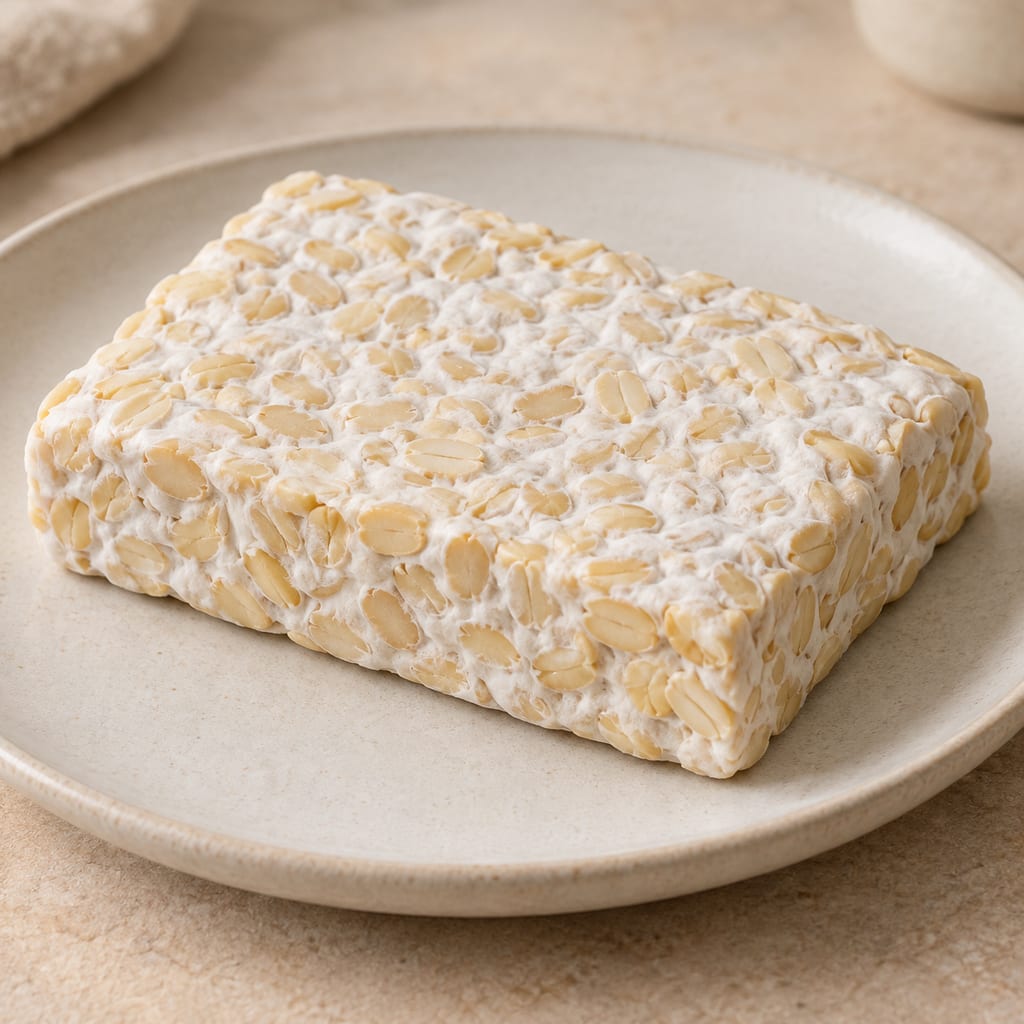
A two-cup soybean batch uses one Cultures for Health tempeh starter packet and vinegar. The supplier describes dehulling, a thin vented layer, controlled early incubation and attention to self-heating; it is not a validated home process.
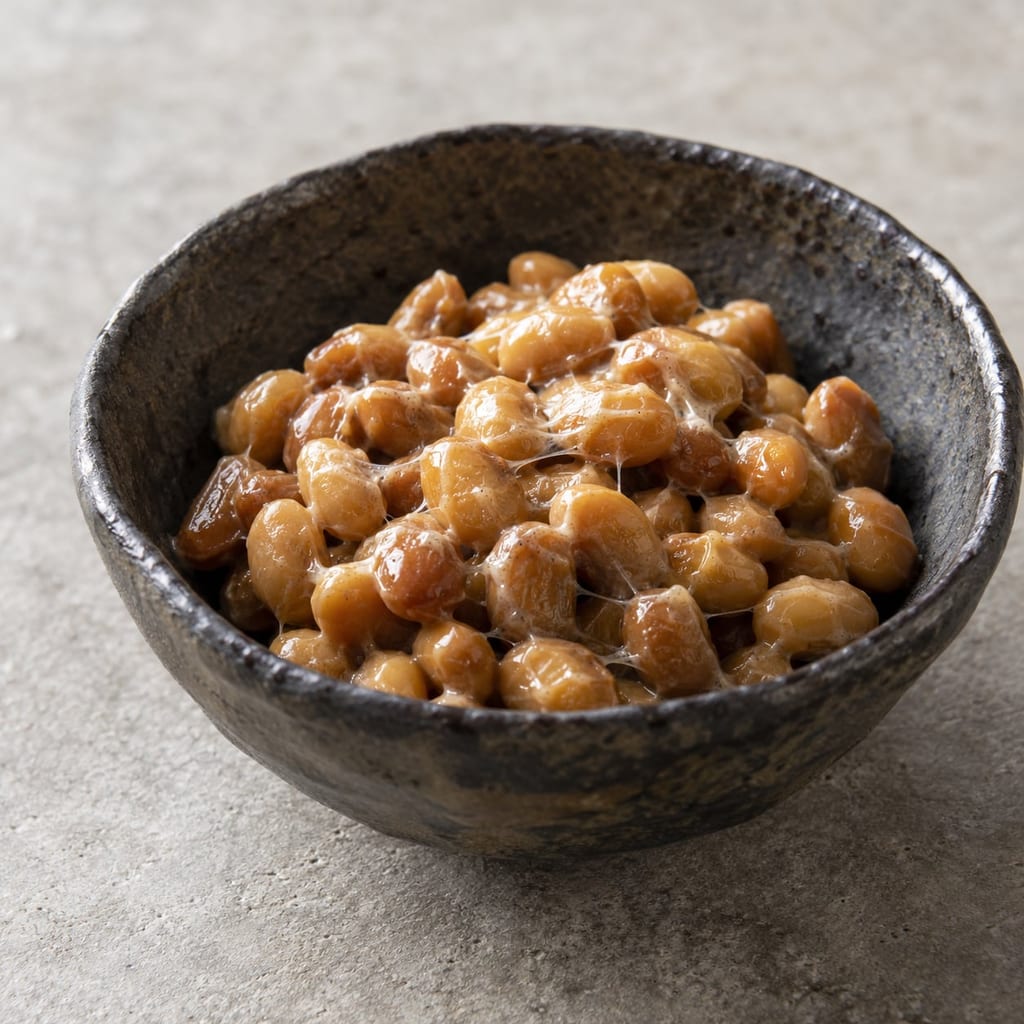
A two-cup soybean batch uses one Cultures for Health Natto Spores packet, a shallow perforated cover, and the supplier’s stated incubation and chilling sequence. The supplier’s instructions are not a validated home process.