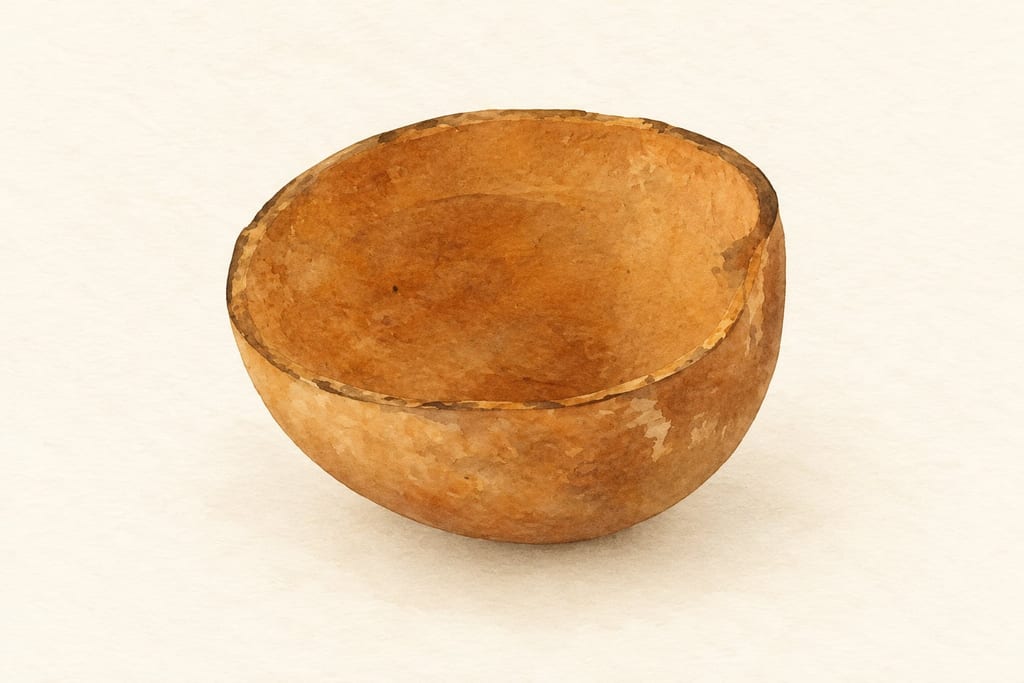
Poyo cup
A plain drinking cup made from a dried gourd cut in half, catalogued by Sierra Leone’s National Museum as a Kono poyo cup associated with Yengema.
 FermenteaWhere food goes to change
Palm-sap wine · Palm sap wine · Toddy
Palm wine is fermented sap from several palm species. West and Central African traditions differ in palm, tapping, vessel and serving stage; this page records shared principles without claiming one universal home-scale process.
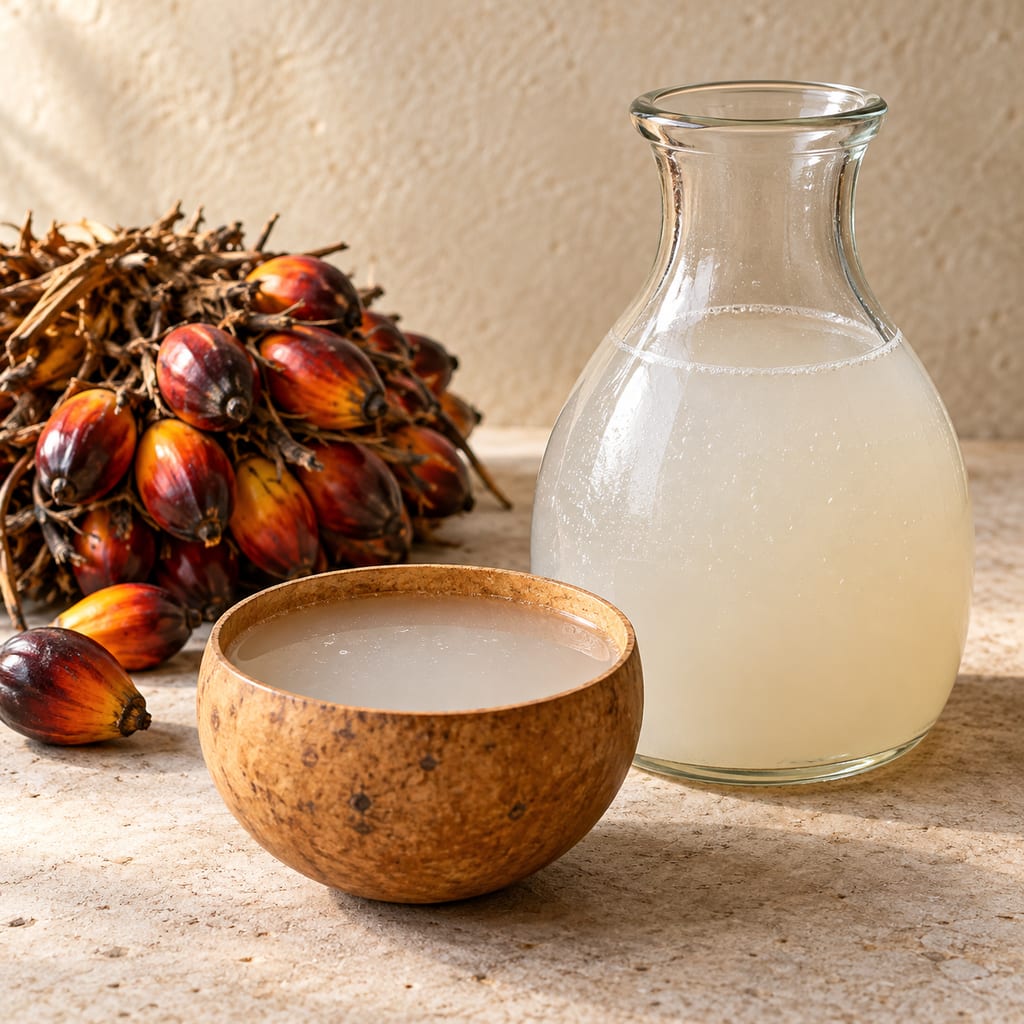
Palm wine is a fermented beverage made from the sugary sap of palm trees. The name covers drinks produced from several palms, rather than one globally fixed recipe. A 2020 study of Côte d’Ivoire compared sap wines from oil palm (Elaeis guineensis), raffia palm (Raphia hookeri) and ron palm (Borassus aethiopum); it found that the types differed in both microbial communities and metabolite profiles. The plant and the production setting therefore matter to the result.
Palm wine is usually a live, changing drink. Fresh sap can be sweet and gently sparkling; as spontaneous fermentation continues, yeasts and bacteria change the sugars and the balance of acids and alcohol. Sources describe variation in appearance, aroma and taste over the short life of an unpasteurized beverage, rather than one reliable colour, strength or finish. This account keeps the food and its process in view without pretending that every palm wine follows the same curve.
This page focuses on palm-sap wine in West and Central African traditions. It describes shared principles and selected documented approaches, not a single formula that can stand in for all communities. Toddy, bandji, emu, nsafufuo and other local names belong to different languages and contexts; using them as interchangeable labels would erase the palm species, technique and people that give each beverage its identity.
The palm contributes a sugar-rich sap, not a pre-made alcoholic drink. The raw material may come from different species, and the sugar composition and local microbial community are not uniform across them. Palm species also differ in where and how local producers collect sap. That is why palm wine is best understood as a family of place-bound beverages, not as a neutral sugar solution to which one universal starter and schedule can be applied.
West African accounts describe two broad collection traditions. One taps the inflorescence of a standing palm and collects the flow in a calabash; another collects sap from a felled palm. Contemporary collection containers can differ from traditional gourds. These are descriptions of skilled agricultural practices. The climbing, cutting and tree-work involved are not a do-it-yourself process and should not be improvised from a recipe page.
Collection is already part of the fermentation story. The vessel can receive sap while yeasts and bacteria from the tree, its surroundings, tools and container reach it. In some traditions the collector also functions as the first fermenter, while in others the drink is transferred to another vessel. A calabash is culturally important in some settings, but it is not a universal microbial starter; the comparative Côte d’Ivoire study cautions against treating the vessel alone as the explanation for different wines.
The distinction between a tapping tradition and a wine style is useful. Tapping describes how sap is obtained; it does not by itself name the finished drink or establish its strength. One documented approach collects sap from an inflorescence on a standing palm, while another collects it after a palm has been felled. Researchers describe both in West African production, and note that they bring different ecological and microbial conditions. A recipe that combines their actions into one sequence would misrepresent both.
Collection vessels also have more than one function. A calabash or contemporary container can collect sap and then travel with it; a second vessel may be used for fermentation or service. The research does not show that a container alone determines the drink’s microbes. Palm species, where the sap is collected, the tapping method and the collection interval all contribute to variation. These are linked parts of an agricultural practice, not interchangeable equipment choices for a standardized home kit.
Palm sap begins as a sugary plant liquid. In spontaneous fermentation, microorganisms already present in the production environment act on that substrate. Yeasts, including Saccharomyces cerevisiae in the Ivorian samples, ferment sugars and contribute alcohol and carbon dioxide. Lactic-acid bacteria contribute organic acids and a gradual souring character; acetic-acid bacteria are also present and can influence the beverage as it continues to change. This is a mixed microbial process, not a single-strain fermentation whose progress can be inferred from one visible sign.
The measured communities in the 2020 study demonstrate why a recipe for one palm wine should not be transplanted to another. Its samples from three Ivorian palm species differed significantly, and raffia wine had a particularly distinct community structure from oil-palm and ron-palm wines. The authors also discuss differences in tapping, palm species and production area. Those findings are specific to the sampled producers and region; they do not give a universal set of percentages or a microbial recipe for all palm wine.
The biological changes overlap in time. The beverage can retain sugars while fermentation is underway; microbial activity also produces alcohol, carbon dioxide and organic compounds that shape aroma and sourness. Different local products may be enjoyed at different points in that changing process. A bubble, sour taste, film or clear appearance cannot be treated as a measured endpoint, and the sources provide no shared acidity or alcohol target for this family.
A practical implication is that spontaneous fermentation should not be mistaken for uncontrolled sameness. Local flora and established producer practice supply a microbial community, but the result varies with the sap and production environment. The research comparison was useful precisely because it sampled actual producers and found species-specific differences. It does not provide a starter culture, a laboratory target for a home batch or evidence that deliberately adding one isolated organism would recreate any of the local beverages.
Palm wine has a long recorded history in West Africa. Roger Noll’s account in the Journal of Wine Economics describes production over centuries and follows its place in society, its sensory changes, and attempts to regulate the trade. That history is not a claim that one palm, one name or one harvesting method originated everywhere; it shows that sap wine has long been tied to local agriculture and exchange.
A more precise episode comes from the Kingdom of Abomey. Historical research dates restrictions on palm-wine consumption there to 1843 and connects them with preserving productive palms as demand for palm oil and kernels grew. This is a documented regional policy in a particular political and economic setting. It should not be used to tell a simplified story that all palm wine was banned or that the policy applied across Africa.
The drink’s short, changing life shaped its commerce. The Food and Agriculture Organization describes variable sap yields and localized West African markets because unpasteurized palm wine does not keep for long. Noll likewise discusses it as a quickly changing beverage. This helps explain why collection, sale and drinking are often close together in place and time, and why the people who tap, carry and sell it are part of the drink’s history.
The word palm wine travels across many palm-growing countries, but names do not map neatly onto one global drink. A review catalogues names associated with different places and palms, including bandji in parts of West Africa and toddy in South Asia. Nigerian and Ghanaian terms also vary among communities. A name may identify a language, a local preparation, a particular palm, or a form of serving; it should not be expanded into a synonym list without evidence from that community.
The differences are material as well as linguistic. A standing-tree inflorescence collection and a felled-tree collection do not have the same ecological footprint or the same point of entry for sap. Oil palm, raffia and ron palm yield wines with distinct microbial and chemical profiles in the Ivorian study. A locally used gourd, clay pot or newer container also belongs to a production system, but no evidence here establishes that one material always creates a particular flavour.
Outside West and Central Africa, related palm-sap drinks are produced from other palms and under other names. They make useful comparisons for the reader, but they are not automatically variants of the West African methods described here. A separate preparation record is warranted when sources establish a distinct palm, region, process or finished product. This recipe keeps the broader family together only at the level the evidence supports: palm sap undergoes spontaneous fermentation.
These distinctions matter when comparing a fresh Nigerian emu, a Ghanaian palm wine or an Ivorian wine from a named palm. A shared English label can make the drinks sound like one standardized item, while local names and practices preserve information that the umbrella term leaves out. In a recipe catalogue, the broad page can explain the family, but a specific local preparation deserves its own account when evidence identifies its palm, process, name and serving tradition.
Palm wine is consumed as a drink and traded fresh in local markets. It is also part of social and ceremonial life in some West African communities. Djeni and colleagues describe its association with naming and marriage ceremonies and with traditional incantations; those examples show cultural uses in context, not a single practice shared by every group. Noll’s account also treats the beverage as a social and economic product rather than only a fermentation vessel’s contents.
The ordinary serving vessel can be a calabash, but vessels used for collection, transfer, sale and drinking may differ. Serving traditions vary, and this page does not prescribe a universal cup or occasion. The drink’s fermentation continues to move its flavour, so a locally familiar point of service is a cultural and practical choice grounded in the producer’s knowledge.
Palm wine can also become the starting material for a distilled spirit such as sodabi in Dahomey/Benin. Distillation is a separate processing stage that produces a different drink and belongs to its own recipe. This page ends with palm wine as fermented sap; it does not turn a distilled spirit into one more step of the wine method.
Palm wine also sits in a wider chain of work: people who manage or select palms, tap the sap, make or maintain collection vessels, carry the drink and sell it locally. The sources on West African markets describe these activities as livelihoods shaped by local demand and highly variable yields. Cultural use and trade are connected to the beverage’s short-lived character: unlike a stable bottled wine, freshly fermenting sap must be handled within a local system that producers know.
This preparation has no universal household measurement in the sources. They do not supply a common sap volume, starter dose, fermentation temperature, acidity target or final alcohol content. Those absences reflect the breadth of a traditional family whose process may start during collection and whose microbes and flavours depend on species and production area. Guessing a number to make the recipe look precise would be misleading.
Freshness, bubbles and taste describe a drink but do not measure its composition or establish safety. The FAO account notes that the beverage is highly perishable and that this limits how far it is marketed; that historical observation is not a tested shelf life for a modern batch. This page therefore describes local production rather than promising that an unmeasured home batch will keep for a certain period or be suitable for preservation.
Palm wine should be understood as an evolving beverage made through local skill, ecology and microbial activity. If a reader is encountering it outside the production community, the most faithful approach is to learn from a knowledgeable local producer about the specific palm, name, collection tradition and customary serving stage. The sources support that specificity; they do not support turning the whole family into a single controlled process.
Palm-sap wines have a long documented history in West Africa, but the sources used here do not establish a single origin or first date. Roger Noll's history describes their production over centuries; a separate study documents 1843 restrictions on palm-wine consumption in Abomey, introduced to conserve productive palms amid expanding demand for palm oil and kernels. These are regional historical records, not a universal origin story.
Scaling: source batch only
The documented beverage ferments spontaneously in an open production environment; the sources do not define a measured endpoint or validated home process.
Hazard sourcePublished methods can involve climbing, cutting an inflorescence, or tapping a felled tree; this account does not provide instructions for those tasks.
Hazard sourceThis is a sourced description of regional production, not a validated home-fermentation or shelf-stable preservation protocol.
The sources describe palm wine as highly perishable and locally marketed; their reported day-or-two window is historical context, not a guaranteed safe shelf life.
Do not infer an alcohol level, safety, or readiness from taste, appearance, bubbles, a named palm species, or elapsed time.
Regional production and trade are documented; this row does not claim one method across the region.
A comparative study sampled three palm-wine types in Côte d’Ivoire; this does not define all national practice.
A plain drinking cup made from a dried gourd cut in half, catalogued by Sierra Leone’s National Museum as a Kono poyo cup associated with Yengema.
From sour breads and milk to savoury seeds, cassava staples and living beers, African fermentation follows the crop, the community and the work of transformation.
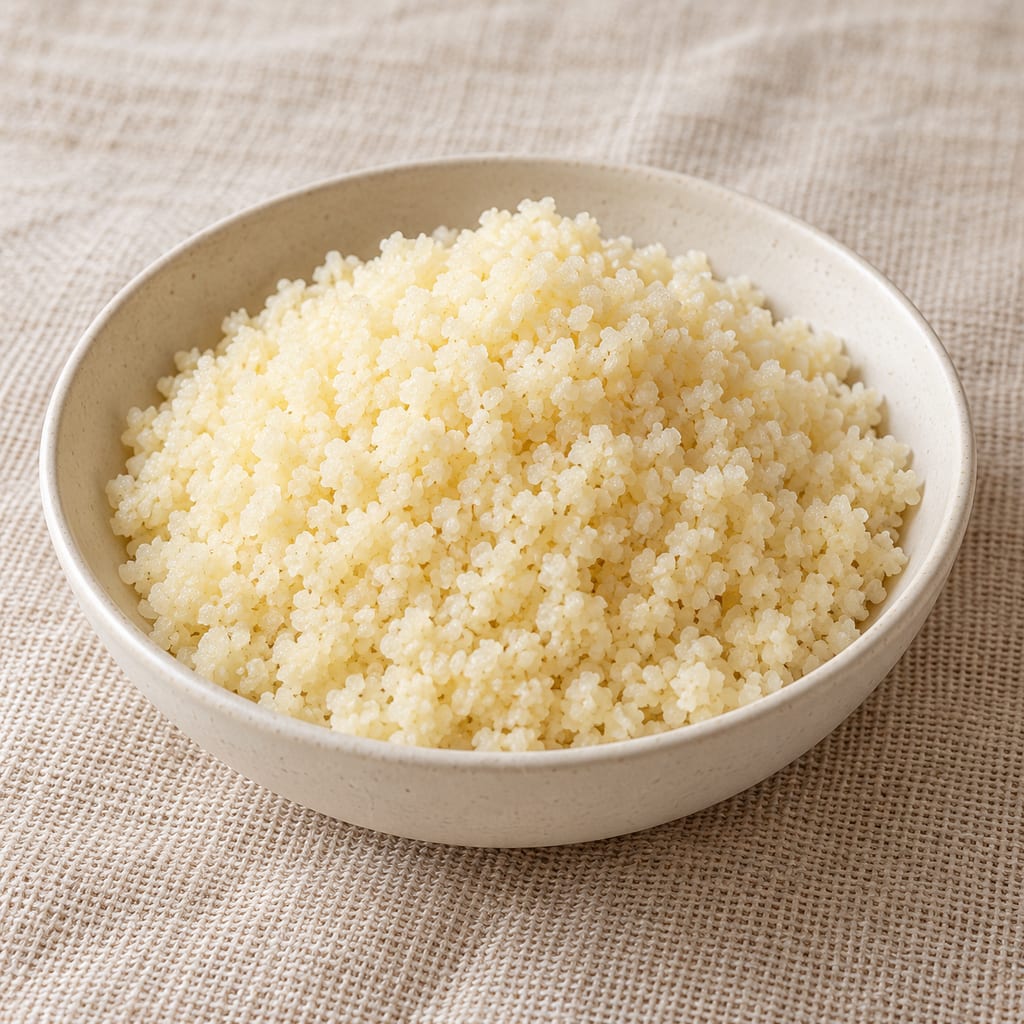
Ivorian cassava semolina: grated cassava is fermented overnight with a traditional inoculum, pressed, sieved into granules, dried and steamed. Documented in a 2006 field study; no sole original process is established.
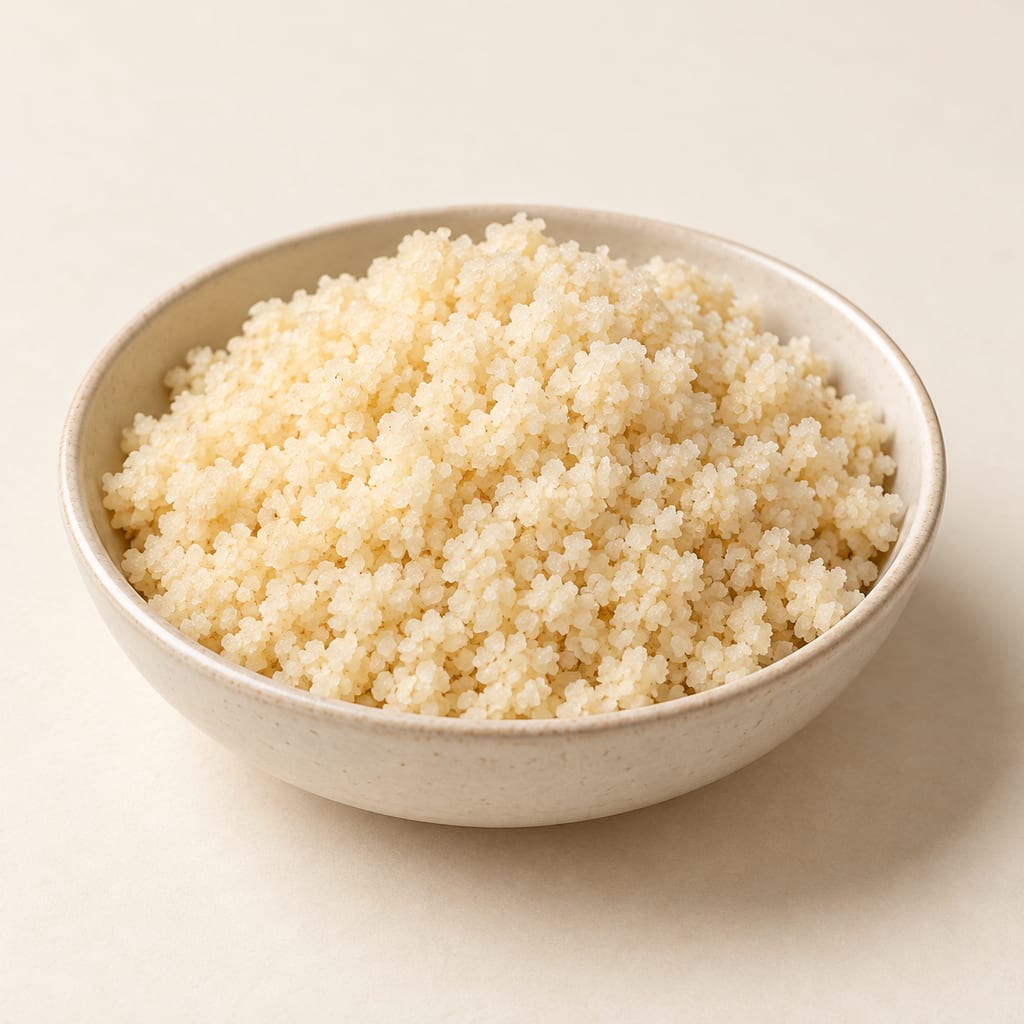
Attiéké is an Ivorian staple of grated cassava fermented with a traditional inoculum, then pressed, sieved, granulated, dried and steamed into fine couscous-like grains.

Kalou is Seychellois coconut-palm toddy: sap from an unopened flower stalk is collected and ferments naturally into an alcoholic drink. Sources document the identity and tapping tradition but no validated batch or alcohol endpoint.
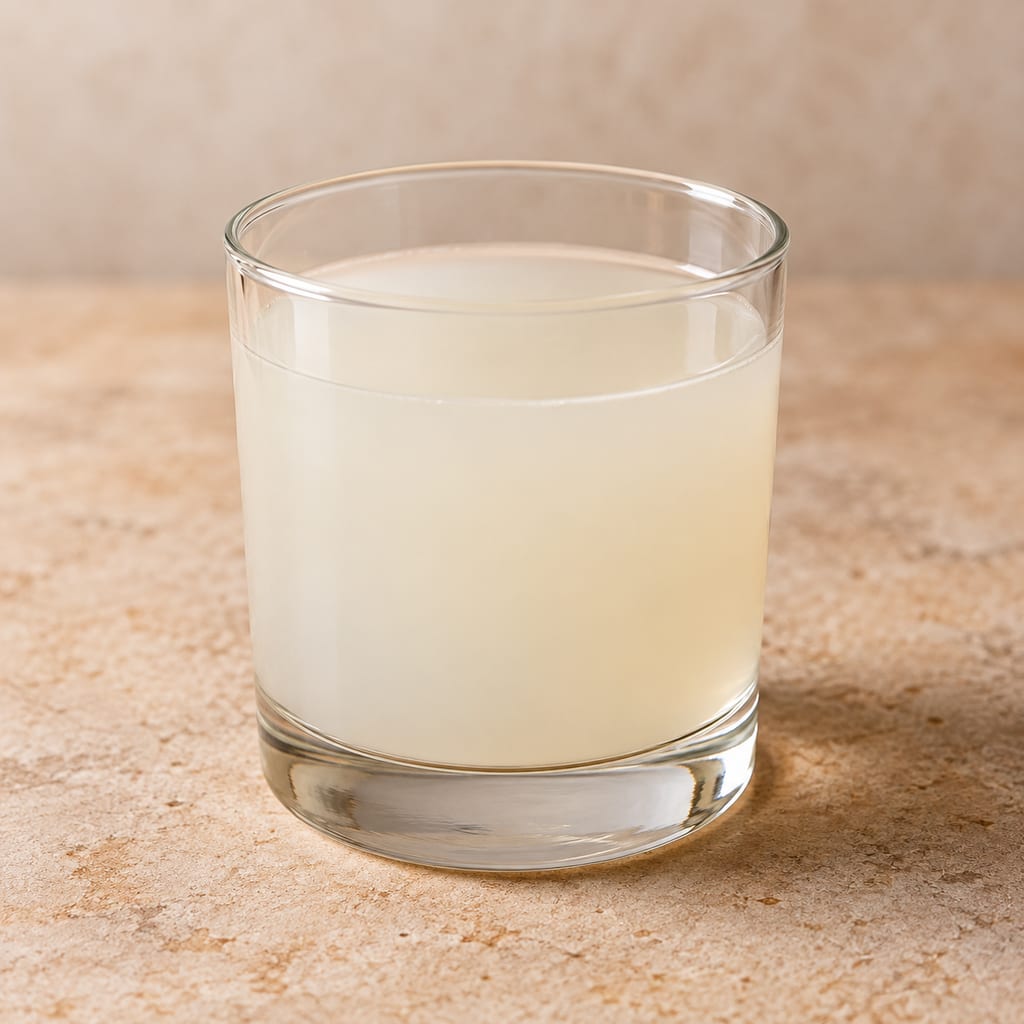
Utchema is a traditional palm wine made from Hyphaene petersiana sap in Mozambique’s Banhine National Park area. Available fieldwork identifies the drink and tapping economy but does not provide a complete controlled fermentation method.
No community contributions have been published for this entry yet.
Sign in to contribute. Published comments and photos are free to read.
Food and Agriculture Organization of the United NationsMethod · Geography · Uses
Forest Resources as a Source of Cash Income: 4.3 Production and Marketing of Palm WineDescribes two West African tapping approaches: inflorescence collection into calabashes and sap collection from felled palms.
Reports highly variable yields, localized markets and rapid perishability; the day-or-two account is not a validated shelf-life guarantee.
Cited in: Sap, palms and ways of collecting it; A historical drink with local economies; Reading the changing drink
Scientific ReportsScience · Method · Geography
Microbial Diversity and Metabolite Profiles of Palm Wine Produced From Three Different Palm Tree Species in Côte d’IvoireCompares naturally fermented saps from Elaeis guineensis, Raphia hookeri and Borassus aethiopum in Côte d’Ivoire.
Reports distinct microbial communities and metabolite profiles among the three palm wines; attributes variation to species, tapping process and production area, not to the vessel alone.
Describes indigenous and environmental microbial contributions and the role of local conditions in spontaneous fermentation.
Cited in: A family of fresh palm-sap wines; Sap, palms and ways of collecting it; What the microbes do; Names and regional differences; Serving, ceremony and the next product; Reading the changing drink
Frontiers in Food Science and TechnologyScience · Regional variation
Fermented Traditional Wine From Palm Trees: Microbial, Nutritional Attributes and Health ImpactsReviews palm sap wines as a broad family made from different palm species and regional practices.
Describes spontaneous fermentation involving yeasts, lactic-acid bacteria and acetic-acid bacteria, with qualities that change during fermentation.
Distinguishes live-tree inflorescence tapping and trunk tapping as documented regional methods; they are not one universal recipe.
Cited in: A family of fresh palm-sap wines; What the microbes do; Names and regional differences
Journal of Wine Economics, Cambridge University PressHistory · Uses · Sensory
The Wines of West Africa: History, Technology and Tasting NotesStates that West Africans have made palm-sap wines for centuries and describes their social role, production, colonial-era regulation, sensory changes and perishability.
Distinguishes palm wine from the stronger liquor distilled from it.
Cited in: A historical drink with local economies; Serving, ceremony and the next product; Reading the changing drink
The Journal of African History, Cambridge University PressHistory · Regional variation
“Sodabi Calamity Number One”: The Production of Palm Alcohol in Dahomey and its Repression, 1840–1975Documents restrictions on palm-wine consumption in Abomey from 1843 and links them to preservation of productive palms amid demand for palm oil and kernels.
Treats distilled palm alcohol sodabi as a later, separate product, not the palm-wine fermentation itself.
Cited in: A historical drink with local economies; Serving, ceremony and the next product