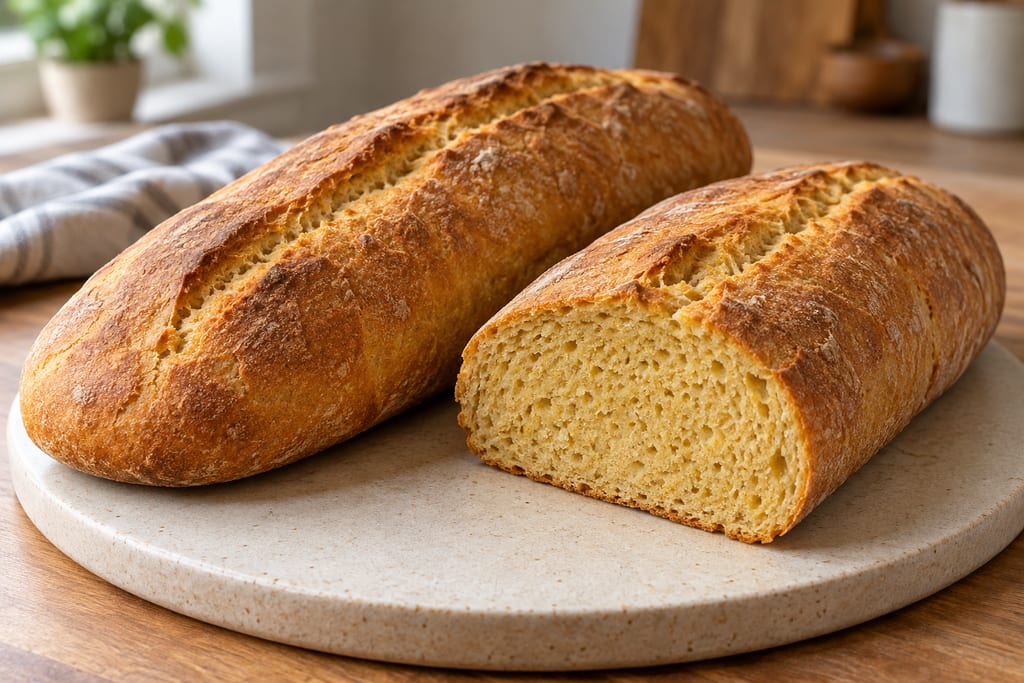
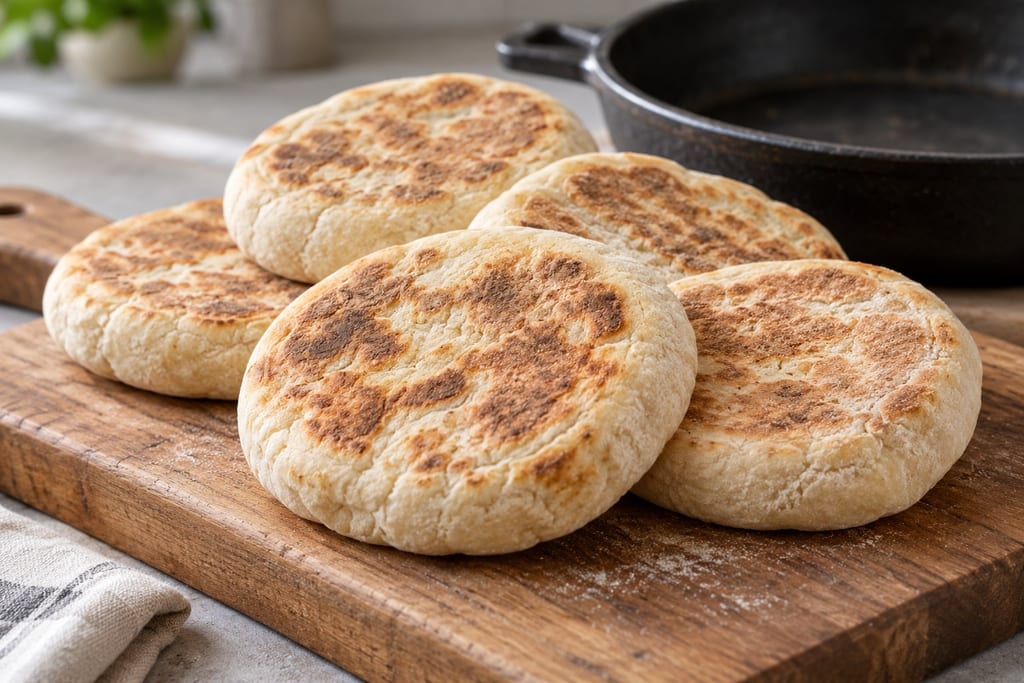
An elongated West African bread with a mixed-flour home-oven formula documented as one version; flour blends and traditional bakery methods vary by place.
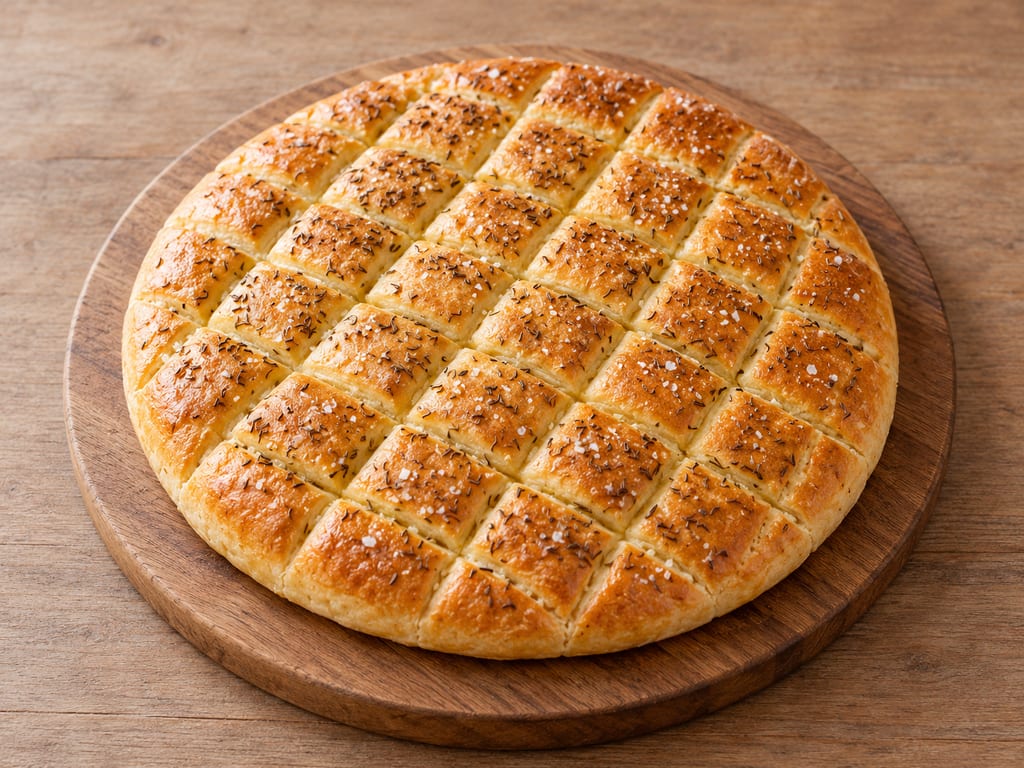
Sources describe tapalapa as an everyday bread in Gambian and Senegalese settings. They give distinct bakery traditions and flour formulas; the inspected evidence does not date its first attestation or establish one exclusive point of origin.
Ingredients
Yield 3 loaves · Scaling: source batch only
All-purpose flour
296 mL1¼ cup as recorded
Millet flour
158 mL0.67 cup as recorded
Yellow corn flour
355 mL1½ cup as recorded
Cowpea flour
79 mL0.33 cup as recorded
Warm water
355 mL1½ cup as recorded
Active dry yeast
15 mL3 tsp as recorded
Salt
4.9 mL1 tsp as recorded
Cornmeal (optional)
for dusting, optional
Method
Risks and precautions · Standard risk
Raw flour and dough
Uncooked flour may carry germs; the dough must be baked and should not be tasted raw.
Hazard source
Do not taste uncooked dough; wash hands and clean surfaces and utensils after handling raw flour dough.
Control source
Do not taste the raw dough. Clean hands, utensils and work surfaces after mixing; bake the loaves before eating.
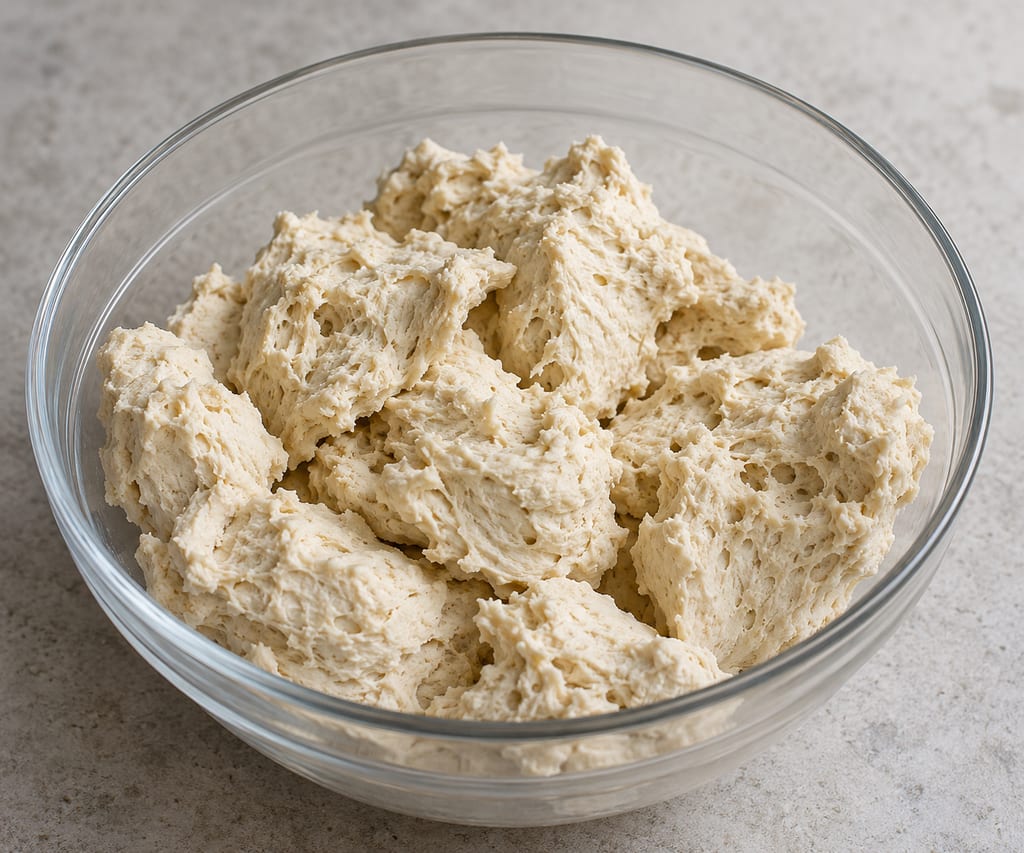
Combine the all-purpose, millet, yellow corn and cowpea flours with the salt and active dry yeast. Add the warm water and mix into a dough.
Knead for several minutes until the dough is smooth and elastic. Place it in a lightly greased bowl, cover and let rise until doubled, about 1 hour.
Divide the dough into three pieces and shape each into an elongated loaf. Set them on a lightly dusted tray, cover and let rise for 30 minutes.
Heat the oven to 220°C (450°F). Score each loaf and bake for about 15 minutes, following this home recipe's stated setting and time, until golden and baked through.
Conditions
Yield3 loaves
Fermentation1.5 h
Temperature220°C
Places
Gambia
Traditional preparation · Country evidence
Gambian foodways association; not an exclusive-origin claim.
Nététou is a Senegalese condiment of fermented African locust bean cotyledons. Casamance accounts describe staged cooking, dehulling and 48–72 hours of fermentation; these are not validated household safety limits.
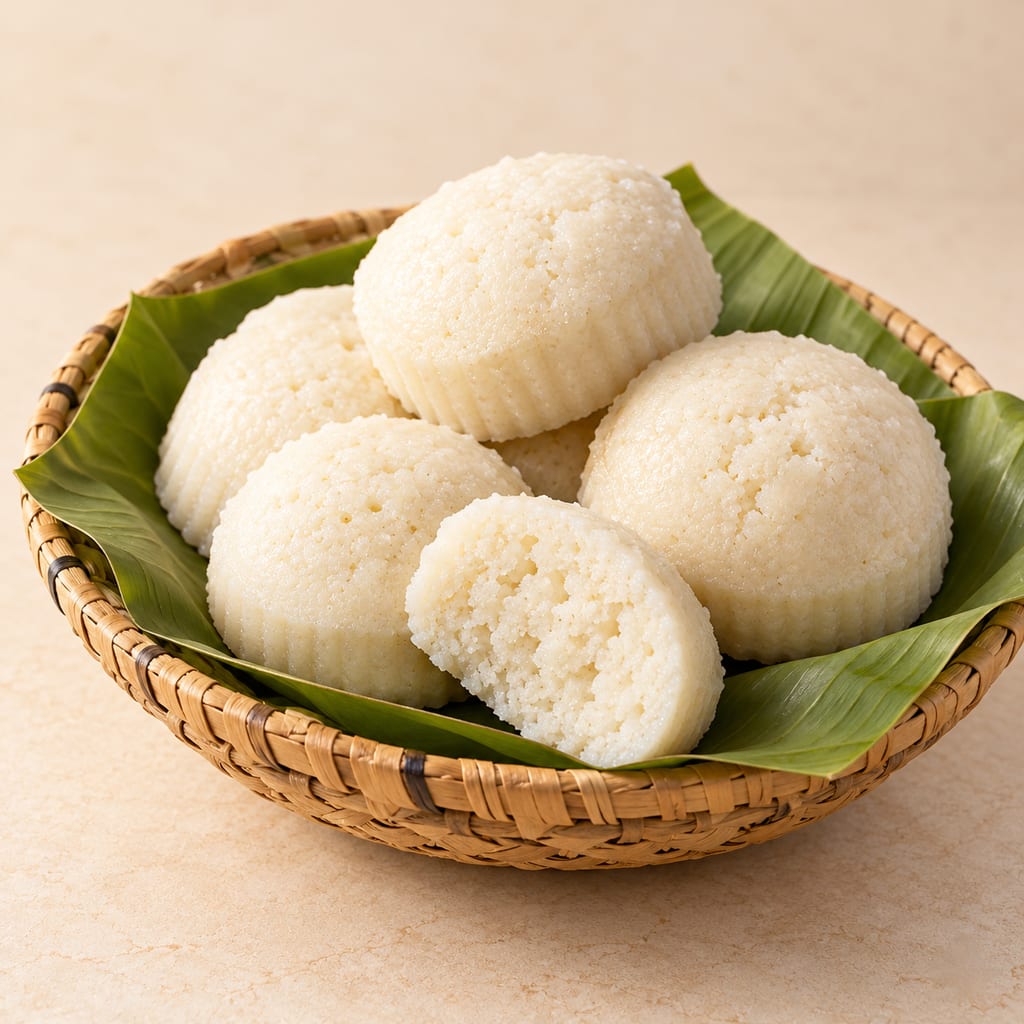
Soft, lightly tangy steamed cereal bread documented across Benin and Togo. This page gives one measured rice-flour research method; maize-based Ablo and mixed-grain versions remain distinct traditions.
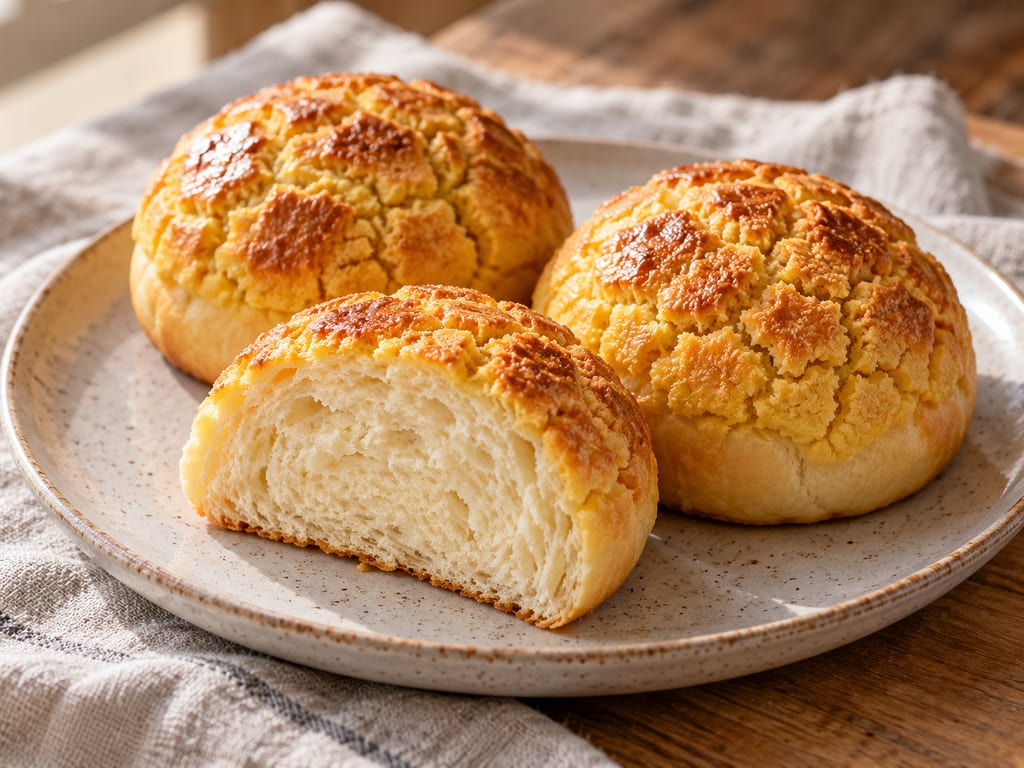
Anpan is a soft wheat bun filled with sweet red-bean paste and finished with egg wash and black sesame. This dough rises with commercial instant yeast.
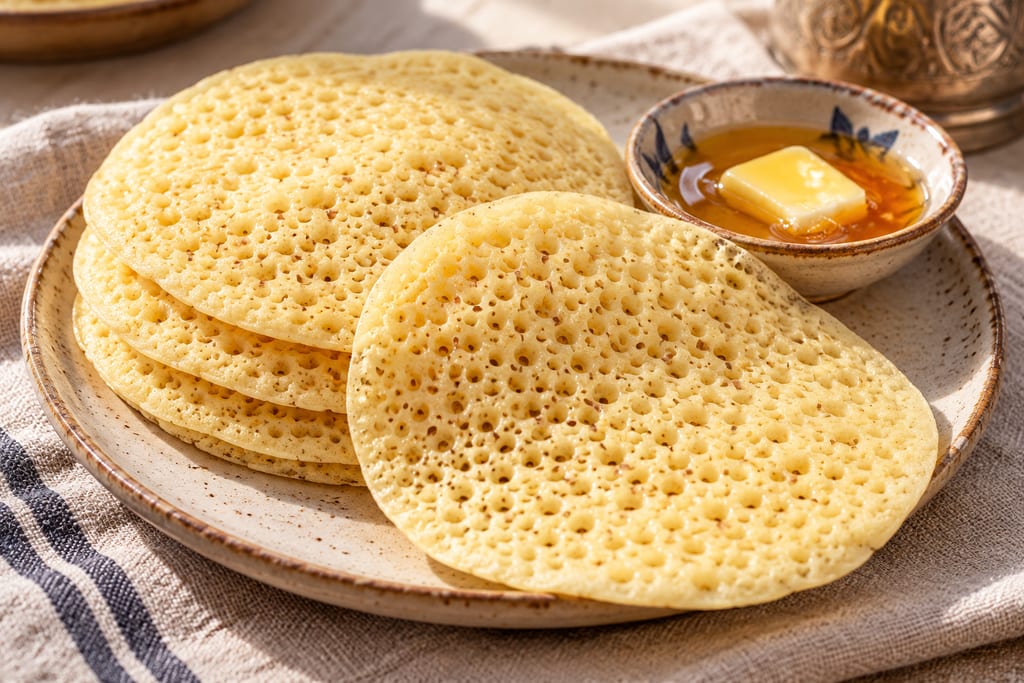
Moroccan semolina pancakes made from a thin yeast batter, rested until foamy and cooked on one side until the surface sets with a honeycomb of holes. This source-specific batch makes sixteen 5-inch pancakes.
Biga is an Italian bread preferment of flour, water and a little yeast, usually a stiff unsalted mass of about 45 per cent water, fermented ahead and then mixed into the final dough.
Sweet-potato wheat breads with fresh yeast, browned in a pan and finished in the oven. This is the bread component of Teleculinária's scrambled-egg dish.
Community
No community contributions have been published for this entry yet.
Share what you made
Sign in to contribute. Published comments and photos are free to read.
Measured four-flour formula for three loaves and home-oven method: knead, rise to doubled, shape, second rise, score and bake at 450°F/220°C for 15 minutes.
The article situates its version in Gambian and neighboring West African contexts; this is one home adaptation, not a universal blend.
Describes a separate Senegalese artisan method and distinct traditional and improved flour proportions; no proportions from this source are applied to the selected home formula.