
African fermented foods, drinks and preservation
From sour breads and milk to savoury seeds, cassava staples and living beers, African fermentation follows the crop, the community and the work of transformation.
 FermenteaWhere food goes to change
Equipment · Gourds, calabashes and carved bowls
sotet · mursik gourd
A dried gourd used in documented Kalenjin and Nandi practices to hold and serve mursik. Sources describe different ways to prepare its interior, so sotet is a family of locally shaped vessels rather than one standard design or treatment.
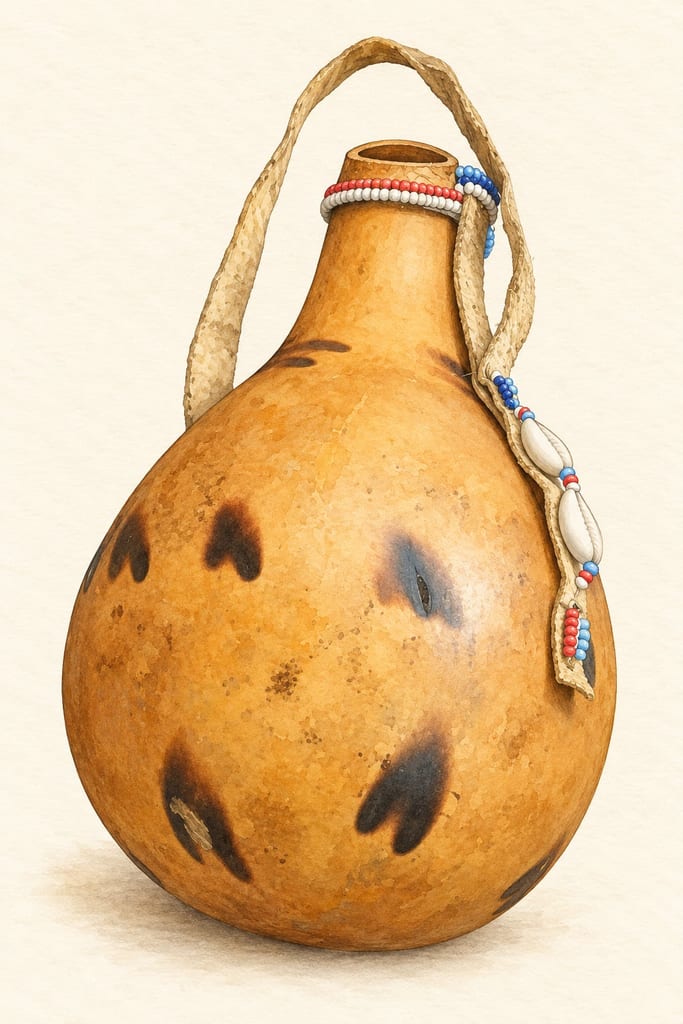
Sotet is the Kalenjin name used by the cited accounts for a gourd associated with mursik, fermented milk. The Nandi County cultural account describes a specially prepared calabash for storing and fermenting the drink and serving fresh milk. Paukwa’s Kalenjin account also names the gourd sotet and describes it at the flavouring and serving stage. Together these records place the vessel within a living milk tradition, but do not describe one standardized object.
The shell is dried gourd, not manufactured plastic or metal. The inspected photographs show contrasting examples: a narrow-necked sotet with straps and ornament in a wedding setting, and a broad pear-shaped Kipsigis gourd captioned as a sour-milk vessel. Decoration, carrying straps and silhouette should not be assigned to every sotet.
The treatment differs by source. The County Government of Nandi describes a soot lining made with selected trees and an itet stick. Mureithi and colleagues' 2000 paper reviews charcoal and smoke practices in several East African milk traditions, including different communities and plant choices, and cautions against reducing them to one tree species for each group.
Paukwa describes a distinct step in its Kalenjin mursik account: dried senetwet stems are charred, cooled, crushed into itet powder, put in the gourd, and shaken with milk that has already fermented. That page does not say the gourd itself is charcoal-lined. Keep the accounts distinct. Neither supports a claim that smoke or charcoal sterilizes a vessel or makes milk safe.
Paukwa says milk is boiled, cooled and left to ferment for two to four days; excess separated liquid is drained once the desired sourness is reached. In its next stage, charred senetwet stem is crushed as itet, placed in the sotet and mixed with fermented milk by shaking. The gourd holds and mixes the drink in this sequence.
The Nandi County account instead says mursik ferments in the prepared sotet. These are related but not identical descriptions of the vessel's role. This equipment is linked to the existing Mursik preparation, not to the Maasai preparation kule naoto.
The evidence points to named settings in Kenya, not a national specification. The Nandi County account speaks about Nandi use. Mureithi and colleagues report research with farmers in Trans-Nzoia District, focusing on trees associated with mursik production. The photographs identify specific Kipsigis and Kalenjin examples; each should be read as one example rather than a template.
Sources give no standard size, capacity, gourd species or closure for the sotet described here, and do not establish when it was first made. Tree choices and preparation are local knowledge with variation. One photograph cannot supply a missing measurement or prove every community uses the same process.
Mureithi et al. studied tree use and milk-treatment knowledge in Trans-Nzoia in 2000. A 2019 Nandi County account and Paukwa's 2022 Mursik story describe sotet in Kalenjin/Nandi practice. These document use, not invention or a single origin.
Sotet here refers to the Kalenjin/Nandi gourd described by the cited sources. Related names in the supplied atlas are not asserted as synonyms.
Source →Paukwa describes itet mixed into fermented milk; the Nandi County account describes a soot-lined gourd. Keep these separate, not as one procedure.
Source →First invention date, dimensions and capacity are not established.
Source →The account describes Nandi use of sotet for fresh milk and mursik; not an origin claim.
Mureithi et al. studied trees used in mursik production with farmers in Trans-Nzoia; not a universal vessel form or treatment.
From sour breads and milk to savoury seeds, cassava staples and living beers, African fermentation follows the crop, the community and the work of transformation.

Follow milk into cheese, cultured drinks, butter, dried curds and sweets: a journey through the animals, seasons and household decisions behind the world's dairy foods.
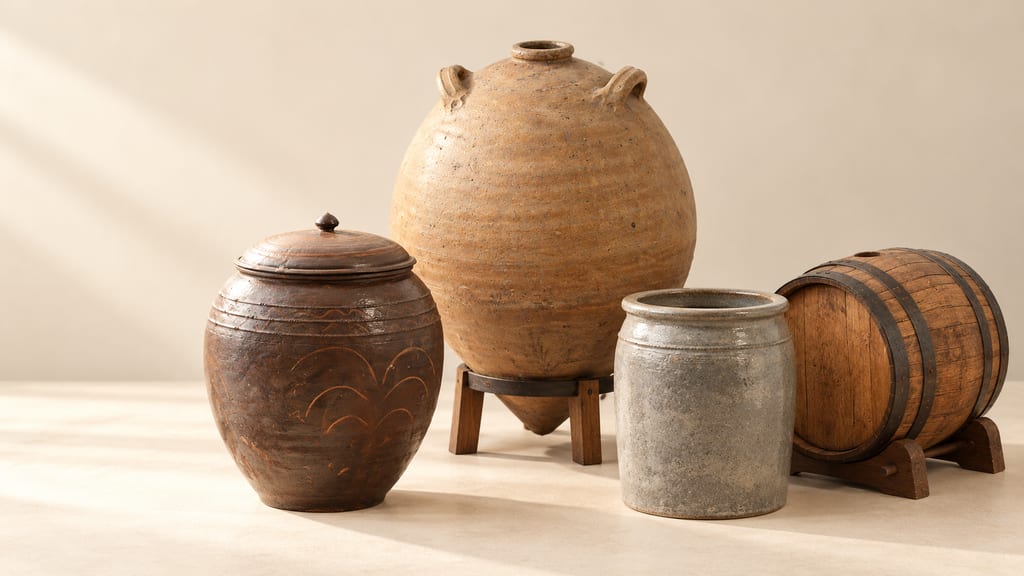
Jars, barrels, skins, leaves, pits and whole rooms decide much of what happens to fermented and cured food. This is how a container works on its contents, and how people in different places chose theirs.
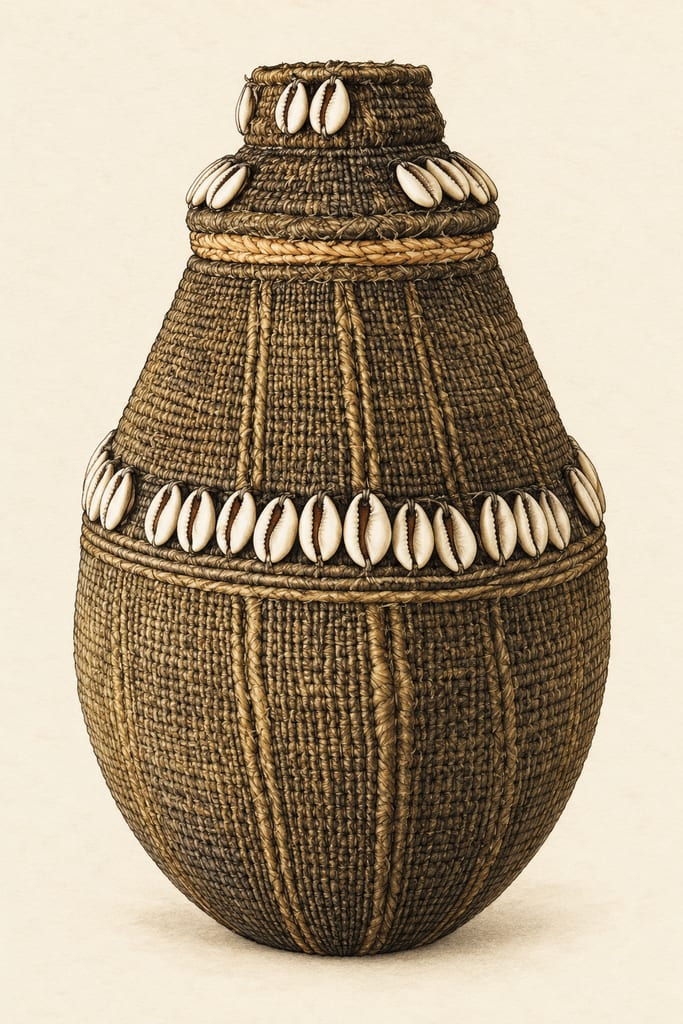
The Borana gorfa is a pear-shaped milk vessel used in southern Ethiopia to sour milk and churn it into butter. Sources document woven fiber and smoke treatment; one museum specimen also records gourd and cowrie-shell materials.
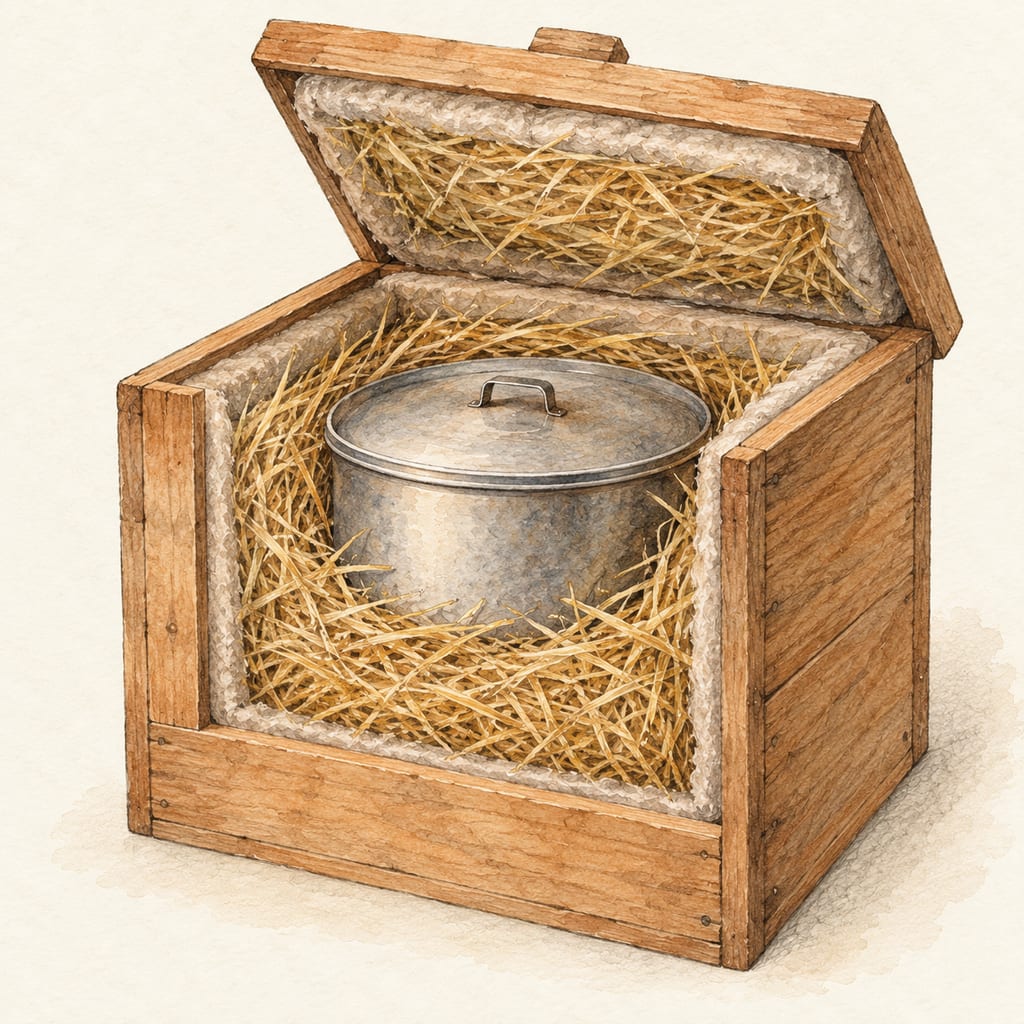
A haybox, also called a fireless or retained-heat cooker, is an insulated enclosure that lets a lidded pot finish cooking in heat already stored in the food after it leaves a stove. It generates no heat and is not a preservation method.

A solar air collector that heats air separately, then passes it through a shaded tray cupboard and out of a chimney. The product never sits in direct sunlight.
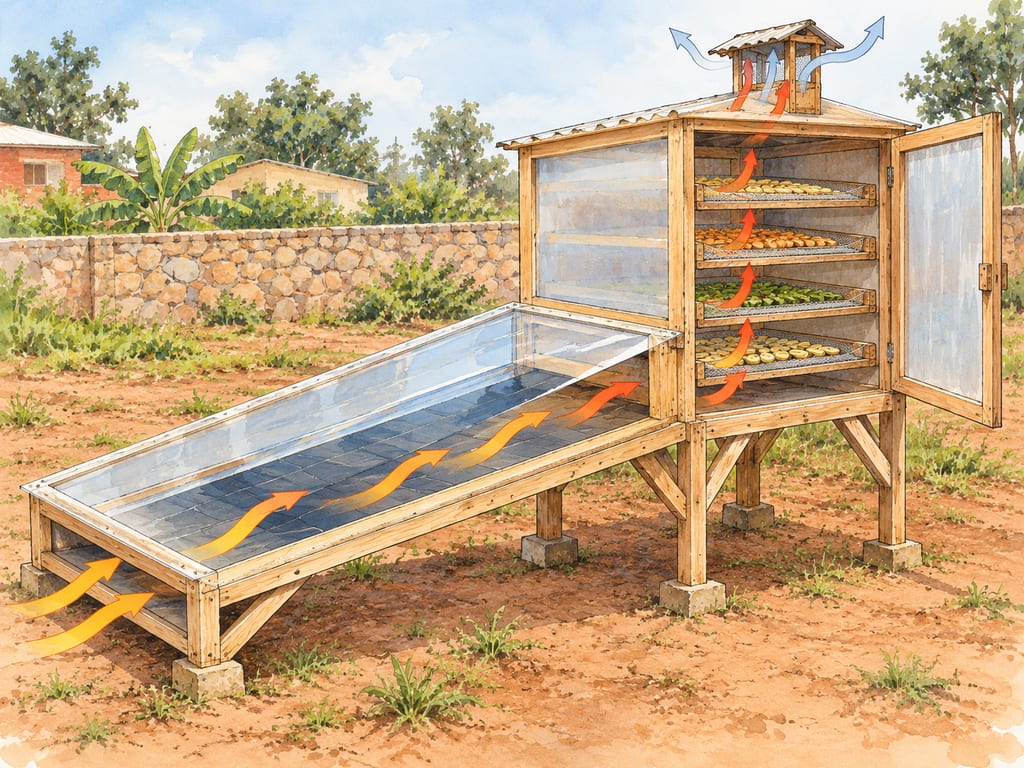
An indirect solar dryer heats air in a separate collector, then moves it through a covered food chamber. Designs vary in size, materials and airflow.
No community contributions have been published for this entry yet.
Sign in to contribute. Published comments and photos are free to read.
Mureithi, den Biggelaar, Wesakania, Kamau and Gatundu; Journal of Ethnobiology 20(1):75–91, 2000Equipment · Regional use · History
Management of trees used in mursik (fermented milk) production in Trans-Nzoia District, KenyaReports tree selection and milk-treatment knowledge in Trans-Nzoia; its review describes differing charcoal and smoke treatments among East African communities and cautions against assuming one species or method per community.
Cited in: Interior preparation varies by account; Place, plants and the limits of the record
PaukwaEquipment · Method · Cultural context
MursikKalenjin account names the gourd sotet. Milk is boiled, cooled and fermented for two to four days; dried senetwet stems are charred, cooled and crushed as itet, then mixed with fermented milk in the gourd. It does not say this vessel's inside is charcoal-coated.
Cited in: A gourd for mursik; Interior preparation varies by account; The vessel's part in one mursik method
County Government of Nandi; Audrey Ng'eny, 13 March 2019Equipment · Regional use · Cultural context
Traditional Food in Nandi CommunityDescribes Nandi mursik fermented and stored in a specially prepared gourd called sotet; its account describes an interior soot lining made with selected trees. This is a local account, not a universal treatment.
Cited in: A gourd for mursik; Interior preparation varies by account; The vessel's part in one mursik method; Place, plants and the limits of the record
Wikimedia Commons; photograph by Antony Trivet, CC BY-SA 4.0Image · Equipment
File:SOTET.jpgCaptioned Kalenjin Mursik; shows a narrow-necked natural gourd with straps and decoration in a wedding setting, not vessel preparation.
Cited in: A gourd for mursik; Place, plants and the limits of the record
Wikimedia Commons; photograph by Stephenwanjau, CC BY-SA 3.0Image · Equipment
File:Kipsigis Gourd.jpgCaption identifies a traditional gourd used to store sour milk called mursik in Kenya; this is one decorated Kipsigis example, not a standard form.
Cited in: A gourd for mursik; Place, plants and the limits of the record