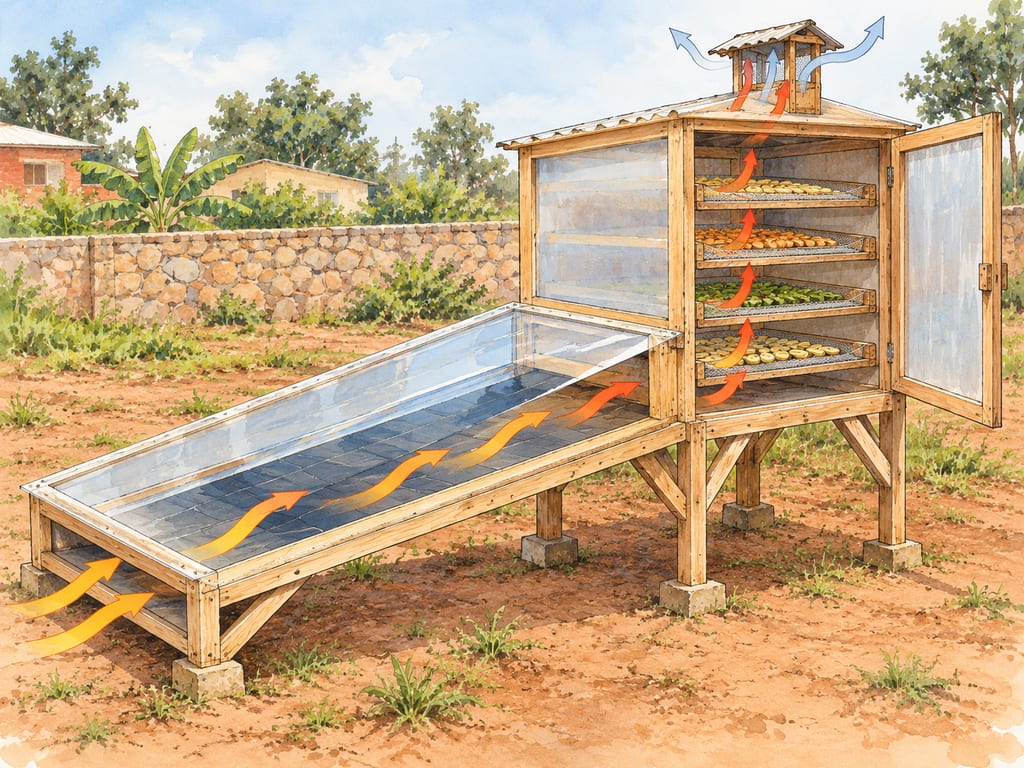
Indirect solar dryer
An indirect solar dryer heats air in a separate collector, then moves it through a covered food chamber. Designs vary in size, materials and airflow.
 FermenteaWhere food goes to change
Equipment · Drying kilns and dryers
A solar air collector that heats air separately, then passes it through a shaded tray cupboard and out of a chimney. The product never sits in direct sunlight.
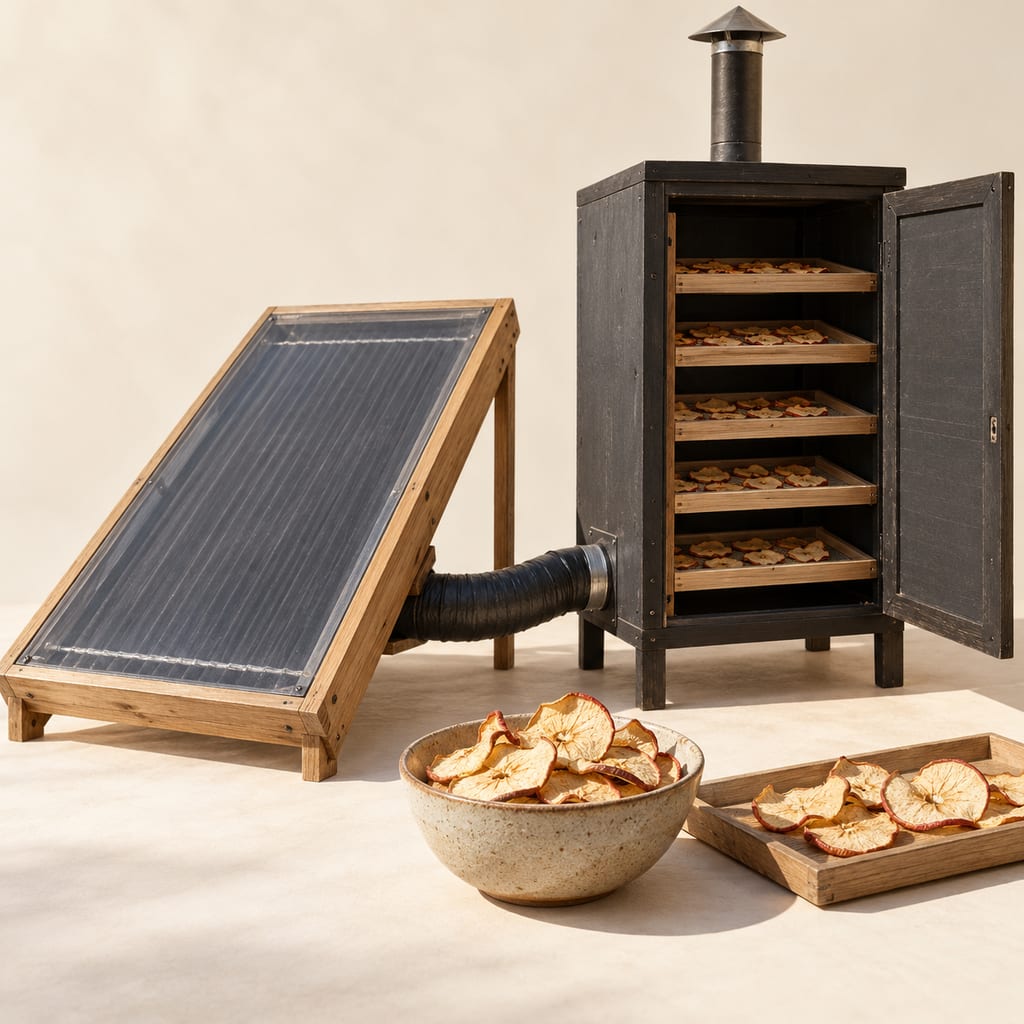
An indirect solar drier splits the job of drying into two parts. A collector heats the air. A separate cupboard holds the product and receives that warm air. The product is shaded, so it never sees direct sunlight. The FAO mission report describes three components and the routes between them, and it treats the indirect drier as a distinct type from the direct cabinet, in which sun falls on the product.
The traditional version described by the FAO is a double-wall wooden cupboard with a separate collector and a small chimney. Its load is four mesh trays of 0.5 square metres each. A later 2014 preliminary report reproduces a dimension drawing credited to a postharvest education source. That drawing is marked not to scale and is used here as a reconstruction aid only.
Sunlight heats the black-painted absorber under a transparent collector cover. The warmed air rises or is drawn into the cupboard through a lower opening, passes up through the mesh trays, and leaves through a chimney or a fan at the top. The FAO report also discusses recycling some of the air. The 2014 drawing labels internal baffles that guide the air in the cupboard, but the baffle sizes are not given.
The collector can be tilted to face the sun and set apart from the cupboard. That separation is what lets the cupboard stay in shade. The sources do not record a flow rate or a pressure drop for the collector, so the balance between collector area and load cannot be checked from them.
A build would start with the collector tray and its black absorber, then seal the transparent cover. The cupboard is built as a double-wall box with insulating space, and the air inlet, tray rails and baffles are fitted. Trays go in, the chimney cap goes on, and the collector is sealed to the cupboard. The order is an interpretation, because the sources give no complete assembly sequence.
Before use, check that air moves through the trays, that the joints do not leak, and that rain cannot enter. Record inlet and outlet conditions over sunny and cloudy days. These checks describe the apparatus only.
An FAO mission report by E. Espiard and S. Mihailov describes the indirect drier from field visits in Sudan, Kenya, Zaire and Upper Volta in August and September 1983. A 2014 preliminary report from the University of California records the traditional FAO design as a double-wall wooden frame with a collector and small chimney.
The traditional indirect cabinet was studied for crops. Using it for other products relies on evidence the sources do not provide.
Hazard sourceA gap at the collector-to-cupboard joint lets air skip the trays, so product dries unevenly and moisture is not carried away.
Hazard sourceSeal the collector-to-cupboard joint and check it before each season
Control sourceMeasure air temperature and humidity at the inlet and the outlet
Control sourceTest the airflow before loading the cupboard. A cupboard that moves little air dries slowly however much sun the collector gets.
This equipment record makes no food-safety claim. Product safety needs process-specific validation.
Pressure loss, shadowing and heat loss in the collector set how much air reaches the trays. The sources do not give flow or pressure figures for any version.
Source →The 2014 drawing is marked not to scale and its tray dimensions conflict with the stated tray area. Any cut list has to come from a reconciled source.
Source →The traditional FAO design was studied for crop drying. Its suitability for meat or fish is not established by the sources.
Source →The mission visited Sudan in 1983 and reported on indirect driers. The report is not an inventory of the design in this country.
The mission visited Kenya in 1983. The report does not inventory the design per country.
The mission visited the country when it was named Zaire. The report does not inventory the design per country.
The mission visited the country when it was named Upper Volta. The report does not inventory the design per country.
An indirect solar dryer heats air in a separate collector, then moves it through a covered food chamber. Designs vary in size, materials and airflow.
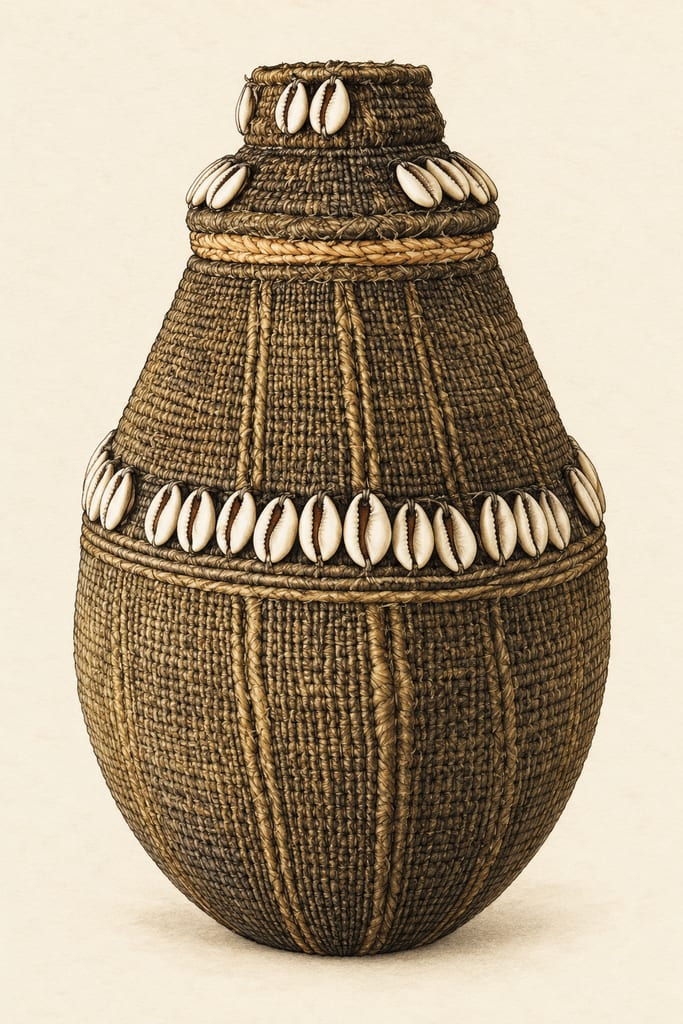
The Borana gorfa is a pear-shaped milk vessel used in southern Ethiopia to sour milk and churn it into butter. Sources document woven fiber and smoke treatment; one museum specimen also records gourd and cowrie-shell materials.
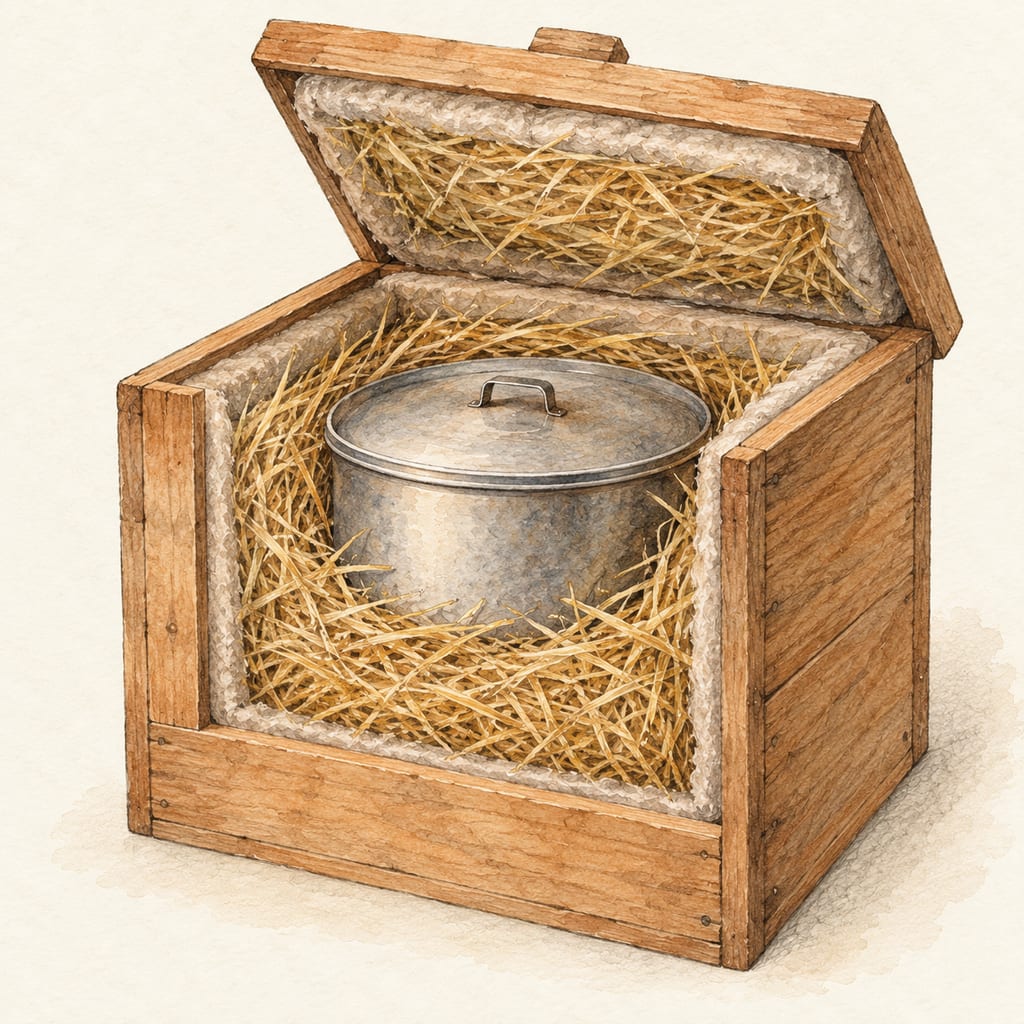
A haybox, also called a fireless or retained-heat cooker, is an insulated enclosure that lets a lidded pot finish cooking in heat already stored in the food after it leaves a stove. It generates no heat and is not a preservation method.
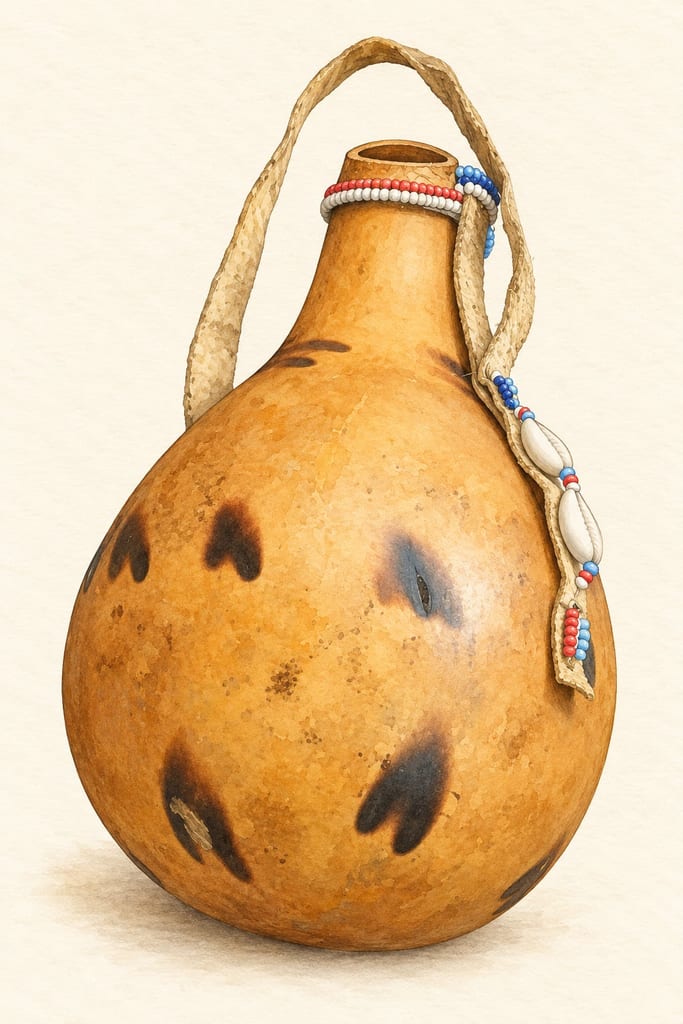
A dried gourd used in documented Kalenjin and Nandi practices to hold and serve mursik. Sources describe different ways to prepare its interior, so sotet is a family of locally shaped vessels rather than one standard design or treatment.

Soft, spreadable Calabrian pork sausage made with a great deal of red chilli and fatty pork, stuffed into natural casings, sometimes smoked and matured while staying soft.

A way to add independent temperature logging to an existing food dehydrator without changing its built-in controls or protections. It is a monitoring method, not a rewiring plan.

Pleurotus cystidiosus is the abalone mushroom, a cultivated oyster-type fungus with dark brown caps that grows more slowly and is more demanding than other Pleurotus species.

A dark, balanced vinegar from Emilia-Romagna made by combining cooked or concentrated grape must with wine vinegar, then acetifying and refining it in wood under a protected specification.

A living dairy inoculum that starts controlled cream fermentation, developing acidity and aroma before sour cream or cultured butter is finished.

A small electric incubator holds jars at a selected temperature for yogurt and other documented warm food preparations. Controls, capacity and vessel arrangement vary by model.

Adygean salt is a seasoned table salt associated with Adygea and the wider North Caucasian culinary tradition. Salt is blended with garlic and a variable selection of herbs and spices; the exact mix depends on the named style and maker.

The African Caesar-group mushroom, Amanita masasiensis, is a wild ectomycorrhizal species of central and southern African woodlands, eaten locally. The genus contains deadly poisonous species, so identification needs care.
No community contributions have been published for this entry yet.
Sign in to contribute. Published comments and photos are free to read.
FAOMethod · History
Report of the second preparatory mission on sundrying techniques in Africa, section Description of an indirect drierAn indirect drier has three components: an external glazed air heater, a drying cupboard holding trays and an exhaust chimney or extractor.
The mission visited Sudan, Kenya, Zaire and Upper Volta in August and September 1983.
Cited in: What it is; How the air moves
University of California Davis, Horticulture Innovation Lab (WFLO)Method · History
Drying and Cooling Technologies preliminary reportThe traditional FAO indirect cabinet is a double-wall wooden frame with a collector and small chimney, with four trays of 0.5 square metres each.
The drawing is marked not to scale; the chimney is about 20 cm in diameter.
Collector labels: 150 cm length, about 135 cm horizontal base, 52 cm width.
Cited in: What it is; How the air moves; Building and testing