Chapalele
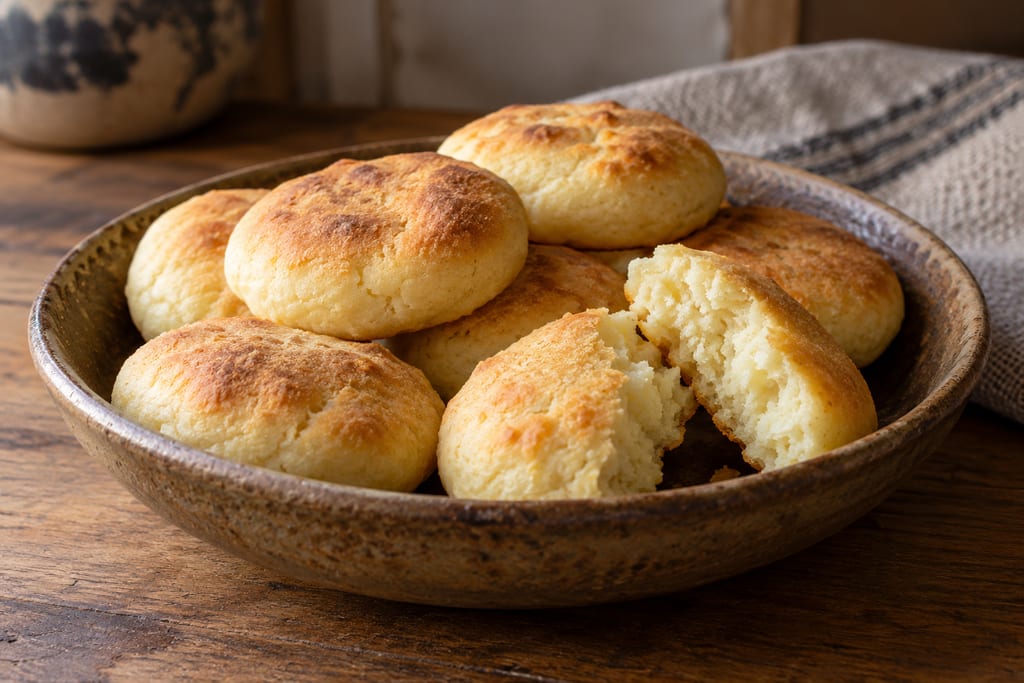
A baked Chiloé chapalele based on Gourmet's recipe: smooth cooked potato mixed with wheat flour, baking powder, sea salt and butter, shaped into 16 pieces.
 FermenteaWhere food goes to change
Modern adaptation
Six quick Chilean wheat flatbreads made with oil, baking soda and baking powder, then cooked in a dry skillet.
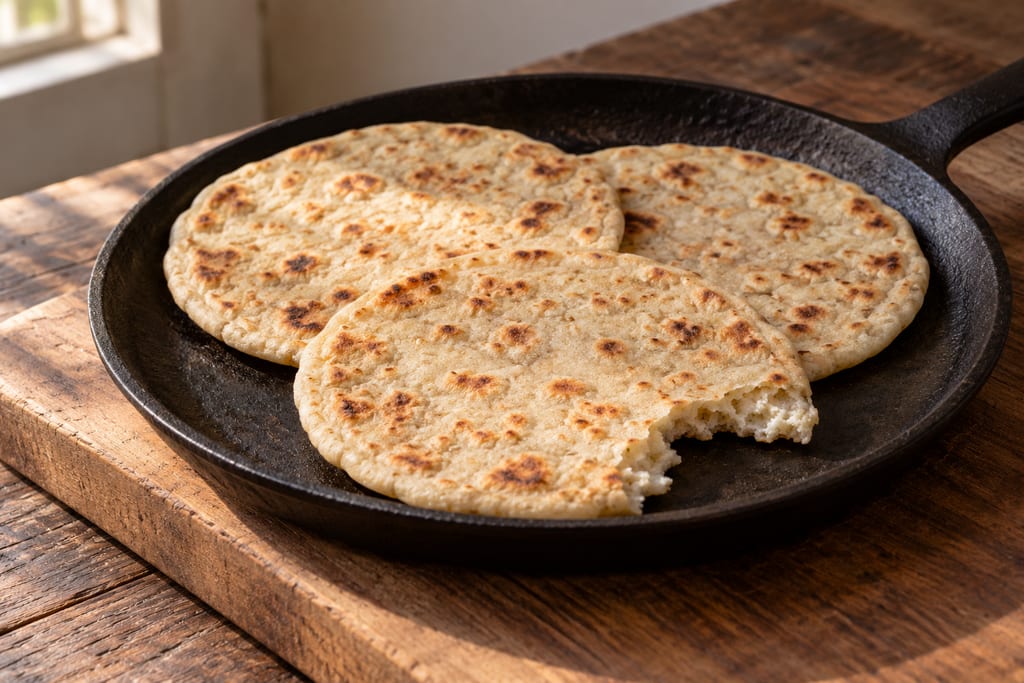
Churrascas are quick Chilean breads made without a yeast rise. This home version uses vegetable oil and cooks the rounds in a dry skillet; the source also describes traditional cooking over embers.
Patrimonio Alimentario Maule places churrasca within rural cooking and describes its growing urban popularity in Talca after the 2010 earthquake. Its account records a thin bread cooked on a grill over embers and served with fillings ranging from meat to tomato, avocado or fresh cheese.
The publication names On Toño, a family business in Talca’s industrial park begun by José Antonio Díaz Ramírez’s mother. This is a documented local business and food practice, not proof of the first churrasca. The heritage account allows animal fat or oil and sometimes baking soda; the dry-skillet formula on this page remains its own version.
The national heritage-kitchens publication El Menú de Chile records a churrasca from the Atacama Chango menu, raised with baking powder and cooked over embers. Its batch is 1 kg flour, 2 heaped teaspoons baking powder, 1 level tablespoon salt, 750 cc vegetable oil, 4 tablespoons powdered milk and 500 ml warm water. The oil goes into the dough, and pieces of the chosen size cook for four minutes per side, away from a fierce fire. Butter is served with the bread and is not a measured dough ingredient.
The publication gives no yield and no ember temperature, and the 750 cc of oil is unusually large for that flour weight and needs confirmation. Its batch differs from the skillet formula on this page, and the two should not be combined. Neither the Atacama nor the Maule account establishes when the bread first appeared.
The Valparaíso regional food-heritage volume records Adriana of San Esteban describing a dough of flour, water and a little fat, cooked over embers and eaten hot. The account emphasizes how quickly it can be made. Its proposed connection between the name churrasca and churrasco is tentative, rather than a settled origin story.
A separate family memory appears in the 2016 collection Tu receta, tu historia. Loreto Contreras remembers her grandmother’s cooking in Las Sossas, inland from Ovalle, including churrascas beside a brazier. This recollection places the bread among everyday rural foods and family relationships. It does not supply a dated invention or a full recipe to replace the one here.
Cooking on a domestic skillet preserves a practical feature of these accounts: the bread needs no oven. It changes the heat source, however, so an ember-cooked description is not a measured pan setting. This source specifies medium-low heat and a short cooking interval on each face.
The dough here contains both baking soda and baking powder, with no yeast rise. Those raising agents belong to the selected home recipe. The regional accounts do not establish that every churrasca contains them, and the bread’s historical first attestation remains unknown.
Churrascas are documented in Chilean home cooking and hearth traditions; their first attestation is not established.
Yield 6 flatbreads · Scaling: source batch only
Contains wheat.
Do not taste raw dough; raw flour can contain harmful germs. Wash hands and surfaces after handling it.
Use care with the hot skillet.
The source documents Chilean preparation; it does not establish a precise birthplace.
A baked Chiloé chapalele based on Gourmet's recipe: smooth cooked potato mixed with wheat flour, baking powder, sea salt and butter, shaped into 16 pieces.

Chiloé potato cakes combine cooked mashed potatoes with drained raw grated potato; this measured version is fried and yields 20.
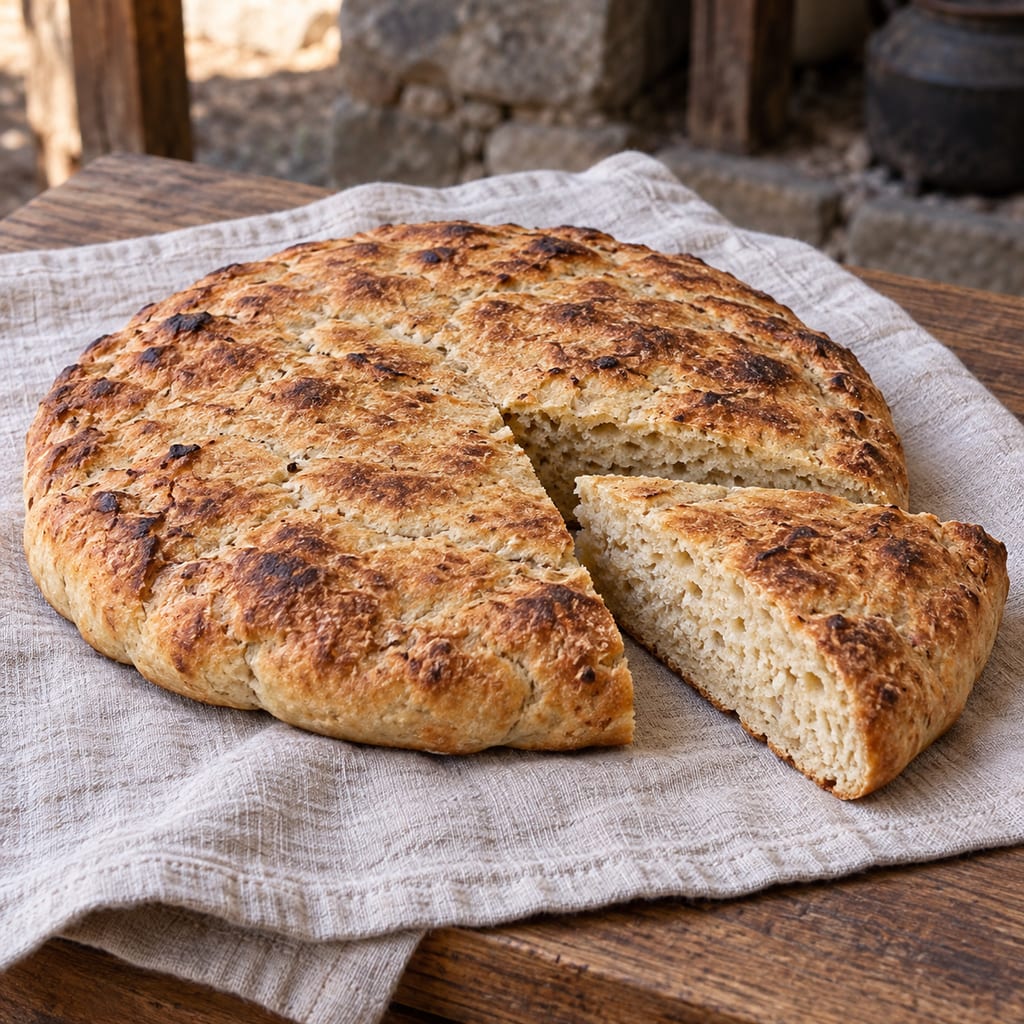
A Chilean hearth bread from Quilleco, leavened with instant yeast and bicarbonate, then cooked under hot ash in a traditional ember hearth.
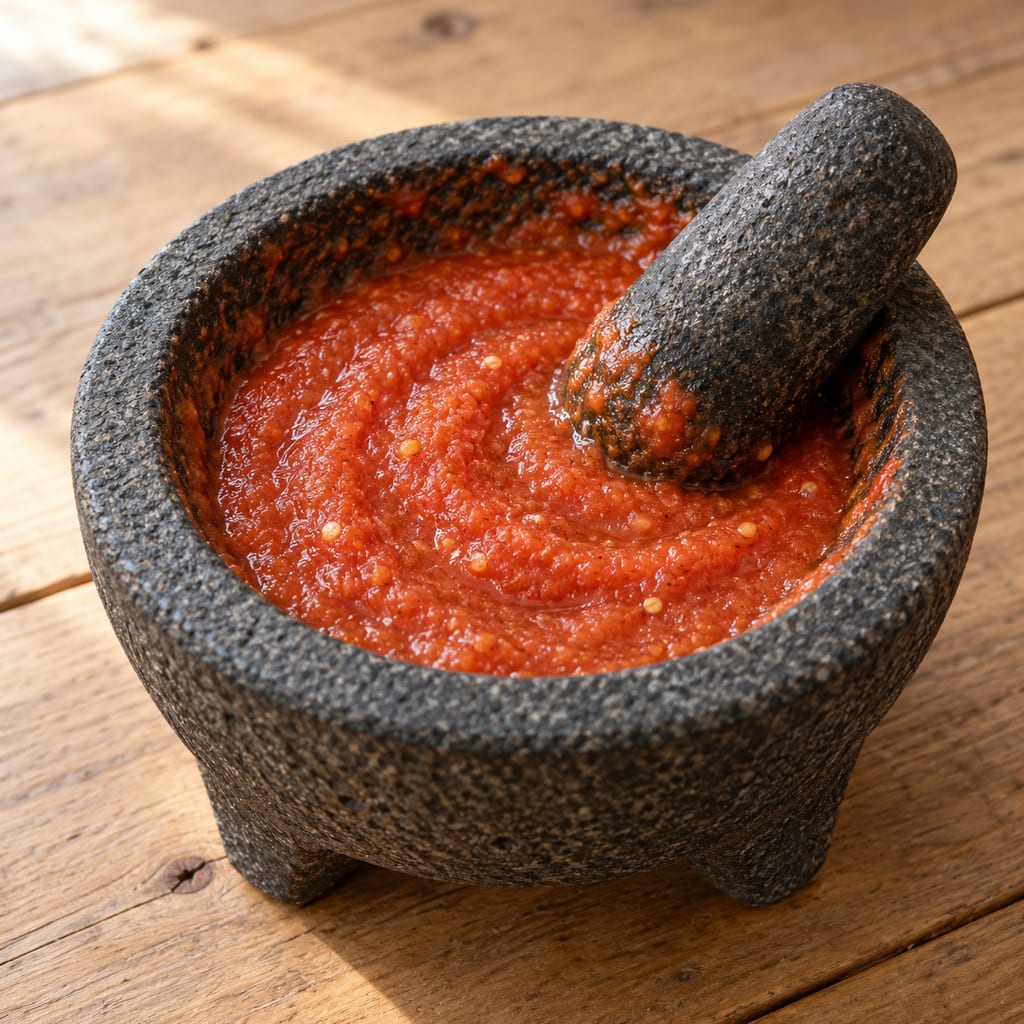
Chancho en piedra is a Chilean sauce of tomato, garlic, cumin and chilli, ground by hand in a stone mortar. Its name refers to the stone, not to pork.
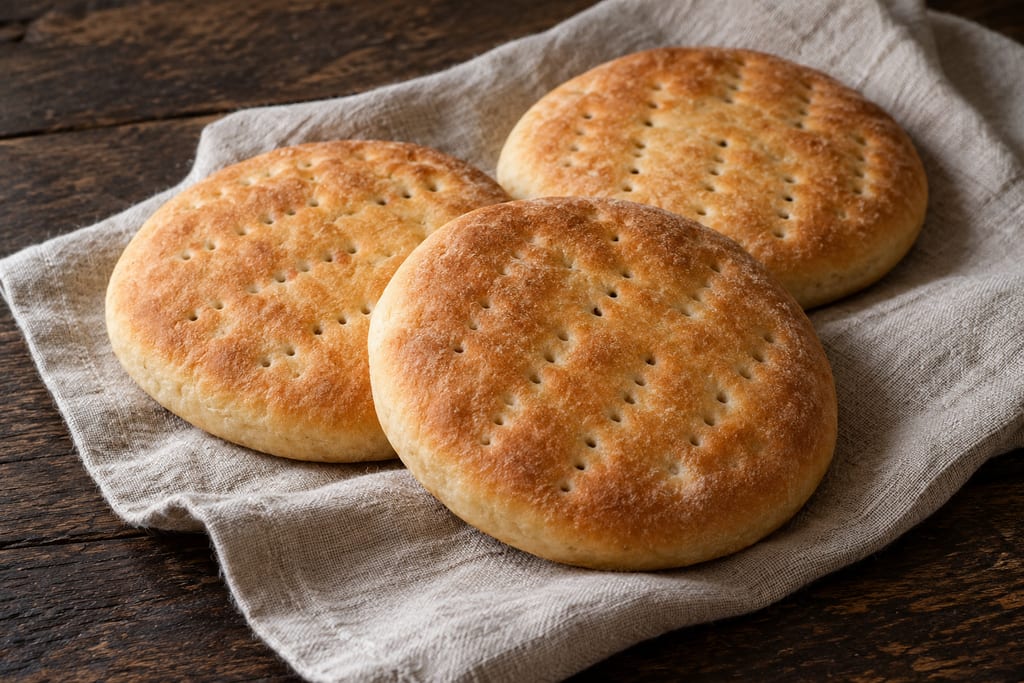
Round Chilean yeast breads made with shortening, rolled and folded, then cut, pricked and baked until golden.
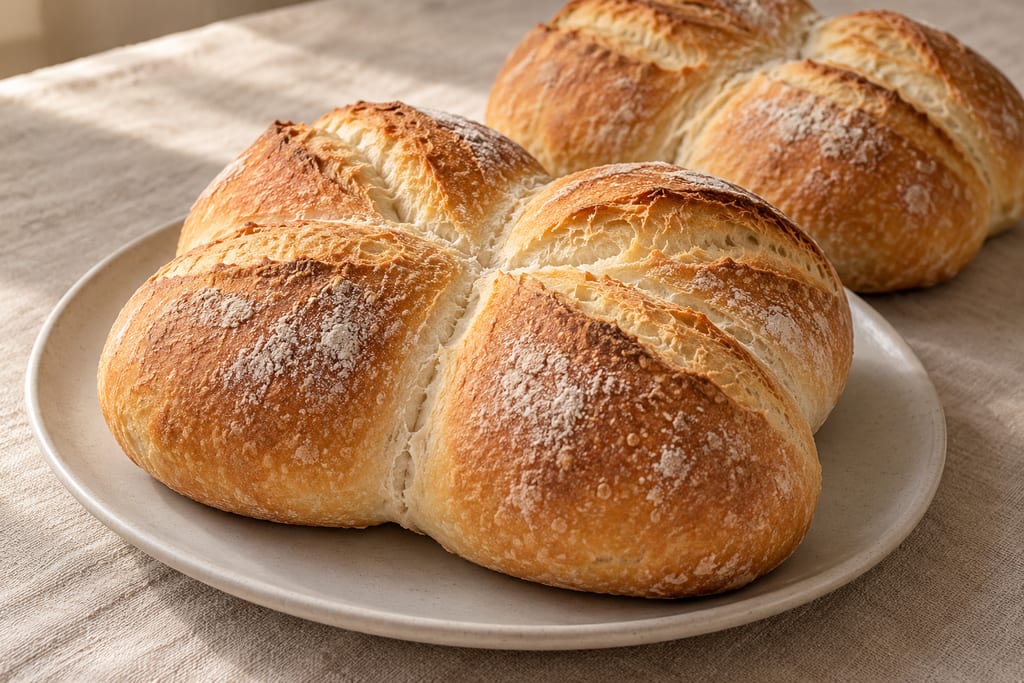
A lean Chilean wheat loaf shaped as two joined lobes, chilled overnight, then baked with steam for a crisp, deeply browned crust.

Merkén is the Mapuche seasoning of dried, smoked and ground ají cacho de cabra chile, sometimes with toasted coriander seed and salt, made in the Maule and La Araucanía regions of Chile.
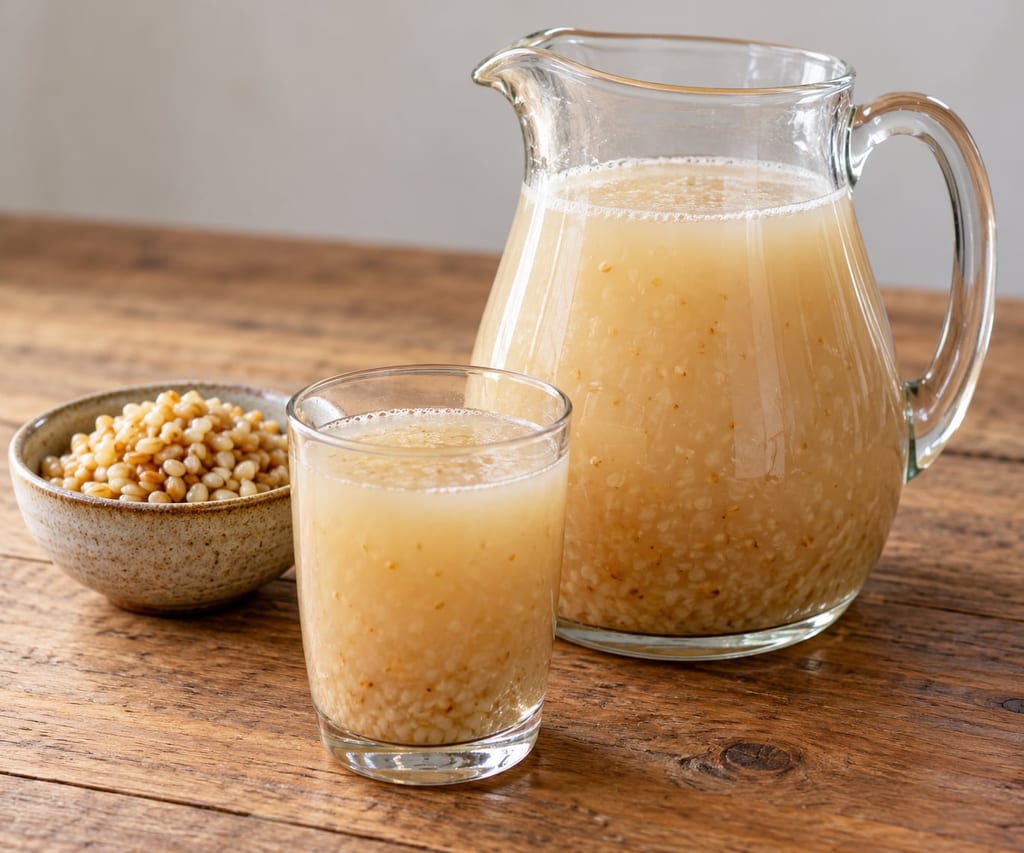
Muday de trigo is a wheat-and-honey fermented drink recorded from vendors at Feria Rahue in Osorno; this contemporary batch cooks and grinds the grain before fermentation.
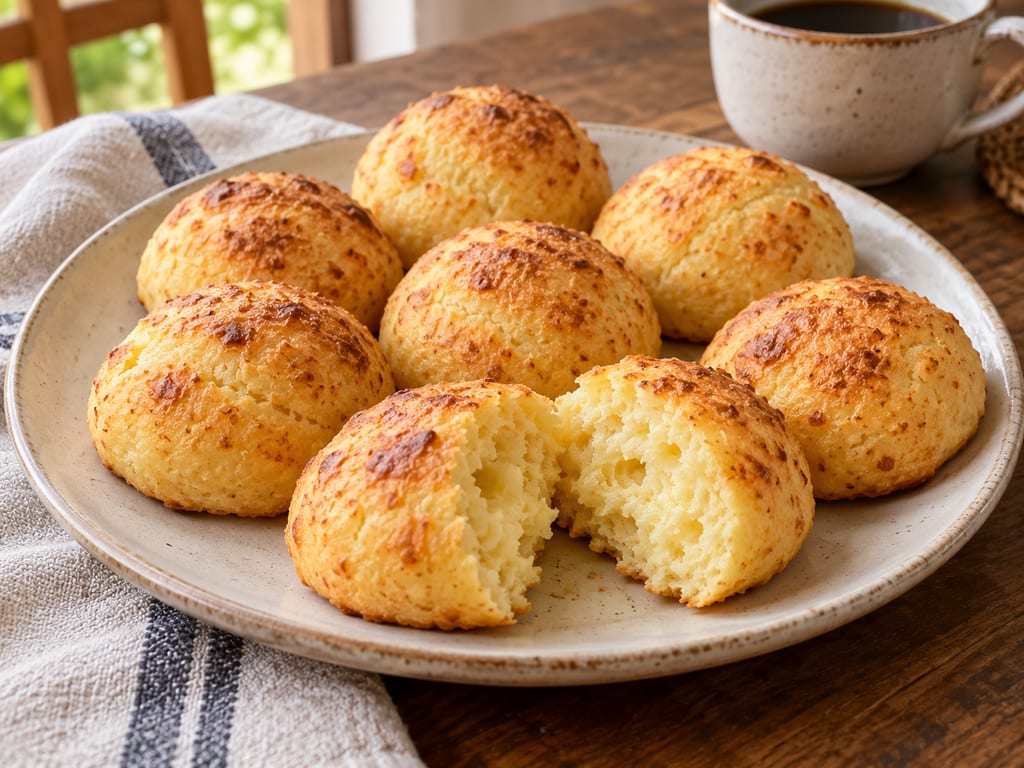
Small Colombian cheese breads made with precooked corn flour, queso fresco, mozzarella, eggs, milk and baking powder. This documented home version makes eight breads and is served warm.
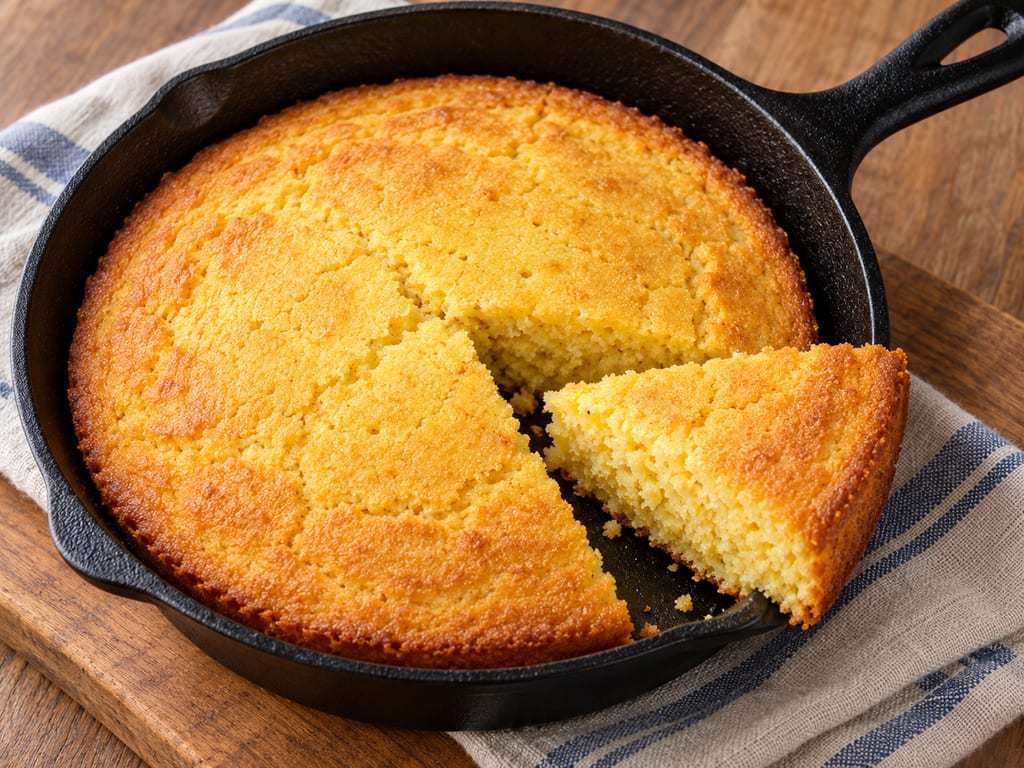
A modern cornmeal-and-wheat cornbread that King Arthur Baking describes as a compromise between Northern and Southern styles. The batter is baked in a pan or as muffins and served warm.
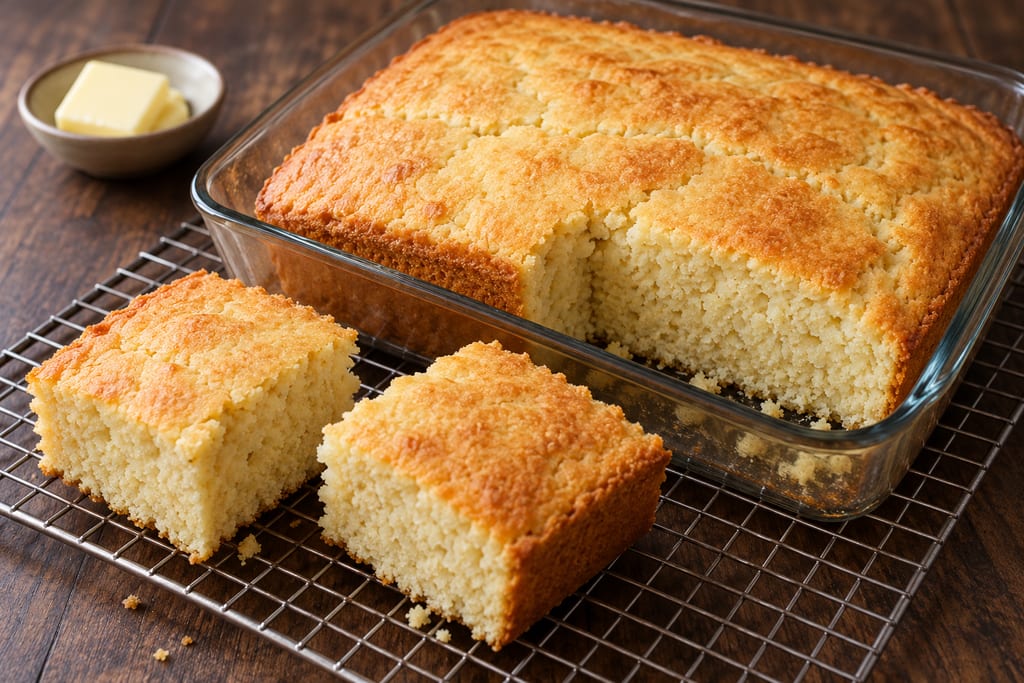
A soft, butter-rich Bahamian-style baked johnnycake made from flour, baking powder, sugar, butter and milk. The dough rests briefly in a square pan before baking.
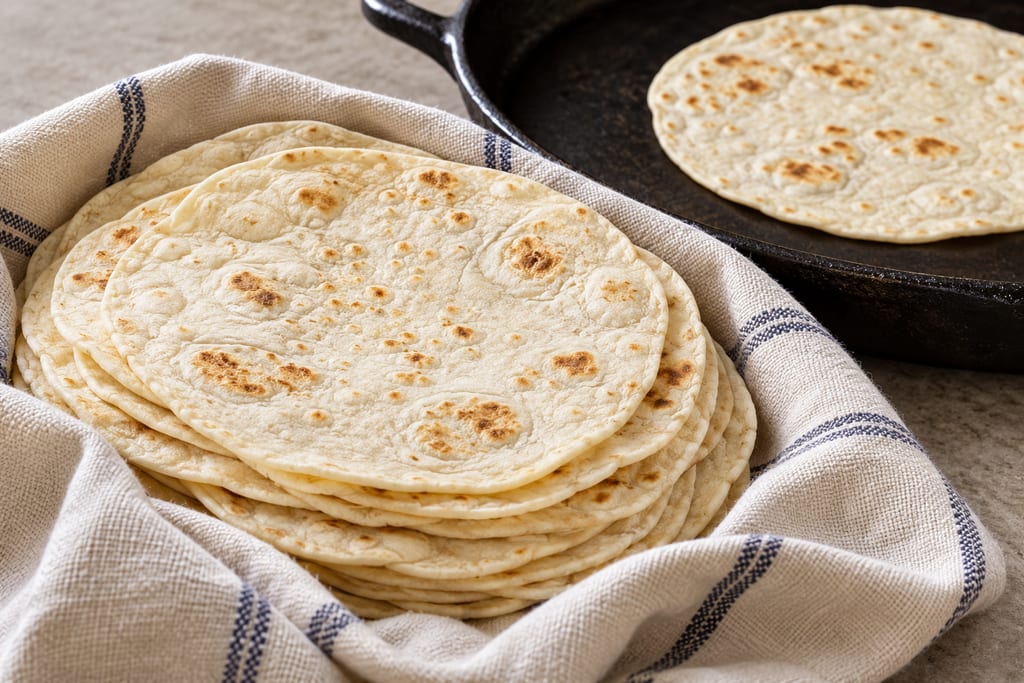
Soft wheat-flour rounds from an INCAP Honduran baleada recipe are rolled thin and cooked on a dry skillet; this record covers tortillas, not the filled dish.
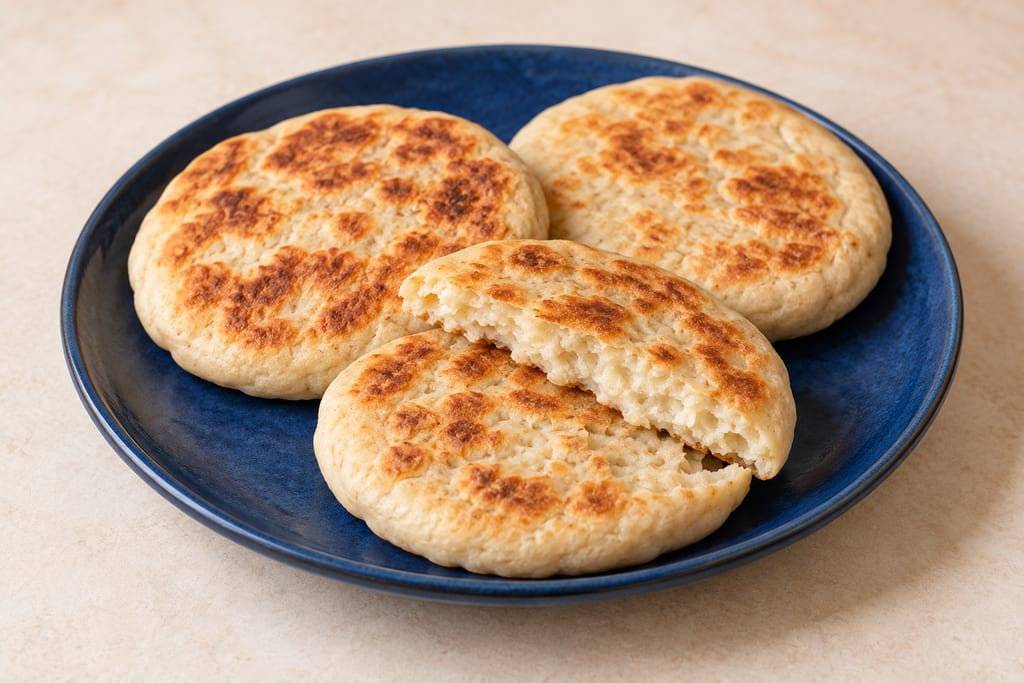
A Central Tibetan style pan bread made from flour, water and baking powder. Four dough balls are rested, rolled into rounds and cooked covered in a skillet, turning them several times.
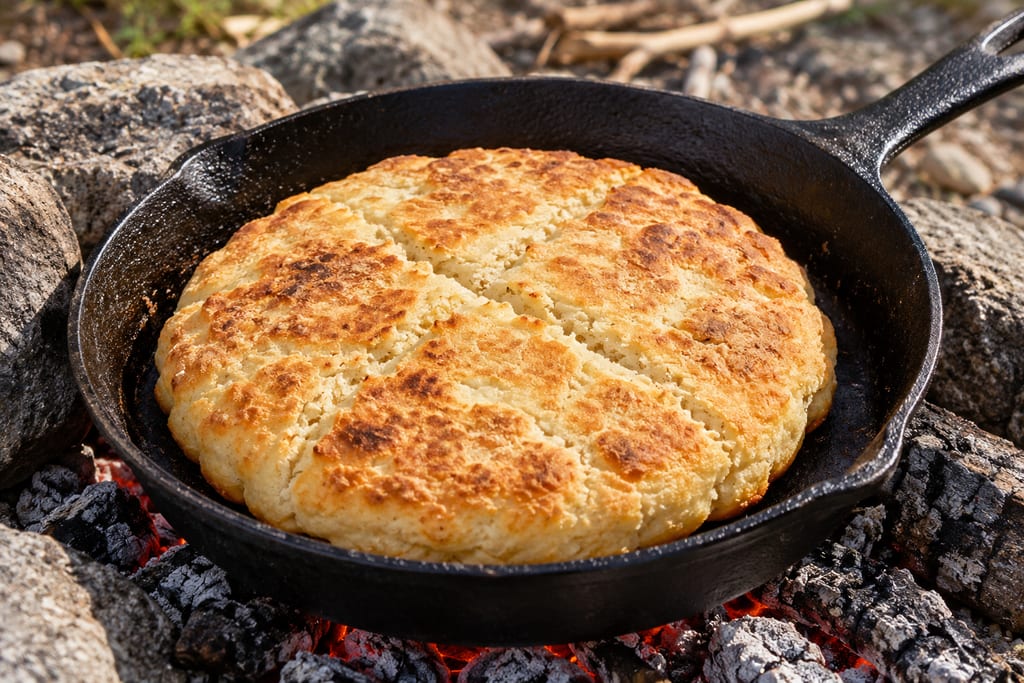
This flour, baking-powder and oil dough is Parks Canada’s contemporary Métis-interpreter version prepared at Rocky Mountain House; its specific recipe origin is unknown.
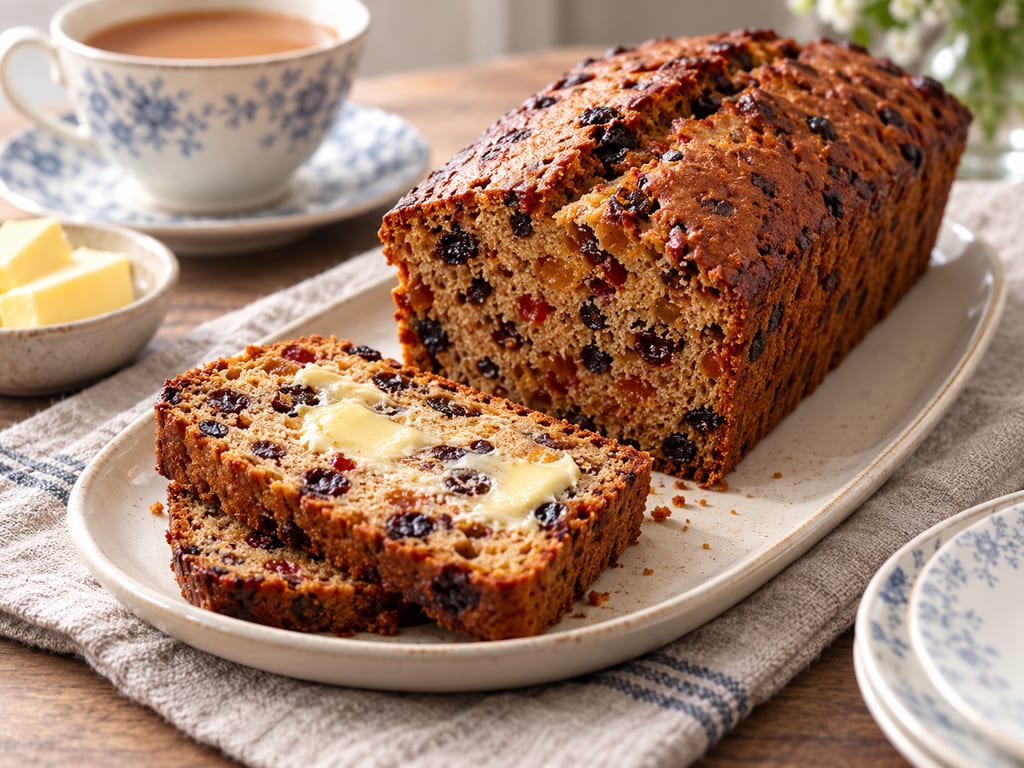
Bara brith is Wales’s speckled fruit loaf, made in both yeasted bread forms and the widely served modern tea-loaf style. This version soaks dried fruit in strong tea before mixing it with self-raising flour, spice, sugar and egg.
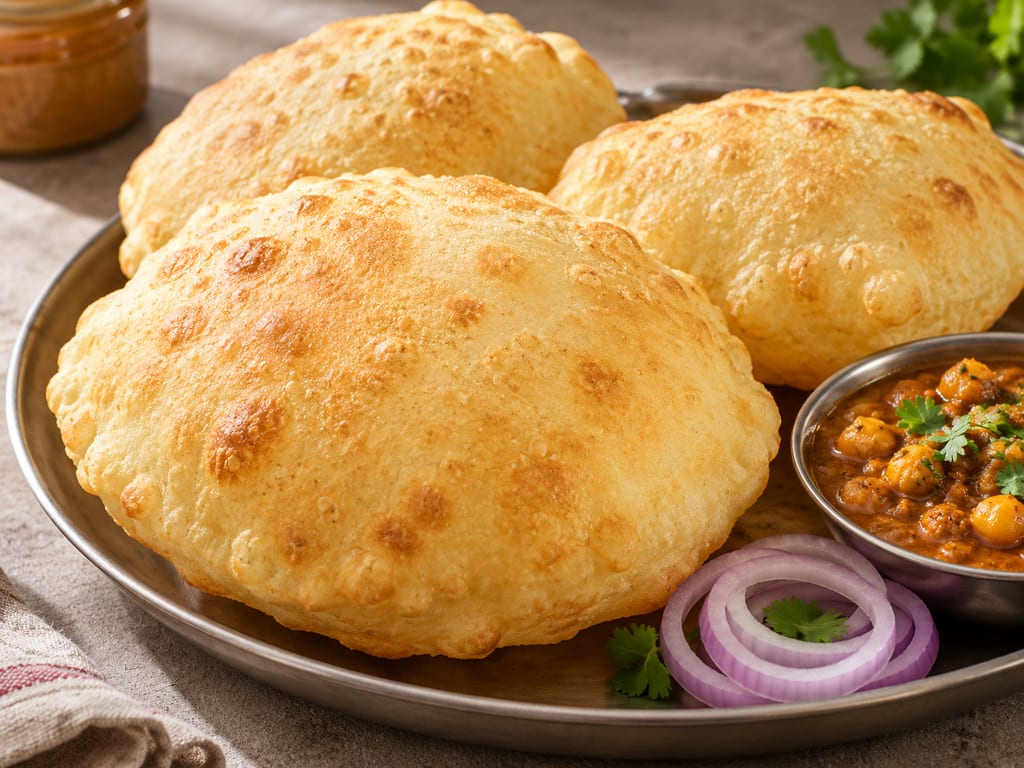
A North Indian fried bread made with yogurt, wheat flour and chemical leaveners. This source batch makes eight.
No community contributions have been published for this entry yet.
Sign in to contribute. Published comments and photos are free to read.
La Cocina Chilena de Pilar HernándezInspiration · Method · Geography
Churrascas chilenasSix-piece formula, dry-skillet method and Chilean context.
Cited in: A quick pan bread; The skillet version
FUCOA / FIAContext
Patrimonio Alimentario Maule, page 57Rural preparation, post-2010 urban Talca use and On Toño family business.
Cited in: From country kitchens to Talca; The skillet version
Consejo Nacional de la Cultura y las ArtesContext · Method
El Menú de Chile: Reconocimiento a las cocinas patrimonialesThe Atacama Chango menu lists 1 kg flour, 2 heaped teaspoons baking powder, 1 level tablespoon salt, 750 cc vegetable oil, 4 tablespoons powdered milk and 500 ml warm water; the oil is added to the dough and pieces of chosen size are cooked over embers, away from a fierce fire, for four minutes per side.
The oil quantity is unusually large and needs confirmation, since the method adds all of it to the dough. No yield or ember temperature is given. Butter is served with the bread and is not a measured dough ingredient.
Cited in: An Atacama formula cooked over embers
FIAContext
Patrimonio Alimentario de Chile: Región de Valparaíso, page 92Adriana of San Esteban's ember-cooked bread account and tentative name explanation.
Cited in: An ember-cooked bread in oral accounts
Consejo Nacional de la Cultura y las ArtesContext
Tu receta, tu historia, page 96Loreto Contreras's recollection of her grandmother's churrascas by a brazier in Las Sossas.
Cited in: An ember-cooked bread in oral accounts