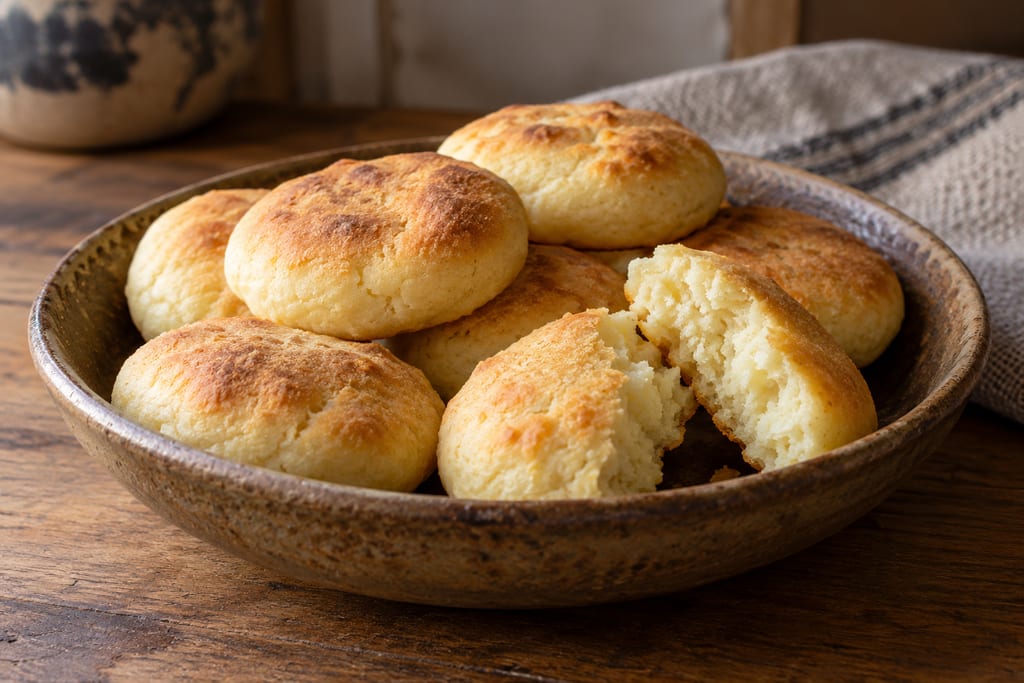
Chapalele
A baked Chiloé chapalele based on Gourmet's recipe: smooth cooked potato mixed with wheat flour, baking powder, sea salt and butter, shaped into 16 pieces.
 FermenteaWhere food goes to change
A Chilean hearth bread from Quilleco, leavened with instant yeast and bicarbonate, then cooked under hot ash in a traditional ember hearth.
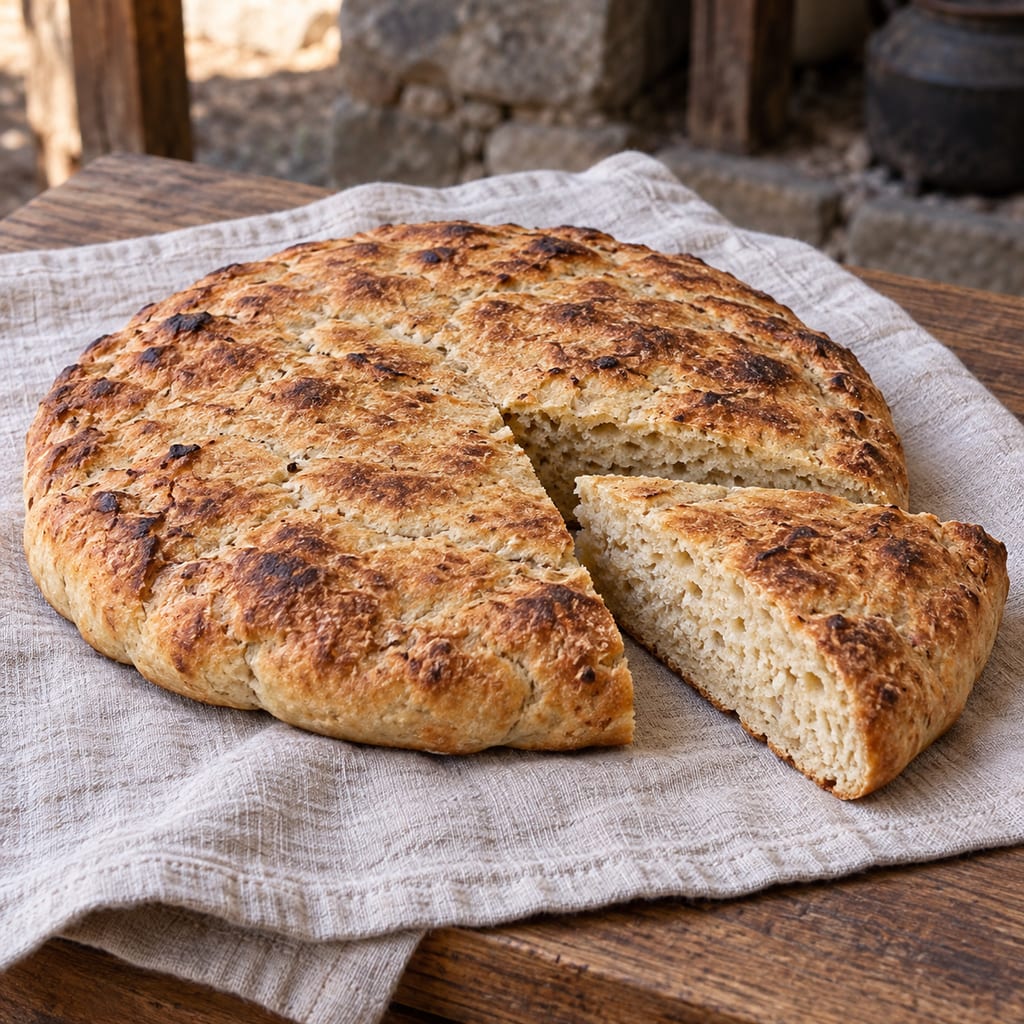
Tortilla de rescoldo is a Chilean bread cooked in the hot ash left by a hearth fire. This measured version comes from the heritage publication El fogón de Quilleco, which documents a family's foodways in Quilleco in the Biobío Region. It makes two tortillas from 500 g flour and estimates six portions. The publication calls for instant yeast and bicarbonate of soda; it notes that the original family version used masa madre instead of instant yeast.
The same publication preserves Carmen's family account separately. She recalls a large daily tortilla made from 2 kg flour for four tortillas, a cup of sourdough starter, salt, bicarbonate, pork fat, and hot water mixed with warm milk. The dough was kneaded, rested and baked under hot ash made from charcoal kept burning overnight. That testimony gives no weights for the salt, bicarbonate, fat or liquid, and no measured rest or cook time. It is historical evidence for a different household formula, not a substitution instruction for this measured batch.
For the measured preparation, salt is dissolved in 200 ml hot water mixed with 100 ml warm water. Instant yeast goes into the flour; the salted water is added before warm melted pork fat, and the dough is kneaded until smooth and springy. The recipe also includes 4 g bicarbonate. The publication says the testers used combined manteca for the 150 g pork-fat line but does not explain the blend. The flour type and exact water temperatures are also unspecified.
The dough rises covered for about an hour near the warmth of the hearth. After shaping two tortillas, the cook opens a space in hot ash with a shovel, sets the dough there and covers it with more ash. The published cooking cue is about 25 minutes or until golden. It does not give tortilla thickness, ash temperature or an internal-temperature endpoint; its timing is approximate and should not be read as a measured food-safety limit.
The hearth method and an oven adaptation are different methods. This recipe records the documented ash-hearth version only and does not add oven temperatures or timing. A wood or charcoal fire also needs a suitable outdoor or vented hearth: CDC guidance says never to burn charcoal indoors because it gives off carbon monoxide. Handle the fire and ash as burn hazards, keep raw flour away from ready-to-eat food, and never taste uncooked dough. Scrape visible ash from the bread before serving.
The book describes tortilla as a daily bread in Carmen's household and a food served across meals, sometimes with butter, honey or fruit preserves. That testimony supports a Quilleco association; it does not establish where the bread first originated or one universal formula for Chile.
A family testimony from Quilleco, Biobío, describes tortilla as a daily bread, made once each day and eaten across meals. It recalls an earlier family formula with masa madre and bicarbonate. The same publication separately gives a measured preparation using instant yeast and bicarbonate, noting that the family's original version used starter. This documents a local tradition and recipe variation, not a first attestation or a Chile-wide formula.
Yield 2 tortillas · Scaling: source batch only
Raw flour can carry harmful bacteria and uncooked dough must not be tasted.
Hazard sourceThe method handles a live fire, shovel, hot ash and baked bread removed from the hearth.
Hazard sourceBurning charcoal indoors or in an enclosed space can produce fatal carbon monoxide.
Hazard sourceKeep uncooked dough separate from ready-to-eat food, clean hands and surfaces after handling flour, and do not taste dough before it is baked.
Control sourceUse the hearth method only in a suitable outdoor or properly vented hearth. Never burn charcoal indoors; keep people clear of the fire and remove the tortillas with a suitable shovel.
Control sourceScrape visible ash from the baked surface before serving; the method uses ash cooking but does not provide a measured temperature or objective internal doneness test.
Control sourceContains wheat (gluten) and pork fat.
This ember method is not an oven conversion. Never bring an outdoor charcoal fire indoors.
The 25-minute/golden cue is the published method, not a measured internal-temperature endpoint; ash and ember temperatures are unspecified.
A family testimony and measured preparation are documented in Quilleco, Biobío; this records that context, not the bread's birthplace.
A baked Chiloé chapalele based on Gourmet's recipe: smooth cooked potato mixed with wheat flour, baking powder, sea salt and butter, shaped into 16 pieces.
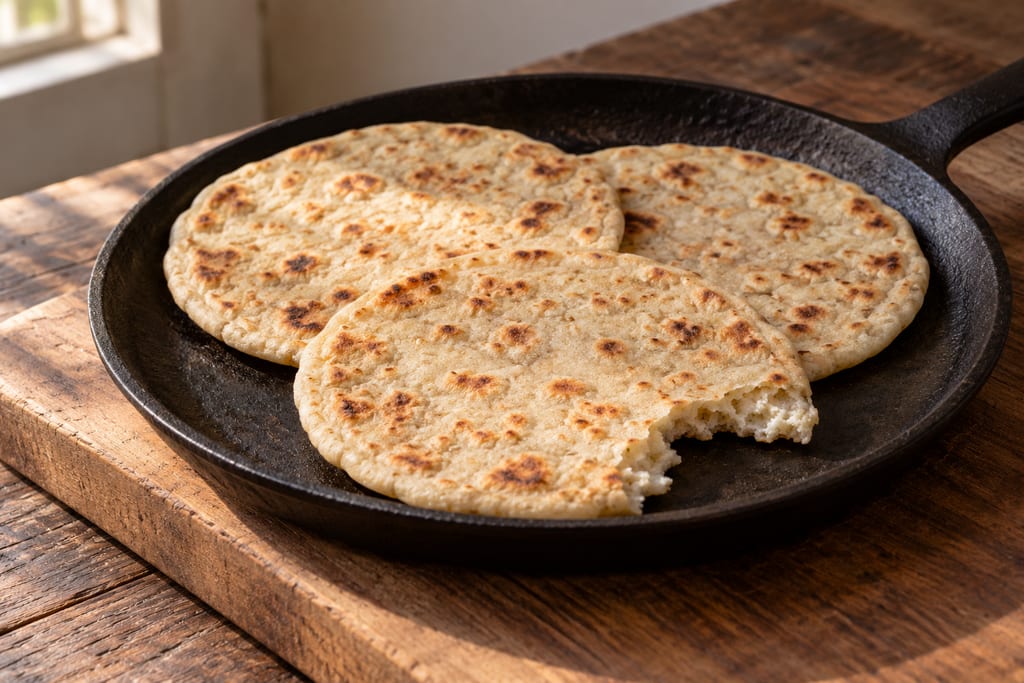
Six quick Chilean wheat flatbreads made with oil, baking soda and baking powder, then cooked in a dry skillet.

Chiloé potato cakes combine cooked mashed potatoes with drained raw grated potato; this measured version is fried and yields 20.
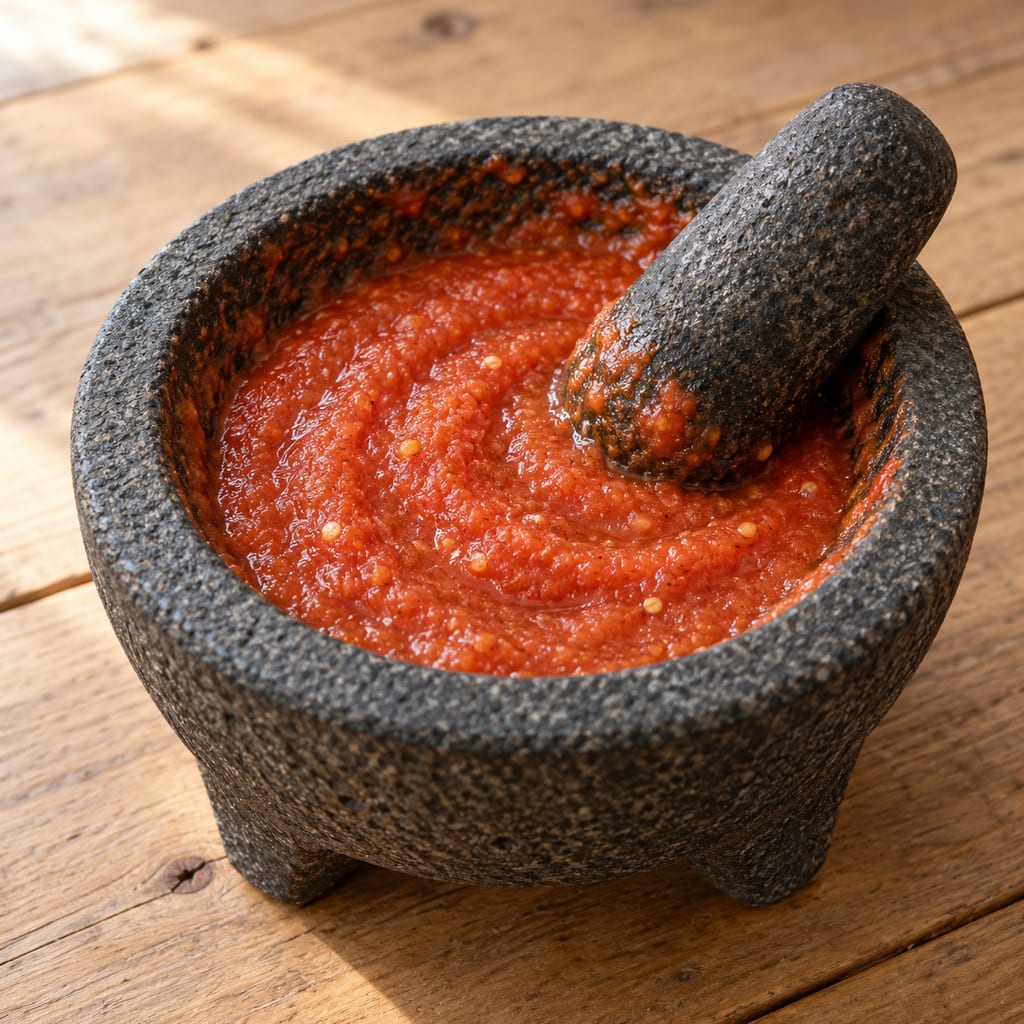
Chancho en piedra is a Chilean sauce of tomato, garlic, cumin and chilli, ground by hand in a stone mortar. Its name refers to the stone, not to pork.
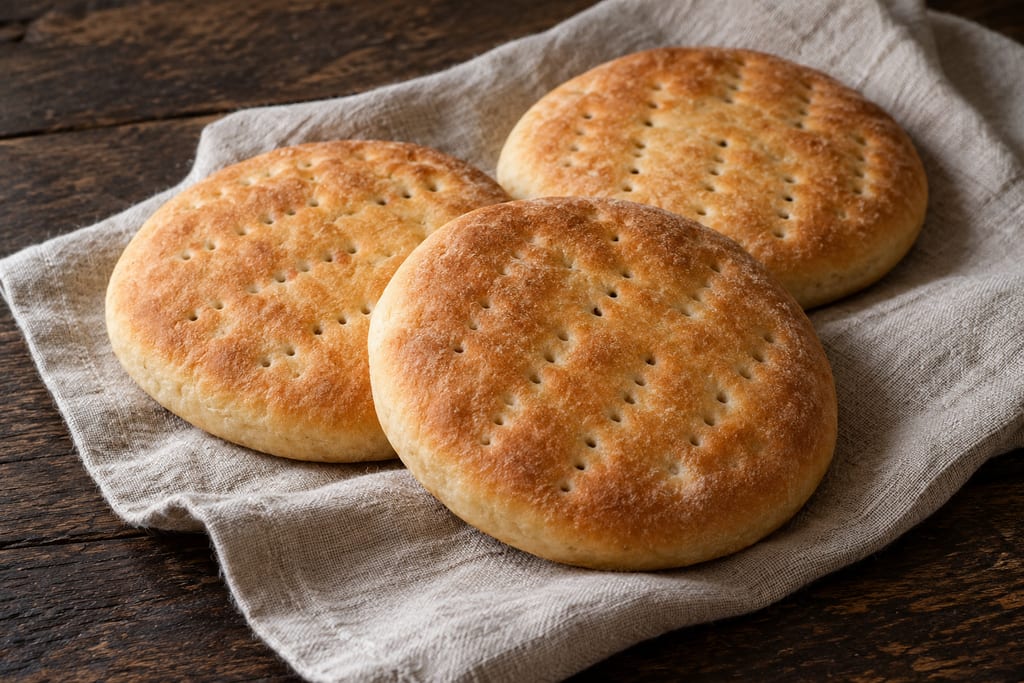
Round Chilean yeast breads made with shortening, rolled and folded, then cut, pricked and baked until golden.
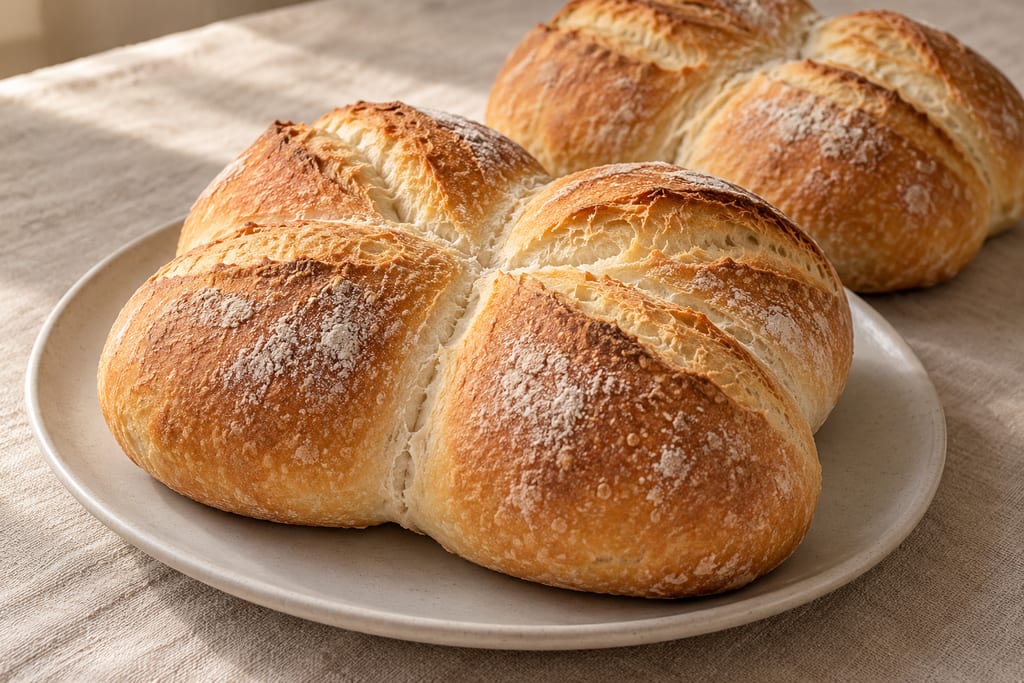
A lean Chilean wheat loaf shaped as two joined lobes, chilled overnight, then baked with steam for a crisp, deeply browned crust.

Merkén is the Mapuche seasoning of dried, smoked and ground ají cacho de cabra chile, sometimes with toasted coriander seed and salt, made in the Maule and La Araucanía regions of Chile.
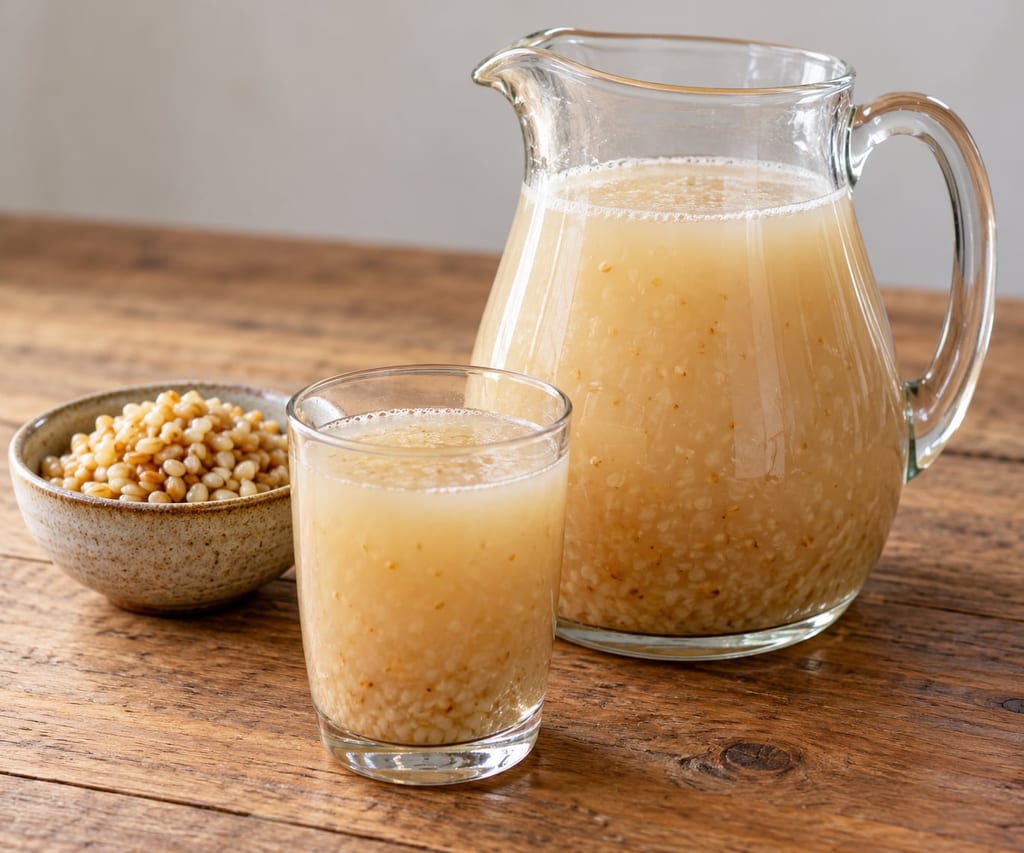
Muday de trigo is a wheat-and-honey fermented drink recorded from vendors at Feria Rahue in Osorno; this contemporary batch cooks and grinds the grain before fermentation.
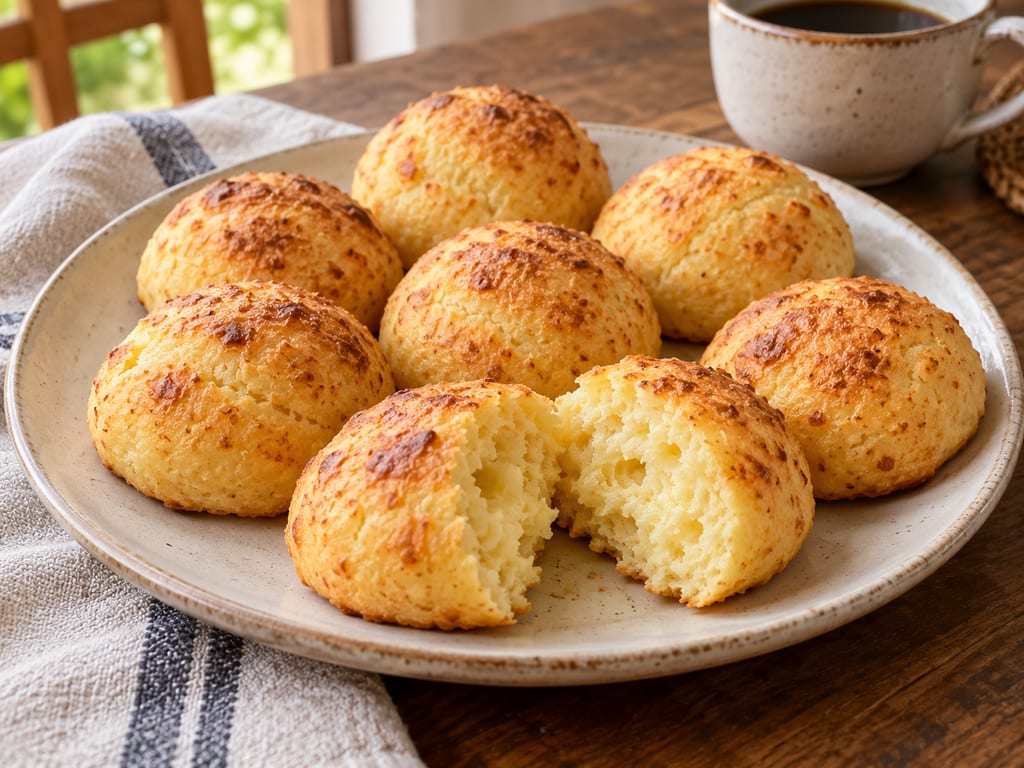
Small Colombian cheese breads made with precooked corn flour, queso fresco, mozzarella, eggs, milk and baking powder. This documented home version makes eight breads and is served warm.
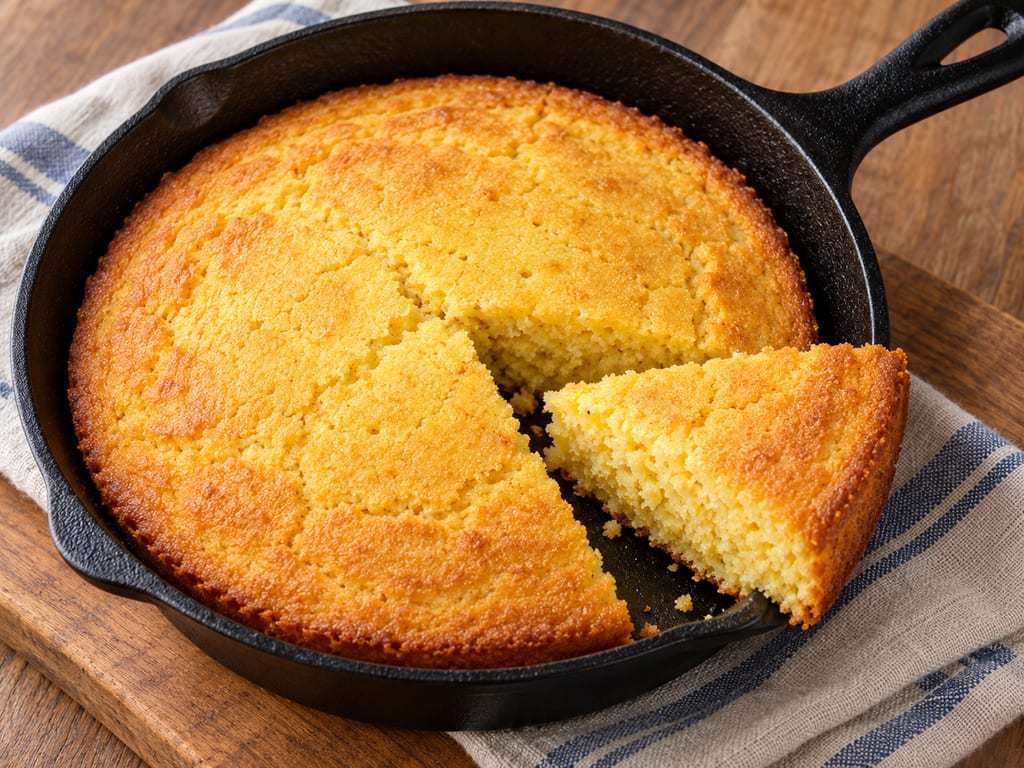
A modern cornmeal-and-wheat cornbread that King Arthur Baking describes as a compromise between Northern and Southern styles. The batter is baked in a pan or as muffins and served warm.
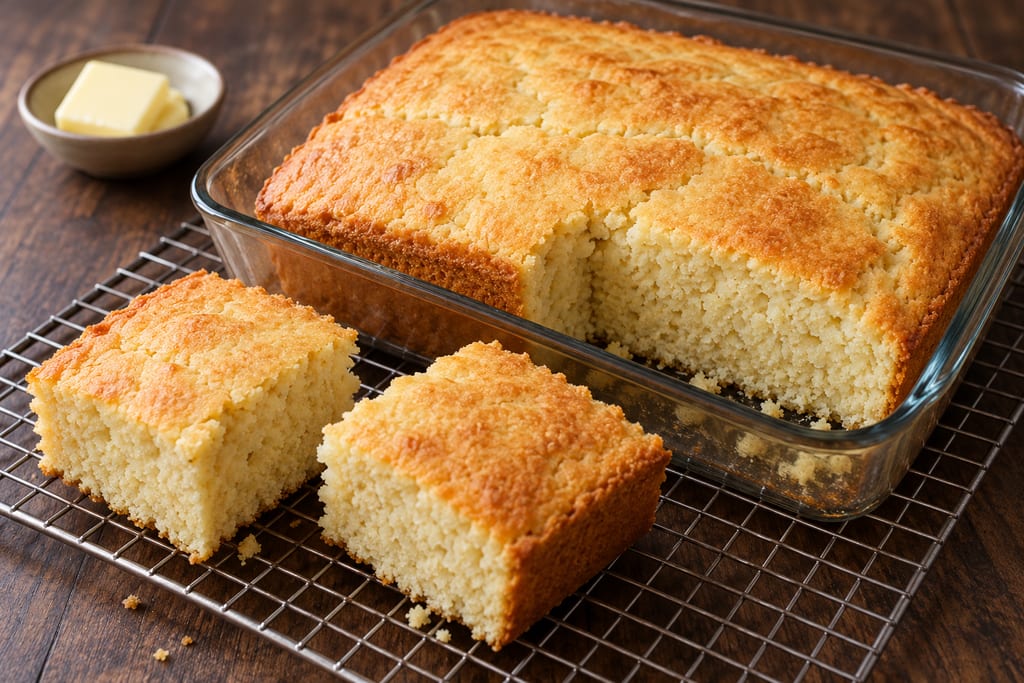
A soft, butter-rich Bahamian-style baked johnnycake made from flour, baking powder, sugar, butter and milk. The dough rests briefly in a square pan before baking.
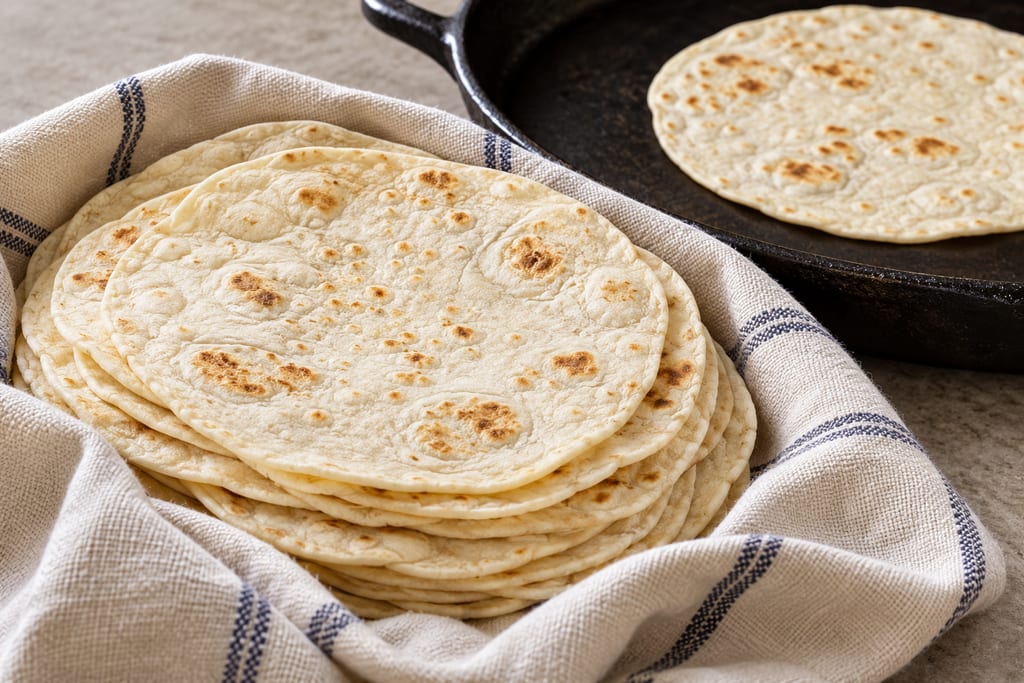
Soft wheat-flour rounds from an INCAP Honduran baleada recipe are rolled thin and cooked on a dry skillet; this record covers tortillas, not the filled dish.
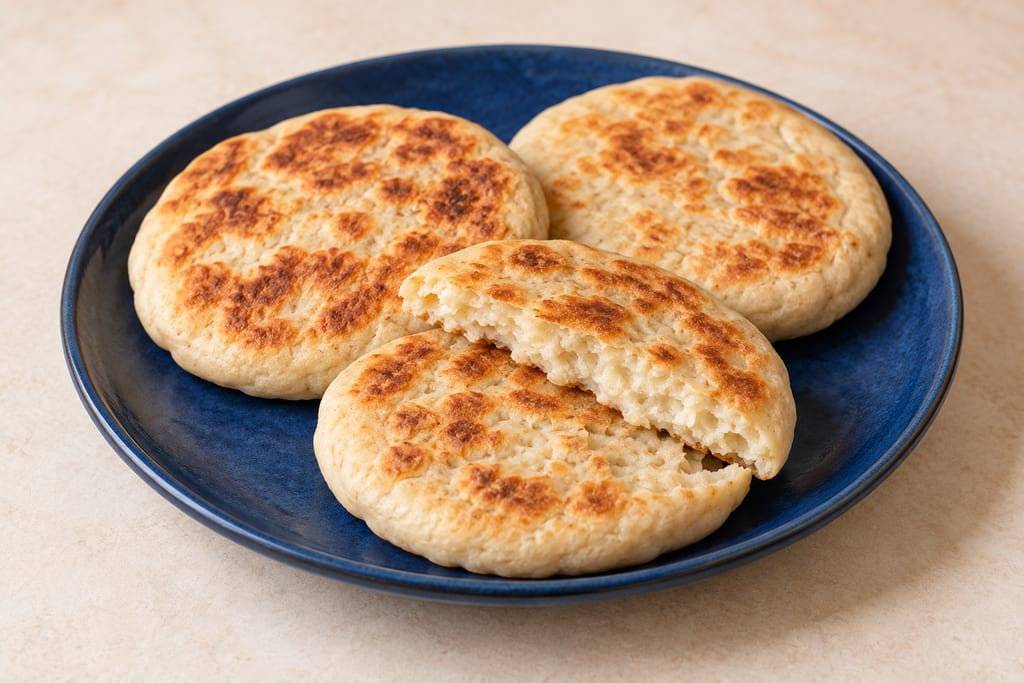
A Central Tibetan style pan bread made from flour, water and baking powder. Four dough balls are rested, rolled into rounds and cooked covered in a skillet, turning them several times.
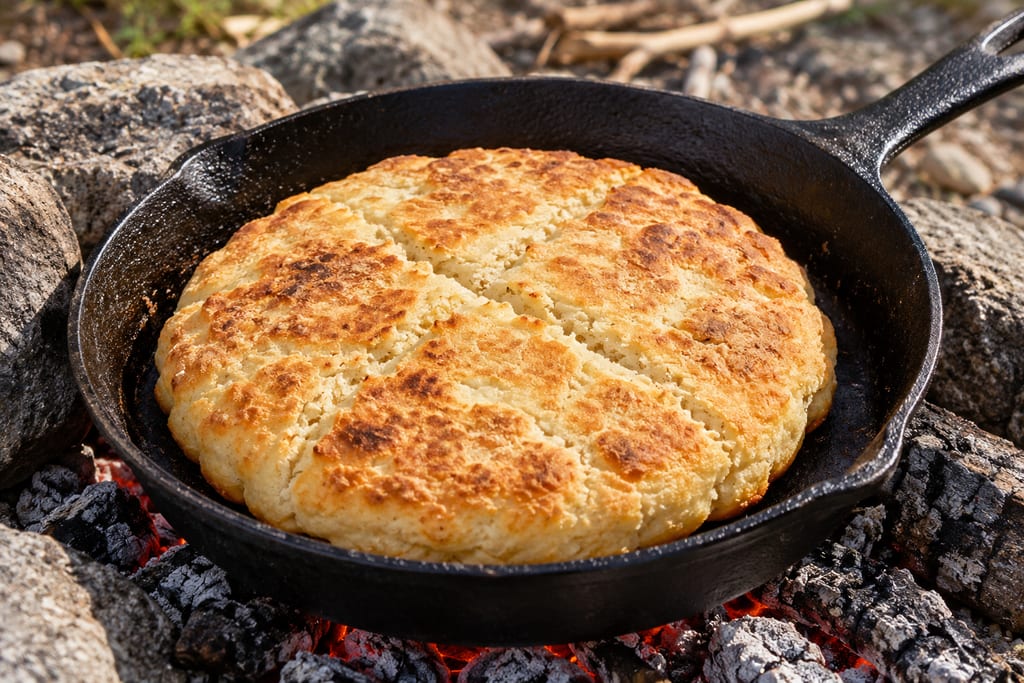
This flour, baking-powder and oil dough is Parks Canada’s contemporary Métis-interpreter version prepared at Rocky Mountain House; its specific recipe origin is unknown.
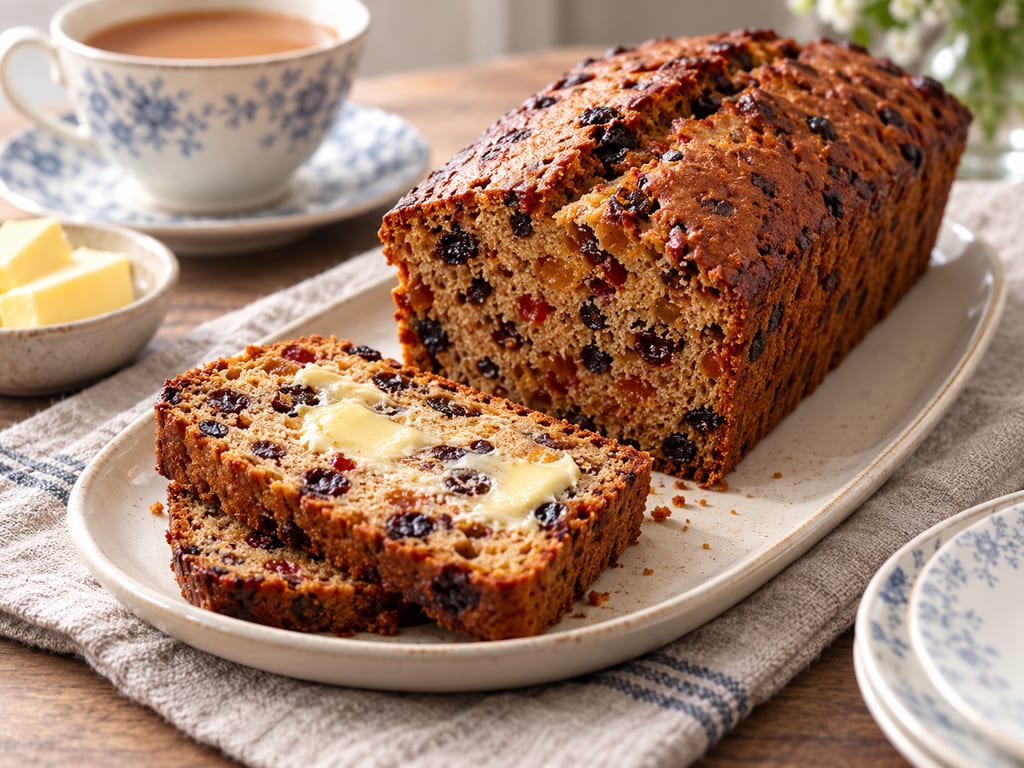
Bara brith is Wales’s speckled fruit loaf, made in both yeasted bread forms and the widely served modern tea-loaf style. This version soaks dried fruit in strong tea before mixing it with self-raising flour, spice, sugar and egg.
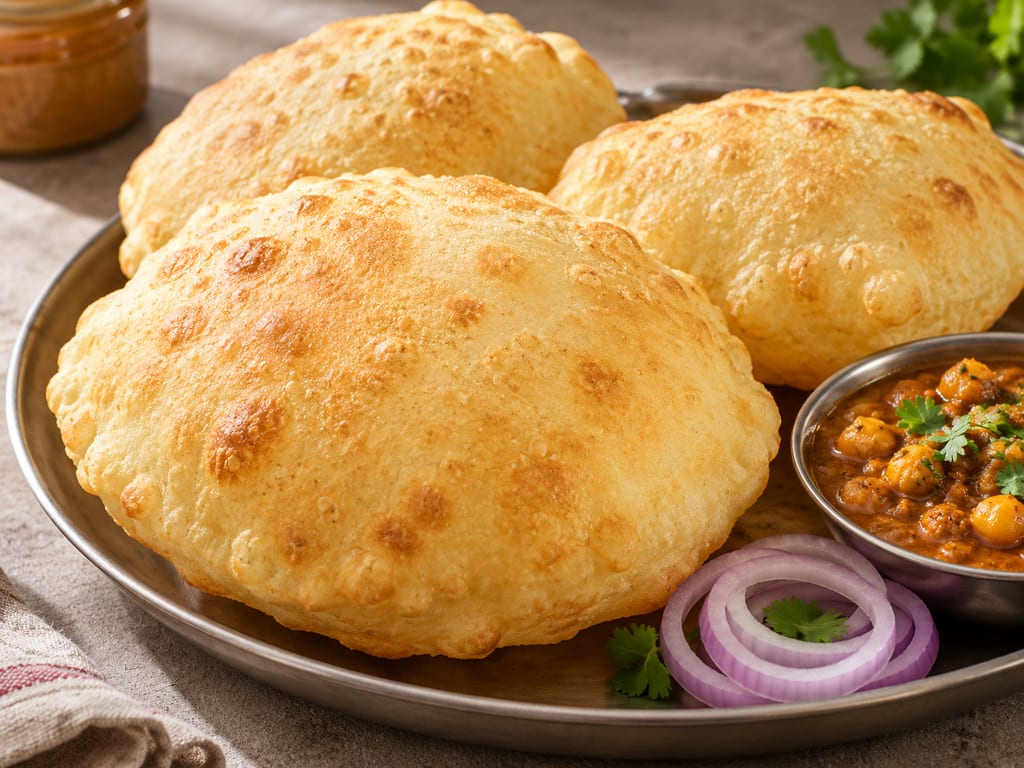
A North Indian fried bread made with yogurt, wheat flour and chemical leaveners. This source batch makes eight.
No community contributions have been published for this entry yet.
Sign in to contribute. Published comments and photos are free to read.
Ministerio de las Culturas, las Artes y el PatrimonioMethod · History
Tortilla de rescoldo, El fogón de QuillecoThe measured preparation yields two tortillas/about six portions and specifies 500 g flour, 150 g pork fat (combined manteca in the published preparation), 10 g salt, 12 g instant yeast, 4 g bicarbonate and 300 ml water.
It dissolves salt in 200 ml hot plus 100 ml warm water, mixes instant yeast with flour, adds salted water then warm melted fat, kneads until smooth and springy, and covers the dough near heat for one hour.
It places shaped tortillas in a hollow in hot hearth ash, covers with abundant ash and cooks about 25 minutes or until golden; then it scrapes the surface with a grater and wraps the breads in cloth.
Carmen’s separate family testimony describes 2 kg flour for four tortillas, one cup of masa madre, salt, bicarbonate, pork fat, hot water mixed with warm milk, a rest and covered ash-cooking from overnight banked charcoal; it provides no measured proportions or duration for those steps.
The publication describes the tortilla as daily bread in the family and places the family in Quilleco, Biobío; it does not date the first attestation or assert a single Chile-wide formula.
Cited in: An ember-baked bread from Quilleco
U.S. Food and Drug AdministrationSafety
Handling Flour Safely: What You Need to KnowRaw flour may contain harmful bacteria; do not taste uncooked flour or dough.
Keep flour and raw dough away from ready-to-eat food and wash hands, utensils and surfaces after handling.
Cited in: An ember-baked bread from Quilleco
U.S. Centers for Disease Control and PreventionSafety
Carbon Monoxide (CO) Poisoning BasicsBurning charcoal gives off carbon monoxide; never burn charcoal indoors.
Cited in: An ember-baked bread from Quilleco