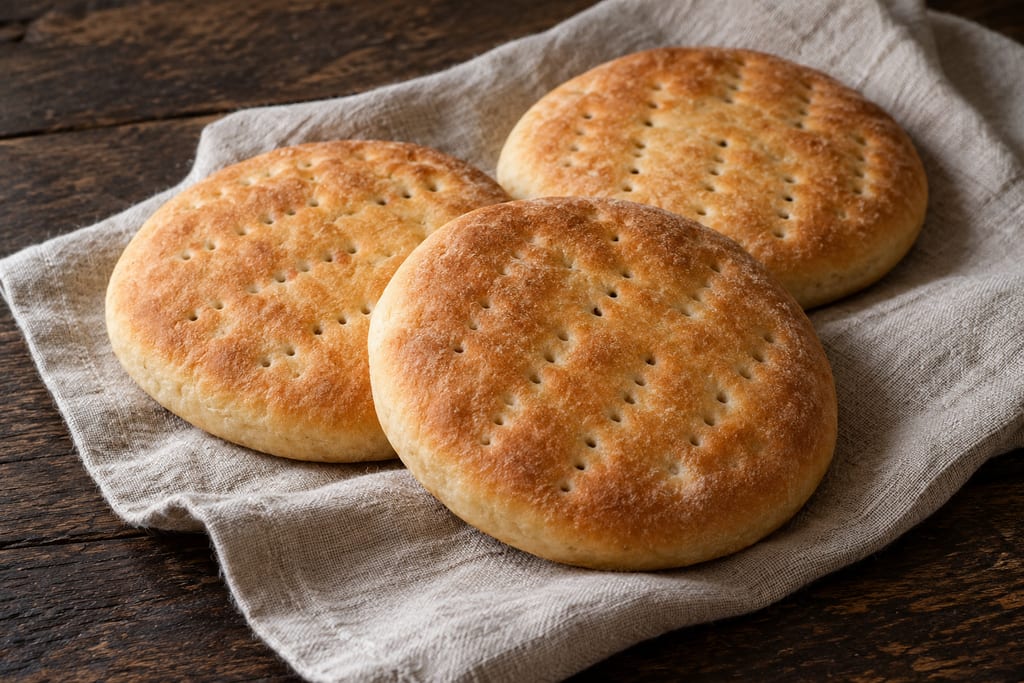
Chilean hallullas
Round Chilean yeast breads made with shortening, rolled and folded, then cut, pricked and baked until golden.
 FermenteaWhere food goes to change
Modern adaptation
Marraqueta · pan batido · pan francés
A lean Chilean wheat loaf shaped as two joined lobes, chilled overnight, then baked with steam for a crisp, deeply browned crust.
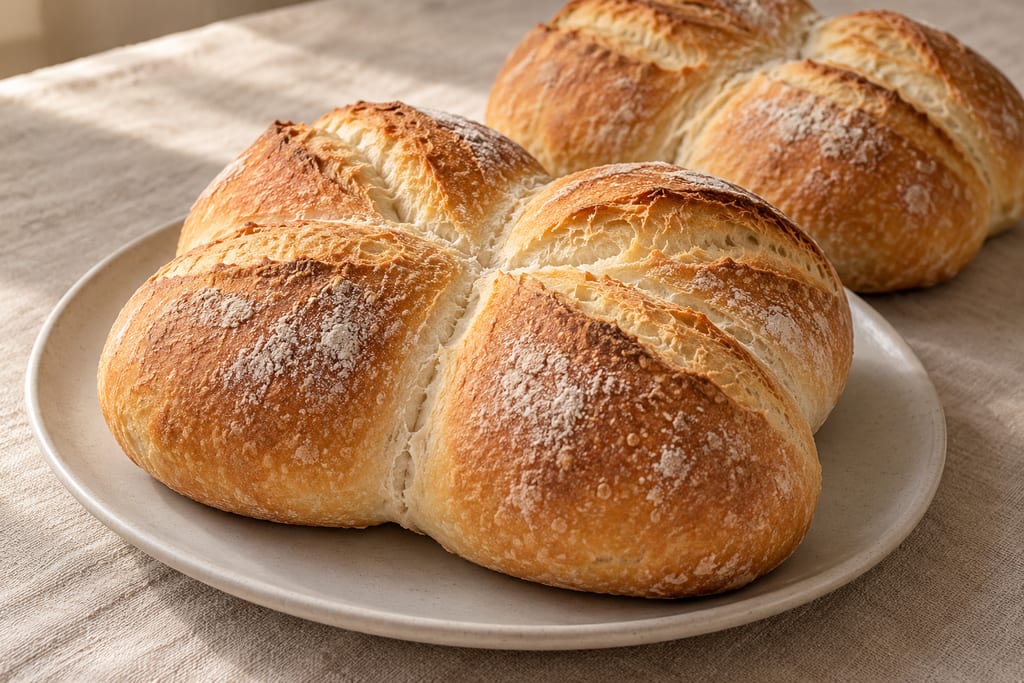
Pilar Hernandez presents this as a Chilean marraqueta recipe, adapted from Peter Reinhart’s baguette formula. She notes regional names: pan francés in Rancagua and pan batido around Valparaíso and Viña del Mar. The method is specific to her home adaptation; it is not a single formula for every bread called marraqueta.
The dough is shaped into an oval and divided visually by pressing a rod across it in two directions, creating the four-part form associated here with Chilean loaves. It rests briefly, then spends the night in the refrigerator before a final hour at room temperature. A hot stone and added steam help form the crust. The source does not specify a refrigerator temperature or a dough temperature.
Bolivia’s marraqueta paceña is separately named and documented as a distinct local bread. The Bolivian press describes local differences in dough, shape and traditional oven practice. This Chilean recipe does not combine those methods or claim exclusive ownership of the shared name.
The Chilean bakers' federation Fechipan publishes a professional direct-method formula for marraqueta, also called pan francés or pan batido. It lists 10 kg flour, 6 L water and 200 g salt, with either 200 g of liquid or compressed yeast or 80 g of instant yeast, plus an improver at the manufacturer's dose. The dough is portioned at 115 g, rested 30 minutes, proofed 1 hour 30 minutes on cloth and baked with steam at 220–230°C for 15–20 minutes. The page gives no unit count or final yield, and its separate preferment method is not transcribed here. It is a different batch from the home method above and should not be combined with it.
Fechipan dates the present direct method to after the 1977 liberalisation of prices. That dates the method, not the bread, and no first attestation of marraqueta is established in the inspected sources. A La Paz municipal law declares the Bolivian marraqueta part of La Paz's cultural heritage; its page could not be retrieved, so nothing further is taken from it.
Pilar Hernandez describes this as a Chilean marraqueta adaptation of Peter Reinhart’s baguette formula. Her recipe records pan batido in Valparaíso–Viña and pan francés in Rancagua. Fechipan, the Chilean bakers' federation, dates the present direct method to after the 1977 liberalisation of prices; that dates the method, not the bread. It does not establish an origin date. The separately catalogued Bolivian marraqueta paceña has its own tradition and method.
Yield 6 loaves · Scaling: source batch only
Flour can carry harmful bacteria; this recipe handles raw dough before baking.
Hazard sourceBake the loaves as directed; do not taste raw flour or dough, and wash hands, tools and work surfaces after handling it.
Control sourceDo not taste raw flour or dough. The overnight proof is refrigerated, but the source gives no refrigerator setpoint; keep dough refrigerated during that stage.
The method is explicitly presented as a Chilean recipe. It does not claim a precise birthplace or cover the separately catalogued Bolivian marraqueta paceña.
Round Chilean yeast breads made with shortening, rolled and folded, then cut, pricked and baked until golden.
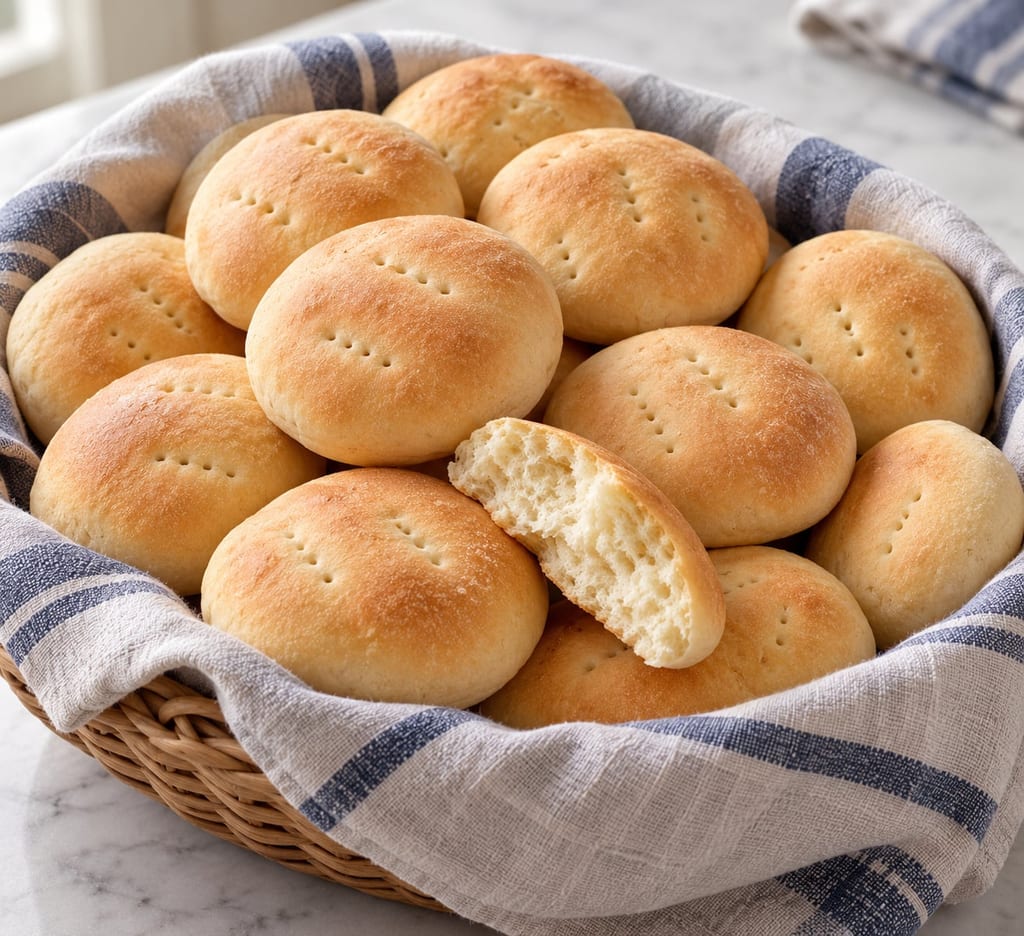
Small, fork-docked wheat rolls made with yeast, water, sugar and butter, a modern home version of Chilean pan amasado.
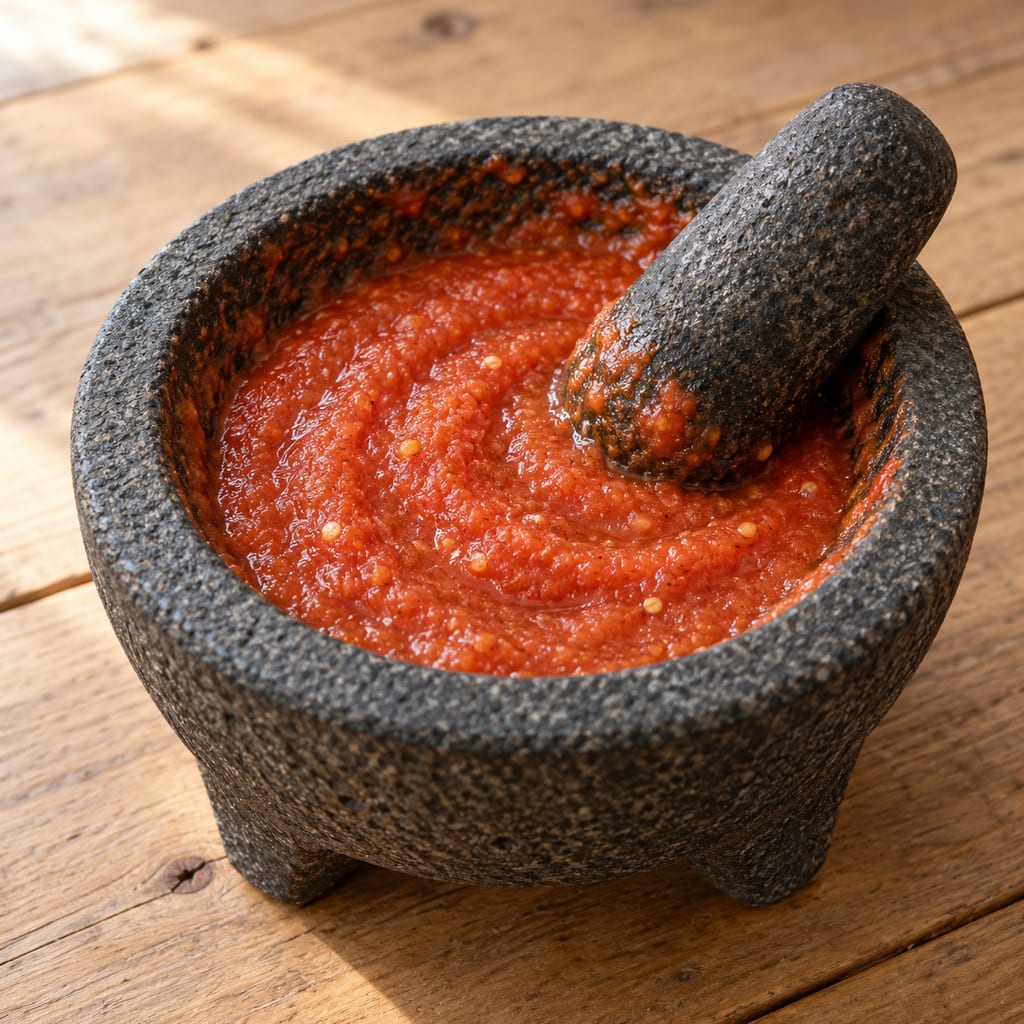
Chancho en piedra is a Chilean sauce of tomato, garlic, cumin and chilli, ground by hand in a stone mortar. Its name refers to the stone, not to pork.
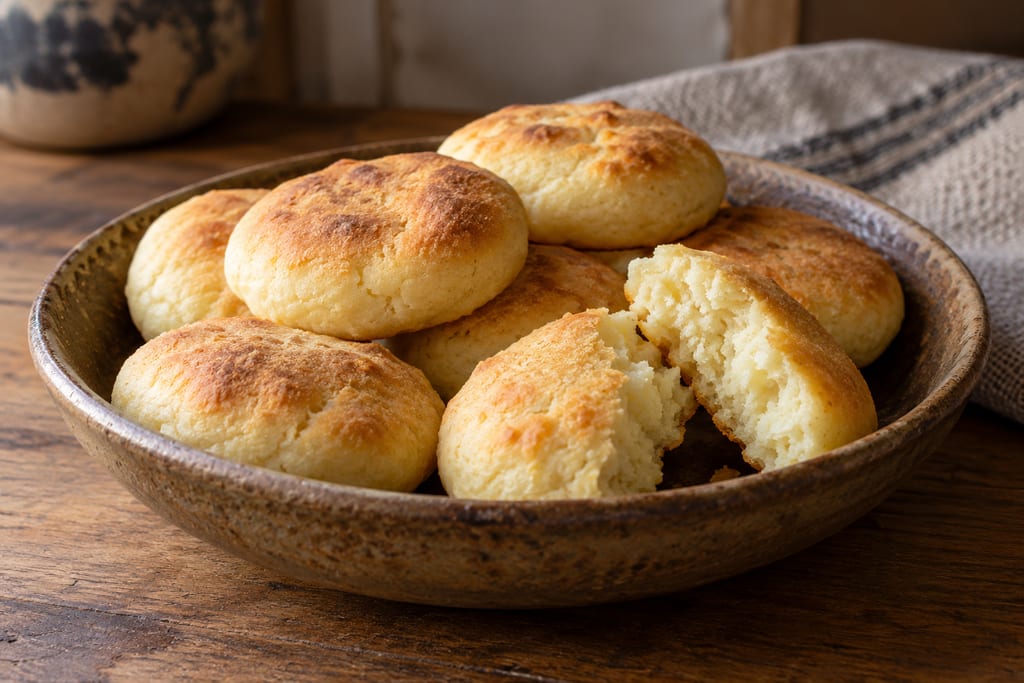
A baked Chiloé chapalele based on Gourmet's recipe: smooth cooked potato mixed with wheat flour, baking powder, sea salt and butter, shaped into 16 pieces.
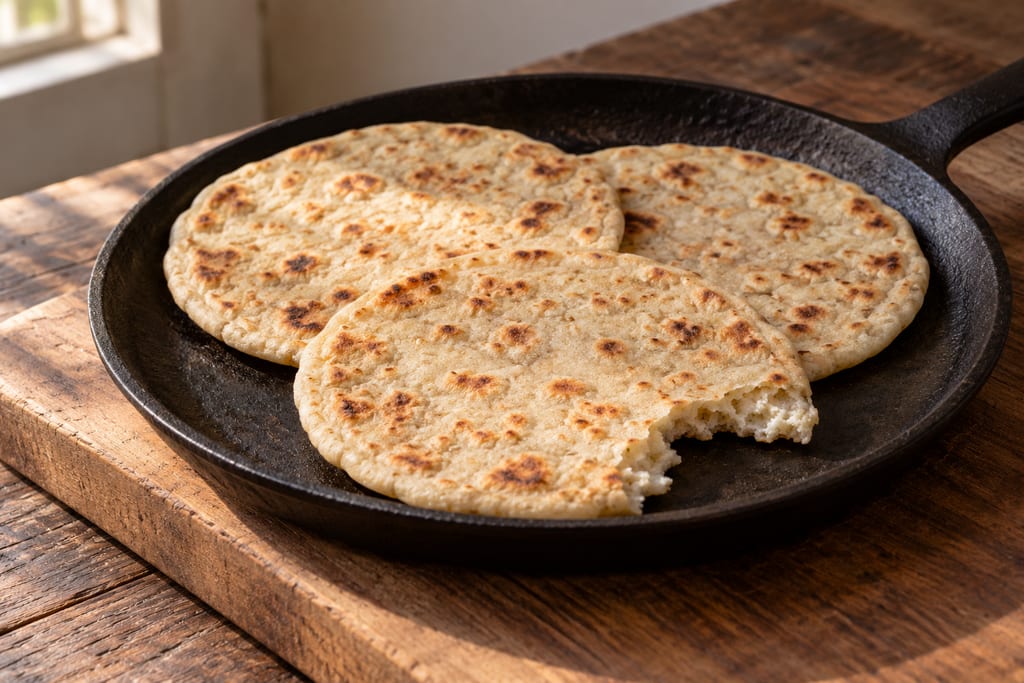
Six quick Chilean wheat flatbreads made with oil, baking soda and baking powder, then cooked in a dry skillet.

Merkén is the Mapuche seasoning of dried, smoked and ground ají cacho de cabra chile, sometimes with toasted coriander seed and salt, made in the Maule and La Araucanía regions of Chile.

Chiloé potato cakes combine cooked mashed potatoes with drained raw grated potato; this measured version is fried and yields 20.
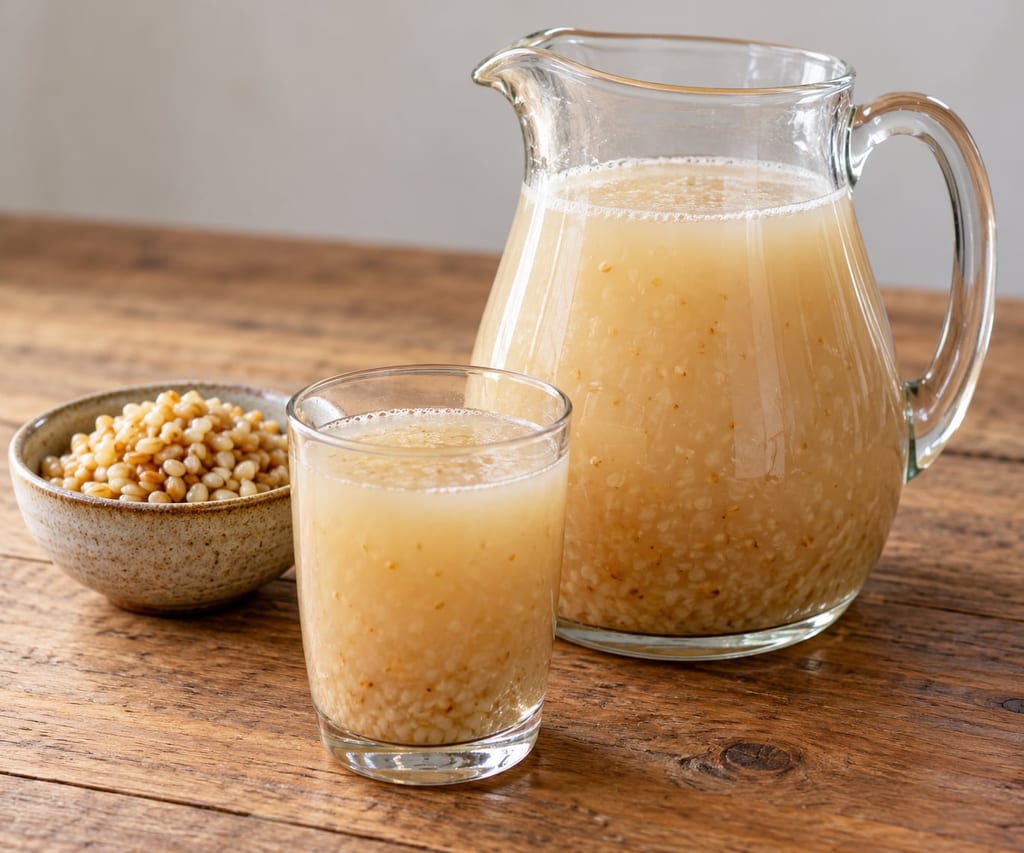
Muday de trigo is a wheat-and-honey fermented drink recorded from vendors at Feria Rahue in Osorno; this contemporary batch cooks and grinds the grain before fermentation.
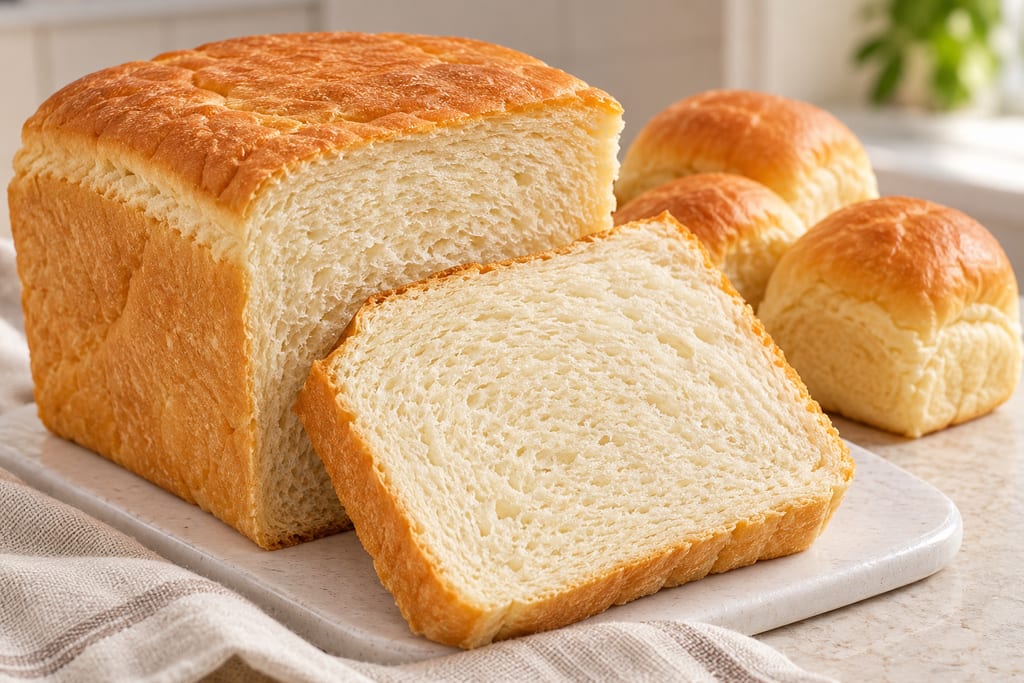
This softer home-style Agege bread uses a scalded flour paste, an enriched yeast dough and a 9×5-inch loaf pan, with rolls from the extra dough.
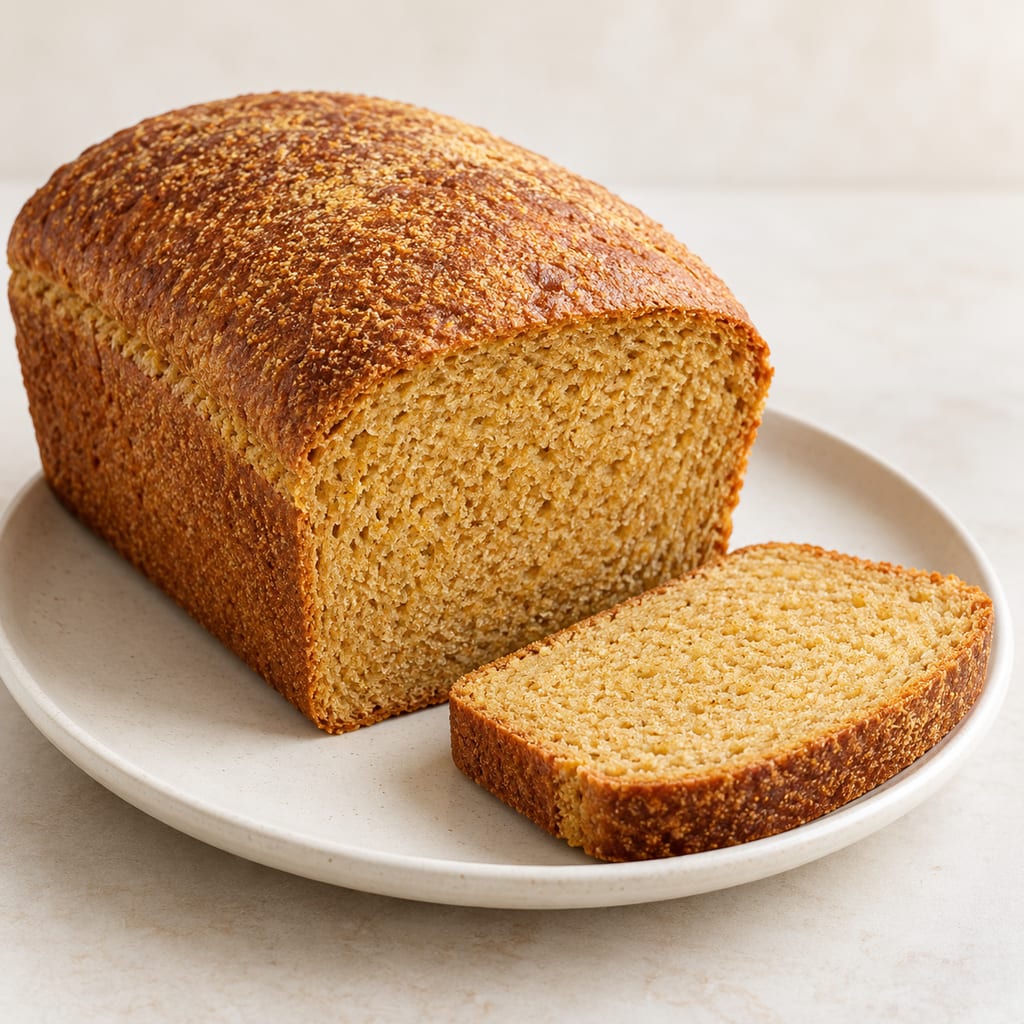
Anadama is a New England yeast loaf made with wheat flour, cornmeal and molasses. Scalded cornmeal enriches the dough, while molasses lends sweetness and a dark crust; it is especially good toasted or beside soup and baked beans.

A yeast-raised wheat ring shaped from a firm dough, briefly boiled and baked. This source-batch formula gives a gently malted crust and a chewy crumb.
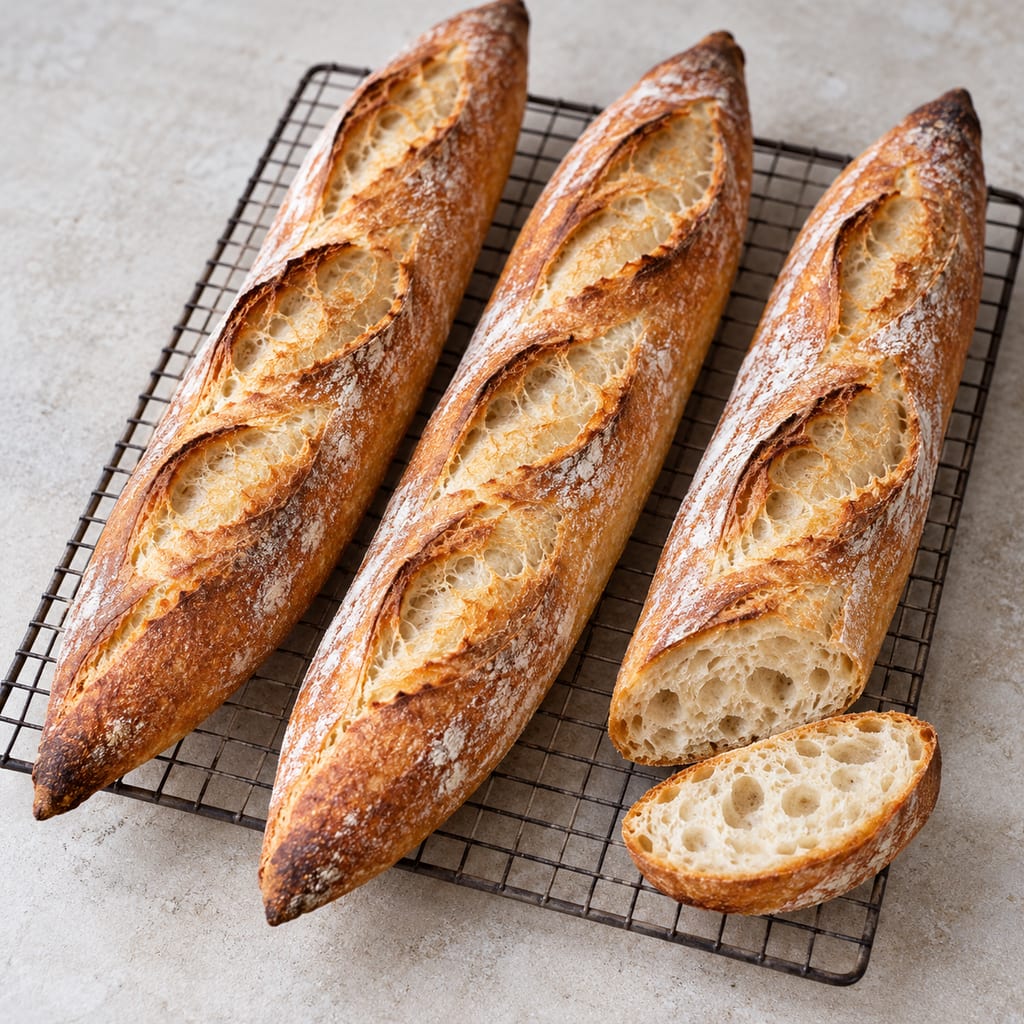
Three long, crusty wheat loaves made with an overnight yeast poolish, shaped by hand and baked with steam for a crisp crust.
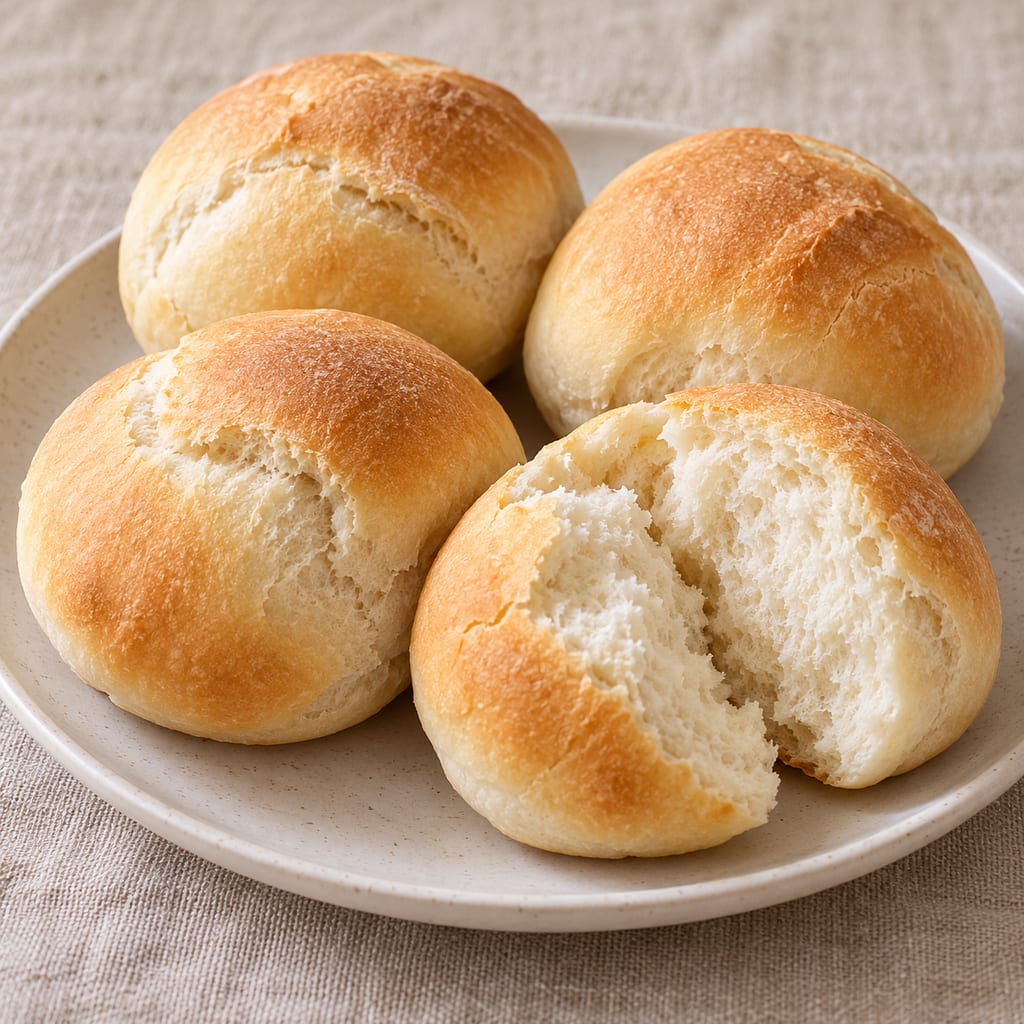
A lightly salted, yeast-raised Barbadian roll, baked in a dozen-roll home batch and often split for cutters.
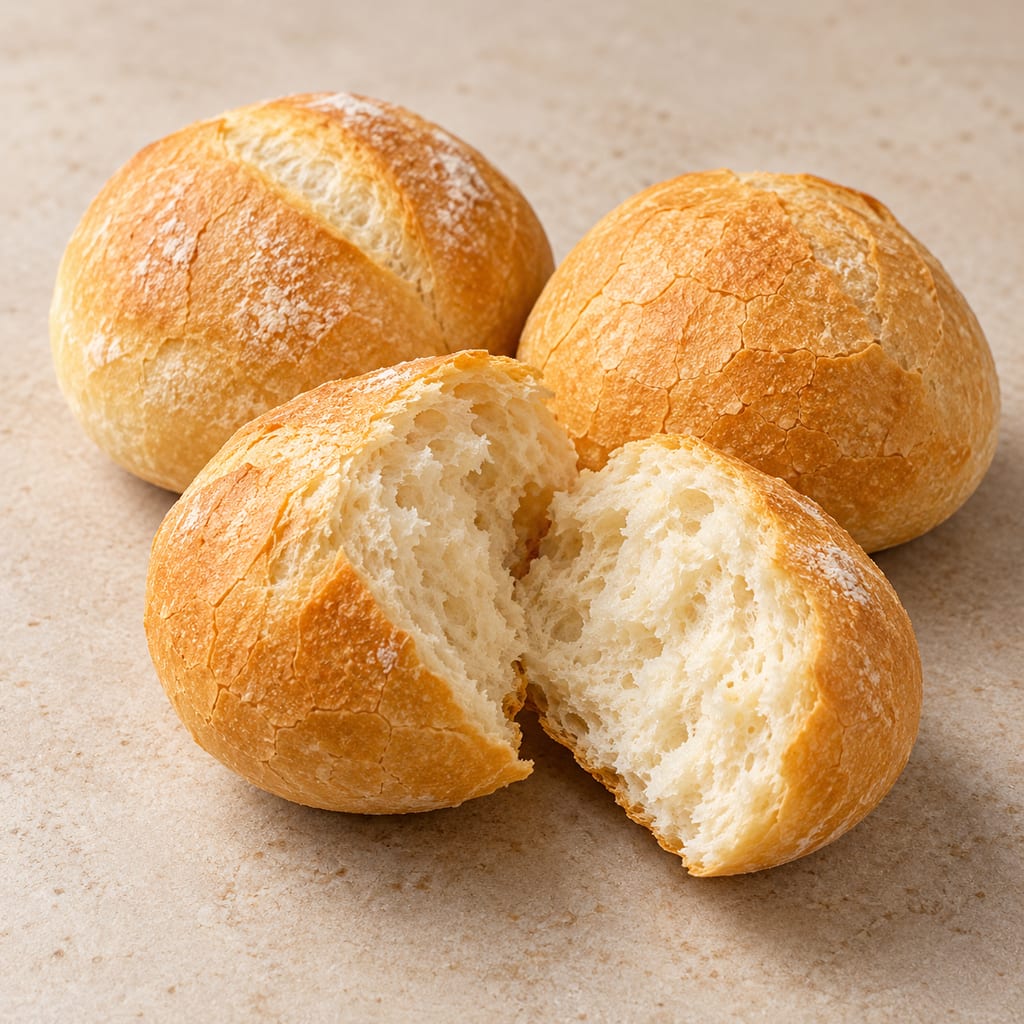
A crisp Belgian roll made from a supplier’s Croc-flour dough, mixed by hand or machine, proofed in rounds and baked with steam.
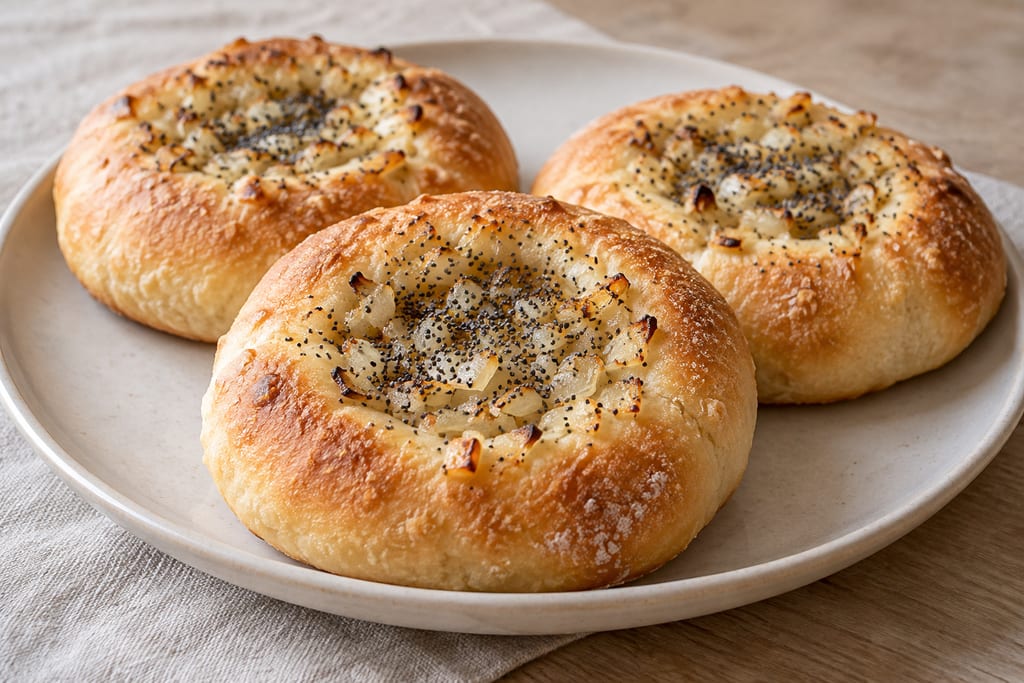
Bialys are soft, yeasted wheat rolls baked without boiling, each shaped with an onion-filled central depression instead of a hole.
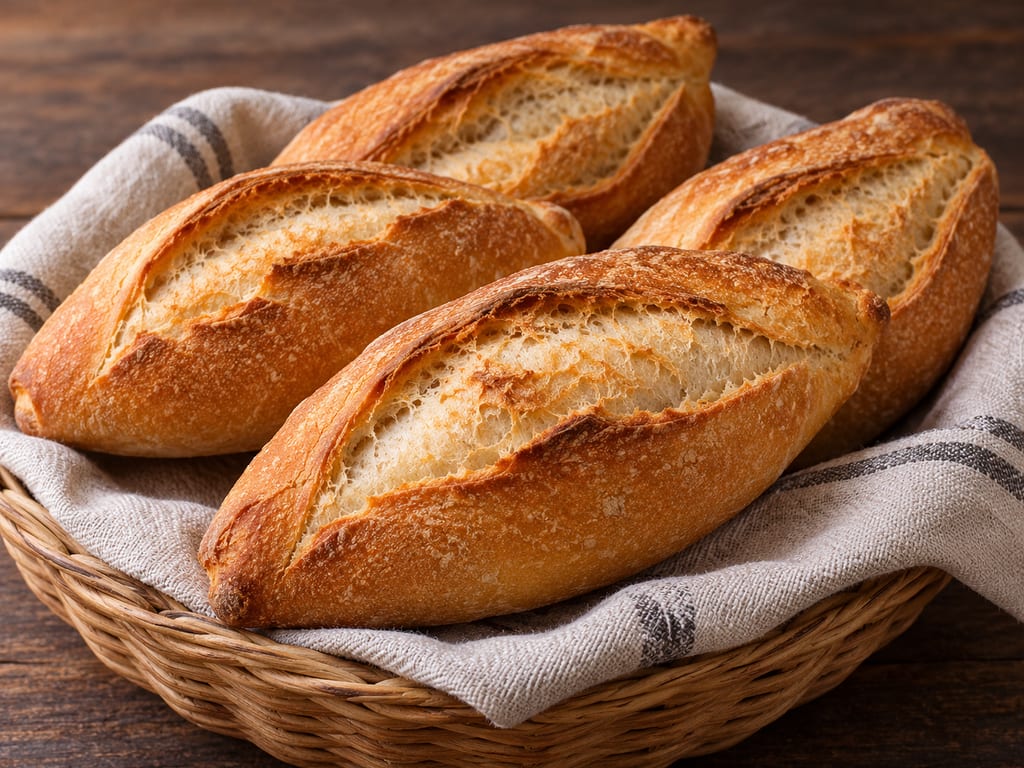
A measured, commercial-yeast home method for Guadalajara-style birote salado, with a six-hour preferment, shaped rolls and a two-temperature steam bake. This formula contains no egg.
No community contributions have been published for this entry yet.
Sign in to contribute. Published comments and photos are free to read.
La Cocina Chilena de Pilar HernándezMethod · Geography · History
MarraquetasThe recipe is described as a Chilean marraqueta adaptation of Peter Reinhart’s baguette recipe; the author names pan francés in Rancagua and pan batido in Valparaíso–Viña.
The exact ingredient quantities, six-loaf yield, kneading and rest sequence, shaping, overnight refrigeration, oven temperatures, steam method, baking and cooling times are recorded.
Cited in: A Chilean shape and a long proof
Fechipan; Yáñez Diéguez, Fraile González, Gálvez PalmaHistory · Context
Recetario de panes chilenos: Marraqueta, pan francés o batido actualFechipan calls its Chilean formula marraqueta, pan francés or pan batido, formed as paired pieces with the join pressed.
Its professional direct method lists 10 kg flour, 6 L water, 200 g salt, 200 g liquid or compressed yeast or 80 g instant yeast, and an improver at the manufacturer's dose; 115 g portions, a 30-minute rest, 1 hour 30 minutes proofing on cloth, and a steamed bake at 220–230°C for 15–20 minutes. No unit count or final yield is given. A separate preferment method is not transcribed.
It dates the present direct method to after the 1977 liberalisation of prices, which dates the method, not the bread.
Cited in: A professional bakery formula; Dating a method, not a bread
Concejo Municipal de La PazContext
Ley Municipal declara a la marraqueta Patrimonio Cultural de La PazBy its title, a La Paz municipal law declares the marraqueta part of La Paz's cultural heritage. The page could not be retrieved, so no further fact is taken from it.
Cited in: Dating a method, not a bread
U.S. Food and Drug AdministrationSafety
Handling Flour Safely: What You Need to KnowRaw flour can carry harmful bacteria; do not eat or taste raw flour, dough or batter; wash hands, utensils and surfaces after handling.
El DeberHistory · Geography
La marraqueta paceña tiene sus secretos, un experto dice cuáles sonThe article describes the Bolivian marraqueta paceña as a La Paz and El Alto bread with a local method and heritage recognition; a baker describes a minimal-yeast dough, an elongated scored shape, brick-and-clay vaulted ovens and short hot baking. This supports keeping the Bolivian form separate; its formula is not used in this Chilean recipe.
Cited in: A Chilean shape and a long proof