Chapalele
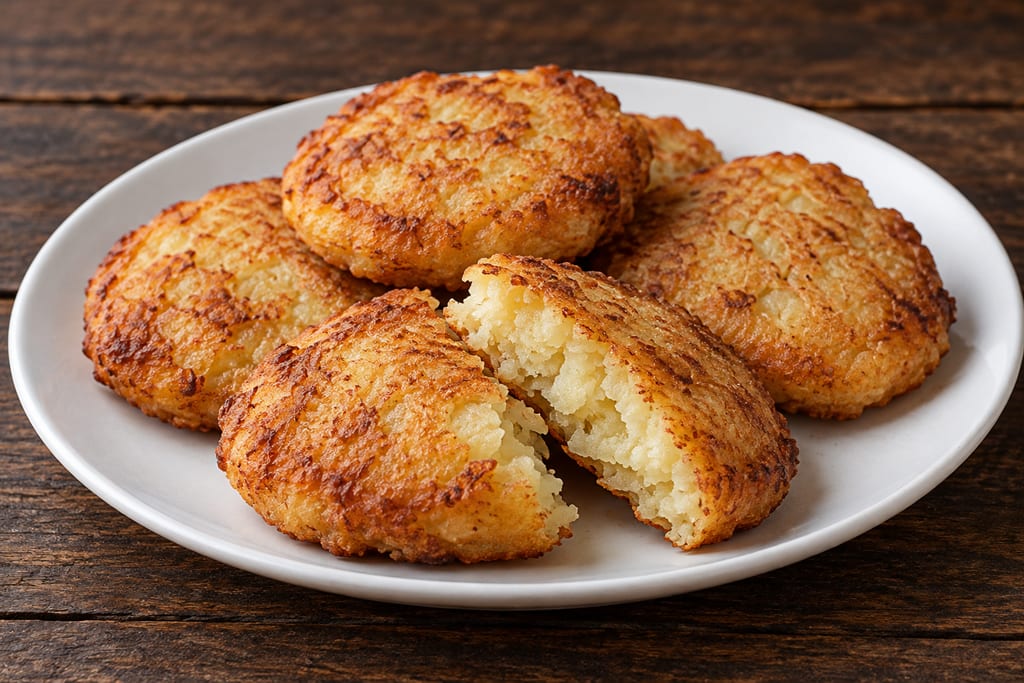
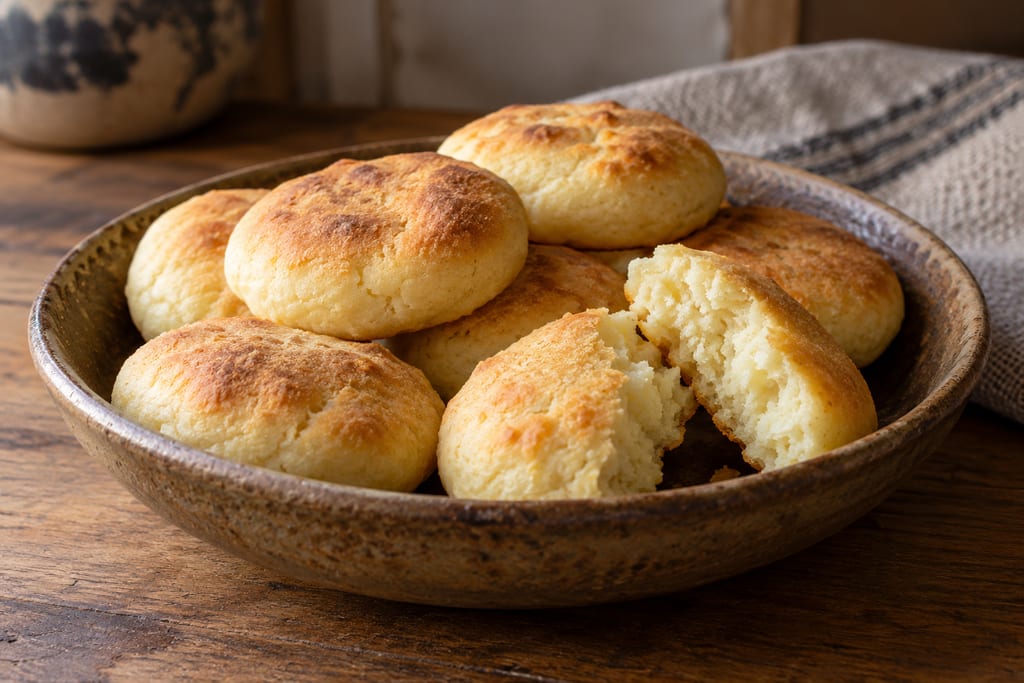
A baked Chiloé chapalele based on Gourmet's recipe: smooth cooked potato mixed with wheat flour, baking powder, sea salt and butter, shaped into 16 pieces.
 FermenteaWhere food goes to change
Modern adaptation
Wheat muday · Wheat-and-honey muday
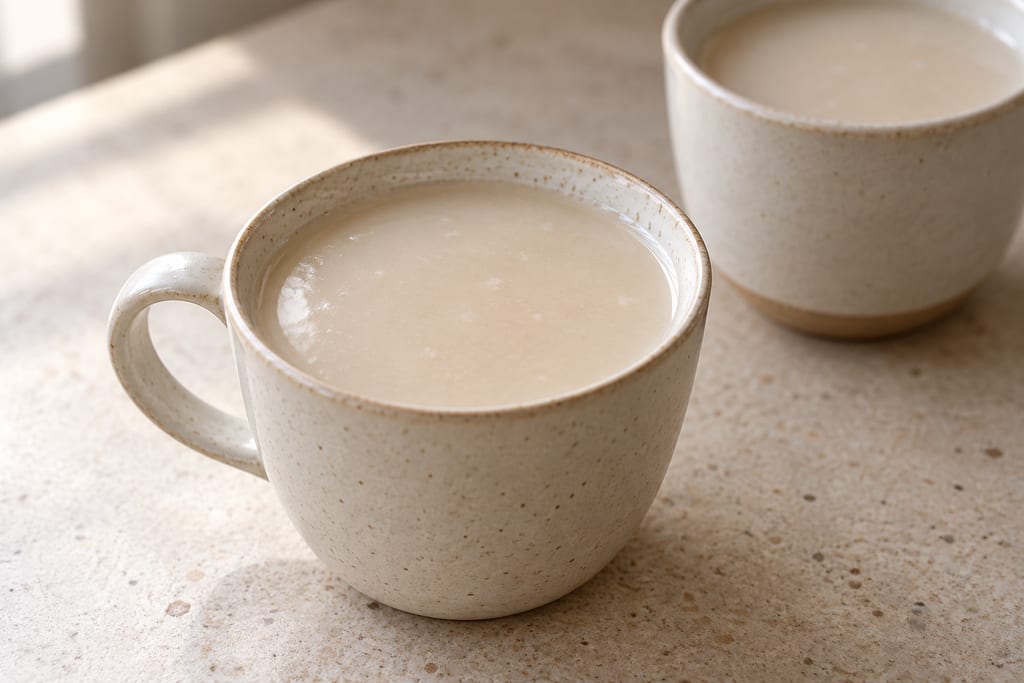
Muday de trigo is a wheat-and-honey fermented drink recorded from vendors at Feria Rahue in Osorno; this contemporary batch cooks and grinds the grain before fermentation.
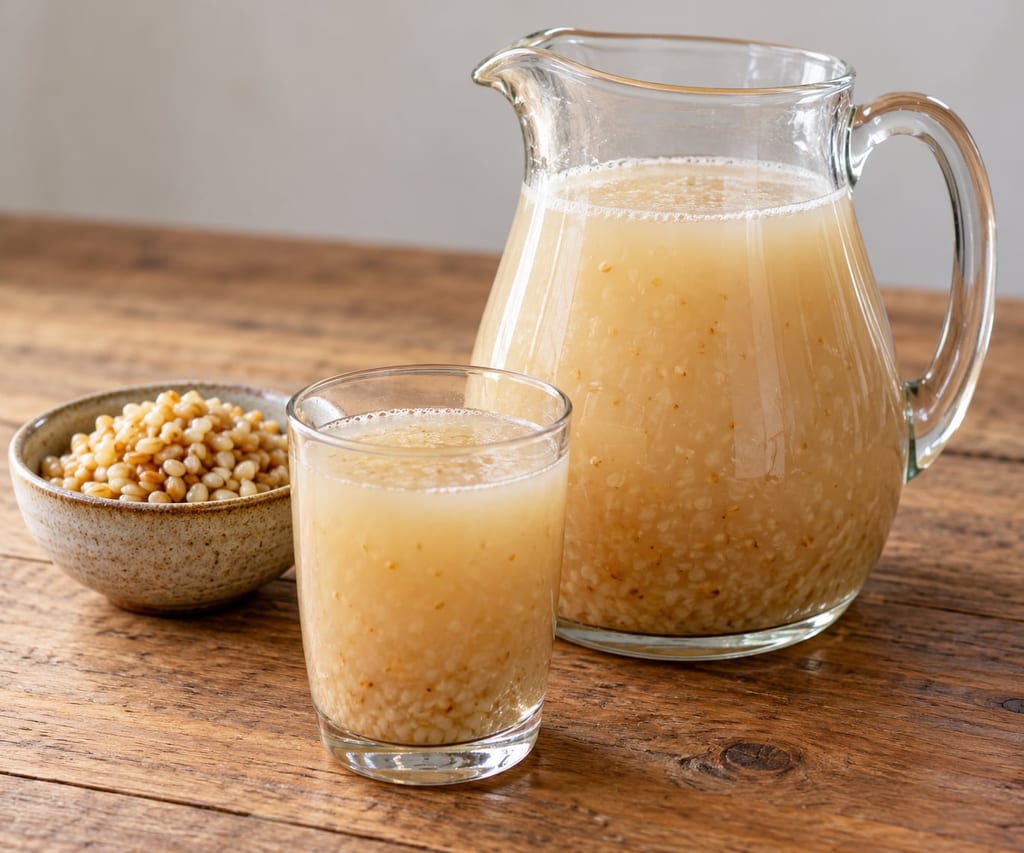
The 2016 collection prints “Muday de trigo” as a contribution by Katherine Denisse Pérez Hinojosa. Her account says she first tasted the drink at Feria Rahue in Osorno, asked vendors about its preparation and heard that some had made and sold it for more than 15 years. The book describes the drink as Mapuche in origin and very low in alcohol. It names no vendor or community for this particular formula, and it reports no alcohol measurement.
The recipe belongs to a broader, varied Mapuche food tradition, but its ingredients and method must stay attached to this source. A linguistic study discusses cooked-wheat muday in Mapuche-Williche ritual contexts, while an official Chilean food-culture guide names wheat and kinwa among distinct muday variants. Neither source supplies the measured honey batch printed here.
The published batch uses 3 kg of wheat, 9 L of water and one measure printed as “1 tz.” of honey. The source does not define the cup size, so the amount is retained as “taza” rather than converted. It directs the cook to keep the wheat’s cooking water, grind the grain, recombine the two and stir over low heat for another 10 minutes before adding honey.
The instructions then call for a closed container. Fermentation time is chosen according to the alcoholic strength desired and may last up to one week. The page’s side panel separately prints 25 minutes of preparation and a 10–12 L portion; it does not explain how the 25-minute figure relates to the one-hour cook and 10-minute second heating, or establish a measured finished yield.
The contributor describes the drink as having very low alcohol, but no assay is reported. The recipe gives no controlled starter, fermentation temperature, pH endpoint, sanitation procedure, pressure-management detail or storage duration. Its one-week maximum is tied to desired alcoholic strength, not a validated safety endpoint.
The directions call for a “closed container” but does not explain its closure, this text cannot equate that instruction with an airtight vessel. University of California fermentation guidance warns that gas generated in an airtight container can cause breakage; that general warning does not determine a safe setup for this batch. The recipe remains a documented method with unresolved process controls, not a validated home protocol.
The 2016 collection prints this measured wheat-and-honey method as “Muday de trigo.” Its contributor says she encountered the drink at Feria Rahue in Osorno, asked vendors how they made it and heard that some had prepared and sold it for more than 15 years. The profile describes a Mapuche origin and a very low alcoholic strength; neither statement is an analytical measurement or a claim that this formula is universal. A separate Mapuche-Williche linguistic study discusses contemporary cooked-wheat muday in ritual contexts but does not document this honey batch. Wheat is an introduced crop in Chile, so this formula is not pre-contact.
Scaling: source batch only
The recipe directs resting the ferment in a closed container but does not define the closure or gas management. General fermentation guidance identifies gas in airtight vessels as a physical breakage hazard; that guidance does not validate this wheat-and-honey batch.
Hazard sourceThe source calls for a closed container and selects fermentation duration by desired alcohol strength, but gives no closure type, pressure management, measured alcohol strength, fermentation endpoint or storage duration. The reported low alcohol and one-week maximum are not measurements or safety limits. Do not infer safety from smell, taste, appearance, bubbling or elapsed time.
The contributor says she tasted the drink at Feria Rahue in Osorno and learned its preparation from vendors. This records a reported vendor-practice association, not a birthplace or a named vendor’s independently verified batch.
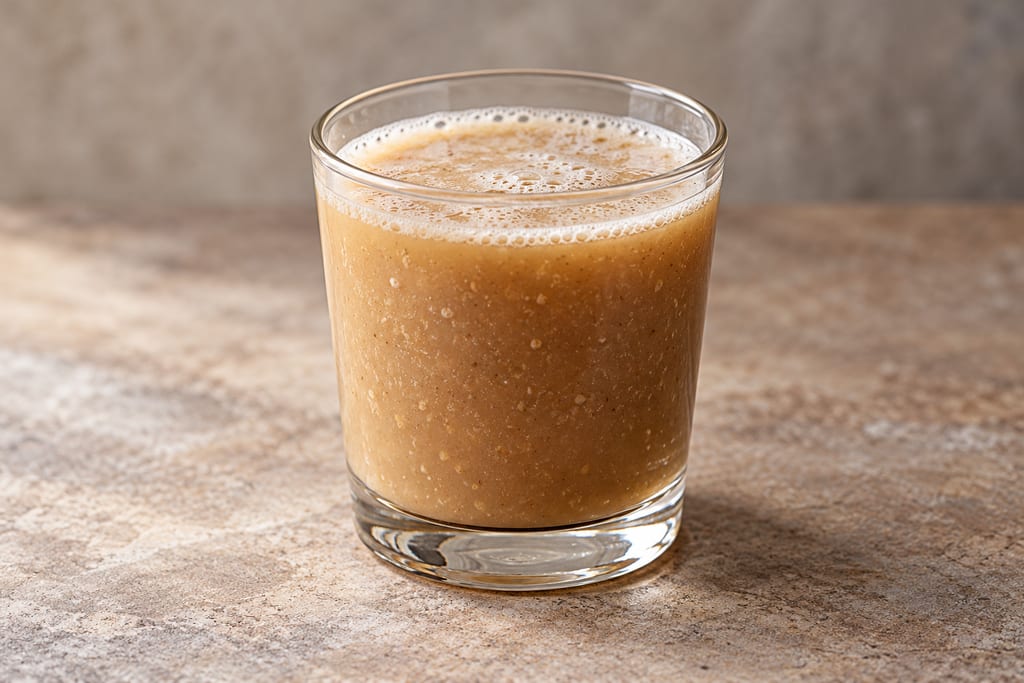
A thick, faintly fizzy Ethiopian cereal drink in which a wheat dough is fermented, roasted dark, then fermented a second time with barley malt into a drinkable slurry.

Hi-ire is the Japanese heat treatment of finished sake, about 65 °C, used to stop re-fermentation and souring. Brewers applied it from the Muromachi era.
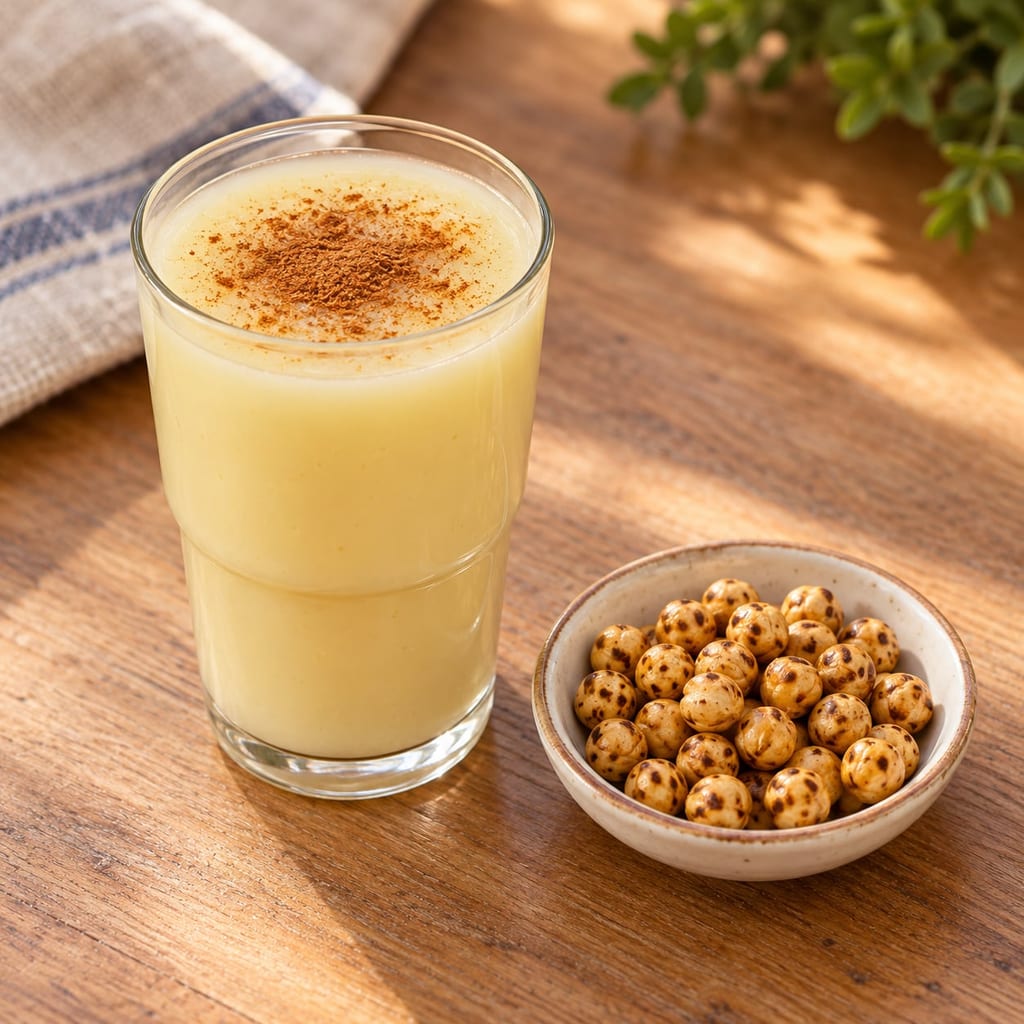
A thick, pale Turkish winter drink of bulgur and rice cooked to a soft cereal base, sweetened with grape molasses and fermented for two days.
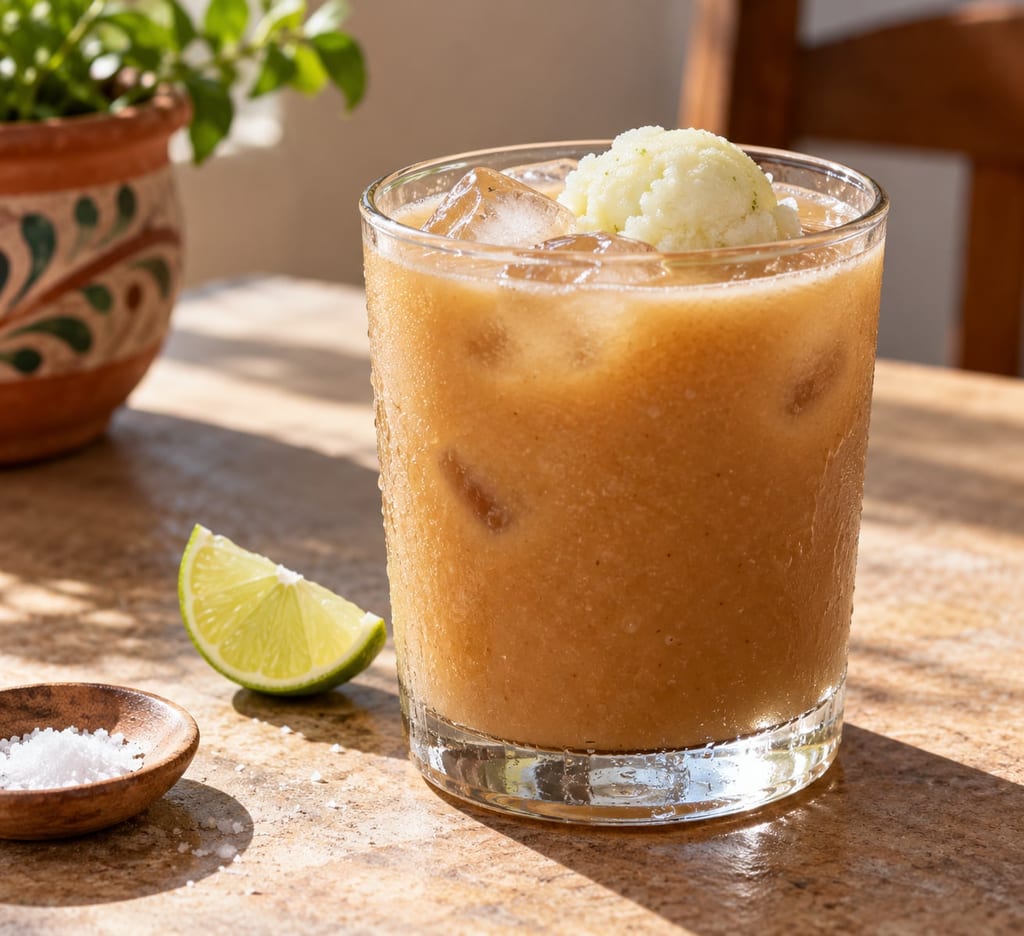
A tart, lightly fermented drink of Jalisco: nixtamalized maize masa cooked with piloncillo and limed, then diluted over ice and salted at serving.
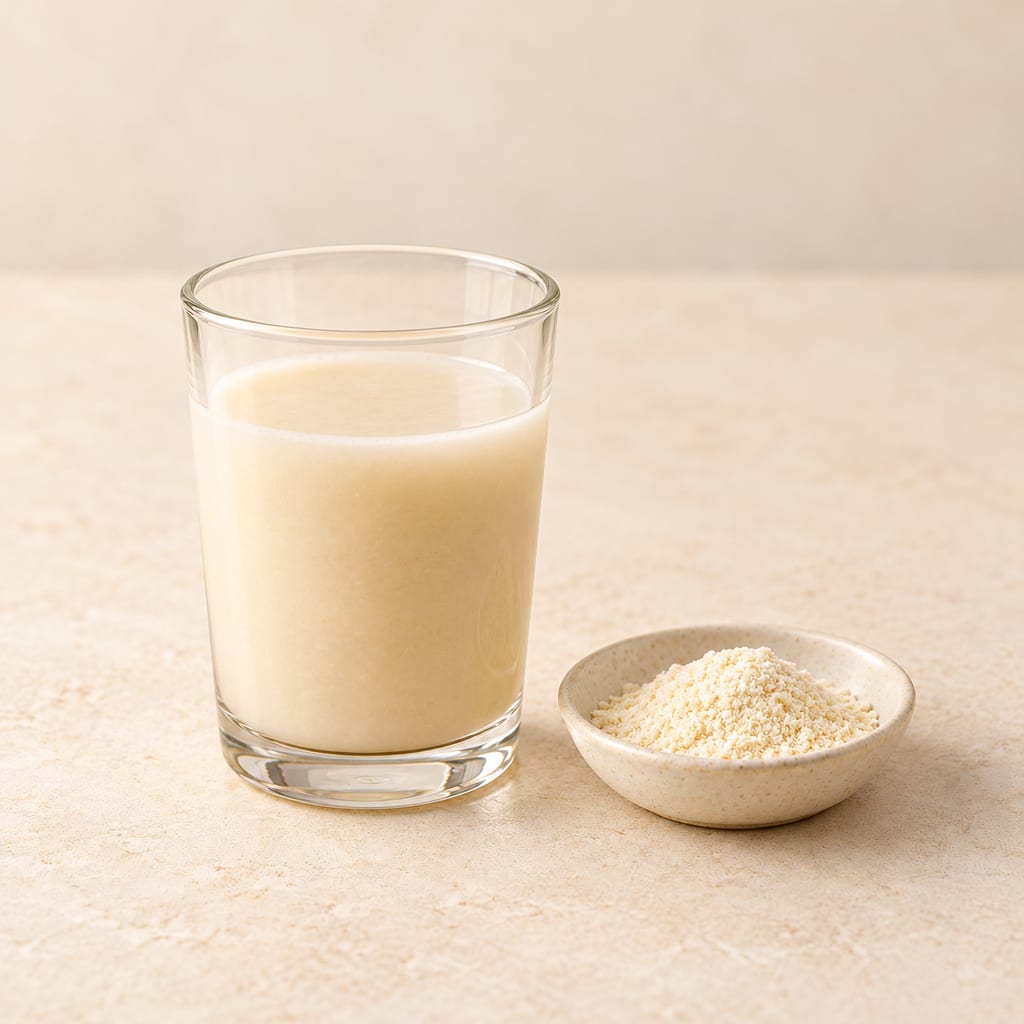
A Ugandan maize drink remade with a defined two-strain starter: roasted maize dough boiled to porridge, cooled and fermented under controlled conditions.
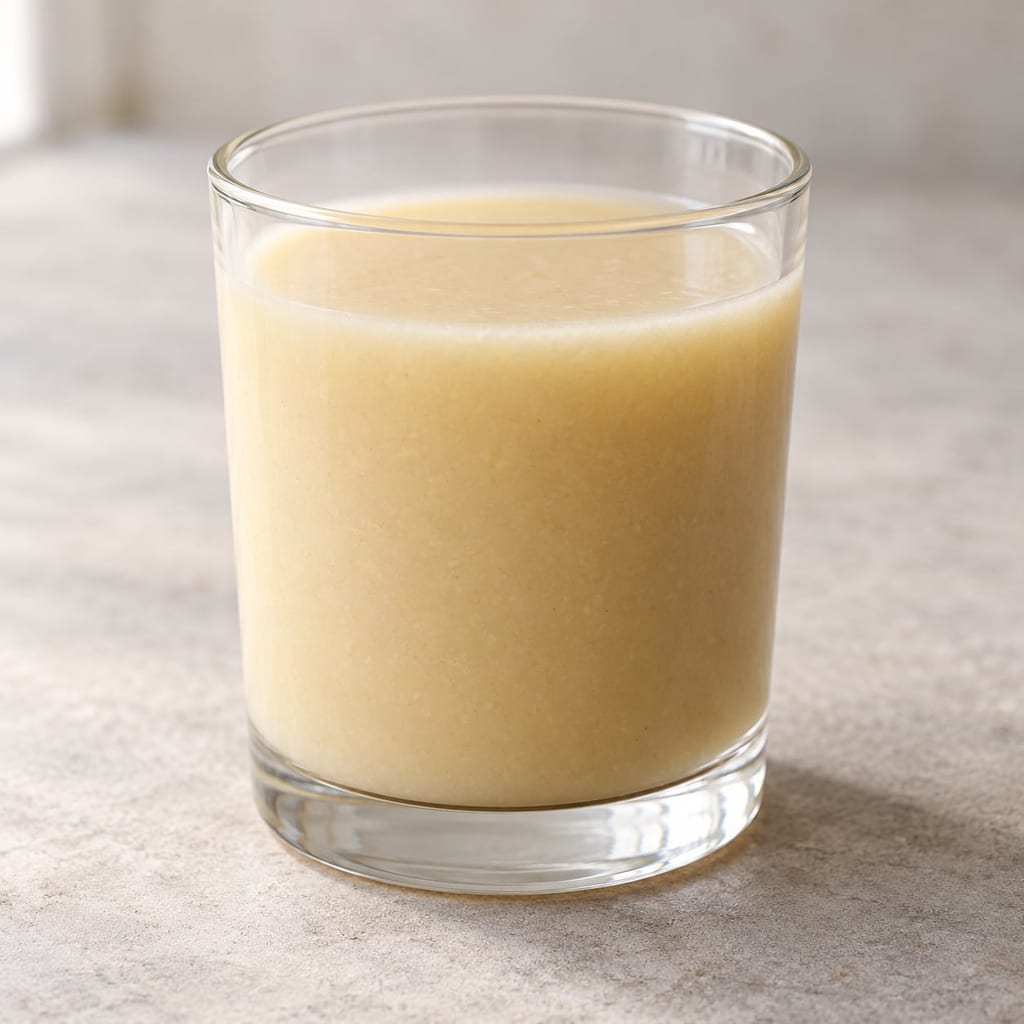
Kyrgyz Bozo is a mixed-fermented cereal drink made with ground grits, sprouted-wheat ugut and carried-over starter. This registry preparation leaves cereal selection, water and starter allocation unresolved.

A documentary entry on Latvian rye-bread kvass, preserved from a modern Latvian rye collection. It records a food tradition, not a home-fermentation method.
A documentary account of Zimbabwean mahewu and one producer's formula. Its quantities exceed the stated vessels, and research does not validate it as a safe home method.

Soft, spreadable Calabrian pork sausage made with a great deal of red chilli and fatty pork, stuffed into natural casings, sometimes smoked and matured while staying soft.

A way to add independent temperature logging to an existing food dehydrator without changing its built-in controls or protections. It is a monitoring method, not a rewiring plan.

Pleurotus cystidiosus is the abalone mushroom, a cultivated oyster-type fungus with dark brown caps that grows more slowly and is more demanding than other Pleurotus species.

A dark, balanced vinegar from Emilia-Romagna made by combining cooked or concentrated grape must with wine vinegar, then acetifying and refining it in wood under a protected specification.

A living dairy inoculum that starts controlled cream fermentation, developing acidity and aroma before sour cream or cultured butter is finished.

A small electric incubator holds jars at a selected temperature for yogurt and other documented warm food preparations. Controls, capacity and vessel arrangement vary by model.

Adygean salt is a seasoned table salt associated with Adygea and the wider North Caucasian culinary tradition. Salt is blended with garlic and a variable selection of herbs and spices; the exact mix depends on the named style and maker.

The African Caesar-group mushroom, Amanita masasiensis, is a wild ectomycorrhizal species of central and southern African woodlands, eaten locally. The genus contains deadly poisonous species, so identification needs care.
No community contributions have been published for this entry yet.
Sign in to contribute. Published comments and photos are free to read.
Consejo Nacional de la Cultura y las Artes, Gobierno de ChileMethod · Ingredients · Batch · Geography · History
Tu receta, tu historia (2016), “Muday de trigo,” p. 204Printed p. 204 lists 3 kg wheat, 1 tz honey and 9 L water; panel states 25 minutes preparation, one week maximum fermentation, low difficulty and “Porción: 10–12 litros.”
Directions: cook wheat in water for 1 hour, drain and retain cooking water, grind cooked wheat, recombine with its cooking water, cook on low heat for 10 minutes while stirring, add honey and rest in a closed container; duration depends on desired alcoholic strength and is at most one week.
The contributor says she first tasted it at Feria Rahue in Osorno, asked vendors about preparation, and reports some had prepared/sold it for more than 15 years. The profile calls it Mapuche in origin and says alcoholic strength is very low, but gives no analytical alcohol measurement.
No fermentation temperature, identified starter, pH endpoint, pressure-management detail, validated storage duration or process validation is supplied.
Cited in: A wheat recipe recorded at Rahue; A measured contemporary batch; What the source does not establish
Estudios Filológicos, Universidad Austral de ChileRegional context · History
Consonancias léxicas andinas en el lenguaje ritual mapuche williche: relaciones translingüísticas y estratificación históricaThe linguistic study describes cooked-wheat muday in the contemporary Mapuche-Williche ritual context it examines and discusses a historical association with maize chicha. It does not document the 2016 wheat-and-honey batch or establish a first origin.
Cited in: A wheat recipe recorded at Rahue
Frontiers in PharmacologyHistory · Regional context
Fermented beverages in prehispanic Chile: a comprehensive review of their phytochemistry, traditional medicinal uses, bioactivity, and social aspectsThe review describes wheat/barley beverages as introduced after Spanish colonial contact; this wheat recipe is a later adaptation, not a pre-contact cereal formula. The review does not supply this batch or its safety limits.
Ministerio de Salud de Chile, Departamento de Salud y pueblos Originarios e InterculturalidadRegional context
Panorama de la Cultura Alimentaria de los pueblos originarios de Chile: Aymara, Diaguita, Mapuche, Mapuche Williche. Cuaderno de consulta para equipos de saludThe official indexed text for p. 52 names wheat and kinwa muday among distinct variants, alongside separate Pewenche piñón and Lafkenche potato associations. The page excerpt supplies no formula for this batch.
Cited in: A wheat recipe recorded at Rahue
University of California Agriculture and Natural Resources / UC DavisSafety
Safely Ferment Fruits and Vegetables at HomeGeneral fermentation guidance identifies carbon dioxide gas in airtight containers as a physical hazard that may cause breakage. It does not validate this cereal-and-honey ferment or supply a safe closure or process endpoint.
Cited in: What the source does not establish