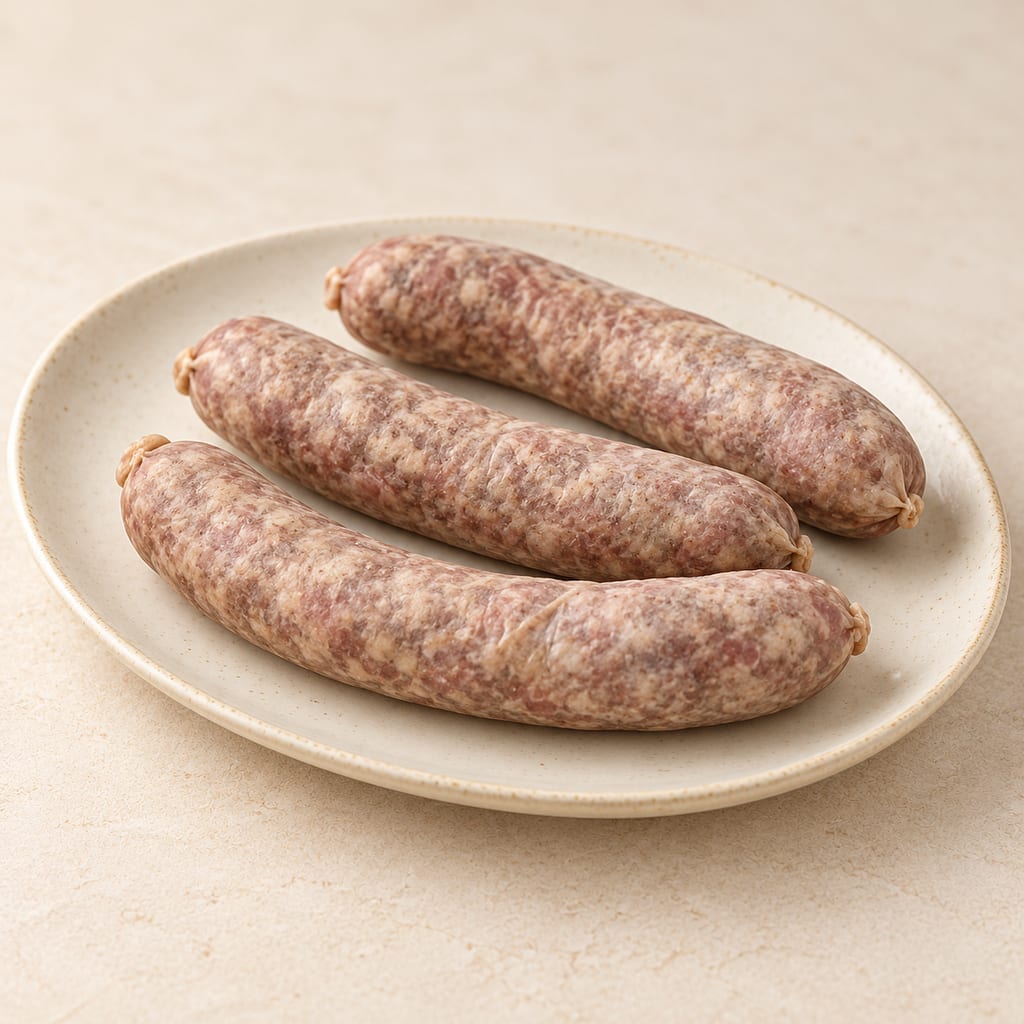
Maltese sausage, starter-cultured
A documentary account of Maltese zalzett and a contemporary starter-cultured adaptation. The cited raw-pork method lacks documented validation for pathogen reduction and is not offered as a preparation recipe.
 FermenteaWhere food goes to change
Modern adaptation
Two flattened Maltese-style ring breads made with dry yeast and baked in a domestic oven.
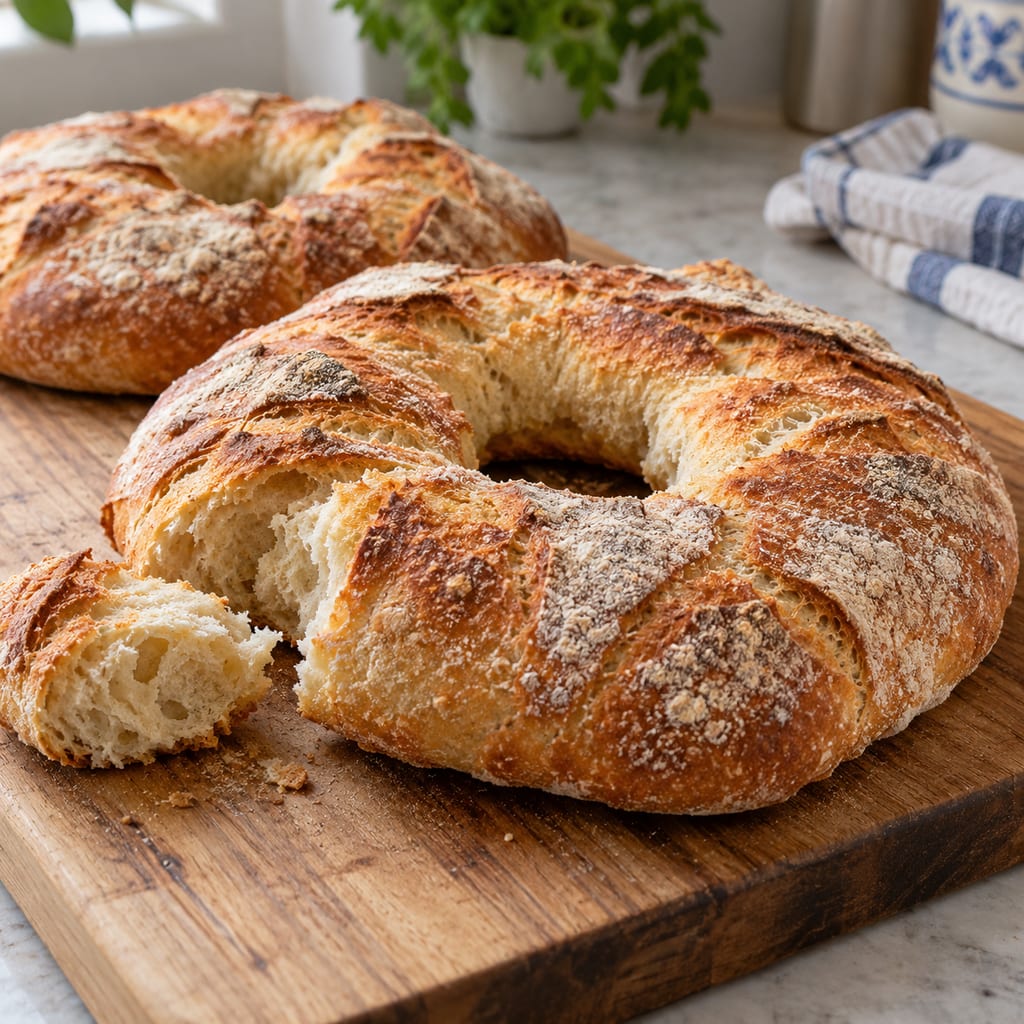
UNESCO documents il-ftira as a flattened Maltese sourdough bread shaped by hand. The reported Malta Food Agency home version uses commercial dry yeast and a household oven. It is a practical adaptation, not the sourdough bakery process described in the nomination.
UNESCO inscribed il-ftira's culinary art and culture on its Representative List in 2020. Its account stresses the skilled hand-shaping of bread and bakery apprentices learning through observation and practice. Filling skills are also passed on informally in homes and other settings.
The recognised element is flattened sourdough bread and its associated culture. Inscription is not certification of this dry-yeast home formula, and it does not supply a substitution ratio for starter. The two-loaf method below keeps its original leavening and domestic-oven schedule.
UNESCO describes the halved loaf filled with ingredients such as olive oil, tomato, tuna, capers and olives, with seasonal variations. It treats the filled snack or appetiser as part of a shared Maltese identity. This is serving context rather than a mandatory filling list for the bread recipe.
Neither that context nor the inscription date establishes when ftira was first made. The home adaptation remains clearly named, and the flour, water, salt and dry yeast quantities are preserved.
UNESCO documents the Maltese culinary art of flattened sourdough ftira. The yeast-only home method here is an adaptation.
Yield 2 loaves · Scaling: source batch only
Contains wheat.
Do not taste raw dough; raw flour can contain harmful germs. Wash hands and surfaces after handling it.
Use an oven-safe water bowl and take care around hot water, steam and the tray.
Sources document Maltese ftira; no precise birthplace is established.
A documentary account of Maltese zalzett and a contemporary starter-cultured adaptation. The cited raw-pork method lacks documented validation for pathogen reduction and is not offered as a preparation recipe.
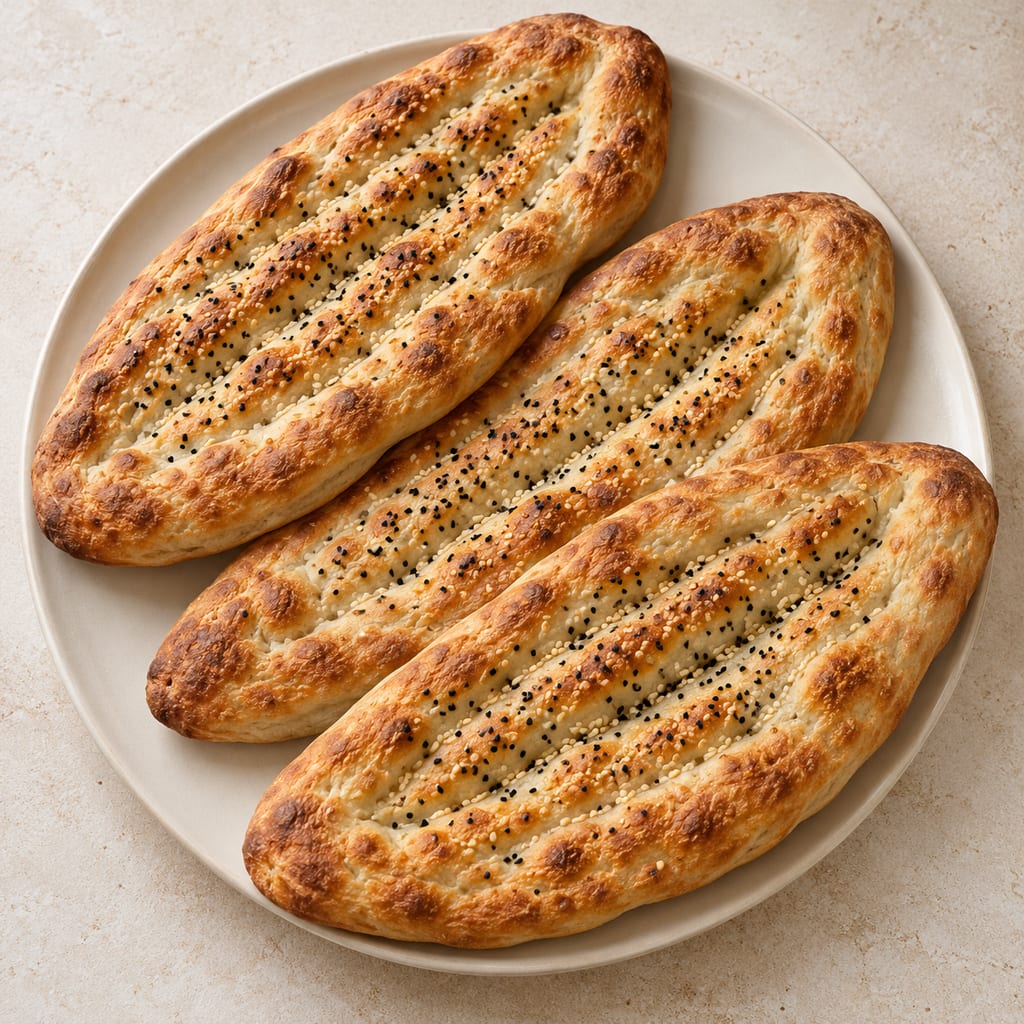
A long oval Afghan wheat bread, leavened with yeast, grooved along its length and baked until crisp outside and chewy within.
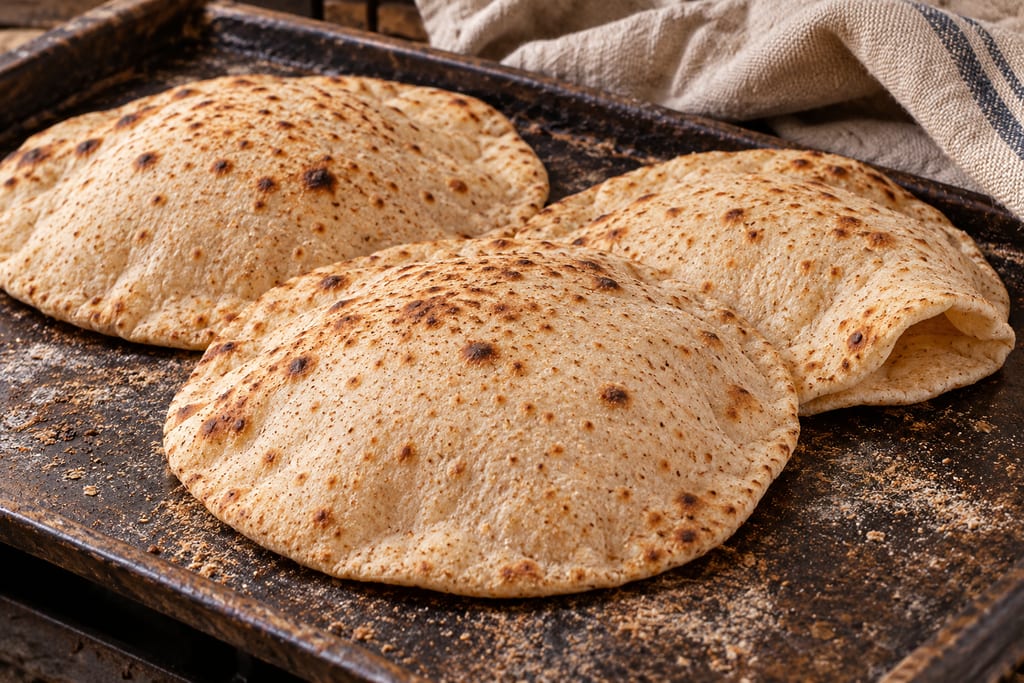
This home adaptation of Egyptian aish baladi uses a refrigerated yeast biga, whole-wheat dough, bran dusting and a very hot baking surface to make 16 pocketed rounds.
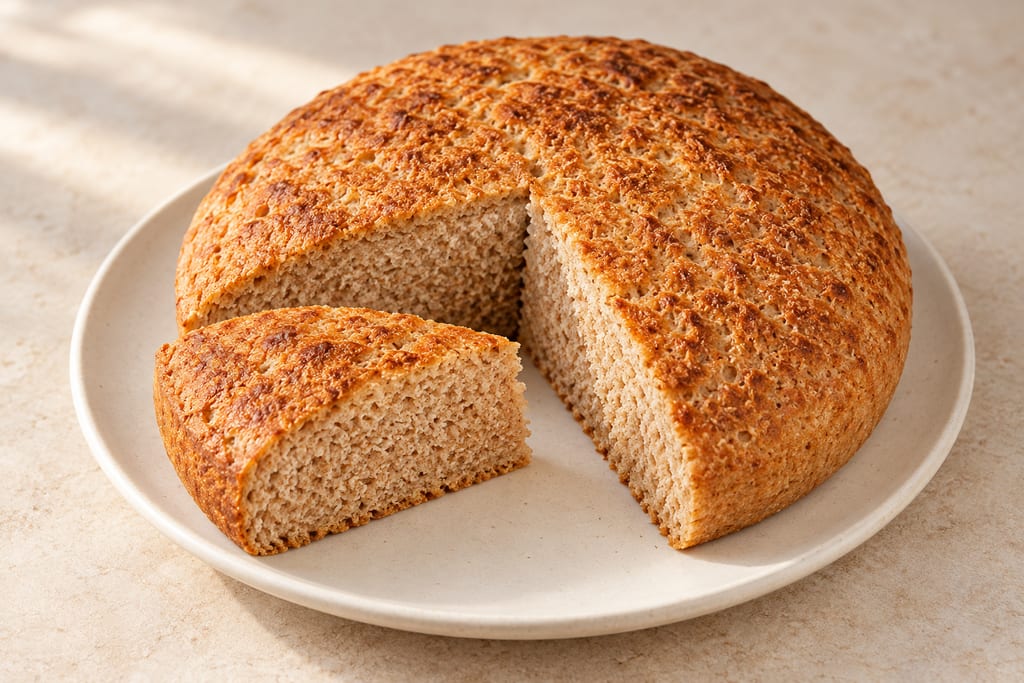
This oven-baked Amdo balep uses yeast, whole-wheat and white flour, a long covered rise and a two-sided bake in a heavy oven-safe pot.
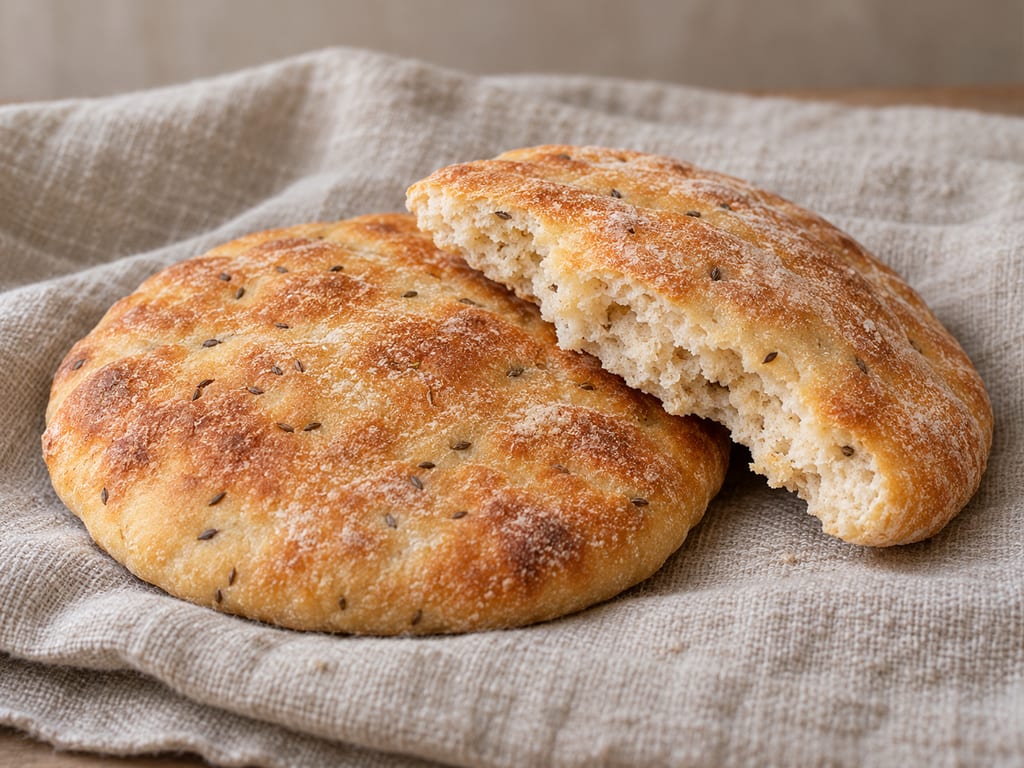
A measured, yeast-raised Ayacucho chapla home method shared by Thermomix Peru presenter Roxanna Salaverry. It makes thin, anise-scented rounds baked at 240°C; the historic qunchu-leavened form is documented separately.
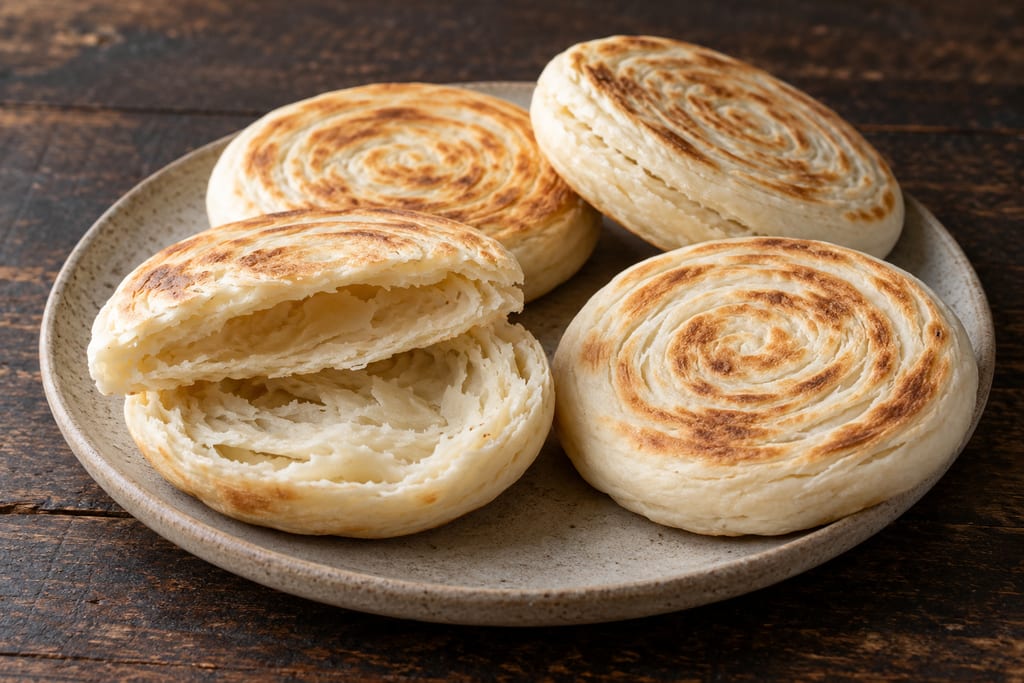
This Shaanxi-associated yeast flatbread uses a simple water dough, coiled shaping and a skillet bake. It is the bread used in roujiamo, not the filled meat dish.
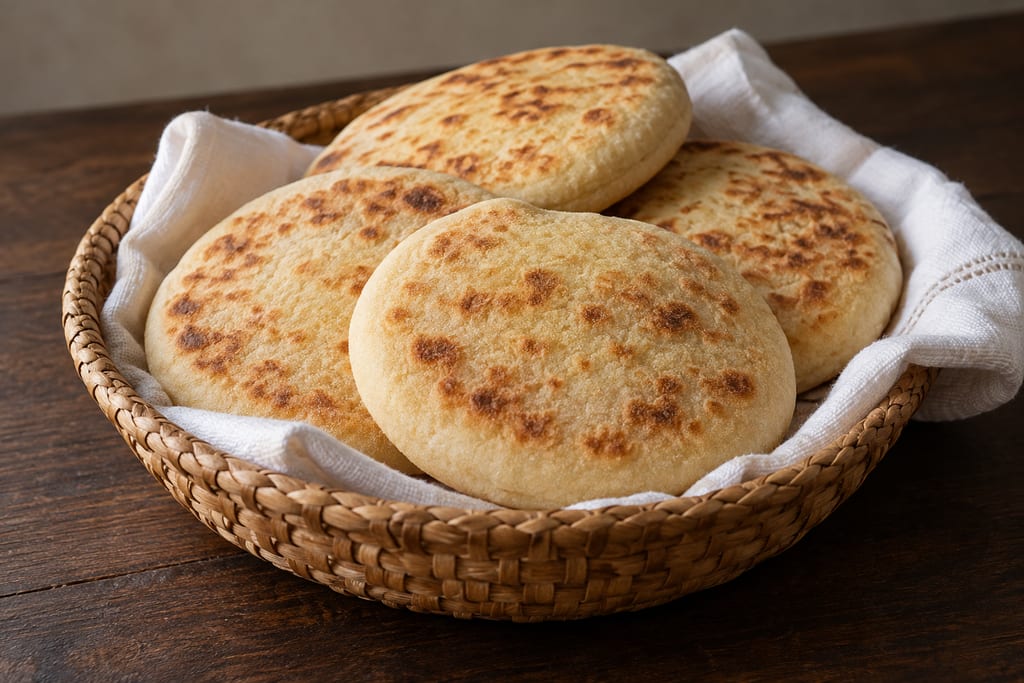
A Moroccan yeast-raised semolina pocket bread cooked on a dry pan or griddle; this measured batch makes about twenty 4-inch rounds.
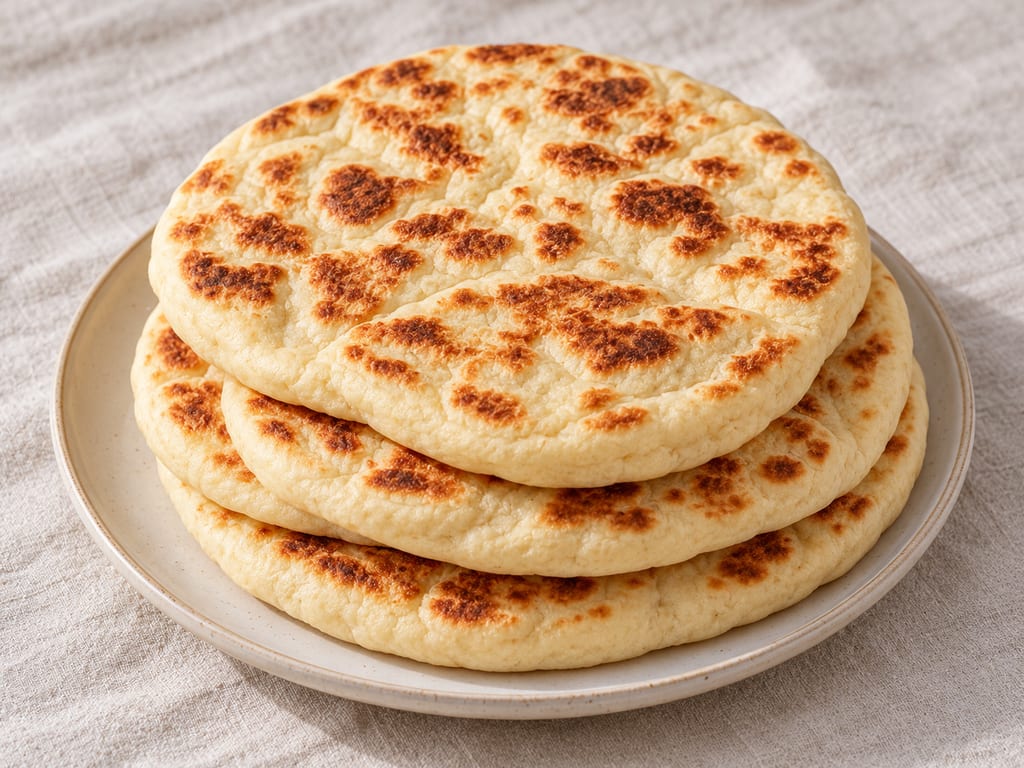
This Turkish bazlama uses yeast, plain yogurt and olive oil for a soft dough cooked in a skillet. Shape it into twelve small or six larger rounds, flip as bubbles appear, and wrap the breads to keep them soft.
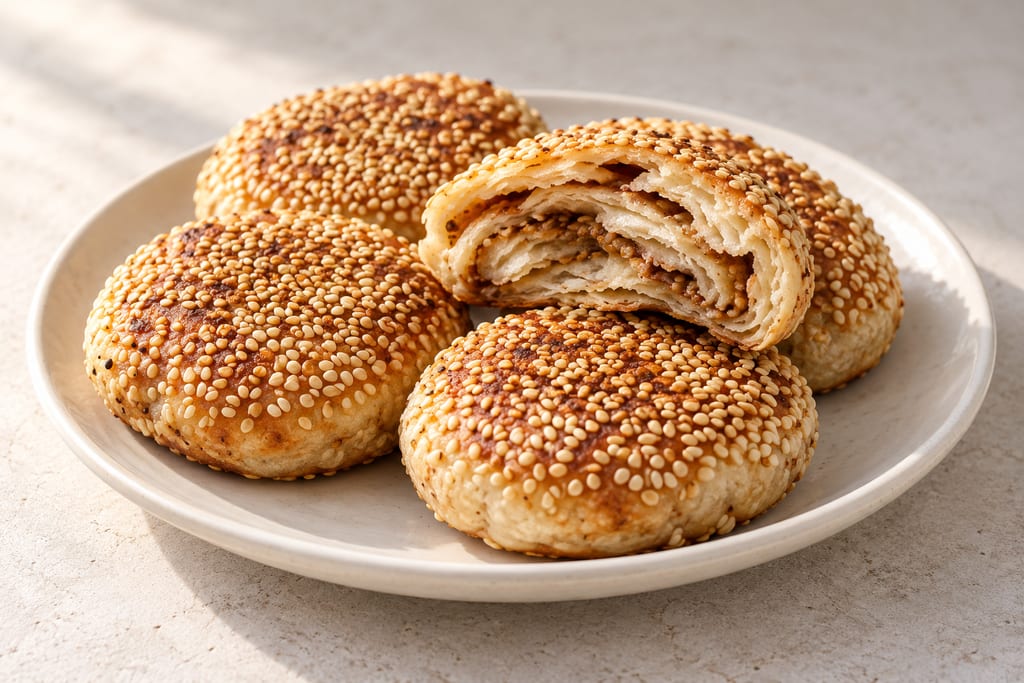
A Beijing-style yeast dough is layered with seasoned sesame paste, sealed into small buns, briefly pan-fried, seeded, and baked.
No community contributions have been published for this entry yet.
Sign in to contribute. Published comments and photos are free to read.
News Tribune / dpaInspiration · Method · Geography
Maltese street food: How to make pastizzi and ftira bread at homeMalta Food Agency yeast-based two-ring home recipe and oven method as reported.
Cited in: Ftira in a home oven; Skills passed on by watching and doing
UNESCOContext · Geography
Il-Ftira, the culinary art and culture of flattened sourdough bread in MaltaTraditional Maltese sourdough ftira, hand shaping and bakery practice.
Cited in: Ftira in a home oven
UNESCOContext
Il-Ftira, culinary art and culture of flattened sourdough bread in Malta2020 Representative List inscription; hand-shaping, bakery apprenticeship and informal transmission of filling skills. This does not certify the yeast home version.
Cited in: Skills passed on by watching and doing; A bread made into a shared snack
Wikimedia Commons / SlganadoImage reference
Ftira.JPGOwn-work photograph dated October 2008 with explicit worldwide public-domain release. Visual confirmation pending; not yet counted.