← Equipment

Equipment · Incubators and warm holds

Dosa and idli batter incubator

Loading ratings…

A warm, sheltered spot or closed box used to ferment rice and black gram batter overnight for idli and dosa, where the kitchen runs cool.

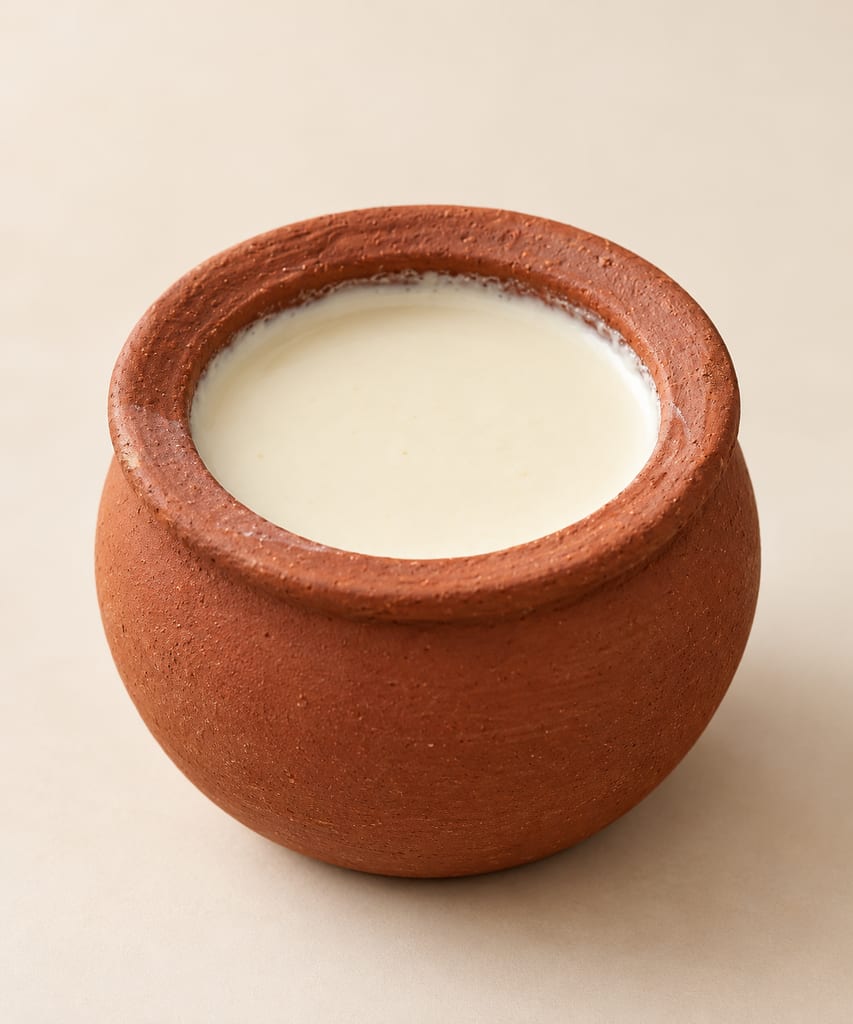
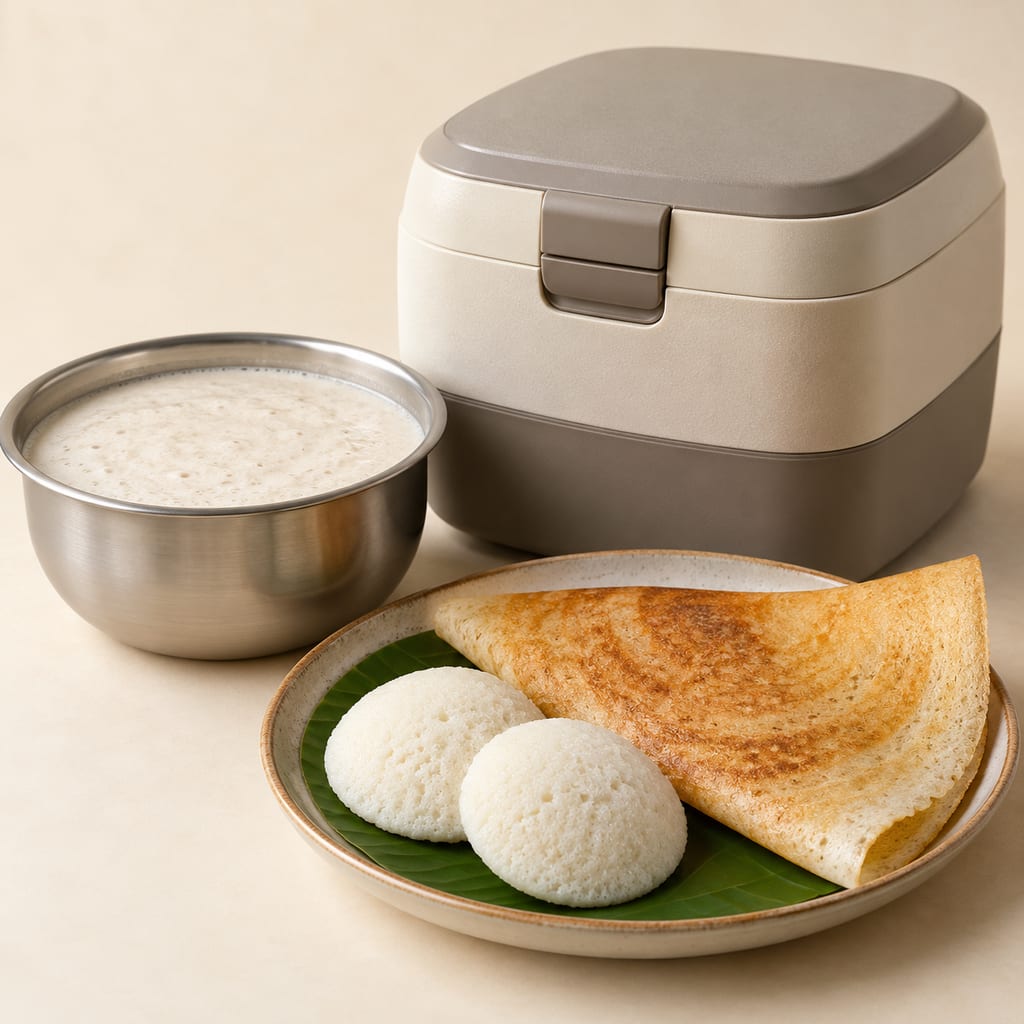
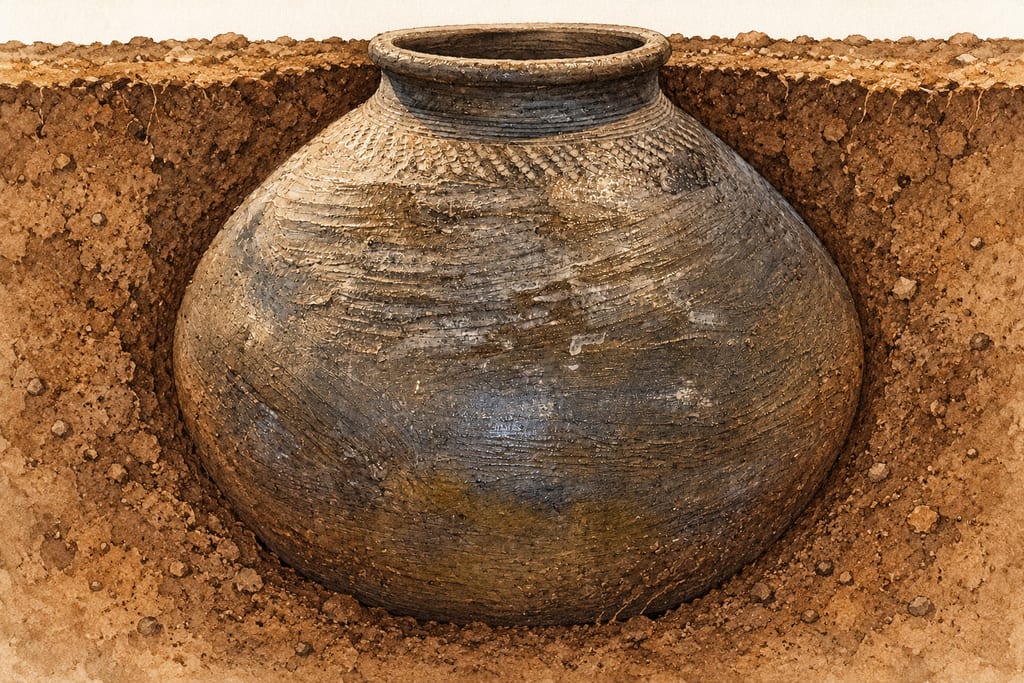
Photograph of Dosa and idli batter incubator.

Overview

Idli and dosa batter is made from soaked rice and black gram, ground and left to ferment overnight. The fermentation is spontaneous. Its rise and sour aroma come from the microbes already present in the batter, not from added culture.

An incubator for this batter is a sheltered, covered place. It is less a machine than a habit of keeping the batter warm enough and covered.

Sources for this section

The overnight warm spot

A peer-reviewed study describes soaking the rice and black gram separately, mixing them with a little salt and fermenting the batter overnight at room temperature. In that study the temperature varied between 20 and 26 C because it was not controlled.

Batter volume typically rises substantially. One overview notes that it can more than double.

Sources for this section

Cold weather

Warm weather speeds the fermentation, and cool weather slows it greatly. Recipe guidance describes 10 to 12 hours or longer in cool weather, and up to 14 to 24 hours in winter.

Cooks use a warm spot near a heater, a switched-off preheated oven or a pinch of sugar to start the fermentation in winter. Salt slows the fermentation, so one source adds the salt just before cooking when the batter is kept longer.

Sources for this section

Limits and open questions

The timings are from a recipe blog and are not controlled measurements. A peer-reviewed study supports only the room-temperature overnight method.

The equipment has no capacity or power figure in the sources reviewed. The next question is a measured batter temperature in a sheltered spot against an open kitchen counter.

Sources for this section

Equipment details

PowerNot established The sources reviewed describe warm spots and ovens rather than a dedicated powered device. The power source is not stated for a dedicated incubator.
How you get oneImprovised from something else Made from a kitchen cupboard, a warm corner or a switched-off oven. No manufacturer is named in the sources reviewed.
CareClean the vessel between batches. The batter is covered throughout so the surface does not dry or pick up contamination.

Made of

  • Covered vessel of food-safe material — container
    Lets the batter rise while keeping it covered.
  • Insulated box or switched-off oven — warm enclosure
    Keeps a steadier warmth than an open kitchen counter.
  • Optional oven light or warm spot — gentle heat
    The sources describe placing the batter near a heater or in a switched-off preheated oven in cold weather.
Risks and precautions
Off-flavour or spoilage from overlong fermentation

Batter left too long can turn sour or lose texture. The sources do not give a validated limit.

Hazard source

Watch for tiny bubbles and a mild sour aroma as signs of success

Control source

The signs listed are practical cook cues from a recipe blog, not safety tests.

Limits

A kitchen with an uncontrolled temperature can run from about 20 to 26 C, where the idli study found the batter fermented overnight without control.

Source →

In cooler weather fermentation can take 10 to 12 hours or longer, and in winter up to 14 to 24 hours, according to one recipe blog.

Source →

Places

India

Traditional preparation · Country evidence

Country-level only. The source names the batter practice without a locality.

Related

Community

No community contributions have been published for this entry yet.

Share what you made

Sign in to contribute. Published comments and photos are free to read.

Sources