Equipment
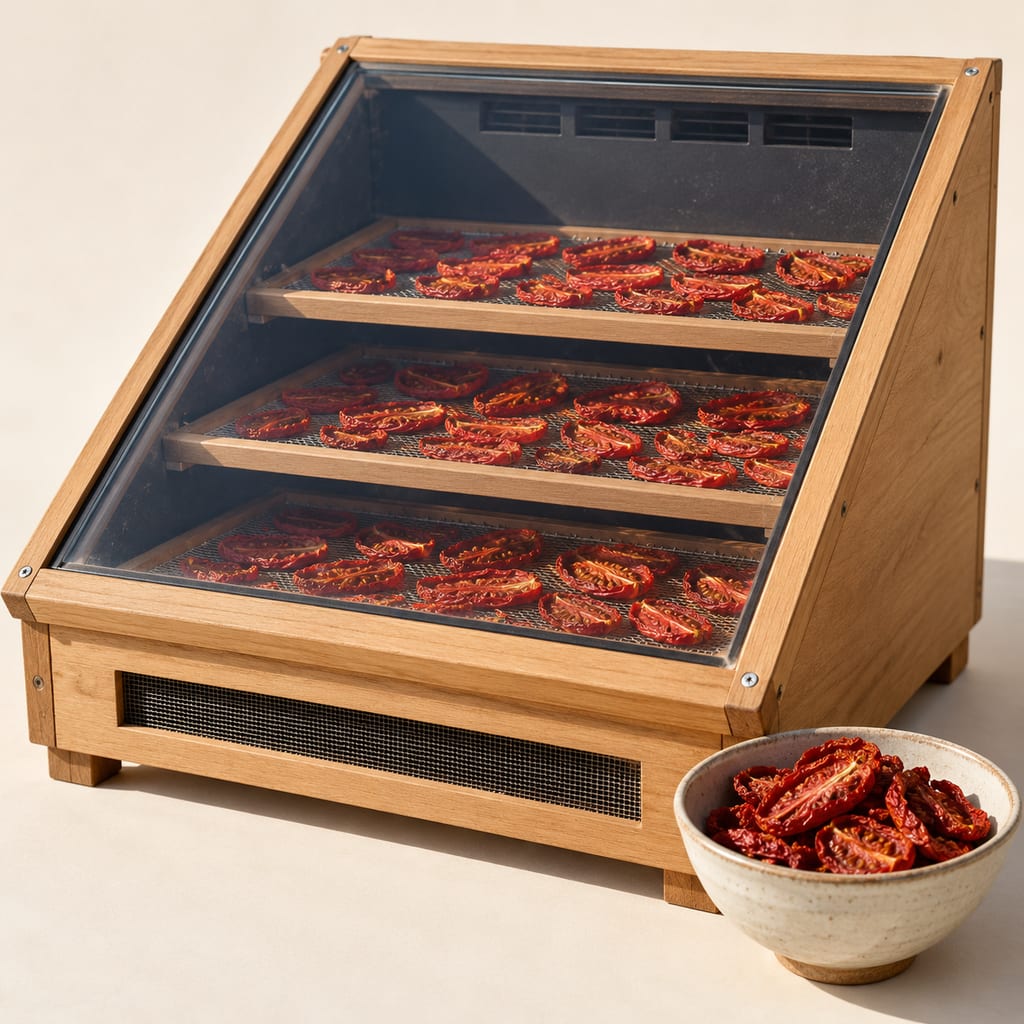
Direct solar cabinet dryer
A glazed cabinet in which sunlight passes through a transparent cover onto a dark interior while air moves over mesh trays. The Brace-type cabinet is documented with a dimensioned drawing from 1978.
 FermenteaWhere food goes to change
626 sourced equipment pages: vessels, tools, appliances and built structures.
A glazed cabinet in which sunlight passes through a transparent cover onto a dark interior while air moves over mesh trays. The Brace-type cabinet is documented with a dimensioned drawing from 1978.
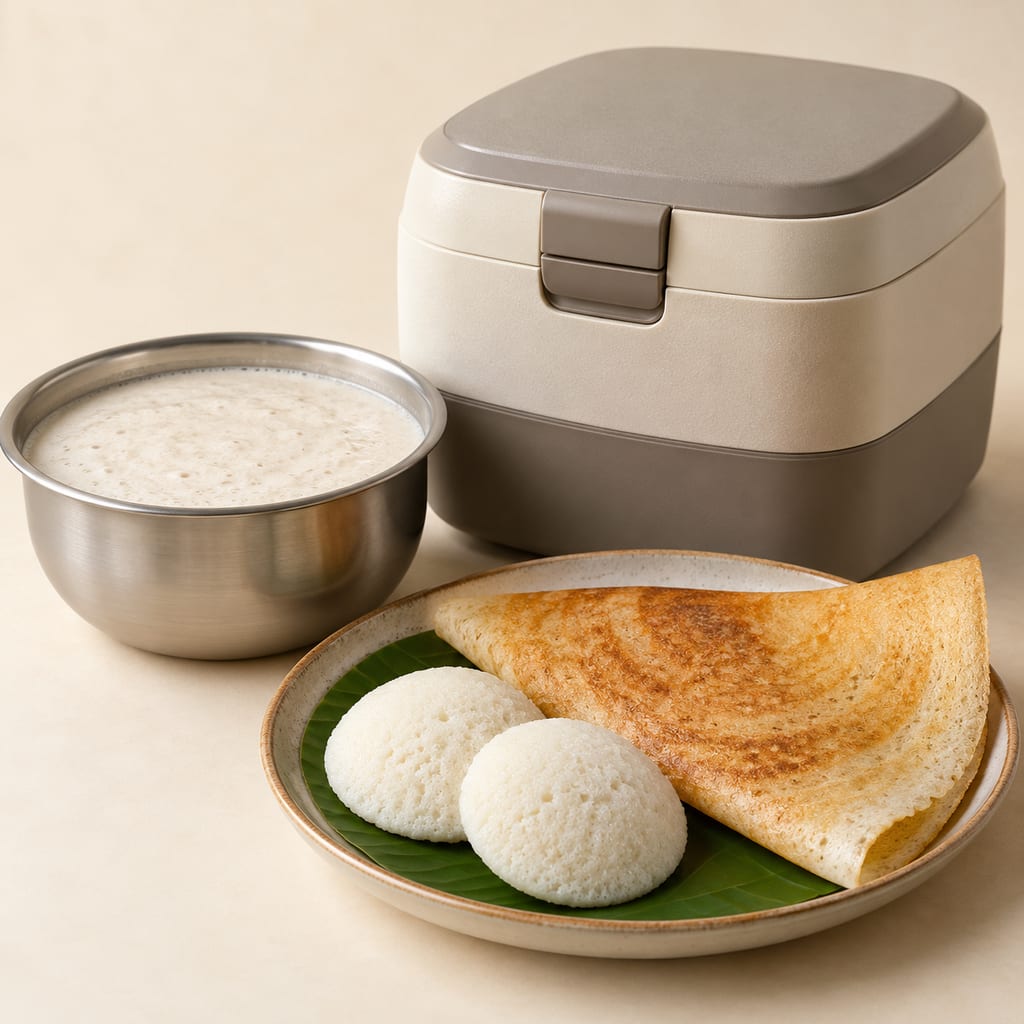
A warm, sheltered spot or closed box used to ferment rice and black gram batter overnight for idli and dosa, where the kitchen runs cool.
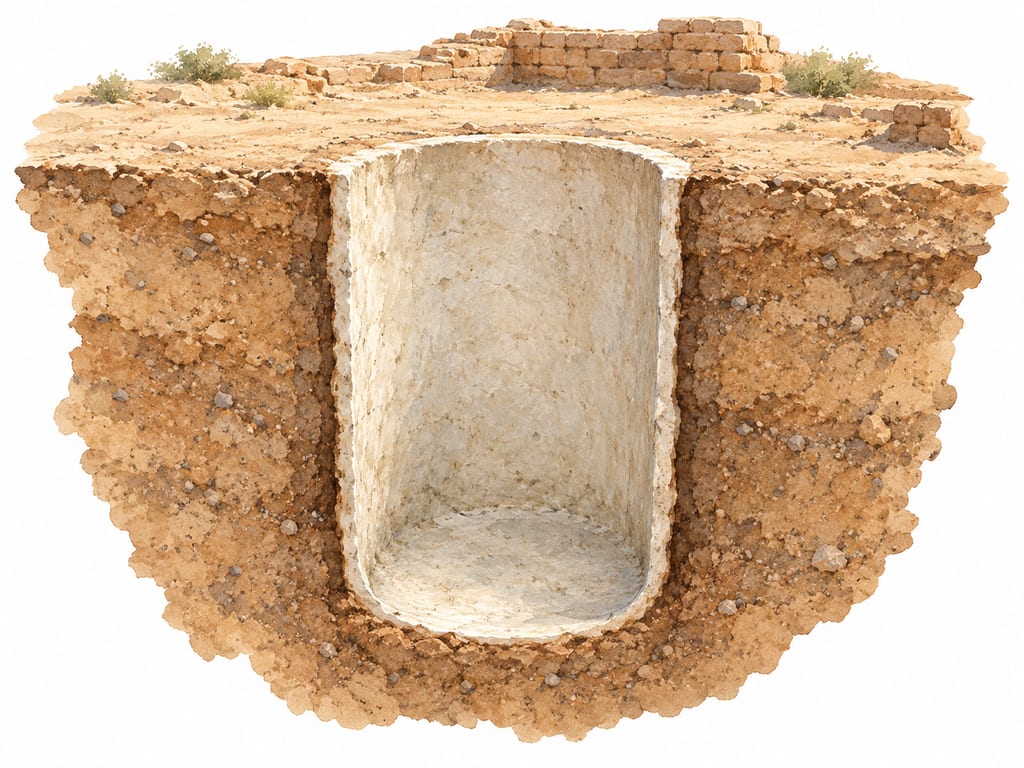
Kalibangan Period I preserves distinct lime-plastered pits and underground ovens. Grain storage is one interpretation of the pits; an earlier excavation account suggests water storage.
Show on map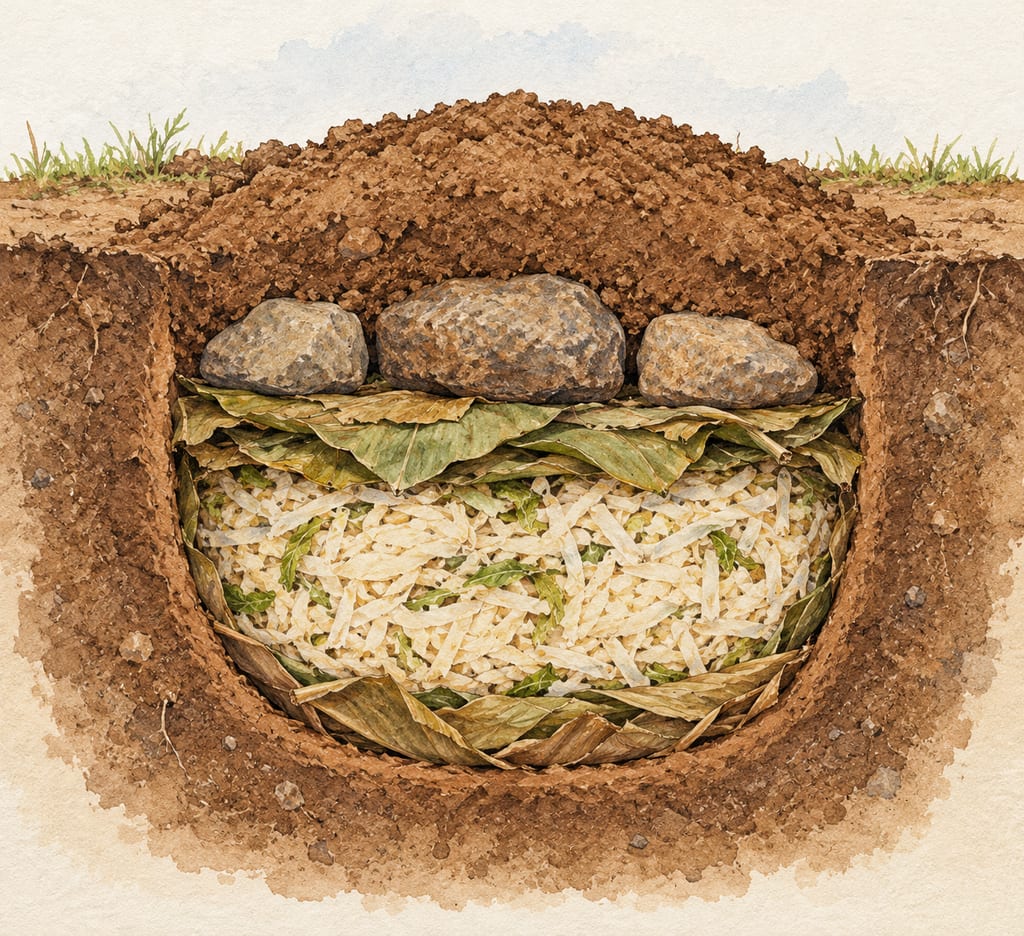
A leaf-lined earthen pit used in documented Himalayan sinki preparation; construction materials and timings vary by source and household.
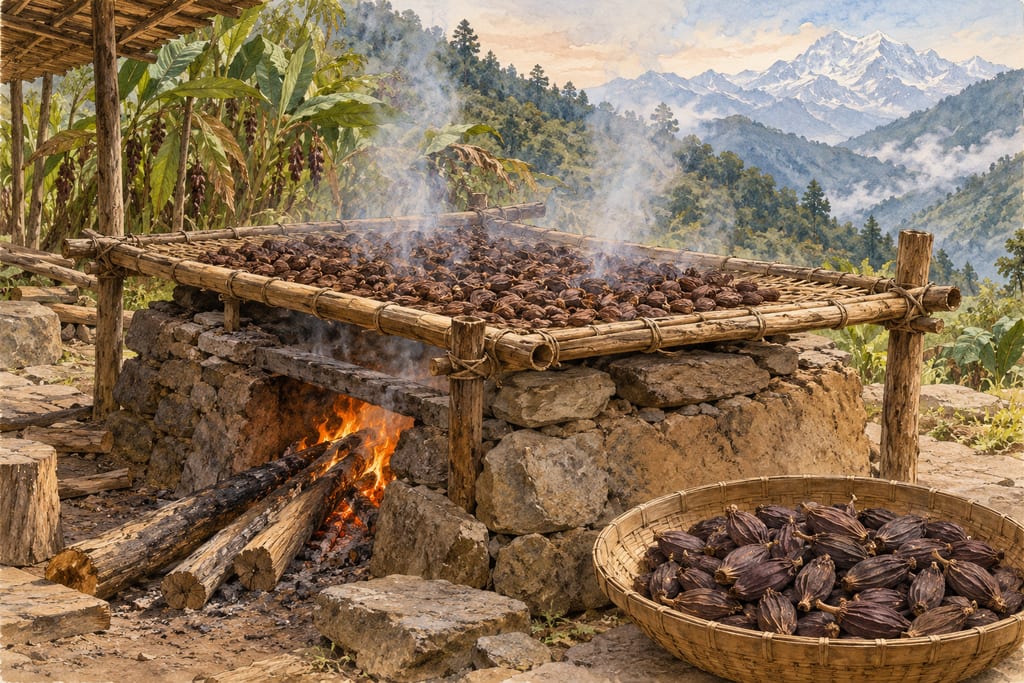
A traditional Sikkim large-cardamom bhatti is a fixed, field-side curing structure: a stone or earth-sided fire chamber supports a raised bamboo-mat drying bed, where capsules are exposed to direct heat and smoke.
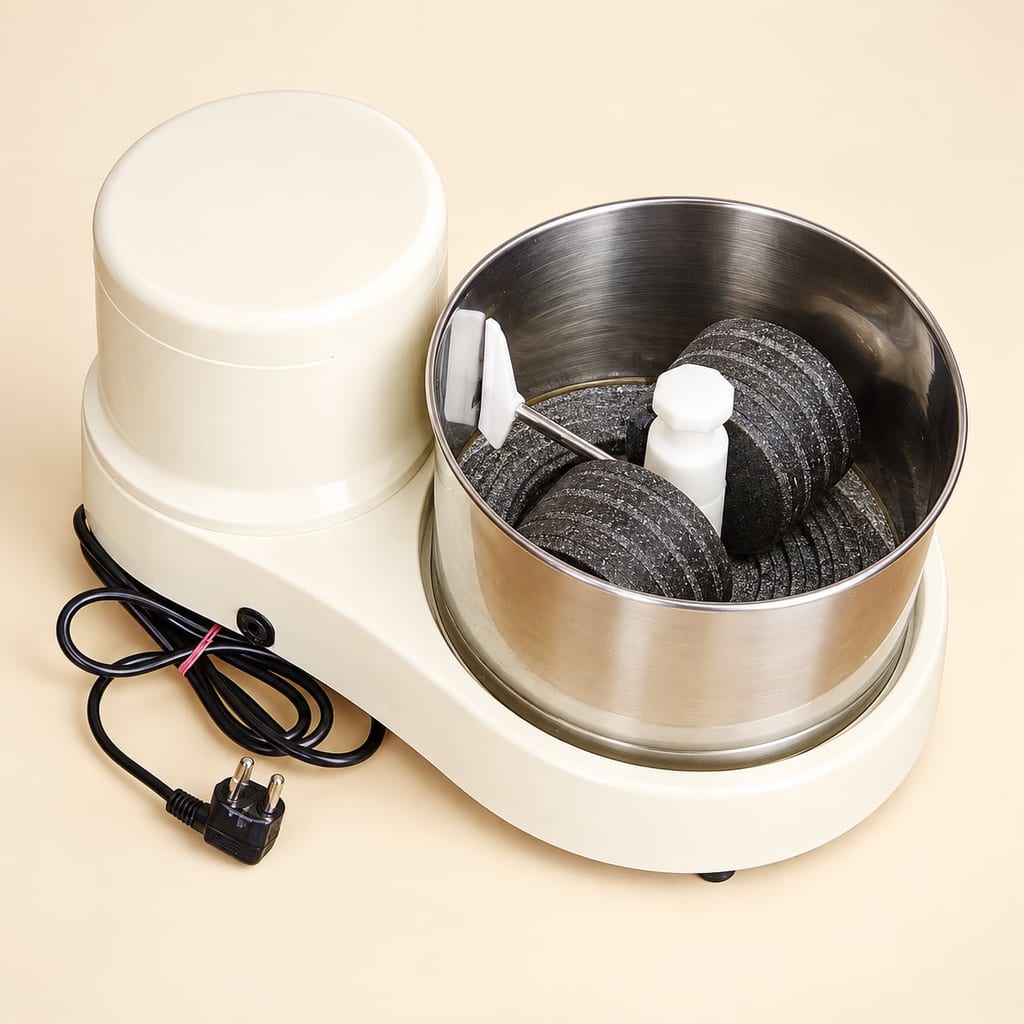
A powered mill that uses stones to grind soaked grains or pulses with water into batter or slurry. Domestic forms include conventional, tabletop and tilting models; capacities, construction and run limits vary by machine.
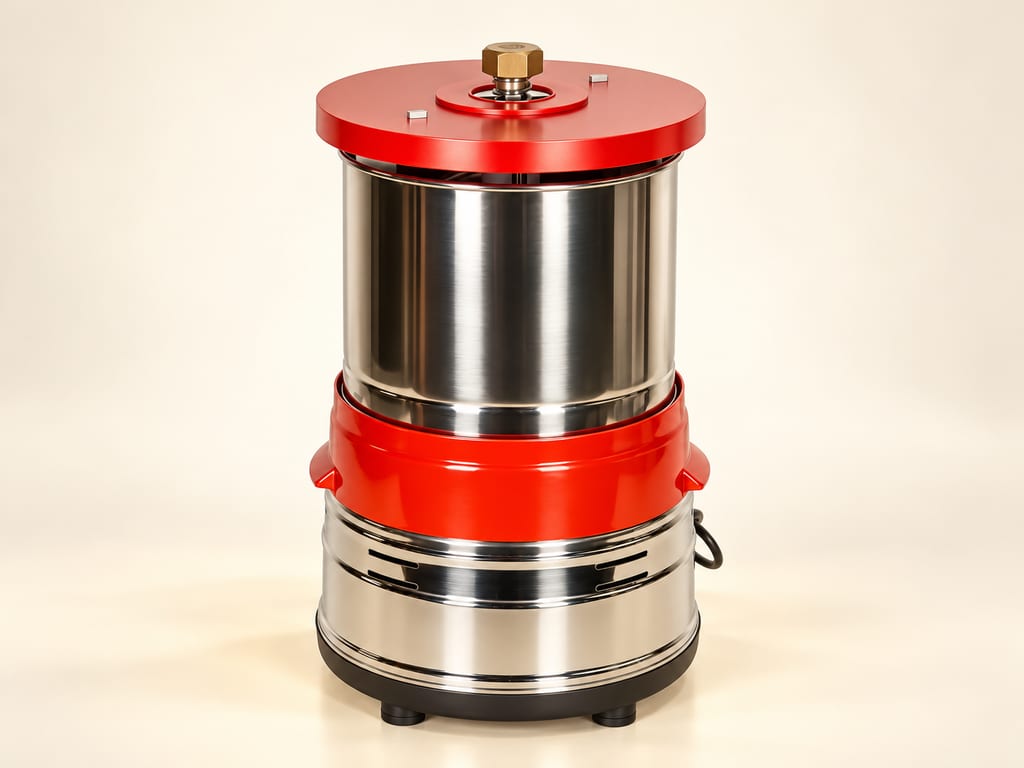
The current standard 8 lb Premier is a named DCM countertop refiner, distinct from the generic melanger class and the separate tilting model. Historical manual and FAQ figures differ; verify capacity and duration against the exact unit.
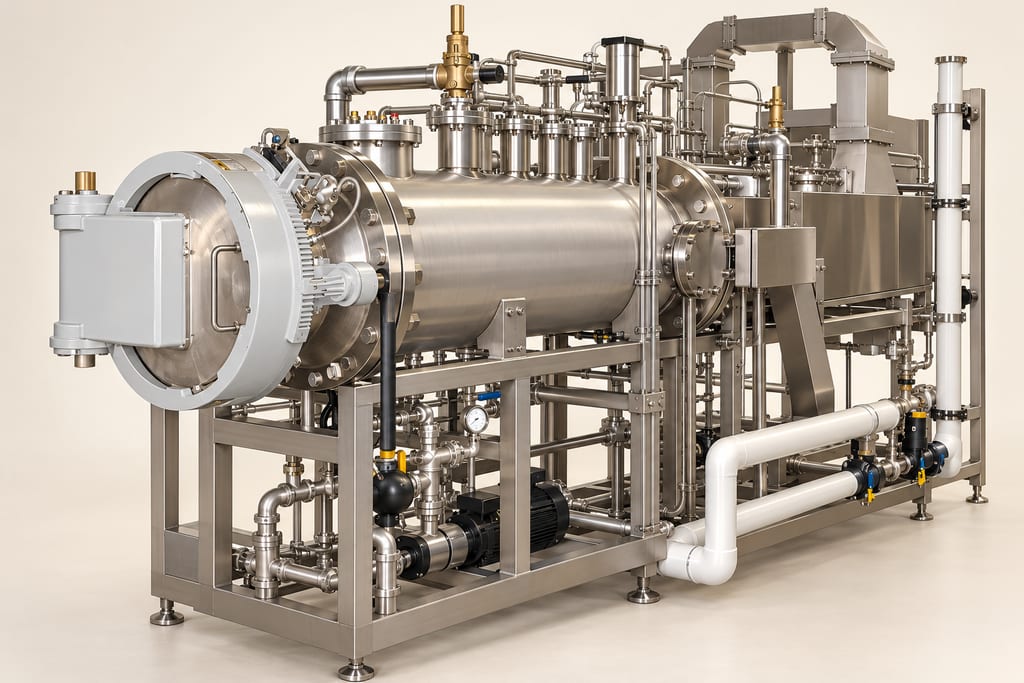
MATS uses microwave energy and pressurised hot water to heat sealed food packages in an industrial process. Product and package geometry affect heating; it is not a domestic microwave canner.
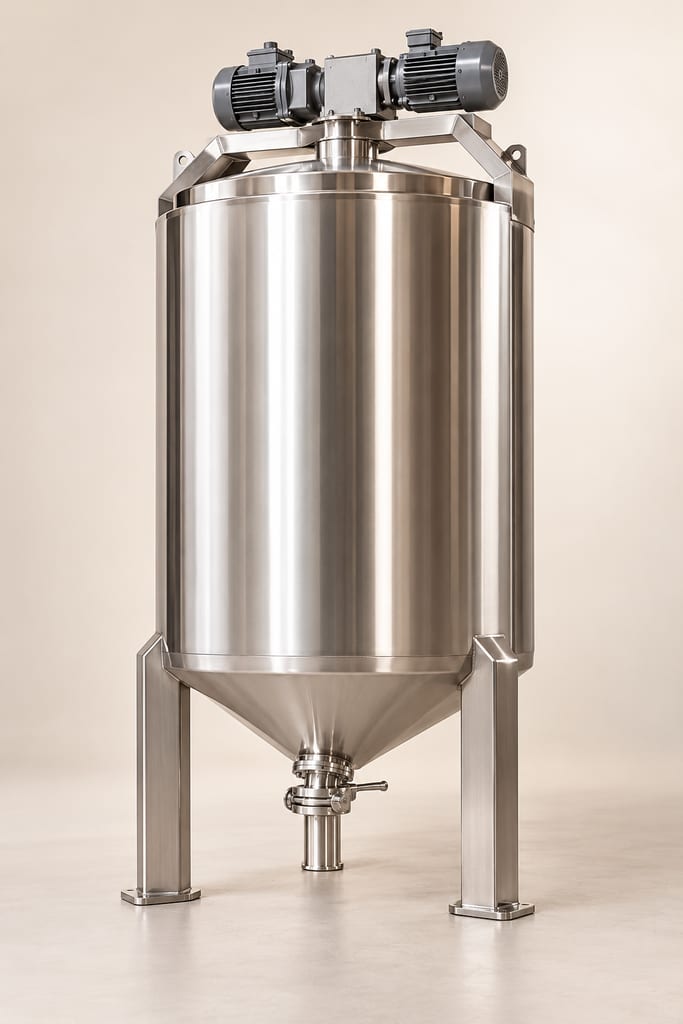
Contemporary vessels used to ferment coffee cherries or pulped coffee with restricted air exchange. Drums, rigid tanks and hermetic bags differ in material and monitoring; “anaerobic” alone does not describe a batch's conditions.
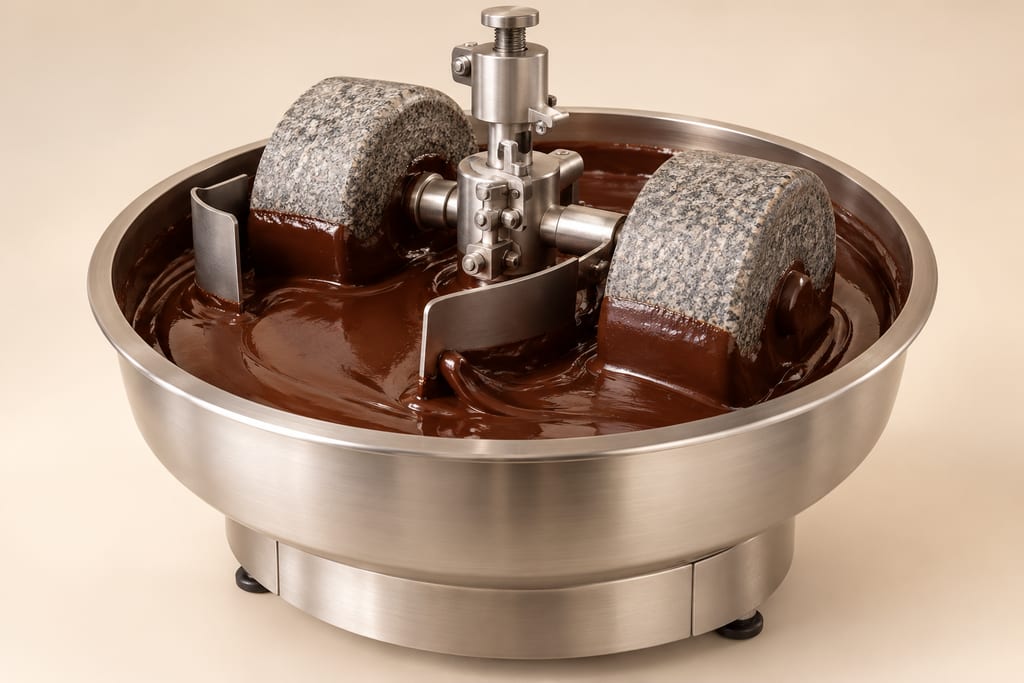
A chocolate refiner or melanger uses powered rotation and stone rollers to refine cocoa mass. Some models also process nut and seed pastes; design, material and operating limits vary.
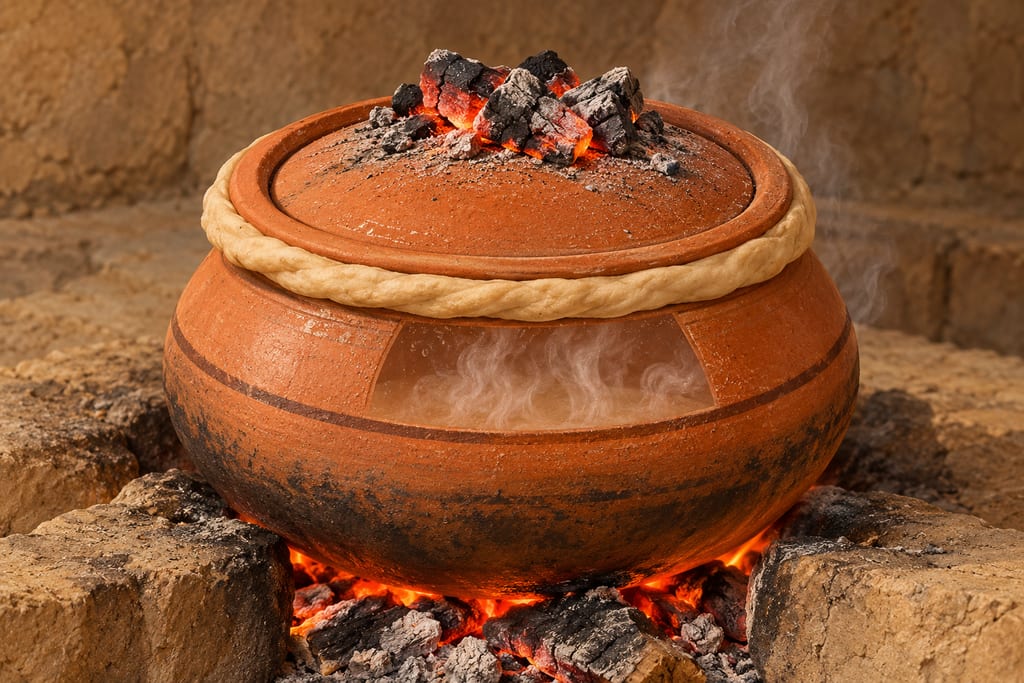
A handi is a cooking pot used in dum, a slow-cooking method documented in northern India. Sources record earthenware handis in a Delhi village and dough-sealed cooking pots in Awadhi and Delhi food traditions.
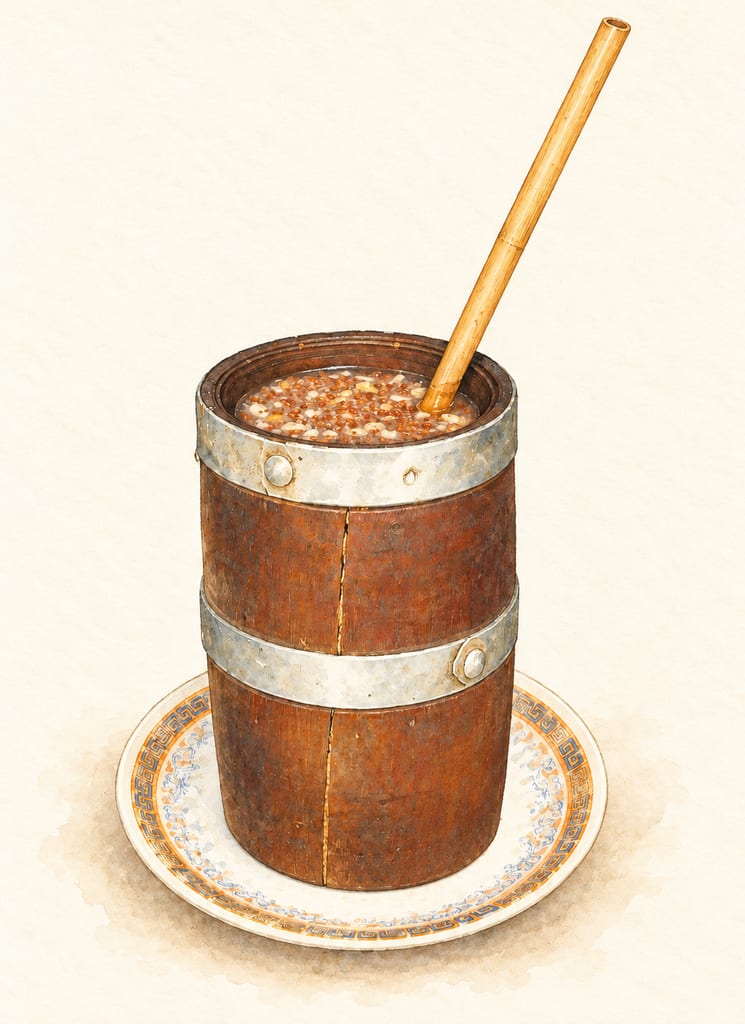
A tongba is a serving vessel for fermented millet drink: it holds the grain as water is added while a narrow bamboo straw draws off the liquid. Documented forms include bamboo and wood, with no single standard design established.
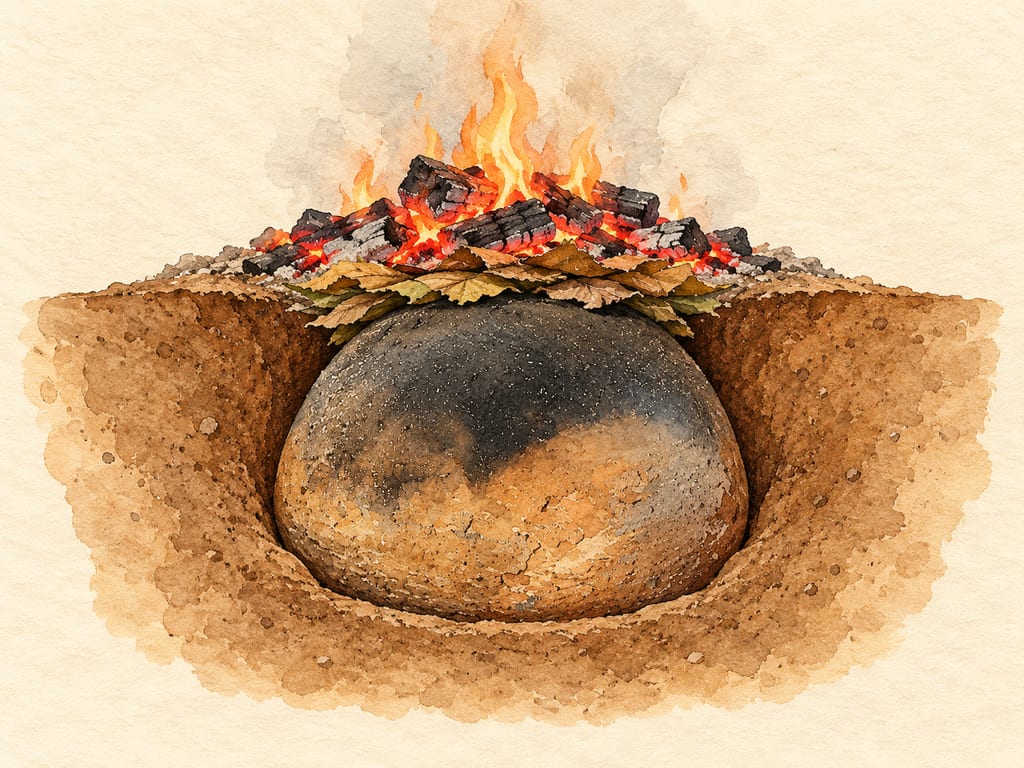
An earthen cooking pot associated with Gujarati undhiyu: Gujarat Tourism describes it turned upside down and fired. A field report documents a related ubadiyu matlu near Dungri in South Gujarat.
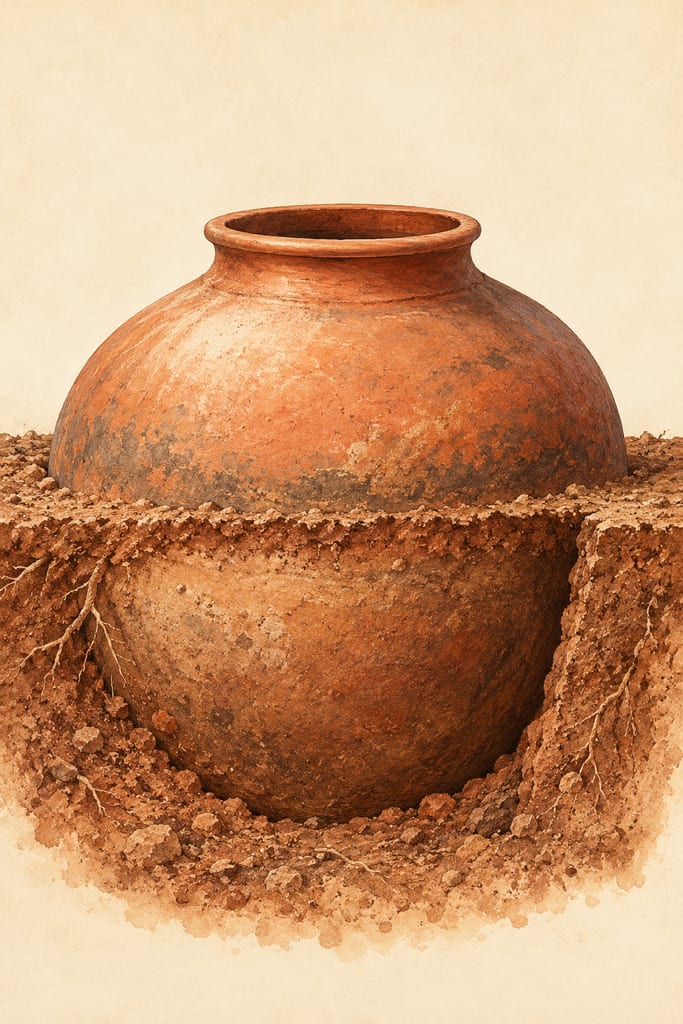
A large earthen fermentation vessel used for cashew-apple juice in Goa; sources describe underground burial, with one recent field account showing pots partly set into the soil.

A marble-stoppered bottle is a glass carbonated-drink bottle sealed by a glass marble pressed against a rubber washer. Its Codd neck holds the marble at the mouth when sealed and gives it a side pinch after opening.
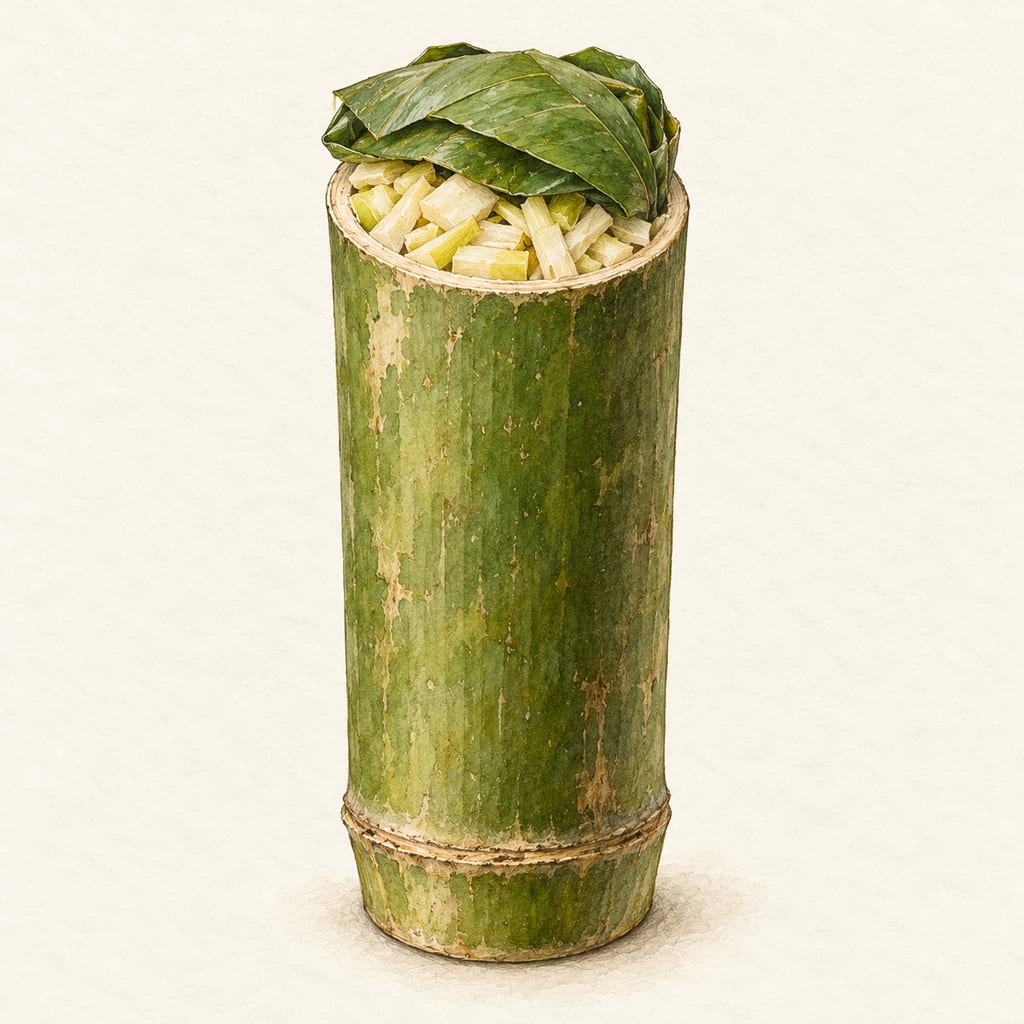
A green hollow bamboo stem holds tightly packed Mesu shoots, with leaves covering the open end during fermentation. The source documents the arrangement, but not a standard size or capacity.
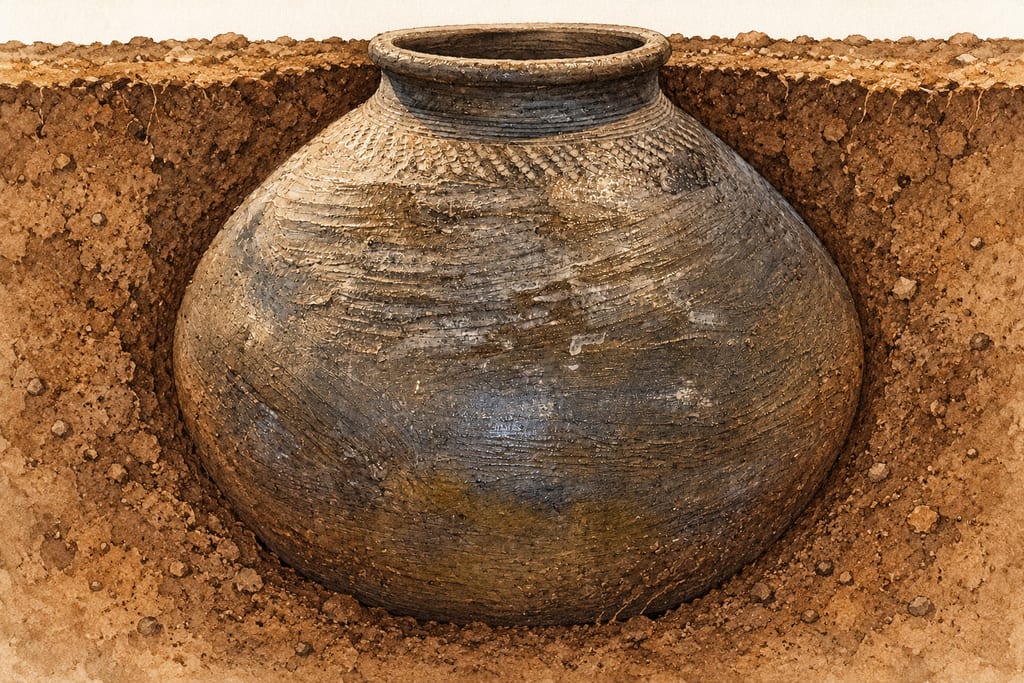
An earthen fermentation pot documented in Ayurvedic asava and arishta preparations. Studies in India compare pot and non-earthen vessels; field research in Sri Lanka records both earlier buried pots and later, varied factory practice.
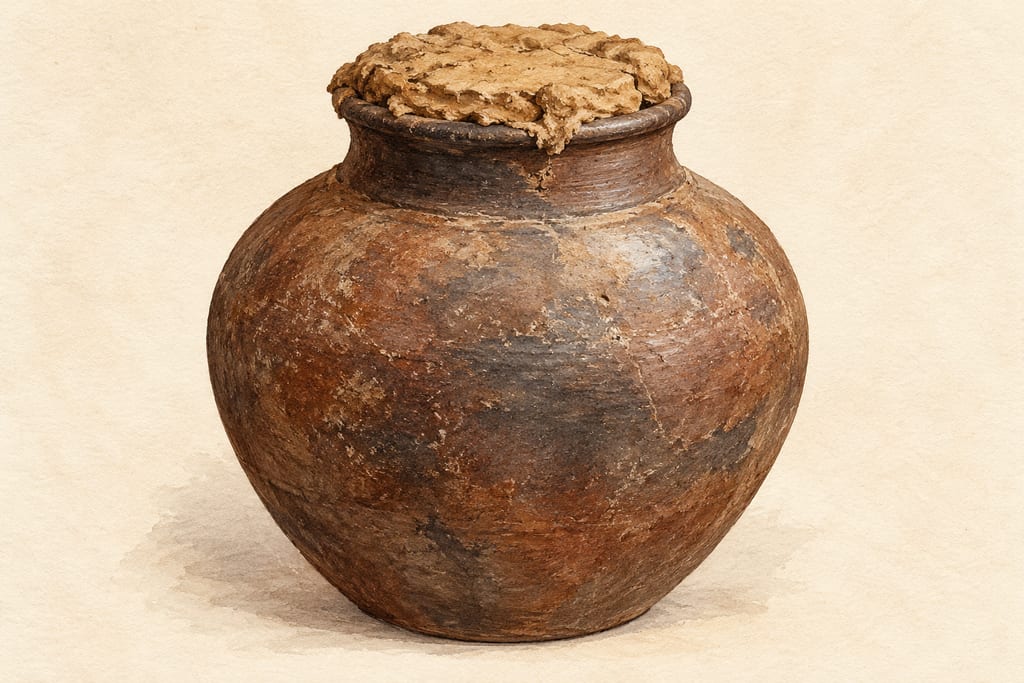
A chaphou is an old, narrow-necked earthen jar used to ferment ngari, the Manipuri fish product. A 2020 study documents tightly packed dry fish sealed with mud; it gives no standard jar size or age.
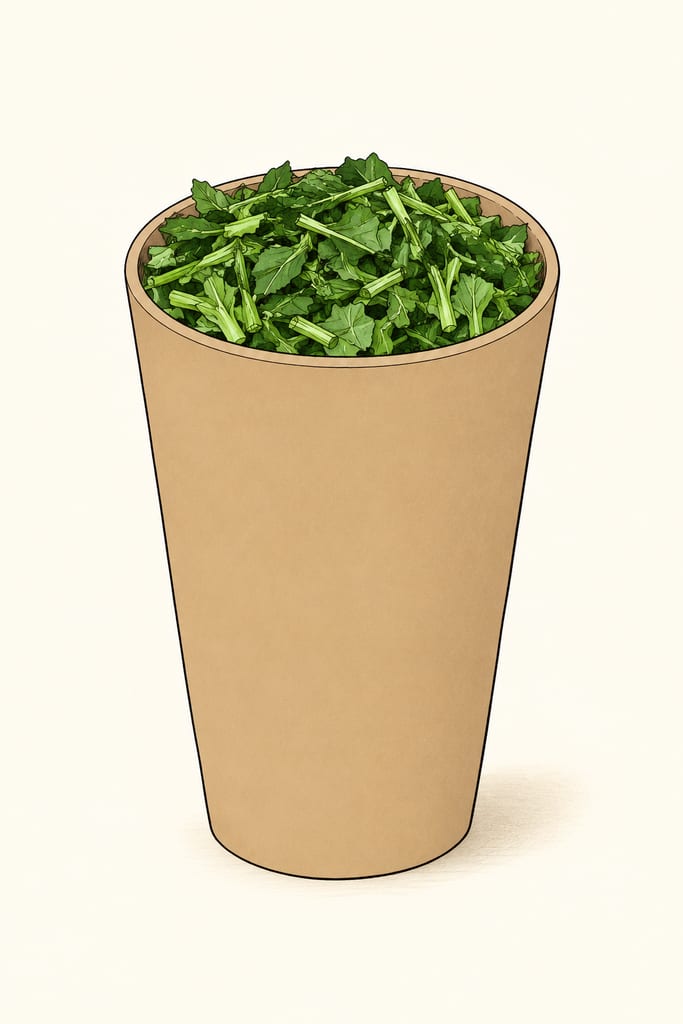
Gundruk pots and dhungro are fermentation containers documented in Nepal and one Darjeeling household. FAO describes earthenware; a 2024 figure identifies a bamboo-made airtight dhungro buried in a pit within a cow-dung heap.
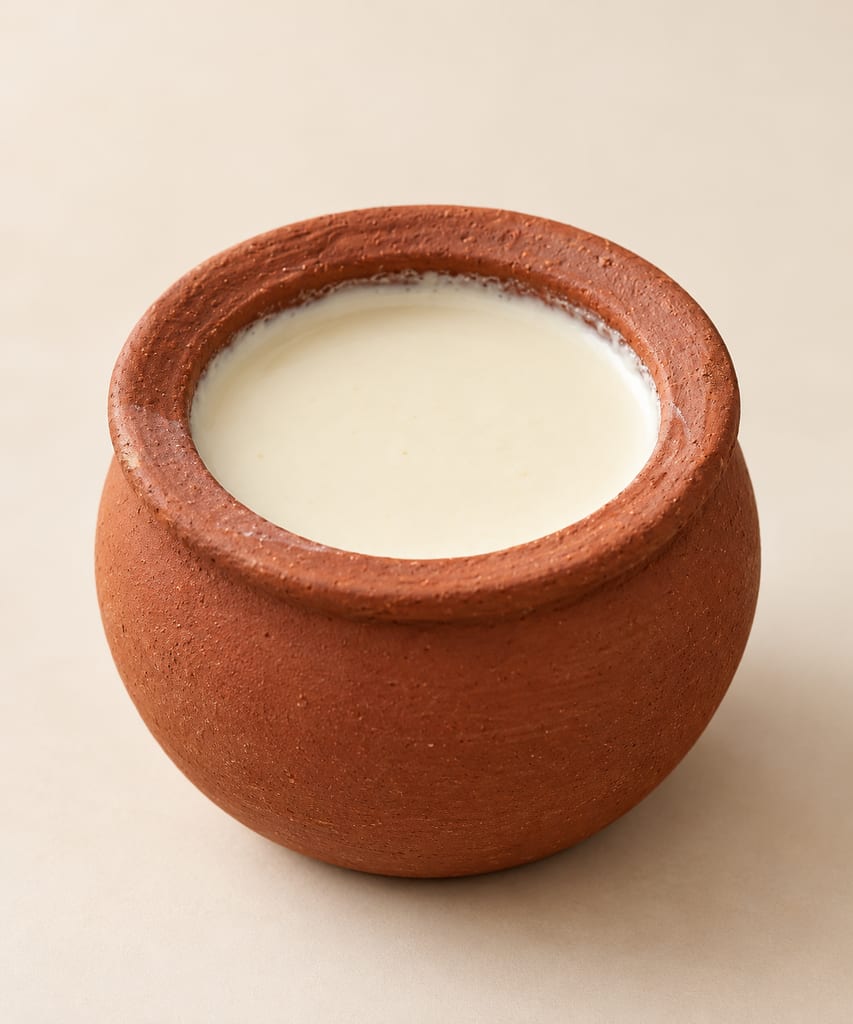
Unglazed earthen pots are used to set and often serve dahi and Bengali mishti doi. Documented forms range from small cups to shallow, broad vessels; no standard size or capacity is established.
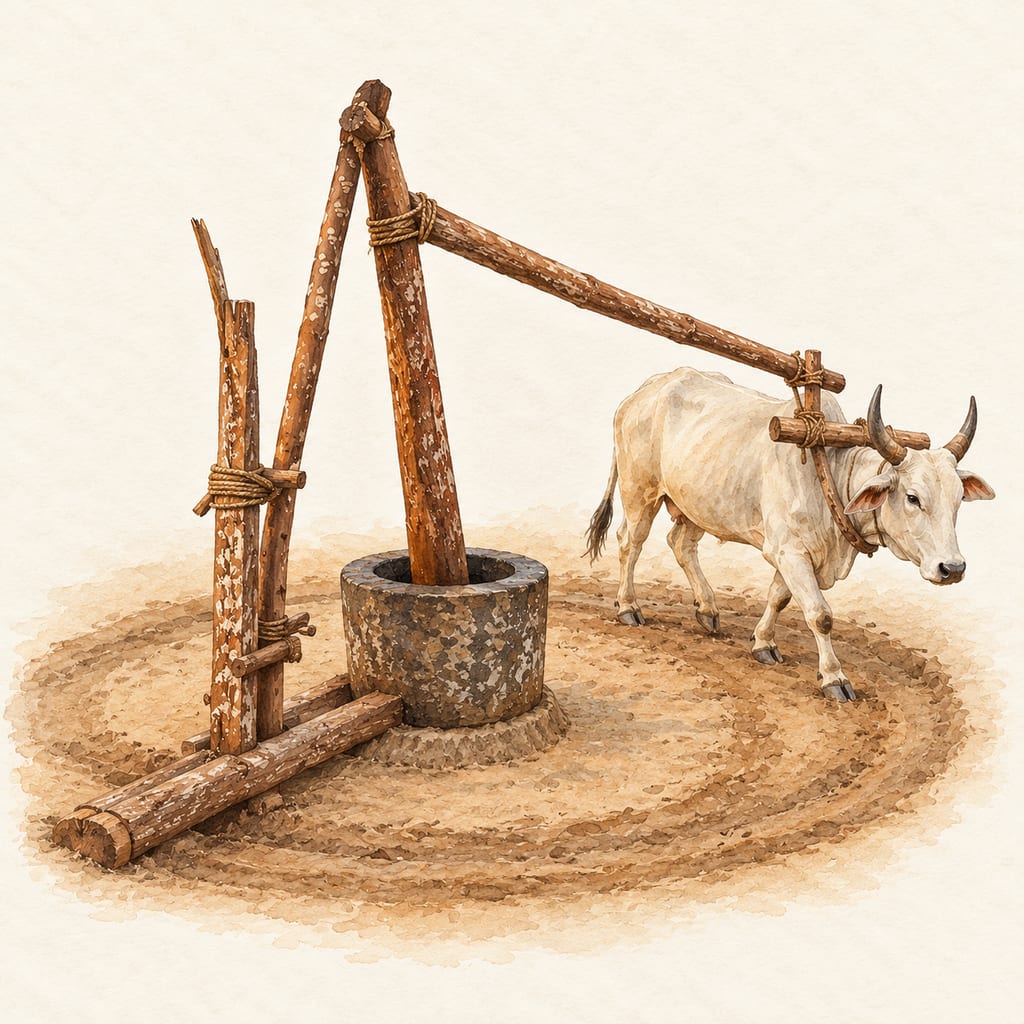
A traditional Indian oil press built around a circular mortar and upright pestle, turned by an animal through a weighted beam; regional versions differ in materials, scale and drive.