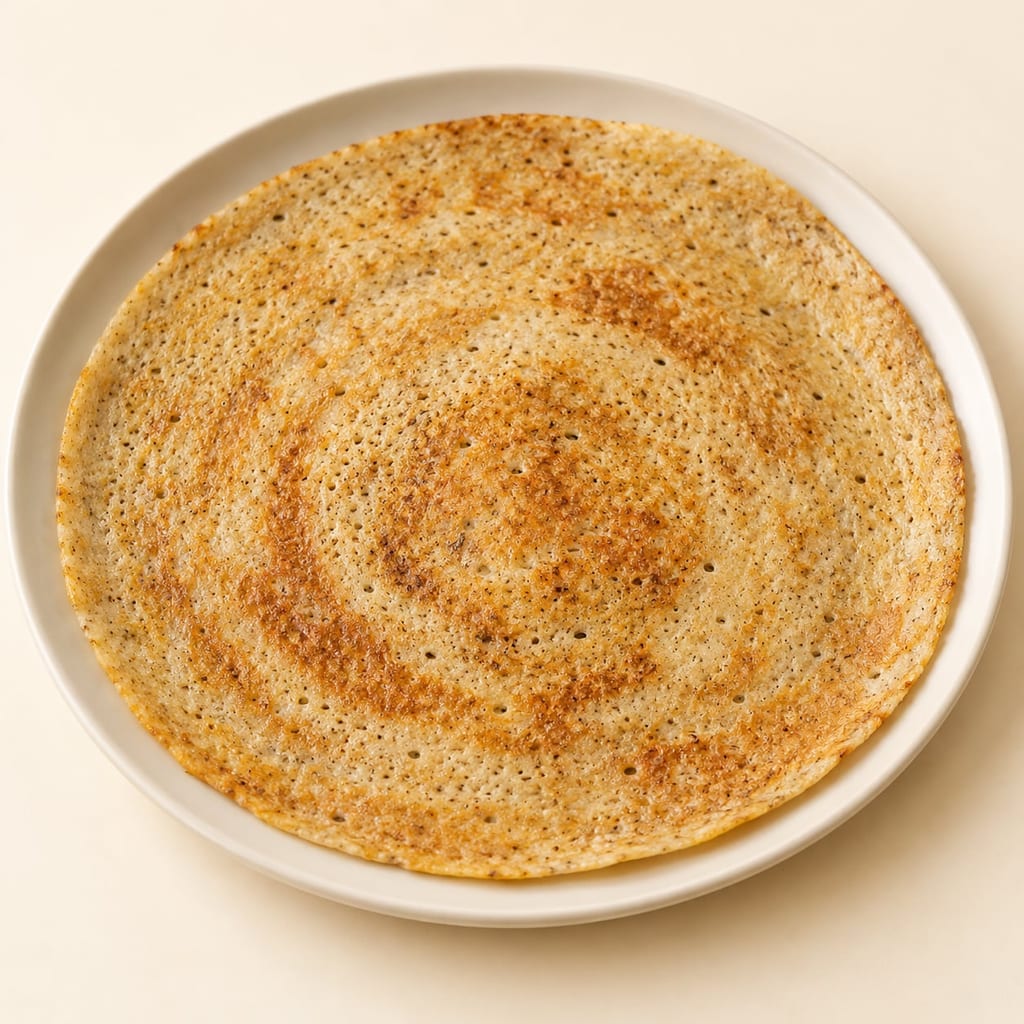
Multigrain millet dosa
Multigrain millet dosa uses a source-specific naturally fermented grain and urad batter, then cooks it by griddling. The creator leaves some process measures unquantified.
 FermenteaWhere food goes to change
Equipment · Mills, mortars and crushers
wet grinder · stone wet grinder · batter grinder
A powered mill that uses stones to grind soaked grains or pulses with water into batter or slurry. Domestic forms include conventional, tabletop and tilting models; capacities, construction and run limits vary by machine.
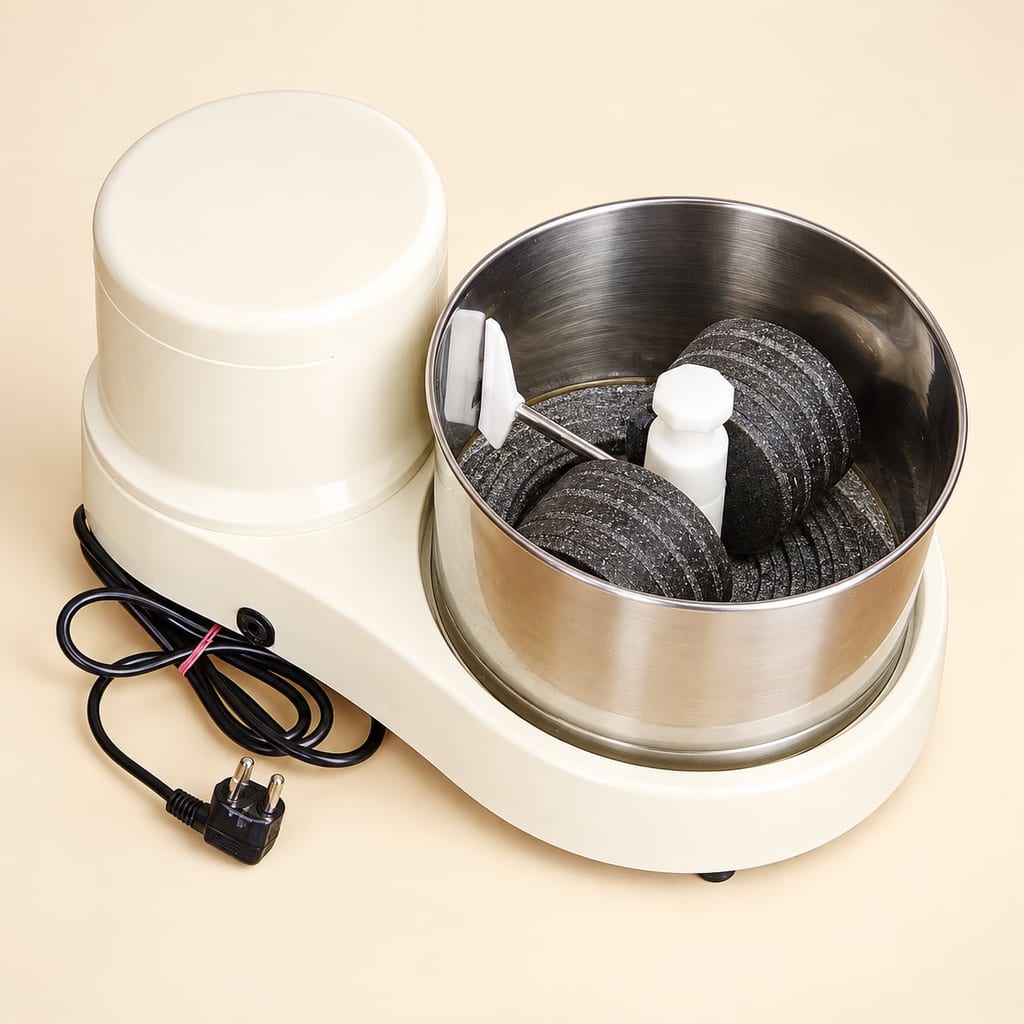
A wet grinder is a powered mill for grains or pulses that have been soaked or mixed with water. In its domestic forms it occupies a different place from a blender: the NIMI trade-theory text describes grinding stones inside a container, driven by a motor and belt. It distinguishes conventional, tabletop and tilting models. The inspected tabletop example has a compact cream-coloured base beside an open steel drum, granite stones, a central hub and a small scraper. Those visible details describe that photographed form, not every wet grinder.
The NIMI text explains a conventional rotating-container arrangement with a pair of hard-granite stones, including a rotating part working against a shaped stone in the base. The photo reference is a separate tabletop model; it supports the outside form and the stones visible in the drum, but not the internal drive layout of all types. No source reviewed here establishes a standard capacity, a universal motor rating or one construction shared by every manufacturer.
The machine's job ends at a ground batter or slurry. The Food and Agriculture Organization describes West African ogi as a process in which soaked maize, sorghum or millet is wet-milled and sieved; the liquid filtrate then ferments for two to three days. That sequence makes clear that milling, separating the pomace and fermenting are distinct operations. A domestic grinder can be considered as a modern home-scale adaptation for the grinding step, but the cited FAO account does not prescribe this appliance or replace its regional equipment descriptions.
Two linked multigrain idli and dosa recipes similarly use wet grinding after soaking, followed by fermentation; the dosa batter is then spread on a griddle, while idli batter is steamed in moulds. These links show a contemporary batter use for the tool class. They do not claim that the recipe creators used the specific make pictured here or that one grinder suits every quantity or ingredient.
Wet grinders and chocolate refiners may both use stones, but they are not interchangeable on that basis. Diamond Custom Machines says wet grinders are intended for short periods, while its own chocolate refiner has been tested for 72 hours of continuous operation. The statement is a maker's comparison and does not set a runtime for all grinders; check the particular unit's manual for its permitted load, batch size, pauses and cleaning instructions.
A grinder changes the labour of milling, not the later fermentation conditions. For ogi, it does not sieve away bran and hulls or ferment the filtrate. For idli and dosa, it does not establish that a batter is fermented or safe to eat. The linked methods document the role of soaking and grinding within larger processes, and the FAO account shows how much work remains after milling.
A Government of India trade text issued by NIMI in Chennai identifies the wet grinder as a domestic electrical appliance and describes conventional, tabletop and tilting variants. This supports an India-context documented-use association. It does not date the invention, identify a single place of origin or show that wet grinders are exclusive to India.
The outside photograph is credited to Vinayak.s at English Wikipedia and its Wikimedia Commons file page states public-domain status. It shows one tabletop model with its drum open. The generated hero is a photorealistic computer-generated editorial depiction based on that inspected reference, not a documentary photograph or model specification. The sources gathered here do not establish a universal capacity, materials list, care regimen or safe continuous runtime.
A Government of India trade-theory text published by NIMI in Chennai describes the wet grinder as a domestic electrical appliance and lists conventional, tabletop and tilting types. The sources reviewed here do not establish an invention date or a first attestation.
NIMI's India-issued training text calls the wet grinder a domestic electrical appliance and describes the rotating-container type as common in houses. This supports a country-level contemporary-use association, not an invention claim or exclusive geography.
Multigrain millet dosa uses a source-specific naturally fermented grain and urad batter, then cooks it by griddling. The creator leaves some process measures unquantified.
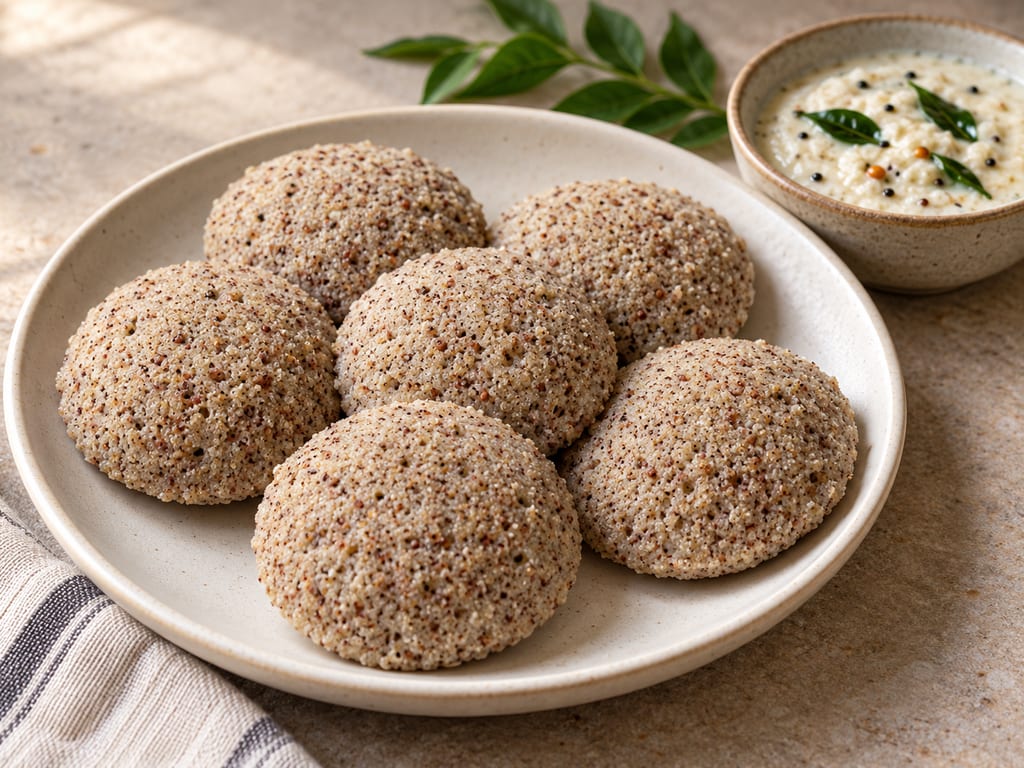
Multigrain millet idli uses a source-specific naturally fermented grain and urad batter, then cooks it by steaming in moulds. The creator leaves some process measures unquantified.
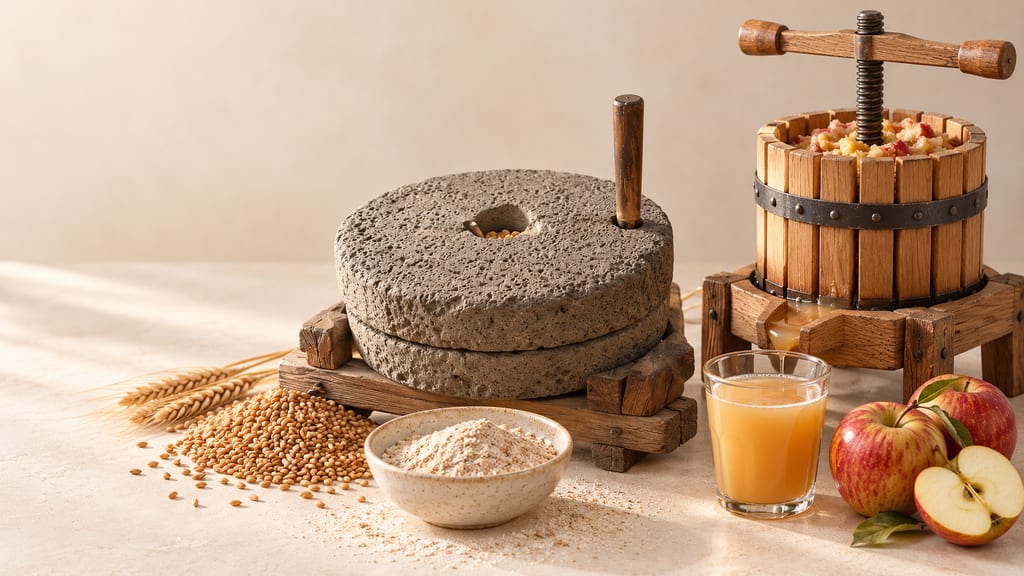
A blender, a stone refiner and a small screw press each replace hours of pounding or squeezing, but grinding, pressing oil and extracting a milk are different jobs with different limits.
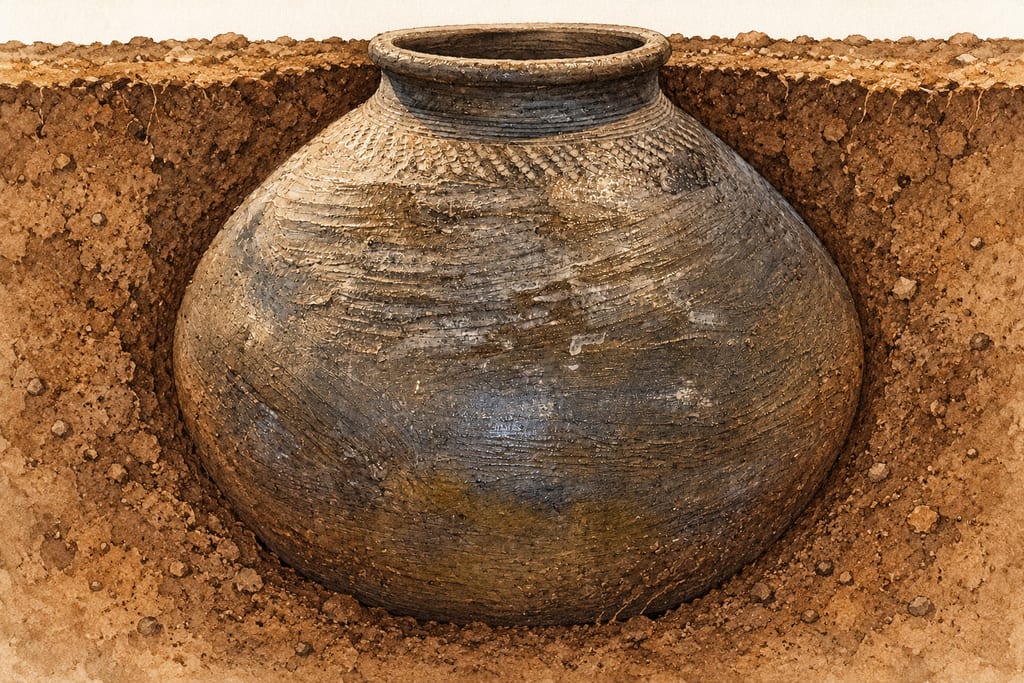
An earthen fermentation pot documented in Ayurvedic asava and arishta preparations. Studies in India compare pot and non-earthen vessels; field research in Sri Lanka records both earlier buried pots and later, varied factory practice.
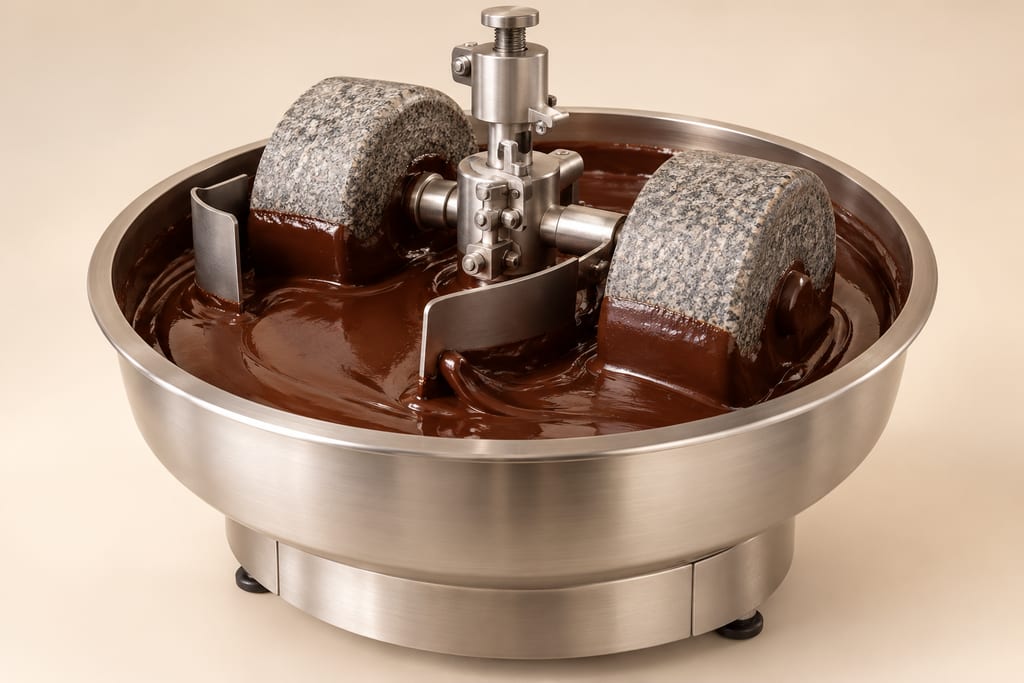
A chocolate refiner or melanger uses powered rotation and stone rollers to refine cocoa mass. Some models also process nut and seed pastes; design, material and operating limits vary.
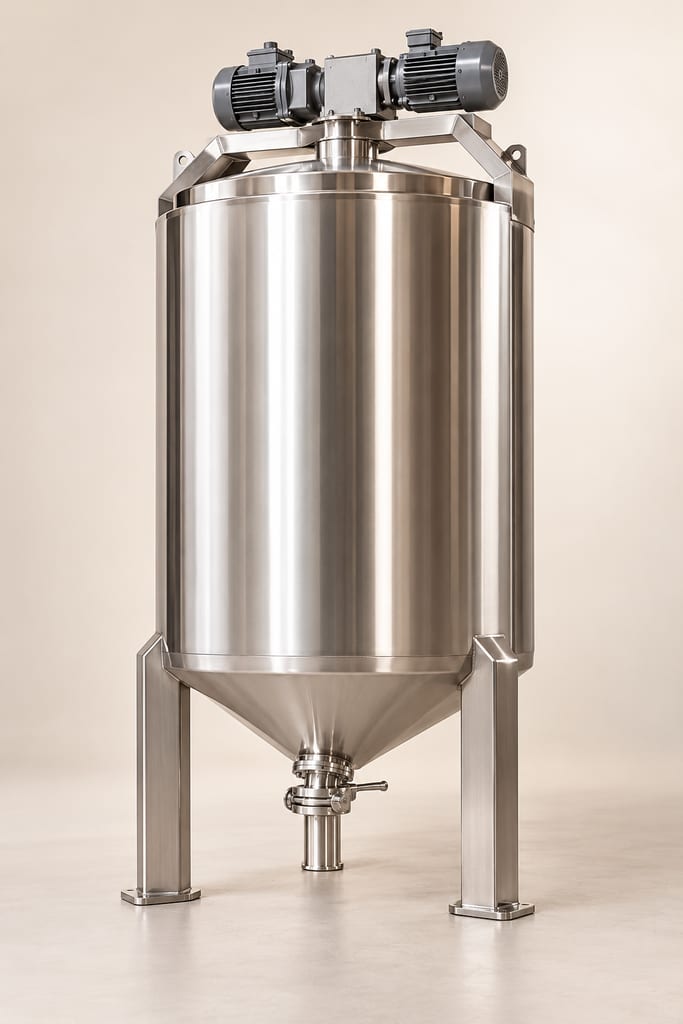
Contemporary vessels used to ferment coffee cherries or pulped coffee with restricted air exchange. Drums, rigid tanks and hermetic bags differ in material and monitoring; “anaerobic” alone does not describe a batch's conditions.
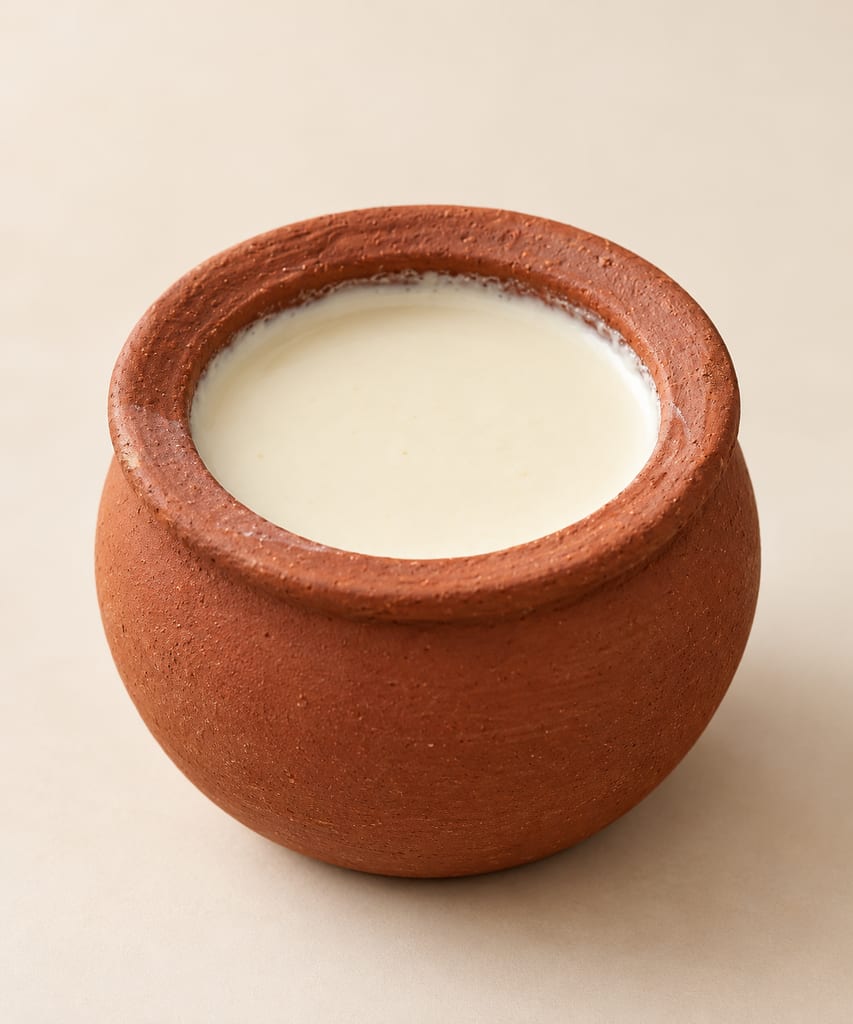
Unglazed earthen pots are used to set and often serve dahi and Bengali mishti doi. Documented forms range from small cups to shallow, broad vessels; no standard size or capacity is established.
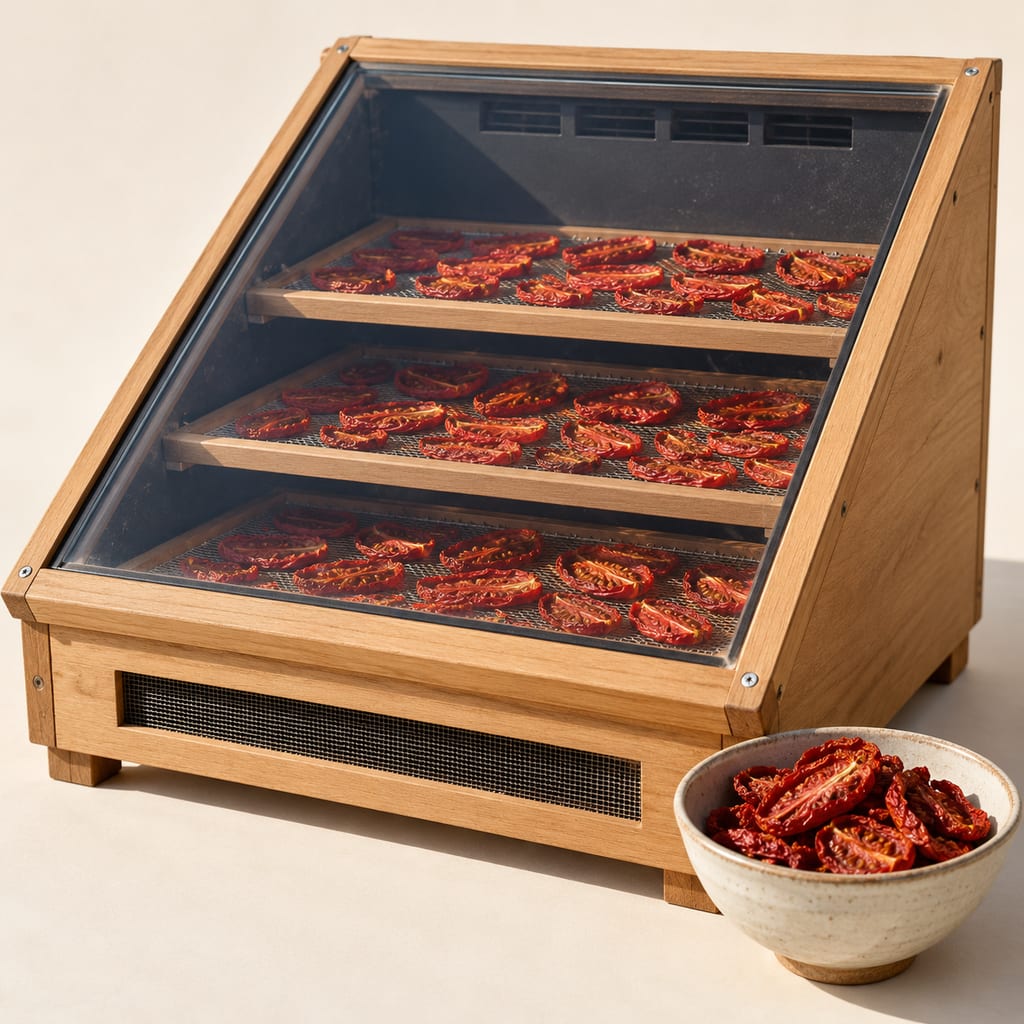
A glazed cabinet in which sunlight passes through a transparent cover onto a dark interior while air moves over mesh trays. The Brace-type cabinet is documented with a dimensioned drawing from 1978.
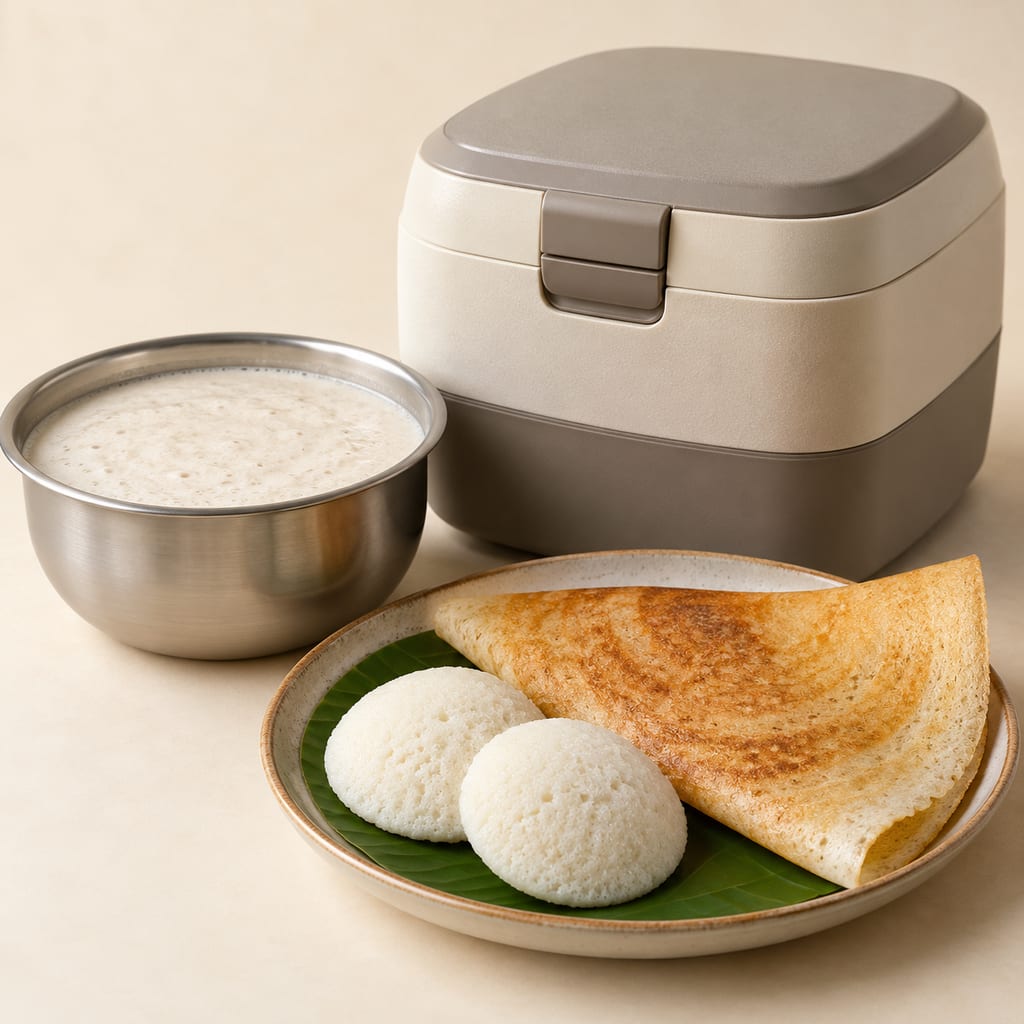
A warm, sheltered spot or closed box used to ferment rice and black gram batter overnight for idli and dosa, where the kitchen runs cool.
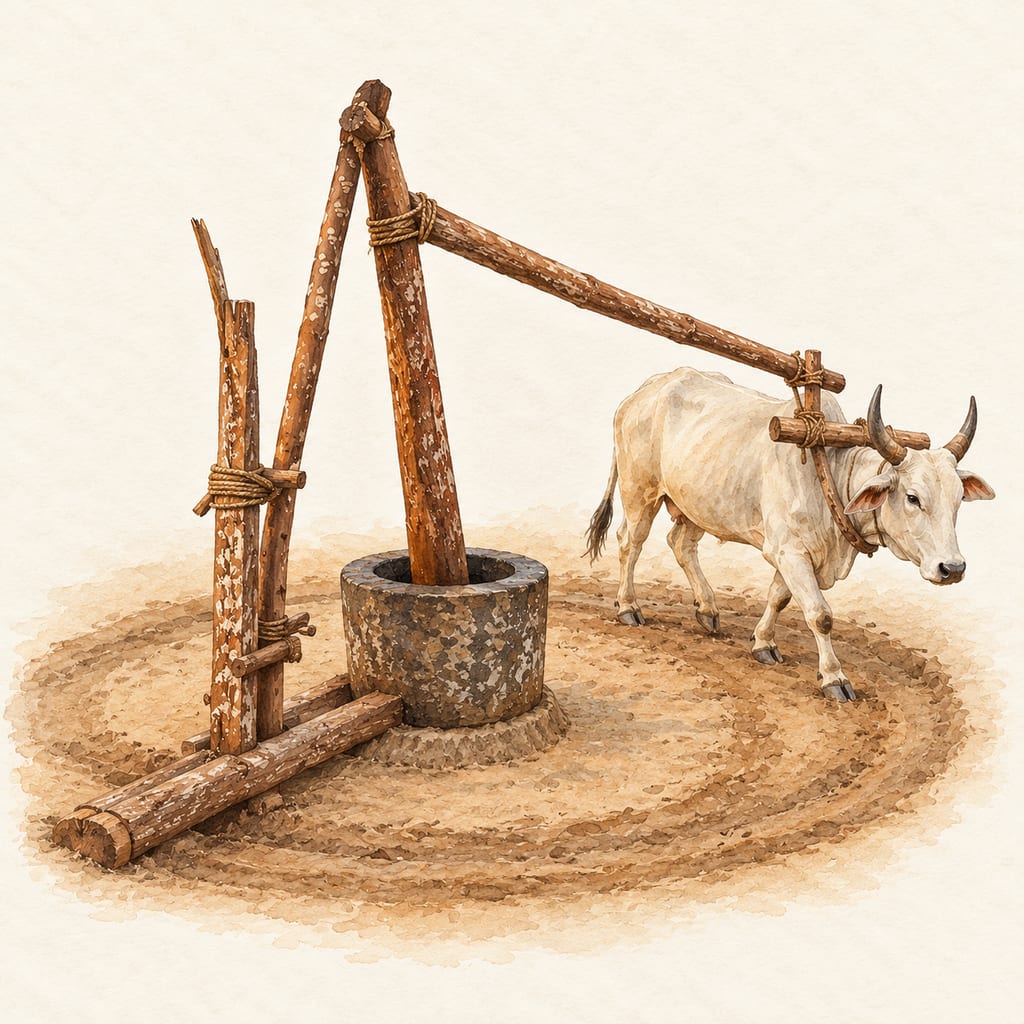
A traditional Indian oil press built around a circular mortar and upright pestle, turned by an animal through a weighted beam; regional versions differ in materials, scale and drive.

Gundruk pots and dhungro are fermentation containers documented in Nepal and one Darjeeling household. FAO describes earthenware; a 2024 figure identifies a bamboo-made airtight dhungro buried in a pit within a cow-dung heap.
No community contributions have been published for this entry yet.
Sign in to contribute. Published comments and photos are free to read.
National Instructional Media Institute (NIMI), Government of IndiaEquipment form · Mechanism · Geography
Wireman, 2nd Year Trade Theory (NSQF Level 4, Revised 2022)Defines the wet grinder as a domestic electrical appliance for wet grains and distinguishes conventional, tabletop and tilting types.
Lists motor, grinding stone, container, pulley, belt, frame and stand; describes a paired hard-granite grinding arrangement and a conventional stainless-steel rotating container.
The text says the rotating-container conventional type is the most common one used in houses; this supports contemporary India-context use, not origin or exclusivity.
Cited in: A stone mill for wet grains; Geography and evidence limits
Food and Agriculture Organization of the United NationsProcess context · Regional method
Fermented cereals: a global perspective, Chapter 2: Cereal fermentations in African countriesDescribes West African ogi made from maize, sorghum or millet: grains are soaked, wet-milled and sieved; the filtrate then ferments for two to three days.
This documents ogi processing, not use of a domestic Indian wet grinder; using a powered domestic mill as an option is an adaptation.
Cited in: Grinding is preparation, not fermentation; Choose a machine for its actual duty
Diamond Custom MachinesDuty cycle limit
FAQ: What’s the difference between a wet grinder and the Premier Chocolate Refiner?The maker says wet grinders are designed for short periods while its chocolate refiner is tested to run continuously for 72 hours.
This is a comparative statement from the maker, not an exact runtime specification for every wet grinder.
Cited in: Choose a machine for its actual duty
Nisha ThajuDocumented recipe method
How to make Multigrain Millet Idli Dosa Batter at home? Tips for perfect fermentationThe linked multigrain dosa method soaks a grain-and-pulse blend, wet-grinds it with water, ferments it and then cooks it as dosa.
The recipe supports a batter-grinding use; it does not establish that the creator used the specific model shown in the image.
Cited in: Grinding is preparation, not fermentation; Choose a machine for its actual duty
Nisha ThajuDocumented recipe method
How to make Multigrain Millet Idli Dosa Batter at home? Tips for perfect fermentationThe linked multigrain idli method wet-grinds a soaked grain-and-pulse blend, ferments the batter and steams it in moulds.
The recipe supports a batter-grinding use; it does not establish that the creator used the specific model shown in the image.
Cited in: Grinding is preparation, not fermentation; Choose a machine for its actual duty