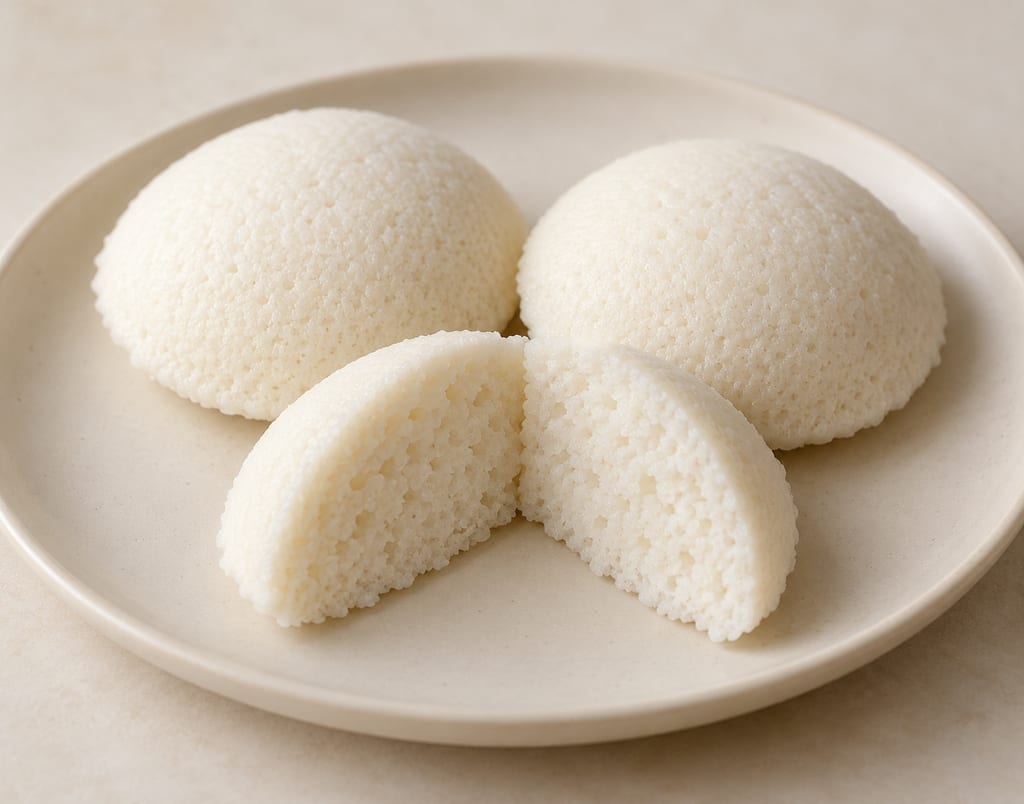
Rice and urad idli
Rice and urad idli uses a source-specific naturally fermented grain and urad batter, then cooks it by steaming in moulds. The creator leaves some process measures unquantified.
 FermenteaWhere food goes to change
Modern method
Multigrain millet idli uses a source-specific naturally fermented grain and urad batter, then cooks it by steaming in moulds. The creator leaves some process measures unquantified.
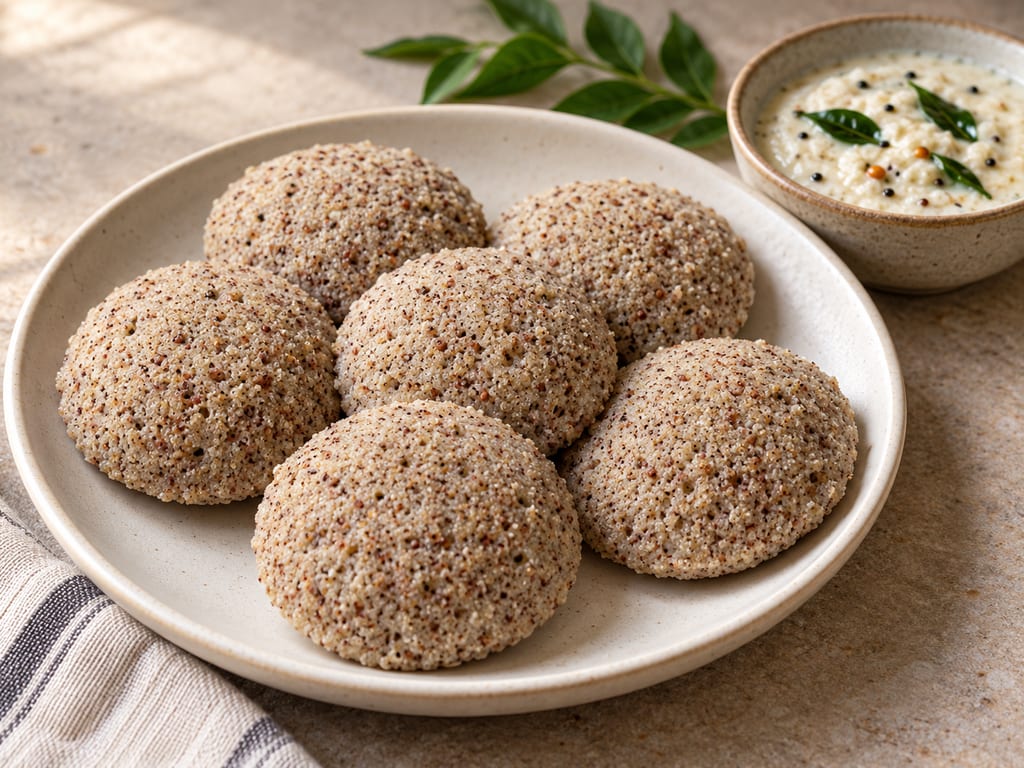
Multigrain millet idli is a variation of traditional South Indian idli that uses several cereal grains alongside urad dal.
Instead of relying primarily on rice, this preparation combines sorghum, finger millet, pearl millet, two rice products and whole black gram.
The resulting batter is fermented and steamed in idli moulds.
The finished cakes are generally darker and more speckled than conventional white rice idli, reflecting the different grains.
Their flavour can be more earthy, nutty and complex.
The broad Tamil description சிறுதானிய இட்லி refers to small-millet or millet idli, while மல்டிகிரெய்ன் இட்லி is a modern borrowing of multigrain idli. These are descriptive names rather than evidence for an ancient dish with this exact formulation.
The six principal raw ingredients are:
Grain: Sorghum — Local name: Jowar / ஜோளம் — Scientific name: Sorghum bicolor
Grain: Finger millet — Local name: Ragi / கேழ்வரகு — Scientific name: Eleusine coracana
Grain: Pearl millet — Local name: Bajra / கம்பு — Scientific name: Cenchrus americanus (syn. Pennisetum glaucum)
Grain: White or dosa rice — Local name: Rice / அரிசி — Scientific name: Oryza sativa
Grain: Idli rice — Local name: Idli rice / இட்லி அரிசி — Scientific name: Oryza sativa
Grain: Whole black gram — Local name: Urad / உளுந்து — Scientific name: Vigna mungo
The two rice products are separate components of the formula, even though they belong to the same botanical species.
Parameter: Dry blend — Documented value: 1 cup each of six ingredients
Parameter: Quantity used for one batter batch — Documented value: 3 glasses of prepared dry blend
Parameter: Fenugreek — Documented value: 1 teaspoon
Parameter: Water — Documented value: Approximately 2 small glasses during grinding; actual volume unspecified
Parameter: Salt — Documented value: As required; no quantity
Parameter: Cooking oil — Documented value: 1 drop for greasing in the source record
Parameter: Soaking — Documented value: 6–8 hours or overnight
Parameter: Hand mixing — Documented value: 3–5 minutes
Parameter: Fermentation — Documented value: 6–8 hours or overnight
Parameter: Steaming — Documented value: 8–10 minutes on medium heat
Parameter: Resting after steaming — Documented value: 1–2 minutes
Parameter: Yield — Documented value: Not reported
The glass capacity is not supplied. It is therefore not possible to turn three glasses into an exact number of millilitres, cups or grams.
Likewise, the stored blend contains black gram already. Adding another portion of urad would change the original recipe.
Idli belongs to a long-established South Indian fermentation tradition.
Sorghum, finger millet and pearl millet also have extensive histories of cultivation and consumption in different parts of India.
However, the exact recipe here is a modern combination of those grains rather than a historically documented ancient formulation.
Its source is a video demonstrating how a stored multigrain mix can be transformed into several foods.
This is a practical contemporary approach: make one dry mixture, soak and grind a measured portion, ferment it, then use the batter for idli or dosa.
Such methods are useful in households where several grains are routinely incorporated into familiar dishes.
The source video does not establish a specific village, community or historical date for the invention of this formulation.
The recipe should therefore be classified as modern multigrain idli inspired by South Indian fermentation, not assigned a fictitious regional origin.
Sorghum contributes starch, proteins and grain flavour.
Its grains may differ considerably in tannin content and colour, depending on the variety.
Some varieties have stronger flavours or darker pigments.
Finger millet provides starch, minerals, fibre and characteristic flavour.
It is frequently used in porridges, flatbreads and fermented foods.
Pearl millet is a major cereal in several regions of India and Africa.
Its starch, protein and fat composition differ from rice.
Pearl millet can have a pronounced grain flavour that becomes noticeable in a mixed batter.
Rice contributes starch and influences the cooked texture.
A second rice component is included in the original formula.
The source does not fully explain why both rice products are included, so their distinct technological roles should not be overstated.
Urad provides proteins and polysaccharides important for batter viscosity and gas retention.
Because it is already part of the stored blend, do not add an extra cup of urad to the three-glass batch.
Fenugreek seeds contribute flavour and may affect the batter's handling properties.
They are kept separate from the stored dry blend and added during soaking.
The creator describes approximately two small glasses of water during grinding.
The capacity of the glasses is not established.
Water should therefore be added gradually to achieve the demonstrated consistency rather than converted into an invented fixed volume.
Salt is added to preference.
The source does not give an exact amount.
Use a container for the dry grain mix, a soaking bowl, a wet grinder or blender, a fermentation vessel, idli plates and a steamer.
A sufficiently large fermentation bowl is important because the batter may expand as gas develops.
Equipment should be clean and suitable for food preparation.
Combine:
1 cup jowar
1 cup whole ragi
1 cup bajra
1 cup white or dosa rice
1 cup idli rice
1 cup whole black gram
Mix the six ingredients together.
The total dry mix is a larger stock from which the current batch will be measured.
Fenugreek is not added at this stage.
Take three glasses of the stored dry blend.
The original video does not specify the size of the glasses.
Do not assume three glasses means three standard measuring cups.
Rinse the measured grains until the water runs relatively clear.
This removes dust and loose surface material.
Add one teaspoon fenugreek seeds to the soaking mixture.
The source instructs soaking for six to eight hours or overnight.
It does not give a numerical soaking temperature.
Specialist food-safety guidance for idli and dosa recommends 4°C or below when soaking for longer than four hours.
For this extended soak, use refrigeration.
Drain the soaked grains.
Wet-grind the mixture, adding water gradually.
Scrape down the sides as needed.
The objective is a smooth, fluffy batter.
The creator reports approximately two small glasses of water, but their volume is unknown.
Transfer the batter to a bowl.
Add salt as required.
Mix by clean hand for three to five minutes.
This combines the mixture thoroughly and may introduce some air.
Cover the bowl and leave in a warm environment for six to eight hours or overnight.
The source does not provide a measured temperature.
Nor does it specify a final pH.
The different grain composition can influence fermentation behaviour, so the timing should not be treated as a validated microbiological endpoint.
Grease the idli plates.
The record specifies one drop of oil, without further explanation of plate size or how that amount is distributed.
Fill the moulds with the fermented batter.
Steam over medium heat for eight to ten minutes.
The creator checks the cooked idlis using a fork or knife.
A clean utensil can be a useful texture observation, but the food-safety standard calls for the product to reach 74°C internally for at least 15 seconds.
Allow the plates to stand for one to two minutes before removing the idlis.
This makes handling easier.
Serve hot with an appropriate accompaniment.
The recipe does not specify the total number of idlis produced.
The batter contains starches, proteins and microorganisms associated with several raw grains.
As the mixture ferments, some bacteria metabolize available carbohydrates.
Lactic-acid bacteria can contribute acid and carbon dioxide.
The specific organisms and their relative abundance may differ from a conventional rice-and-urad batter because the raw material is different.
The 2019 idli microbiome study demonstrates the importance of microbial succession, but its measured population should not be copied unchanged into this six-component batter.
Urad helps make the batter viscous enough to trap bubbles.
The presence of multiple grain particles affects that structure.
Microbial acid production can contribute a mild sour flavour.
The source does not report the finished acidity.
Sorghum and finger millet contain phytate.
Research on traditional grain fermentation has demonstrated that phytate levels can decrease under suitable conditions.
One controlled study measured substantial reductions after 72–96 hours of fermentation in particular grain preparations.
Those findings cannot be used to assign a numerical phytate reduction to this six-to-eight-hour mixed batter.
They simply demonstrate that phytate transformation is a relevant subject for scientific investigation.
Heat gelatinizes starch and sets the protein-containing structure.
The trapped gas produces pores, while the combined grains contribute texture and colour.
Each grain contributes different properties.
Rice can soften the finished texture.
Finger millet and sorghum supply characteristic cereal flavours.
Pearl millet changes the starch and protein composition.
Urad contributes viscosity.
The result is not simply conventional idli with coloured flour mixed in.
It is a batter whose water absorption, fermentation behaviour and cooked texture depend on the complete blend.
Some multigrain idlis use foxtail millet, little millet, barnyard millet or kodo millet.
Others omit rice.
Some include flattened rice or curd.
These are related preparations, but changing the grain composition can substantially change the finished texture.
A recipe with no rice is not identical to this one.
The original six-component blend should remain the principal recipe, with other grain combinations described as variations.
Multigrain idli is served much like conventional idli.
Common accompaniments include coconut chutney, tomato chutney, peanut chutney, sambar and spiced lentil powder.
Because the mixed grains may have a stronger flavour than polished rice, a well-seasoned chutney can be particularly suitable.
The idlis are best served after steaming, while they retain their soft texture.
Dense idlis: The batter may have insufficient aeration or an unsuitable consistency.
Coarse texture: Some grains may not have been ground adequately.
Weak fermentation: The combination of ingredients and ambient conditions may not support rapid acid and gas production.
Overly sour batter: Excessive holding can continue acidification.
Sticky interiors: Too much liquid or insufficient steaming may prevent the structure from setting.
Poor rise: The quantity of urad in the measured blend and the grinding method affect batter structure.
Visible bubbles and rising are useful quality observations, not proof of food safety.
The recipe uses raw grains held wet for several hours.
Use potable water and clean equipment.
Refrigerate during extended soaking.
After fermentation, avoid prolonged uncontrolled holding.
Cook the idlis thoroughly to the applicable internal-temperature standard.
For commercial fermented batter, the BCCDC guidance specifies pH 4.6 or below before packaging.
The original recipe does not supply a measured pH, numerical fermentation temperature or validated shelf life.
No diabetes-prevention or treatment claim is supported by this recipe.
A multigrain food may differ nutritionally from white rice idli, but the exact nutritional result depends on the final recipe and portion.
The multigrain idli illustrates how a traditional fermentation format can accommodate several crops without losing its essential identity.
Its defining process remains soaking, grinding, microbial fermentation and steaming.
The six-component mix is a modern convenience, while its grains have their own separate agricultural histories.
The important lesson is that changing the ingredients also changes the conditions under which the batter ferments.
That makes exact documentation particularly valuable.
The modern creator demonstration does not establish the earliest attestation or origin of this food.
Scaling: source batch only
Batter rise, bubbles, aroma, colour and texture are quality observations, not safety proof. The source does not establish measured fermentation temperature, pH or a safe storage time.
The creator does not establish this preparation’s geographic origin.
Rice and urad idli uses a source-specific naturally fermented grain and urad batter, then cooks it by steaming in moulds. The creator leaves some process measures unquantified.
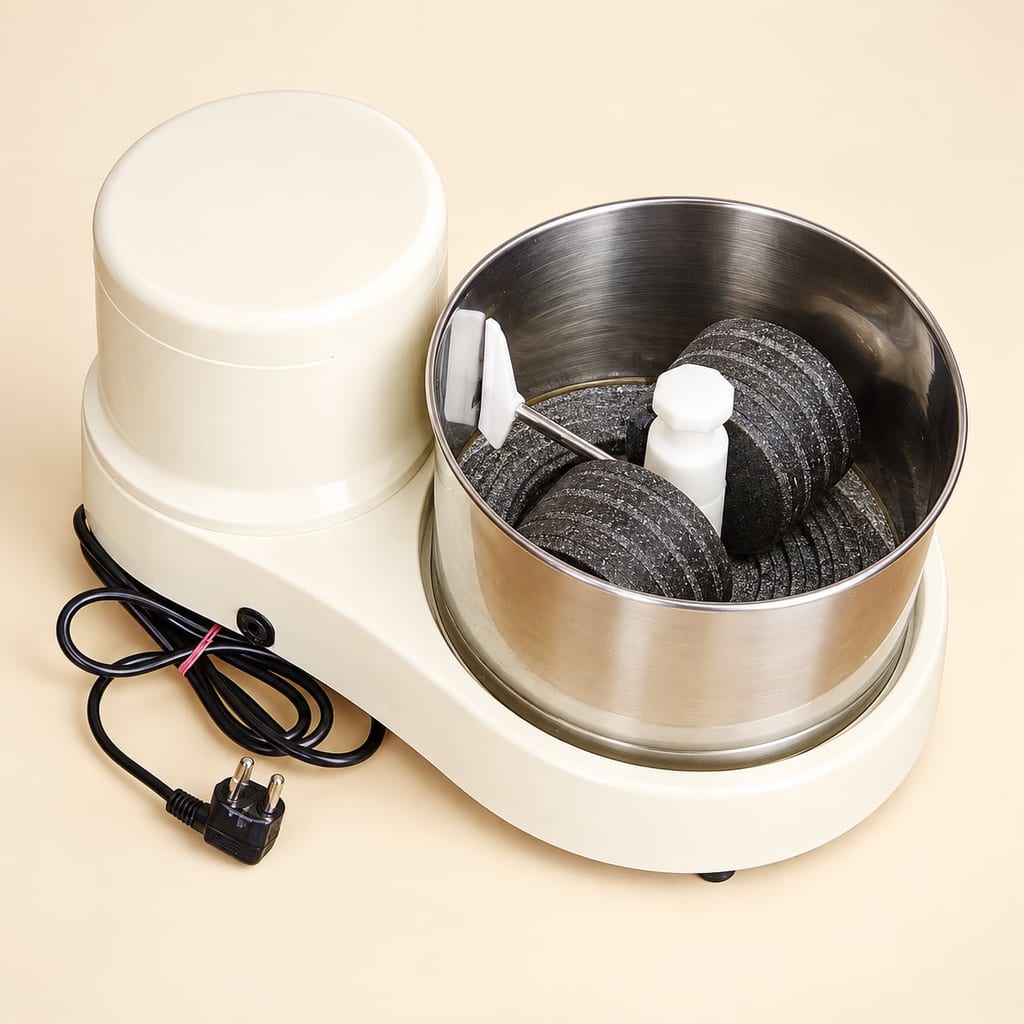
A powered mill that uses stones to grind soaked grains or pulses with water into batter or slurry. Domestic forms include conventional, tabletop and tilting models; capacities, construction and run limits vary by machine.
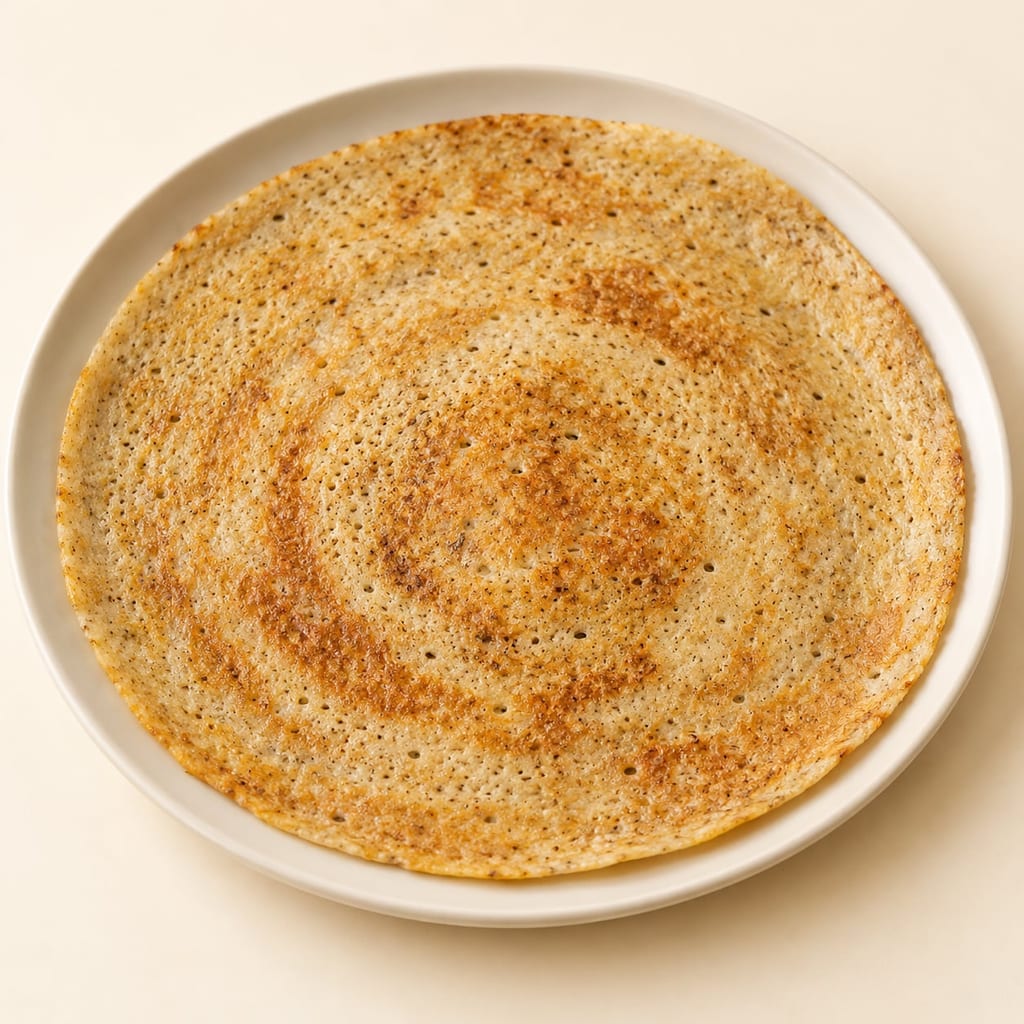
Multigrain millet dosa uses a source-specific naturally fermented grain and urad batter, then cooks it by griddling. The creator leaves some process measures unquantified.
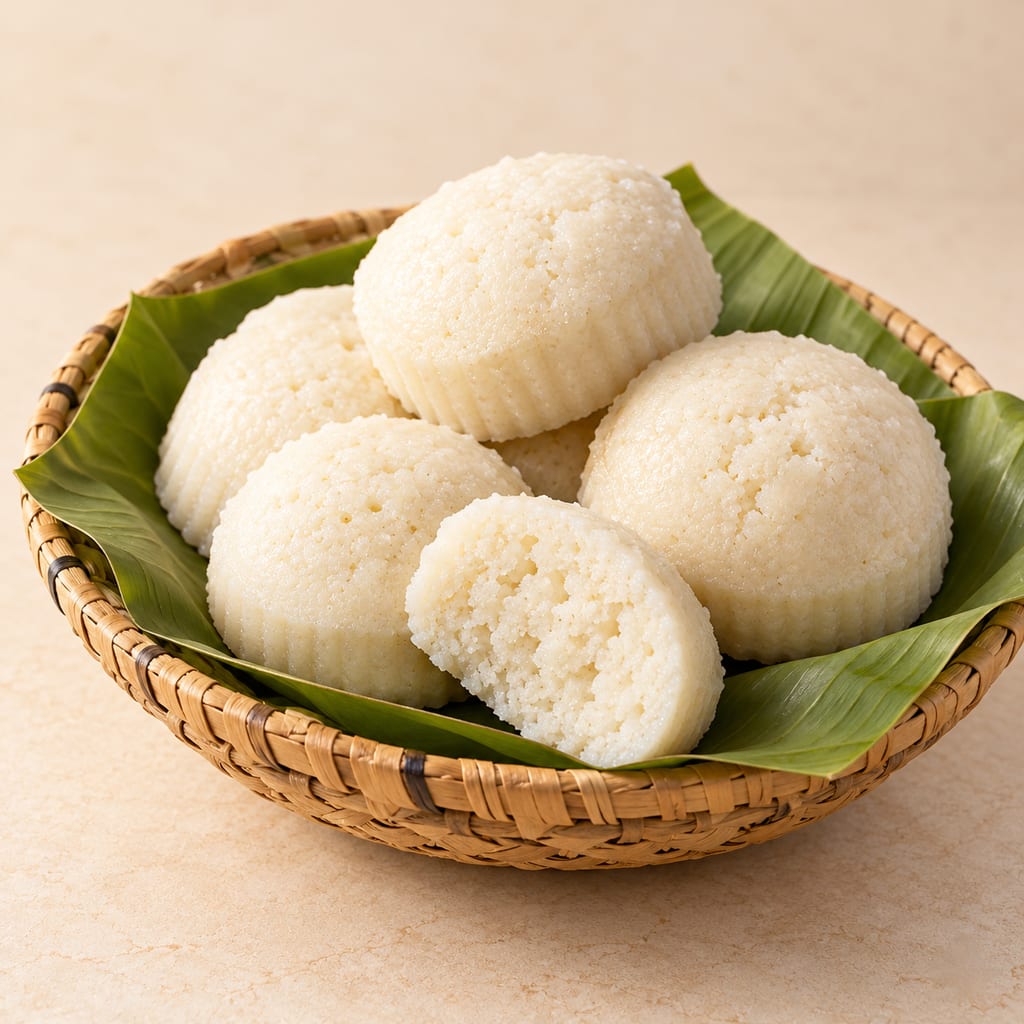
Soft, lightly tangy steamed cereal bread documented across Benin and Togo. This page gives one measured rice-flour research method; maize-based Ablo and mixed-grain versions remain distinct traditions.
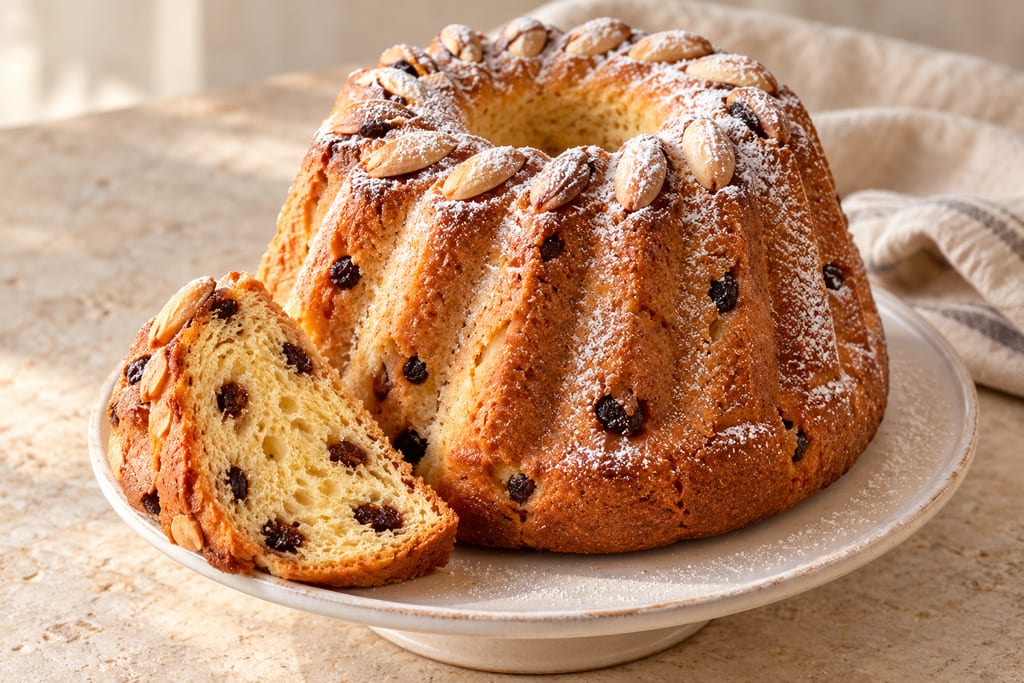
An enriched Alsatian yeast ring with raisins and almonds, kneaded with butter, proofed in a fluted mould and baked until browned.
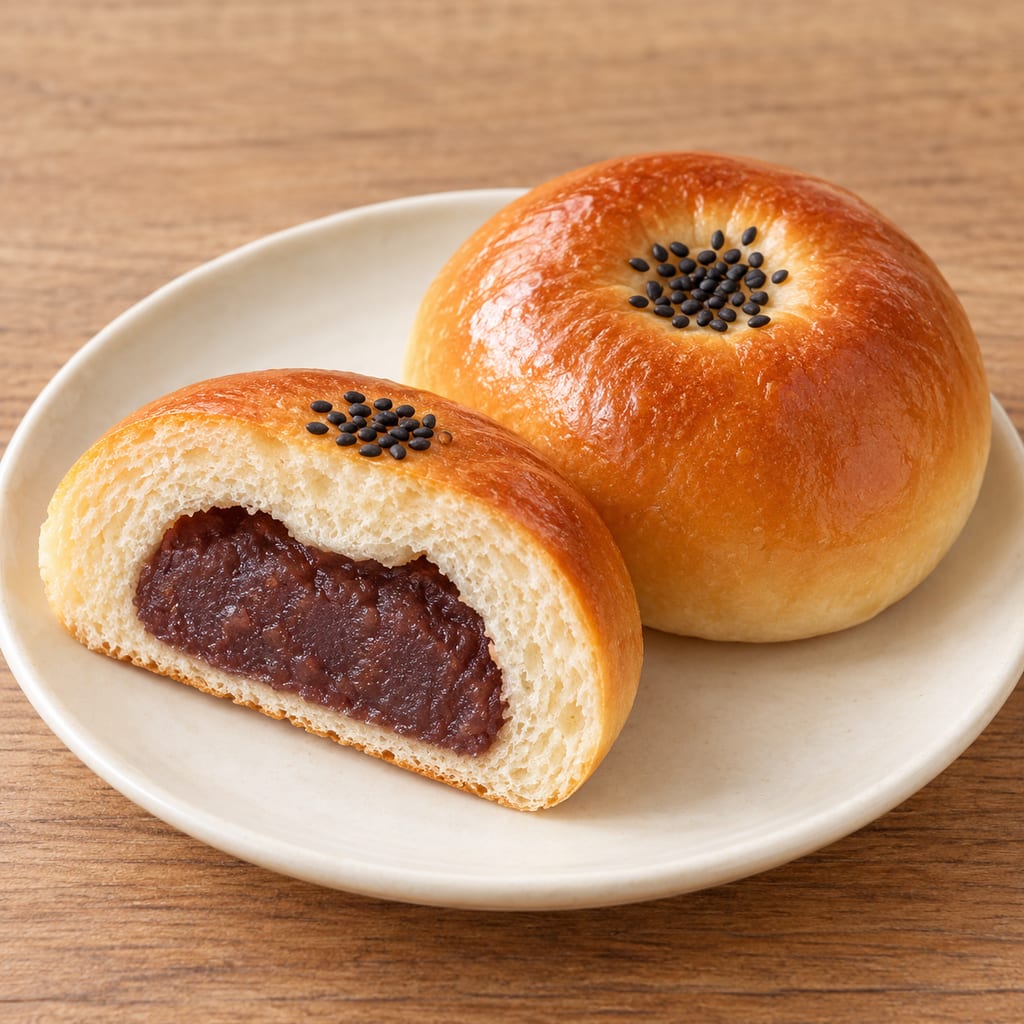
Anpan is a soft wheat bun filled with sweet red-bean paste and finished with egg wash and black sesame. This dough rises with commercial instant yeast.
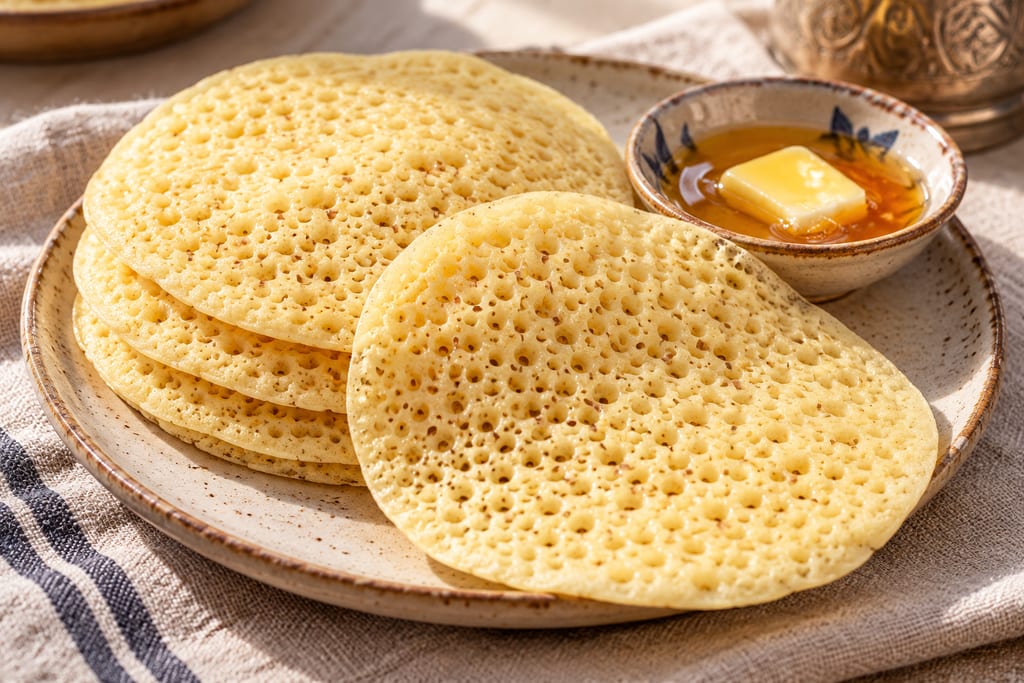
Moroccan semolina pancakes made from a thin yeast batter, rested until foamy and cooked on one side until the surface sets with a honeycomb of holes. This source-specific batch makes sixteen 5-inch pancakes.
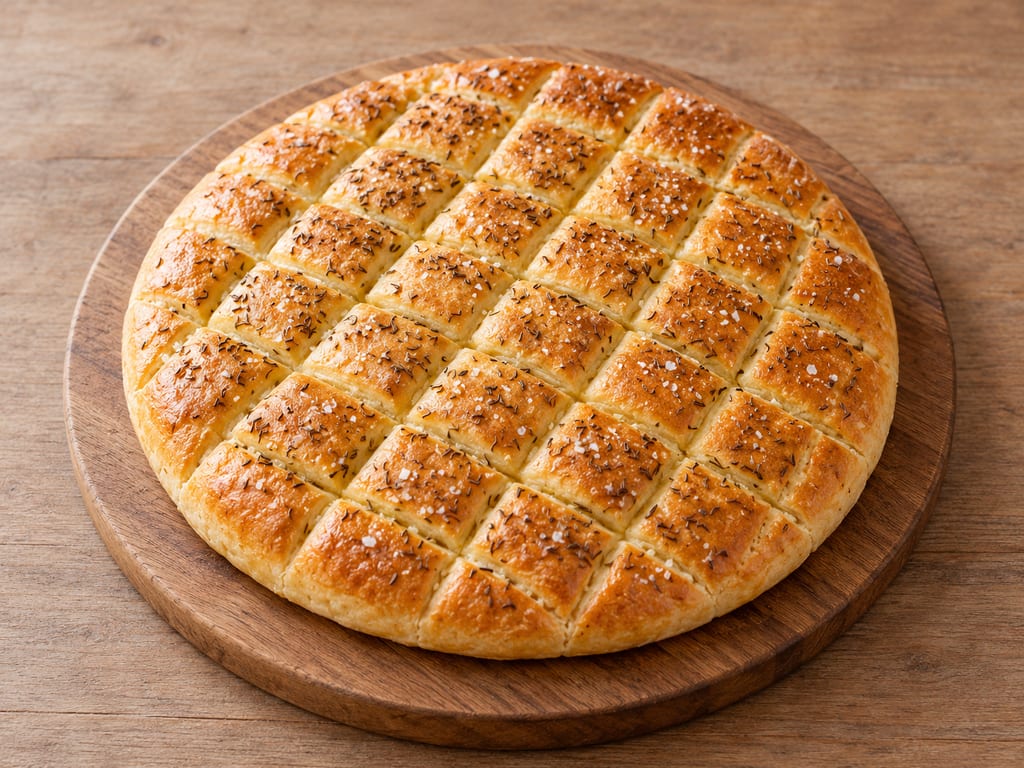
A round Slovenian flatbread scored in a grid and topped with caraway and coarse salt.
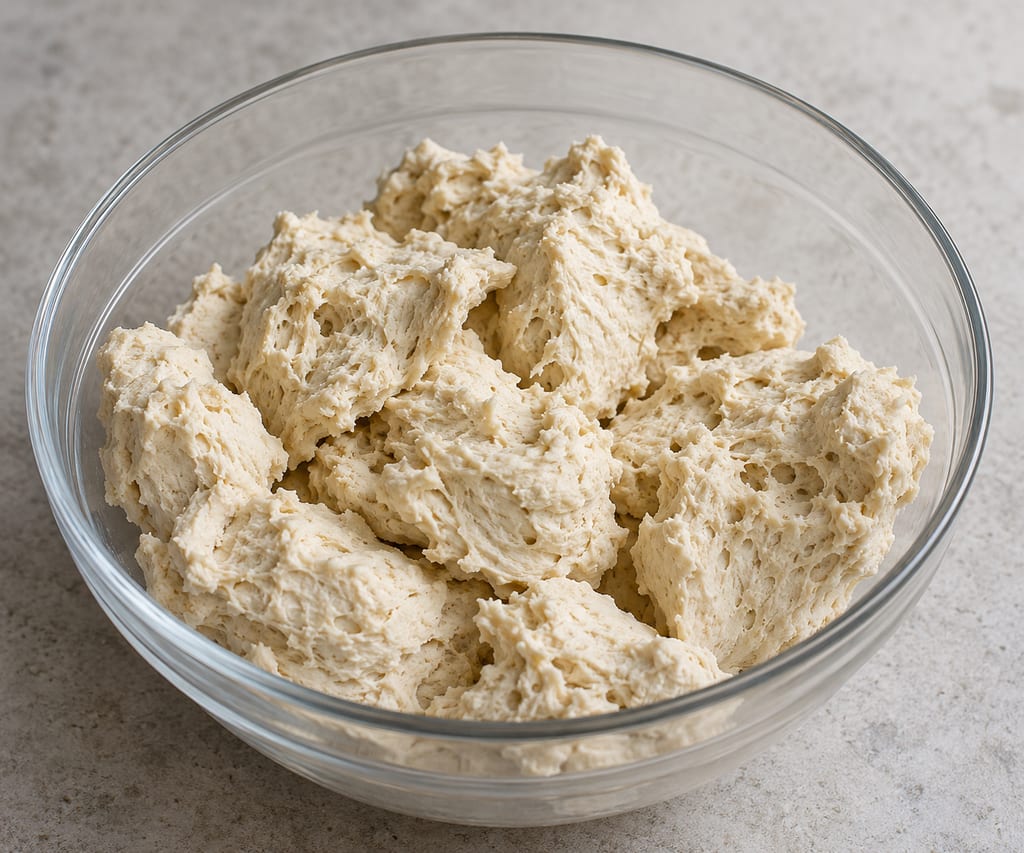
Biga is an Italian bread preferment of flour, water and a little yeast, usually a stiff unsalted mass of about 45 per cent water, fermented ahead and then mixed into the final dough.
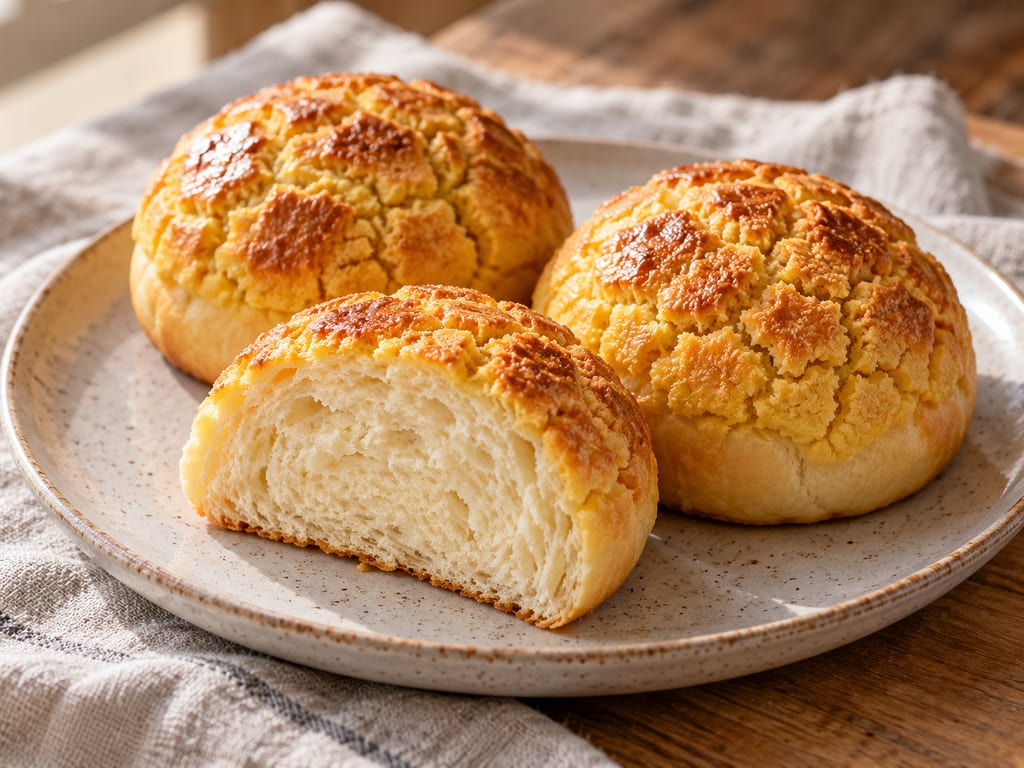
Hong Kong-style pineapple buns have soft yeast dough beneath a crisp, sweet pastry topping.
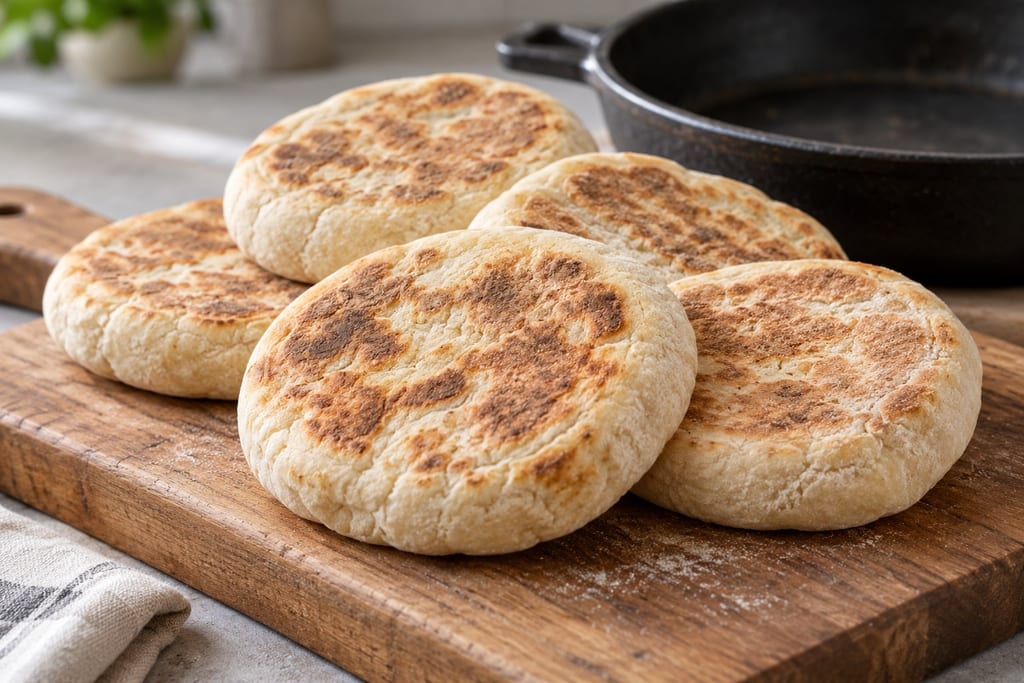
Sweet-potato wheat breads with fresh yeast, browned in a pan and finished in the oven. This is the bread component of Teleculinária's scrambled-egg dish.
No community contributions have been published for this entry yet.
Sign in to contribute. Published comments and photos are free to read.
Nisha ThajuInspiration
How to make Multigrain Millet Idli Dosa Batter at home? Tips for perfect fermentation ~ Nisha ThajuSource batch measurements
Soaking, grinding and fermentation stages
Cooking method and creator-stated endpoint
Cited in: What is multigrain millet idli?; Recipe at a glance; History: traditional grains in a modern combination; Sorghum — one cup in the stored blend; Finger millet — one cup; Pearl millet — one cup; White or dosa rice — one cup; Idli rice — one cup; Whole black gram — one cup; Fenugreek — one teaspoon; Water; Salt; Equipment; 1. Make the stored multigrain mix; 2. Measure the batch; 3. Wash; 4. Add fenugreek; 5. Soak; 6. Drain and grind; 7. Add salt and mix; 8. Ferment; 9. Prepare the moulds; 10. Steam; 11. Rest; 12. Serve; How it is eaten; Troubleshooting; Why this recipe matters
Cited in: 8. Ferment; How mixed-grain fermentation works; Gas retention; Acid formation; Phytate changes; Steaming; Why the recipe uses several grains; Safety and storage; Why this recipe matters
Cited in: How mixed-grain fermentation works; Gas retention; Acid formation; Phytate changes; Steaming; Why the recipe uses several grains; Why this recipe matters
Cited in: 5. Soak; 10. Steam; Safety and storage
Cited in: History: traditional grains in a modern combination; Variations