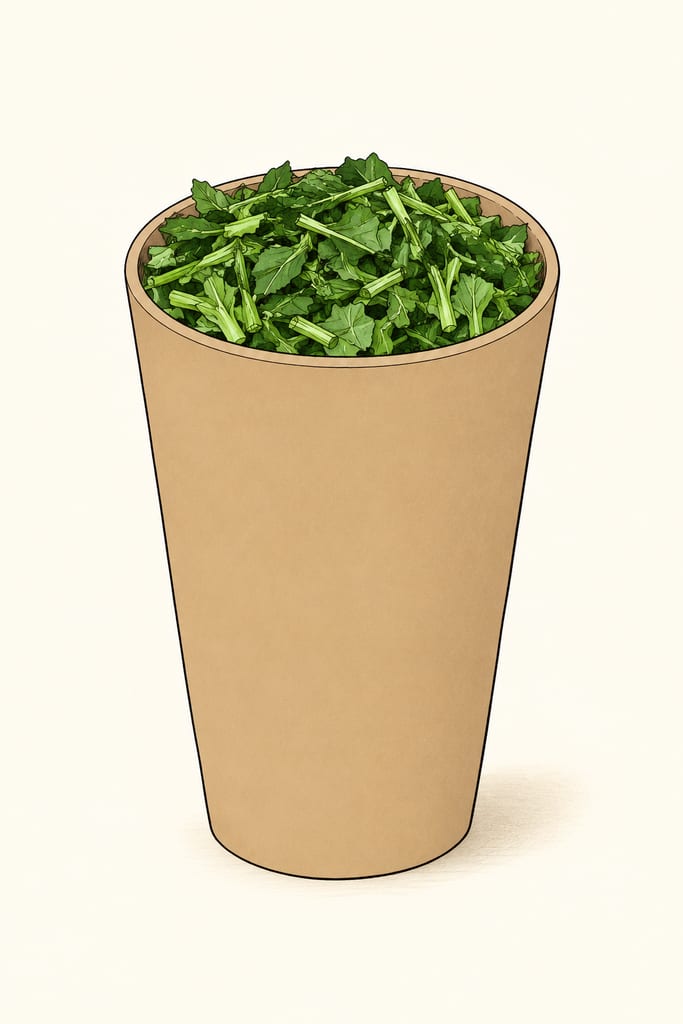
A buried earthen fermenter
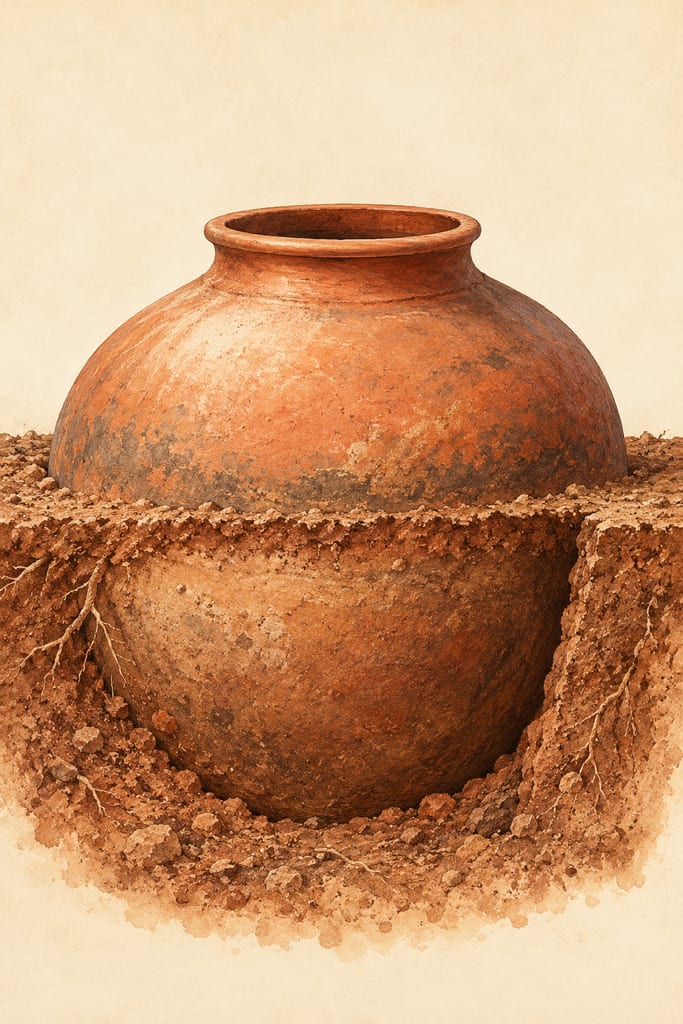
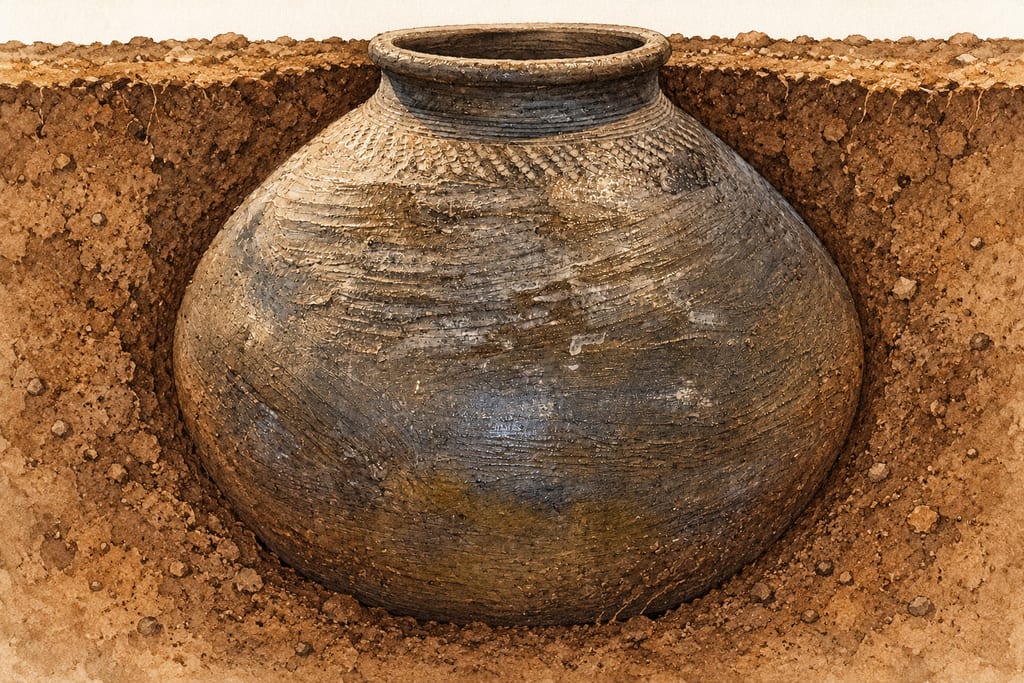
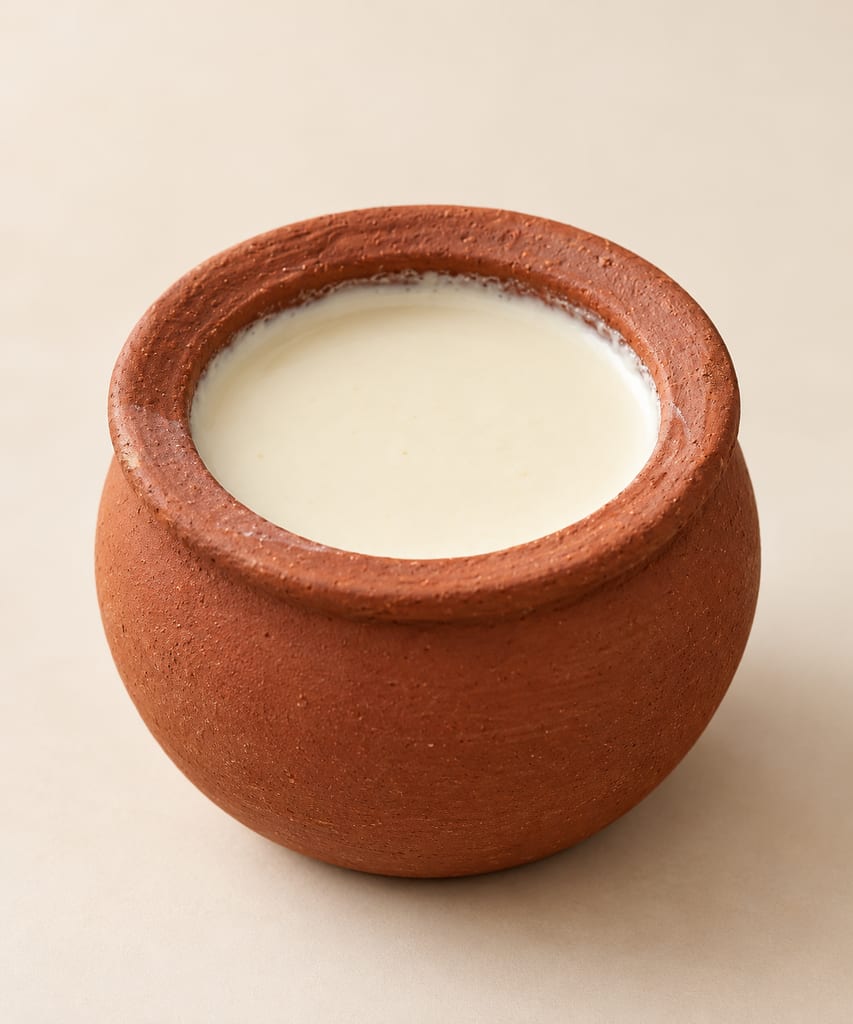
Kodem is the name used in Goa's Feni Policy for a large earthen vessel into which cashew-apple juice is poured and left to ferment. It belongs to the juice-fermentation stage of cashew-feni production. It is distinct from the bhann, the pot used to heat fermented juice during distillation, and from the smaller lavnni condenser. The policy describes the kodem as buried underground; a 2024 photo essay from Fazenda Cazulo shows rounded earthen pots partly set into the soil.
The pottery is the defining material of the traditional vessel, but the sources do not identify its clay body, temper, glaze, wall thickness, firing method, closure or standard capacity. A photograph of one working arrangement should not be treated as a specification for every kodem.
Sources for this section
Soil and vessel
The Goa policy uses the general description “buried underground.” At the particular farm documented by GOYA, the pots are described as half-buried, with the ground contact serving as natural temperature regulation. That specific field account supports showing a vessel below ground, but neither source gives a measured depth or a standard cross-section. The burial diagram accompanying this entry is therefore an editorial explanation of the vessel–soil relationship, not an archaeological drawing, measured plan or claim that every site buries pots identically.
The exposed rim permits juice to be poured into the vessel. Beyond that functional opening and its buried placement, the inspected evidence does not establish a universal lid, seal or mouth shape.
Sources for this section
One tradition, several containers
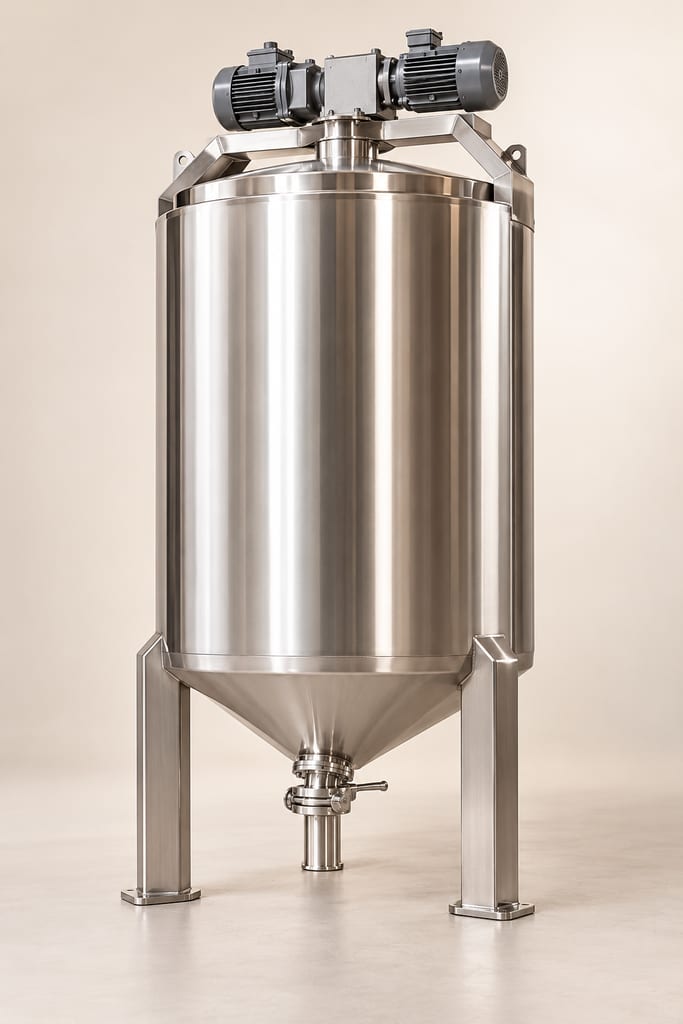
Kodem use sits within a changing equipment landscape. Goa's 2021 policy lists earthen Kodem alongside food-grade plastic containers, ceramic or glazed-tile tanks, and compliant stainless-steel containers as options for cashew-juice fermentation in that policy. This does not make a plastic drum a kodem: the traditional term in the glossary refers to the large earthen buried vessel.
Dwijen Rangnekar's 2011 study, reporting Goa fieldwork from 2007–08, described kodems as large buried earthen pots and noted that they were already uncommon in the places observed, where food-grade plastic vats had replaced them. A 2024 photo essay documents a working example at Fazenda Cazulo. Together these sources show local variation and persistence, rather than a single material used by every producer.
Sources for this section
Scope and terminology
This entry covers the large buried earthen fermenter for cashew-apple juice. The Goa policy also uses “kodem” in a distillation passage for the cold-water container around a condenser; that is a separate role and is not the subject illustrated here. The sources establish contemporary Goan use, not when the vessel originated, how widely it was once distributed, or whether every pot has the same form.
Sources for this section
History
The Goa Feni Policy (2021) defines kodem as a large earthen vessel buried underground for cashew-apple juice to ferment. A 2024 field photo essay documents partly buried earthen pots at Fazenda Cazulo in Goa. A 2011 study based on fieldwork in 2007–08 described kodems as large buried pots and reported that they were becoming uncommon in the places observed, with food-grade plastic vats replacing them. These sources document a Goan use and change over time, not the vessel's origin date or prevalence across the state.
Equipment details
CapacityThe inspected sources call kodems large but provide no standard or measured capacity.
SizeNo source inspected supplies vessel dimensions or a standard burial depth. The 2024 photo essay describes half-buried pots at one site; the policy glossary only says buried underground.
PowerNo power The vessel passively holds juice during fermentation; no powered mechanism is described.
How you get oneNot established The sources do not document how a particular household or distillery obtains or makes its kodem. Do not assume all current producers use one.
CareThe inspected sources do not provide a cleaning, repair, storage or care routine for kodems.
Made of
- earthenware pottery — fermentation vessel
Goa's 2021 Feni Policy defines a kodem as a large earthen vessel. The inspected sources do not specify clay composition, temper, firing or glaze.
Limits
The policy's glossary identifies the fermentation kodem as a large buried earthen vessel, while the 2024 field account documents half-buried pots at one distillery. These do not establish a universal burial depth or geometry.
Source →Kodem here means the buried fermenting vessel. The same 2021 policy also uses the word for a cold-water container associated with a lavnni condenser; that distillation use is outside this entry.
Source →A 2011 paper reported that earthen kodems were becoming rare in the contexts observed and described food-grade plastic vats as replacements; a 2024 account documents continued use at one named Goa site. This is evidence of varied equipment in a changing practice, not a claim that one material is universal.
Source →Places
Goa, India
Documented use · Region evidenceThese sources document kodem use in Goa; they do not establish an exclusive origin or one uniform construction.