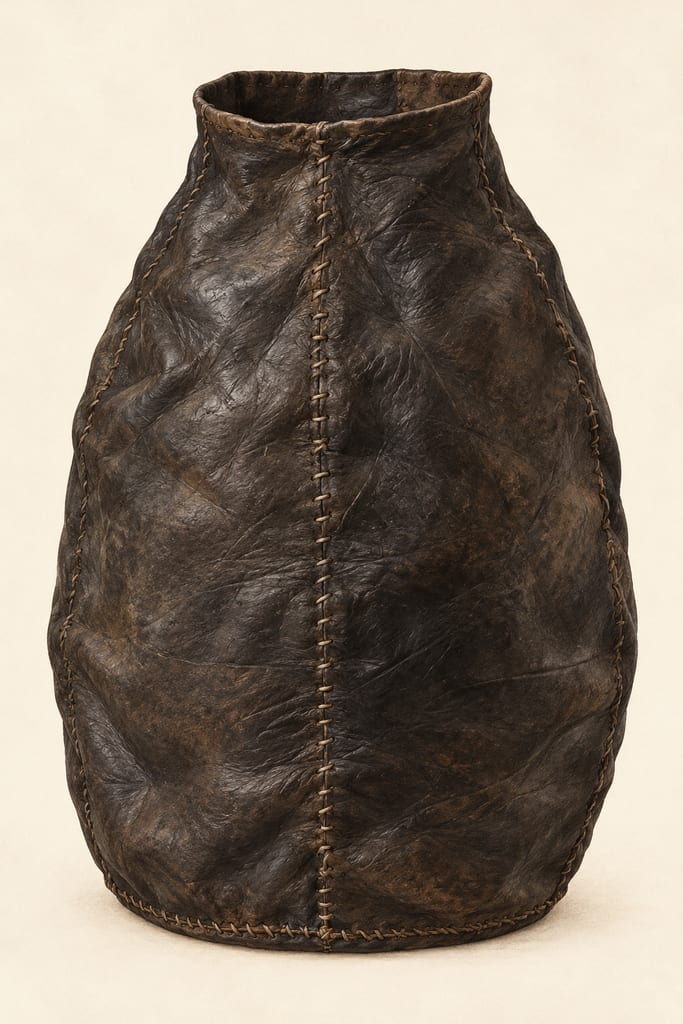
Altai arkhyt (chegen vessel)
Arkhyt is a traditional Altai sewn-hide vessel used to hold and periodically mix chegen. Sources describe a very large vessel, but do not establish one standard shape, measured capacity, or dimensions.
 FermenteaWhere food goes to change
Equipment · Bags, sacks and casings
leather bags · special leather bags · leather bag
Leather bags stored dried wild onion, sarana and kandyk for winter use in Tofalaria. The traditional plant store is documented, but the bag's shape, construction and hide species are unknown.
A Tofalar cultural account describes plant gathering in the Sayan taiga and names edible roots, stems and berries. Berries were eaten fresh rather than stored for winter. Of the plants discussed, the account says only wild onion, sarana and kandyk were prepared for winter; the chopped onion leaves were dried and later used to season meat soups. It says these winter plant reserves were kept in special leather bags.
The evidence therefore ties this bag to a specific seasonal store: gathered plant foods kept for winter. It does not establish that every collected plant, or the berries listed on the same page, went into the bags.
The source names leather as the material and identifies its use for keeping plant reserves. It does not describe the bag's outline, closure, size, capacity, lining, hide species or method of making it. Those details should not be inferred from a generic leather pouch or from another community's object.
A related object in the Russian Ethnographic Museum is useful only as a material comparison: its catalog describes a small leather pouch attached to a fire striker for carrying flint and tinder. The museum places it among Karagasy (Tofalar) materials, while the object note attributes its workmanship to Oka Buryats. It is not the plant-storage bag described by the food source.
Neither source supplies care instructions or a complete construction method for a leather food-storage bag. The museum tinder pouch is dated to the late nineteenth or early twentieth century, but that date belongs to a different object and cannot be used to date Tofalar plant storage. The generated illustration on this page is an explanatory rendering of a generic leather storage bag, not a reconstruction of a documented specimen.
A source on Tofalar food gathering says dried wild onion, sarana and kandyk were kept in special leather bags for winter. It does not date the bag form. A Russian Ethnographic Museum record documents a separate leather tinder pouch in its Karagasy (Tofalar) collection, but its annotation says the object is the work of Oka Buryats and identifies it as a carrier for flint and tinder, not food storage.
The source locates Tofalaria in the south of Nizhneudinsk District, Irkutsk Oblast; the broader chapter identifies the Eastern Sayan. This describes a documented food tradition, not a claim of exclusive origin.
Arkhyt is a traditional Altai sewn-hide vessel used to hold and periodically mix chegen. Sources describe a very large vessel, but do not establish one standard shape, measured capacity, or dimensions.
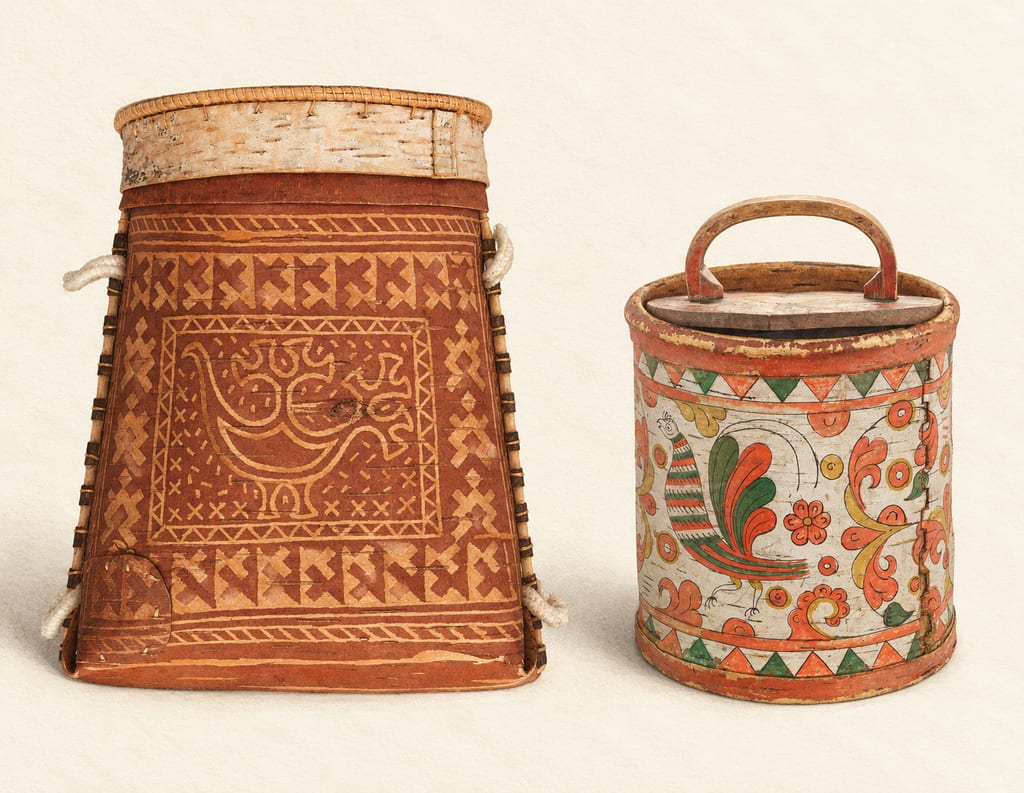
Ket sources describe frozen lingonberries in birch-bark containers; Shor sources describe salted wild garlic in birch-bark tuyes. Their exact forms are not documented.
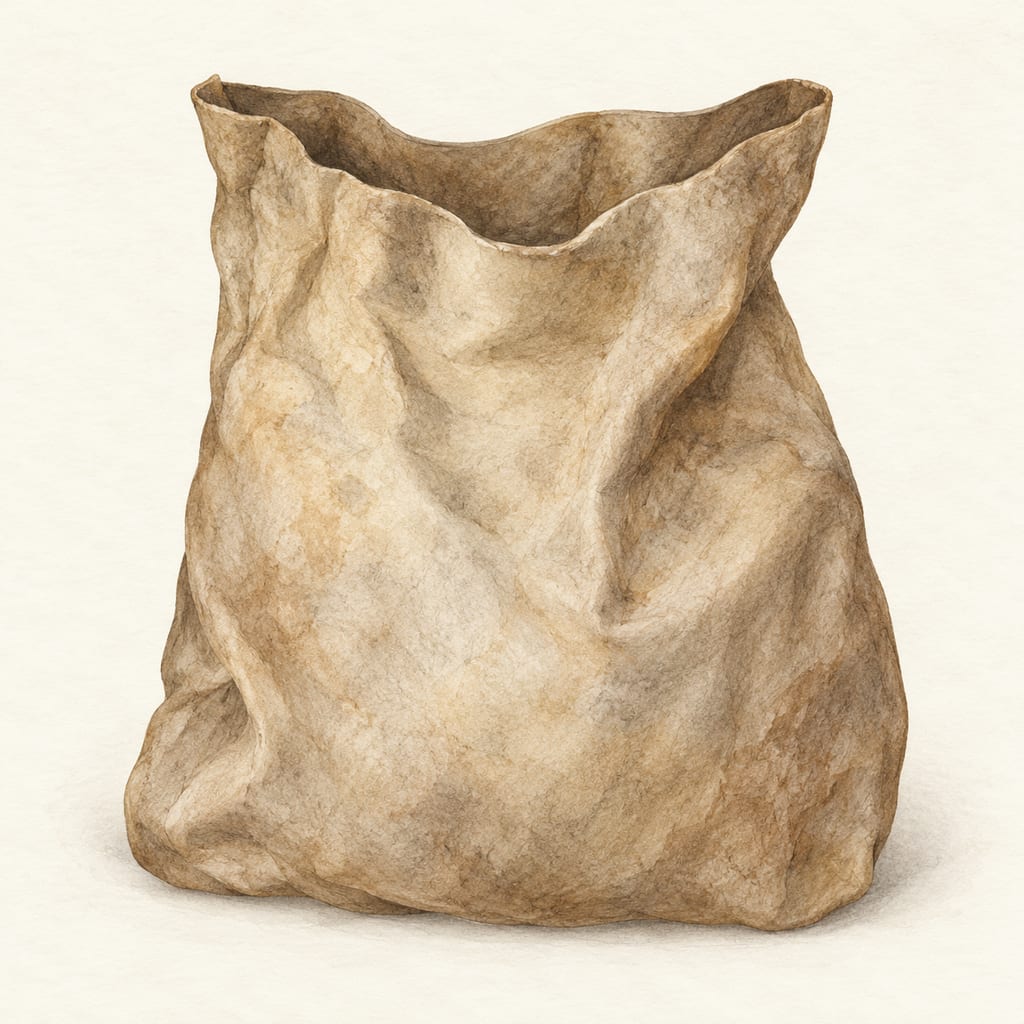
A Kalmyk interview describes dried sheep meat packed into calfskin bags for winter. The account identifies the material and storage use, but not the bag’s construction or dimensions.
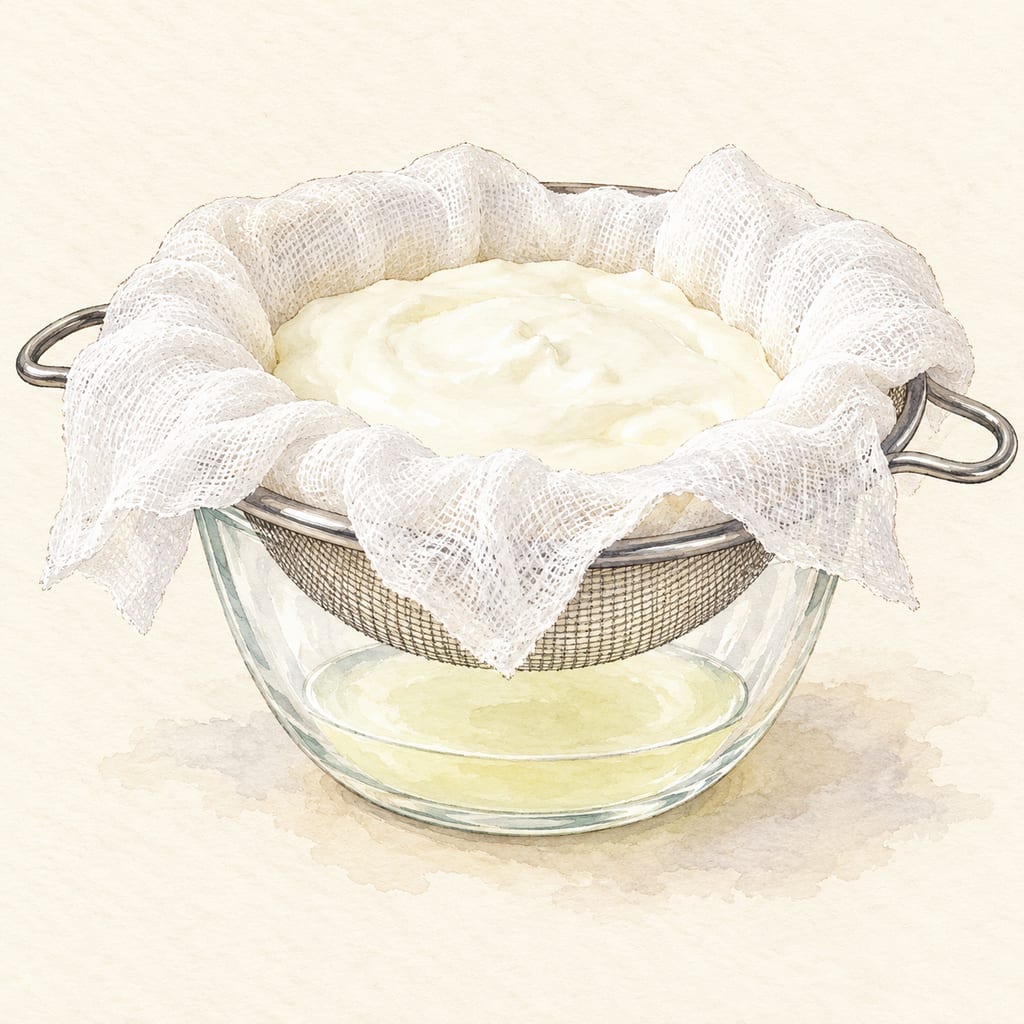
A kitchen strainer lined with cloth holds soft curd while whey passes through into a bowl. It is a modern, general-purpose setup; Sakha sources record strained suorat but do not specify this tool or its materials.
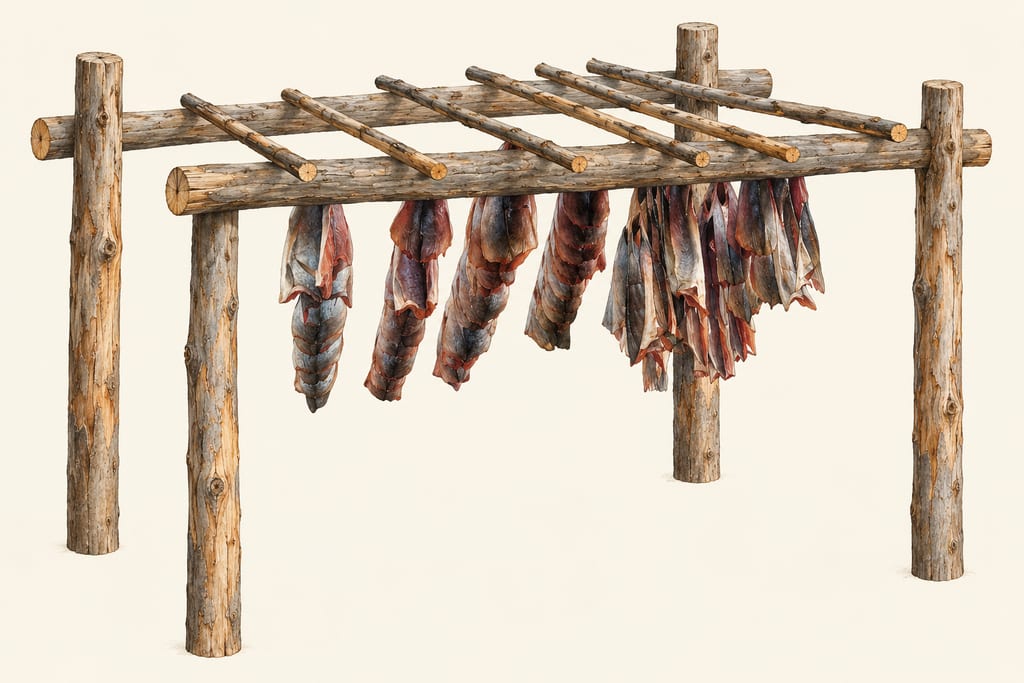
Daguma is an Udege open-air rack for hanging fish to dry, including yukola. The documented frame has four upright posts, two rails and cross-poles; its dimensions are not recorded.
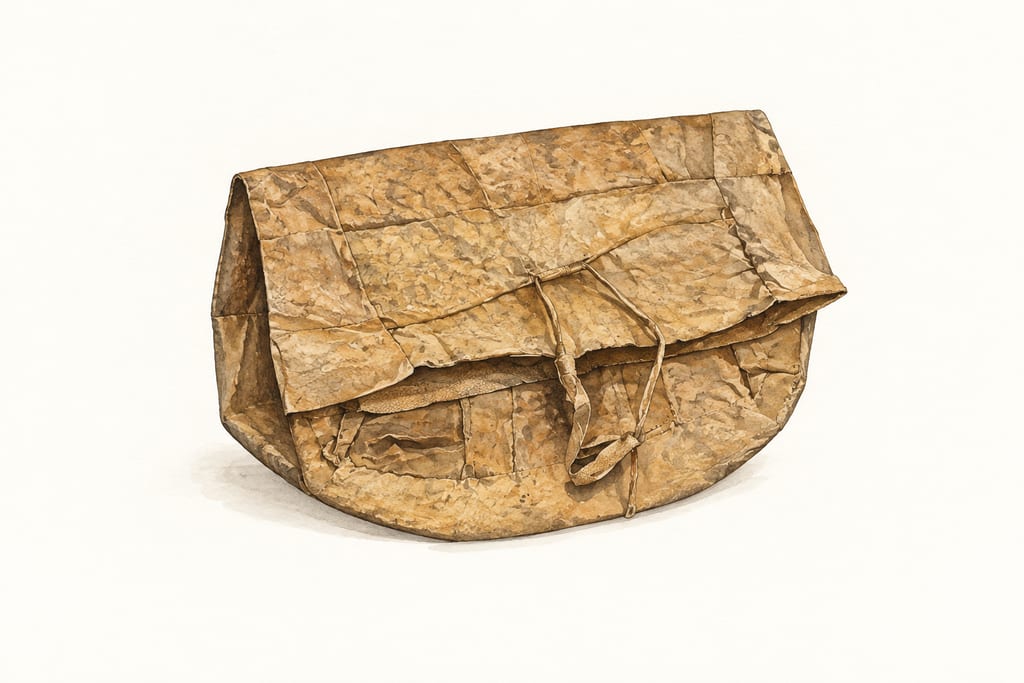
An Enets account records fish meal called porsa stored in burbot-skin bags. Museum records from the Yenisei and Ob regions document related fish-skin sacks, while keeping each community’s object and use distinct.
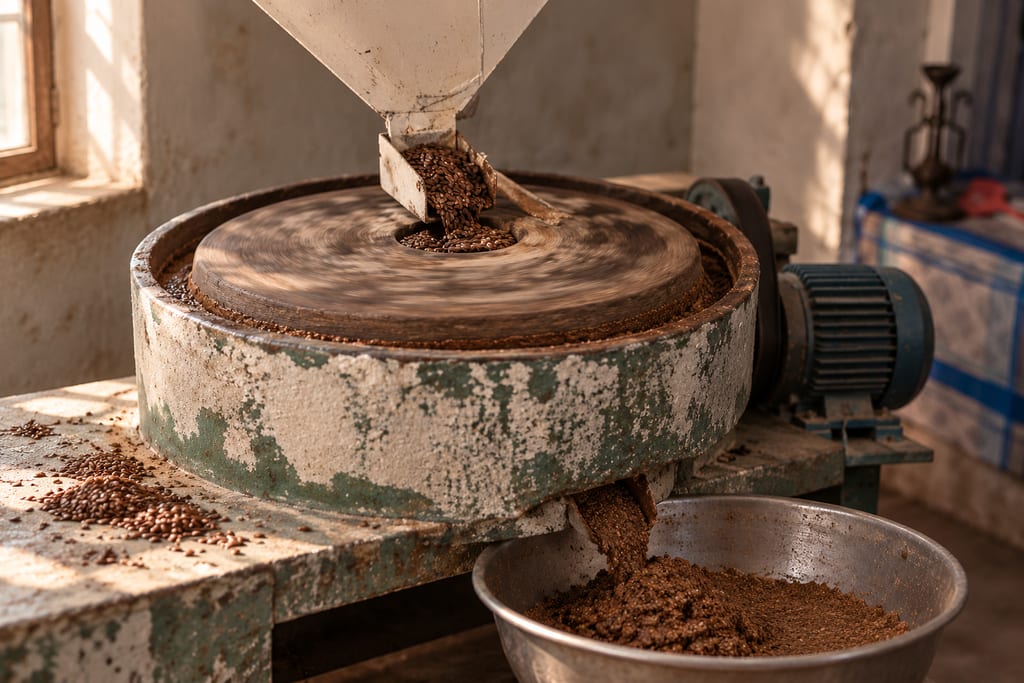
Mills grind seeds, nuts and grain into flour, meal or oil-rich paste. Stone, feed and power arrangements differ by tradition and model; the Dagestani example is one documented form, not a universal design.
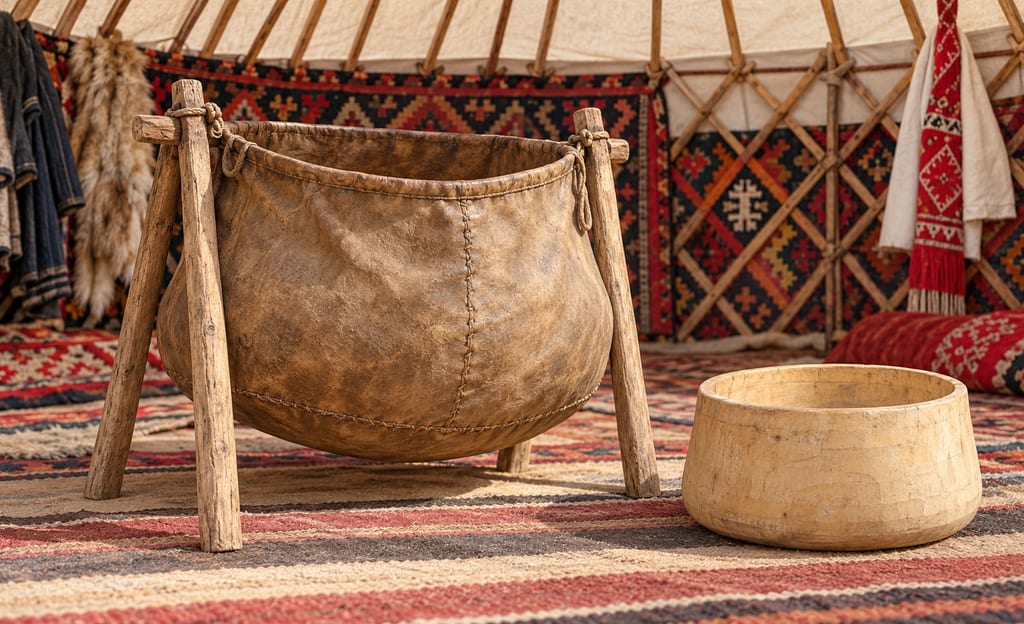
A Bashkir household account describes a large leather һаба for kumys, with one or two limewood tubs as alternatives; exact vessel dimensions and schedule are unspecified.
No community contributions have been published for this entry yet.
Sign in to contribute. Published comments and photos are free to read.
Center for the Culture of Indigenous Peoples of the Baikal RegionUse · Geography · Materials
Основные сведения о тофаларах (Basic information about the Tofalars)The source places Tofalaria in southern Nizhneudinsk District, Irkutsk Oblast.
It says winter plant reserves were wild onion, sarana and kandyk; onion leaves were chopped and dried for seasoning meat soup.
It states that the plant reserves were stored in special leather bags, while berries were consumed fresh rather than stored for winter.
Cited in: Winter stores from the Sayan taiga; What is known about the bag; Evidence limits
Russian Ethnographic MuseumComparison · Materials
Огниво. Карагасы (тофалары) [Fire striker. Karagasy (Tofalars)]The museum catalog dates a separate leather tinder pouch to the late nineteenth–early twentieth century and describes it as carrying flint and tinder.
The catalog identifies it as Karagasy (Tofalar) material from Nizhneudinsk District but attributes its workmanship to Oka Buryats; it is not evidence for the food-storage bag.
Cited in: What is known about the bag; Evidence limits