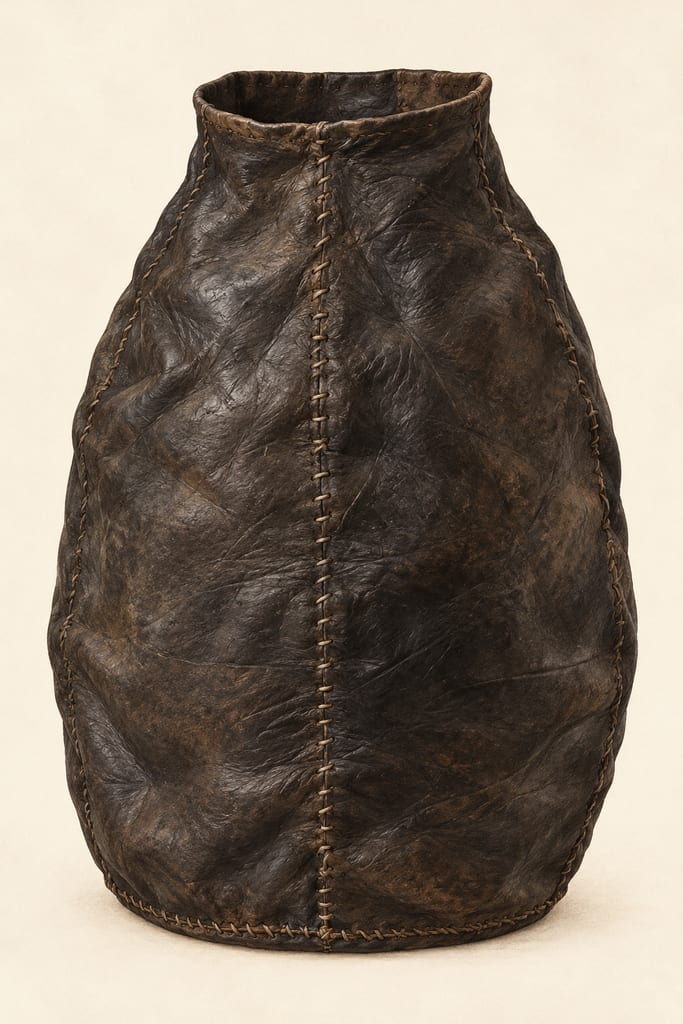
Altai arkhyt (chegen vessel)
Arkhyt is a traditional Altai sewn-hide vessel used to hold and periodically mix chegen. Sources describe a very large vessel, but do not establish one standard shape, measured capacity, or dimensions.
 FermenteaWhere food goes to change
Equipment · Bags, sacks and casings
An Enets account records fish meal called porsa stored in burbot-skin bags. Museum records from the Yenisei and Ob regions document related fish-skin sacks, while keeping each community’s object and use distinct.
An Enets material-culture account links a fish-skin bag to a specific preserved-food store. Small fish were lightly roasted, placed in a birch-bark container over dense smoke, dried and pounded to fine crumbs or meal called porsa. The account says this porsa was stored in bags made from burbot skin. In winter it could be cooked into a thick soup; more recent food descriptions also use porsa as soup dressing or combine it with melted fish fat.
This is a dry-storage role. The account does not say that the bag ferments fish, nor that the bag itself is made from the fish being stored. Porsa is prepared first, then kept in a separate fish-skin container. That distinction matters because other Siberian accounts describe fish put into pits for different purposes, including freezing or historical fermentation. A bag used to keep fish meal should not be conflated with those ground caches.
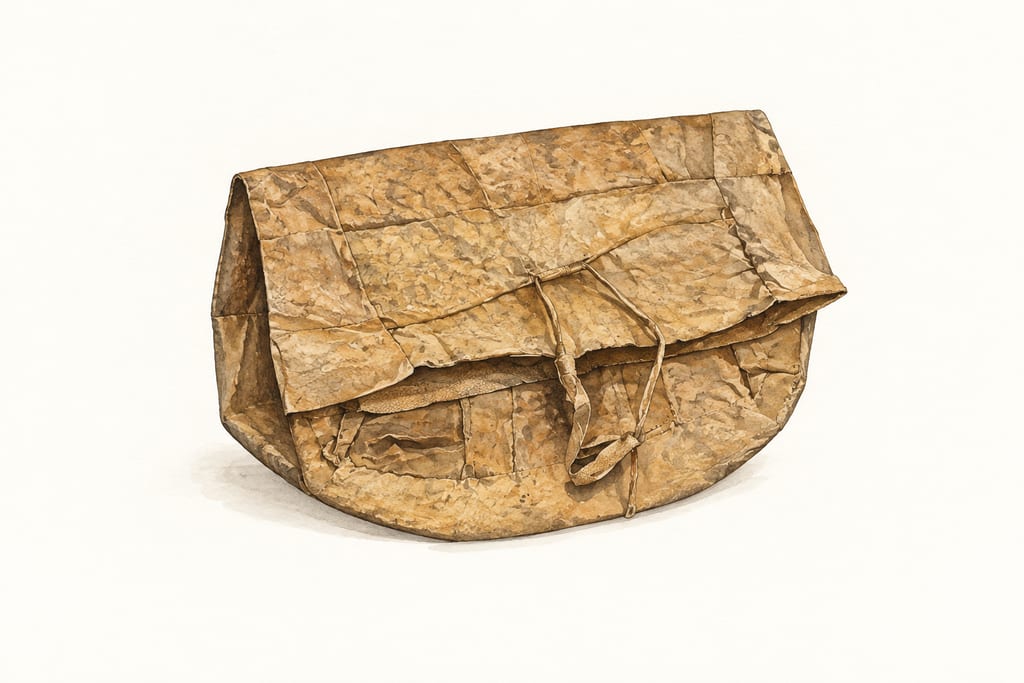
The Enets account names burbot skin but gives no pattern, shape, seam, closure, size or capacity for the bag. Separate museum records help readers understand the broader fish-skin bag family without supplying those missing details. The Yeniseysk Museum records a late-nineteenth-century semi-oval household bag made by an Evenk craftsperson from processed burbot skin and tendon thread. At 40 × 40 cm, this one object could be drawn closed; the museum says such bags commonly stored salt or flour.
A second comparison comes from Torum Maa in the Ob region. The museum records fish-skin sacks used for ordinary and fish flour, dried fish and small goods, and describes a 1965 Khanty burbot-skin bag sewn from pieces with sinew thread. Its maker used that particular bag for small craft materials. These objects make clear that fish skin was fashioned into durable containers in several Siberian traditions. They do not prove that Enets porsa bags shared their exact construction or profile.
The Yeniseysk museum account describes fish skin being cleaned, washed and dried; drying made it stiff, so it was worked for several hours with bone knives on a special device. The account identifies a processed burbot skin bag and tendon thread but does not give a full step-by-step reconstruction. It also does not connect that Evenk object’s manufacturing process to an Enets maker. The evidence supports a broader account of fish-skin working in the region, not a recipe for rebuilding a specific historical bag.
Fish-skin containers were part of a practical use of the catch beyond the flesh. In the Enets account, porsa concentrates small fish into a meal that can be carried into winter and used in soup. Burbot skin serves as the container material, while the bag’s portability keeps a dry ingredient available for later cooking. The sources do not provide a standard quantity, storage life or moisture threshold, so none can be assumed.
The main documented use here is Enets: porsa stored in burbot-skin bags, with winter soup and present-day serving contexts noted in the Atlas. The Atlas describes forests, seasonal movement and river fishing as part of that food setting, but it does not identify a specific settlement where the porsa bag was made. Geography is therefore kept at the community and country level for the Enets account.
The Yeniseysk bag is an Evenk household object, and the Torum Maa examples belong to Khanty and other Ob-Ugric contexts. Their similarities are informative, but each object retains its own maker, locality and recorded contents. The museum photograph linked on this page shows the Yeniseysk Evenk comparator, not an excavated or photographed Enets porsa bag. The generated illustration is likewise an editorial rendering of that cited comparison, never documentary proof of the Enets object’s exact appearance.
The Enets material-culture account documents porsa storage in burbot-skin bags but gives no date for the bag form. Separate museum objects are dated to the late 19th century and 1965.
The Enets source identifies the storage function but does not describe the bag’s exact shape, stitching, dimensions or capacity.
Source →The illustrated late-19th-century Yeniseysk object was made by an Evenk craftsperson and stored salt or flour; it is a material and form comparison, not proof of the Enets design.
Source →Torum Maa’s Ob-Ugric museum examples document a related regional practice, but the maker, date and use of each object remain specific to their records.
Source →The Enets porsa account and comparator museum records are located within present-day Russia; this does not imply one shared bag design.
One Evenk-made comparison bag is attributed to this region; not the Enets porsa bag.
A distinct later Khanty burbot-skin bag in the Torum Maa collection was made here.
Arkhyt is a traditional Altai sewn-hide vessel used to hold and periodically mix chegen. Sources describe a very large vessel, but do not establish one standard shape, measured capacity, or dimensions.
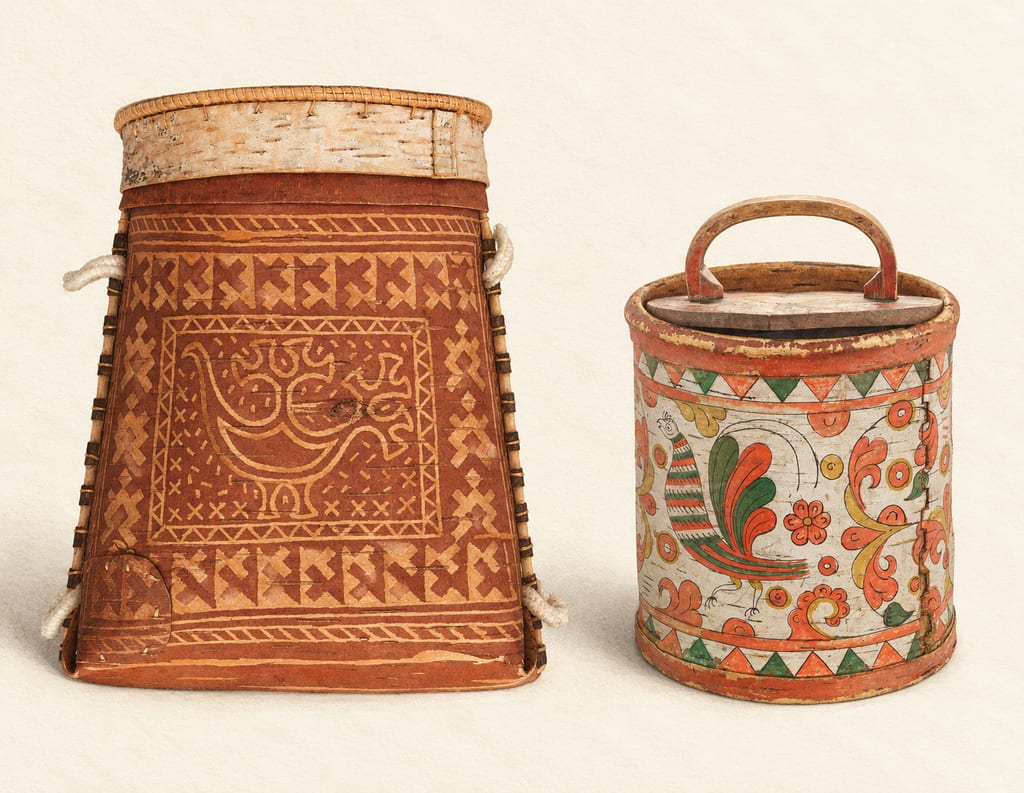
Ket sources describe frozen lingonberries in birch-bark containers; Shor sources describe salted wild garlic in birch-bark tuyes. Their exact forms are not documented.
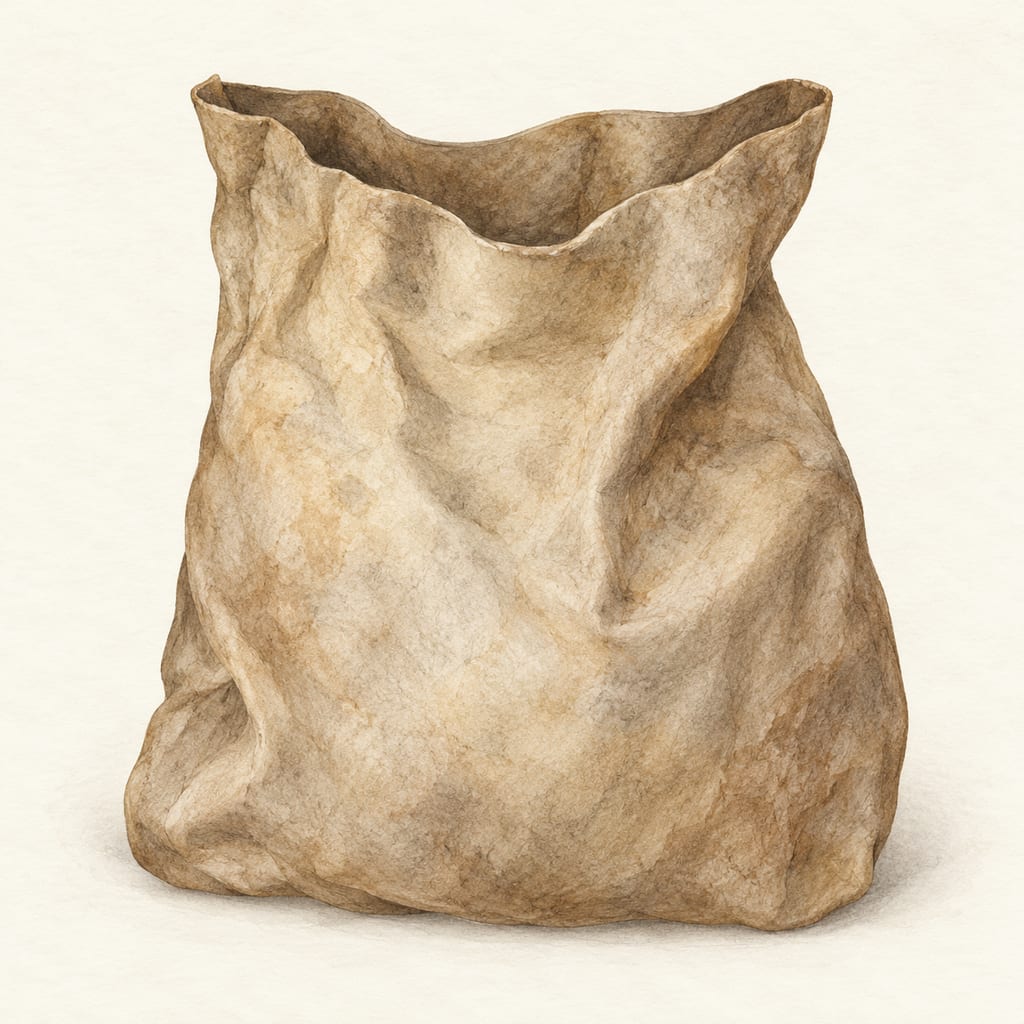
A Kalmyk interview describes dried sheep meat packed into calfskin bags for winter. The account identifies the material and storage use, but not the bag’s construction or dimensions.
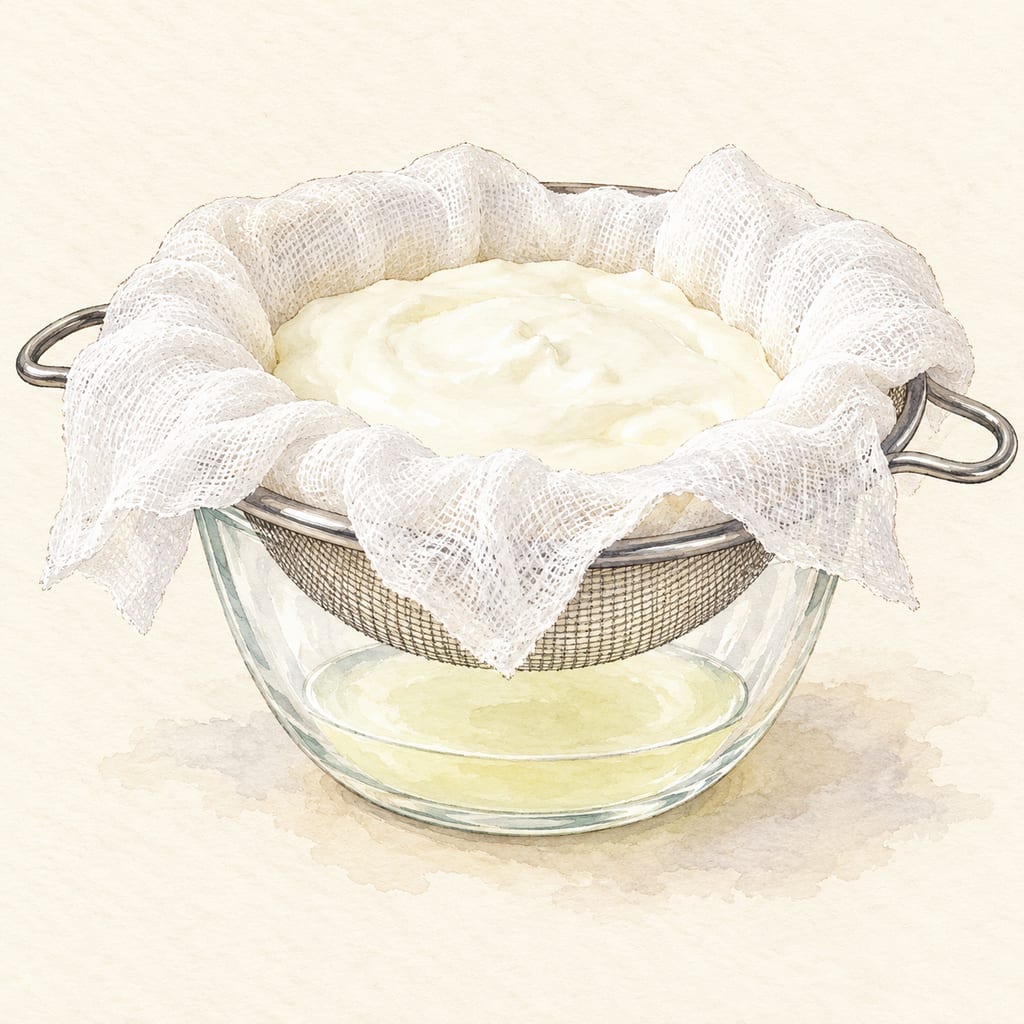
A kitchen strainer lined with cloth holds soft curd while whey passes through into a bowl. It is a modern, general-purpose setup; Sakha sources record strained suorat but do not specify this tool or its materials.
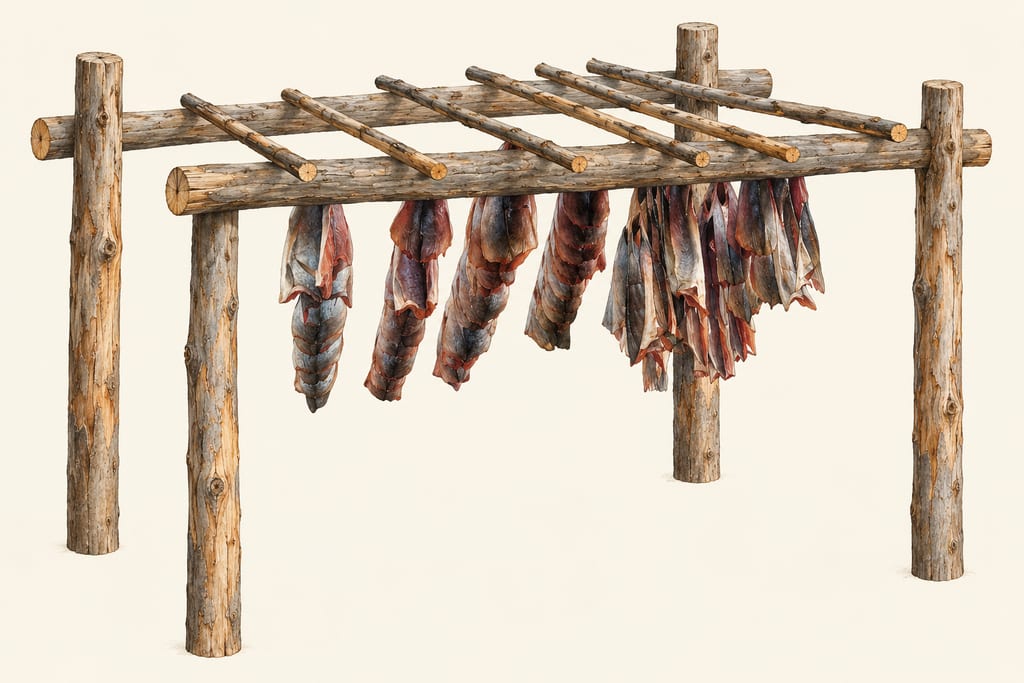
Daguma is an Udege open-air rack for hanging fish to dry, including yukola. The documented frame has four upright posts, two rails and cross-poles; its dimensions are not recorded.
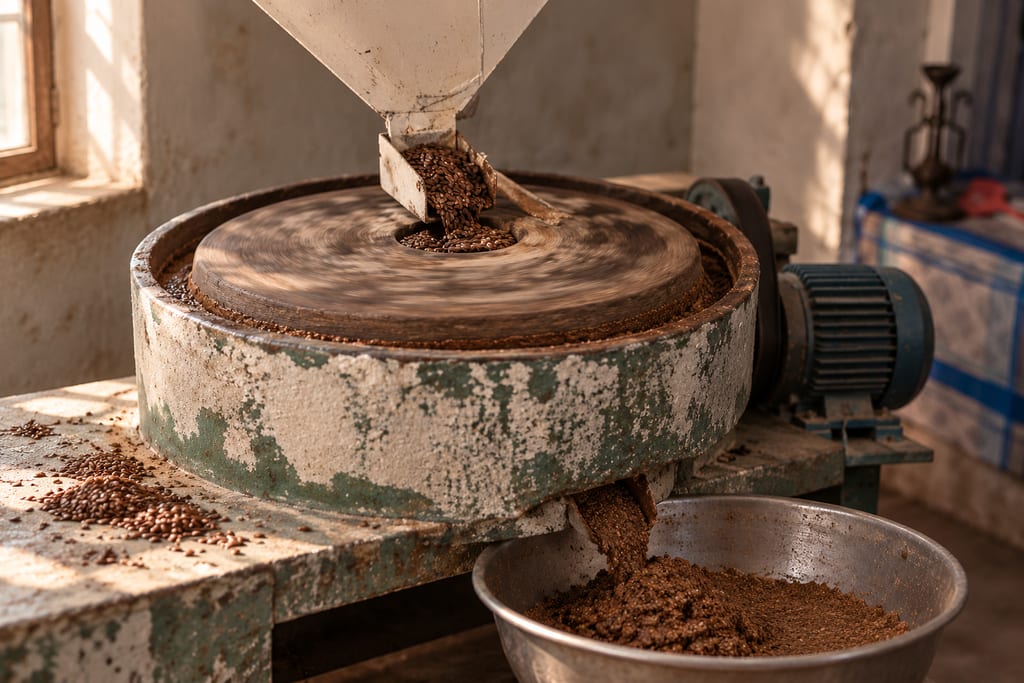
Mills grind seeds, nuts and grain into flour, meal or oil-rich paste. Stone, feed and power arrangements differ by tradition and model; the Dagestani example is one documented form, not a universal design.
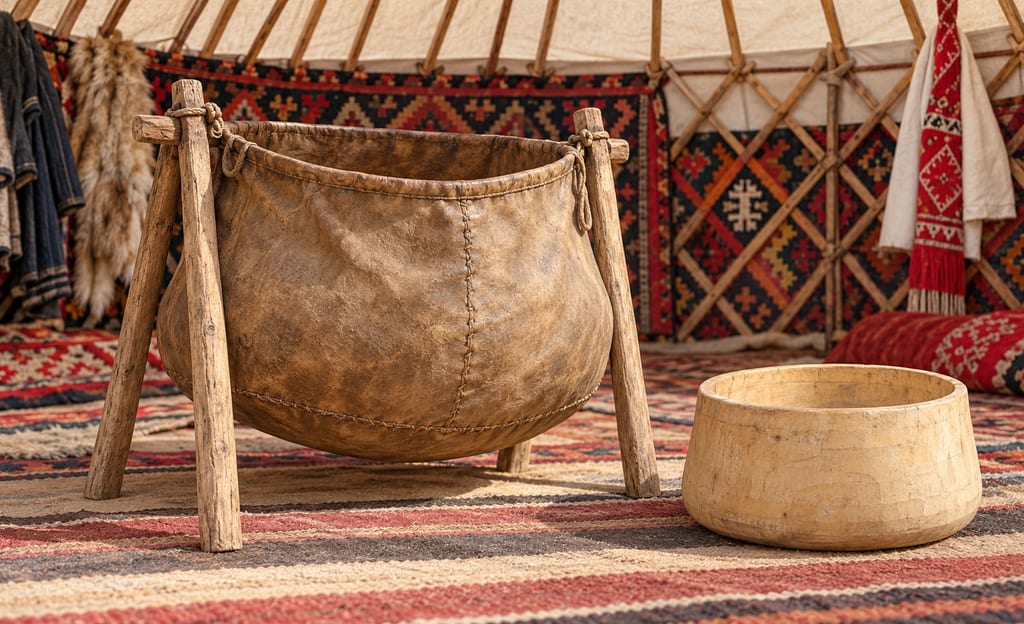
A Bashkir household account describes a large leather һаба for kumys, with one or two limewood tubs as alternatives; exact vessel dimensions and schedule are unspecified.
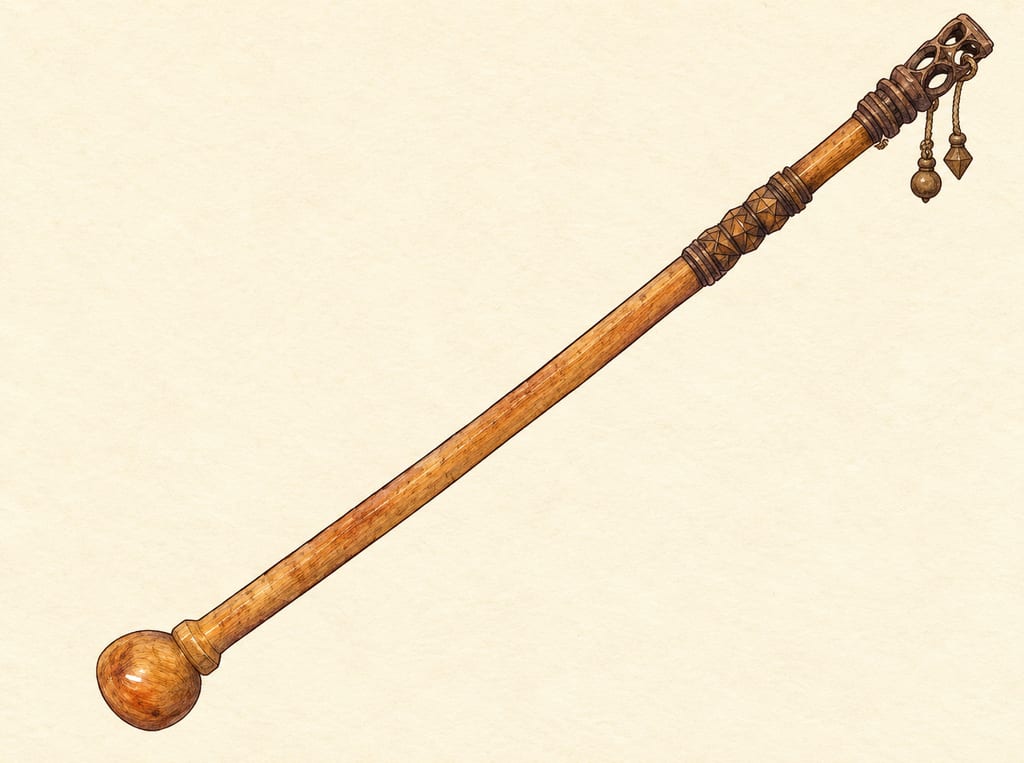
The Sakha hamnatar (хамнатар), also called bülüür (бүлүүр), is a two-part wooden implement for agitating kumys: a carved handle joined to an openwork cap, used through a funnel into the vessel.
No community contributions have been published for this entry yet.
Sign in to contribute. Published comments and photos are free to read.
Interactive Atlas of Indigenous Peoples of the North, Siberia and the Far EastMethod · Use · Geography
Энцы. Материальная культура [Enets: material culture]The Enets account describes fish meal called porsa made by lightly roasting small fish in a birch-bark container over thick smoke, drying it, and pounding it to fine crumbs.
Porsa was stored in burbot-skin bags and later made into thick soup; contemporary forms are described as soup dressing or mixed with melted fish fat.
The source distinguishes Enets food use from other communities and discusses seasonal fish use.
Cited in: A bag for porsa, not a fermentation vessel; What the material and surviving objects show; Making a portable store; Community and geographic limits
Culture.ru / Artefact; Yeniseysk Museum of Local HistoryObject record · Materials · Form · Image
Burbot leather bagA late-19th-century semi-oval bag made by an Evenk craftsperson in Yeniseysk district is documented as processed burbot skin with tendon thread, 40 × 40 cm.
The museum account says similar household bags could be drawn closed and commonly held salt or flour; it is not identified as the Enets porsa bag.
The source page shows the exact museum object used as a comparative visual reference; no open image reuse license is stated.
Cited in: What the material and surviving objects show; Making a portable store; Community and geographic limits
Torum Maa Open-Air Ethnographic MuseumMaterials · Use · Object record
Что хранит лабаз. Мешок из рыбьей кожи [What the storehouse holds: a fish-skin bag]On the Ob, fish-skin bags made from burbot or sterlet skins were used to keep ordinary and fish flour, dried fish and small items.
The museum describes a 1965 Khanty burbot-skin bag sewn from skin pieces with sinew thread, made in Kazym and later used by its maker for small craft materials.
The Ob-Ugric examples are distinct from the Enets account and do not establish the same object form or construction.
Cited in: What the material and surviving objects show; Community and geographic limits