
Acocote
The acocote is a long, hollowed and dried gourd used to draw aguamiel from a mature maguey. It is a harvesting tool: the sap is transferred to a separate vessel before it ferments into pulque.
 FermenteaWhere food goes to change
Equipment · Handheld mixing and whipping tools
molinillo · molinillo · chocolate whisk · chocolate stirrer
A molinillo is a hand-turned whisk used to beat drinking chocolate to a froth. Its carved wooden head works in the pot as the handle turns between the palms.
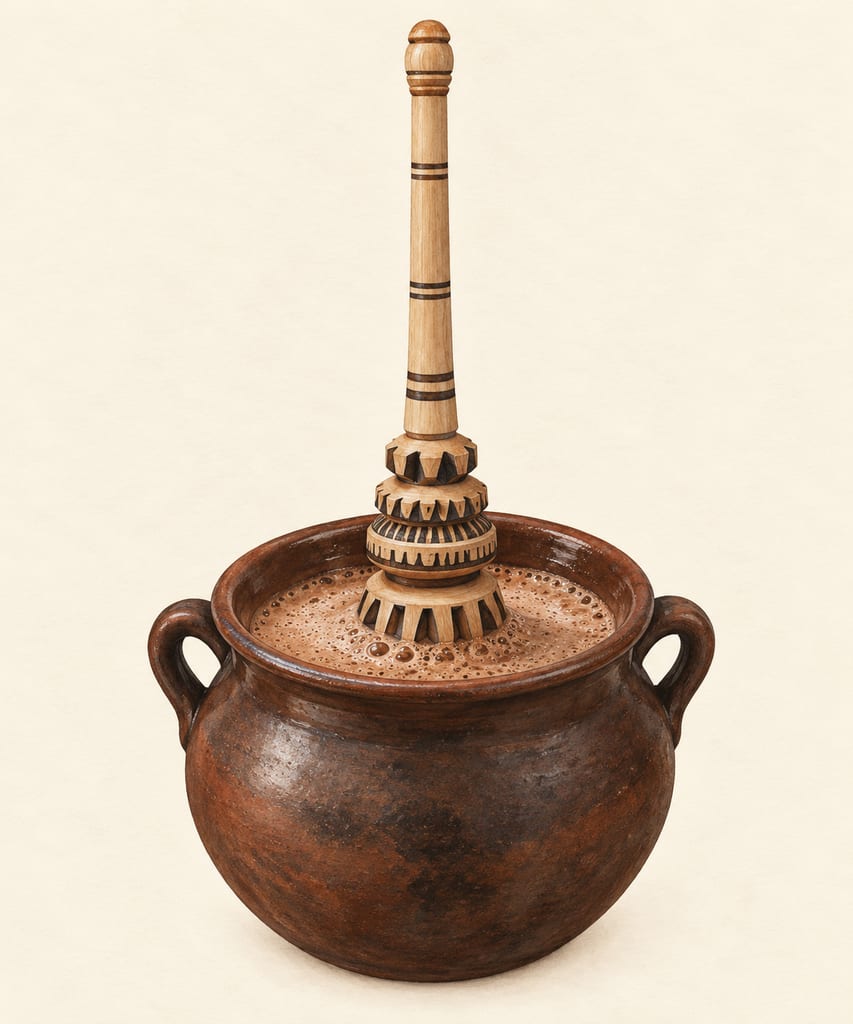
The molinillo is a hand-powered whisk associated with drinking chocolate in Mexico and Central America. Smithsonian Magazine describes one carved, hand-painted wooden example from the 1930s, about 11.5 inches long, with a narrow handle at one end and a knob at the other. The article says the utensil had been used for centuries in kitchens across the region; it does not date the tool's invention.
The National Museum of American History describes the molinillo as first produced by Spanish colonists in Mexico. Its catalogue records a particular wooden example measuring 10 5/8 by 1 1/8 inches overall. These measurements belong to that object, not to every molinillo. A different Smithsonian example is described as wood, bone and brass, so the surviving forms and materials should not be collapsed into one standard model.
For the use described by Smithsonian curator Ramiro Matos, melted chocolate and milk are heated together in a pot. The molinillo is placed in the liquid and the handle is turned between two palms, using the shaft as an axis. That motion beats the drink until it froths. The source gives no ratio, temperature, or timing for this step.
This is a frothing tool rather than a cacao grinder. Its job begins with chocolate that can already be melted into the drink; the cited description does not assign it the earlier work of crushing or refining beans.
The geographic evidence supports a regional association with Mexican and Central American chocolate kitchens and a museum description that places the tool's first production in Mexico under Spanish colonists. Neither statement supplies an exact origin date, a single birthplace, or a complete map of where molinillos were made or used.
The inspected Commons photograph documents finished carved examples, not the utensil in a pot. The illustration shown with this entry is generated editorial art based on the inspected form and the written account of its use; it is not a historical photograph. The sources reviewed do not give standard dimensions, general care directions, or a cleaning method.
Smithsonian Magazine describes centuries of use in Mexican and Central American kitchens and a specific 1930s example. The National Museum of American History says the molinillo was first produced by Spanish colonists in Mexico, but gives no exact date in that description.
The molinillo beats chocolate into a froth; the cited sources do not describe it grinding cacao.
Source →No chocolate-to-milk ratio or timing is provided for the described frothing step.
Source →Dimensions vary by object; the museum measurement is for a single catalogue example, not a universal specification.
Source →Smithsonian Magazine describes use in Mexican and Central American kitchens; this does not identify an invention site or imply uniform practice throughout the region.
The National Museum of American History states that Spanish colonists first produced the molinillo in Mexico; this is the museum's account, not a date or place for every surviving example.
The acocote is a long, hollowed and dried gourd used to draw aguamiel from a mature maguey. It is a harvesting tool: the sap is transferred to a separate vessel before it ferments into pulque.
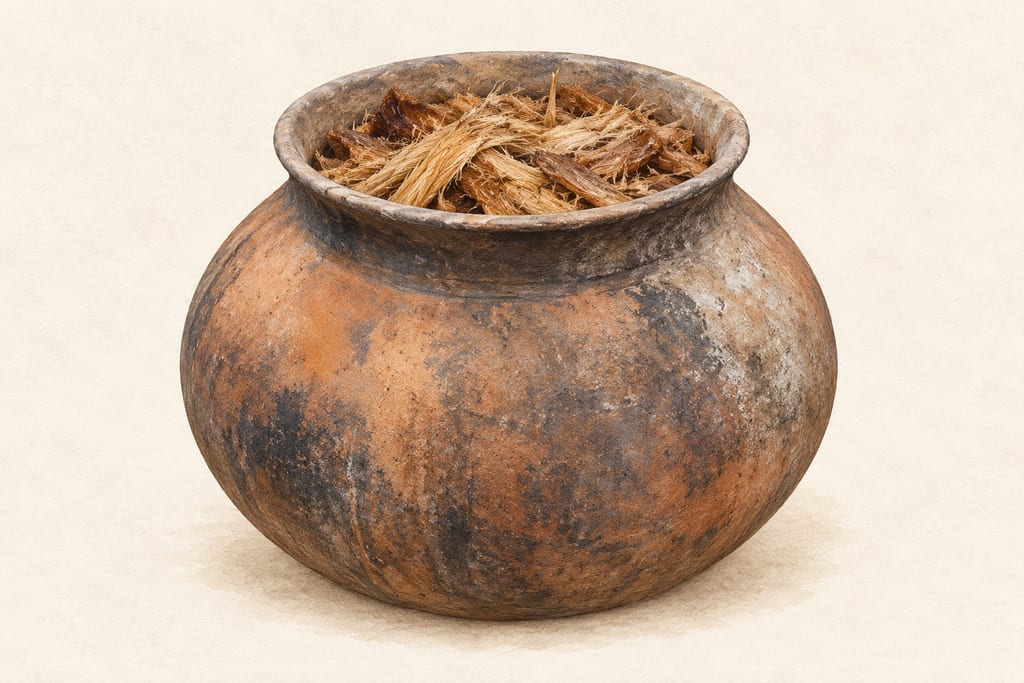
An open earthenware vessel for fermenting cooked agave mash before distillation, documented in Mexican mezcal production. It is distinct from the clay pot still used to distil the fermented mash.
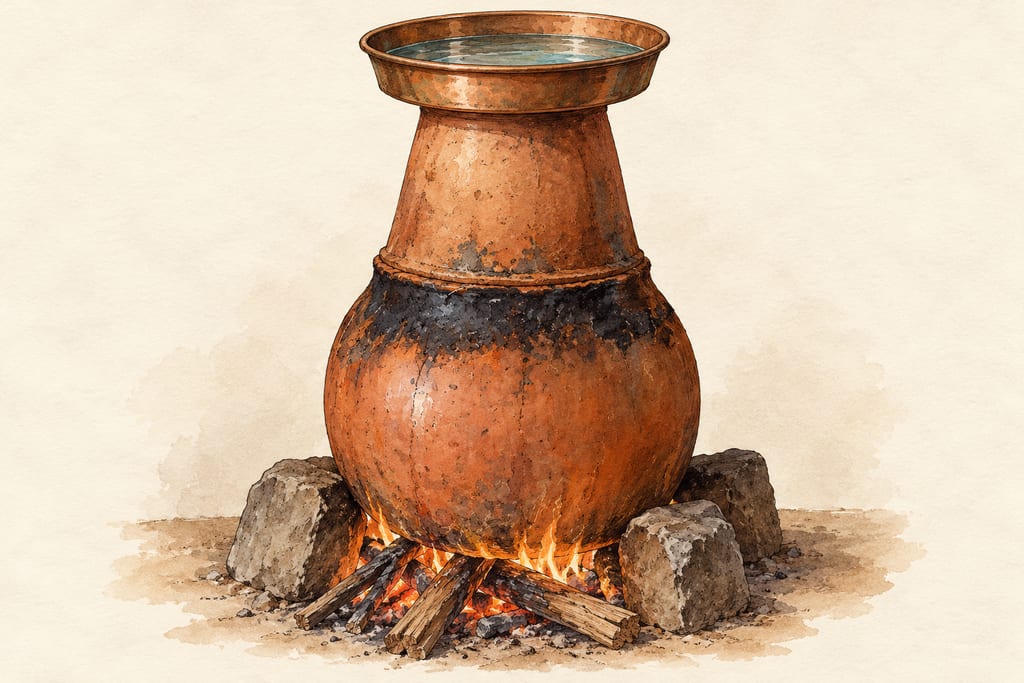
A fired-clay vessel assembly used to distil fermented agave must in several Mexican mezcal traditions. Its arrangement varies by region and producer; the sources document both clay or wooden vapour passages and particular cooling vessels.
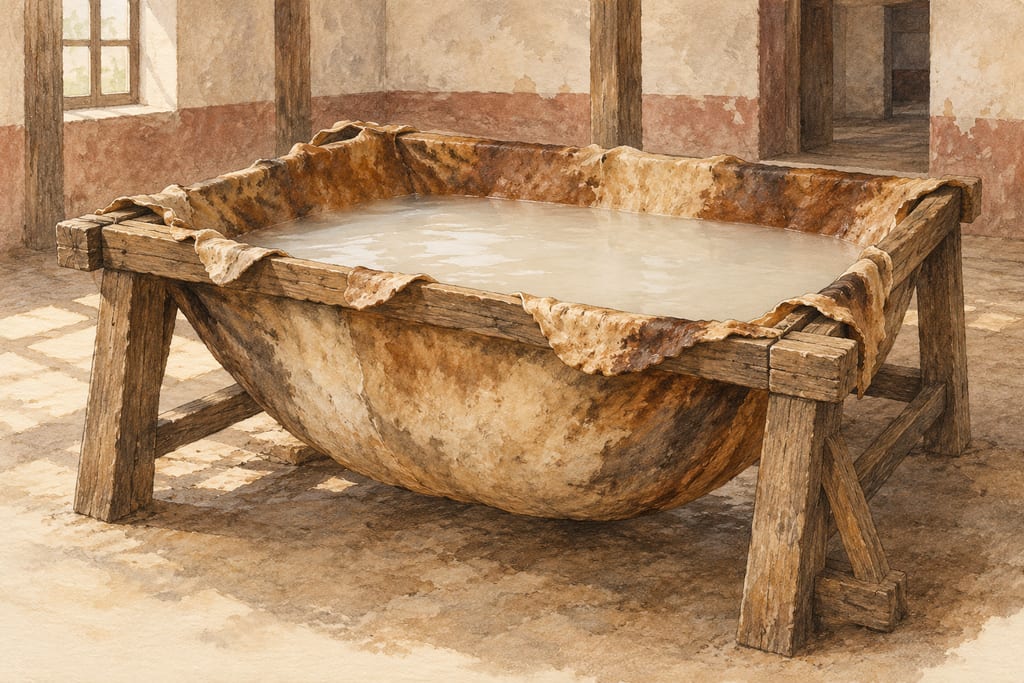
A framed hide vat is cattle hide fixed around a timber frame and sagging into a basin. In a tinacal it holds aguamiel and its ferment as they become pulque; it is distinct from the room, the acocote and a carrying skin.
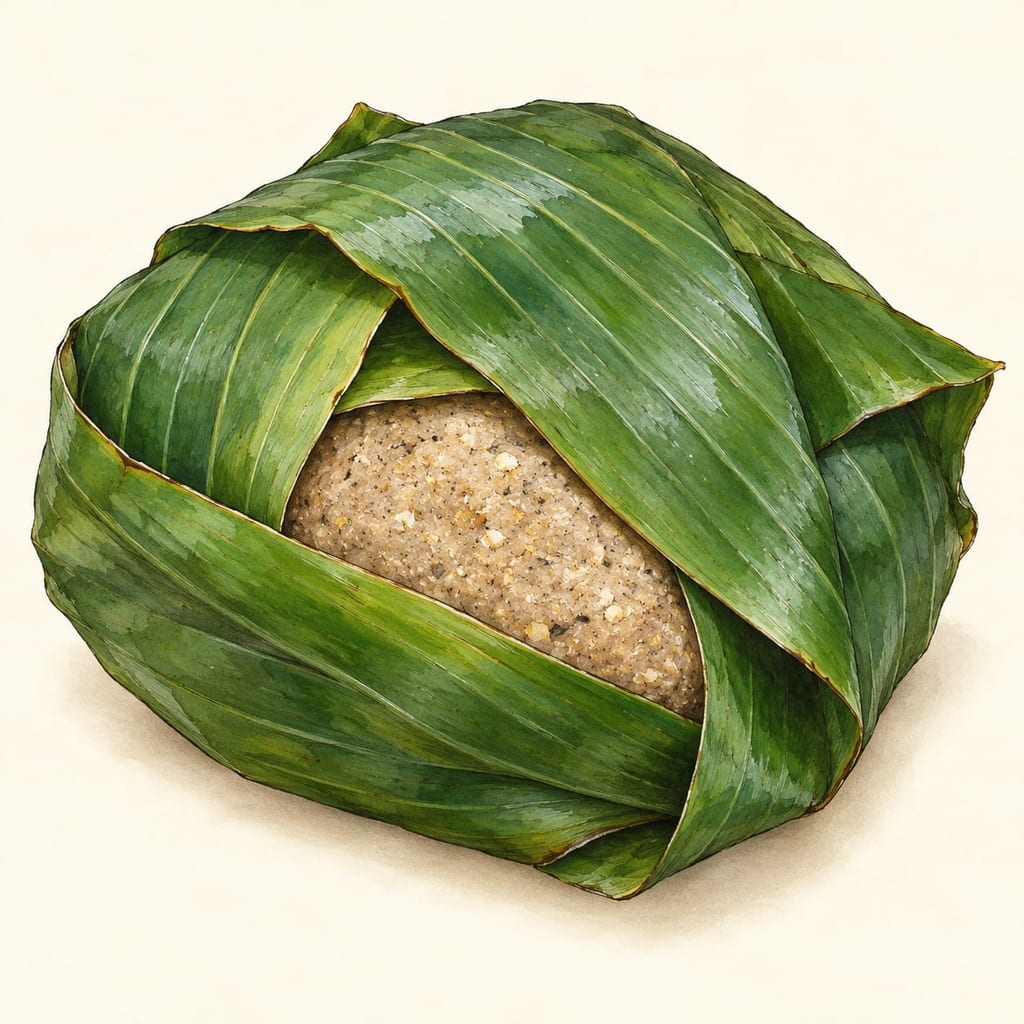
Plantain leaves wrap pozol’s nixtamalized maize dough during fermentation, limiting drying and keeping portions portable in southeastern Mexico.
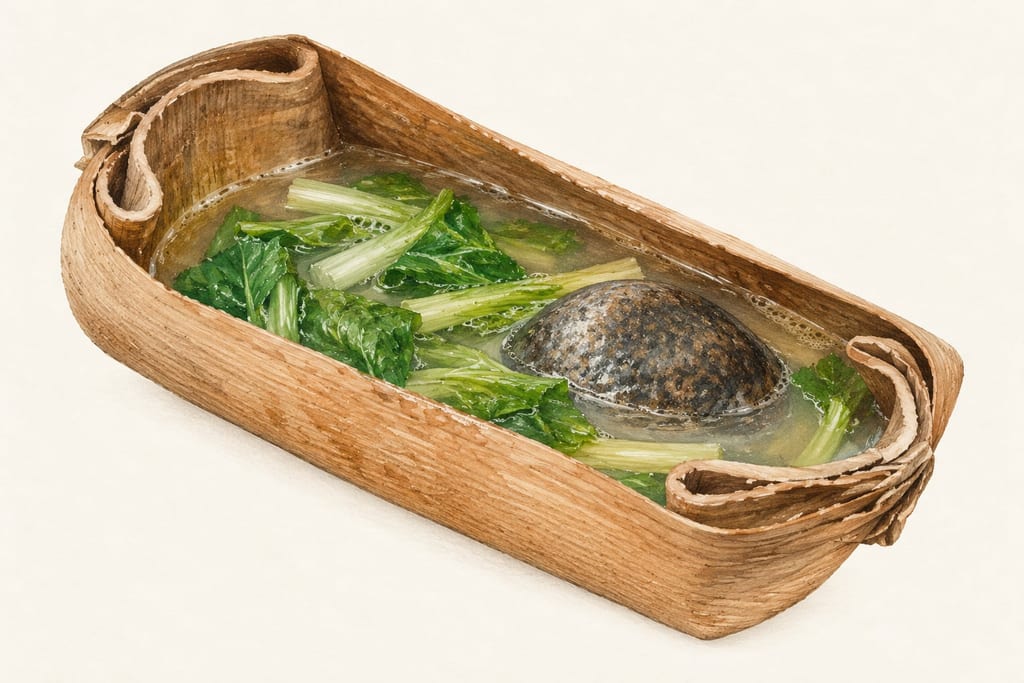
Stone boiling heats food in a vessel with stones warmed separately in a fire. Amis leaf sheaths, Chinantec jícaras and Northwest Coast cooking baskets are distinct regional forms, not one universal pot.
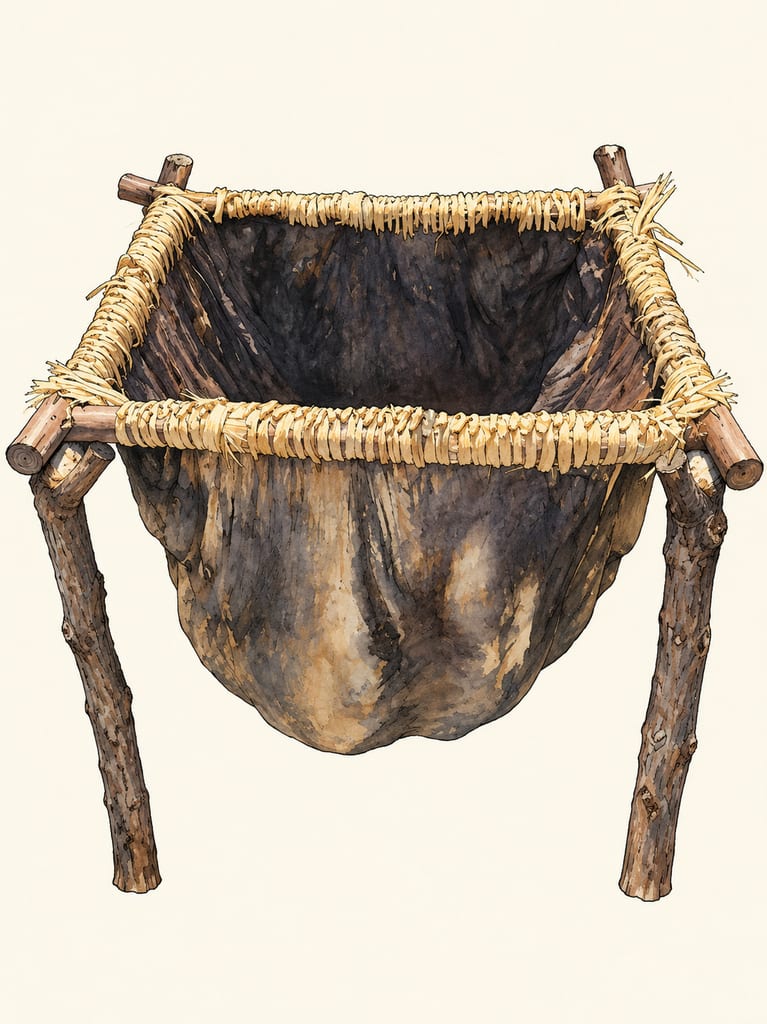
A hide stretched over a timber support forms an open, hanging basin for agave fermentation. Contemporary accounts document examples in Puebla and Oaxaca; the sources do not establish the form's pre-contact chronology.
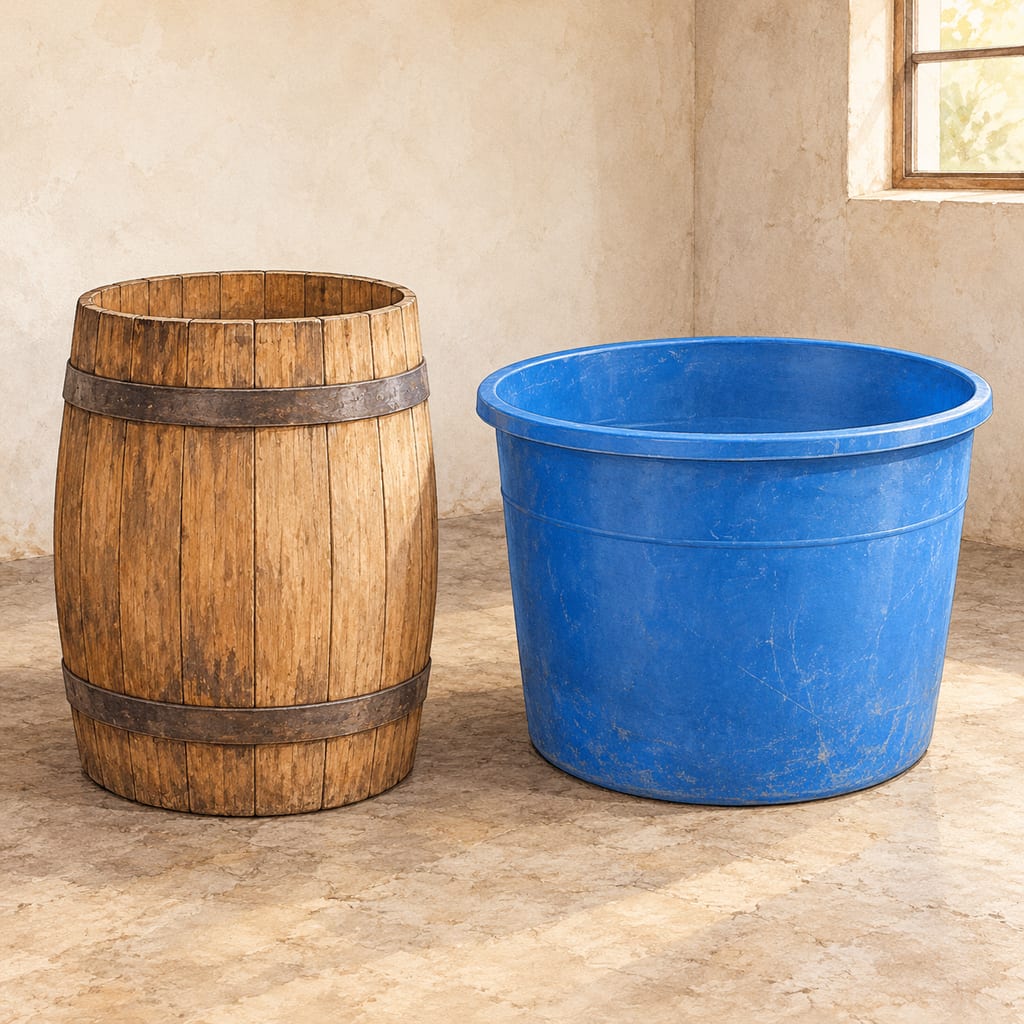
Pulque fermentation may use a wooden barrel or a modern plastic or fibreglass tub. The tinacal is the room or place where the vessels stand, not a name for either container.
No community contributions have been published for this entry yet.
Sign in to contribute. Published comments and photos are free to read.
Smithsonian MagazineHistory · Form · Method · Geography
A Historic Kitchen Utensil Captures What it Takes to Make Hot Chocolate From ScratchThe article describes a carved, hand-painted wooden molinillo about 11.5 inches long, with a narrow handle and knob, dating its featured example to the 1930s.
It describes use for centuries in Mexican and Central American kitchens to froth hot chocolate.
For a pot of melted chocolate and milk heated together, the tool is turned between the palms and used to beat the liquid until frothy.
It identifies one Smithsonian-held molinillo as wood, bone and brass.
Cited in: A whisk for drinking chocolate; Turning the handle; Place and evidence limits
National Museum of American History, Smithsonian InstitutionHistory · Form · Materials · Dimensions · Geography
Molinillo or Chocolate WhiskThe museum describes the molinillo as a whisk first produced by Spanish colonists in Mexico and used to stir and froth chocolate drinks.
The specific catalogue object is wood and measures 10 5/8 by 1 1/8 inches overall.
Its description distinguishes a small molinillo for an individual cup from a large one for a chocolate pot.
Cited in: A whisk for drinking chocolate; Place and evidence limits
Wikimedia CommonsImage reference · Form
File:Molinillo de chocolate en Oaxaca.jpgThe inspected photograph shows finished turned wooden molinillos with long handles and stacked, notched carved rings; it shows neither a pot nor a whisking action.
The file is licensed CC BY-SA 4.0.
Cited in: Place and evidence limits