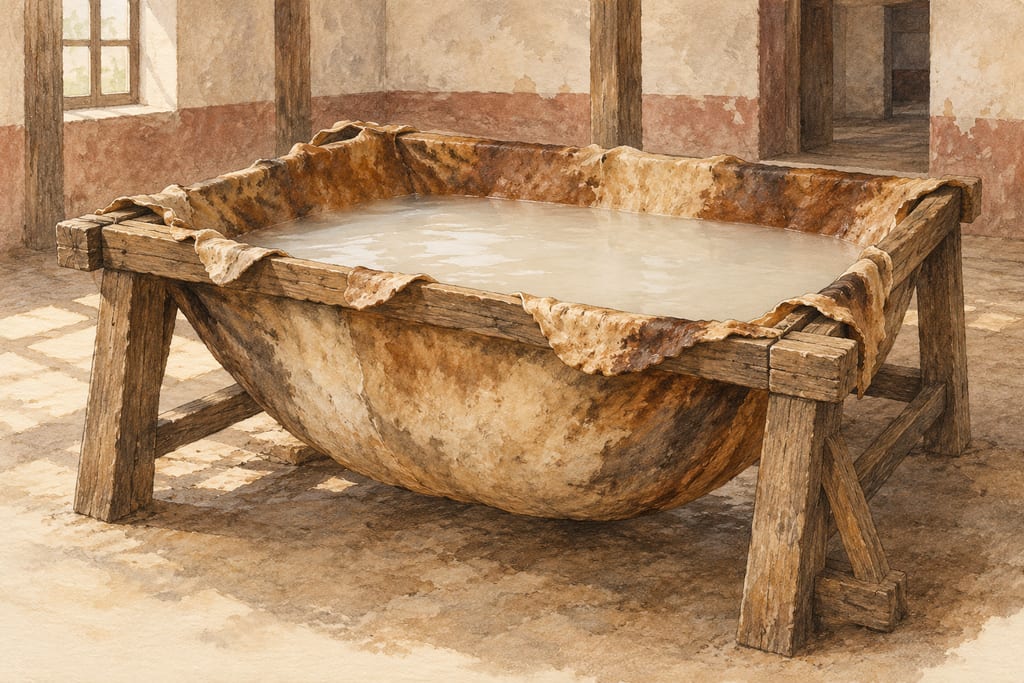
A flexible basin on a wooden frame
This vessel is made by fastening a large cattle hide around a rectangular wooden frame, leaving the middle to sag into a deep, flexible basin. A 1919 photograph shows hide vats standing inside a tinacal, with timber supports visible beneath the slack hides. That shape is quite different from a rigid wooden tub with a leather liner: the hide itself forms the liquid-holding wall.
The photograph and its caption call the room a tinacal and the containers ox-hide vats. Later accounts describe the hide vessel as a traditional leather vat. They document the material and basic form, but not a single standard frame, a universal hide treatment, or a standard capacity. The vat can be understood from the evidence as a movable vessel assembled from hide and timber; the room around it is separate equipment and architecture.
Sources for this section
The vat within the tinacal
A tinacal is the room or production space where aguamiel, the sweet sap collected from maguey, is fermented into pulque. It is not another name for the hide vat. The historical photograph gives the relationship a clear physical setting: several open vats stand in a dedicated interior, while the caption describes aguamiel being strained and poured into ox-hide vessels to settle and ferment.
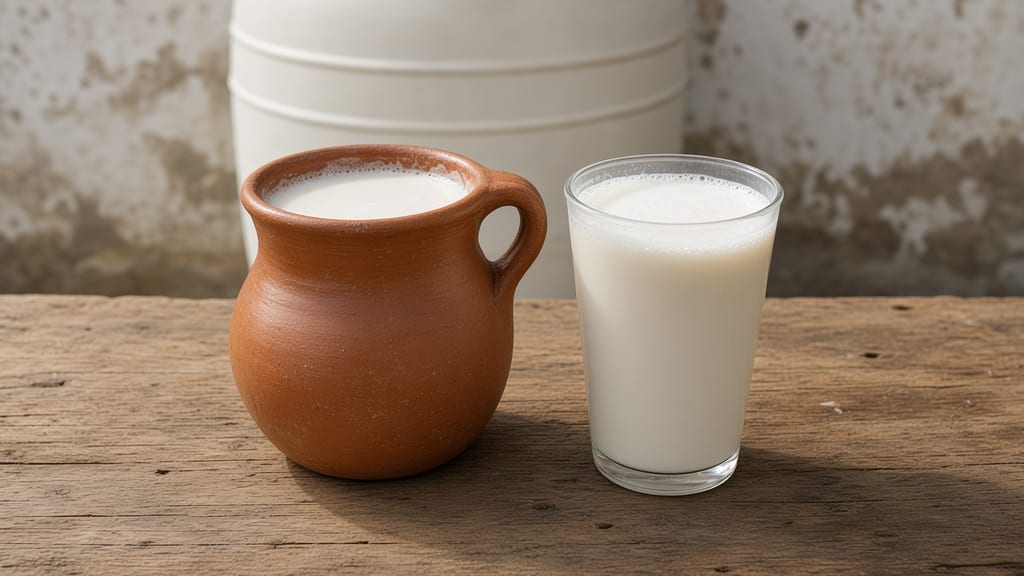
In the process described by modern research, a portion of previously fermented pulque may be used as seed or inoculum, and fresh aguamiel is added to a clean vat. Fermentation is not caused by the hide alone. The microorganisms in the sap and the pulque seed, along with collection and handling, are part of the process; the cited literature does not demonstrate a special microbial or flavour effect caused by cattle hide.
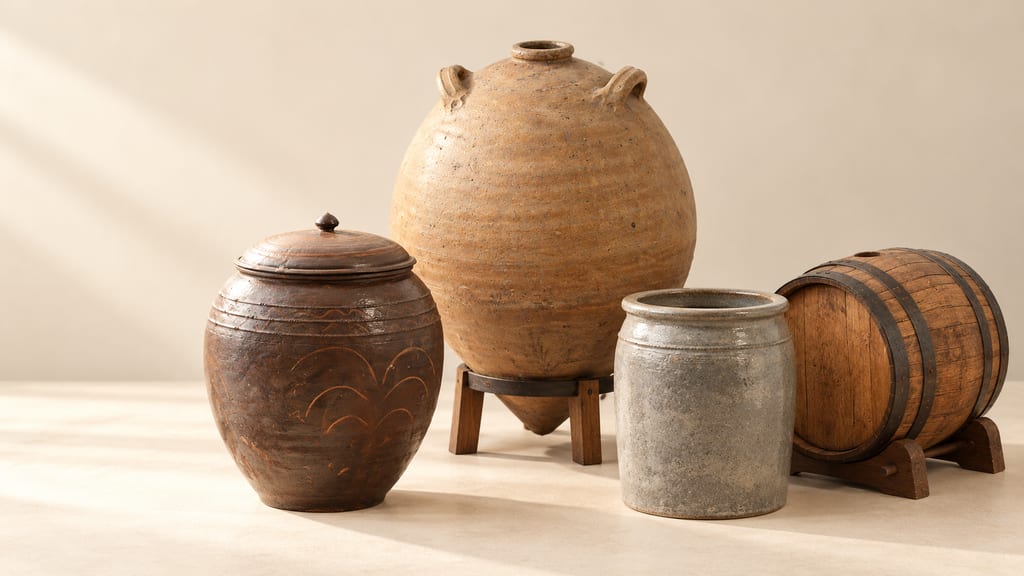
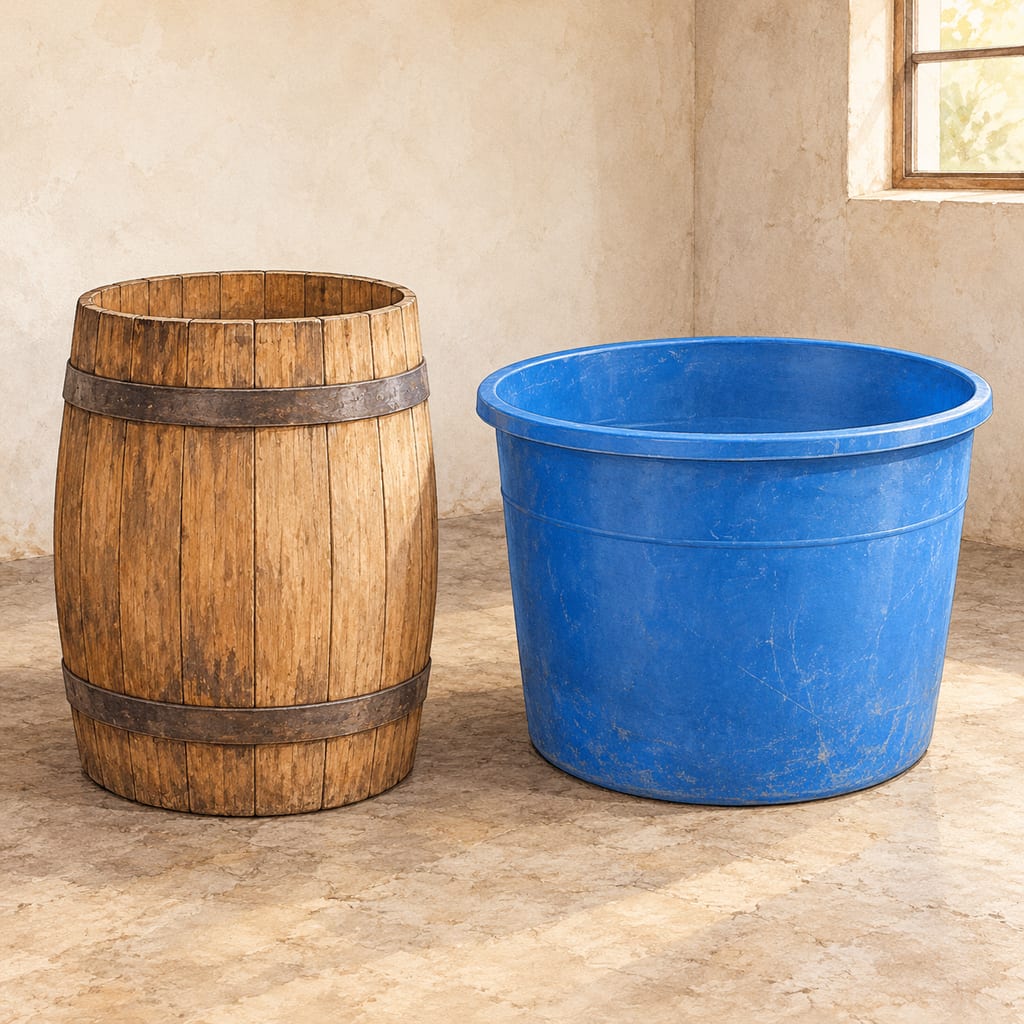
The vessel’s immediate function is containment. It holds a liquid batch in a shared production room while workers manage sap, inoculum and fermentation. Research describes pulque vessels made from several materials, including leather, wood, clay, glass fibre and plastic. Those examples show a changing material repertoire; they are not a controlled experiment proving that one material reproduces another’s performance.
Sources for this section
A later vessel in an older beverage tradition
Pulque has a much older history than the surviving evidence for this particular vessel. The National Institute of Anthropology and History’s account of the Teotihuacan Valley connects agave sap and pulque with a long regional history, then describes the later hacienda economy and the tinacal as the place where aguamiel becomes pulque. Cattle reached Mexico with Spanish colonization in the sixteenth century, so a vessel made from cattle hide is later than pre-Hispanic pulque traditions.
The oldest dated evidence used here is the 1919 photograph and accompanying description of a tinacal with ox-hide vats. A 2016 research review later presents fermented pulque in a traditional leather vat in Hidalgo. Together these show the form in a historical photograph and in a later documented production context. They do not show exactly when hide vats first appeared, whether every region used them, or whether their use continued without interruption.
Sources for this section
How to distinguish the vessel from other tools
The frame and sagging hide identify a fermentation vat, not a carrying bag. A skin used to transport aguamiel is portable but is not the open vessel where a batch is left to ferment. The acocote is different again: it is a hollow gourd used to draw sap from the maguey and transfer it elsewhere. The tinacal names the production room, not any one container within it.
The hide vat also belongs to pulque production, not to every agave beverage. Mezcal commonly ferments cooked agave material in other documented vessels and places. Shared agave plants do not make those vessels interchangeable. On this site the item is linked specifically to the pulque preparation, while the separate tinacal is discussed in the associated vessel-and-ferment article.
Sources for this section
Limits of the record
The photographs and descriptions establish a flexible cattle-hide basin supported by timber, but they do not give a standard size or capacity. They also do not provide a tested method for cleaning, preparing, seasoning or storing a hide vat today. No pressure, temperature or safety specification is reported.
The surviving images are evidence of particular vessels at particular moments. The 1919 image documents a tinacal but does not identify its location; the 2016 study identifies its photographed traditional leather vat as being in Hidalgo. Neither image proves one universal construction, nor that hide produces a particular taste. These limits matter when describing an old vessel without turning a photograph into a build plan or a process guarantee.
Sources for this section
History
A 1919 period photograph is captioned “Interior of a Tinacal” and its text identifies ox-hide vats; a 2016 review depicts fermented pulque in a traditional leather vat in Hidalgo. Because cattle were introduced to Mexico in the sixteenth century, a cattle-hide version is later than pre-Hispanic pulque traditions. These attestations do not establish the form’s earliest date or uninterrupted continuity.
Equipment details
CapacityThe sources do not establish a standard capacity for this type of framed hide vat.
SizeNo standard dimensions are reported for the hide or its frame.
PowerNo power The vat is passive equipment; fermentation is driven by the pulque process, not by powered machinery.
How you get oneNot established The historical sources describe use and construction form, but do not establish a current supplier or route for obtaining one.
CareThe sources document the vessel in production but do not provide a current cleaning, curing or storage protocol for a hide vat.
Made of
- cattle hide — flexible basin wall
The historical account and modern research describe cow or cattle hide vats; they do not establish one preparation or treatment for every example. - wood — supporting frame
The period photograph shows rectangular timber framing under the flexible hide; no standard timber dimensions are established.
Limits
A cattle-hide vat for pulque is not evidence that cattle-hide fermentation vessels were pre-Hispanic; the form is documented here only in later historical records.
Source →Research also documents wooden, clay, fiberglass and plastic vessels in pulque production, but does not establish that those materials have identical effects or rank them in a controlled comparison.
Source →The sources do not establish a standard volume, a cleaning or hide-treatment protocol, or that the hide itself causes a distinctive flavour or microbial effect.
Source →The cattle-hide form is post-contact: cattle were introduced to Mexico in the sixteenth century, so older evidence for pulque does not date this vessel.
Source →Places
Central Mexico
Historical attestation · Region evidenceThe period image documents a tinacal and ox-hide vats; the supplied atlas locates this equipment class in central Mexico. The source does not identify the hacienda shown.
Hidalgo State
Documented use · Region evidenceThe article caption identifies a traditional leather vat in Hidalgo; this does not imply that all pulque vats or tinacales use hides.