A container with its own chamber
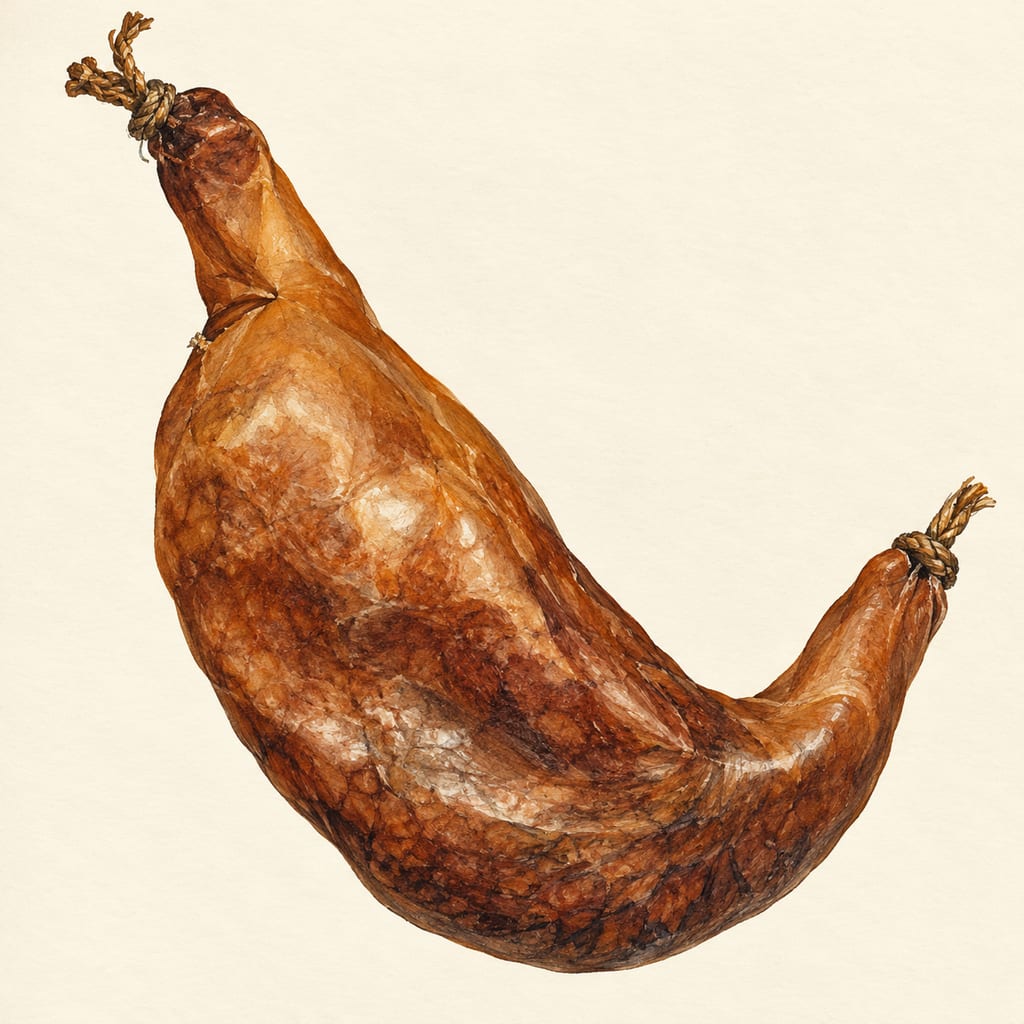
A seal stomach could be turned into a flexible household food container in Alutiiq/Sugpiaq Alaska. The Alutiiq word recorded by the museum is *Isuwim Suqaa*, “Seal Stomach”; the museum pairs it with the saying “Oil is always in the seal stomach.” The pouch used the organ’s natural chamber rather than a sewn tube. Its role was storage and containment, distinct from the waterproof bags and jackets made from seal intestines and the drum coverings made from seal bladders.
The museum describes these as common household items, still in use well into the twentieth century. By late fall, house rafters could hold seal stomachs packed with foods gathered over summer. The practice belongs to the Alutiiq account documented by the Kodiak-based museum; it should not be generalized to every northern coastal culture.
Sources for this section
Foods, oil and the work of the pouch
The documented contents include berries, greens, oil, fish eggs and other foods. The container’s flexibility allowed an existing organ cavity to hold food, while tying both ends closed helped contain blubber during oil rendering. Pieces of blubber were put inside and both ends tightly lashed. As the blubber aged, oil was released into the stomach; the oil served as food, fuel and a material for waterproofing skins.
The museum also describes berries, shellfish and other foods stored in oil in containers made from dried seal and sea-lion stomachs. Oil coated the food and kept it from drying. This is a storage arrangement involving both the pouch and its contents: the stomach held the food, while the oil supplied the coating. The source does not specify a storage duration, temperature, cleaning procedure or validated safety process, so none can be inferred from the historical description.
Sources for this section
Material and limits of the evidence
The museum’s collection includes a seal-stomach poke given by the Matfay family. Its image provides a direct object reference for the form of a dried stomach container. The accompanying text describes the broad pattern of household use and the lashed closure, but does not specify dimensions, capacity, the stomach compartment, a fabrication sequence or how the vessel was cleaned and maintained. Those details are left open rather than supplied by analogy with other animal-skin containers.
The museum identifies the food-storage tradition with Alutiiq society and Kodiak, Alaska. Its account says the practice continued into the twentieth century, without dating its beginning. The seal-stomach container is therefore best understood as a historically documented local technology whose known functions include storing gathered foods and rendering oil, rather than as a generic casing or a fermentation vessel.
Sources for this section
History
The Alutiiq Museum documents seal-stomach food containers as common household items used well into the twentieth century. The account supplies no first-use date.
Equipment details
PowerNo power Passive container; no powered mechanism is described.
How you get oneGathered or grown The historical vessel used a seal stomach. The museum account documents the practice but does not describe a contemporary supply route or preparation method.
Made of
- Seal stomach — container wall
The Alutiiq Museum documents the whole stomach used as a flexible food container; it does not identify a particular stomach compartment or describe preparation of the organ.
Places
Alutiiq/Sugpiaq Alaska
Traditional use · Region evidenceDocumented in the Alutiiq Museum account; does not claim this is the container’s sole use or origin.