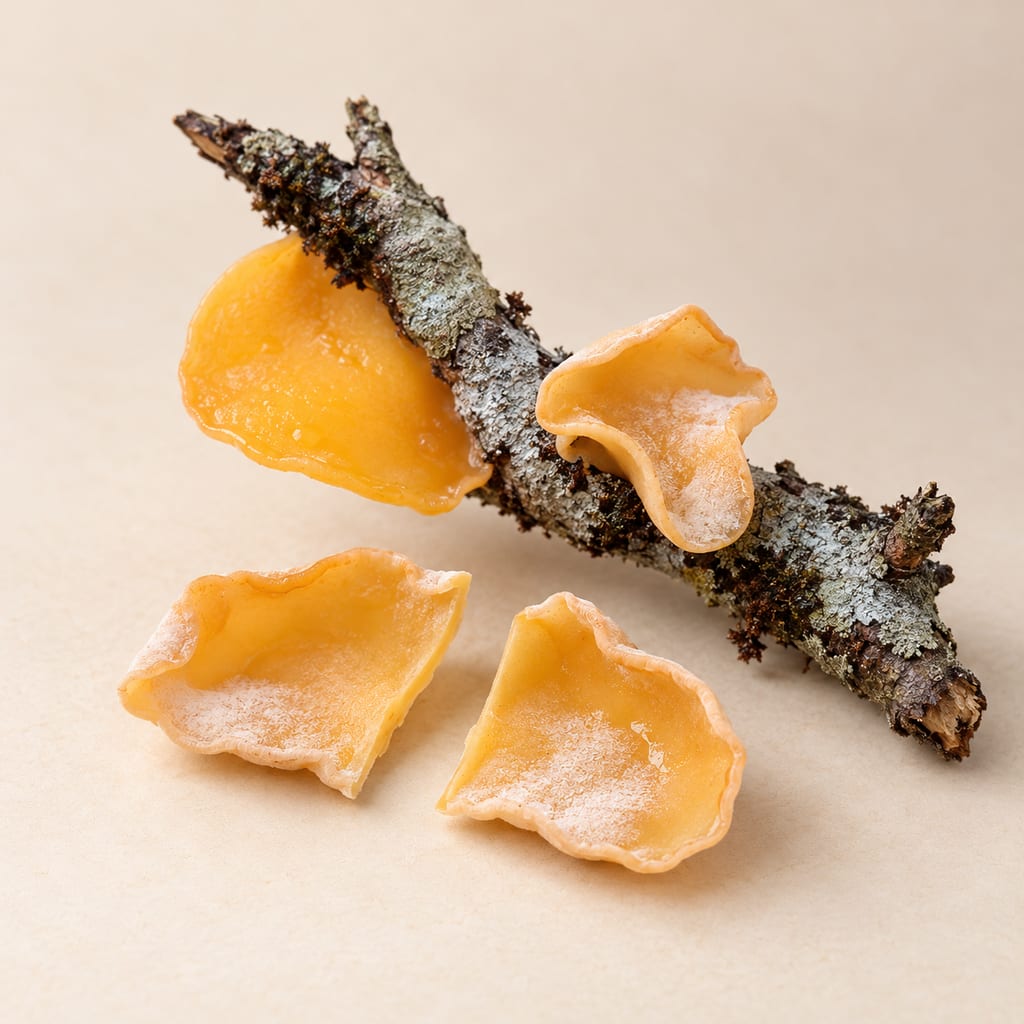
Aleurodiscus vitellinus
Aleurodiscus vitellinus, the yellow disc fungus, is a wood-growing fungus of the Nothofagus forests of Patagonia recorded as a regional food; its safety and local species identity are not established.
 FermenteaWhere food goes to change
Mushrooms
Gargal, Grifola gargal, is a wild mushroom of the Andean-Patagonian forests of Argentina and Chile, prized for its taste and now rated Endangered because wild stocks are declining.
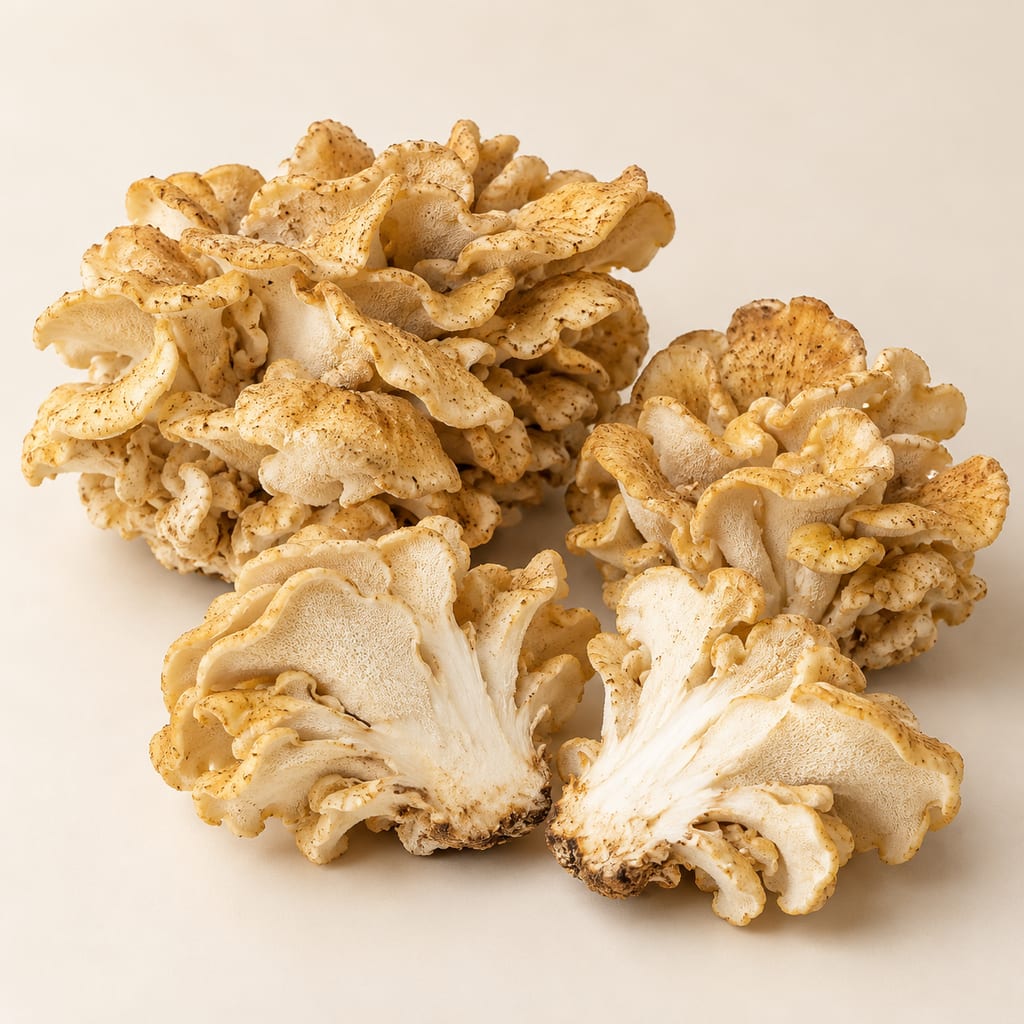
Grifola gargal is a wild mushroom of the Andean-Patagonian forests. It belongs to the genus Grifola, the group that also includes the maitake, and the sources reviewed treat it as a species of its own. The Argentine research on the species refers to it together with Grifola sordulenta, and it is studied as a possible biotechnology product as well as a food.
The IUCN assessment ties the mushroom to Nothofagus obliqua trees in several Chilean regions, and its Argentine sightings are near Bariloche. The sources do not describe its shape or size in detail, so this page does not give them.
A 2015 review by the Argentine mycologist Pablo Postemsky highlights the culinary appeal of the species and notes a distinctive almond flavour in its fruiting bodies. The sources describe the main interest in these species as their culinary properties, so the food value is the reason the mushroom is gathered.
The sources do not describe a traditional preparation, a local name, or a cooking method. This page does not provide one. The sources also do not record any use in Brazilian cuisine, so no Brazilian claim is made.
The IUCN rates the species Endangered. The assessment says it is highly prized and increasingly difficult to find, with a suspected population decline of more than 50 per cent. That makes the species a conservation case as well as a food, and a cook should not treat wild gathering as a reliable supply.
The sources do not give yields, harvest seasons or a permitted harvest level, so this page gives none.
Argentine research documents laboratory culture of Grifola gargal and G. sordulenta, including growth on agar and liquid nutrient media. Laboratory culture is a research step, and the sources do not describe commercial cultivation of the species. This page does not give a culture method.
The sources do not describe a commercial product or a strain for sale, so none is described here.
This page gives no identification or edibility verdict for a specimen. A wild gargal should be identified by an expert before it is eaten, and the conservation status argues against casual collection. The sources do not give a storage life, an allergen profile or a safety assessment, so this page gives none.
Country-level. The sources place the species in the Andean-Patagonian forests; the Bariloche sightings are a locality mentioned in the IUCN assessment, not a documented origin.
Country-level. The IUCN lists the species only on Nothofagus obliqua in several Chilean regions.
Aleurodiscus vitellinus, the yellow disc fungus, is a wood-growing fungus of the Nothofagus forests of Patagonia recorded as a regional food; its safety and local species identity are not established.
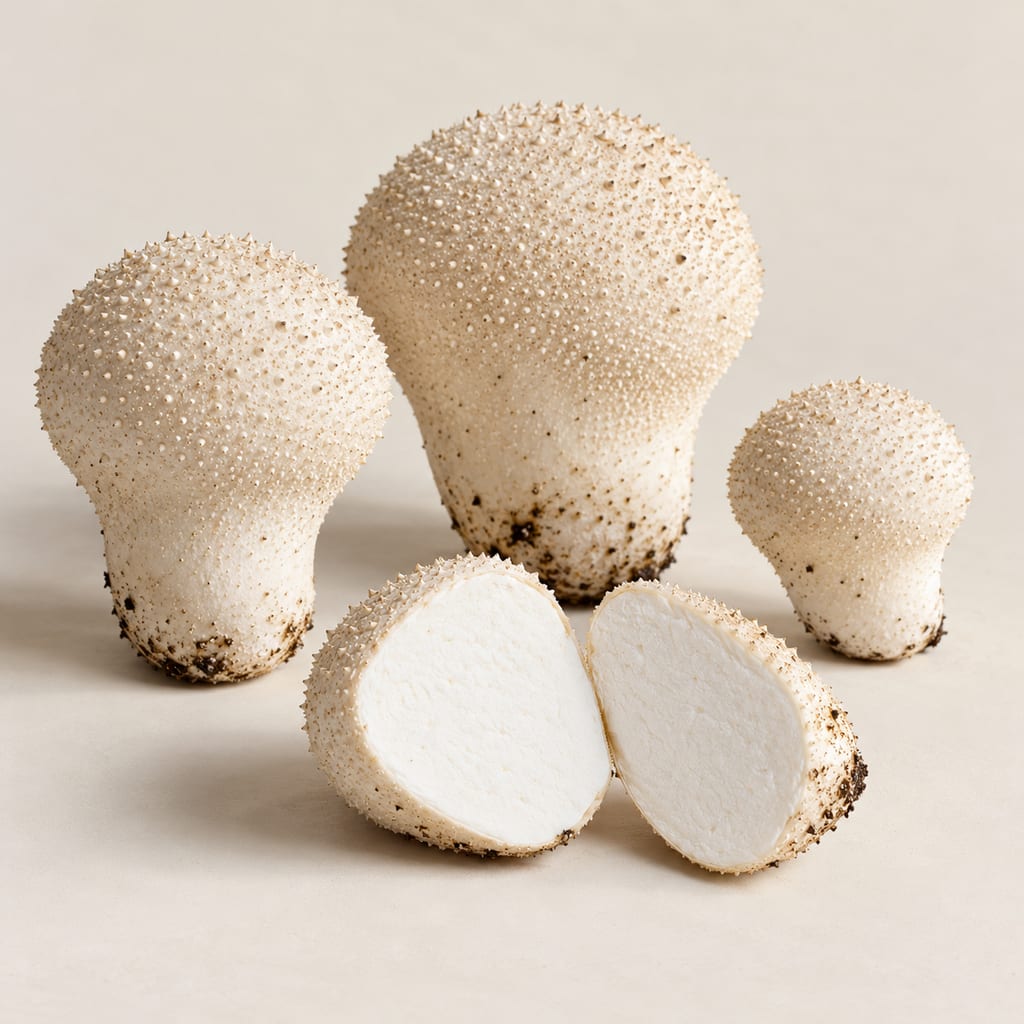
The common puffball, Lycoperdon perlatum, is a wild, ground-growing puffball. It is cooked as food in some traditions only while the flesh is still white, and its lookalikes must be excluded before any use.
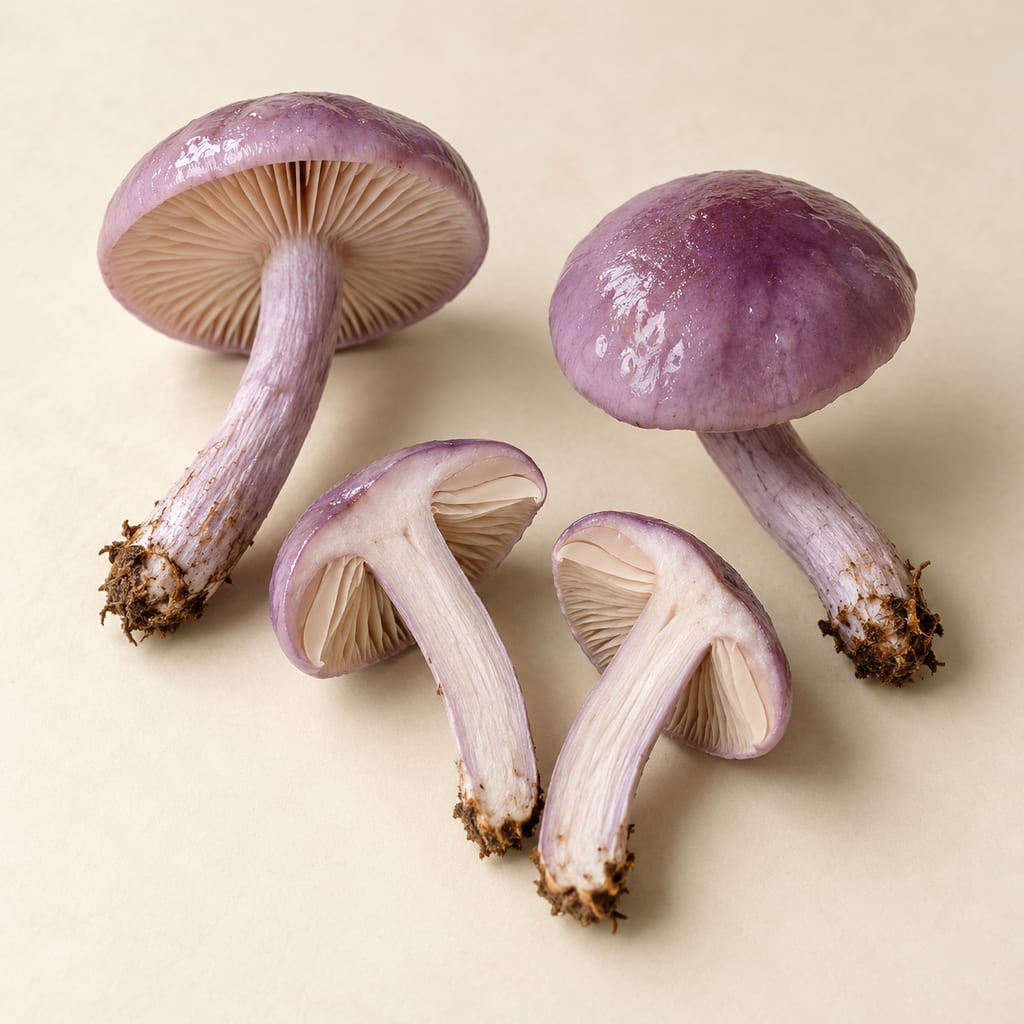
Cortinarius magellanicus is a webcap mushroom of Nothofagus forests in Patagonia, recorded in regional food use, but it belongs to a species complex and its genus contains deadly toxic species.
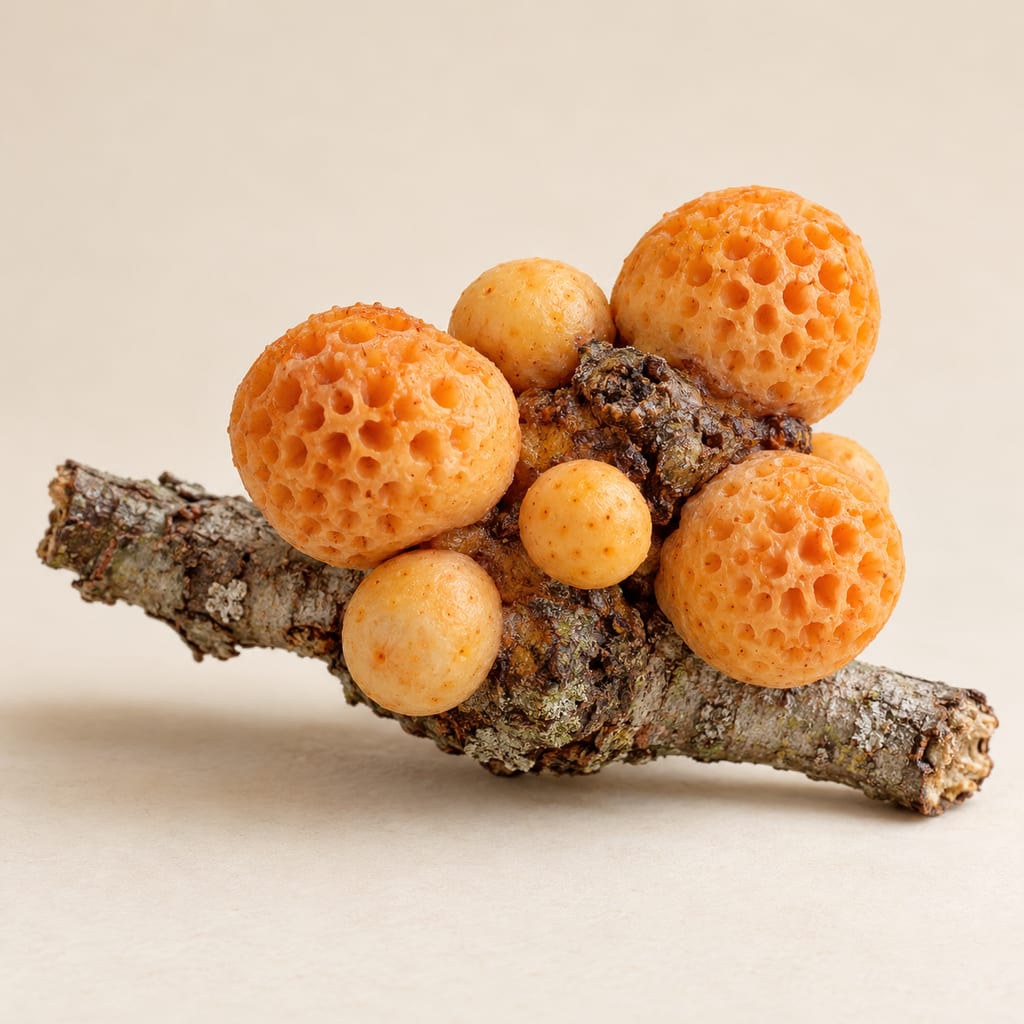
Darwin’s fungus is a pitted orange stroma that grows from galls on living southern beeches in southern Chile and Argentina. Sources document regional food use, especially in Tierra del Fuego.
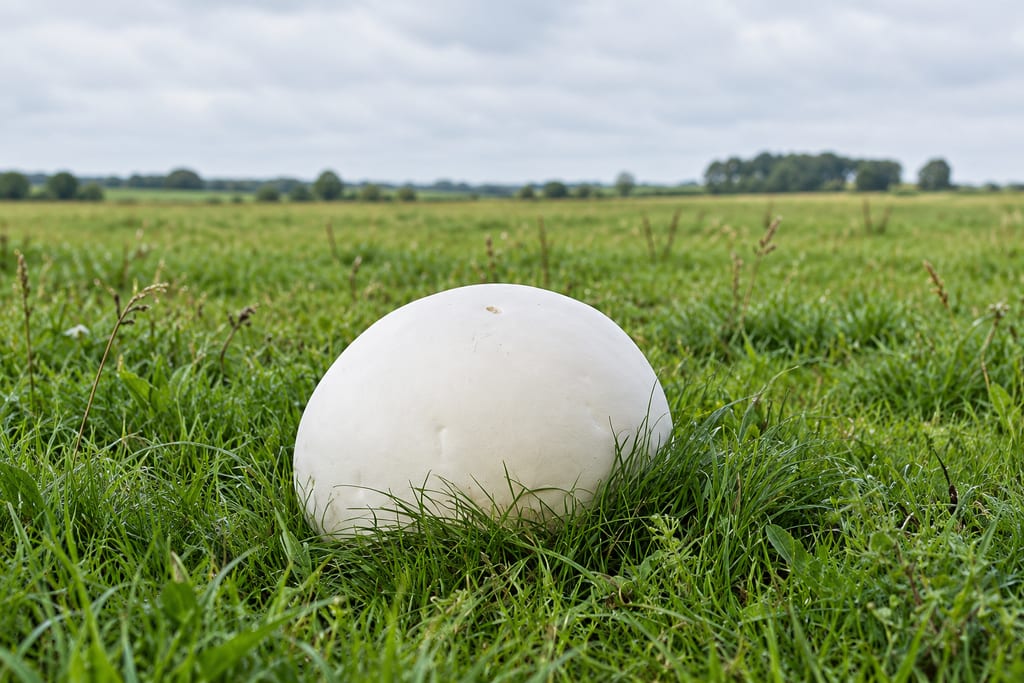
Young Calvatia gigantea is documented as a cooked food in Khiram, South Kashmir; mature or uncertain specimens are not food. Wild mushroom identification requires expert confirmation.
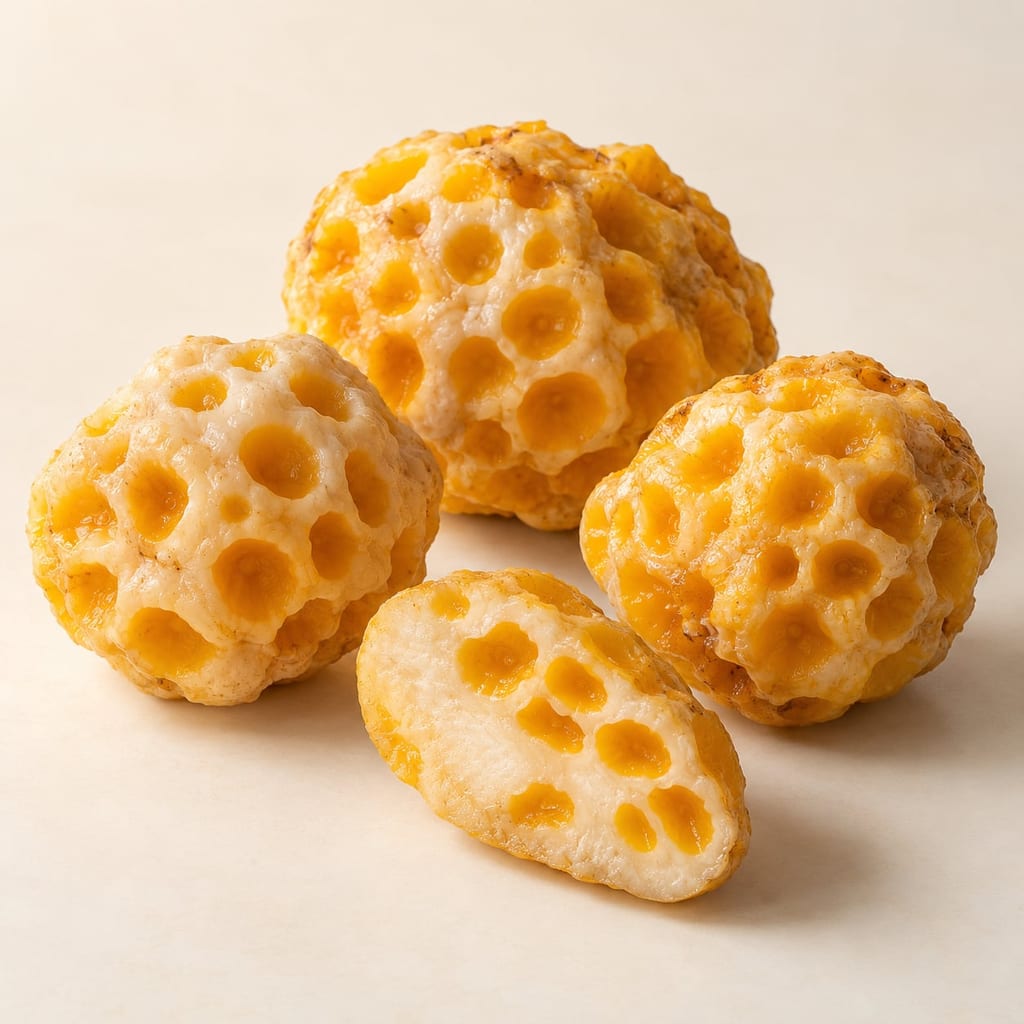
Llao-llao is the orange, gelatinous fruiting body of a southern-beech parasite in the Andean–Patagonian forests of Chile and Argentina. Regional sources document its food history, including Mapuche use in chicha.
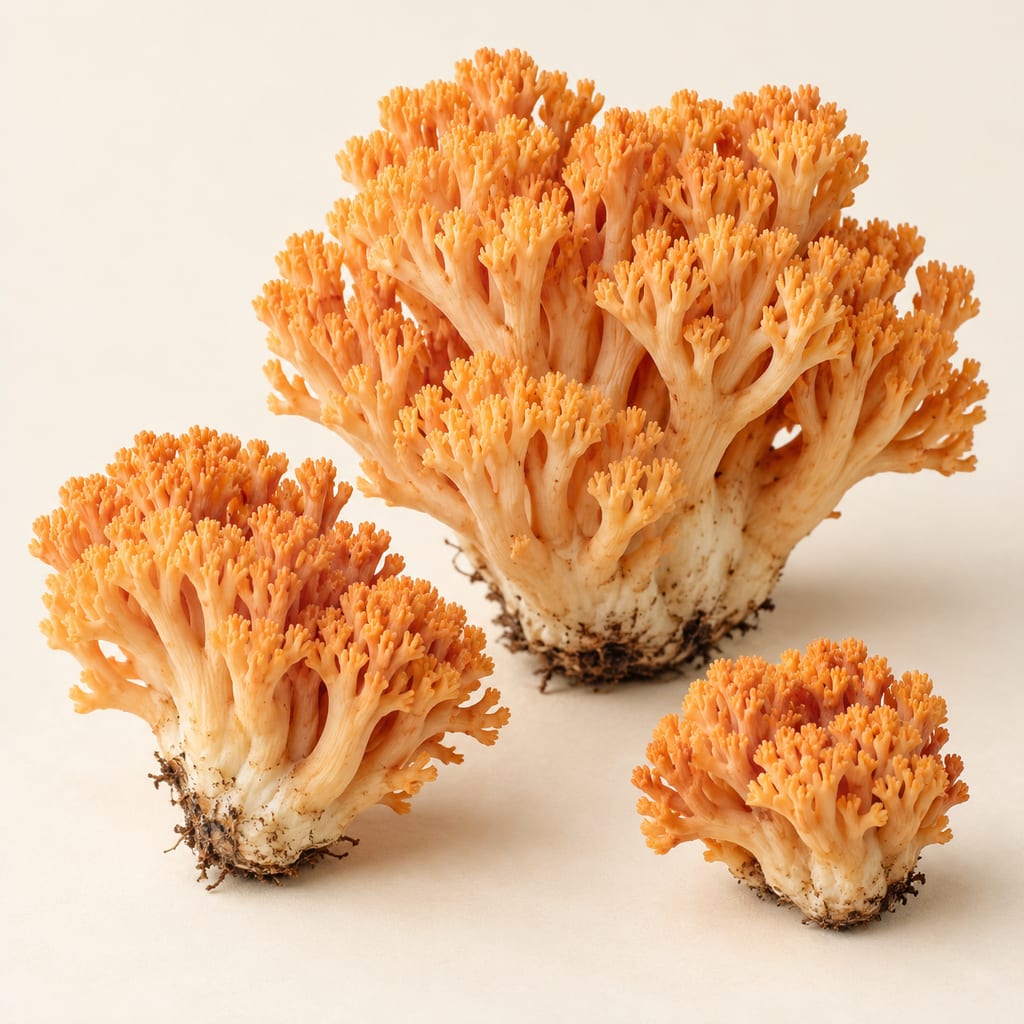
Patagonian changle, Ramaria patagonica, is a coral fungus of southern Chilean and Argentine forests that Patagonian guides list as cooked and eaten, with no species-level safety verdict.
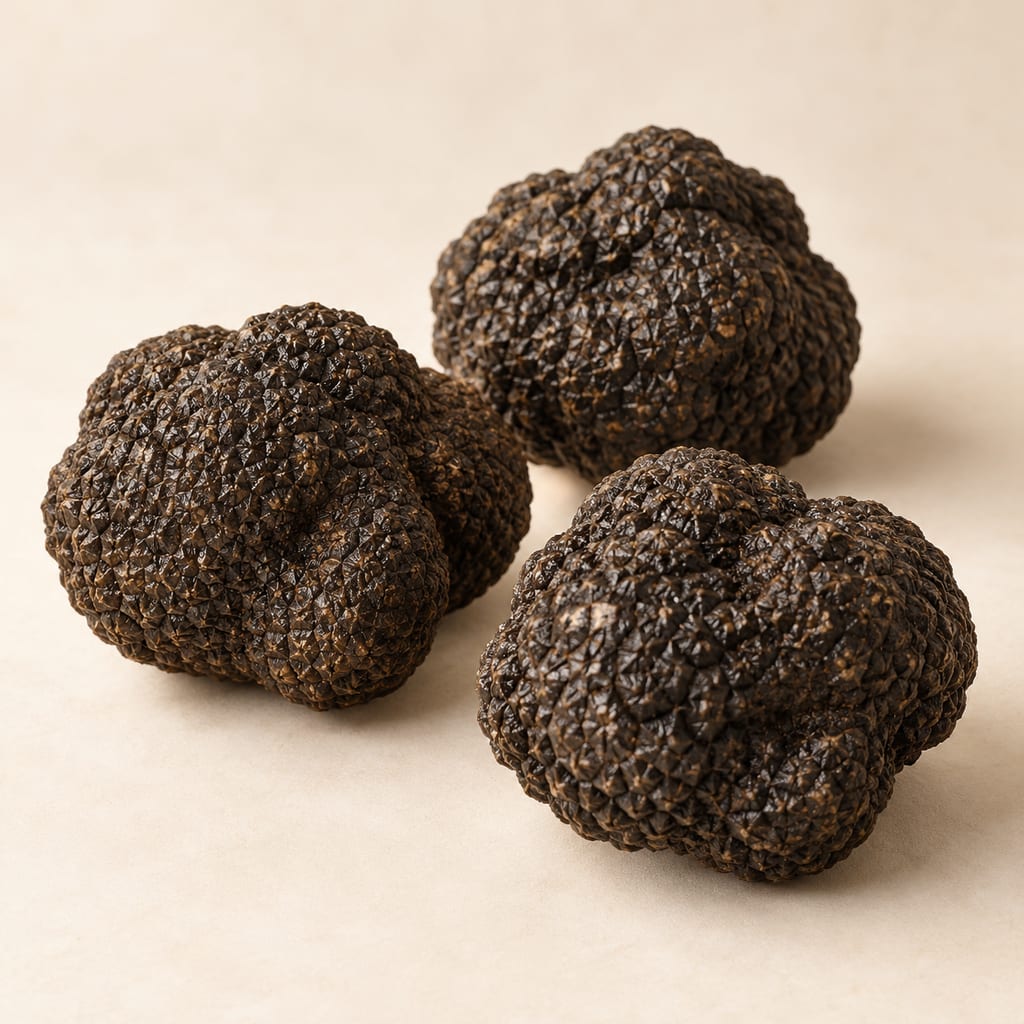
Tuber melanosporum is the Périgord black truffle, a mycorrhizal fungus of southern Europe grown in inoculated oak and hazel orchards and used as a high-value aromatic seasoning.
No community contributions have been published for this entry yet.
Sign in to contribute. Published comments and photos are free to read.
IUCN Red ListConservation · Geography · Host
IUCN Red List species assessment for Grifola gargalEndangered; highly prized and increasingly difficult to find; suspected population decline above 50 per cent; sightings near Bariloche; Nothofagus obliqua in several Chilean regions (search summary; primary text not opened).
Cited in: What it is; Its place in regional food; Conservation and wild collection; Safety and identification
CONICET Digital (Argentina)Food use · History
Grifola gargal and G. sordulenta, Two Wild Edible Mushrooms with Perspectives as Biotech ProductsCulinary appeal and distinctive almond flavour in the fruiting bodies, from the 2015 review by Pablo Postemsky (search summary; primary text not opened).
Cited in: What it is; Its place in regional food
CONICET Digital (Argentina)Method
Optimizing Grifola sordulenta and Grifola gargal growth in agar and liquid nutrient mediaLaboratory culture on agar and liquid nutrient media (search summary; title only, primary text not opened).
Cited in: Cultivation research