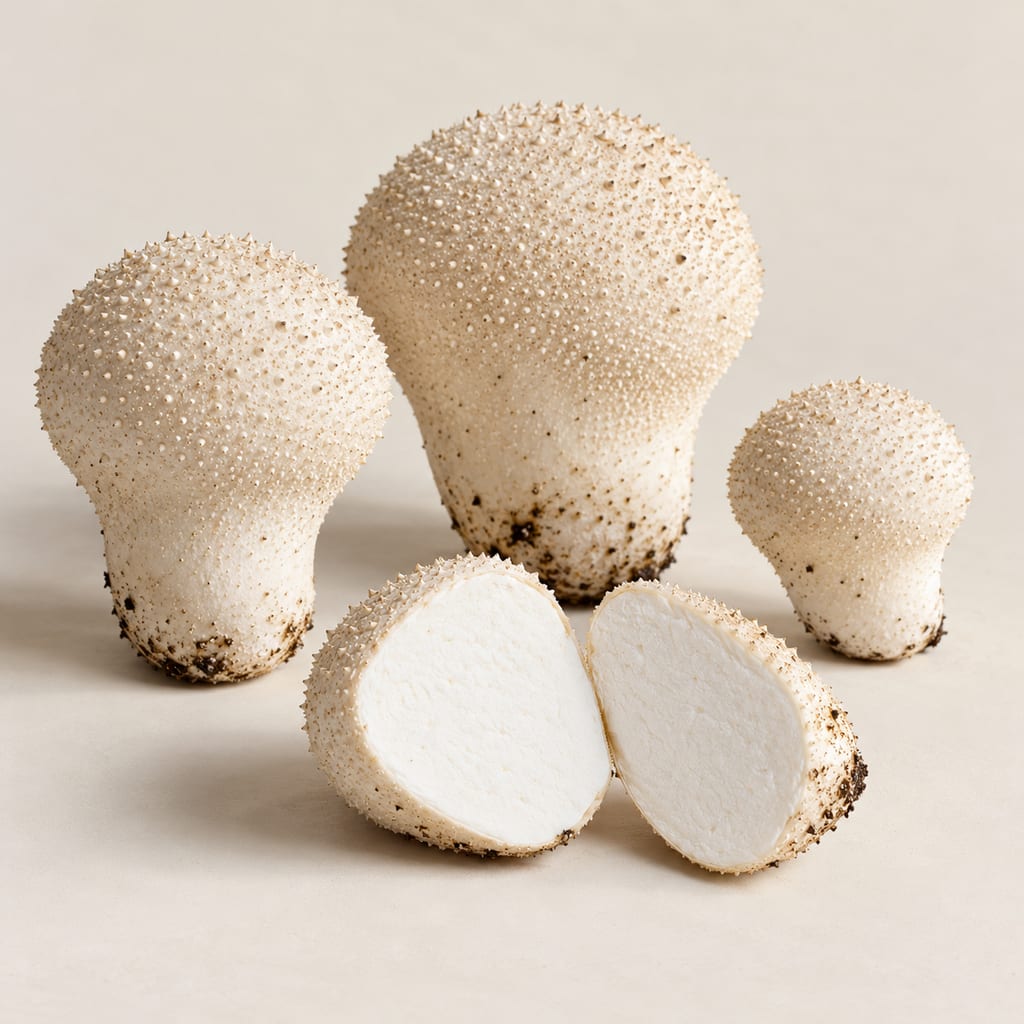
Common puffball
The common puffball, Lycoperdon perlatum, is a wild, ground-growing puffball. It is cooked as food in some traditions only while the flesh is still white, and its lookalikes must be excluded before any use.
 FermenteaWhere food goes to change
Mushrooms
Aleurodiscus vitellinus, the yellow disc fungus, is a wood-growing fungus of the Nothofagus forests of Patagonia recorded as a regional food; its safety and local species identity are not established.
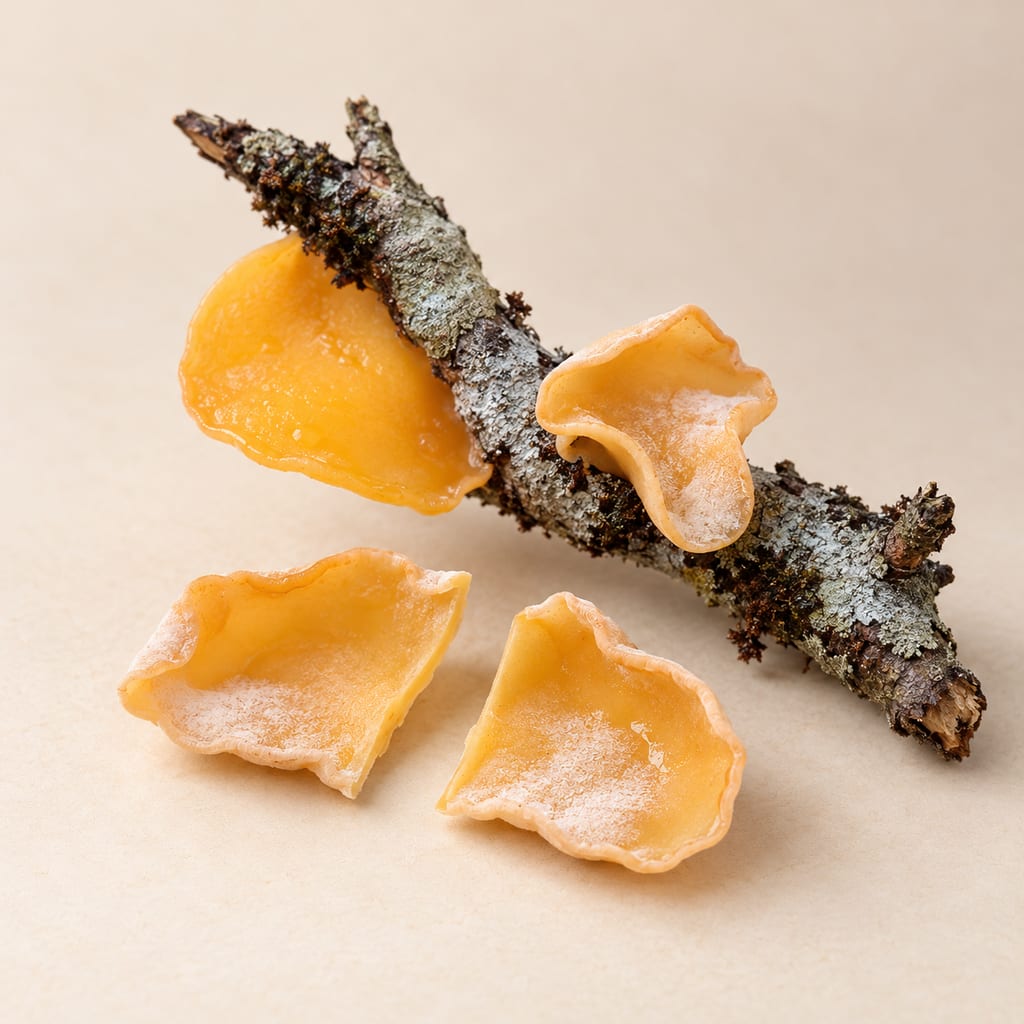
Aleurodiscus vitellinus is a wood-growing fungus of the Nothofagus forests of the Patagonian Andes, in Argentina and Chile. It is known in English as the yellow disc fungus, a name the catalogue records. It grows on wood.
It is one of several native fungi that the Patagonian food literature groups with other forest mushrooms. The catalogue treats it as a food fungus on the strength of a regional consumption record, not as a species with a settled place in the kitchen.
The regional record places the fungus in Patagonia, which the catalogue gives as Argentina and or Chile. The catalogue records the ecology as Nothofagus forest wood. Nothofagus, the southern beech, is the group of trees under which the record places it.
The Patagonian studies of wild edible mushrooms are mostly laboratory and nutritional work with a small number of local collections. Consumption is described as local, and the catalogue gives no figure for how much of the fungus is gathered or sold.
The catalogue describes the fungus as a regional consumption record that has been studied as a food fungus. The Foods study of wild edible mushrooms from native Nothofagus forest reports it among the species with consumption records, alongside its nutritional composition.
The sources reviewed do not give a preparation for this fungus. This page does not describe how it is cooked, dried or stored, and it does not give a season or quantity.
The catalogue states that the food-use record is not a comprehensive toxicity evaluation and that the local species concept needs verifying. The sources reviewed give no safety data for this species, and they do not establish that it is safe to eat in any quantity.
This page is not an identification guide. Wood-growing crust-like fungi are easily confused, and a specimen should not be picked or eaten on the basis of this page.
The regional record places the fungus in Patagonia, Argentina and or Chile; no locality is given.
The common puffball, Lycoperdon perlatum, is a wild, ground-growing puffball. It is cooked as food in some traditions only while the flesh is still white, and its lookalikes must be excluded before any use.
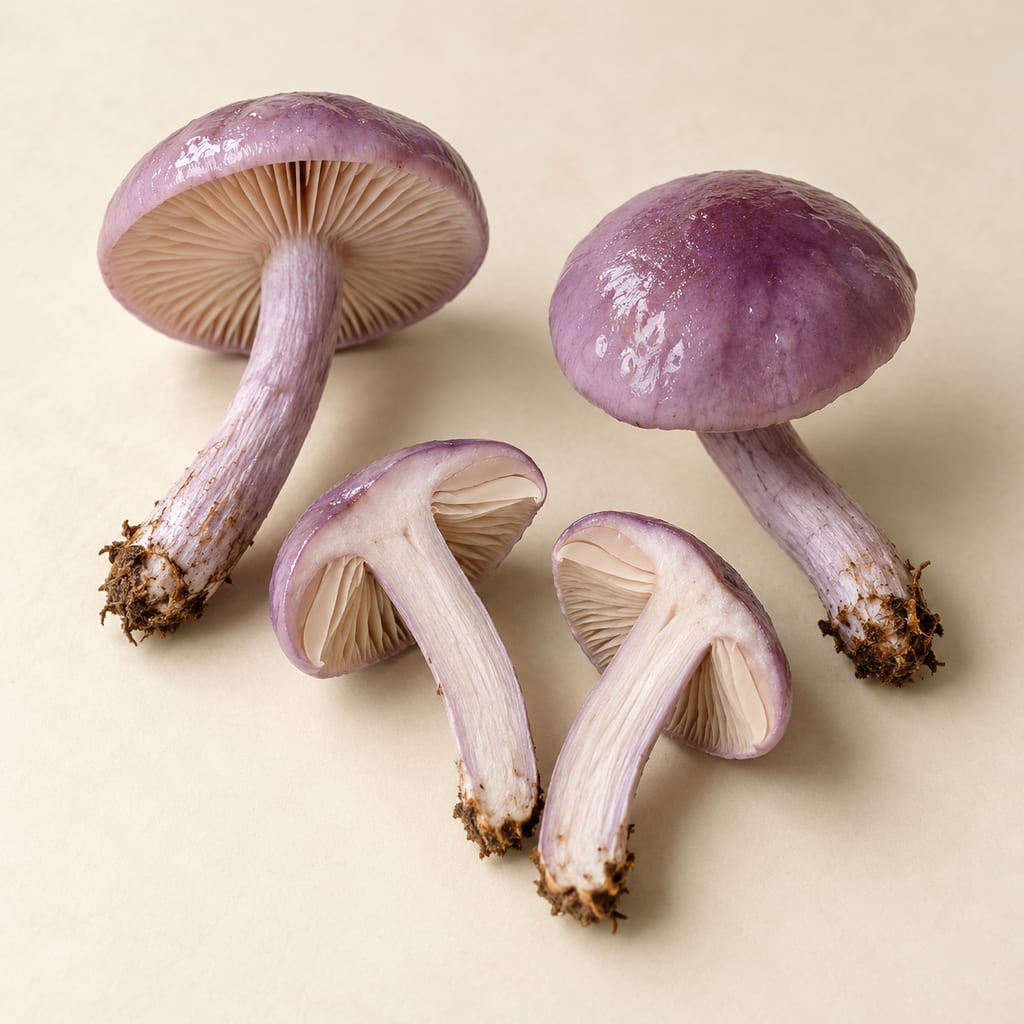
Cortinarius magellanicus is a webcap mushroom of Nothofagus forests in Patagonia, recorded in regional food use, but it belongs to a species complex and its genus contains deadly toxic species.
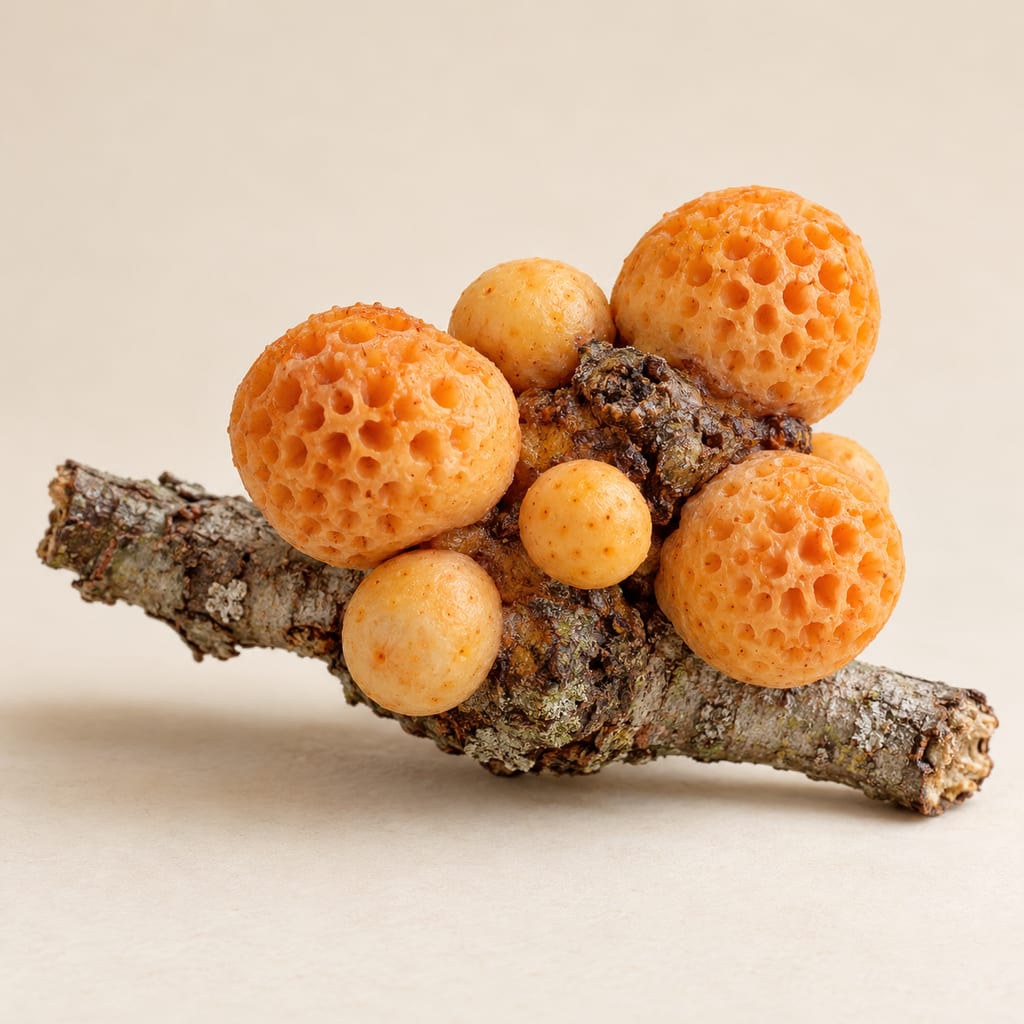
Darwin’s fungus is a pitted orange stroma that grows from galls on living southern beeches in southern Chile and Argentina. Sources document regional food use, especially in Tierra del Fuego.
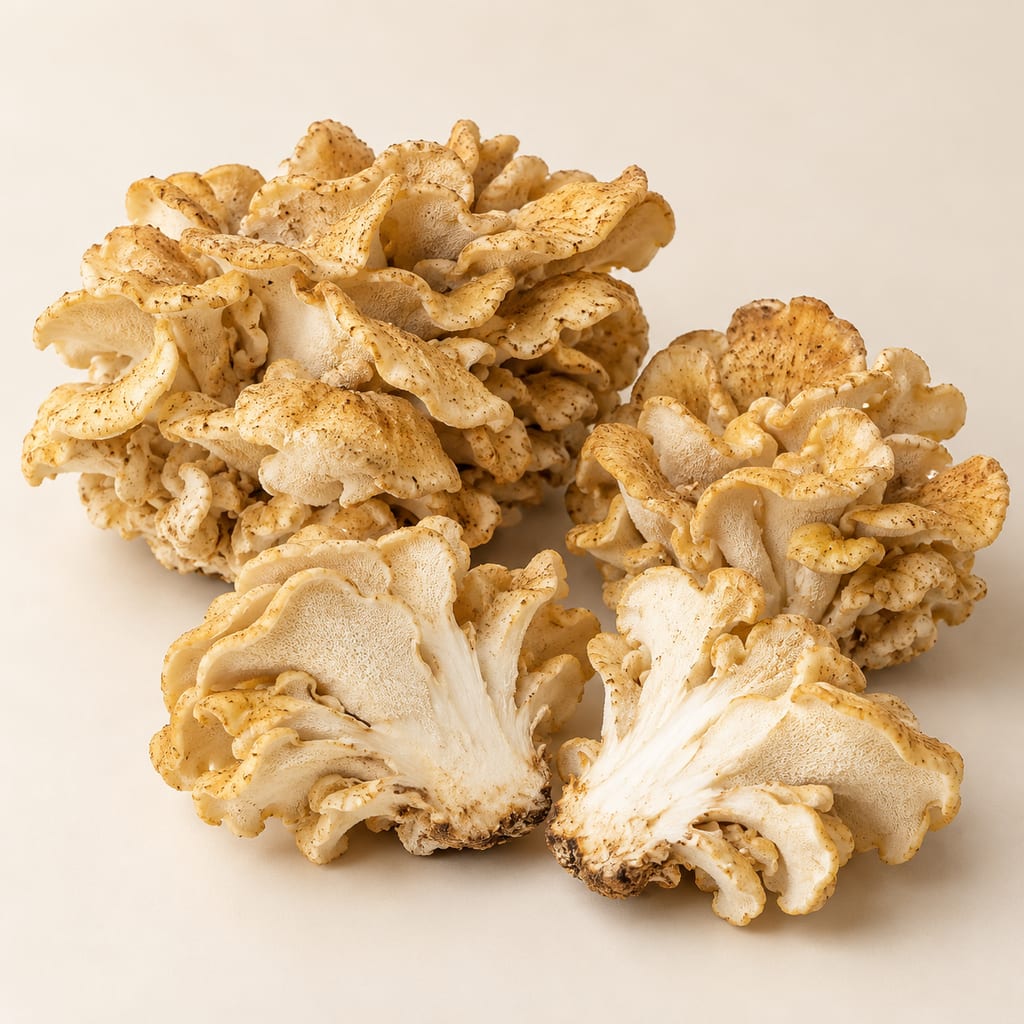
Gargal, Grifola gargal, is a wild mushroom of the Andean-Patagonian forests of Argentina and Chile, prized for its taste and now rated Endangered because wild stocks are declining.
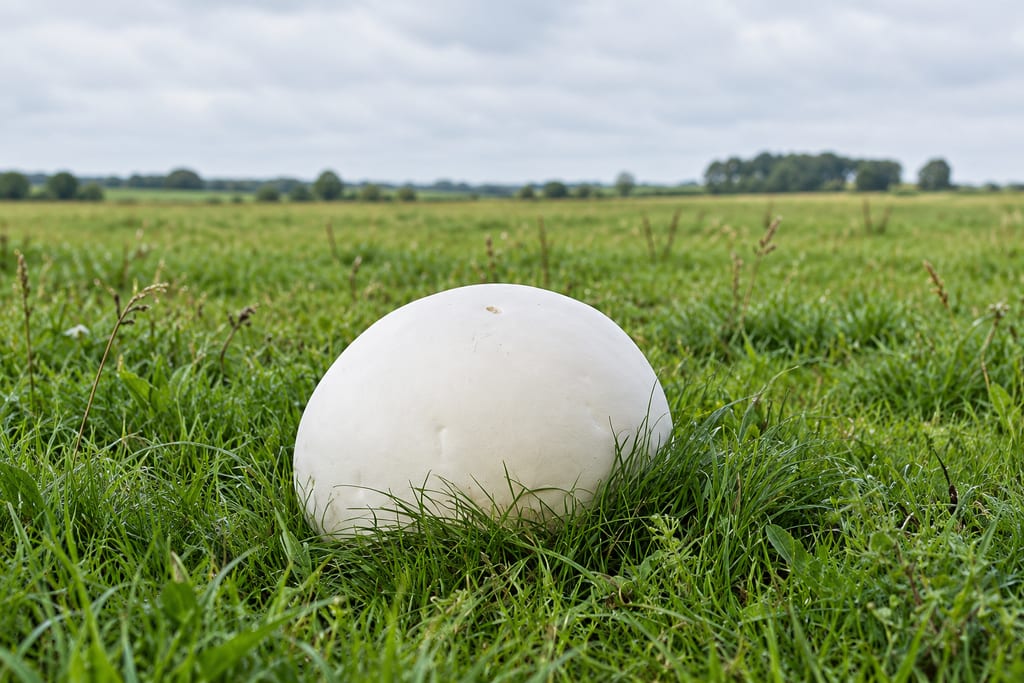
Young Calvatia gigantea is documented as a cooked food in Khiram, South Kashmir; mature or uncertain specimens are not food. Wild mushroom identification requires expert confirmation.
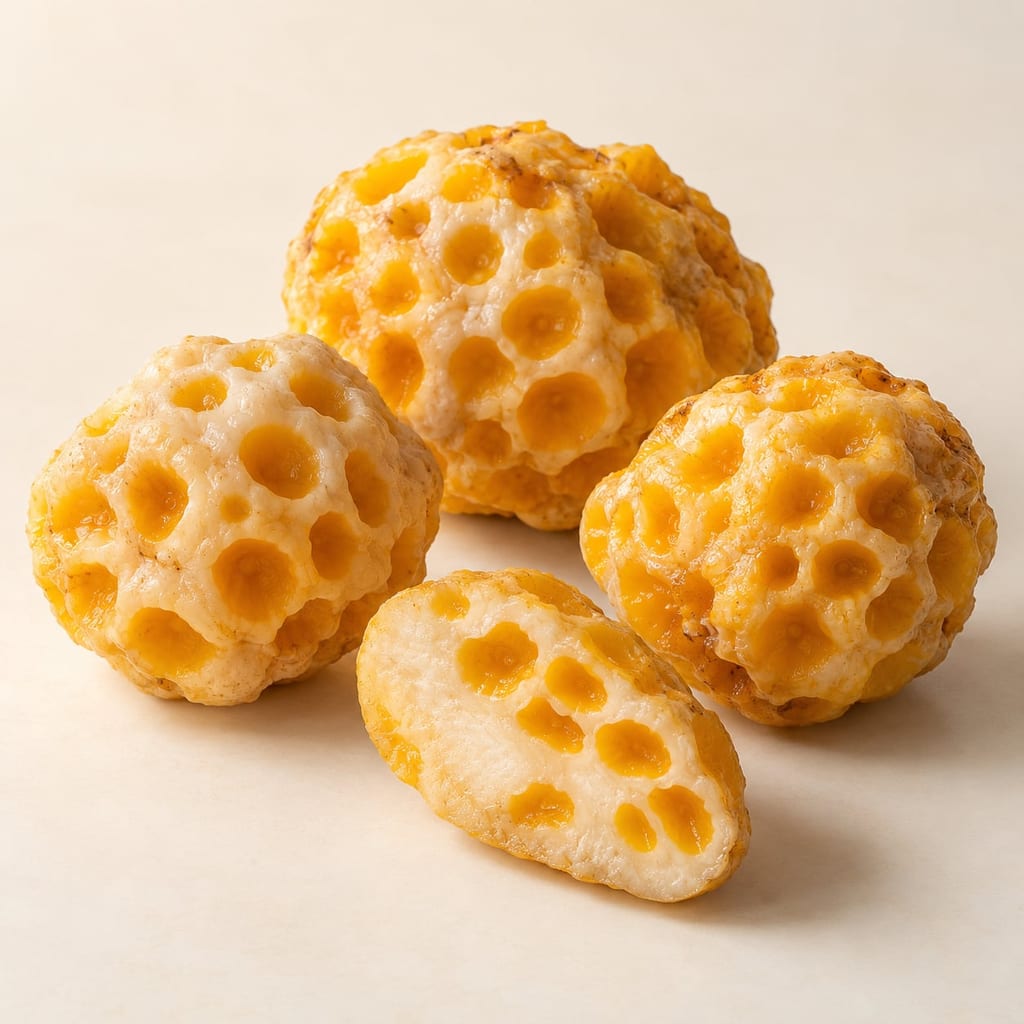
Llao-llao is the orange, gelatinous fruiting body of a southern-beech parasite in the Andean–Patagonian forests of Chile and Argentina. Regional sources document its food history, including Mapuche use in chicha.
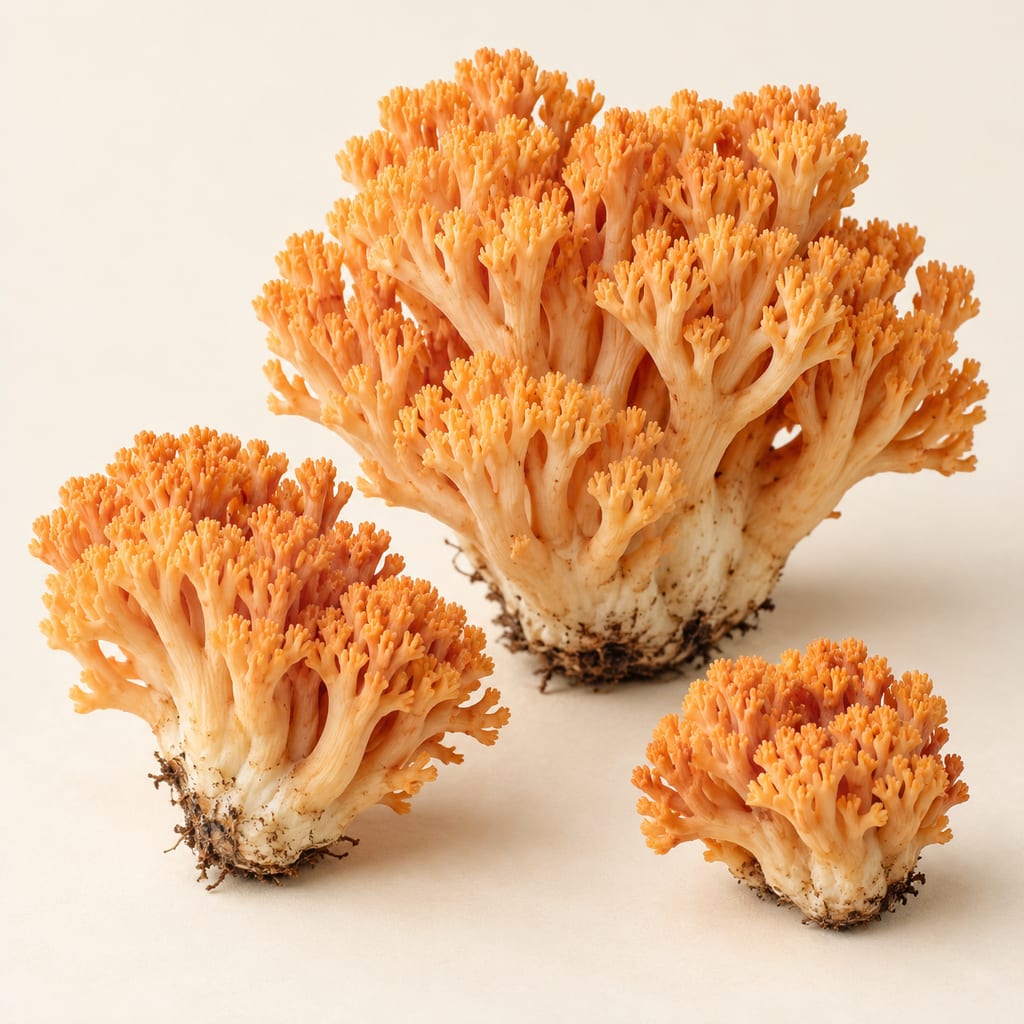
Patagonian changle, Ramaria patagonica, is a coral fungus of southern Chilean and Argentine forests that Patagonian guides list as cooked and eaten, with no species-level safety verdict.
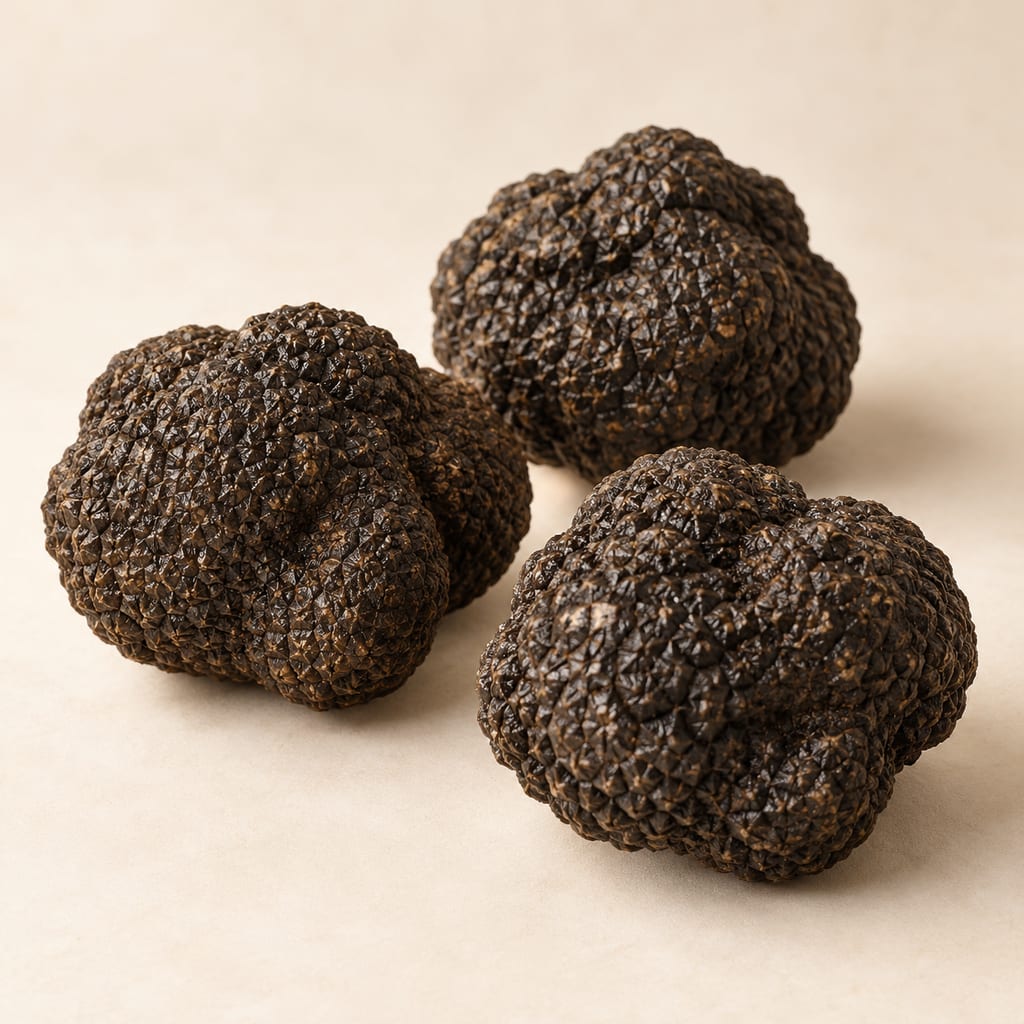
Tuber melanosporum is the Périgord black truffle, a mycorrhizal fungus of southern Europe grown in inoculated oak and hazel orchards and used as a high-value aromatic seasoning.
No community contributions have been published for this entry yet.
Sign in to contribute. Published comments and photos are free to read.
Foods (MDPI)Food use · Ecology · Geography · Safety
Wild edible fungi of the Patagonian Nothofagus forests (supplied catalogue source, Foods, MDPI)Regional consumption record in Patagonia (Argentina and or Chile); studied as a food fungus; Nothofagus forest wood; the record is not a toxicity evaluation and the local species concept needs verifying (supplied catalogue record; primary page returned an access error when reopened).
Cited in: What it is; Where it is recorded; Food use; Identification and safety
Foods (MDPI), doi 10.3390/foods11213516Food use
Nutritional Composition and Bioactive Properties of Wild Edible Mushrooms from Native Nothofagus Patagonian ForestsStudy of wild edible mushrooms from native Nothofagus forests that includes the species as a consumption record (title and search summary only; primary text not opened).
Cited in: What it is; Where it is recorded; Food use